These ideas run from a ruffled scrunchie to a full faux fur coat, and the right one depends on which 90s lane you actually want to wear, not the one that looked best on a runway you never saw.
Grunge, minimalism, hip-hop, preppy and bold color each stayed separate then, and keeping them separate now is what keeps the look intentional.
The blue denim overalls with one strap unbuttoned for errands are on this list, and so are the tan boots I would have worn with them back then.
1. Overalls
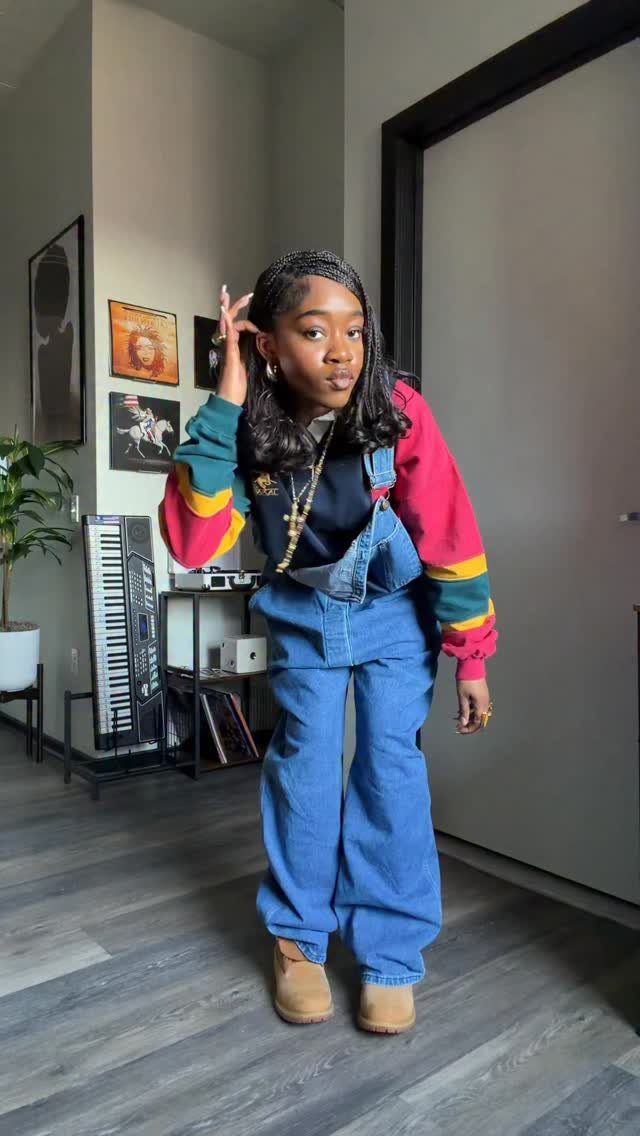
Overalls are the one-piece that carried me through playground days and still works now.
I still buy mine roomy enough to layer over a striped tee or a band shirt, and I wear them with boots that have some weight to them.
Black overalls in a cleaner fabric work the same way if you want something that moves between daytime and evening without the farm association.
The single-strap look is everywhere on social feeds; I find both fastened feels more natural for running errands, but either way the point is ease. You are wearing one thing, not assembling an outfit.
2. High-waisted Mom Jeans
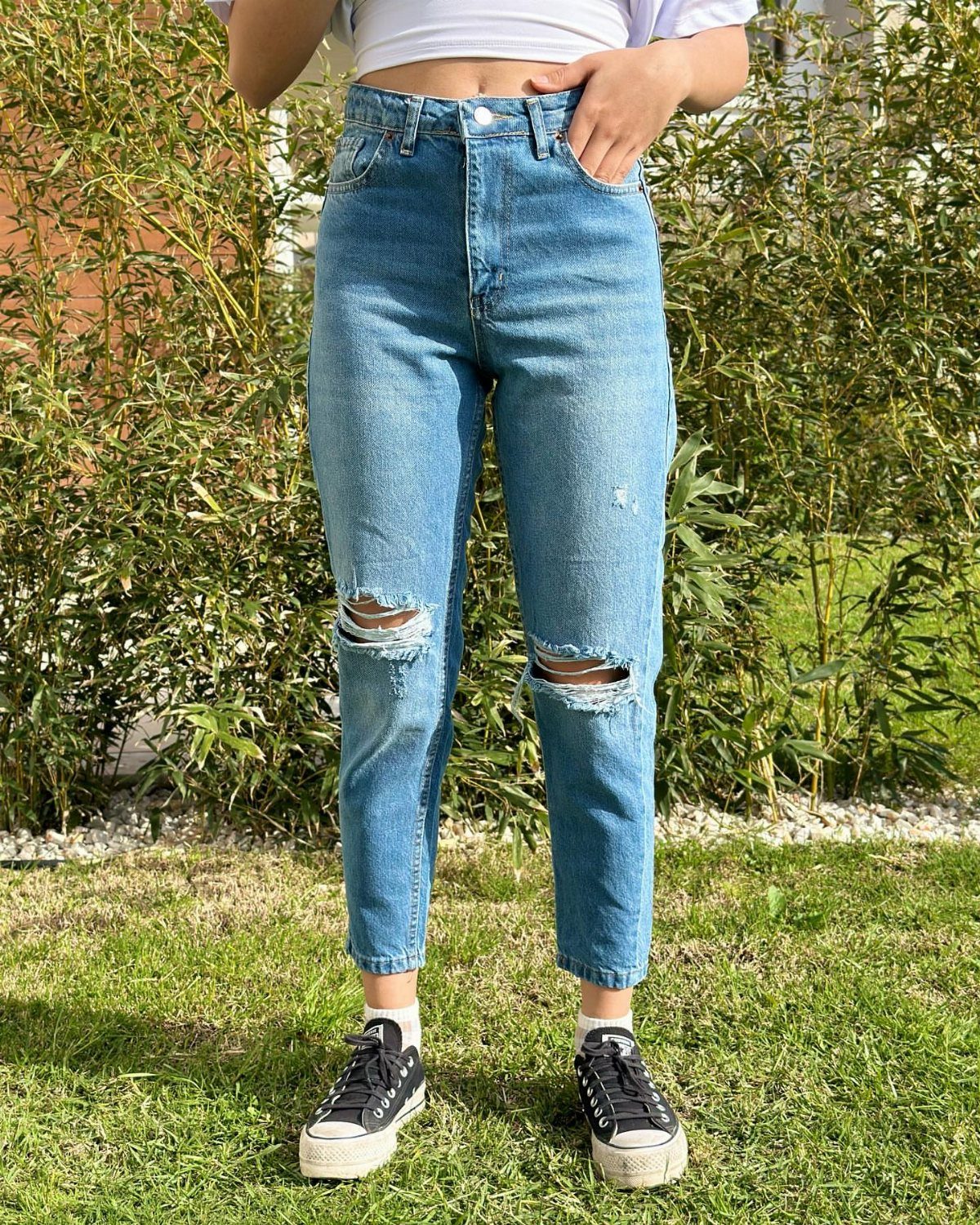
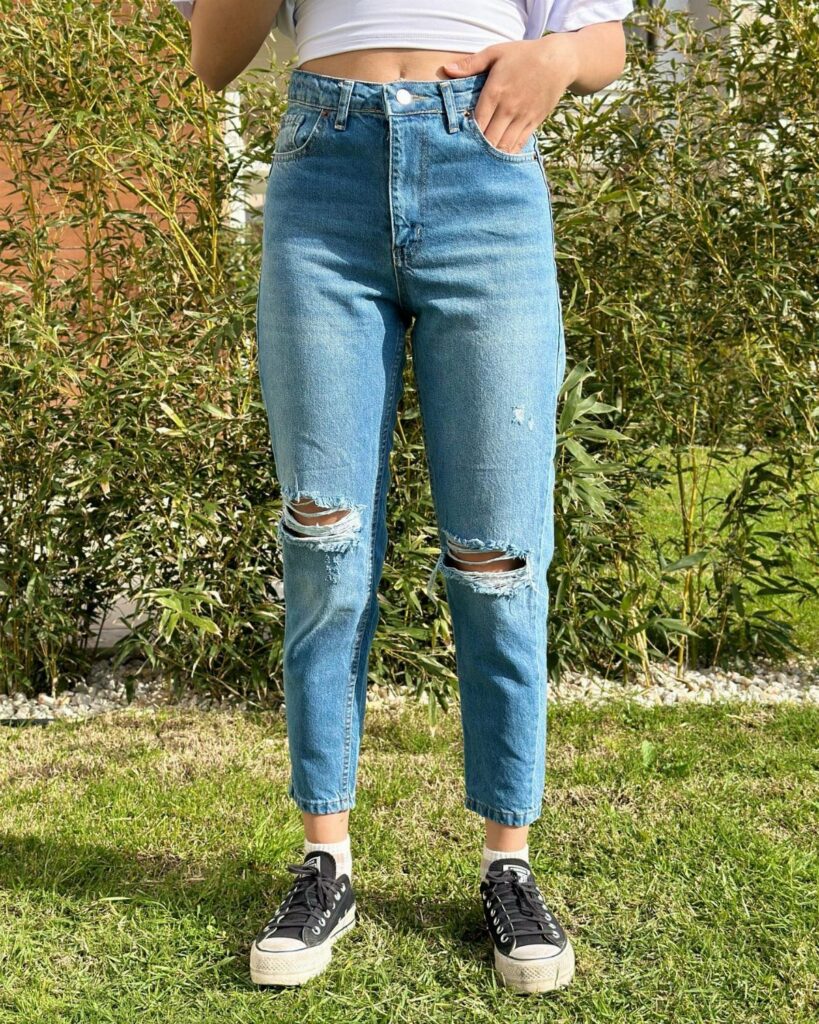
Mom jeans earned their name because they were what actual mothers wore, which meant a high waist that stayed put and a leg that did not fight back.
I buy mine a size up from my skinny jean size so the fabric can do its job: sitting, bending, eating lunch without adjustment.
The crop at the ankle means any shoe shows, so low-top sneakers or a chunky boot both read right.
American Eagle stocks the version I reach for when I want rips and a wash that looks broken-in from the first wear. Cuff the hem if you need to show more ankle, or leave it raw.
3. Biker Shorts
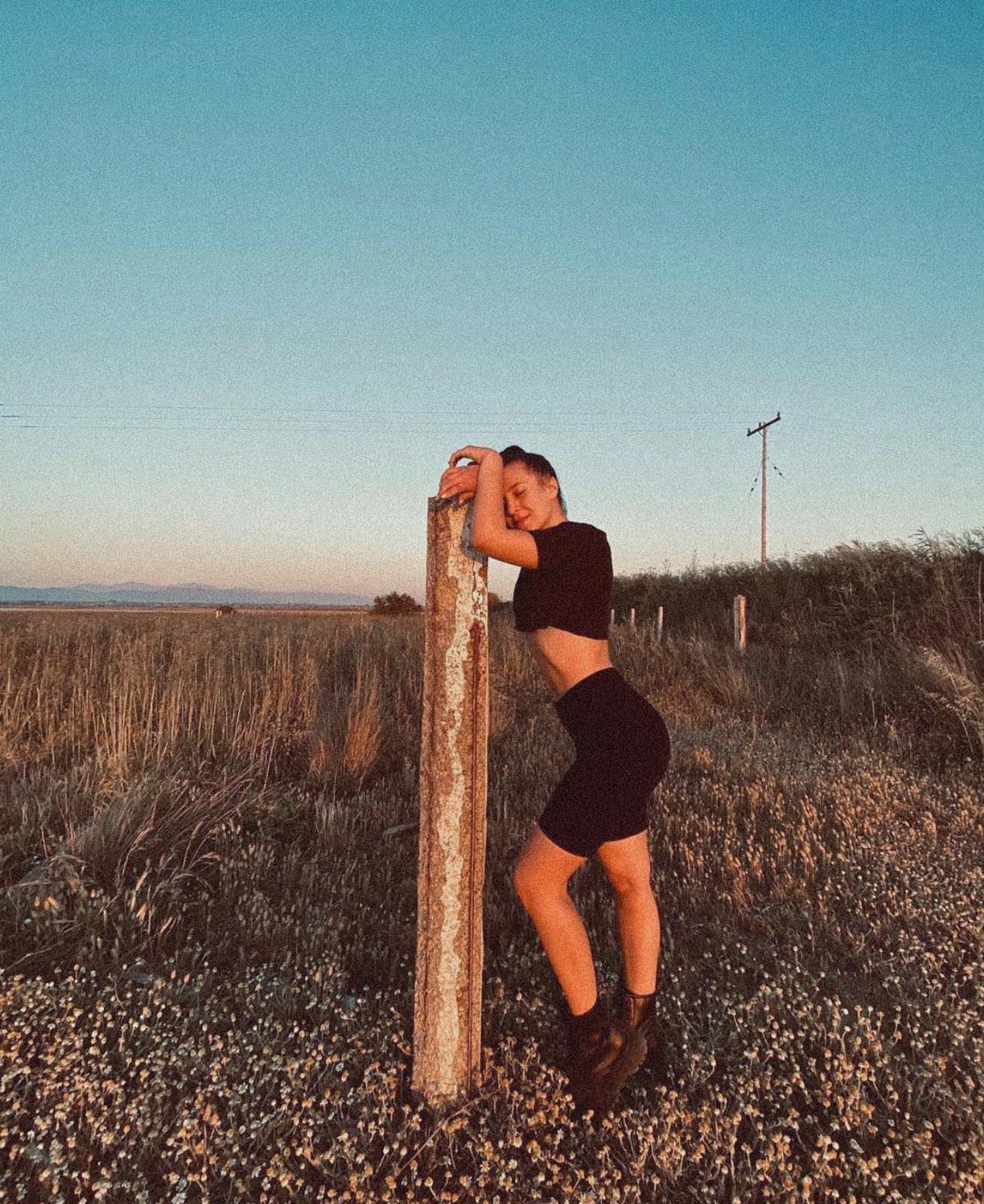
Biker shorts made the jump from actual cycling gear to everyday bottom a few years back, and they have stayed because nothing else covers this much leg with this little effort.
I wear mine with an oversized tee and white sneakers for errands, or with a crop top and boots when I want the line to read intentional rather than athletic.
Aerie makes the pair I keep in rotation; the pocket holds keys without the lump showing through a shirt.
Length hits mid-thigh, which gives coverage without looking like you are wearing half a pant.
4. Bucket Hats
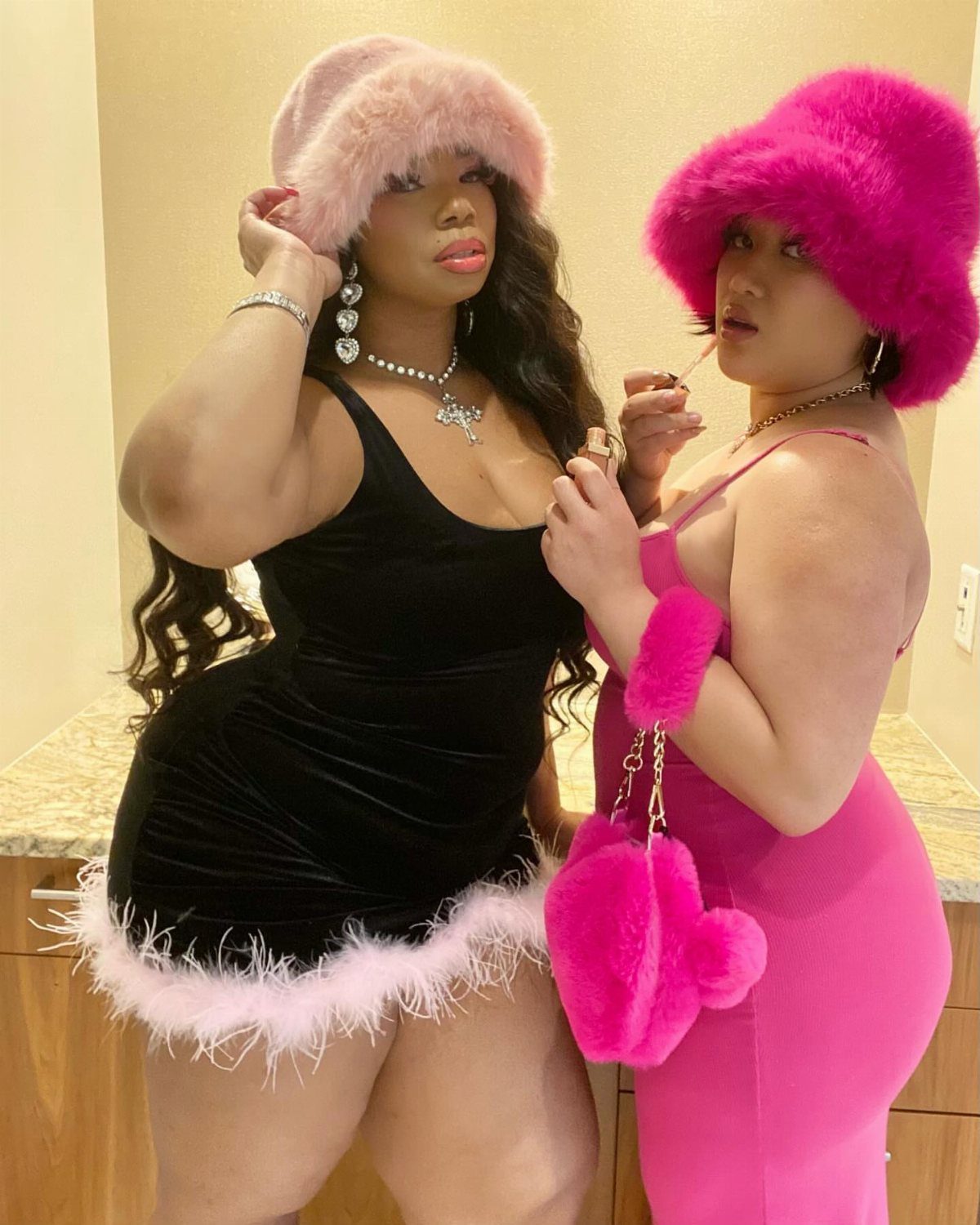
Bucket hats started as sun gear and became signature once rappers and teen movie stars wore them as personality, not protection.
I have never added one to my own collection, but I see them at festivals and on city streets where any other hat would read too formal or too sporty.
Tilly’s stocks the standard cotton version if you want the reference clear, or you can follow the photo into something plush that matches a bag and jewelry as a set.
The brim is short enough that it does not fight wind like a wide hat, deep enough that it stays on without a chin strap.
5. Slip Dresses
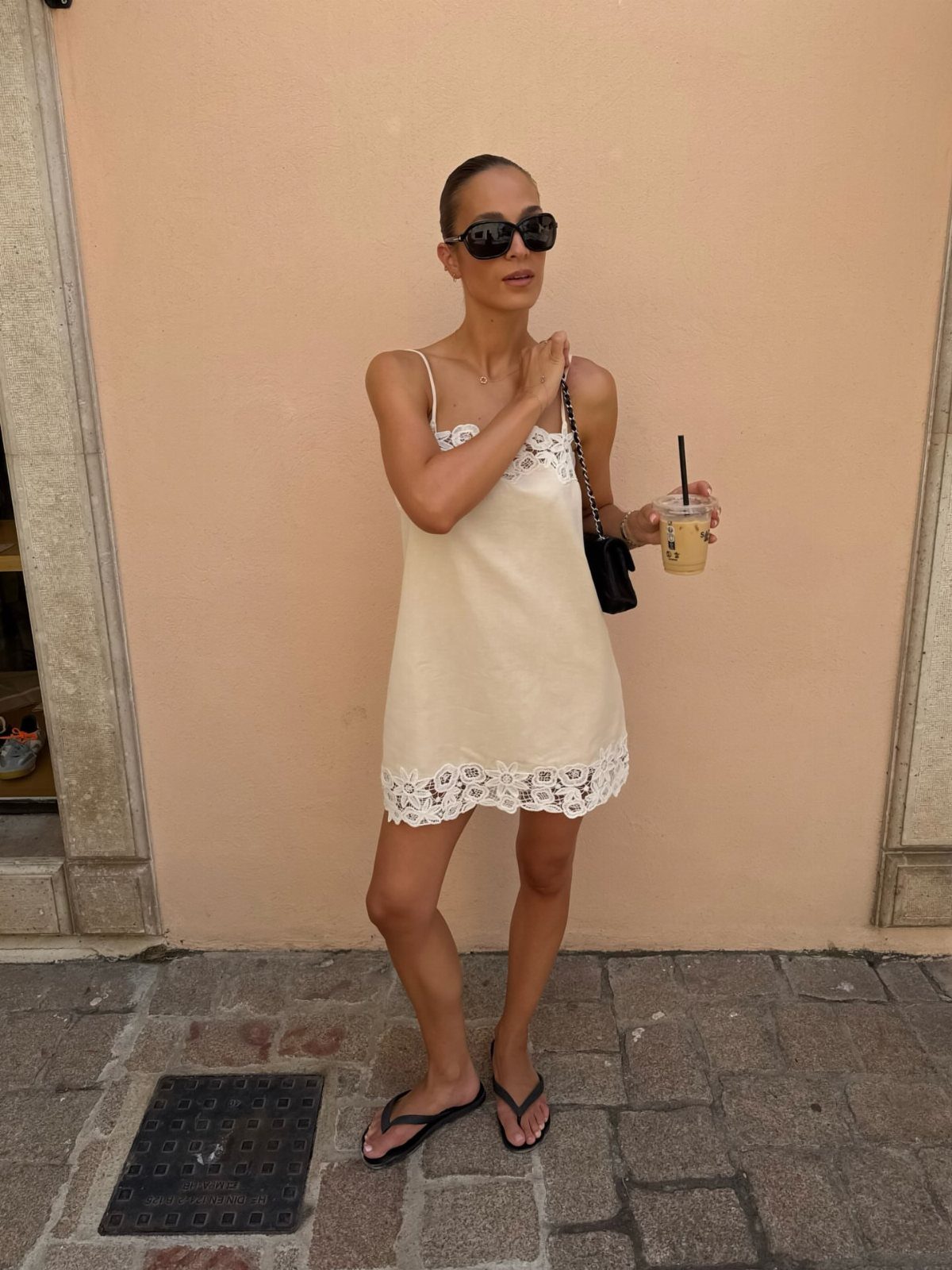
A slip dress is the closest the 90s got to wearing actual undergarments as outerwear, and the look works because the fabric does the talking.
I wear mine alone in summer with flat sandals and small sunglasses, or layer it over a fitted turtleneck or bodysuit when the temperature drops.
The satin or silk weight matters: too thin and it reads as sleepwear, too heavy and it loses the drift that makes the shape distinctive.
Snakeskin print on a midi length updates the reference if you want the idea without the vintage association. Platform sneakers underneath keep the proportion deliberate.
6. Plaid Skirt and Hair Bow
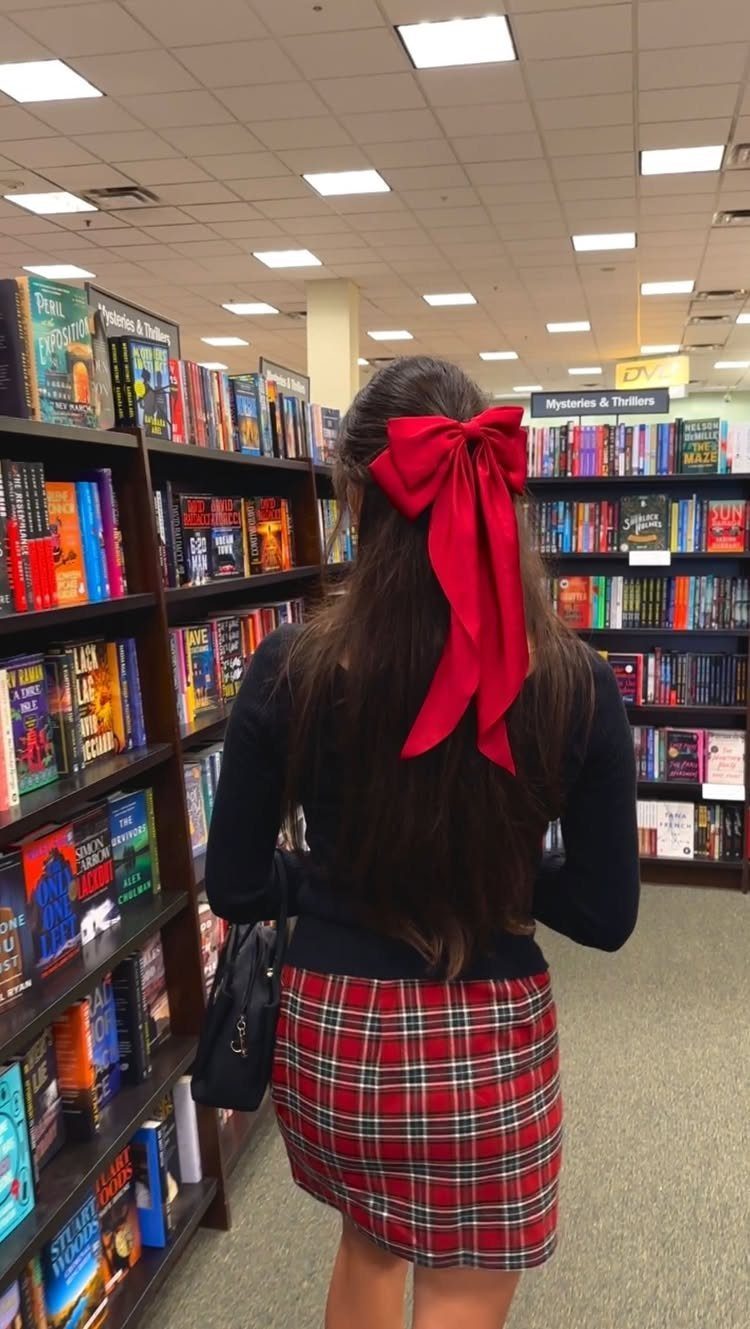
A plaid skirt with a matching bow is the most direct school-uniform reference here, and the look only works if you commit to the contrast between proper and playful.
I would check the bow scale against your own hair density before buying: too small and it disappears, too large and the costume reading takes over.
Wear it with tights and loafers in cooler months, or bare legs and a heavier boot if you want to rough the edges.
7. Chunky Boots and Shrug Layering
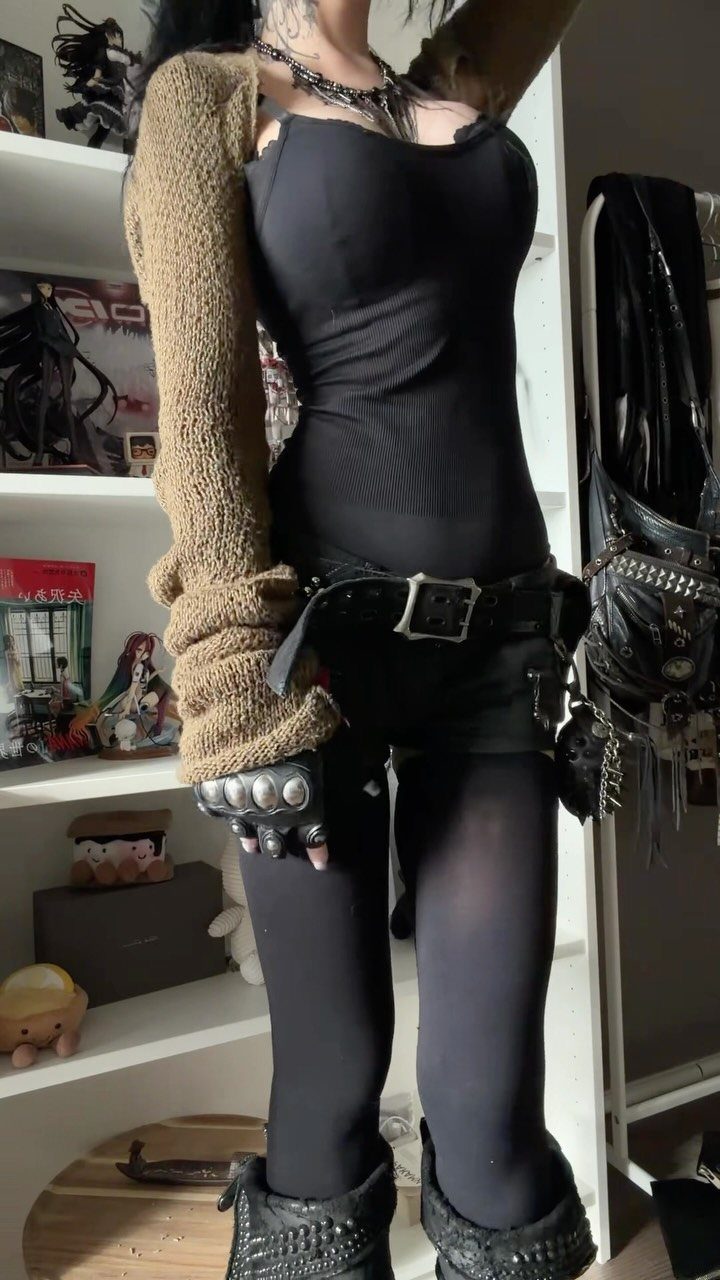
Chunky boots with a short shrug over a bodysuit give you structure without a full jacket.
I keep the boots heavy, a lug sole that reads as punk without the full costume, and let the shrug do the texture.
A wide belt worn high keeps a short shrug layer from looking like you forgot the rest of your cardigan. Denim cutoffs or a mini skirt underneath would move the same way if shorts are not your thing.
Dr. Martens still makes the standard, though any studded combat boot with real weight works.
8. Grunge Fur Coat and Fishnets
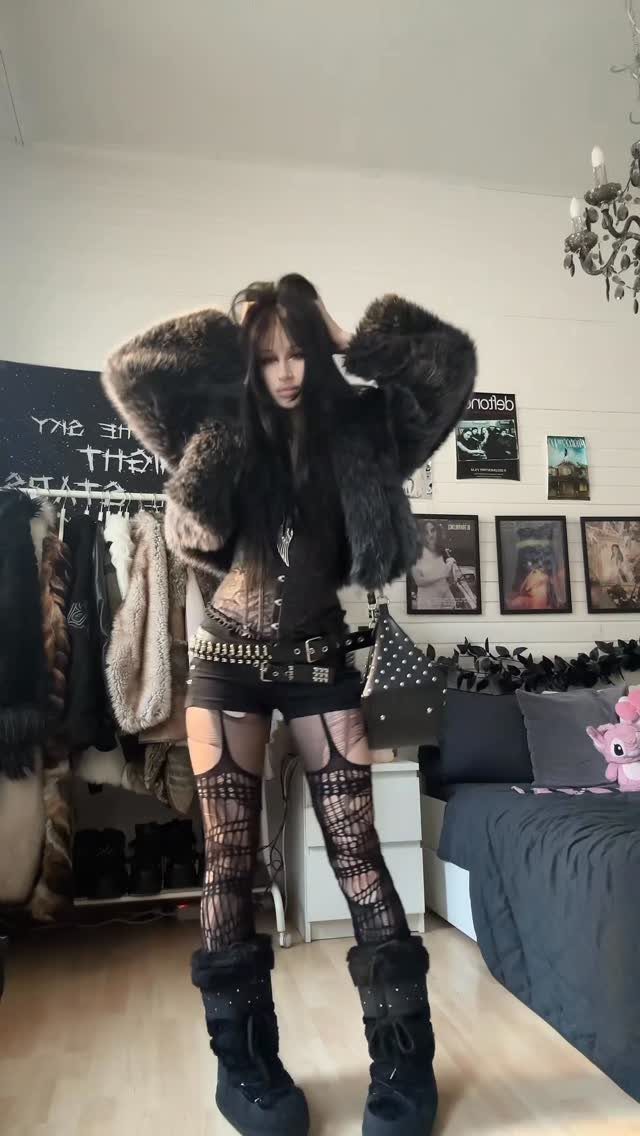
A faux fur coat thrown over shorts and fishnets is the most theatrical entry here, and the one that asks the most of your confidence.
The coat does the visual work, so everything else stays dark and simple: black shorts, black boots, a belt with some hardware.
Fishnets read differently than solid tights; they let skin show through in a pattern that keeps the eye moving.
Check the coat length against what you are wearing underneath. Too short and the proportions feel off, too long and the shorts disappear entirely.
This is costume-level dressing that works for a night out, not a grocery run. The fur texture matters more than color; something with depth and movement photographs better than flat plush.
9. Oversized Athletic Jersey
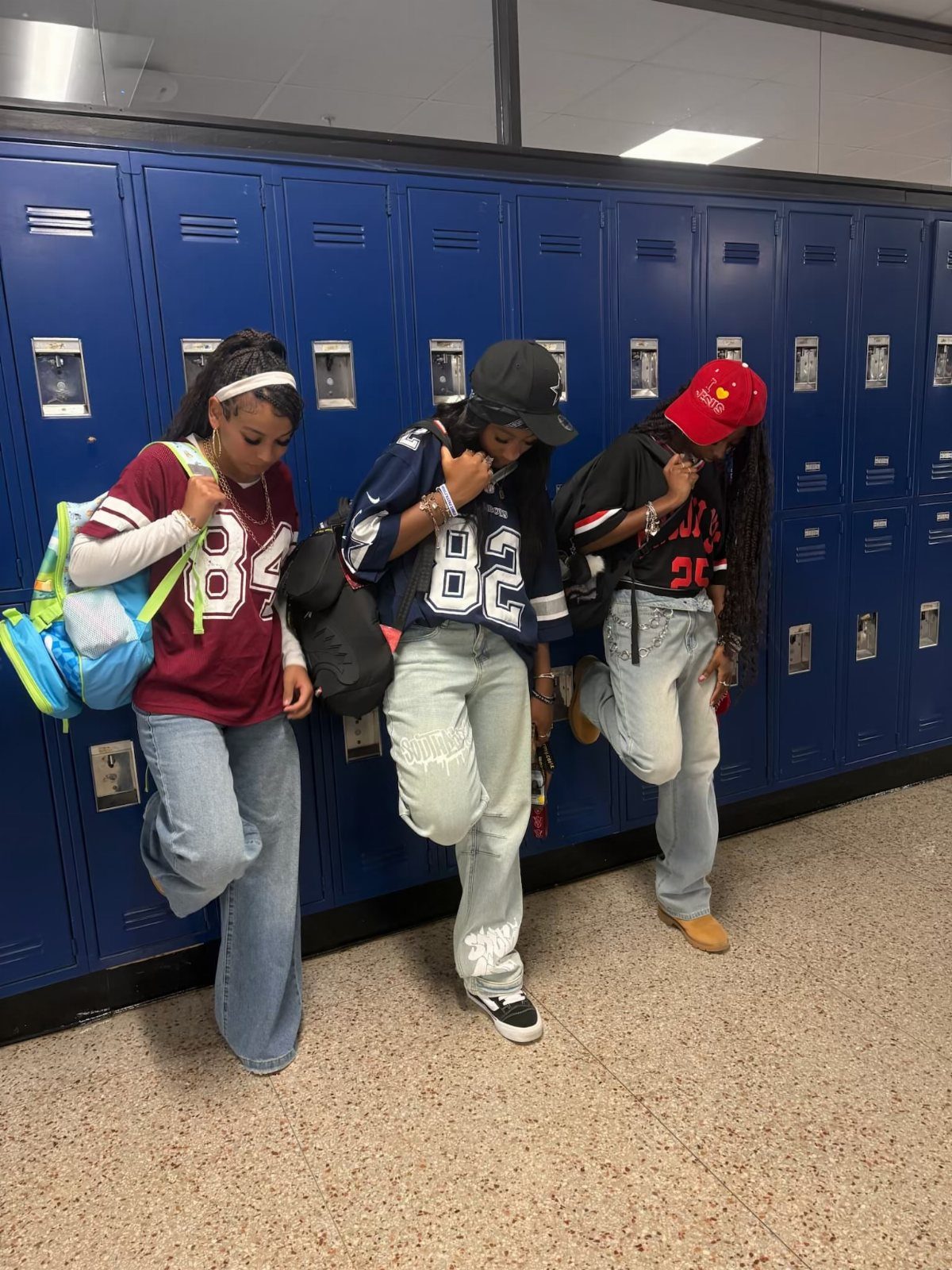
An oversized jersey with baggy jeans is the most borrowed-from-the-boys look here, and the easiest to find secondhand.
The numbers on the front matter for the reference; a plain tee in the same cut does not land the same way.
I would check the sleeve length against your own shoulders: the drop should be obvious, not like you are wearing your boyfriend’s clean laundry.
Baggy jeans underneath keep the line loose top to bottom, which is the point. Sneakers or boots both work; the jersey does not need help.
Thrift stores and Depop move these for next to nothing.
10. Geometric Colorblock Windbreaker
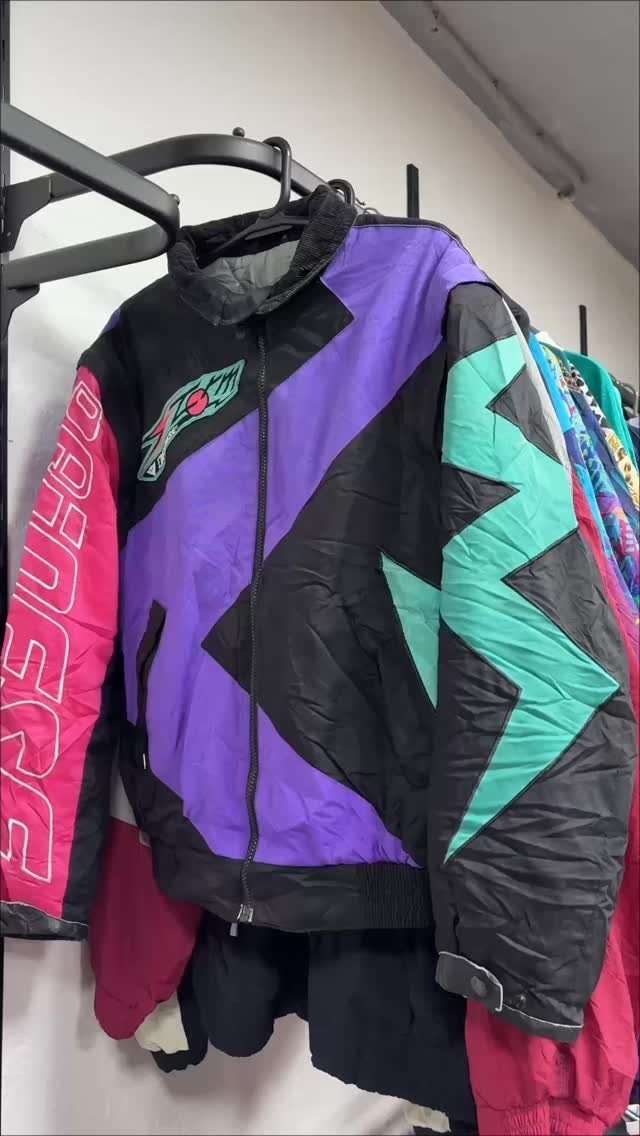
A windbreaker in loud blocks of purple, teal, and pink is pure 90s outerwear, down to the fabric noise it makes when you move.
I would wear this with mom jeans and white sneakers, the way the era actually did, rather than trying to dress it up.
The geometry is the detail; no jewelry or competing pattern needed. A vintage piece is the most direct source, but fast-fashion retailers stock new versions in the same palette if you want the look without the hunt.
Nylon or poly shell holds the shape and the sound. Size up if you want the full drape, or stay true for something that reads as jacket rather than poncho.
11. Ruffled Hair Scrunchie
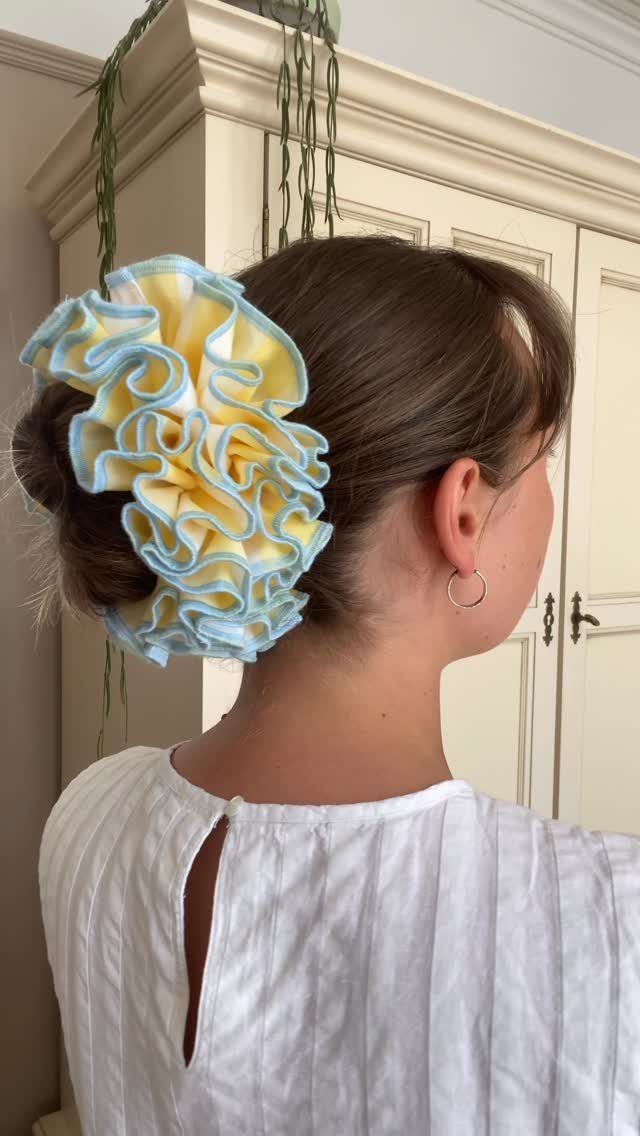
A scrunchie in ruffled fabric, yellow and blue together, turns a functional hair tie into something that reads from across the room.
I would match the scale to what your hair can hold: fine hair loses a oversized ruffle, thick hair swallows a small one.
It works in a bun, but a high ponytail does the same job. Satin or cotton versions are easier to find now; the ruffled construction is the detail that updates it beyond basic.
Etsy sellers bundle them in sets if you want color options. This is the cheapest entry here and the one that changes most with your hair texture and length.
12. Plaid Long-Sleeved Dress
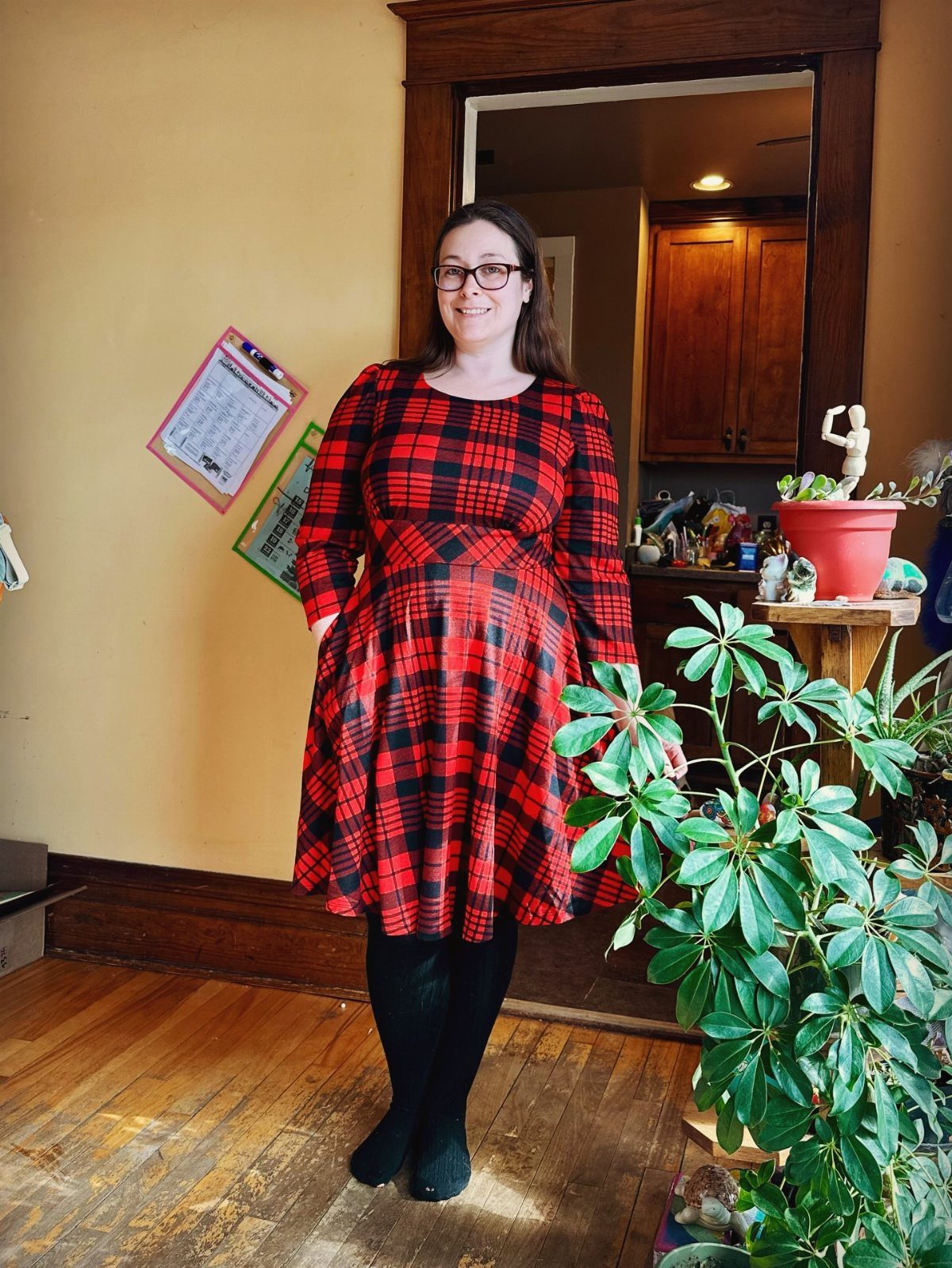
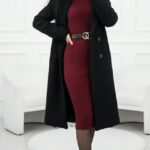
A knee-length plaid dress in red and black, worn with opaque black tights, is the most covered-up look here and the one that needs no layering to work.
The tartan reads as seasonal without being holiday-specific, which gives it more wear than a novelty print. Opaque tights, not sheer, keep the leg line solid and dark against the pattern.
This is an easy one-piece that works for daytime with boots and could go to dinner with a change of shoe. Medium-scale plaid, not tablecloth-wide, flatters most frames.
90s Accessories, Hair and Makeup
Chokers sat right at the collarbone, a black velvet band or a plastic tattoo-style strip, and they read as finished even with a plain tee.
Butterfly clips scattered through pulled-back hair caught light and held stray pieces without a full restyle.
Small oval sunglasses or tinted lenses in amber or light blue shrank the face and changed the whole expression; the shape matters more than the logo on the arm.
A sleek middle part with 2 face-framing pieces left loose was the default reference for straight hair.
A claw clip twist took thirty seconds and held through humidity better than a ponytail. Space buns sat high and wide, more cartoon than practical.
Brown lip liner drawn slightly past the natural line, filled in with a lighter gloss in the center, defined the mouth without reading as full color.
Thin brows, whether natural or shaped, framed shimmery shadow that caught light rather than adding depth. Body glitter on collarbones or shoulders finished the look for evening.
Dressy 90s Party Outfits
A satin slip dress in a color that reads as night-out rather than sleepwear works with a choker and the smallest bag you own.
The accessories do the period reference; the dress itself stays current. A fitted mini in sequin or animal print moves the same way, though the shorter length needs more confidence in the shoe choice.
A babydoll dress with its higher waist and shorter hem is the most direct costume reference here, so I would keep the fabric plain and the color dark if you want to wear it beyond the party.
Platform sandals or strappy heels underneath keep the leg line intentional rather than truncated.
For a cocktail dress that nods to the era without full theme, look for a fun color or a print in a cut you would wear anyway.
The 90s version of dressy was less structured than the decade before; bias-cut satin that skims rather than sculpts is the detail that lands the reference.
Casual 90s Styles
Baggy jeans with a crop top or a fitted tank underneath gave the 90s its default silhouette: loose on bottom, controlled on top, nothing tucked in.
The waistband sat low enough to show some midriff or high enough to stay put; the in-between zone where jeans gaped at the back was the fit to avoid.
An oversized jacket in nylon or denim layered over everything, often with sleeves pushed up to the forearm.
The proportions only work if the layer underneath is slim; a boxy jacket over a boxy tee reads as lost rather than deliberate.
Cargo pants with their side pockets moved from military surplus to mainstream, worn with a tight tank or a cropped hoodie to balance the volume below.
Tracksuits in matching top and bottom, often in a single bright color, were the most relaxed entry point; the matching set was the detail that made it look chosen rather than lazy.
Neon and tie-dye read as 90s in memory but were actually peak 80s carryover; the decade’s own casual palette leaned more toward olive, mustard, and washed black.