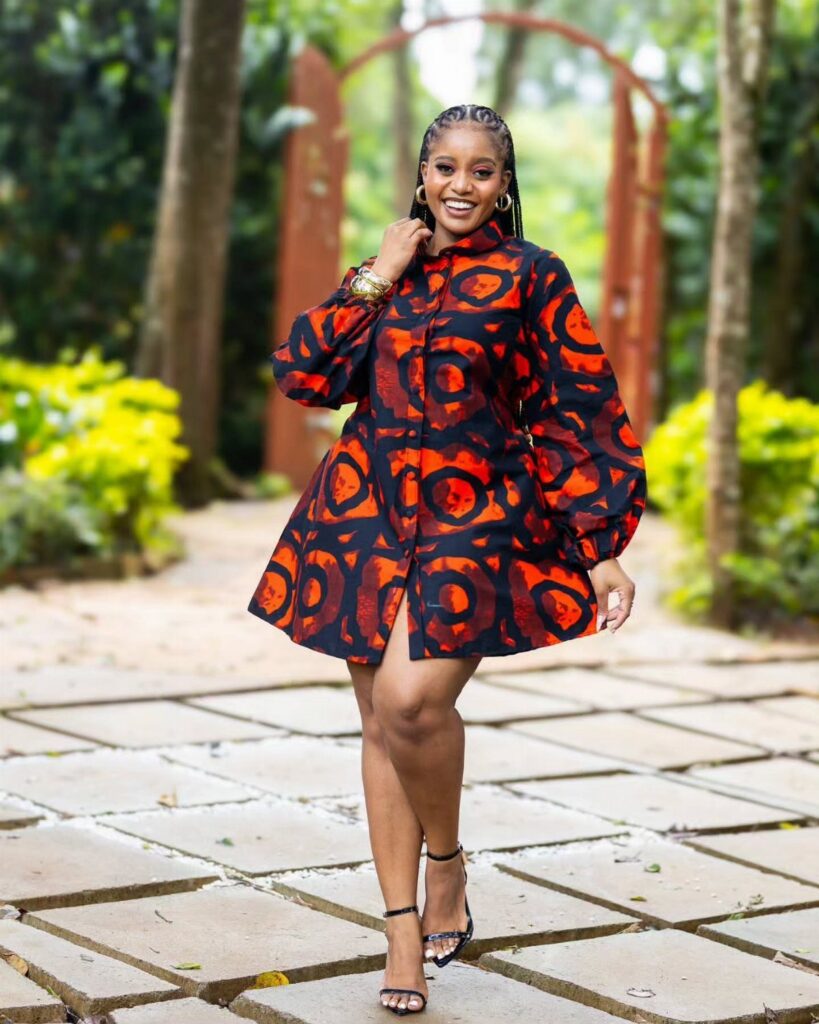
African style dresses run from $11.22 drop-shipped skirts to silk kitenge that costs four times cotton, and the fabric weight matters more than the price tag in choosing which one works.
The print itself is loud, so the cut decides whether it reads as ceremony, office framing, or a single statement against quiet basics.
Ankara cotton needs two or three washes before the stiffness works itself out and the fabric starts to move right; until then it sits like light cardboard against your skin.
1. Ankara Dresses
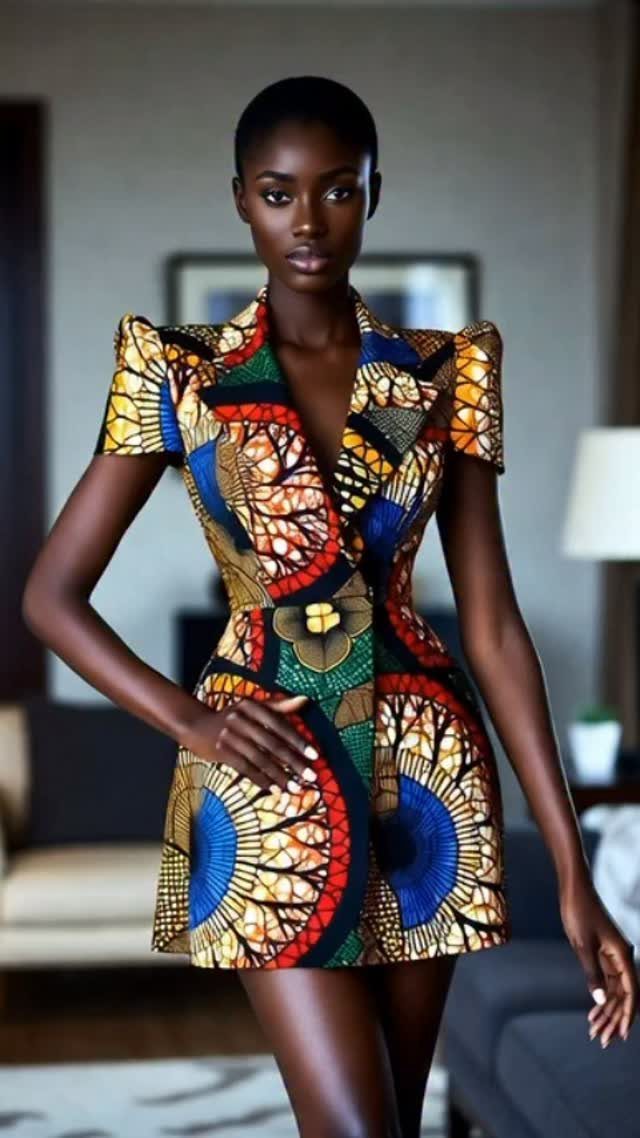
Ankara fabric turns a simple dress shape into something that holds a room. The wax-resist printing method gives those saturated colors and repeating motifs that read as print from a distance, pattern up close.
I look for cotton-weight Ankara for daily wear; it breathes better than the polyester blends that some suppliers push for price. A structured Ankara mini lets the fabric carry the whole look; small earrings are plenty.
Puff sleeves or ruffles add volume if your shoulders are narrow, though I skip both when the print itself is large-scale. Shantou Chaorong ships single-piece orders direct, so ordering one dress to try the style is inexpensive.
For a first buy, I would pick a midi length in a geometric print with two dominant colors, not three. Easier to pair with shoes you already own.
2. Maxi Dresses
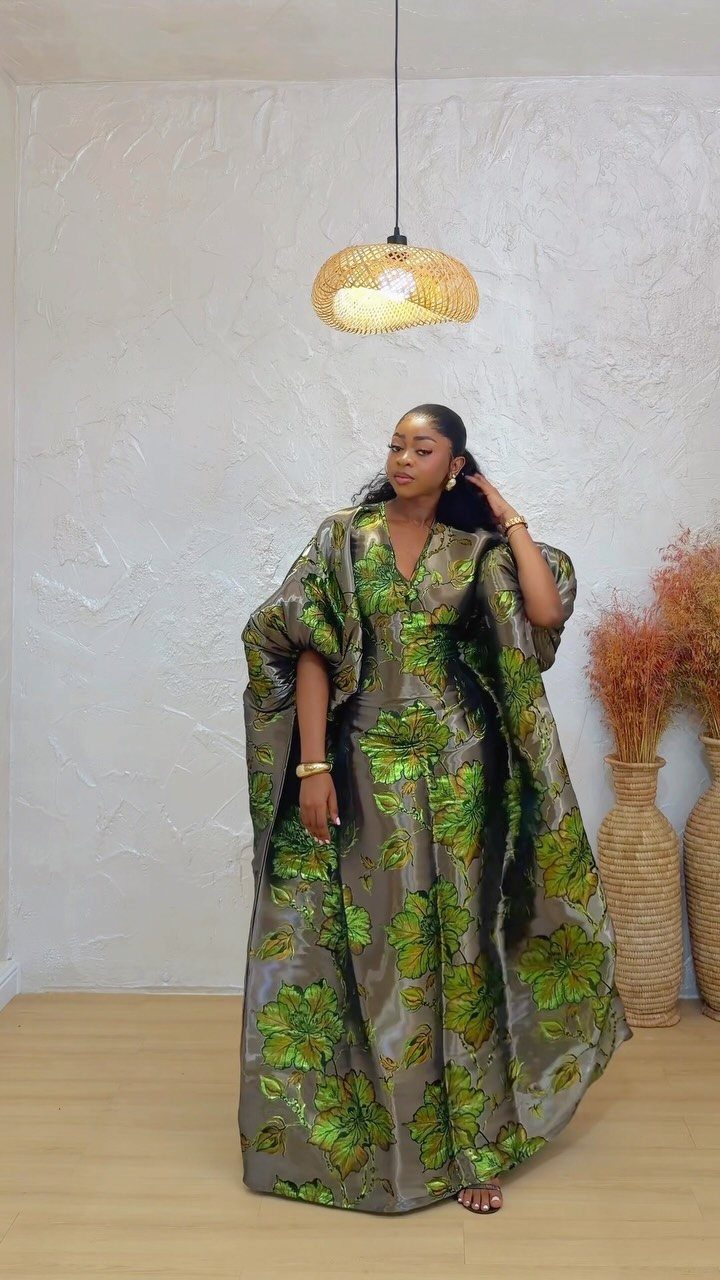
A maxi length in African wax print solves the question of what to wear to an outdoor summer event when you need to look dressed but stay cool.
Cotton or wax print hangs away from the body; the floor-length cut gives the formality that the fabric’s brightness might otherwise subtract.
Xiamen Truen lists a tie-waist flared version at $11.50–13.20, but the 10-piece minimum means planning ahead or splitting with friends.
I have found that a defined waist matters more in a maxi than in shorter lengths; without it, the volume swallows you. Look for a tie, a belt, or a seam that sits at your natural waist, not the hips.
3. Short African Dresses
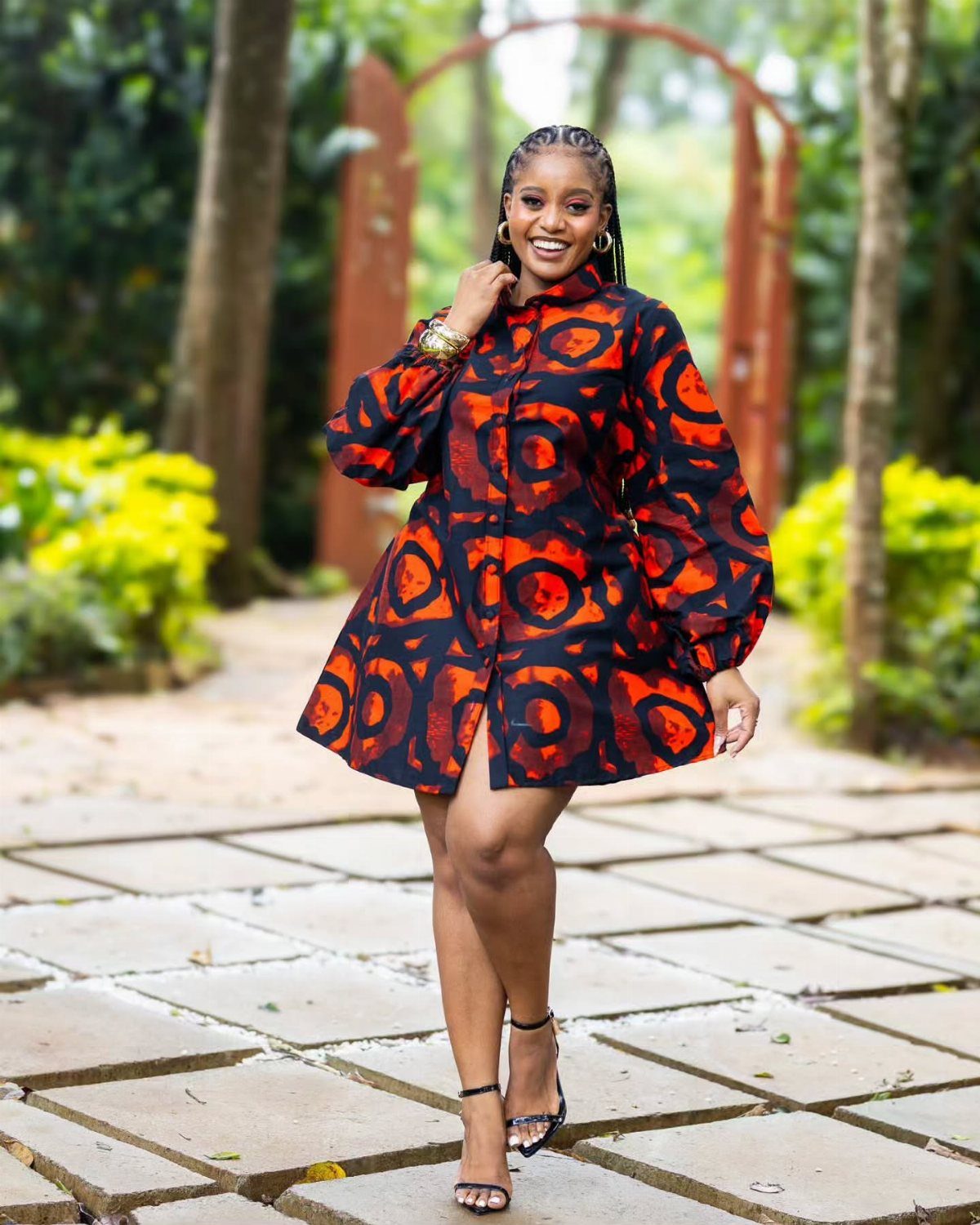
Short African dresses carry the same bold geometry as their longer cousins, but the reduced fabric means the cut has to do more work.
A shirt-dress with long sleeves and a knee-length hem gives you coverage without weight; flat sandals handle walking, block heels handle dinner if the parking lot is small. Cotton holds the structure that rayon loses by noon.
A high neck with a bow, like the navy version Jenny Rossy styled, turns the dress into something that reads intentional rather than thrown-on. For casual wear, I prefer a round or V neck; the bow is a commitment.
Henan Songzhi’s 2-piece minimum keeps the per-dress cost low, which makes this the safest experiment on the list if you want to try the cut before committing. Order with a friend and compare fits.
4. Flared Sleeves Plus Size African Dresses

Flared sleeves on a plus-size African dress do the same work that shoulder pads once did: they balance hips by adding horizontal width above the waist. Teal patterned maxi with flared sleeves uses the sleeve as architecture, not decoration.
I look for a waist that cinches, either with a separate tie or a cut that narrows at the midsection; without that definition, the flare becomes volume on volume.
Guangzhou Leao offers a patchwork-color flared-sleeve dress with no minimum order, which matters when you are sizing an unfamiliar brand.
The white A-line with Ankara trim on collar and cuffs, styled with boots, shows another way: keep the body neutral and let the print frame the face and hands.
That version reads more office-appropriate to me, though the full-print dress wins for events.
5. Formal Silhouette African Dresses
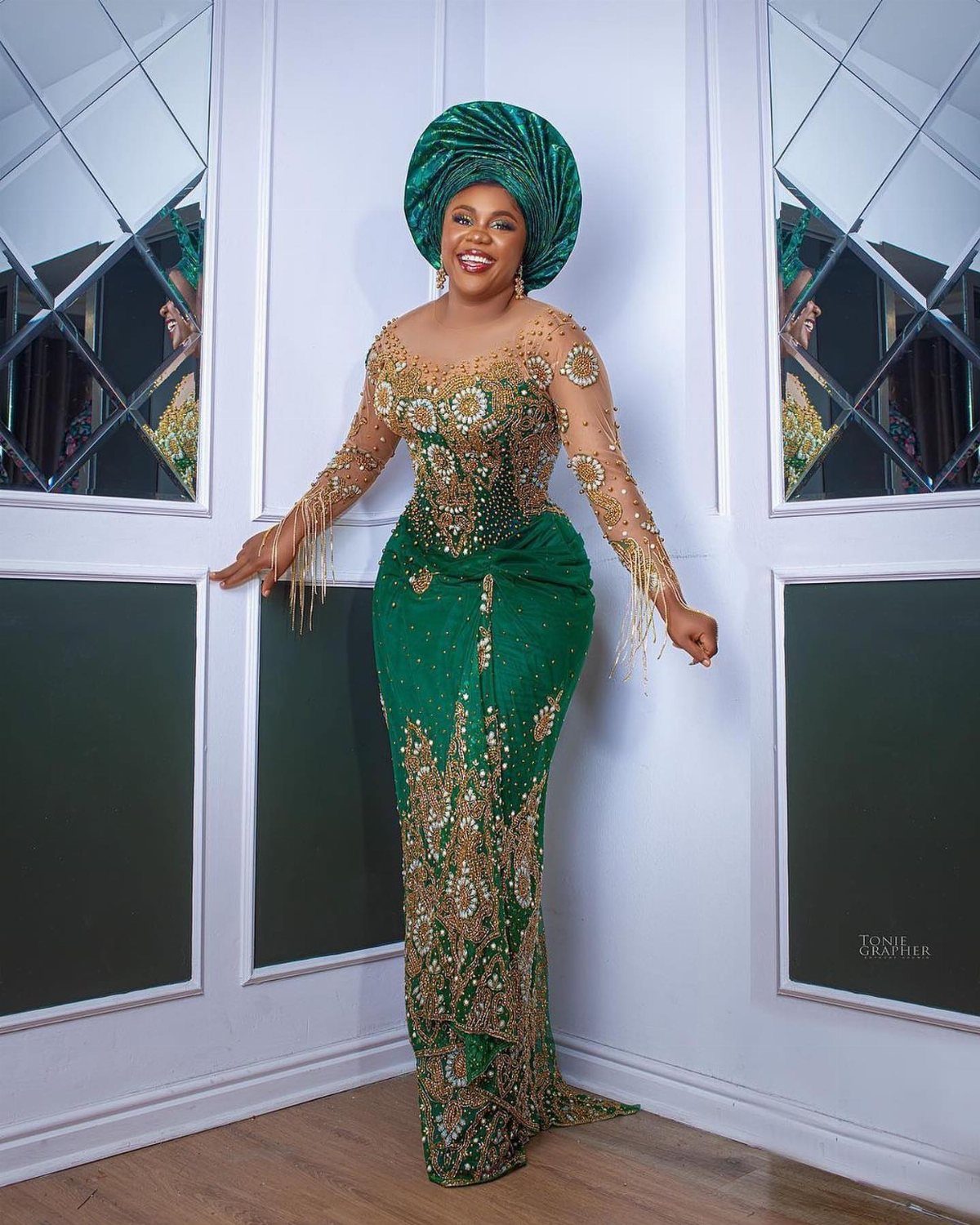
The mermaid cut, fitted through the knee then flared, demands a fabric with body; cheap polyester pools instead of holding the line. I would budget for quality construction here, since the shape shows every shortcut.
For a less ceremonial version, a peplum waist with puff sleeves and a front slit in Ankara reads formal without the full gown commitment.
Zhengzhou Aoling lists a high-waist flared ball gown at $11.22–11.88 with a 2-piece minimum; that is the base cost before any local tailoring.
I always budget for hem and bust adjustments; that work is what turns a decent dress into one that looks made for you.
6. Flared African Attire Dresses
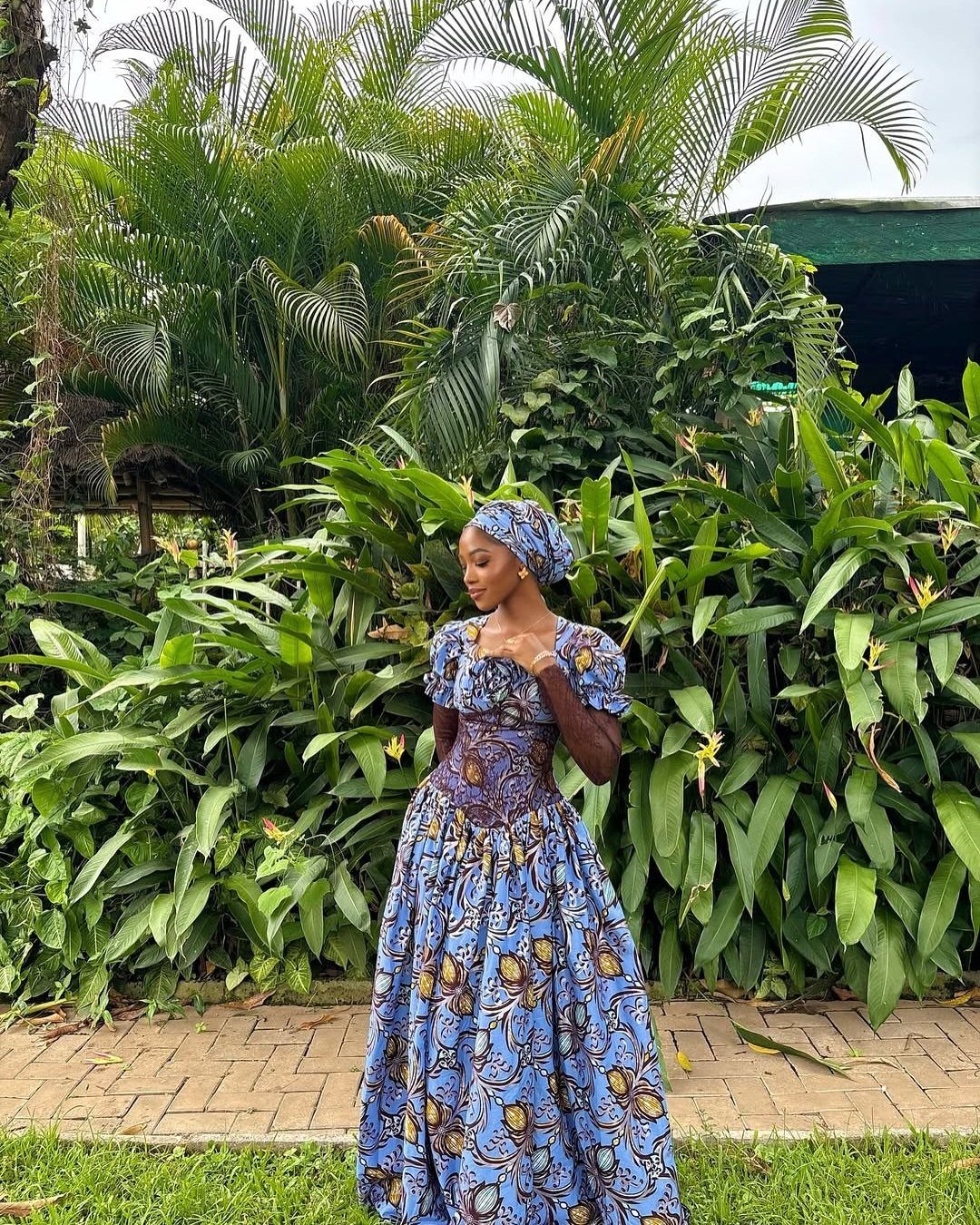
Cotton, polyester, and silk each behave differently: cotton holds the flare crisply, silk softens it into waves, and polyester splits the difference at a lower price.
I choose cotton for daytime events, silk for evening, and avoid polyester unless the print is so specific I cannot find it elsewhere.
The Kente-patterned flared mini skirt paired with a black bodysuit, from Semasa Clothing, shows how to separate the elements: wear the print where you want eyes, keep the rest quiet.
For a single purchase, I would hunt resale or contact the maker directly; many will drop-ship one piece at a slight markup.
7. Kitenge Dresses
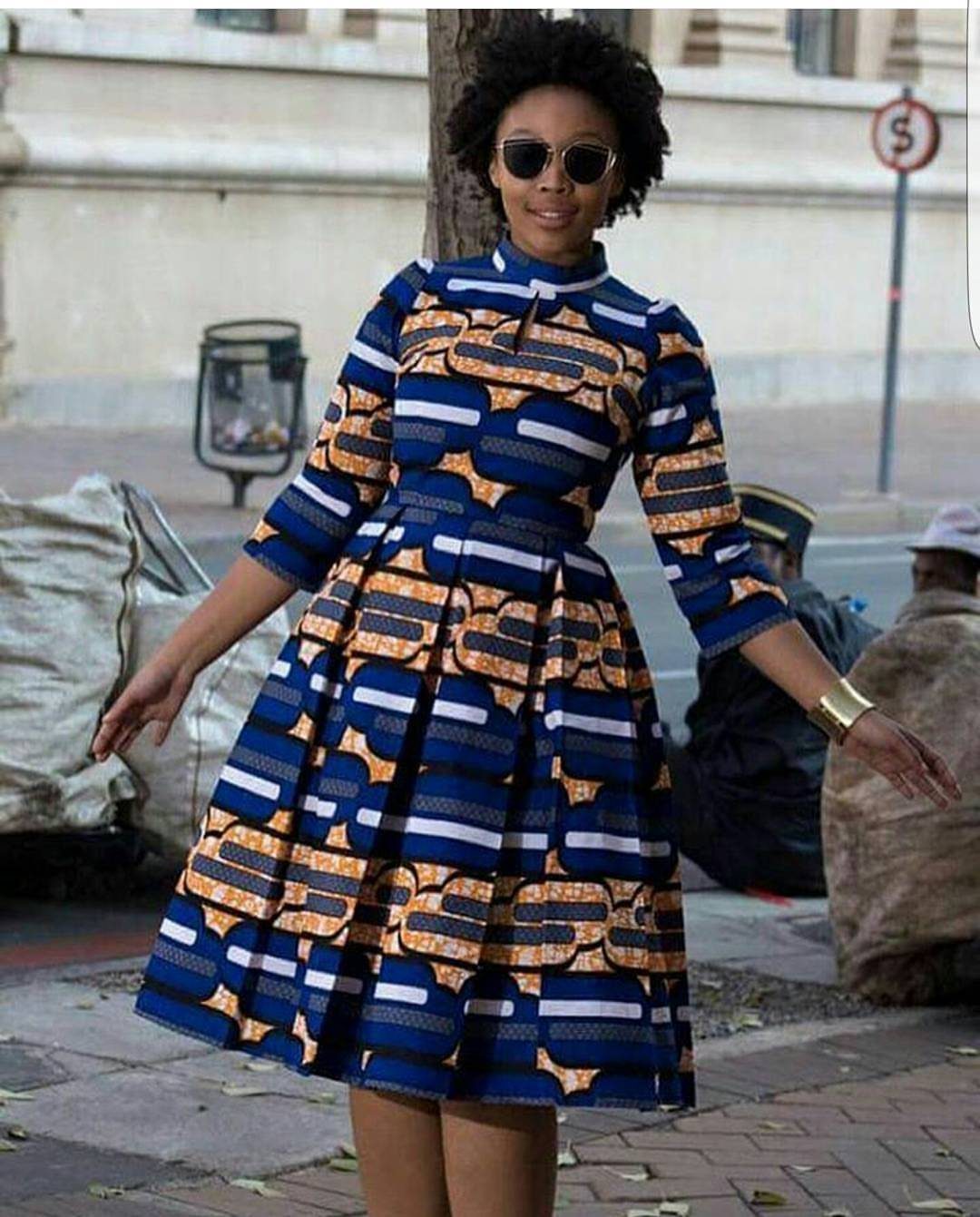
Kitenge fabric carries the same wax-print saturation as Ankara, but the patterns tend toward larger, more open motifs that read bolder from a distance.
A pleated knee-length skirt in blue and orange kitenge works for city errands and office days alike; the structure keeps the print from overwhelming a smaller frame.
Cotton kitenge softens with washing, which I count as a feature, not a flaw; the fabric drapes better after two or three cycles.
For a first purchase, I would look for a cut with a defined waist and a skirt that hits just above the knee; a pleated version that sits at a length flattering most heights without tailoring is the safest starting point.
Traditional patterns in kitenge signal cultural connection without requiring full ceremonial dress.
I would wear this to a daytime wedding or a family gathering where a full Ankara set might feel like too much. Keep shoes simple; the print is doing the work.
Popular African Dress Styles
Dashiki cuts run looser than Ankara tailoring, with the embroidered neckline as the focal point rather than all-over print.
I treat a dashiki top as a statement piece against dark denim; the full dress version needs a belt or it reads as a caftan.
Kanga cloth carries Swahili proverbs along its border, which changes how I wear it.
The rectangle format works as a wrap dress with the text visible, or folded to hide the wording for a plain color-block look. Cotton kanga breathes better than the polyester souvenir versions sold at airports.
Ankara I covered in the list, but the cobalt sleeveless maxi with gold straps shows how hardware can shift wax print toward evening.
Gold straps against that blue read as intentional jewelry; I would keep earrings small and skip a necklace entirely.
Materials Used
Cotton wax print, the base for most Ankara and kitenge, starts stiff and softens with washing.
I buy expecting that first wear to feel like light cardboard; by the third wash the drape arrives. Dry flat or the colors shift unevenly.
Silk kitenge exists but costs three to four times cotton; the sheen changes how the print reads, more luxe and less market-bright. I reserve silk for events where the lighting is low enough that the fabric catches it.
Polyester blends pill faster than either, especially under arms and at the waistband.
The price gap closes fast when a cotton dress keeps its shape through dozens of washes and a poly blend starts looking tired before the first season ends.
Cultural Significance
Wax prints carry meaning through pattern choice, not just color. Certain motifs signal marital status, region, or occasion; wearing them without that context is common now but still reads differently to those who know the code.
I learn the pattern name when I can, even if my wearing of it is purely aesthetic.
Ceremonial dress follows rules I do not fully inherit by purchase.
A kente cloth wrap in Ghana is chosen by the weaver for the wearer; buying a kente-patterned dress off a rack is a different act, and I do not confuse the two.
I wear the print as design, not as borrowed ceremony.
Family gatherings and daytime weddings, as I noted with kitenge, are where I feel the balance lands right: formal enough to honor the occasion, not so formal that I am claiming a role that is not mine.
Styling Tips
Headwraps in matching print frame the face but compete with earrings; I choose one or the other. A solid wrap with a printed dress, or a printed wrap with a solid dress, solves the clash without losing the reference.
Statement jewelry works best when the neckline allows it. I never stack both at volume.
Shoe choice is where I see most mistakes. The print is already loud; a second competing element, like a strappy sandal in a third color, fractures the look.
Black, nude, or a color pulled directly from the print itself keeps the eye moving upward where the dress wants it.
Frequently Asked Questions
What is an African woman’s dress called?
Common names include dashiki, kanga, and Ankara.
Ankara uses wax-resist printed cotton with saturated colors and repeating motifs. Kitenge prints hit harder from across a room, the wax colors blown up to scale so the pattern reads clear even at 10 paces.
What are some popular African dress styles?
Popular styles include Ankara, kitenge, dashiki, and kanga. Ankara and kitenge both start as wax-print cotton, but dashiki shirts cut wider and let the embroidery at the neck do the talking.
Is it okay for a white person to wear African prints?
Yes, but with care about context. Wax prints carry cultural meaning through their patterns, and ceremonial dress follows rules that purchase alone does not transfer.
I look up the pattern’s name when the seller lists it, and I treat the print as fabric design rather than standing in for ritual I was not raised in.
Daytime weddings and family dinners land where I want them: dressed up enough to respect the room, not so ceremonial that I am playing a part that belongs to someone else.