The dresses below run from a jersey mini you will replace after one season to a velvet piece that demands hand-washing and flat storage.
Which one belongs in your closet depends on whether you need the dress to solve a shape problem, a temperature problem, or a "this looks like I tried too hard" problem.
The slip dress with spaghetti straps tangles in the wash and often needs reinforcing after a season; that fragility is the trade for how it hangs.
1. Slip Dress
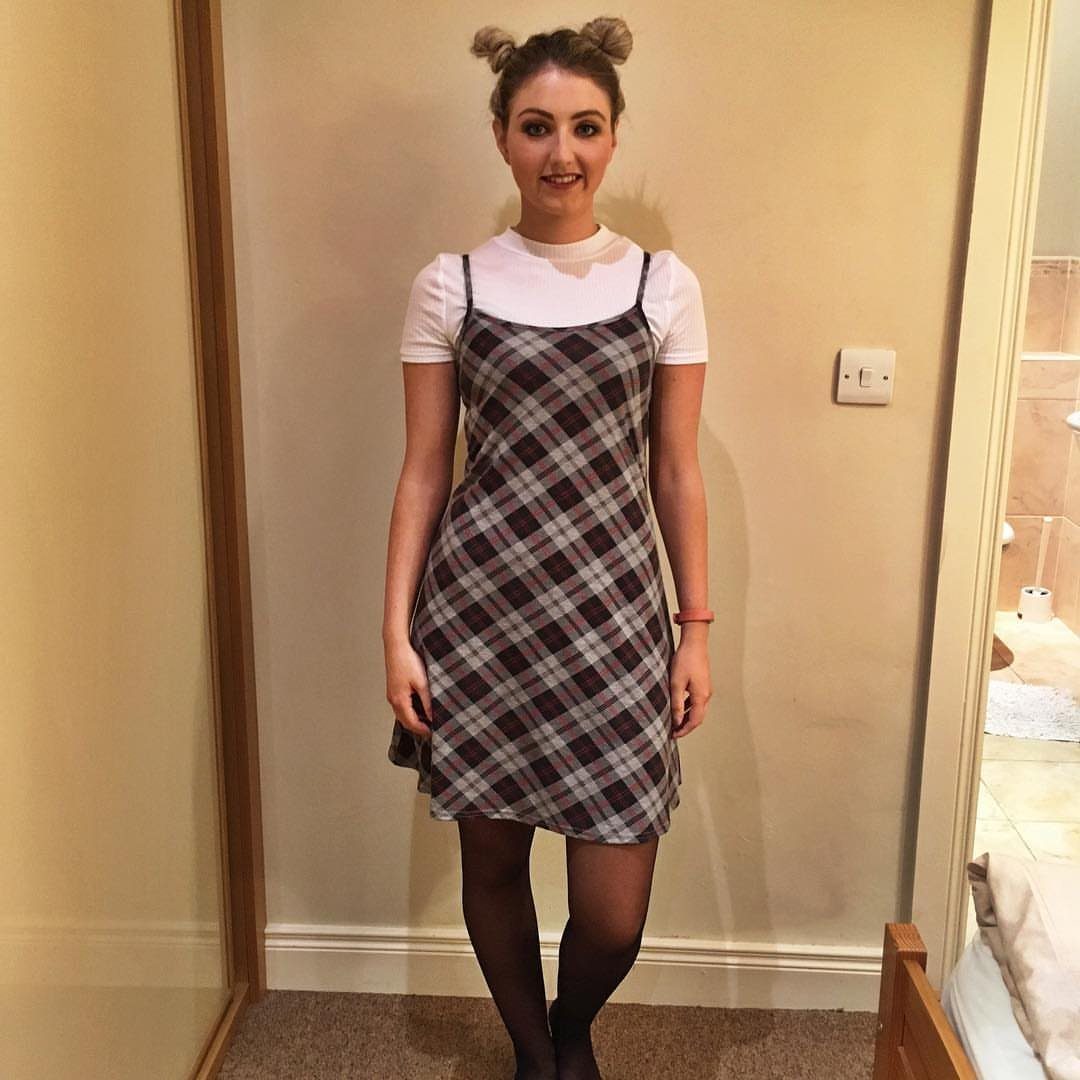
The slip dress cut on the bias with spaghetti straps hangs differently than anything else in your closet, falling from a subtle V or cowl neck into a skirt that drapes rather than structures.
I layer mine over a white tee with tights when I want the look without the bare-arm commitment, which is most weekdays.
Princess Diana and Kate Moss wore this silhouette to very different events, which tells you how much ground it covers. A simple neutral works for dinner; something with lace trim shifts toward date territory.
The length is the decision point: floor-skimming reads formal, ankle- or knee-length reads casual. Check the strap width before buying; thin spaghetti straps tangle in the wash and some need reinforcing after a season.
2. Velvet Dress

Velvet in the ’90s showed up everywhere from thrift-store bins to party outfits, and the fabric itself did the heavy lifting.
A short skater cut in dark green reads casual enough for daytime if you pair it with patterned tights and boots that ground the look.
Velvet pills if you look at it wrong, so I hand-wash mine flat on a towel and never let it near a dryer.
Velvet crushes, and steamed-out pile never quite recovers. I hand-wash mine or dry-clean sparingly, and I store it unfolded.
For daily wear, a cotton-velvet blend holds up better than silk or synthetic pile. The sheen photographs beautifully but can read costume in harsh daylight; I save the dressier velvets for evening or overcast afternoons.
3. Babydoll Dress

The babydoll silhouette hangs loose from the shoulders with a raised waist that drops into a short skirt, no cling required. Spaghetti straps keep it from looking like a tent, and the overall effect is playful without trying hard.
I would not wear this with the platform heels the decade loved; my ankles are not built for it.
Slouchy socks and flat shoes keep a babydoll dress from reading too sweet and anchor it in something you could wear to brunch without irony.
The length demands a check in a mirror with natural light behind you; some versions read as tunic rather than dress depending on torso length. A hair bow or simple barrette finishes without overworking it.
4. Mini Dress
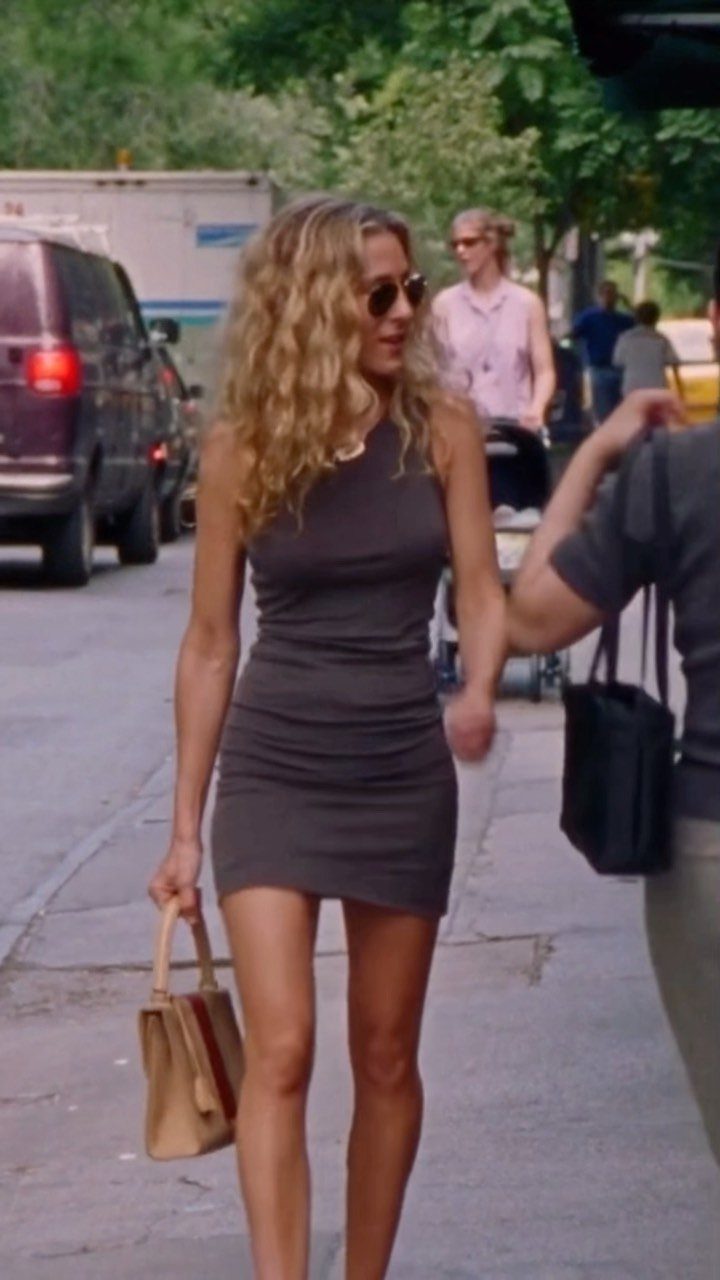
A sleeveless mini in a neutral grey works because it is blank paper: the shape is the statement, not the color or hardware.
Tight through the body and short enough to need conscious choice about underpinnings, this was the ’90s default for city walking and casual Friday alike.
Chunky platform sandals or boots balance the leg line and keep the look from tipping into cocktail territory.
I prefer boots for the toe coverage and the walking stability. The dress itself is often inexpensive jersey that pills after a season; buy it expecting replacement rather than heirloom status.
5. Casual Wrap Dress
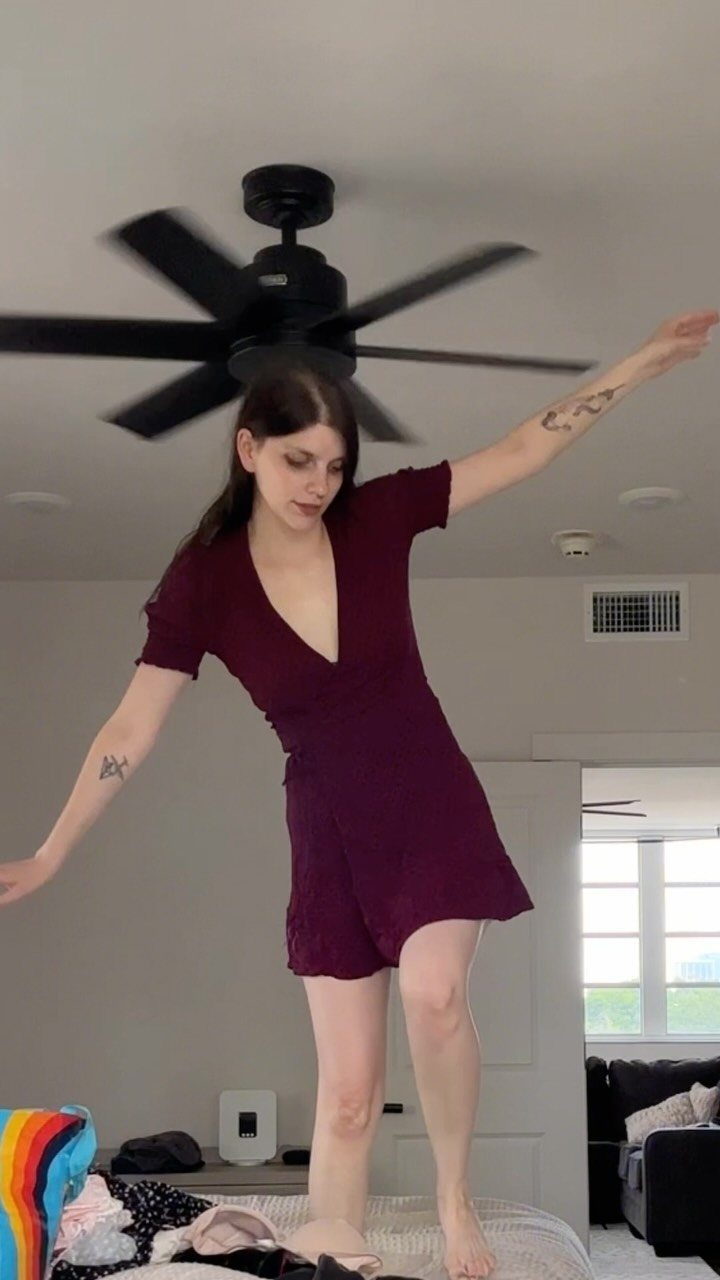
A wrap dress with short sleeves and a deep V in maroon solves the "what do I wear" problem by adjusting to your body rather than demanding the reverse.
The tie waist lets you set the fit each time you put it on, which matters if your weight shifts seasonally or you are between standard sizes.
Check the skirt overlap before committing; some wraps gap when you sit or stride. I test by walking up stairs in the fitting room.
The V can plunge lower than expected depending on torso length, so a camisole or fashion tape should be in reach. For casual wear, I keep jewelry minimal and let the neckline do the work.
90s Minimalism
The ’90s minimalism that Calvin Klein built his name on still works because it asks the fabric to do the work, not the trim.
A 90s minimalist dress relies on clean lines and little adornment, and that spareness is why the silhouette reads as personal style rather than costume.
The jersey top and fitted cami from the same era operate on the same principle; they sit close to the body without squeezing it, and they layer under anything.
What separates this from later minimalism is the absence of algorithmic sameness. The pieces were standardized, but the wearing was not.
A pencil skirt with a tucked tank, a cigarette jean with a simple mule: the combinations were individual because the wearer chose them, not because a feed suggested them. The function came first, and the look followed.
Simple, elegant, and inherently versatile, the magic of ’90s was its authentic expression of personal style.
— Vogue
Iconic Fashion Influences
Rachel Green’s wardrobe on Friends is still the reference point most women reach for, and the reason is practical: her clothes looked like she could have bought them, not like they had been assigned to her.
The slip dresses, baby tees, and kitten heels worked for a coffee shop and for a date because they were scaled to a real life rather than a runway.
Carrie Bradshaw in Sex and the City pushed further, but even her more theatrical moments relied on pieces that broke down into separates.
The supermodels of the era wore the same minimal shapes on duty and off, which blurred the line between editorial and actual.
Cindy Crawford in a white tank and jeans, Kate Moss in a slip dress with bare makeup: the styling was stripped back enough that the person remained visible.
Princess Diana’s later street style did the same with tailoring, loosening the fit until the clothes looked lived-in. The common thread is that the outfit never fully replaced the wearer.
Casual Styling Tips
A denim jacket over a slip dress solves the bare-arm problem without adding a layer that competes for attention.
The wash matters: medium blue reads casual, dark indigo or black reads deliberate. I leave the jacket unbuttoned so the dress line stays continuous, and I roll the sleeves to the forearm to keep the proportion from going bulky.
An oversized button-down worn open works the same way, and it adds a collar that frames the neckline.
I use a men’s cotton shirt in white or a narrow stripe, sized up one or two, and I check that the shoulder seam hangs past my actual shoulder or the effect is just a bad fit.
For color, the ’90s palette ran to greys, navies, olive, and black with occasional hits of burgundy or rust.
A simple print works if the scale is small: a micro-floral or a narrow stripe, never both at once. The neutral ground is what lets the dress shape stay the point.