These 9 dinner date outfits range from a black blazer and lace camisole with light-wash denim to a pink satin halter jumpsuit, and the right one depends more on the restaurant’s floor and lighting than on the color.
A body-con midi dress that hits just below the knee on a 5’4" frame works for a steakhouse where you want to eat bread without feeling underdressed, while a satin jumpsuit in fluorescent burger-joint lighting is a mistake you will feel all evening.
1. Body-con Midi Dress
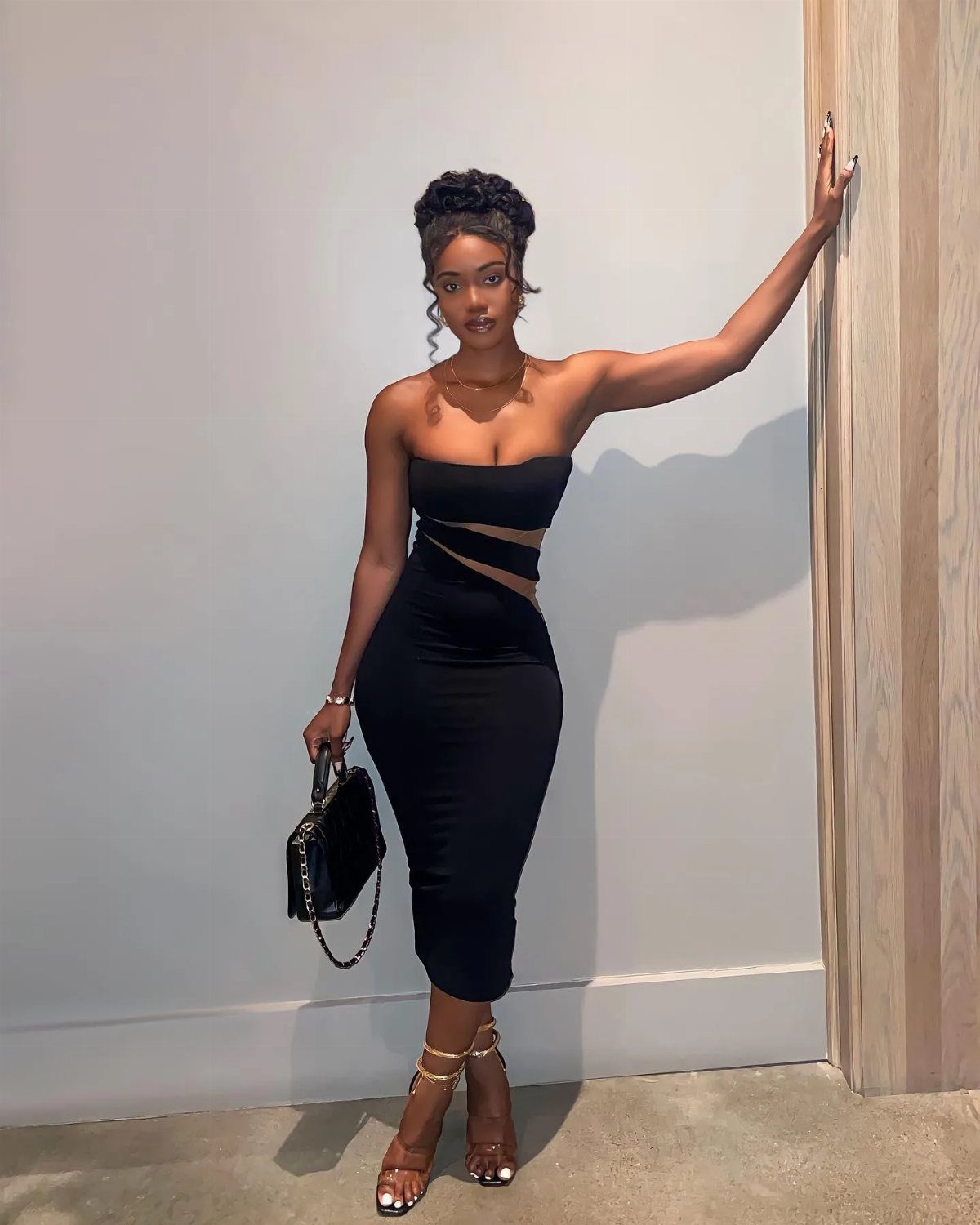
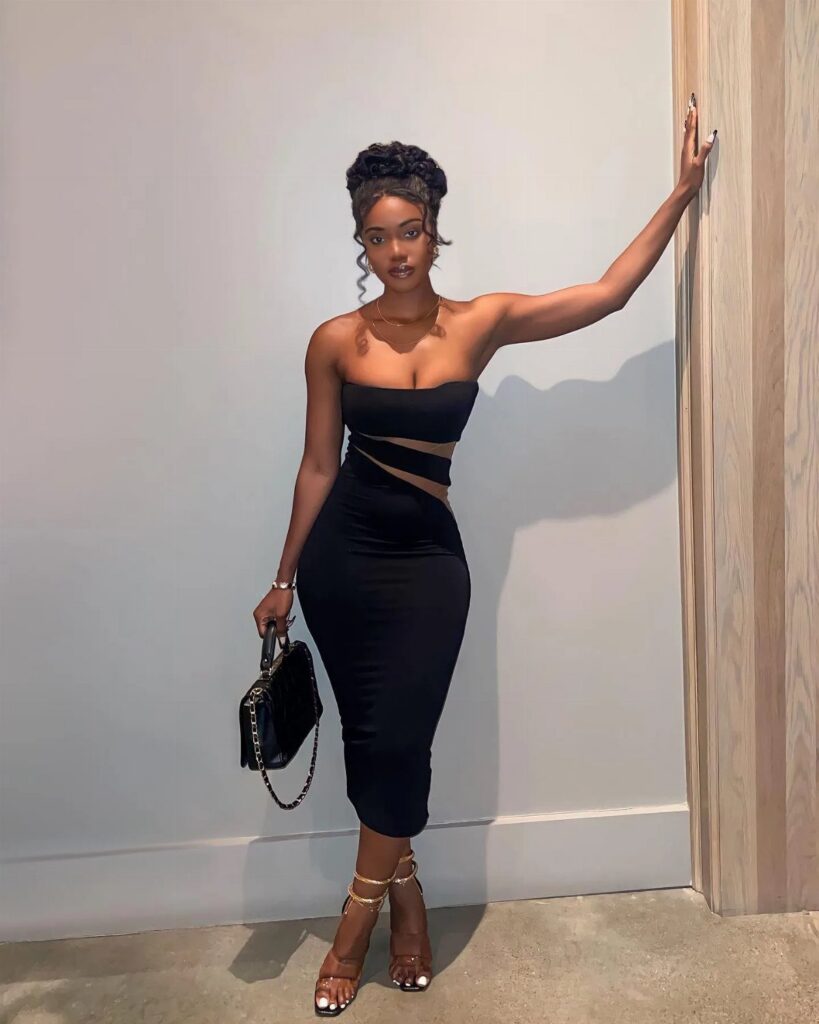
A body-con midi dress follows your shape without announcing itself, which is why I keep one in rotation for dinner dates where I want to look pulled together without looking like I tried.
The length hits mid-calf on most women, so the question is whether your height makes that flattering or stubby; at 5’4", I look for a seam that sits just below the knee instead.
Pair it with a cropped cardigan if the restaurant runs cold, and square-toed sandals read more polished than round ones. I have worn this combination to a steakhouse where I wanted to feel dressed up but still eat bread.
2. Leather Pants and Cropped Sweater
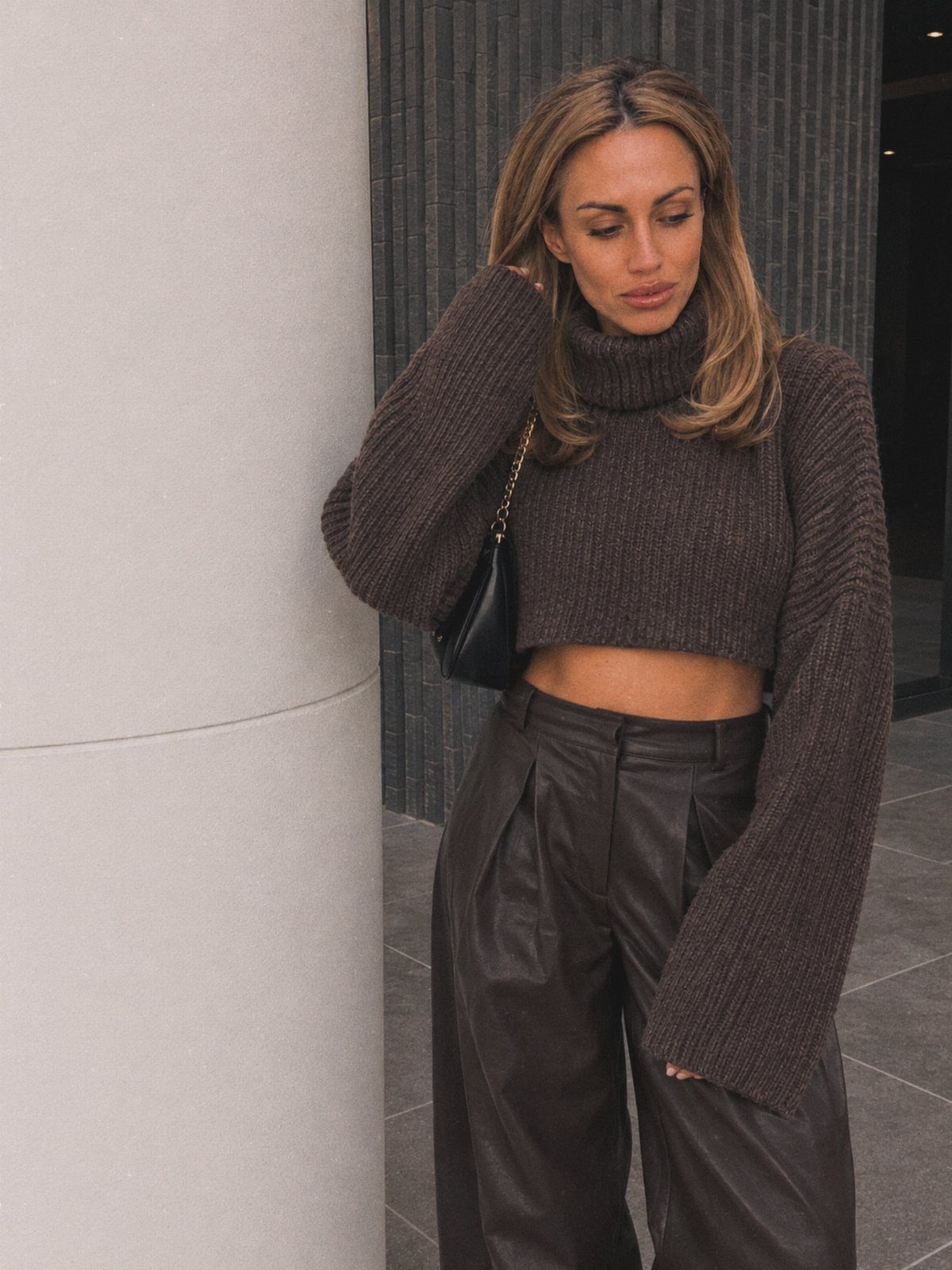
Leather pants and a cropped sweater trade the usual dress for something that moves better in a crowd, which is why I reach for this at concert dates where seating is standing-room-only.
The cropped length matters more than you think; a full-length sweater swallows the waist and turns the silhouette into a column.
Pleated leather trousers give you room to sit on a concrete floor between sets without the stick-to-your-skin panic of skin-tight vinyl.
I would add leopard print booties if I owned a pair that did not read costume, and a scarf only if the venue is outdoor and the temperature drops after dark.
3. Matching Set
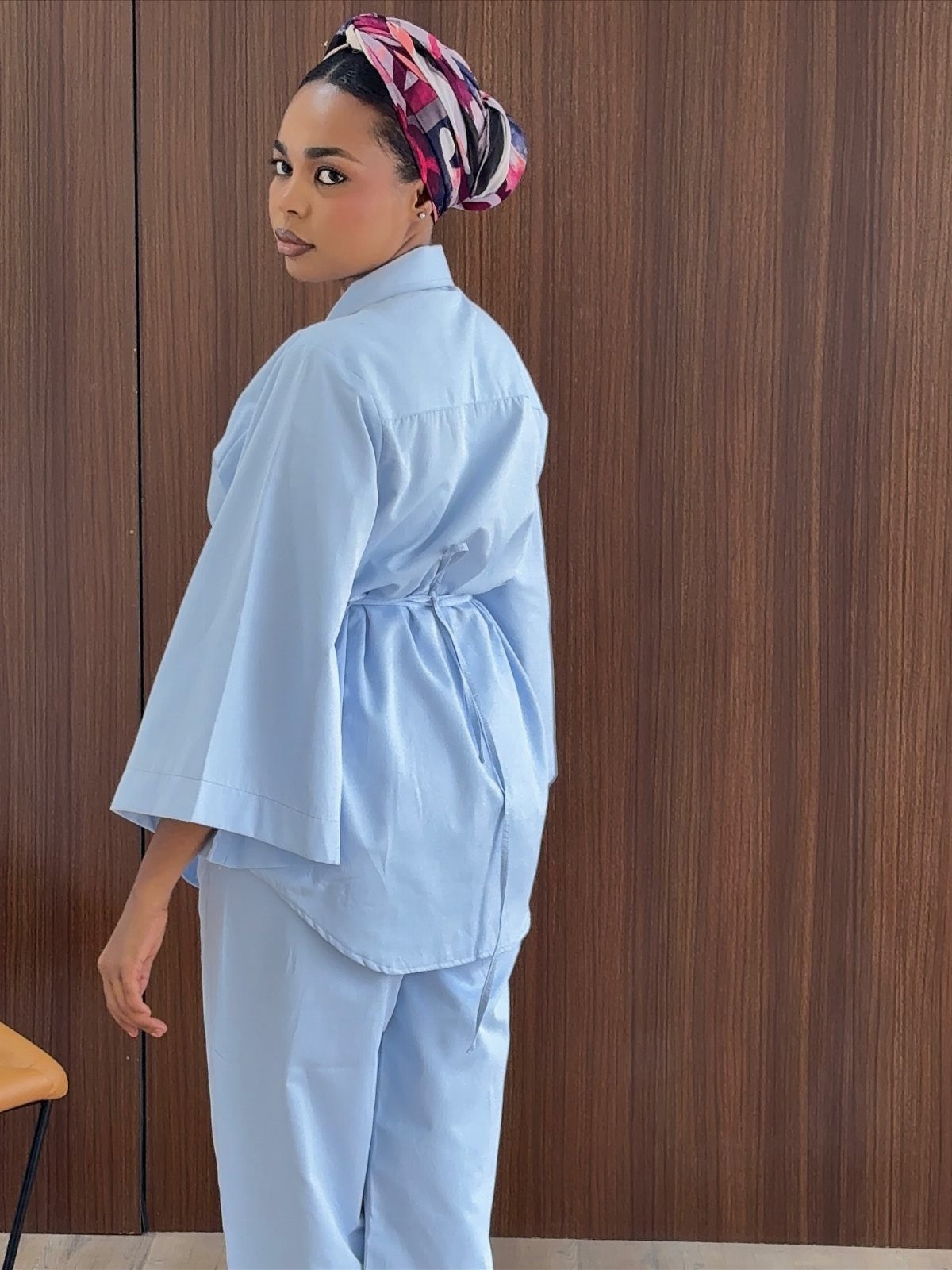
A matching set solves the dinner-date problem of looking coordinated without the mental load of mixing separates when you are already running late.
A belted waist keeps a two-piece set from reading pajama, which is the risk with any matching fabric.
Fabric determines whether a matching set looks planned or like you gave up; linen works for beachside, crepe for city restaurants. A color-break accessory like a headwrap can keep a matching set from feeling too office-casual.
4. Off-the-shoulder Black Dress
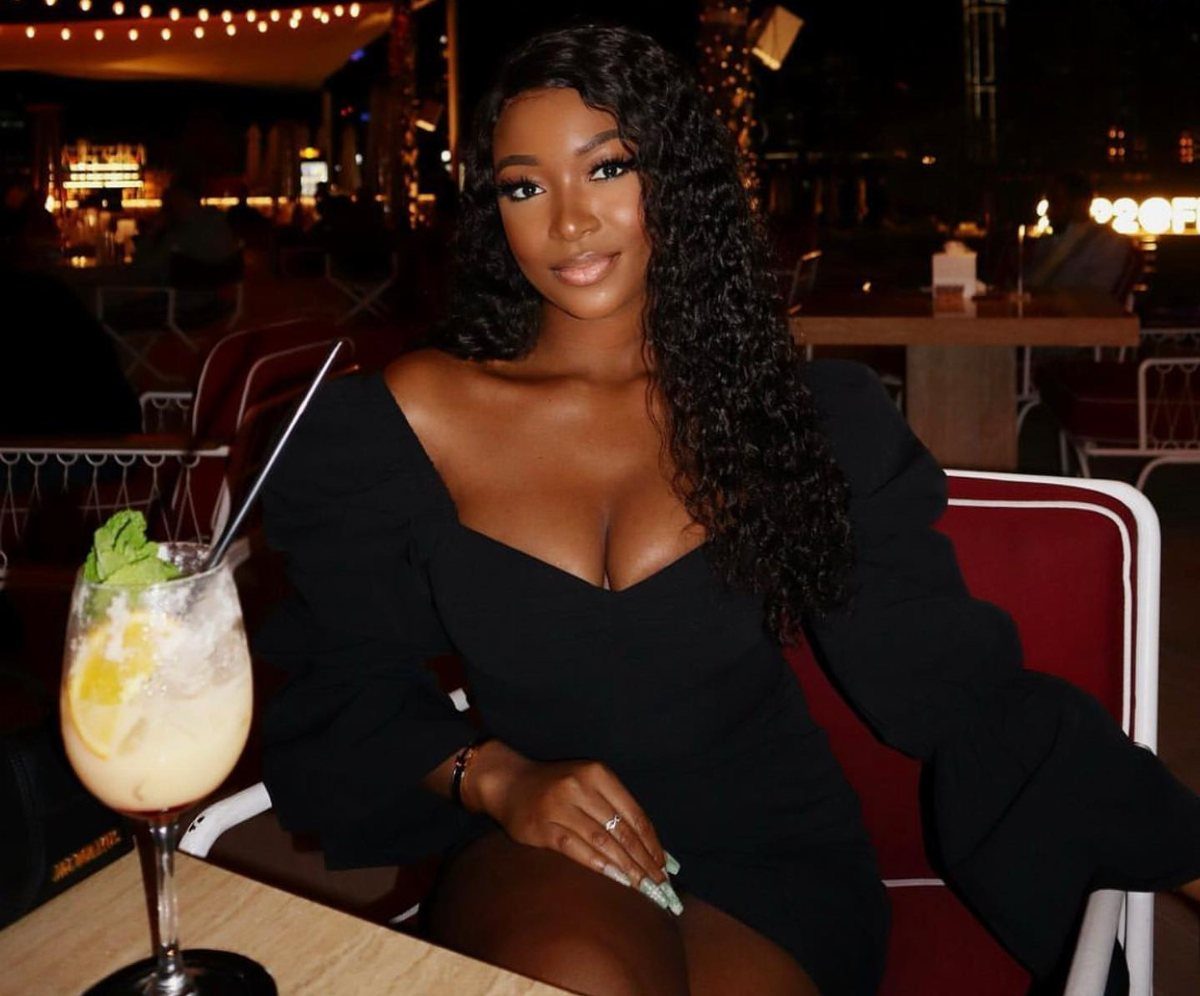
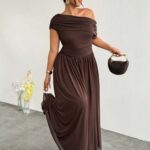
An off-the-shoulder black dress exposes the collarbone and keeps the arms covered, a combination that works for outdoor patios where the temperature drops after sunset.
The neckline stays put only if the elastic or structure is firm; I check this by raising both arms in the fitting room.
If the dress slides, I size down or skip it. Black here is doing the work of looking intentional without requiring jewelry, though I would bring earrings for the walk from the car.
5. Pink Satin Jumpsuit
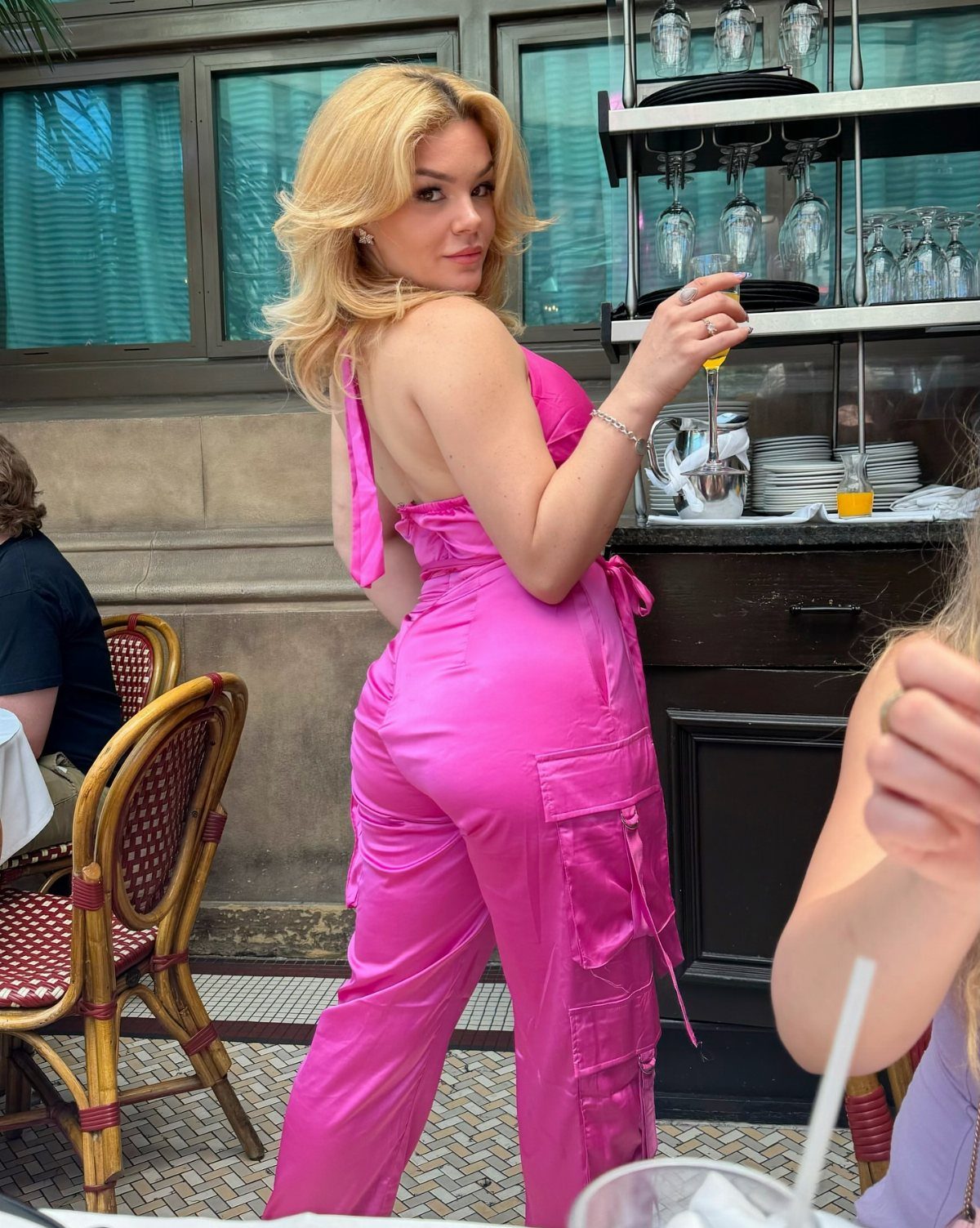
A pink satin jumpsuit in halter cut is a statement piece that demands the right setting; I would wear this to a rooftop or a place with actual tablecloths, not to a burger joint where the lighting is fluorescent.
Cargo pockets add utility to satin that otherwise feels strictly after-dark, giving you somewhere to put your phone instead of clutching it through dinner.
The color reads confident in daylight and almost neon under artificial light, so I would check the restaurant’s Instagram for lighting before committing.
6. Strapless Ruched Maxi Dress
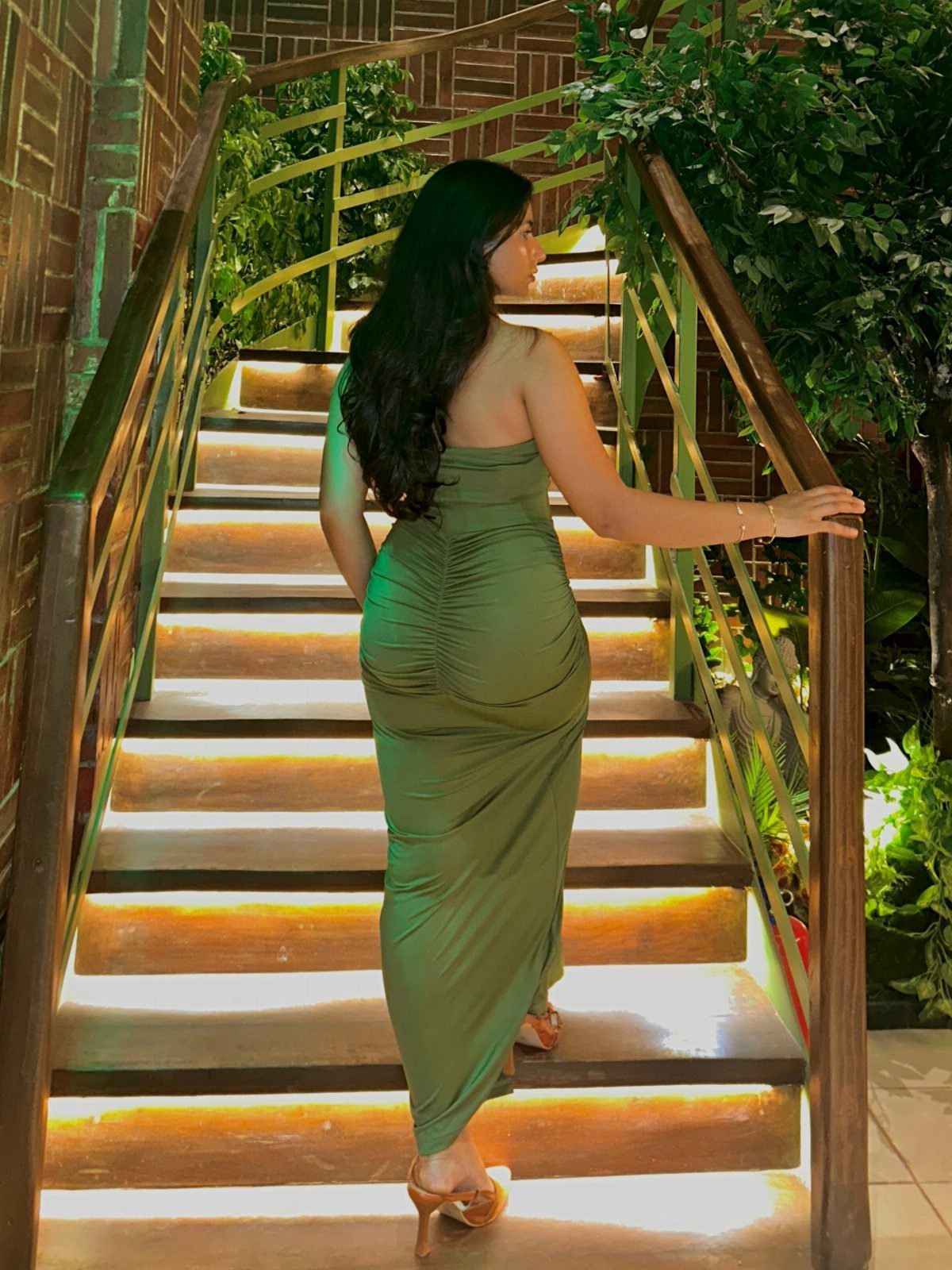
A strapless ruched maxi dress in olive green carries more texture than a flat jersey, which matters when you are wearing one color head to toe and have no layers to break it up.
The ruching hides posture slumps and the strapless cut means no strap lines if the evening extends somewhere with actual sun.
I would test the length against my highest sandals before the date; maxi hems that drag look careless, and ones that hover look like you planned the proportions.
Metallic gold heels add the one reflective element that keeps earth tones from looking muddy at night.
7. Black Blazer and Lace Camisole
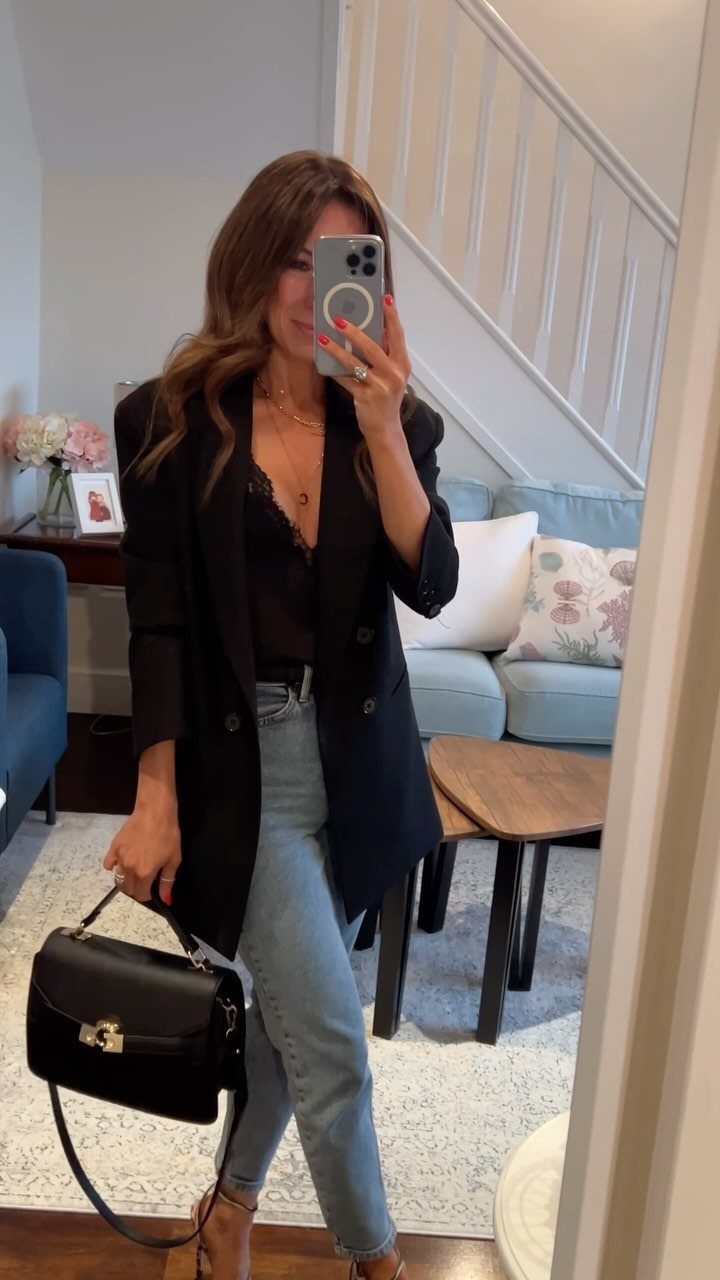
Light-wash denim keeps a black blazer and lace camisole from reading like you came from an office, which is the balance this outfit needs for a dinner date.
The oversized cut of the blazer matters: it should look borrowed, not like a hand-me-down from a taller relative.
I check that the shoulder seam drops past my natural shoulder by at least an inch, or the effect is just a suit jacket with jeans.
A lace camisole adds texture that a cotton tank would flatten; the sheerness should stop at a point where you still feel covered when the blazer comes off.
I would swap the heels for pointed flats if the restaurant involves cobblestones or a long walk from parking.
8. Off-the-shoulder Top and Wide-leg Trousers
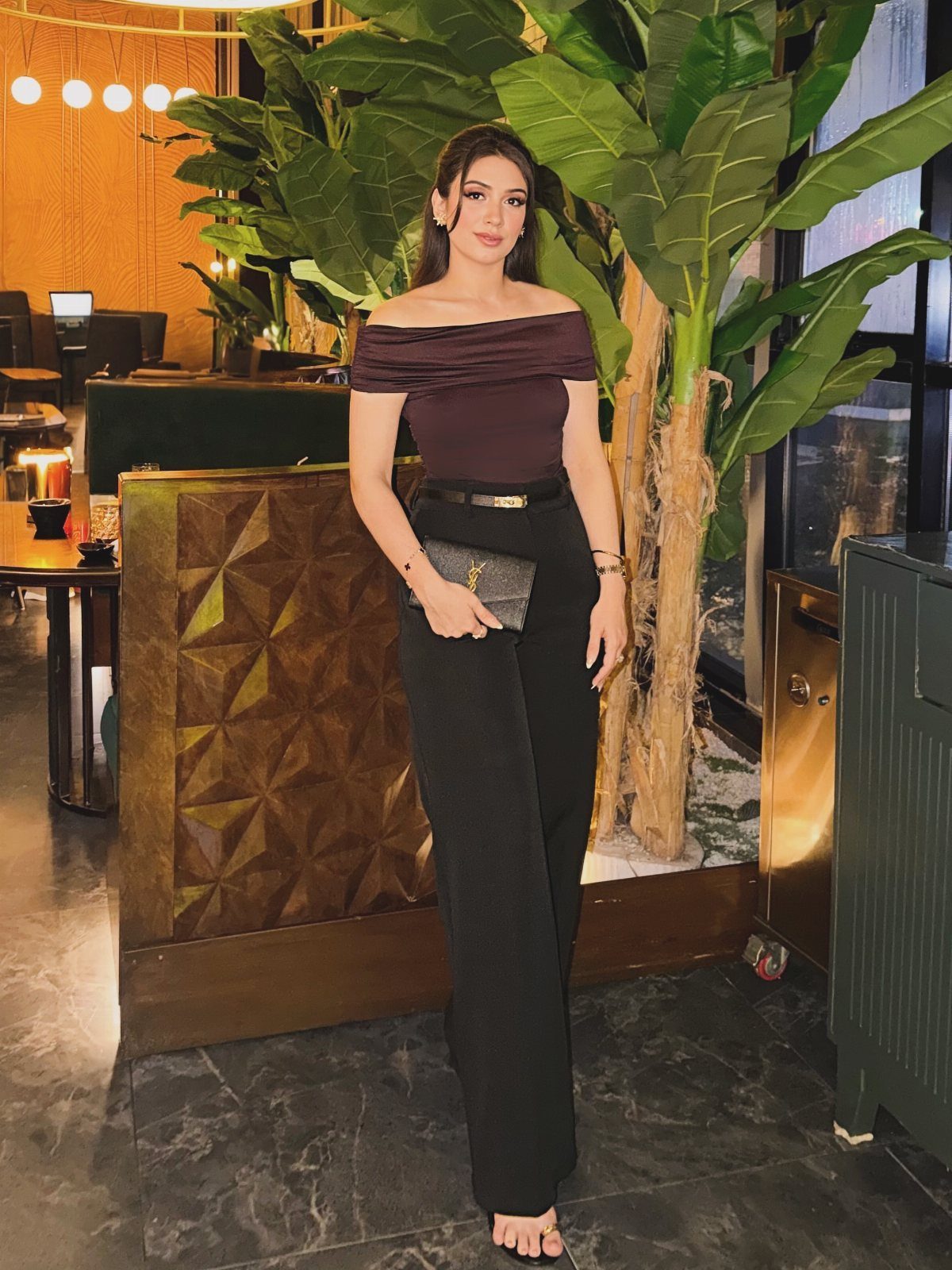
Wide-leg trousers with an off-the-shoulder top draw the eye upward and outward at once, which is flattering if you want waist definition without a belt cinched tight.
The belt in this version sits at the natural waist and breaks up black-on-black; without it, the 2 pieces could merge into a shapeless column.
Trousers this wide need a heel or substantial platform, or the hem drags and frays at the back. I would test the rise sitting down, since an off-the-shoulder top leaves no neckline to distract from a gaping waistband.
This pairing works for restaurants where you want to look dressed up but still be able to lean across a small table without the top shifting.
9. Black Cutout Jumpsuit
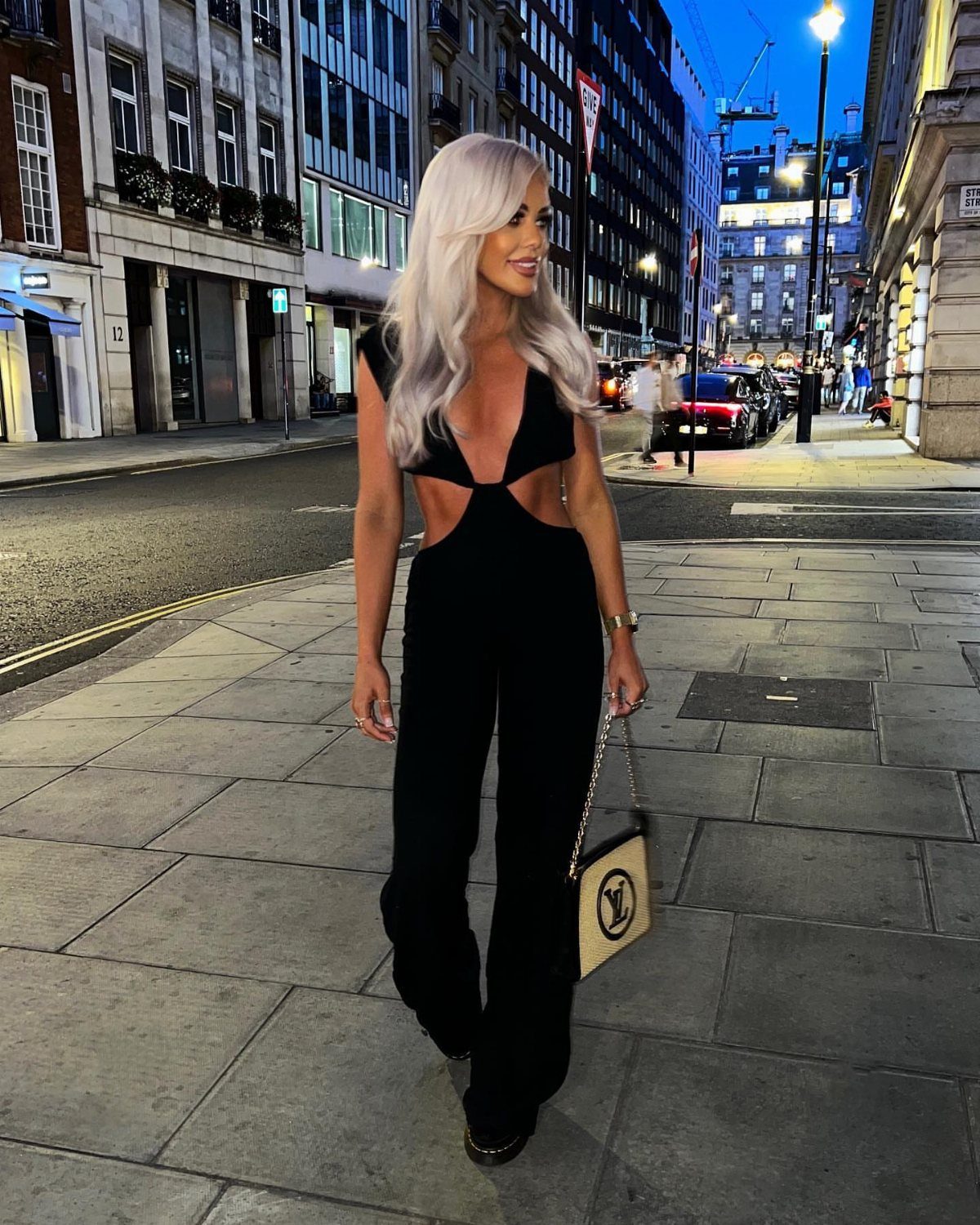
A black jumpsuit with midriff cutouts turns a single piece into a three-part silhouette: covered, exposed, covered again.
The cutouts sit where a high-waisted skirt would meet a cropped top, so the effect is similar without the risk of the 2 pieces separating when you sit.
This version carries a structured bag with a chain strap, which adds hardware that keeps the look from feeling too bare.
I would check the placement of the cutouts in a mirror seated and standing; too low and they gap when you lean forward for bread.
A jumpsuit with cutouts demands smooth underpinnings, so factor in the cost of a specific bra or adhesive coverage when you price this out.
Choosing the Right Outfit
The type of date should drive the fabric and cut more than the color.
A first meeting over coffee calls for something you can settle into without adjusting; a birthday dinner at a place with a wine list allows more structure and less stretch.
I think about whether I will be walking from a parking garage, standing at a bar waiting for a table, or settled into a booth before I pick shoes or a hem length.
Personal style matters because confidence reads across a table. If you never wear heels, a dinner date is not the night to break them in.
If you run cold, a sleeveless dress you cannot layer is a mistake you will feel all evening. The outfit should feel like a version of what you already wear, not a costume you are performing.
Accessorizing Your Look
A bag that fits your phone, keys, and lipstick keeps you from balancing a clutch on your lap through 3 courses.
I prefer a small crossbody or a structured bag with a short chain strap for dinner; it hangs on the chair back or sits in your lap without sliding.
Shoes should be chosen for the floor: cobblestones or gravel parking lots punish a stiletto, and a platform or block heel buys you stability without losing height.
Jewelry works best at the neckline or ears when the outfit is dark or simple; one piece is usually enough.
I add earrings if my hair is up, a thin necklace if the neckline is bare, and stop there. A scarf only if the evening will turn cold and the venue is outdoor; otherwise it becomes something to misplace.
Balancing Comfort and Style
A long dinner involves more sitting, standing, and temperature change than most outfits are built for. I test any waistband seated, any strap by raising my arms, and any shoe by walking a full block before I commit.
The balance is not about choosing between looking good and feeling good; it is about knowing which cuts and fabrics manage both.
Stretch crepe, soft leather with give, and knits with recovery all move with you without going baggy by dessert. I avoid anything that needs constant adjustment: a strapless top that slips, a hem that rides, a heel that wobbles.
The longer the date, the more I bias toward clothes I have already worn and know. A new outfit with an unknown failure point is a risk I save for shorter evenings.
Seasonal Considerations
Summer dinners outdoors call for fabrics that breathe and cuts that do not require a layer you will then have to carry.
Linen, cotton voile, and light crepe work; satin and heavy jersey hold heat and show sweat. I check a restaurant’s patio setup before I dress: misters and fans change what you can wear, and their absence changes it back.
Winter layering for a dinner date means a coat you can check, not one you drape over your chair all night and kick every time you shift.
A cropped cardigan or a blazer that stays on through the meal is more useful than a puffer you have to shed.
The gap between outdoor temperature and indoor heating can be wide, so an outfit that works in both without constant adjustment takes planning.
Tights under a maxi dress, a thin turtleneck under a jumpsuit, or a long-sleeved dress with a coat you can hand off at the door all solve the problem without the bulk.