These 9 boho festival ideas run from a fringed skirt you can dance in to a wide-brimmed hat that blocks the afternoon sun, and the right combination depends on whether you are dressing for a hot afternoon set or a cool evening headliner.
I choose by temperature swing and crowd density more than by trend; a kimono layers over shorts when the day shifts, while a wide brim gets pushed back once the front row packs in.
The stacked heel on a cowboy boot is what separates an all-day stand from a photo-only look.
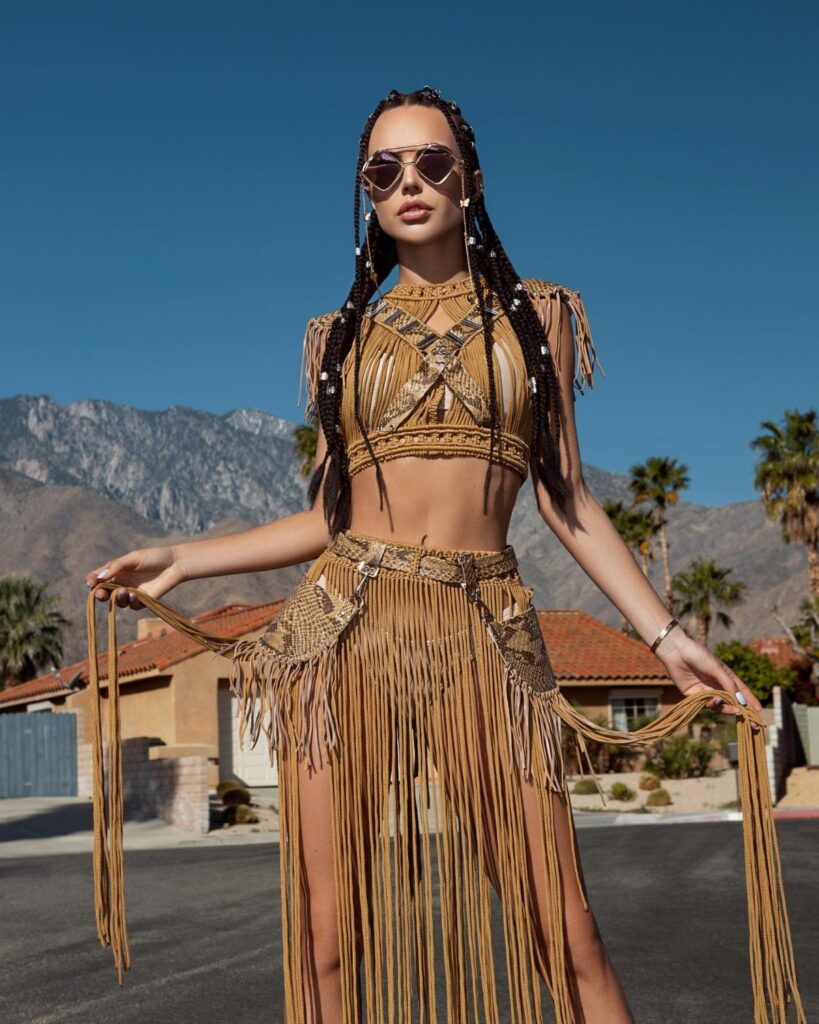
1. Fringe Skirts
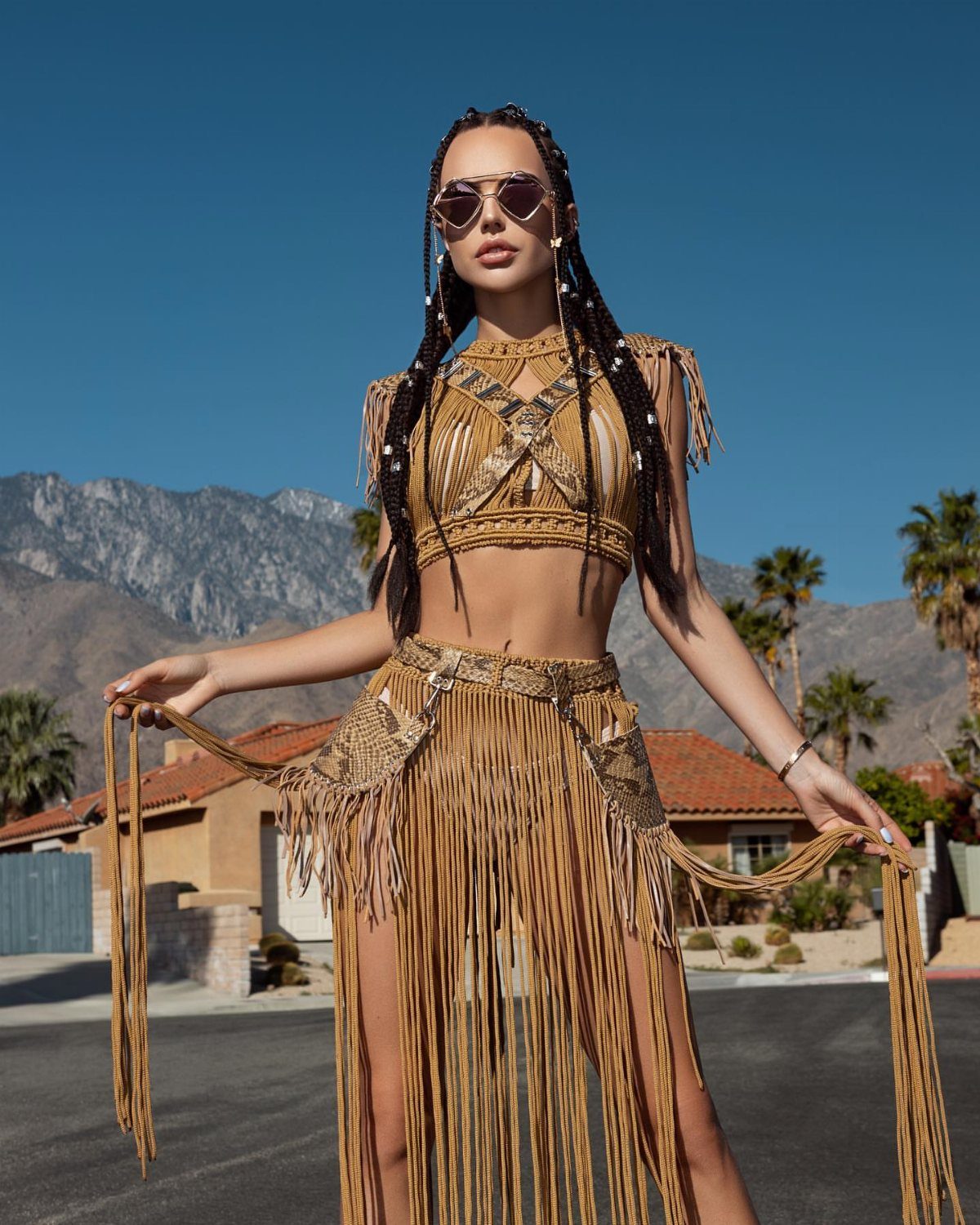
Fringe catches light and air with every step, which is why it has hung around festivals since the Woodstock era.
I like it best on skirts where the movement is lowest and swings most; a midi or maxi length keeps the line vertical so you do not look wider at the hip.
Rope fringe in a matching set is one option; chain or beaded fringe works the same way if you want something that catches stage lights after dark.
Pair it with a plain top underneath so the skirt stays the one statement. One warning: long fringe tangles in bag straps and chair legs, so check your crossbody sits above the hemline.
2. Kimonos
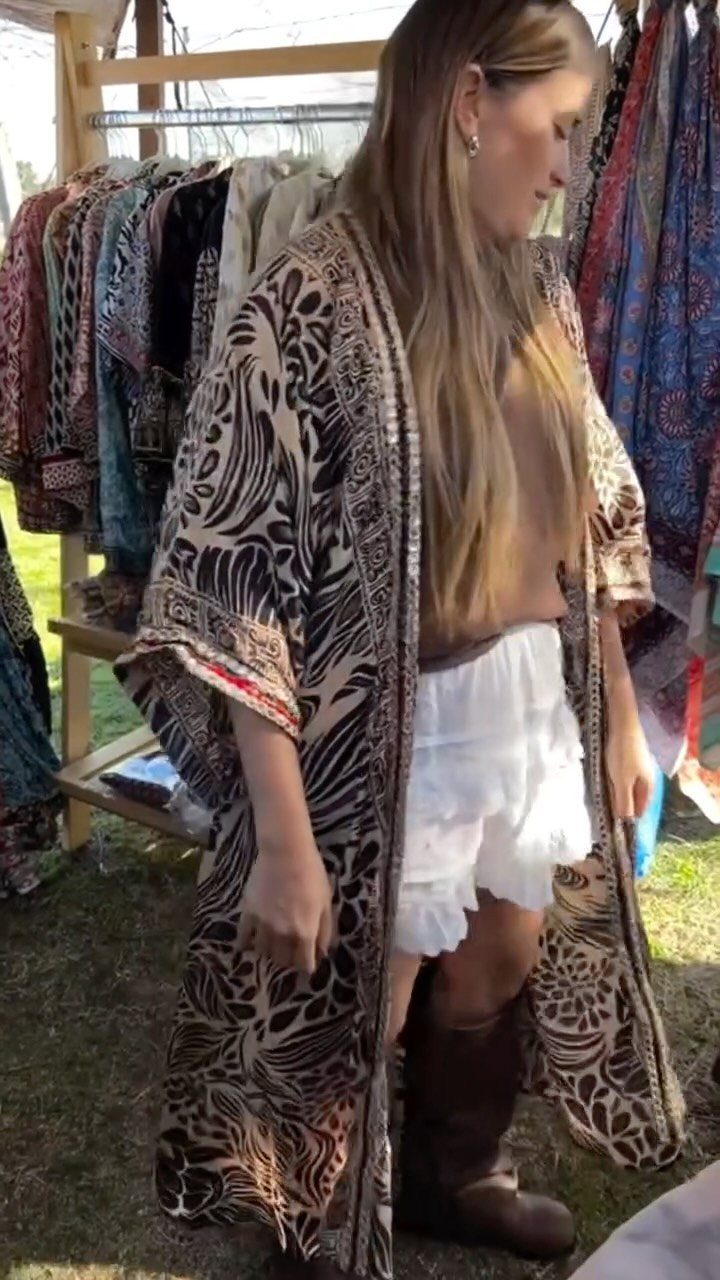
A kimono is the piece I grab when the morning starts hot and the afternoon turns cool by headliner time.
The cut is a rectangle with sleeves, so it drapes rather than clings; that airflow matters when you are standing in a crowd all day.
Prints range from florals to celestial patterns, and either reads as boho because the shape itself signals it.
I look for cotton or linen, something I can roll into a bag without creasing, and details like tassels or embroidery that show up when the kimono moves open.
It layers over shorts, a slip dress, or even denim and a tank; the coverage is welcome after sundown without the weight of a jacket.
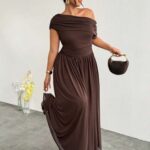
3. Maxi Dresses
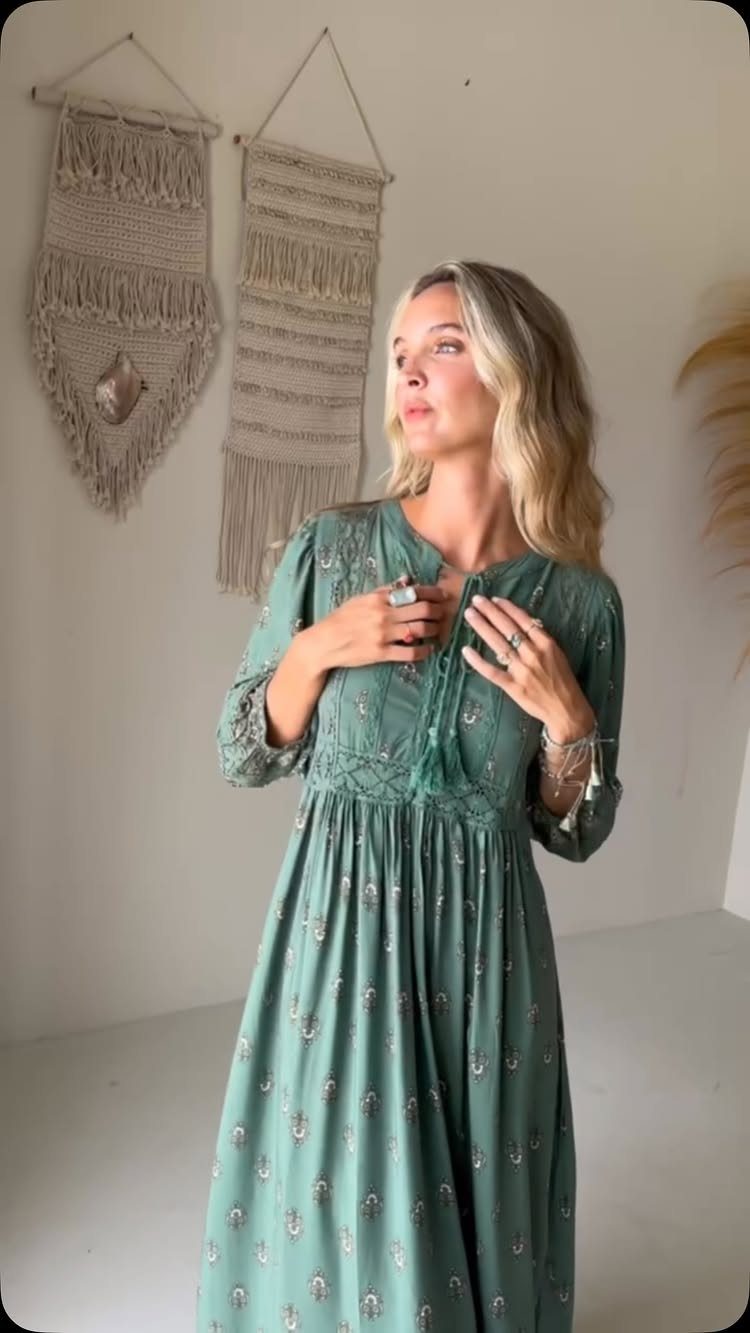
One dress that handles the whole day is hard to beat for packing light.
A maxi with a tiered or floaty cut lets air move underneath, which keeps you cooler than shorts and a tight top; the length also blocks sun on your legs during afternoon sets.
I have worn mine with sneakers for walking between stages, then swapped to ankle boots when the temperature dropped after dark.
Bold prints read festive from a distance, and a crossbody bag worn high keeps your hands free for drinks and photos.
The only trick is hem clearance: a dress that skims the ground will pick up dust and get stepped on, so I check length with my festival shoes on before I commit.
4. Denim Shorts
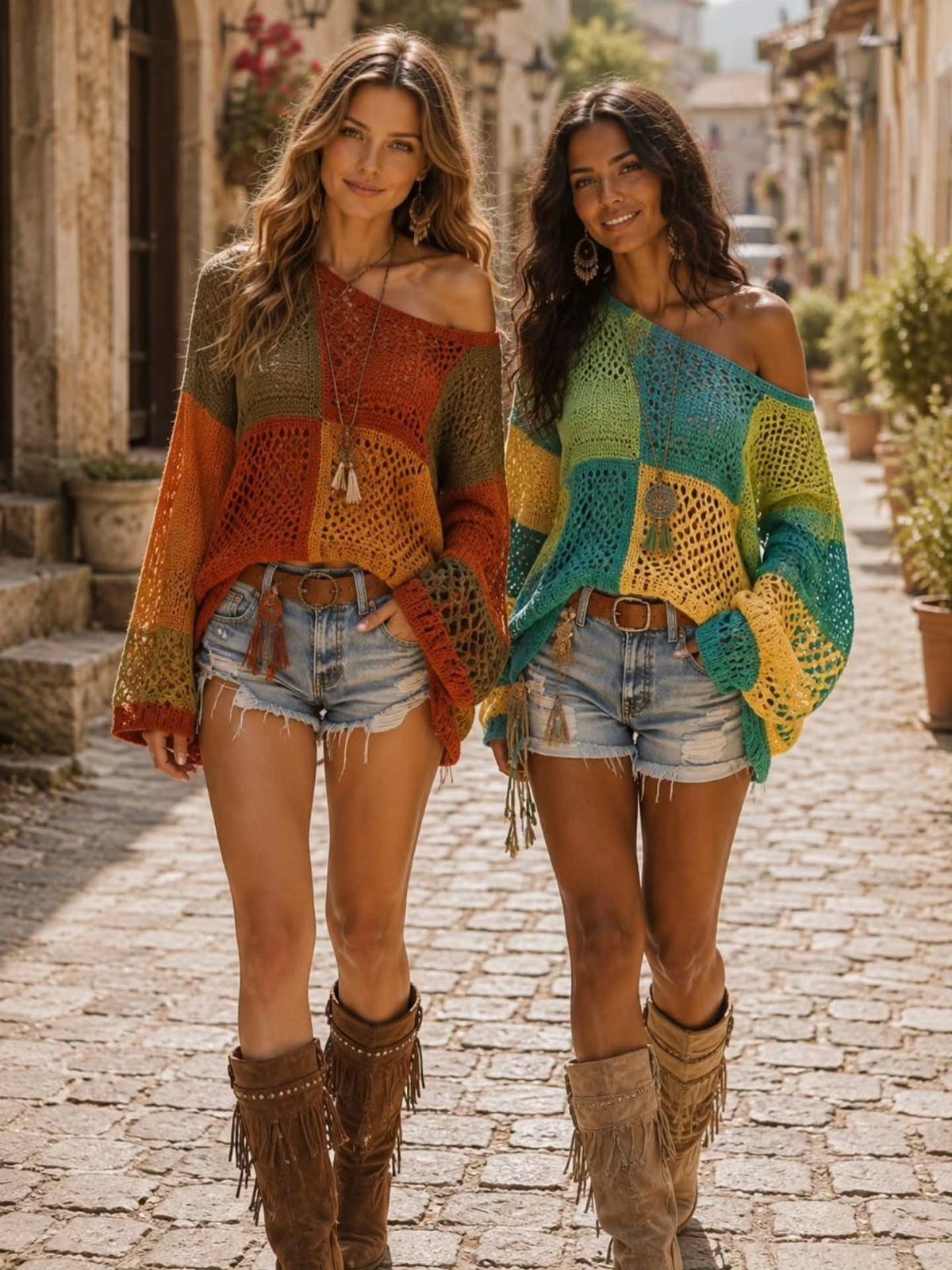
High-rise denim shorts are my default when I know I will be sitting on grass or a blanket; the structure holds shape better than thin fabrics that wrinkle or ride up.
I pair them with crochet or lace tops for texture against the plain wash, or with a graphic tee when I want the shirt to do the talking.
Colorful crochet off-shoulder sweaters are one way to do it; a fitted tank or a peasant blouse works the same. Finish with boots that have some height to them; the leg line looks longer against a short hem.
5. Cowboy Boots
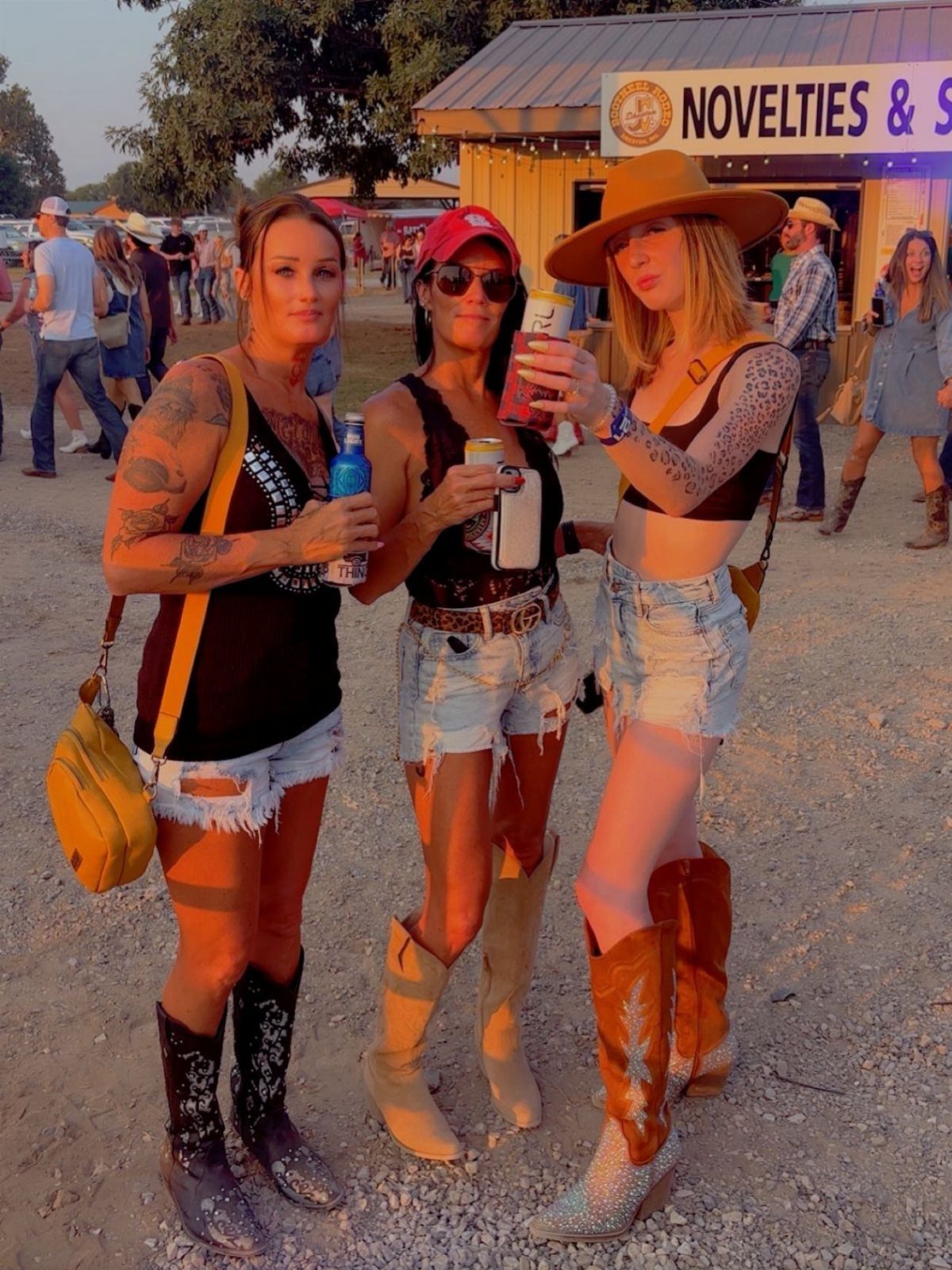
Leather boots with a pointed toe and a stacked heel do 2 jobs at a festival: they read Western enough to anchor a boho look, and the shaft protects your ankles from crowd bumps and kicked-up dirt.
I wear mine with denim shorts and a simple top, or with a midi dress where the boot shows only at the toe and heel.
The heel height is a choice; a low block heel is my limit for all-day standing, though some women go higher for photos and switch to flats later.
Broken-in leather matters more than the exact style; new boots at a festival are a mistake I made once and still remember.
6. Matching Sets
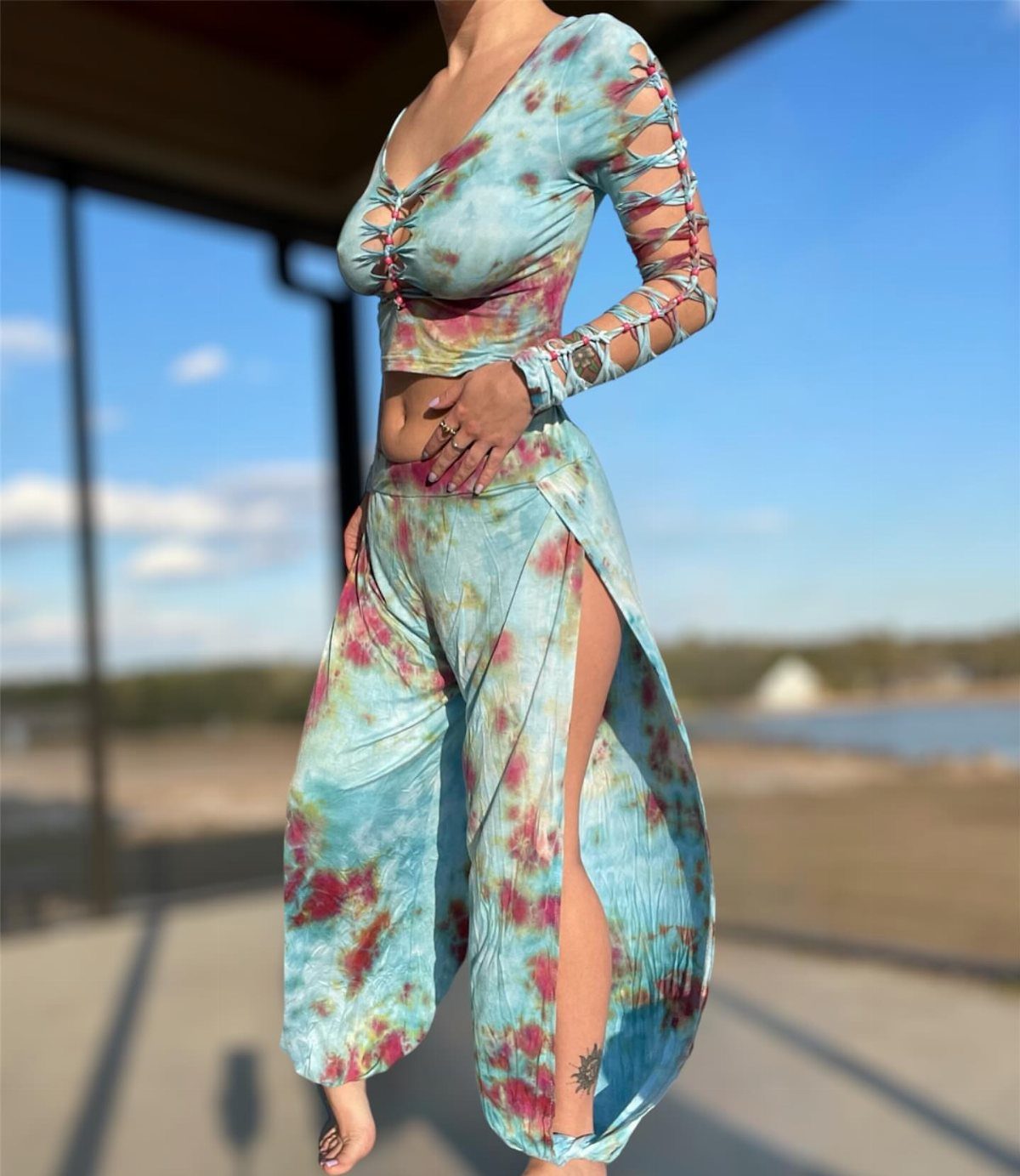
A coordinated top and bottom removes the decision fatigue of mixing pieces when you are dressing in a tent or a hotel room with poor light.
Tie-dye with a cropped long-sleeve and high-slit pants is one option; the fabric looks lightweight enough to roll small and shake out wearable.
I would pack two or three sets that share a color family, then swap tops and bottoms across days to stretch your options without filling a suitcase. Jewelry and shoes do the rest.
The only limit is the print itself; a loud pattern like tie-dye photographs well but may feel like too much by day 3, so I balance with one solid set in a neutral like sage or rust.
7. Layered Jewelry
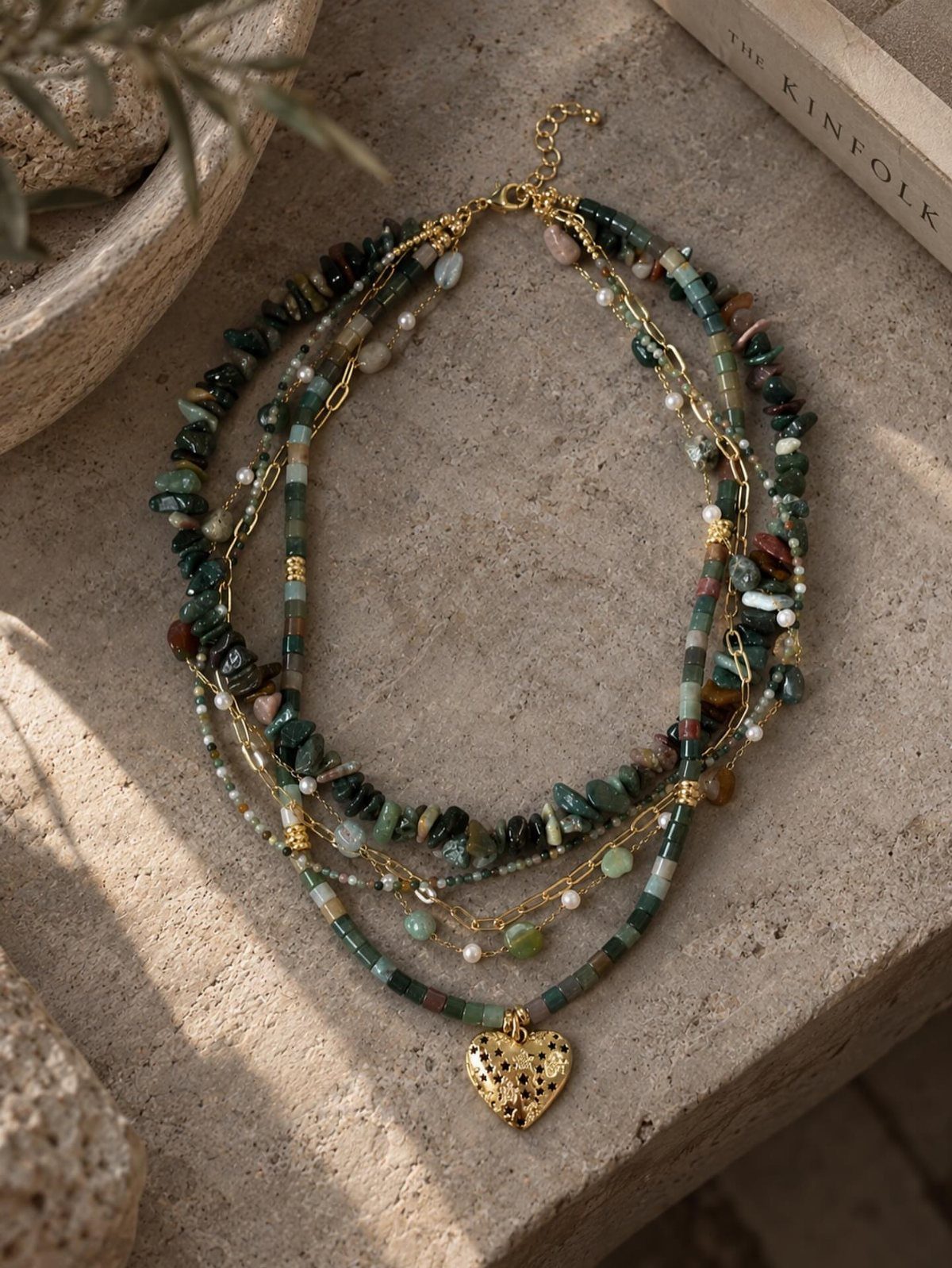
Necklaces at staggered lengths turn a simple festival top into something that reads intentional even from across the crowd.
I start with a choker or short chain, add a mid-length piece with a small pendant, and finish with one longer strand that hits near the sternum; the spacing keeps them from tangling when you move.
Natural stones and turquoise read more boho than polished gems, and mixed metals stop the stack from looking too planned.
Rings work the same way: two or three thin bands per hand, or one statement piece if the rest stays quiet. The limit is noise; layered jewelry should not rattle against itself or catch on your bag strap.
8. Floral Embroidery Tops
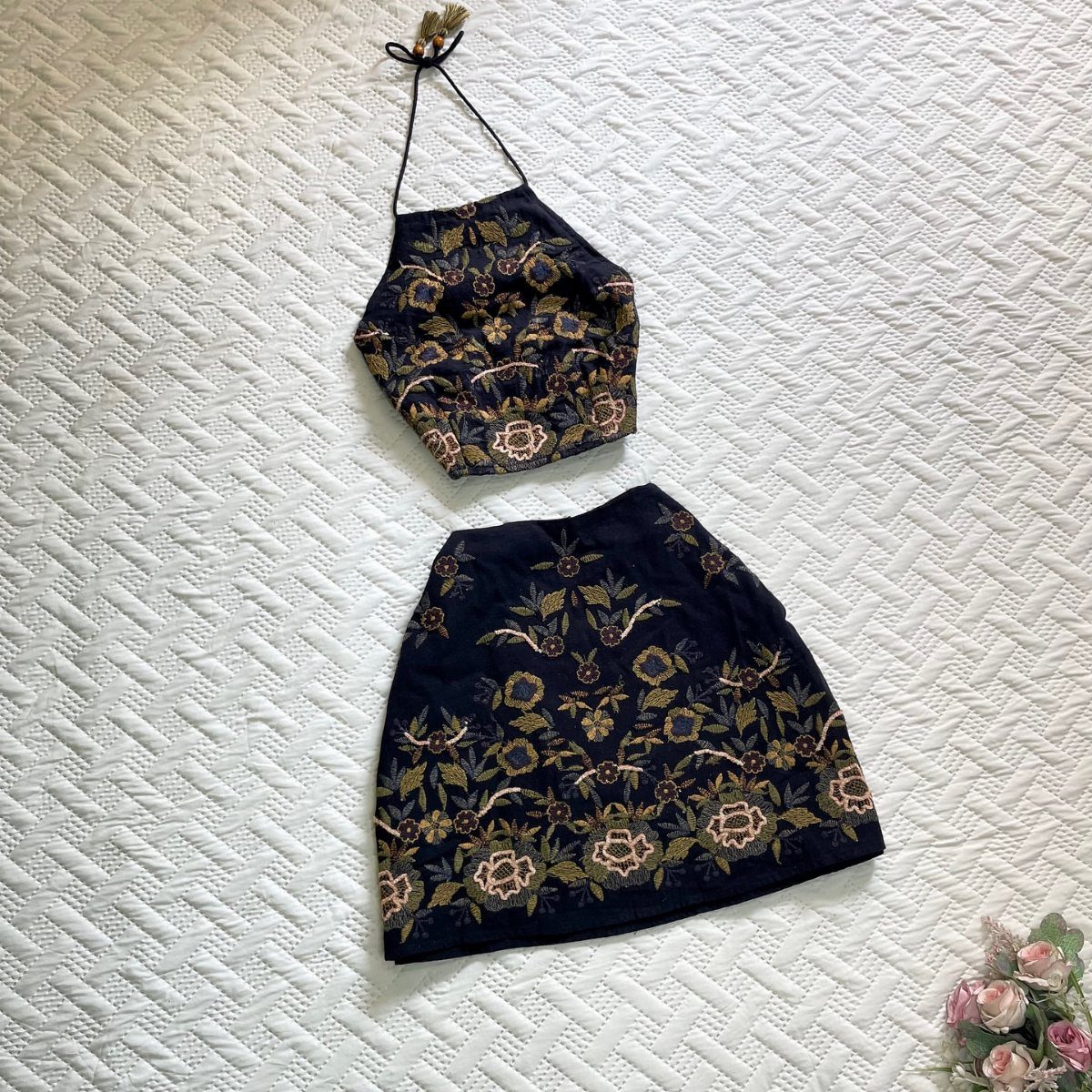
Embroidery that sits on black fabric gives the sweetness of flowers an edge that fits a festival crowd better than all-over pastels.
The threadwork itself is the detail, so the cut of the top stays simple; a halter or square neckline shows the embroidery without competing.
I look for cotton or linen bases because synthetic grounds do not breathe in afternoon heat, and hand-stitched thread holds up longer than machine work through repeated packing.
A matching embroidered skirt doubles the effect for photos, though a plain bottom half keeps the look wearable back home. Check that the embroidery is backed; exposed knots itch against sun-warmed skin by hour 3.
9. Wide-Brimmed Hats
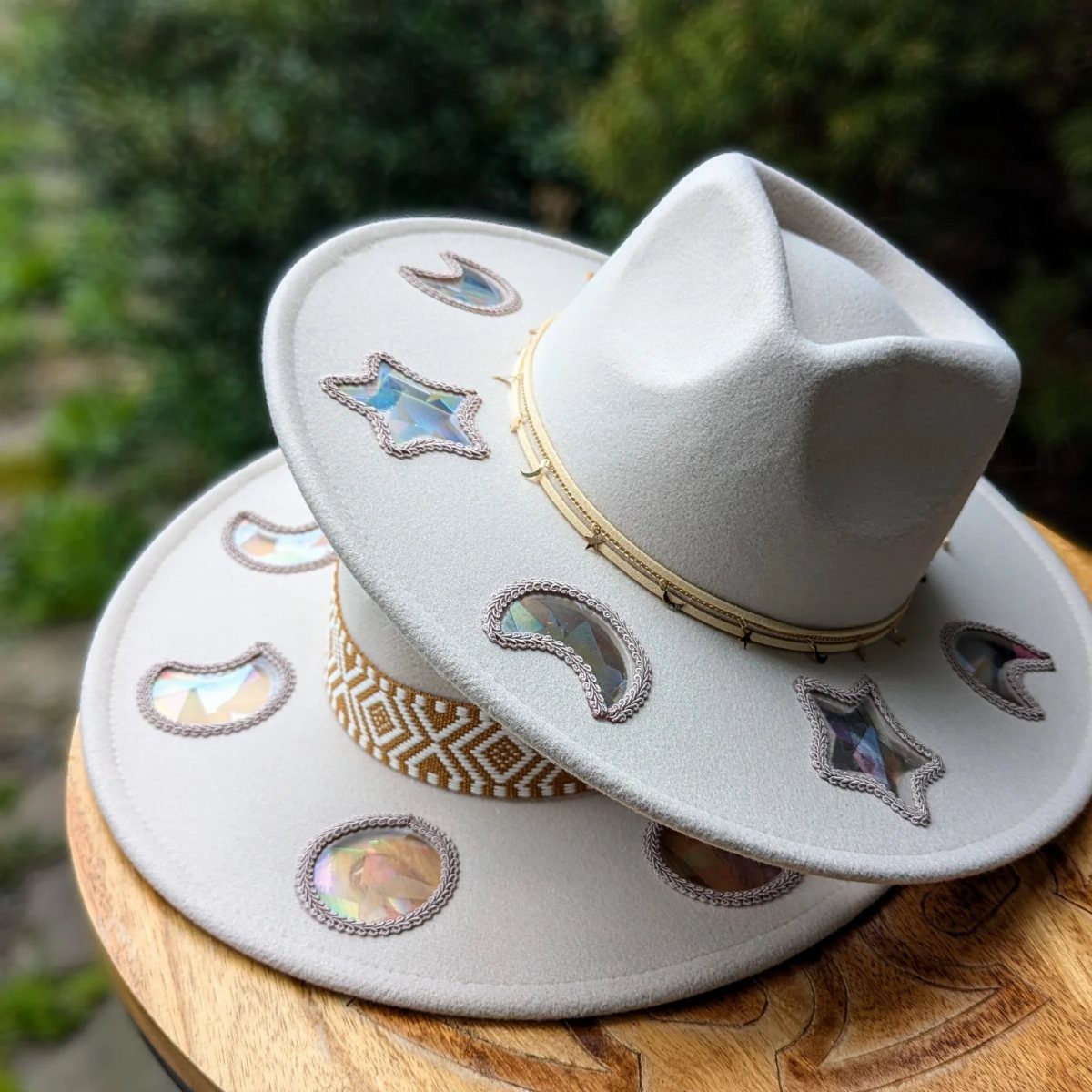
A wide brim casts shade across your neck and shoulders, which matters more than sunscreen alone when you are facing a stage all afternoon.
Felt holds shape in a suitcase better than straw, though straw breathes more; I choose felt for cooler festivals and accept the trade. Neutral tones like grey or tan pair with most outfits without stealing attention from the clothes.
A hat band in leather or woven thread adds texture, and a chin strap is worth the slight fuss if wind picks up between sets.
The only catch is crowd density; a wide brim blocks sightlines in a packed front-row, so I push mine back or switch to a headscarf when the set starts.
Comfort and Breathability
Cotton and linen are the fibers I look for first in any festival piece because they move sweat away from skin instead of trapping it against you in a crowd.
Synthetics like standard polyester or acrylic can feel fine for the first hour, but by mid-afternoon they cling and hold odor; I avoid them for anything that sits directly against my body.
A loose weave matters as much as the fiber itself; tight knits block airflow even in the right material.
For multi-day camping festivals where washing is not an option, natural fibers hide dust and light dirt better than dark synthetics, which show every smudge.
I also check seam placement; flatlock or covered seams prevent the chafing that straight overlocked edges cause once you’ve been walking for a while.
If a piece passes the fabric test but has scratchy labels or exposed elastic, those small irritations become large ones by sundown.
Layering for Weather Changes
A lightweight layer that adds no bulk to your bag is what separates a comfortable festival day from one spent shivering through the headliner.
I think of layering by how small it packs; a denim jacket or crochet cardigan that looks substantial can still roll to the size of a water bottle if the knit is open or the denim is lightweight.
The temperature drop after sunset at outdoor venues can be steep in desert or high-altitude locations, so the layer needs to actually warm you, not just look like it should.
I pack with the full day in mind; a piece that only works for one temperature window is dead weight.
Kimonos handle this well because the same cut blocks sun in afternoon and traps still air at night; denim does the same with more structure.
Layers should read as deliberate parts of the outfit rather than afterthoughts, since festival lighting is bright enough that you will be photographed in every configuration.
Accessorizing Your Outfit
I stop adding accessories when I have one element that draws the eye and one that serves a practical job; anything beyond that starts to compete.
A wide-brim hat covers both if the brim is functional width, not just decorative; it shades, it photographs, and it replaces the need for a statement necklace.
Bags follow the same rule; a woven crossbody in a natural fiber ties to the boho aesthetic while keeping hands free, which is the actual priority at a show.
Sunglasses are the one place I will wear an oversized or colored lens that I would not choose for city streets; festival light is harsh and direct, and the scale fits the setting.
I avoid anything that dangles or swings independently; long earrings tangle in hair when wind picks up, and loose fringe on a bag catches on chair backs and other people’s jewelry.
Frequently Asked Questions
What to wear to a boho festival?
A tiered maxi dress, high-rise denim shorts with a crochet top, or a fringed midi skirt with a plain tee covers most festival days.
Natural fabrics like cotton and linen matter more than the exact piece; they let air move through the weave when you are standing in crowds from noon to midnight.
A kimono layers over any of these when the temperature drops after dark, and broken-in cowboy boots protect your ankles from kicked-up dirt while keeping the look Western enough to read as boho.
Is boho out of style for 2026?
Boho is not out of style; it has simply stopped being a headline trend and settled into a reliable option that women return to for festivals, vacations, and weekends.
The specific pieces evolve, fringe and tie-dye cycle in and out, but the core idea of natural fabrics, relaxed cuts, and personal layering has been around for decades and does not depend on a single season’s approval.
I treat it as a vocabulary I can dial up or down rather than a look that is ever fully in or out.