A maxi dress can read as pajamas or dressed-up depending on fabric weight and neckline alone, so the single question is whether you need it for errands, a party, or the stretch between them.
The 9 types below run from sleeveless cotton you can throw on for coffee to formal silk that works for a seated dinner, with slits, crochet, and bodycon cuts each carrying their own occasion logic.
I keep coming back to the rule about shoes: if I cannot picture a dress with both flat sandals and a heel I already own, it stays in the browser tab.
1. Sleeveless Maxi Dress
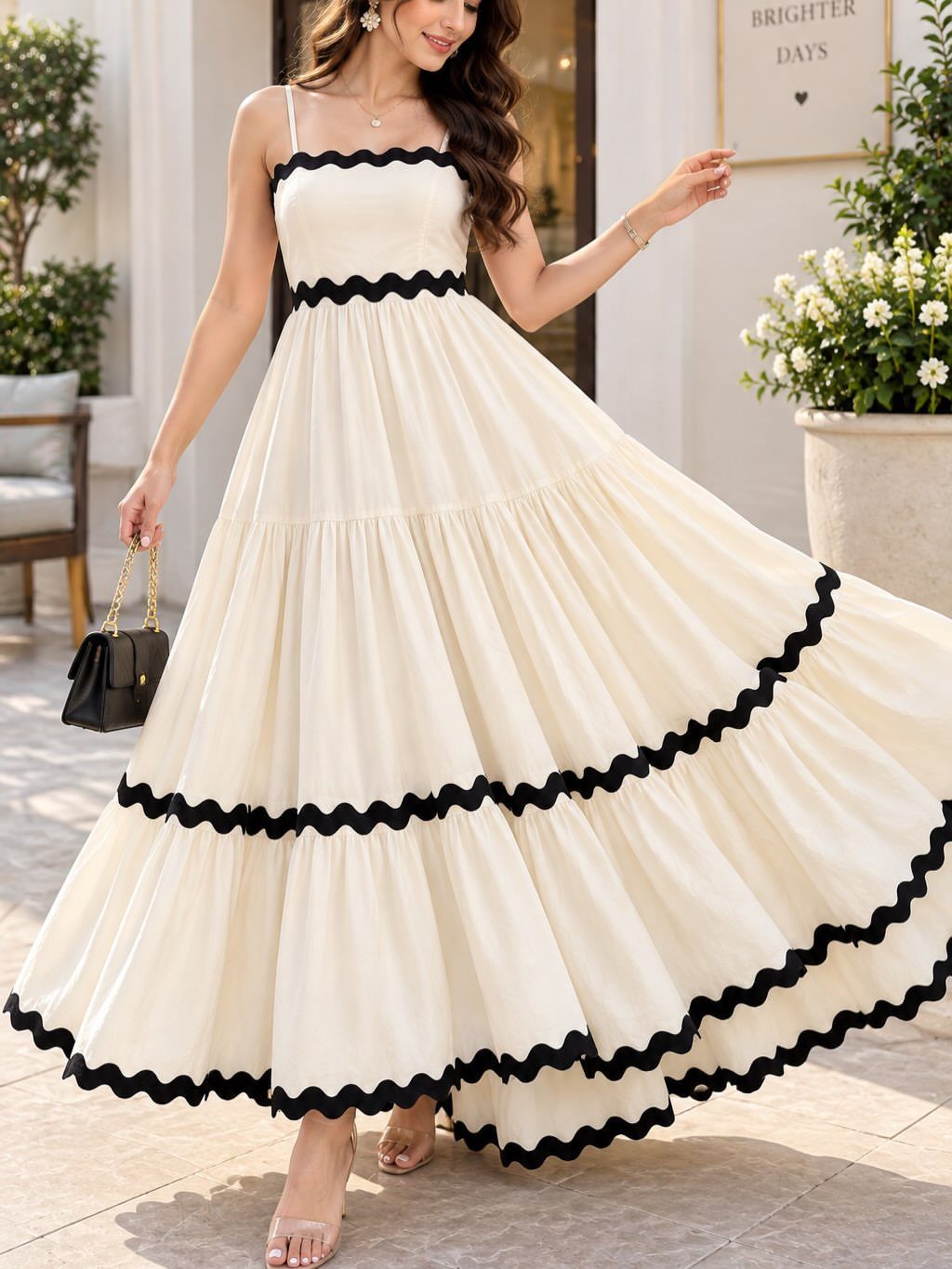
A sleeveless maxi dress lives or dies by its neckline. The open shoulder line draws the eye upward, so the cut matters more than it would on a sleeved piece.
I gravitate toward scoop necks for everyday wear and halter styles when I want the dress to carry the whole look without much jewelry.
Spaghetti straps work best if you are comfortable with a more exposed upper body; a wider strap or a built-in bra shelf adds structure for larger busts. The real versatility is in the shoe swap.
Sneakers keep it grounded for errands, heeled sandals lift it for dinner, and ankle boots bridge the gap on cooler evenings. One dress, three registers, no layering required.
2. Maxi Dress with Voluminous Sleeves
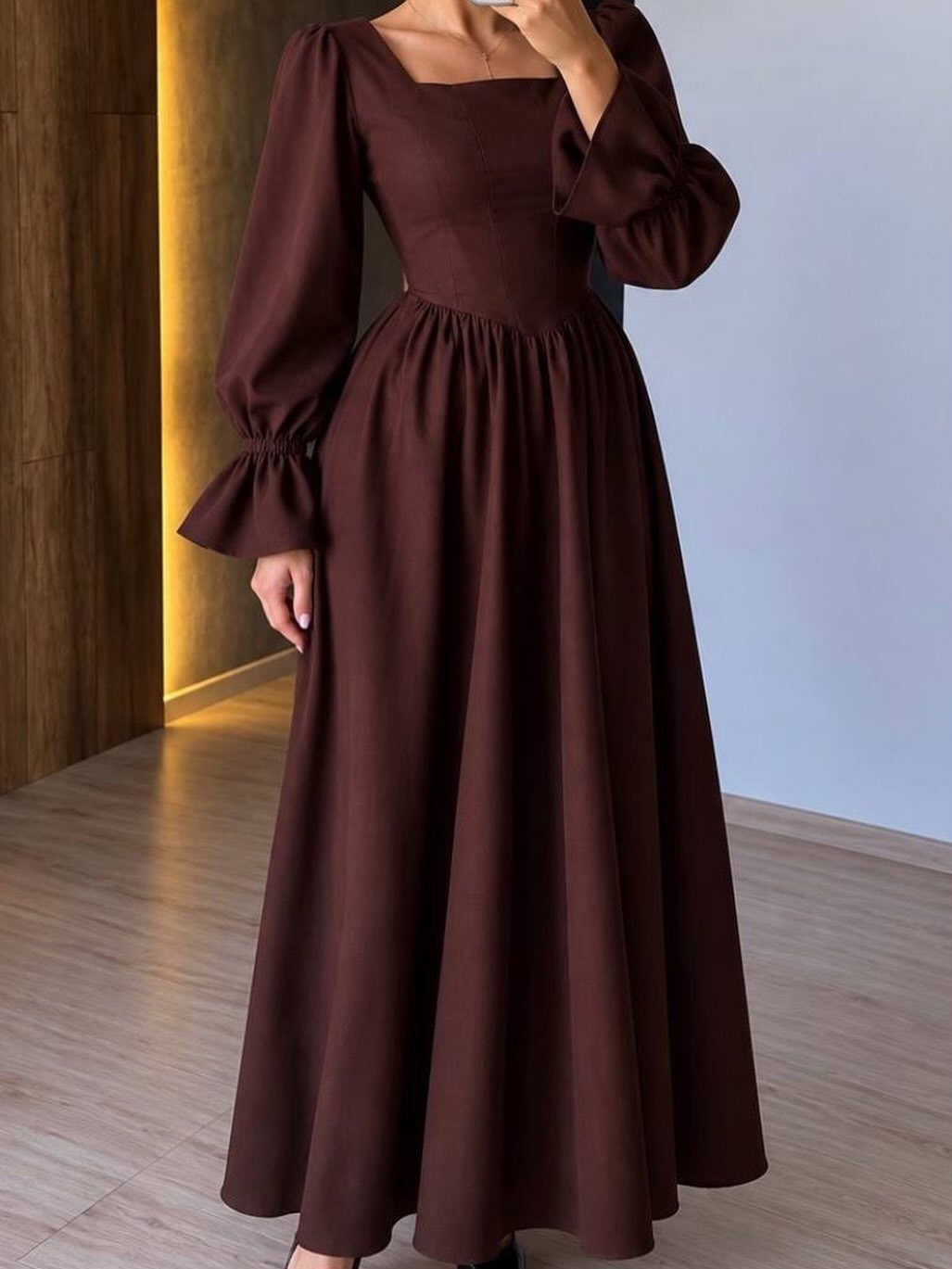
Voluminous sleeves on a maxi dress do the work of a statement necklace and a jacket at once. Gathered volume at the shoulder, cinched into a fitted cuff, creates a natural hourglass silhouette without any tailoring.
I find this shape especially useful when I want to look dressed up but feel covered; the sleeve carries the drama so the rest can stay simple. The square neckline keeps it from reading too costumed.
For my own closet, I would choose a cotton poplin over a synthetic; the sleeve needs crispness to hold its shape through a full day, and cheaper poly-blends tend to collapse by hour three.
3. Slip Maxi Dress

The slip maxi dress is the closest thing to wearing nothing that still counts as dressed. Bias-cut silk or satin skims the body without clinging, and the thin straps keep the line clean from the neck down.
I have worn mine with a straw hat and flat sandals for morning coffee, then swapped in heeled mules and a single cuff for dinner out. The simplicity is the point, which means fabric quality shows immediately.
A lightweight silk with a slight sheen reads intentional; a thicker satin can look like lingerie by mistake. If you are between sizes, size up and have the bust taken in; the skirt needs that liquid drape to work.
4. Maxi Dress with Slits
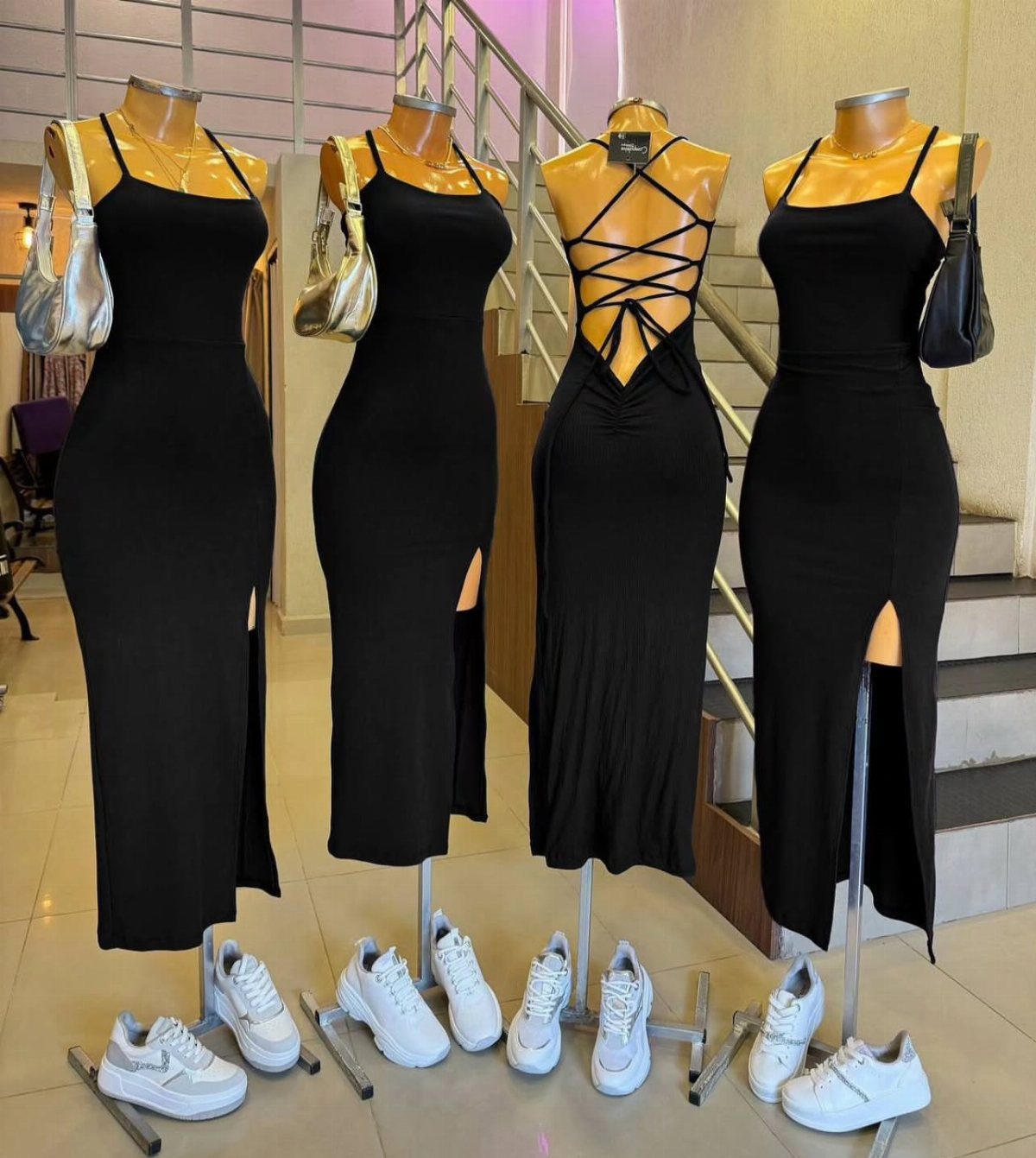
A slit turns a maxi dress from a walking tent into something that moves with you.
The range is wider than most people shop: a knee-high side vent keeps the coverage while freeing your stride; a thigh-high opening changes the whole proportion and demands more thought about underpinnings.
I prefer the lower slit for daytime, especially with sneakers or flat sandals, because the flash of leg stays incidental rather than performative.
For evening, the higher cut works with a heeled sandal and a bare leg, though I would skip it for seated events where the fabric rides up.
Check the lining situation before you buy; some slits are functional, some are decorative, and a skirt lining that ends above the slit defeats the purpose.
5. Crochet Maxi Dress
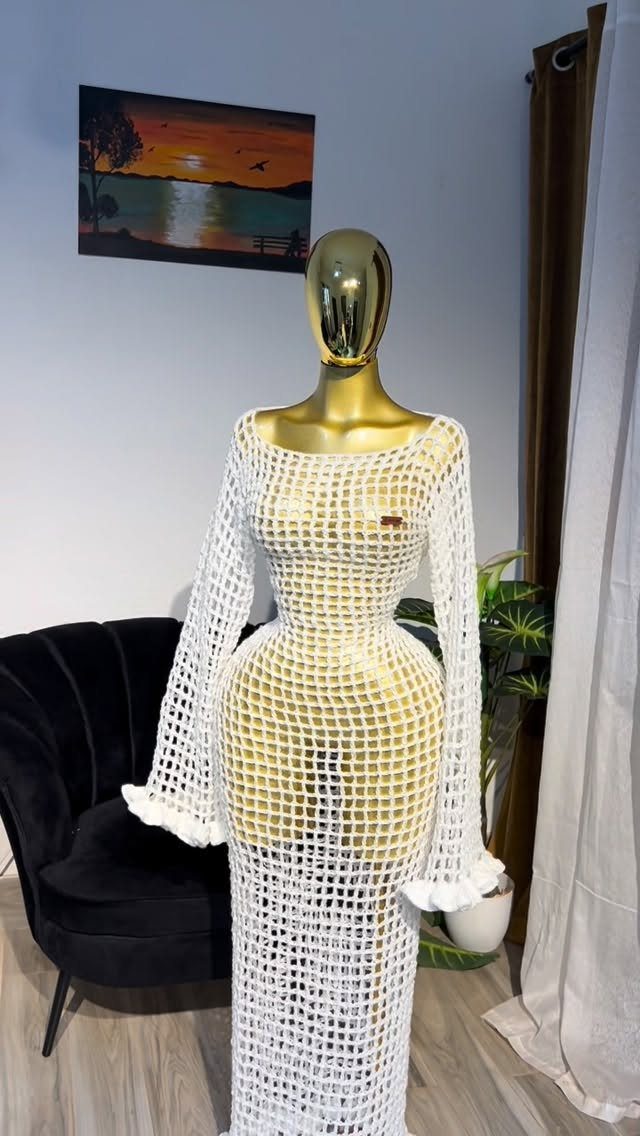
Crochet on a maxi scale is handmade texture at its most visible. A bell-sleeved version with flared cuffs and floor-length sweep needs a solid slip underneath; the crochet itself is the feature, not the coverage.
Breathability is the practical win here. On genuinely hot days, the open construction vents heat better than any solid linen.
Crochet can be worked in all sizes and worn anywhere, which matters because the stretch and give of handwork adapts to bodies that woven maxis sometimes fight.
Plan on hand-washing or a delicate cycle; the stitches snag, and once a loop pulls, the pattern distorts.
6. Neutral Maxi Dresses
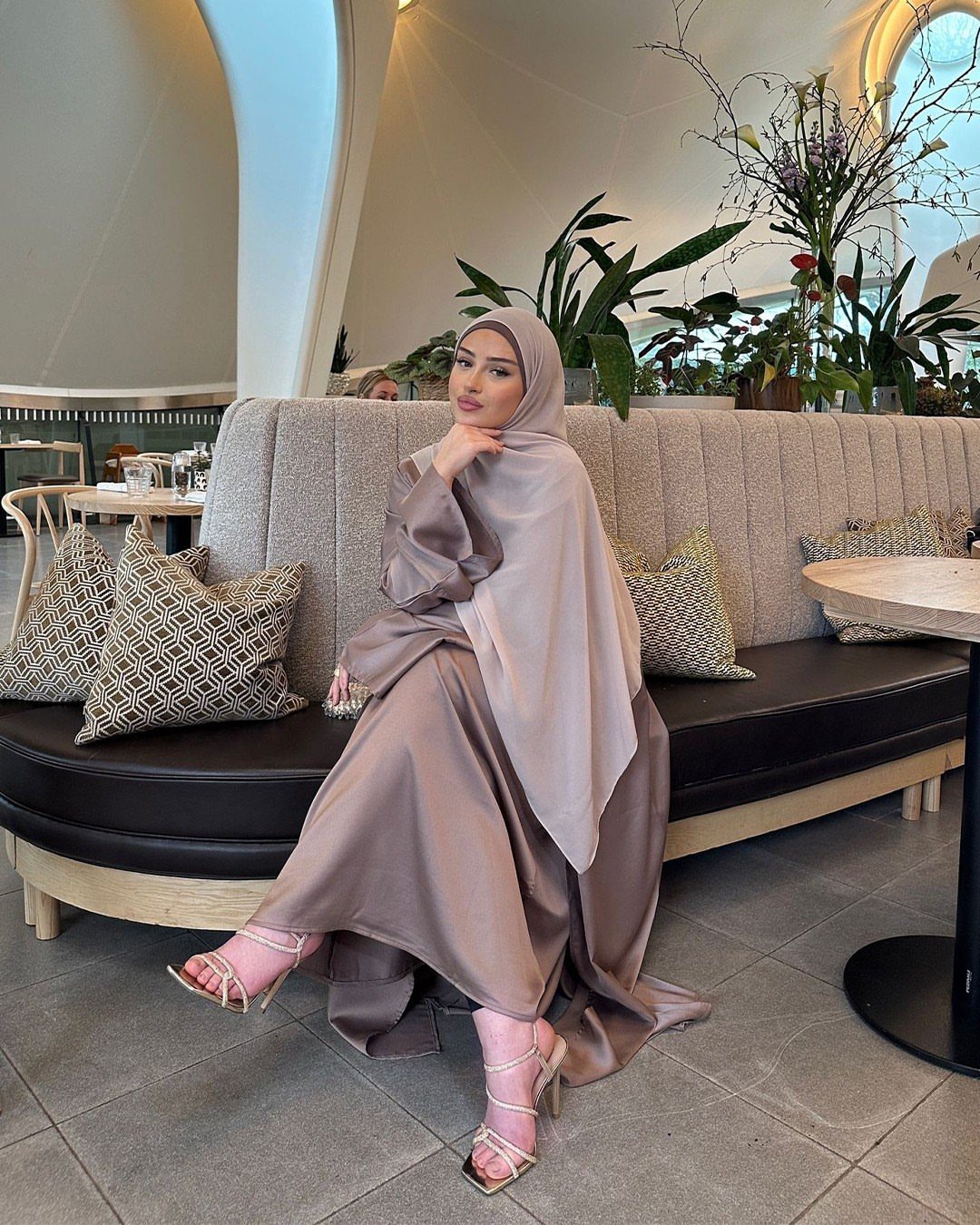
Neutral maxi dresses solve the problem of what to wear when you do not want to think about color.
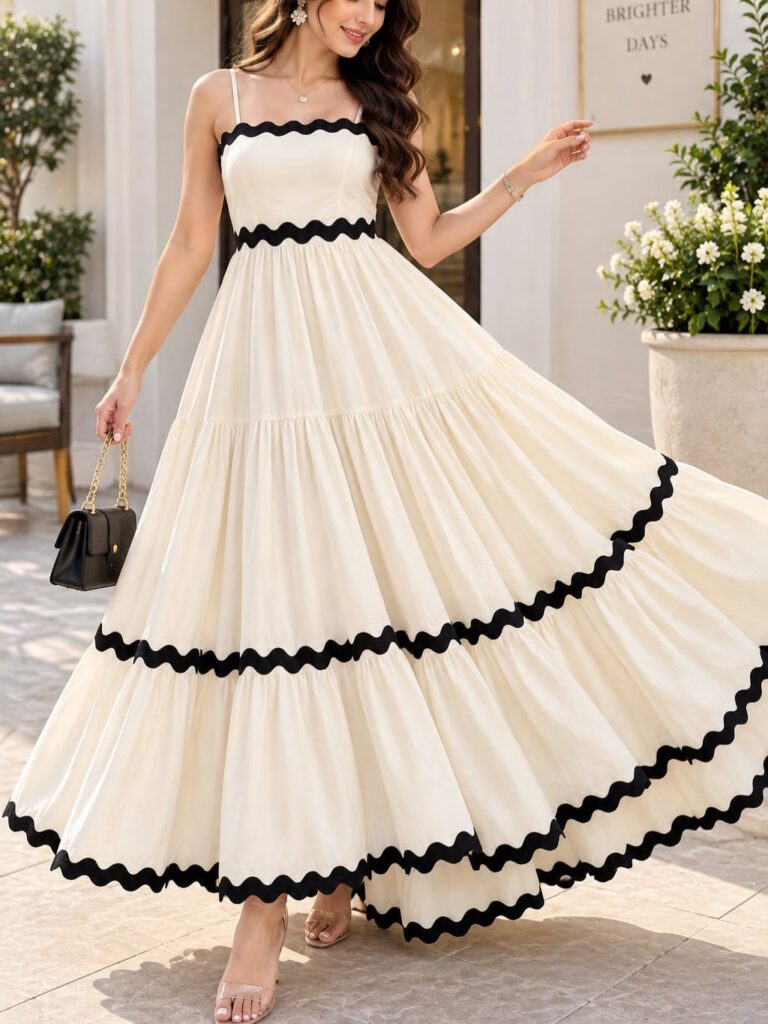
I use neutrals as my bridge pieces: casual cotton for weekend markets, structured satin for weddings, embroidered linen for vacation dinners. Neutral reads safe, so people treat it as boring and stop there.
Texture becomes your pattern. A ribbed knit, a hammered satin, a slubbed linen; each reads as a choice when color is not doing that work.
For capsule wardrobes, I would start with one warm neutral and one cool, since "neutral" spans from ivory to espresso and not every skin tone suits the full range.
7. Casual Maxi Dresses
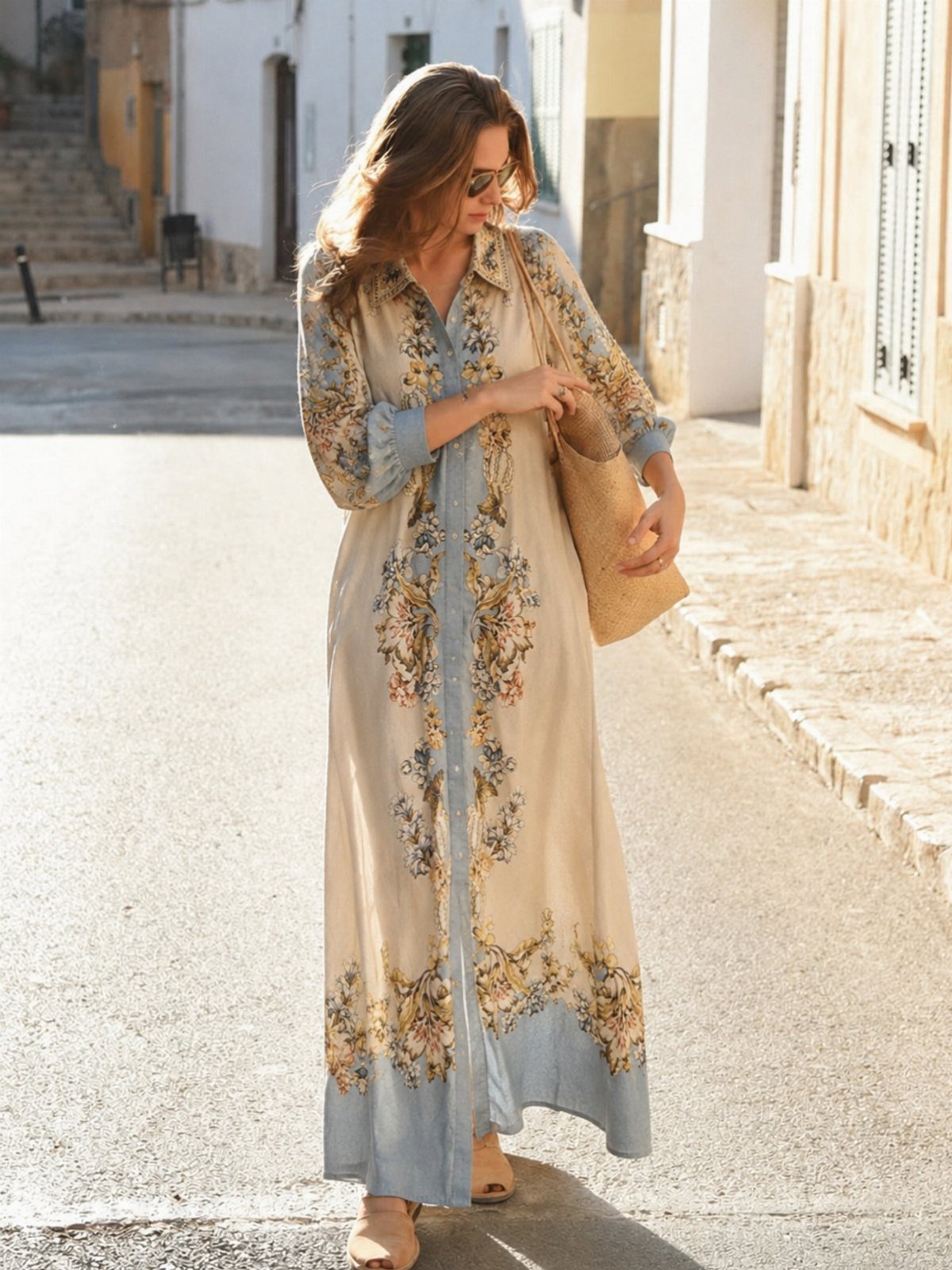
A button-front maxi in soft cotton poplin is the closest thing to wearing pajamas in public without apology. The reader I have in mind wants one piece she can pull on for morning coffee and still look intentional by noon.
The print does the styling work, so accessories stay minimal: flat leather sandals, a straw tote, maybe a single bangle.
I would skip belts with this cut; the vertical line of buttons is the structure, and interrupting it breaks the ease. For cooler mornings, a cropped denim jacket hits at the waist without swallowing the length.
A long-sleeved floral version in rayon challis bridges seasons better than most summer pieces.
The fabric has enough drape to avoid bulk, and the sleeve means you are not hunting for a cardigan at 6 PM. Machine washable is non-negotiable here; dry-clean-only casual is an oxymoron I have fallen for too many times.
8. Formal Maxi Dresses
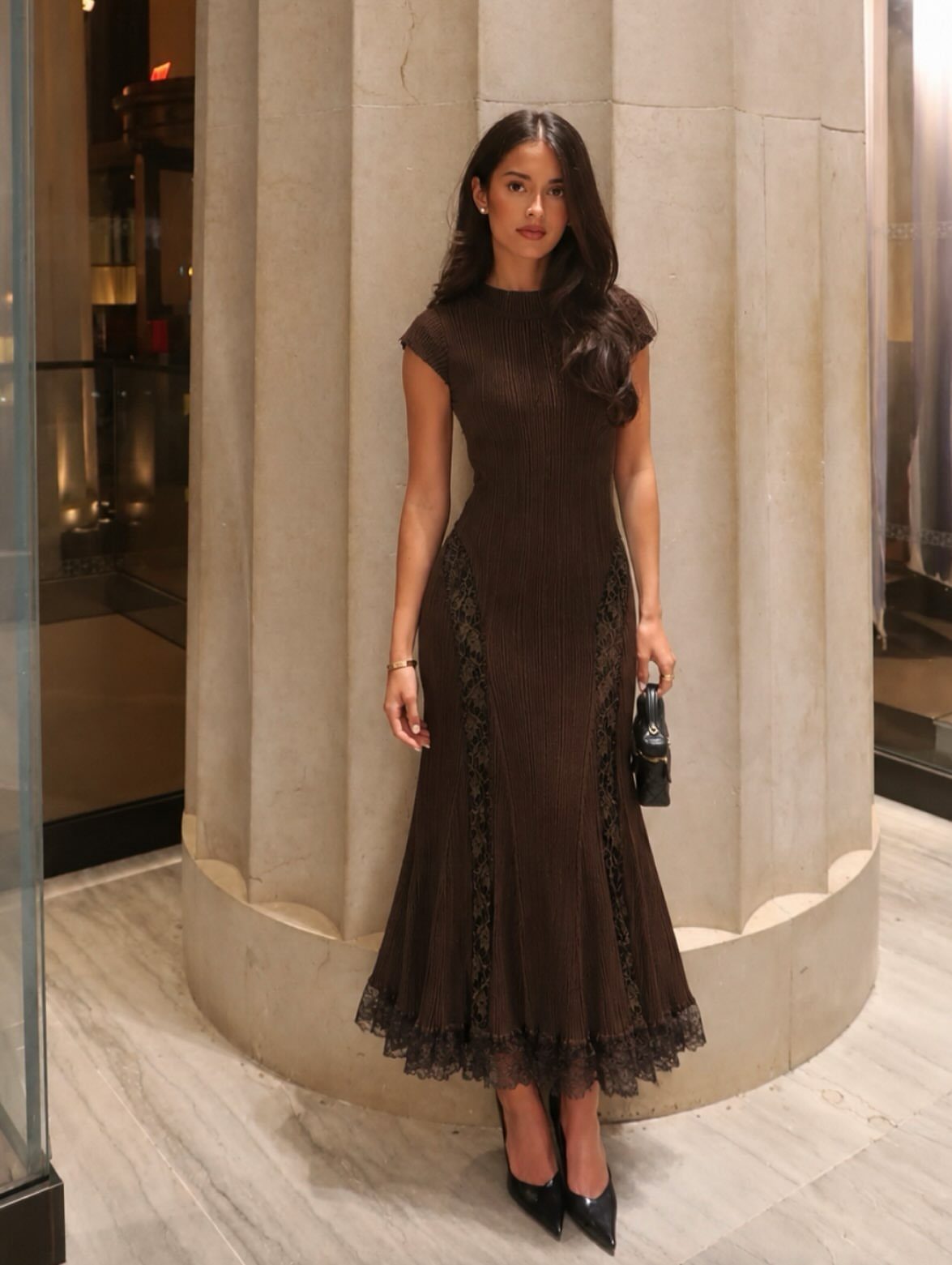
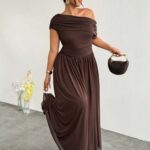
Cap sleeves and lace inserts on a pleated floor-length dress signal occasion without shouting it. The brown reads softer than black in daylight wedding photos, and the midi bag keeps proportions modern where a clutch can look pageant-ready.
Fabric weight is the detail I check first. A formal maxi in too-light chiffon floats up with every breeze and needs constant adjustment; a lined crepe or structured satin holds its line through a seated dinner and the dancing after.
The lace should be backed where it matters, not just at the bodice.
For shoes, a pointed heel lengthens the leg under all that fabric. I would avoid ankle straps unless the dress hem is raised to show them; otherwise the eye stops at the shoe and the line breaks.
A side slit at knee height or below eases movement on stairs and through grass without shifting the dress into cocktail territory.
9. Bodycon Maxi Dresses
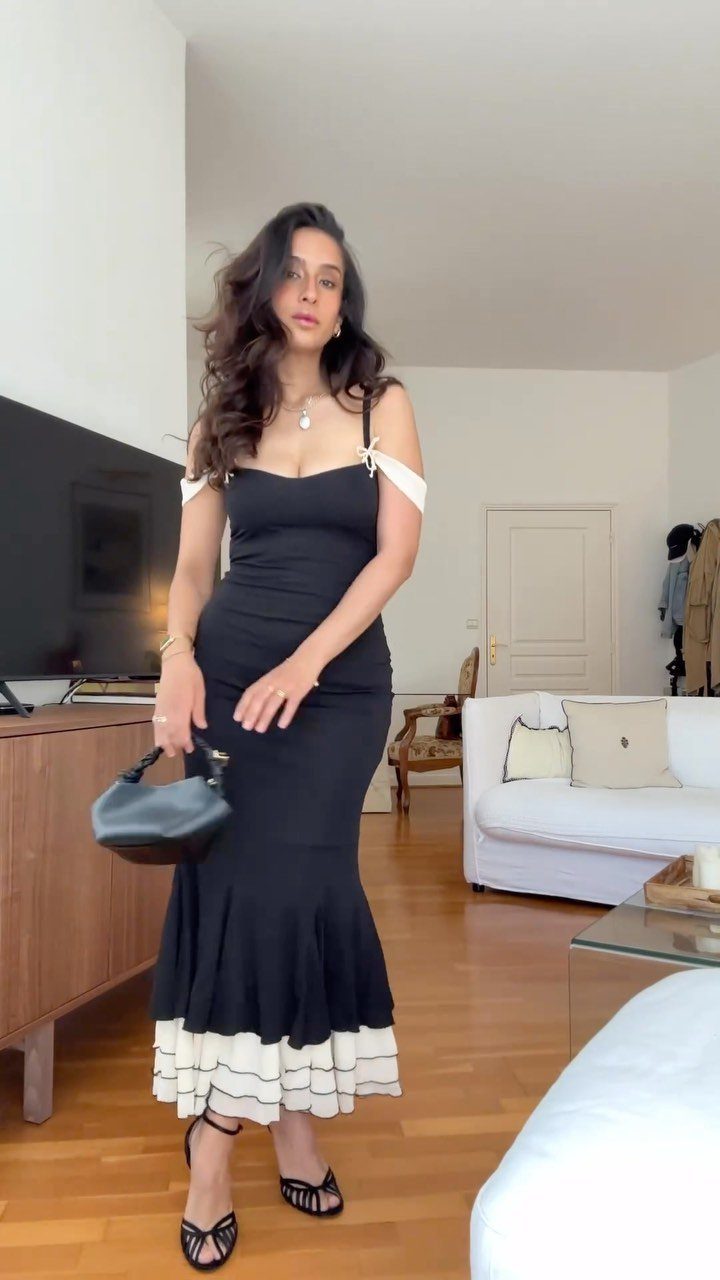
A bodycon cut to the ankle is a commitment: the fabric follows every line, which is the point only if that is a point you want to make today.
A contrasting trim at the neckline or hem gives the eye somewhere to travel, which helps when the silhouette is this continuous.
Ribbed knits and double-layered jersey are the forgiving options here; single-layer slinky jersey shows every undergarment seam and requires strategic smoothing.
I would size up one notch and let the fabric skim rather than grip; the maxi length provides coverage that a mini bodycon does not, so the overall effect stays polished rather than club-ready.
For date nights, a strappy heel and small structured bag keep it from reading too casual.
Daytime needs more intervention: an oversized blazer thrown over the shoulders, or flat sandals and a crossbody to break the formality. The dress does not transition on its own; it needs the context you build around it.
Versatility of Maxi Dresses
A maxi dress earns its keep when it moves between registers without requiring a suitcase of extras.
A button-front cotton maxi or a sleeveless scoop neck reads intentional even at a backyard barbecue or the grocery store, places where a flimsier piece would disappear.
For evening, the slip dress in silk and the lace-insert formal option carry the same swap-one-accessory logic in the other direction.
What separates the versatile from the merely long is fabric weight. The voluminous sleeve piece and the bodycon both demand occasion-specific styling, which makes them less chameleonic, not more.
My own rule: if I cannot picture it with both flat sandals and a heel I already own, it stays in the browser tab.
Styling Tips for Maxi Dresses
One major accessory is enough.
The list entries keep proving it: the slip piece needs only the straw hat and a single cuff, the formal entry specifies the midi bag, the bodycon calls for a strappy heel. Multiple statement pieces compete with the length itself.
Print scale follows the same restraint. The casual button-front and the seasonal floral work because the pattern does the labor; solids like the slip and the neutral entries rely on texture instead.
I would not add a patterned shoe or a busy bag to either. The slit entry offers the clearest case: the opening is already the gesture, so jewelry stays minimal.
Proportion matters more with maxis than with shorter dresses because there is more fabric to manage.
The same logic applies to straps: ankle straps on heels break the leg visually, which is why the formal entry specifies pointed heels without them.
Comfort and Practicality
A single piece that covers ankles without requiring a decision at 7 AM is the practical appeal in plain terms. The casual cotton poplin and the rayon challis floral both specify machine washability; dry-clean-only would defeat the purpose for daily wear.
Travel is where this pays most clearly. One maxi plus two shoe options is a weekend bag instead of a checked suitcase.
The slip dress in silk packs small and recovers from a hotel steam; the crochet, despite its bulk, breathes in heat that would make a synthetic cling.
The bias-cut skirt in the slip entry needs that liquid drape to walk correctly; a stiffened fabric would ride and twist. The slit variations solve the same problem mechanically, by removing fabric rather than engineering around it.
For stairs and uneven ground, the knee-high vent moves with you; the thigh-high version, as noted, fails at seated events where the fabric migrates upward.