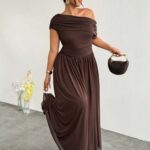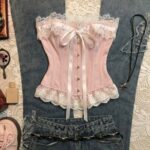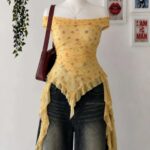
African attire dresses range from machine-washable cotton shifts with pockets to beaded gowns that demand dry cleaning, with cuts that run from maxi and flared to mermaid and asymmetrical one-sleeve.
The deciding factor is not the print but the construction: whether the cut is built for errands, for dancing at a wedding, or for ceremony where the fabric’s own history matters.
Wax print cotton in a casual flared dress holds up through dozens of cold washes, while a mermaid silhouette in that same cloth needs exact tailoring at the bodice to sit right.
1. Maxi Dress
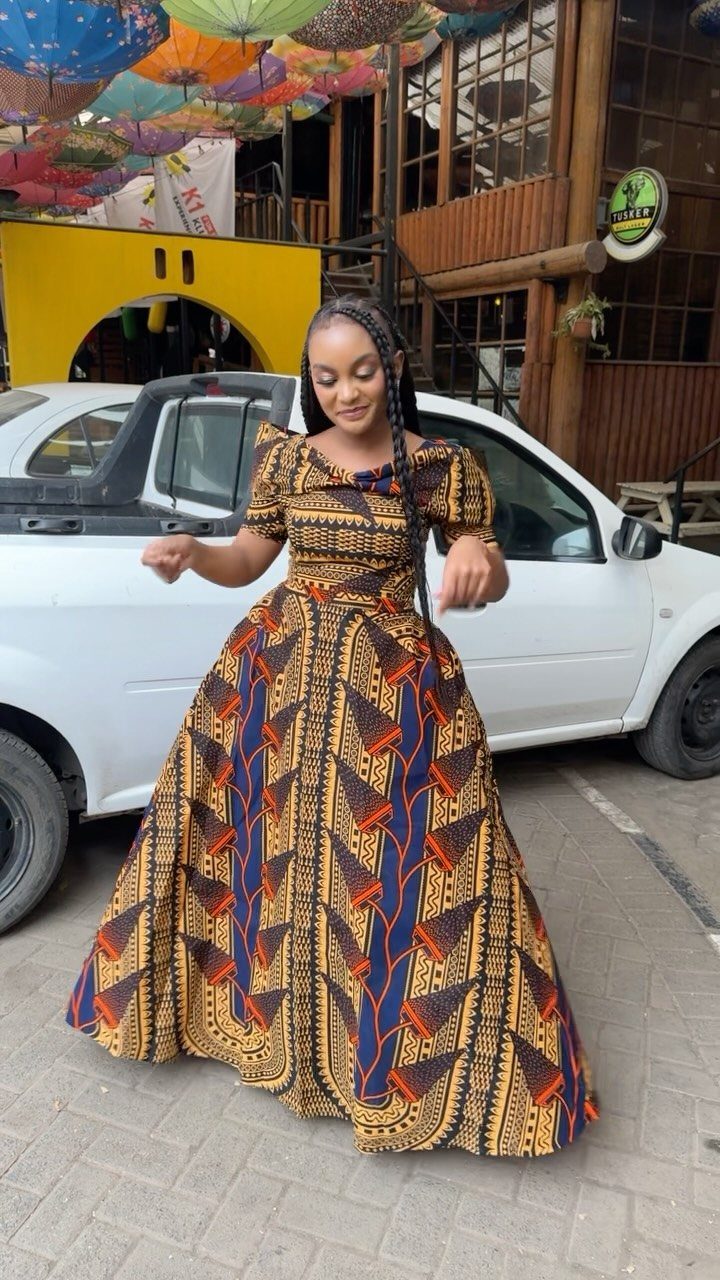
A maxi dress in African print gives you length without the formality of evening wear.
The floor-skimming cut works on every height because the vertical line draws the eye up; petite shoppers should check that the hem clears the ankle by an inch or two so the fabric does not swallow the shoe.
Cotton wax print breathes in summer and layers under a denim jacket once temperatures drop. I look for a defined waist, whether sewn in or cinched with a matching belt, so the volume does not become a tent.
Puff sleeves add structure to narrow shoulders; a tiered skirt moves well but adds bulk at the hip, which some prefer and others avoid.
2. Mermaid Dress
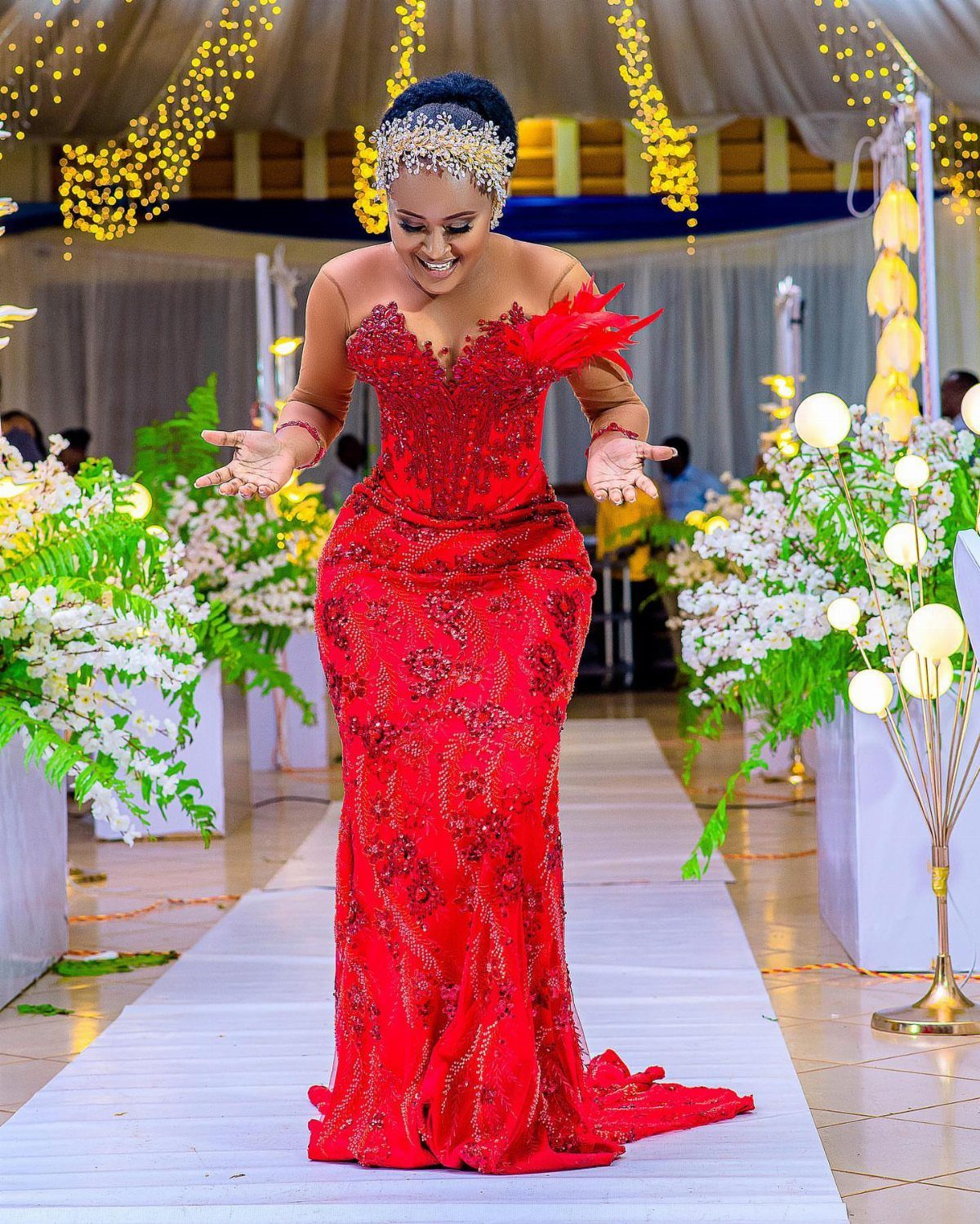
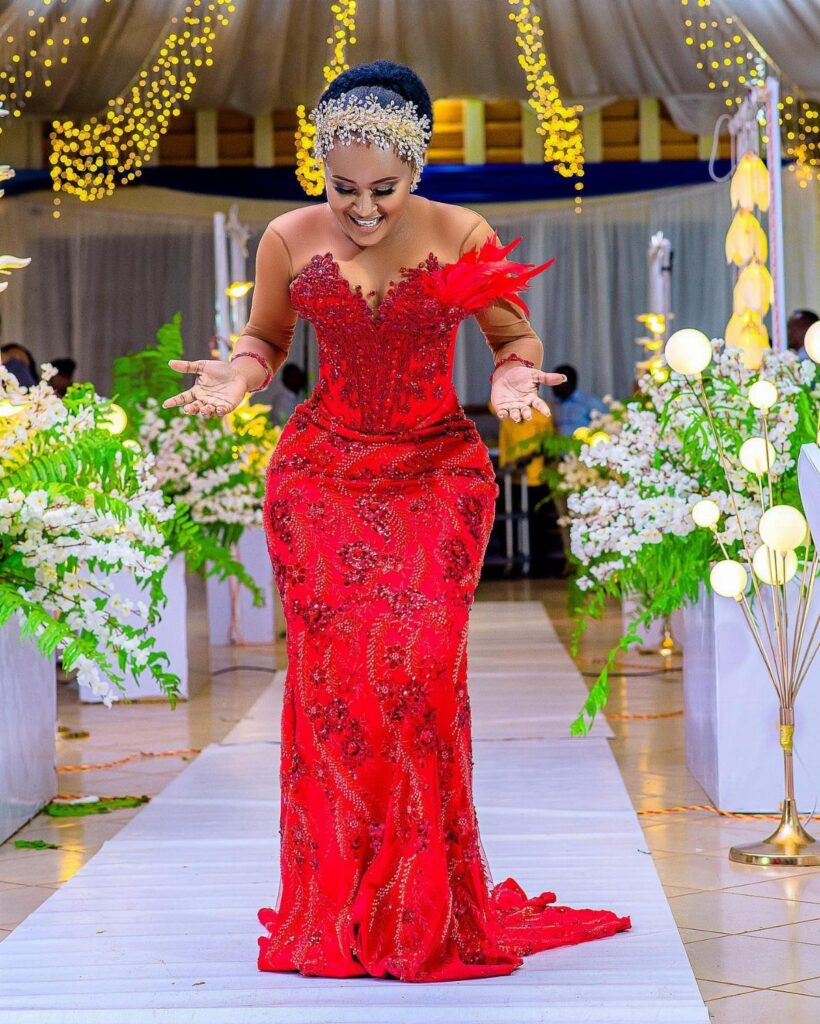
The mermaid silhouette flares from the knee down, and in African fabric that flare carries the print like a banner. Kente or Ankara holds the shape better than softer cloth because the weave has body.
A train or feather trim turns this into ceremony dress; for a wedding guest, I would skip the train and keep the sleeves sheer rather than bare.
The fitted bodice demands exact tailoring, so budget for alterations or buy from a maker who takes measurements.
Ruffles at the hem add weight; if you dance or stand for hours, ask for a shorter flare that starts higher on the thigh.
3. Ankara Dress

Ankara is the fabric, not the cut, which means the dress shape is your choice. The wax-resist print is what you are buying: saturated color that does not fade in the wash, though the first 2 rinses may run.
A front zipper turns a simple shift into something you can adjust for nursing or for layering a turtleneck underneath.
I have seen Ankara sewn into blazers, maxis, and matching family sets; the print does the work, so the construction can stay simple.
For a first purchase, a fitted midi with thick straps and a ruffled tier reads festive without reading costume.
4. Flared Dress
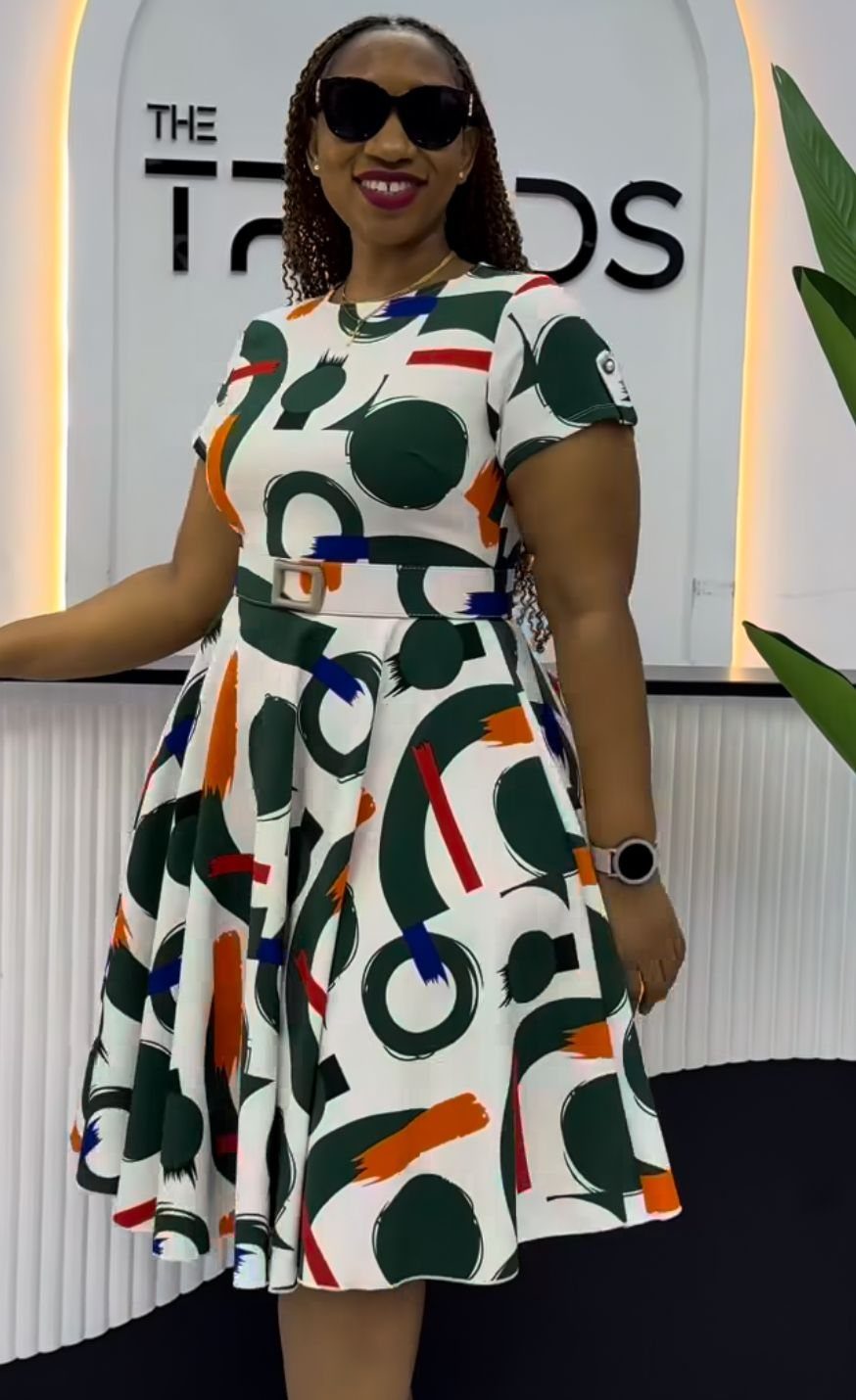
A flared skirt starts narrow at the waist and widens toward the knee, which is different from an A-line that begins to spread immediately.
The cinch-and-flare shape, with its short sleeves and brushstroke print, suits an hourglass or rectangle frame because it builds curves where they are wanted. Seshweshwe cotton from Lesotho, with its geometric dots, is one traditional source; wax print is another.
Puff sleeves balance a wide skirt; without them, the eye drops to the hem and stays there. An elasticized waist on a flared dress forgives a lunch but can bunch under a belted cardigan.
5. Casual African Attire Dresses
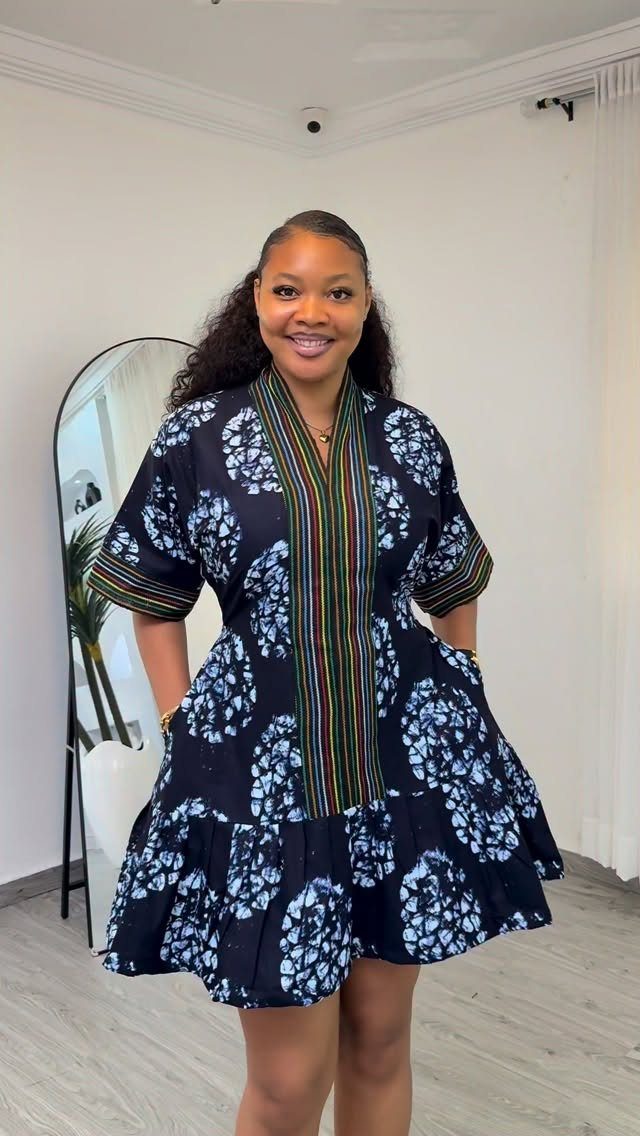
Casual African print dresses run shorter and simpler than their occasion cousins, with pockets and a trim detail that reads sporty rather than ceremonial. Center stripes and patch pockets mean this works with white sneakers and a crossbody bag.
I would check the lining before buying: unlined cotton is cooler but may need a slip in strong light, while a full lining adds structure and opacity.
This is the entry point for someone who wants the print without the investment of a formal gown. Machine wash cold, hang dry, and the color stays true for years.
6. Puff Sleeve Dress
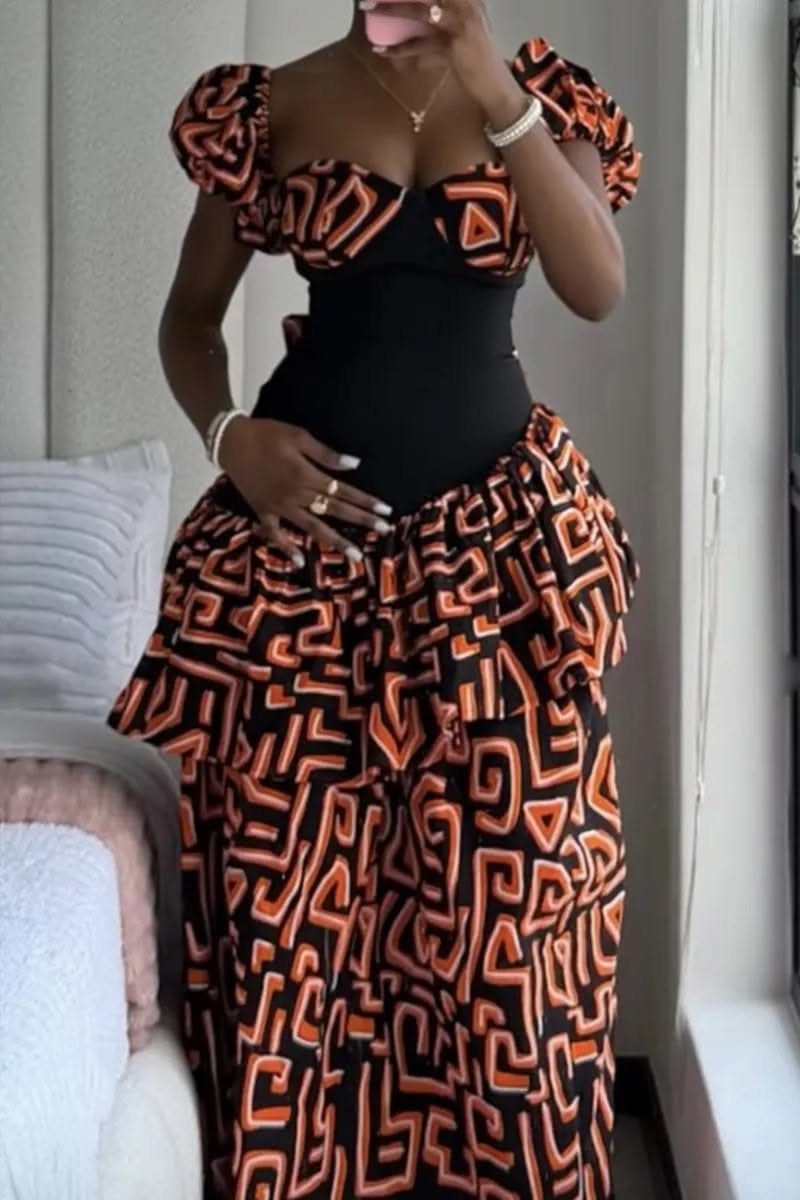
Puff sleeves have returned in force, and African print gives them a context where the drama feels earned rather than trendy.
A wide black waistband anchors sleeves that could otherwise float away; without that band, the silhouette becomes top-heavy. Sweetheart necklines pair well because they open the chest and balance the shoulder width.
For everyday, I would scale down to a three-quarter puff in a midi length; the full volume suits a wedding or a photographer’s backdrop. Wax print cotton keeps the sleeve crisp, while a softer fabric collapses and looks accidental.
7. Embellished Sheer Neckline Dress
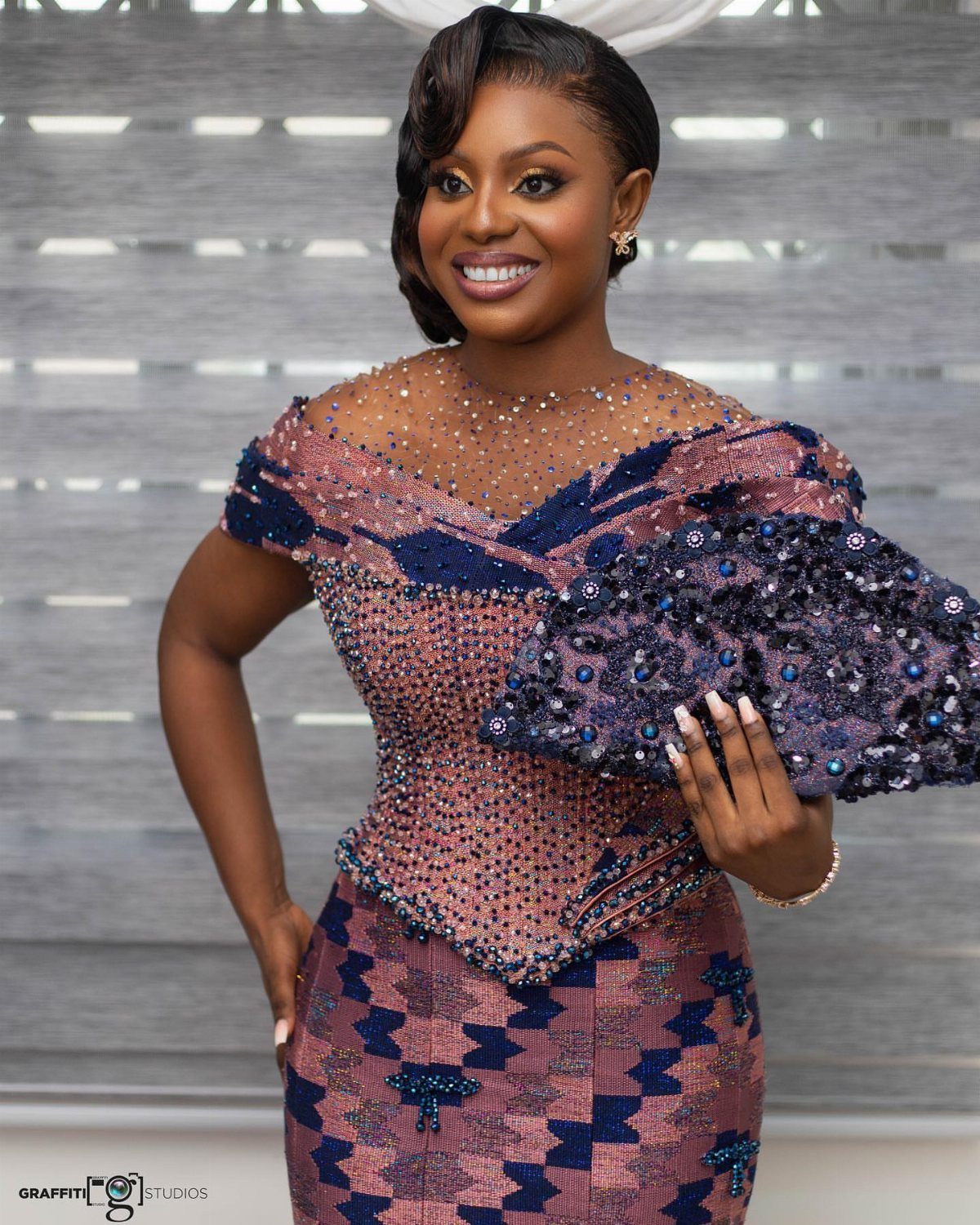
An embellished sheer neckline lets you wear heavy beading without the weight of a full sequin gown.
The illusion panel keeps the dress anchored to the body while beads and embroidery float above it, which reads luxurious up close and readable from across a room.
I would match the clutch to the accent color in the print, not the base, so the eye travels up rather than pooling at the waist.
Pink and blue wax print with a sweetheart cut suits medium to deep skin tones where the contrast flatters; lighter complexions might look for emerald or gold instead.
Ruffled sleeves trade some elegance for movement, and they cost more in alterations. Check that the sheer panel is lined to the bust point; anything less shifts when you raise your arms.
Dry clean only. The beads will outlast the fabric if you store it flat.
8. Asymmetrical One-Sleeve Dress
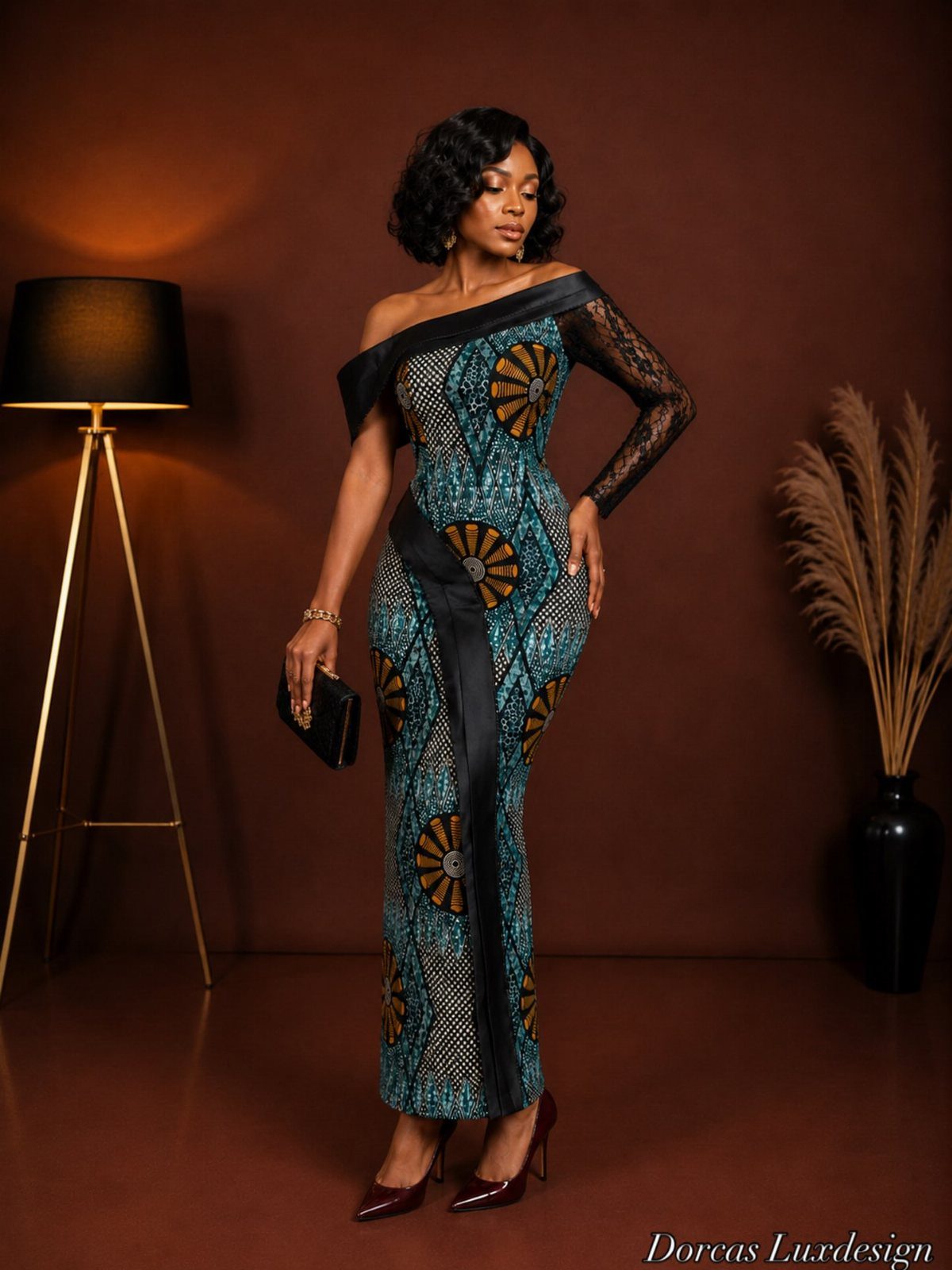
One bare shoulder in African print is asymmetry that still feels grounded, because the pattern itself carries enough rhythm to balance the cut.
The single black lace sleeve on the teal and gold version adds texture without competing; a second lace sleeve would read costume, and none would read incomplete.
I would keep jewelry to studs or a cuff on the bare arm so the diagonal line stays clean.
A bodycon fit in wax print cotton needs stretch paneling at the sides or you will not sit down; ask the maker if the fabric includes any spandex.
A flared bell sleeve suits broader hips because the volume at the wrist draws the eye upward.
A matching headwrap and waistband in the same fabric frames the face nicely, though with a one-shoulder dress I would skip it and let the neckline command attention.
This is event dressing, not office dressing. The cut demands a strapless bra or built-in support; verify before ordering.
Fabric Types Used
Ankara, Kente, and wax print are the 3 fabrics you will see most often. Ankara is a wax-resist cotton that keeps its color through dozens of washes; the first 2 rinses may bleed, so wash it alone in cold water.
Wax print covers both: it is the technique used on Ankara, but the term also applies to similar cottons from Dutch and West African mills that vary in weight and sheen.
Dry clean only if the dress carries beadwork or lace applique; otherwise, cold water and a line dry will keep the fabric sound for years.
How to Style African Dresses
For a flared or A-line dress, the headwrap balances the volume below the waist. For ceremony, a gold lace applique or feather trim is enough ornament; add a second competing texture and the look shifts toward costume.
Occasions for Wearing African Attire
African attire moves across the full range of occasion. The casual short cuts with pockets and sporty trim are everyday wear; machine wash them and pair with sneakers.
Weddings and evening events call for the mermaid, the one-shoulder, or the embellished sheer neckline; these are the cuts that carry beadwork, lace, or a train.
Cultural celebrations and ceremonies are the natural home of Kente and the most formal silhouettes, where the fabric’s own history is part of the point.
The same dress can slide down the formality scale with accessories: remove the headwrap and train, swap heels for flats, and a mermaid hem becomes manageable for a less formal party.
Construction matters more than print; a simple shift in bold wax print is still a shift.
Shopping for African Attire
Online platforms range from individual makers on Etsy to established labels with size charts based on actual measurements rather than standard US sizing.
Read the care label carefully; dry clean only for beaded or lace-trimmed pieces, cold wash and line dry for plain wax print.
Frequently Asked Questions
How to dress in African attire?
African attire moves across the full range of occasion.
A knee-length shift with side pockets and a simple stripe binding works with white leather sneakers for Saturday errands. Beaded illusion necklines, lace overlays, and fishtail hems with a short train are the details that signal after-dark events.
Accessories move the same dress up or down: lose the gele and train, trade stilettos for leather sandals, and that dramatic hemline suddenly works for a backyard gathering.
Where can I buy African attire online?
Individual sellers on Etsy sit alongside labels that list body measurements in inches rather than guessing at a US size chart.
Check the care instructions before you check out; beaded or lace pieces head straight to the dry cleaner, while a plain wax print survives a cold cycle and a line dry.
Budget for alterations on fitted styles like the mermaid, since the bodice demands exact tailoring.