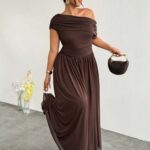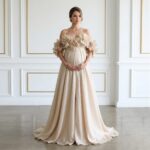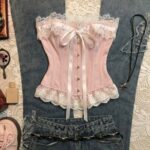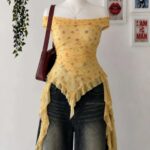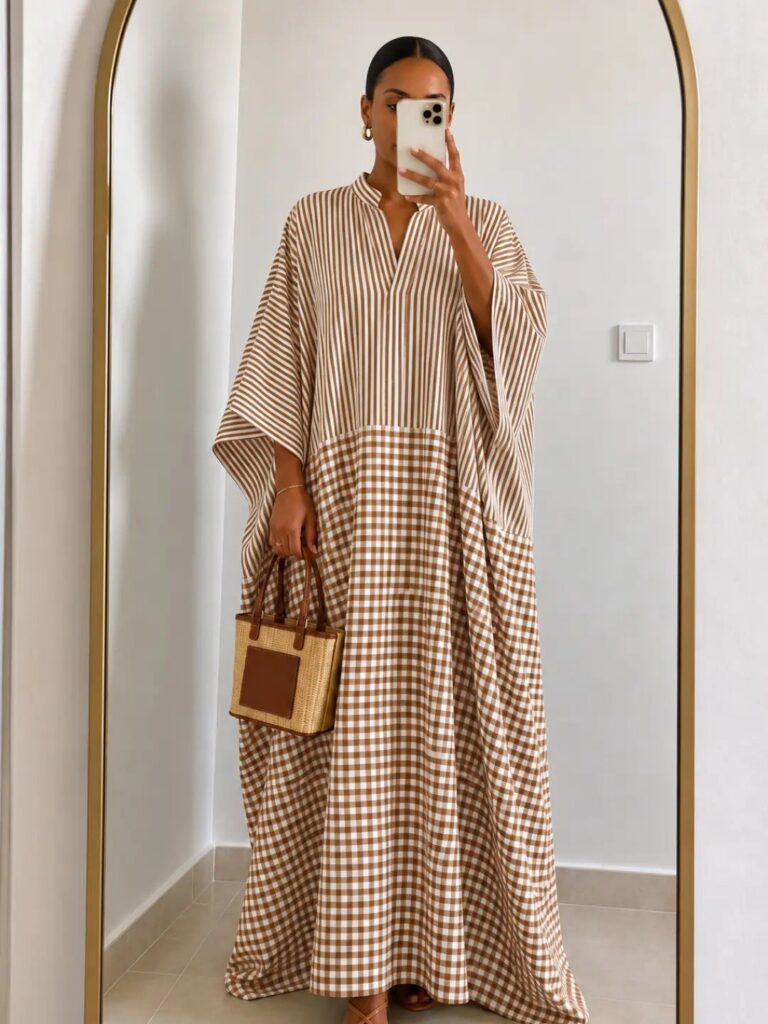
The casual dresses below run from a loose kaftan you could throw over a swimsuit to a bodycon knit that needs the right jacket to leave the house.
What separates one from another is where you need the ease to sit: in the cut, the fabric, or the amount of structure holding the shape.
1. Wrap Dress
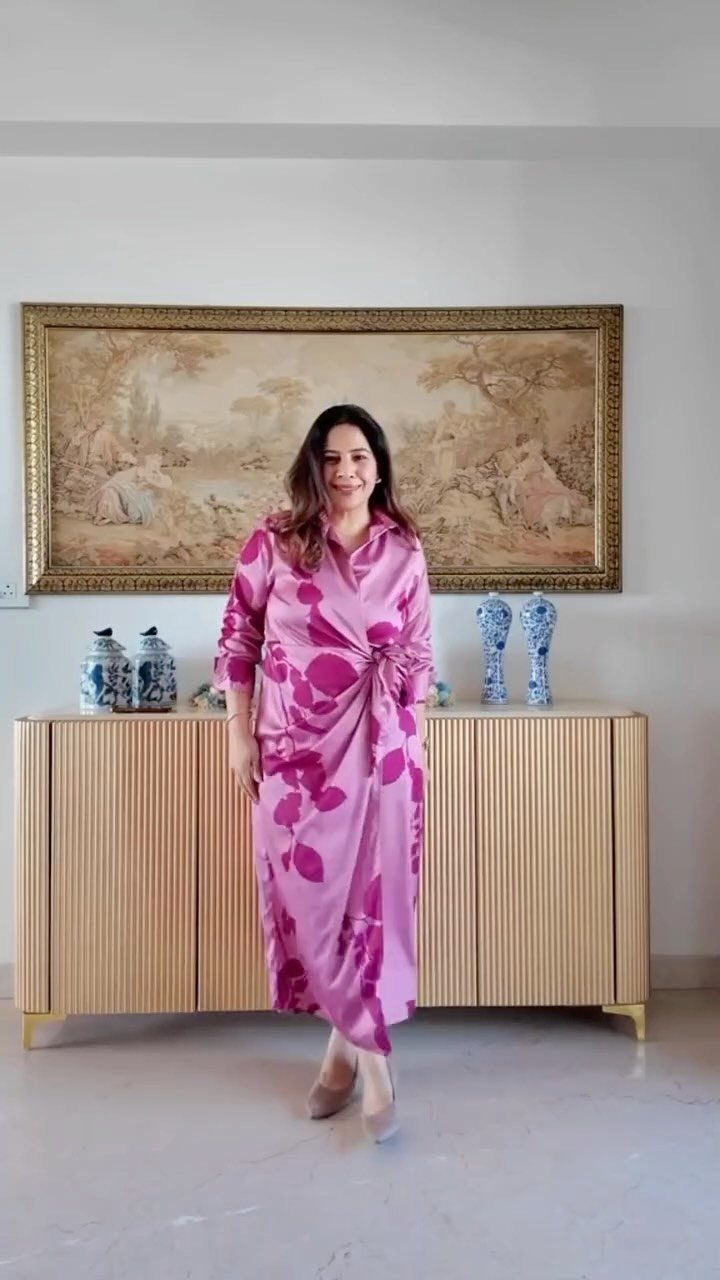
A wrap dress uses an adjustable closure that creates a V-neckline and pulls the waist in where you want it.
I look for a true wrap rather than a faux-wrap closure when I want the flexibility to tighten or loosen through the day.
A jersey or printed crepe version works for errands or a casual dinner without looking like you tried too hard. If the skirt is short, a half-slip underneath keeps the crossover from riding up.
2. Midi Dress
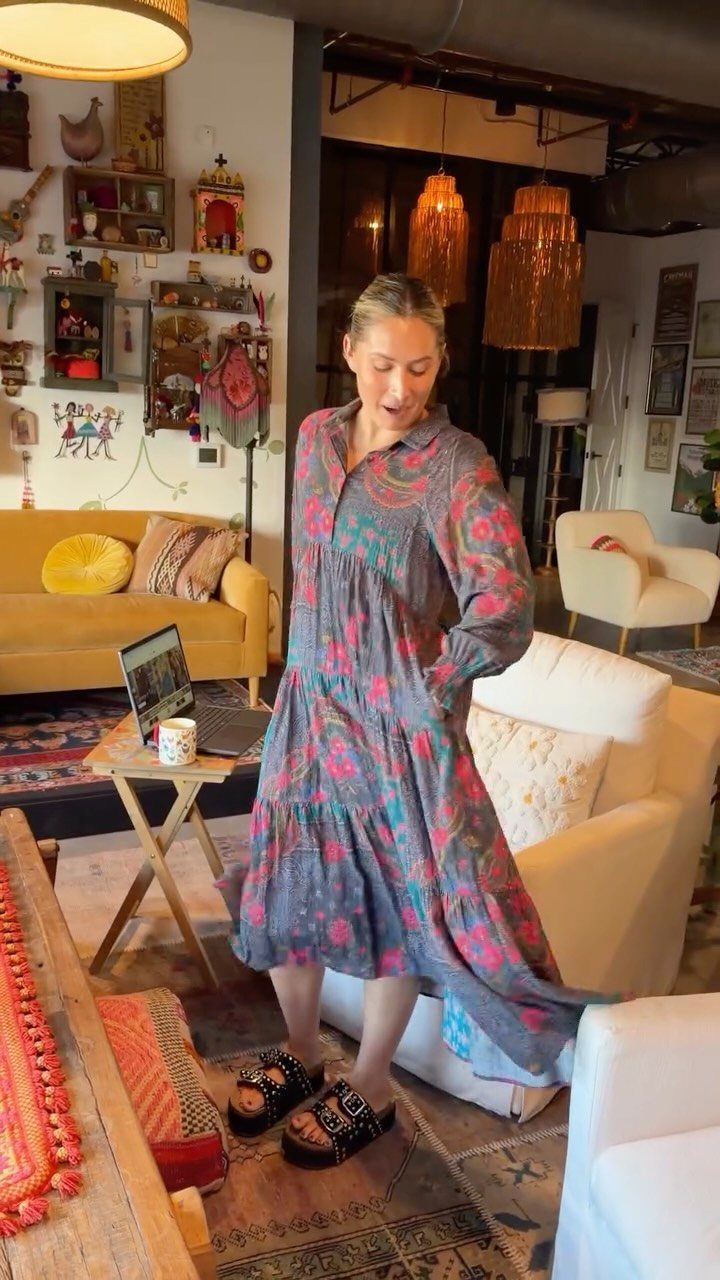
The midi hits mid-calf, the length that works for a picnic or a casual office without changing anything else.
A tiered or A-line cut balances proportions on pear and hourglass shapes because the volume sits below the waist rather than at it.
I belt mine when the cut runs straight through the middle; a thin leather belt at the natural waist creates shape without breaking the line.
Ankle boots or strappy heels both work here, and a long coat in camel or black pulls the whole look together fast.
This is the dress I grab when I need to look put-together but do not want to think about it.
3. Kaftan Dress
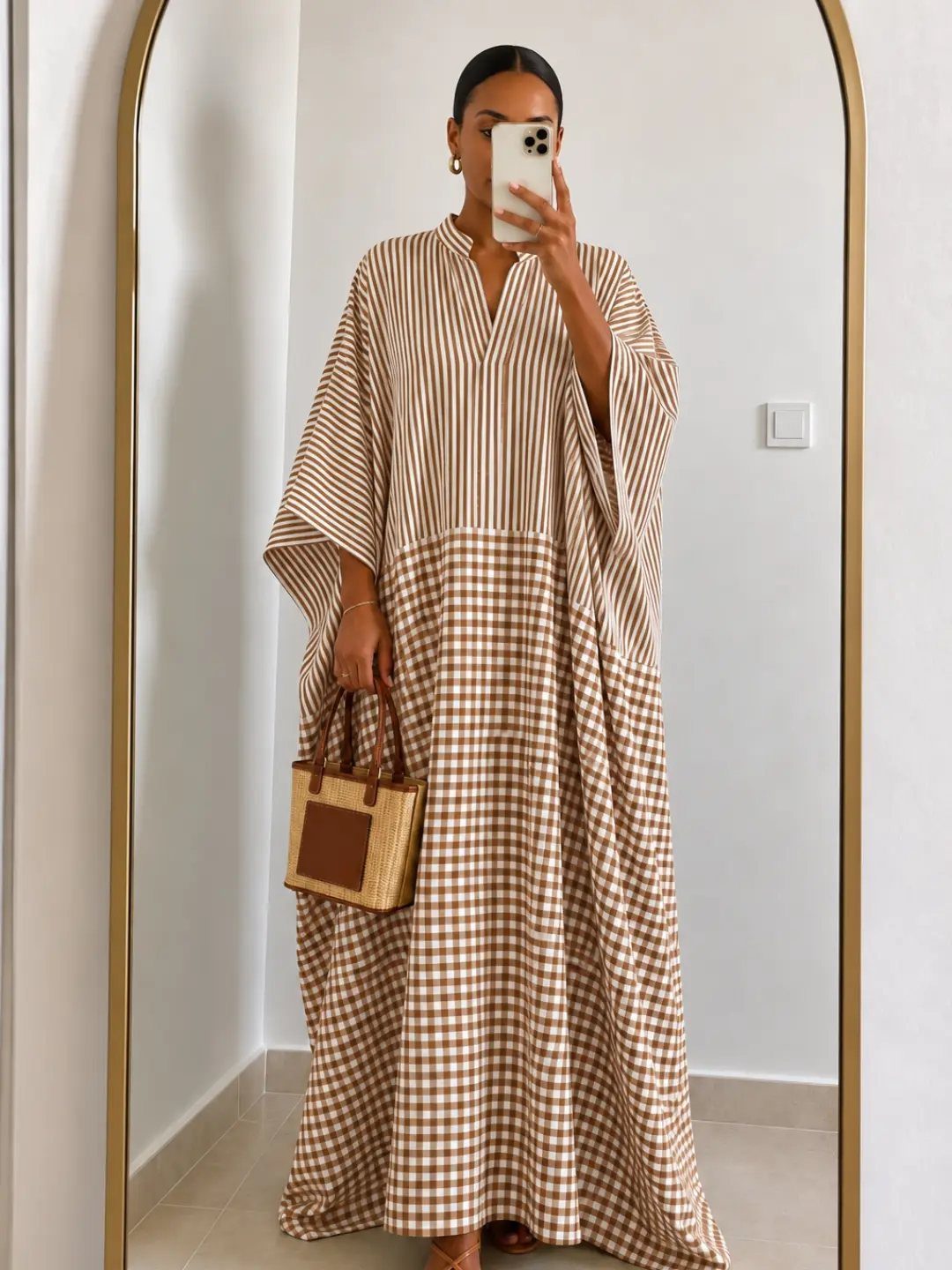
Kaftans came back into regular rotation about a decade ago after fading out post-1970s, and the loose cut is why they have stuck around as a warm-weather staple.
The wide, flowing silhouette and dropped or oversized sleeves move air around your body, which matters more than the length when the temperature climbs.
I treat a floor-length striped or printed version as a complete outfit with flat sandals and a small structured bag for contrast.
The fabric does the work, so the accessories stay minimal. If you want more shape, a thin belt at the high waist changes the proportion without losing the ease.
Velvet and silk versions with embroidery exist now for evening, but the lightweight cotton or linen ones are what I actually wear between June and September.
4. Bodycon Dress
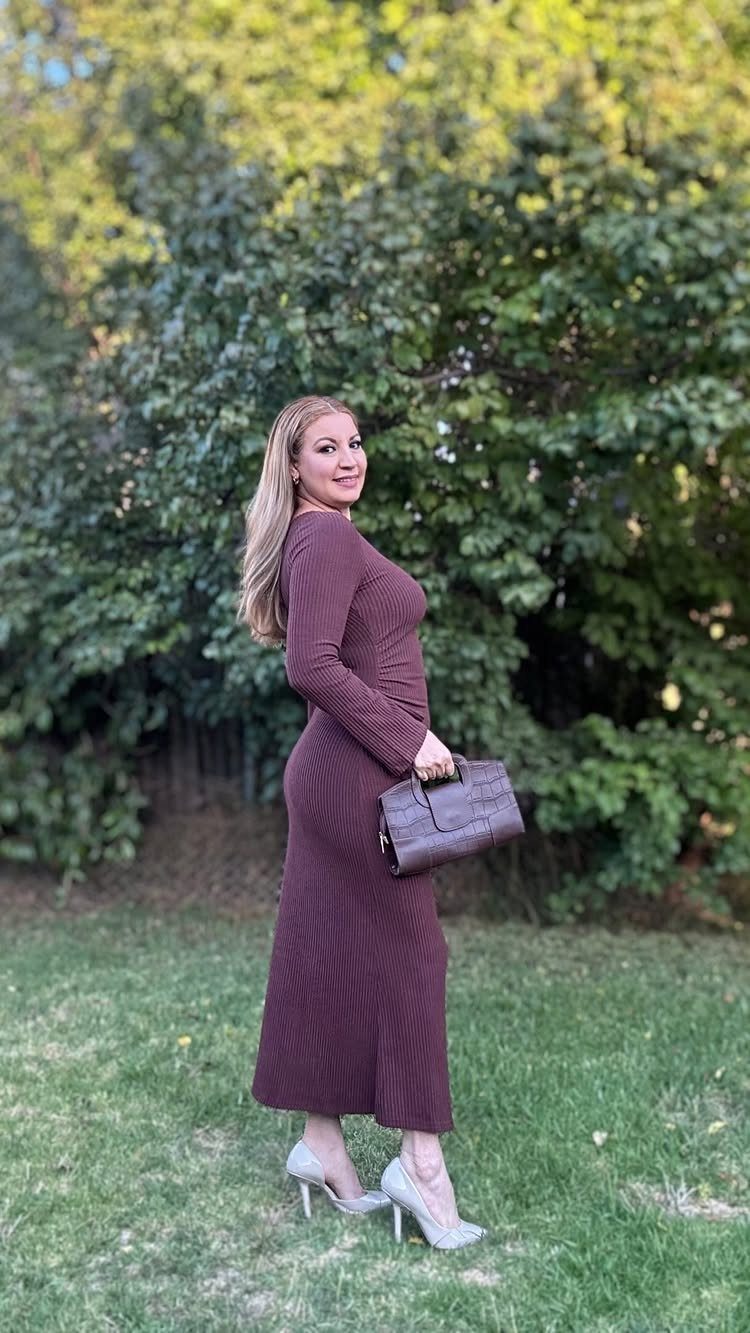
A bodycon dress hugs the body from shoulder to hem, usually in a ribbed knit or other stretch fabric that lets you move despite the close cut.
A longer length and long sleeves balance the fitted silhouette for daytime or a casual dinner out.
I add a structured jacket when I want to break up the line, or wear it alone with heels when I want the shape to read clearly.
Shapewear underneath is an option if you want smoothing, but a good-quality stretch knit does a lot of that work on its own.
This is the style for when you want to emphasize curves rather than skim past them, and the fabric’s recovery matters more than the size you buy.
5. Knit Dress
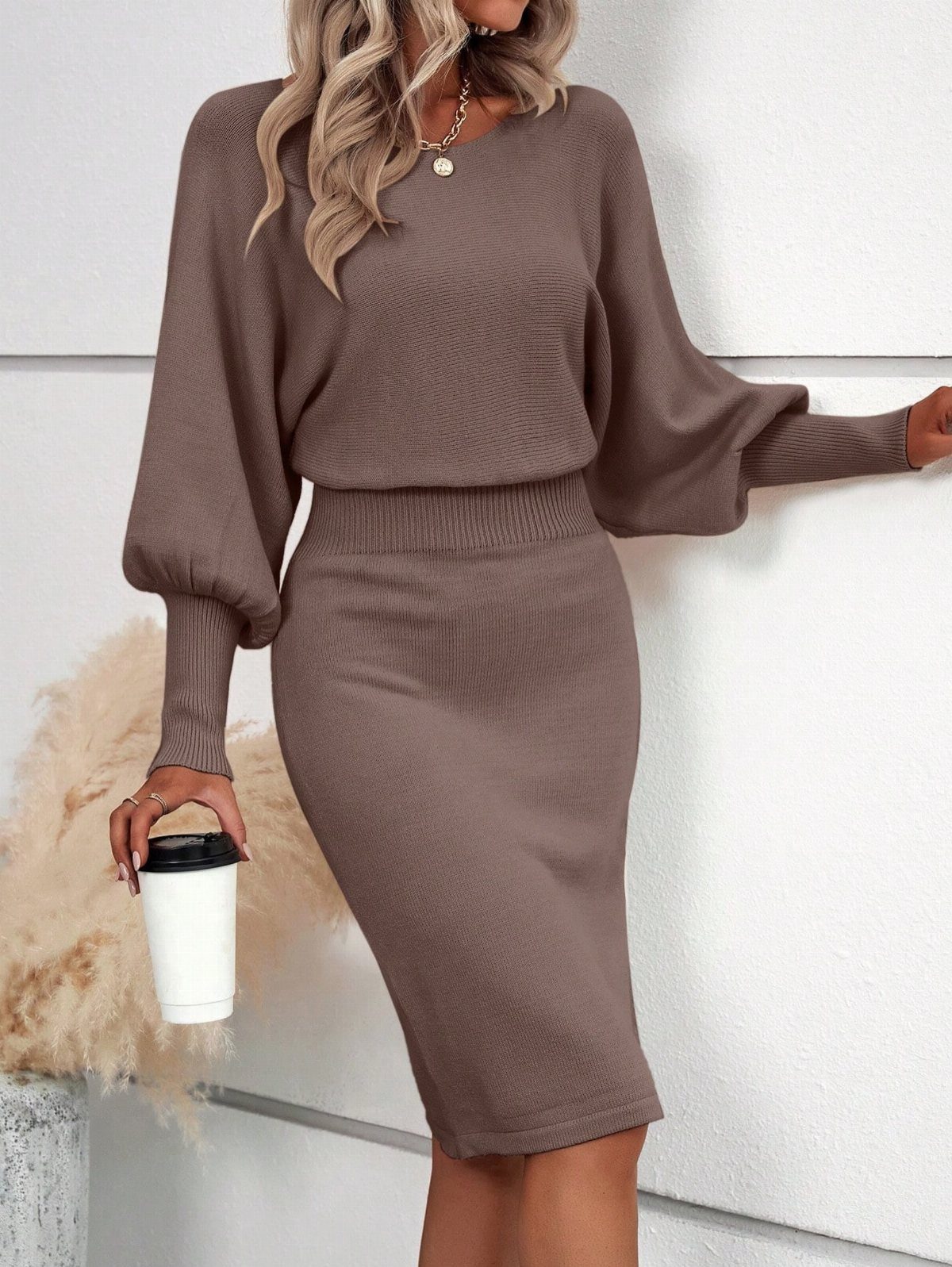
Balloon sleeves add volume where the fitted body keeps the shape from reading as loungewear.
I check the fiber content before I buy: a high cotton or wool percentage holds its shape better than all-synthetic blends, which can bag at the knees and seat after a few hours.
Over-the-knee boots complete the look in winter; in fall, loafers and a light jacket work until the temperature drops.
6. Cami Dress
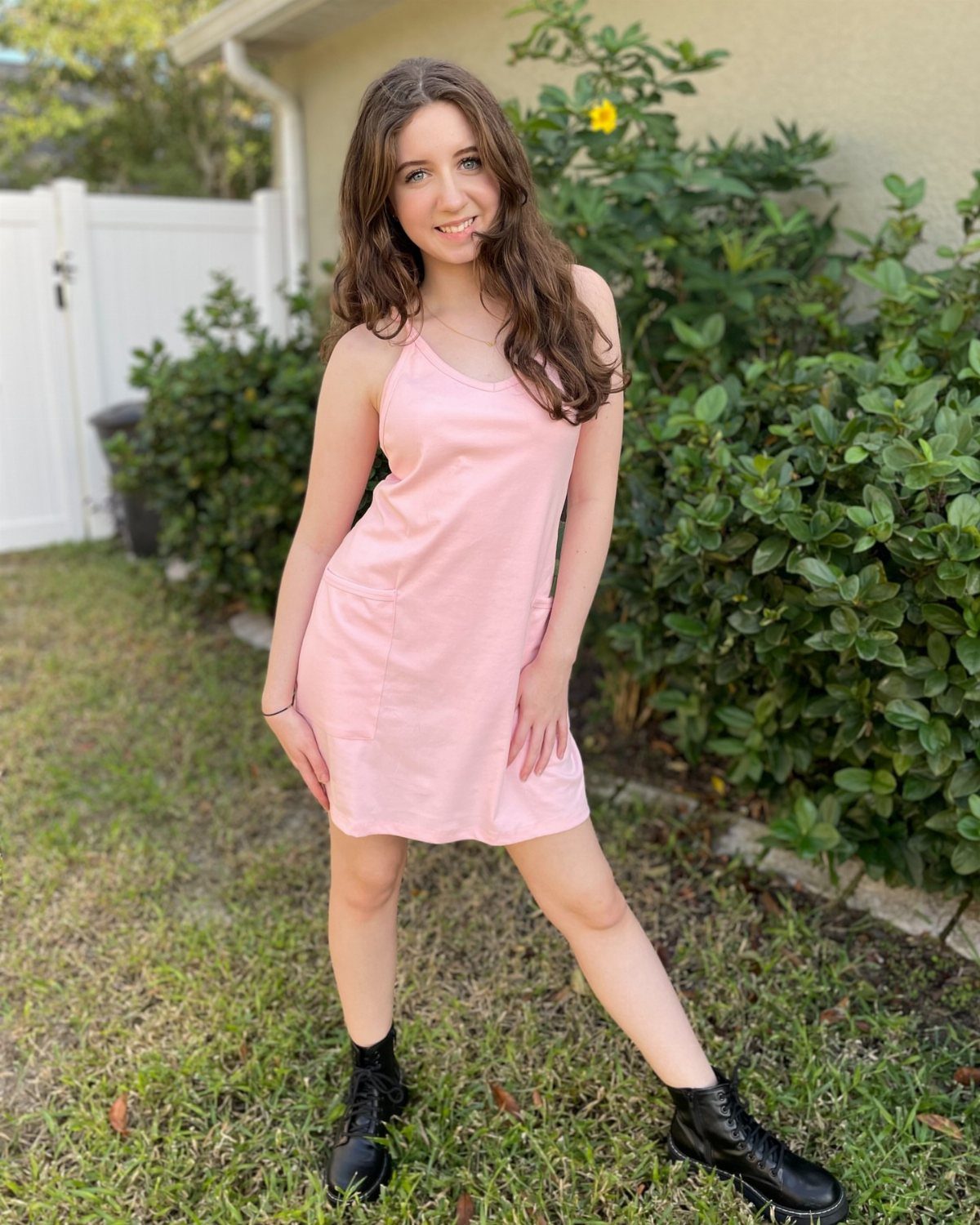
A cami dress is a slip dress with straps substantial enough to wear in public, which makes it the most versatile warm-weather layer in the drawer.
A solid color works alone on a hot day, or over a fitted tee or turtleneck when the temperature drops.
I look for a lined bodice and adjustable straps, because unlined silk or satin can require engineering that defeats the simplicity.
The cutouts or tie-back details that some versions add keep the shape from looking like you forgot your outer layer. Black combat boots ground the lightness of the dress and extend it into weather that is not technically sandal-appropriate.
7. Sundress
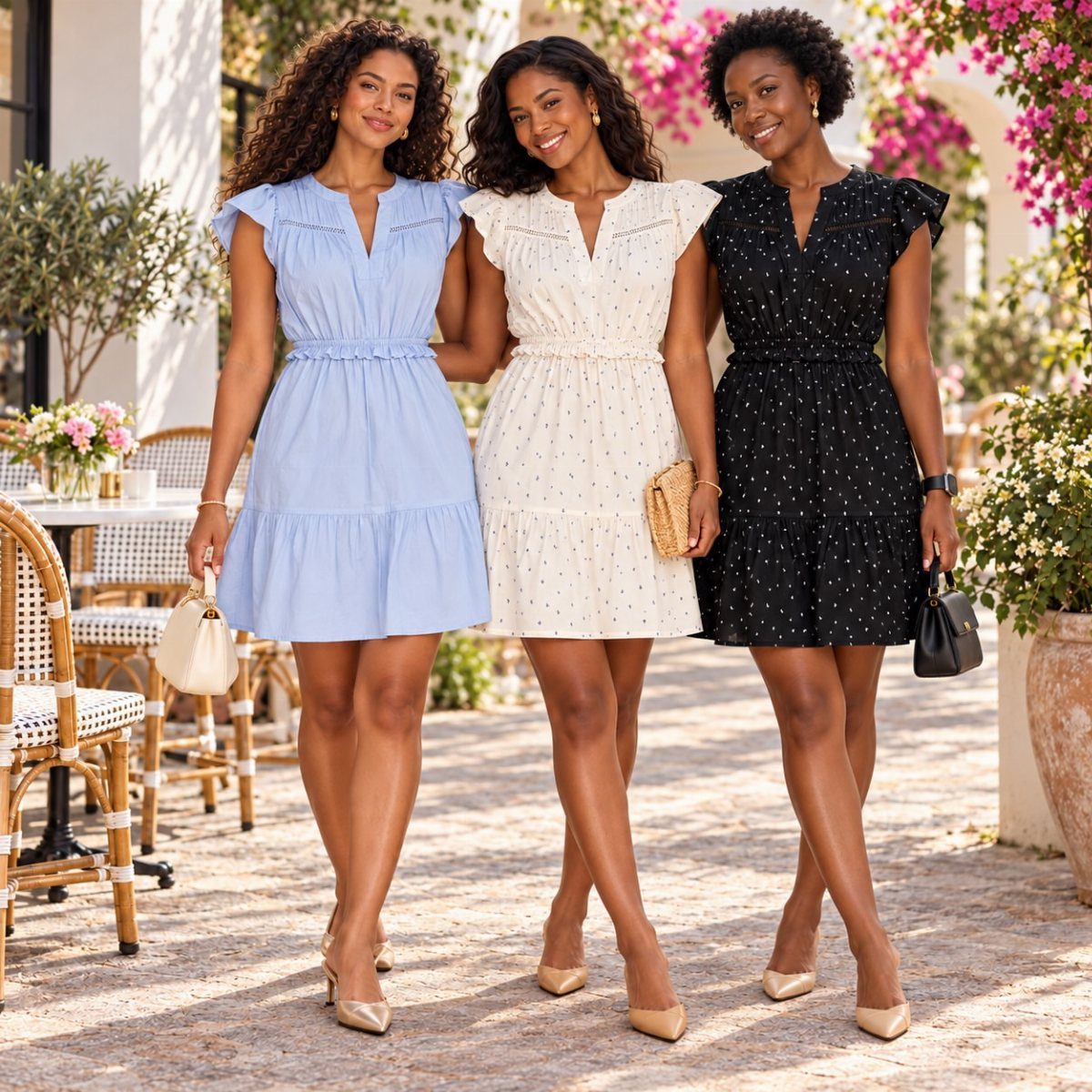
The term "sundress" dates to the 1940s, though the style did not become common until lighter fabrics and open necklines took over summer dressing a decade later.
Cotton, linen, or rayon blends move air against your skin in a way heavier fabrics cannot.
I look for thin straps or a short sleeve and a length I can sit in comfortably.
A half-slip solves the cling that lightweight fabrics develop in humidity. This is the dress for outdoor errands, weekend brunches, or any hot day when you need to look dressed without layering.
8. Denim Dress
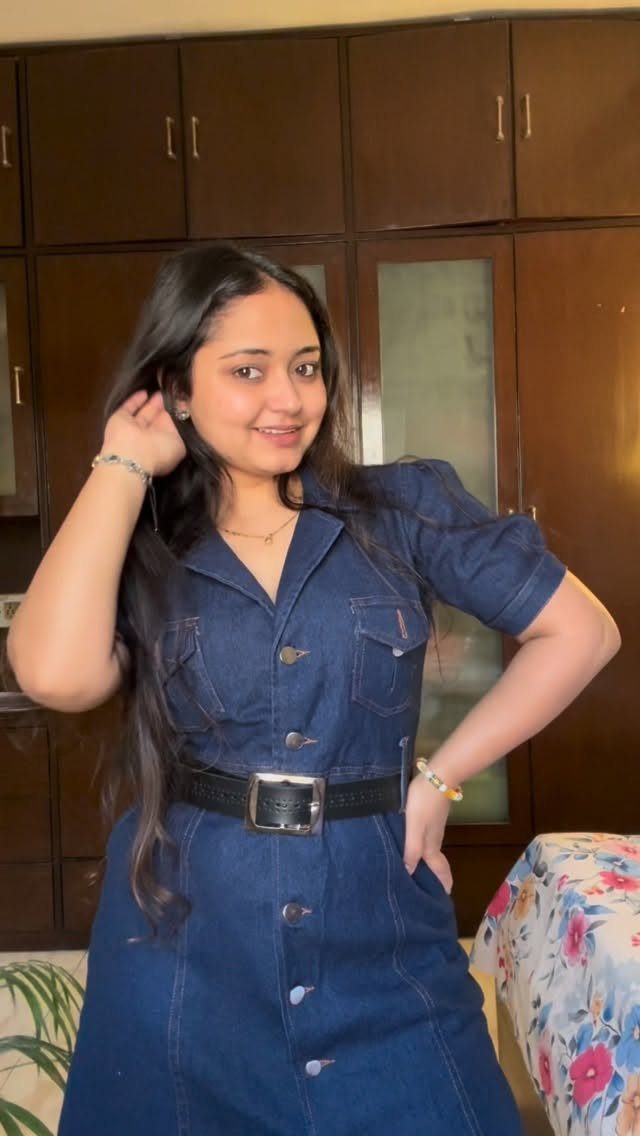
Denim gives a dress the same sturdiness jeans have, and the one-piece cut holds its shape through a full day of wear.
Shirt-dress, shift, and pinafore cuts each read differently: the shirt-dress buttons through and belts at the waist, the pinafore layers over a tee or turtleneck.
I belt mine at the natural waist when the cut runs straight; a narrow black belt is enough to add shape without fuss.
Dark washes read more polished, lighter washes more casual. The fabric is heavier than most dress materials, so this works best in spring and fall or air-conditioned summer rooms.
9. Smock Dress
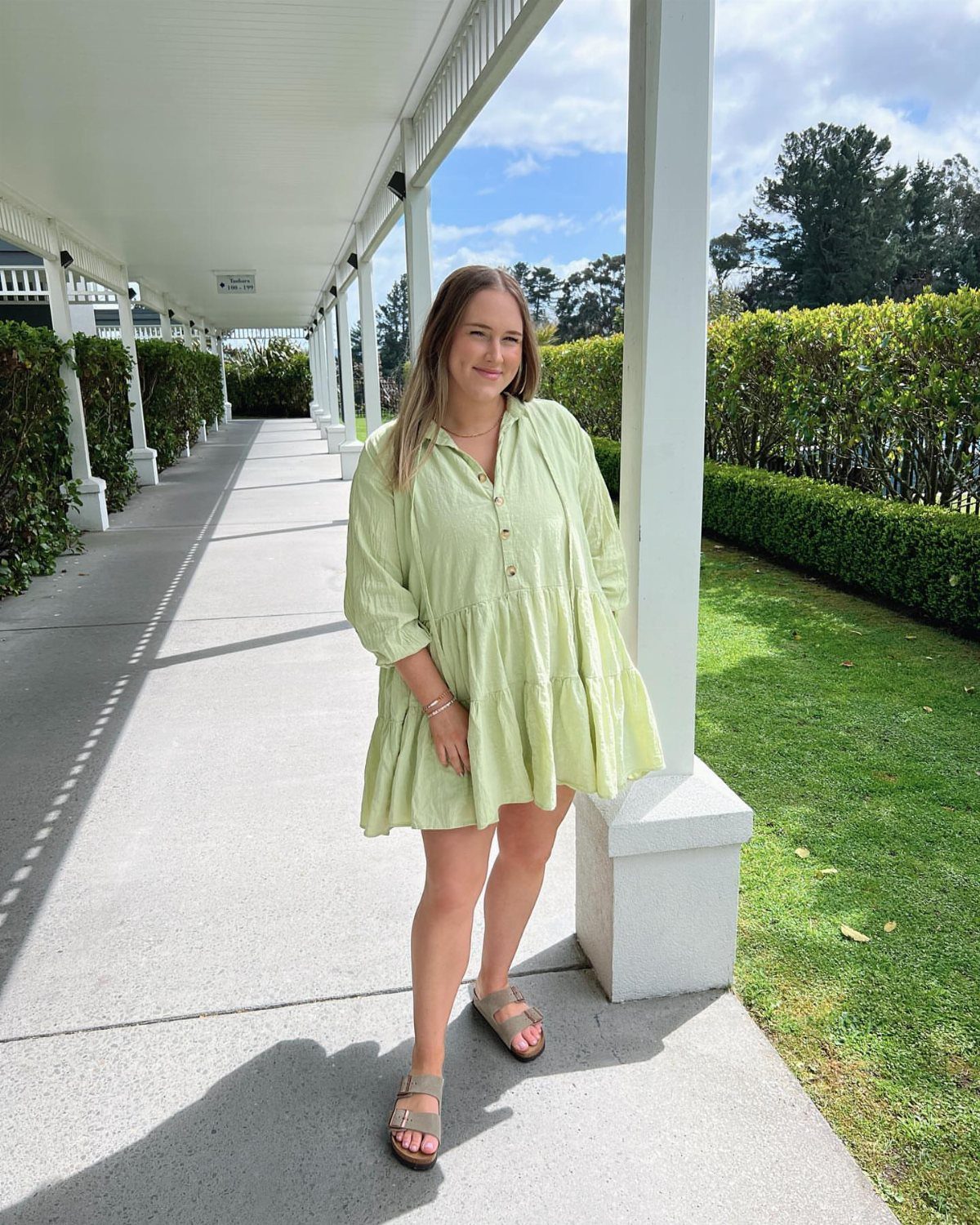
Gathered or tiered skirts add volume below without clinging anywhere.
I wear mine with flat sandals and minimal jewelry; the ease is the point, and overworking it defeats the purpose.
A thin belt at the high waist is an option if you want to change the proportion, though I rarely bother.
The cut forgives everything and suits hot days, early pregnancy, or any period when you want to look dressed without feeling held in.
10. Tunic Dress
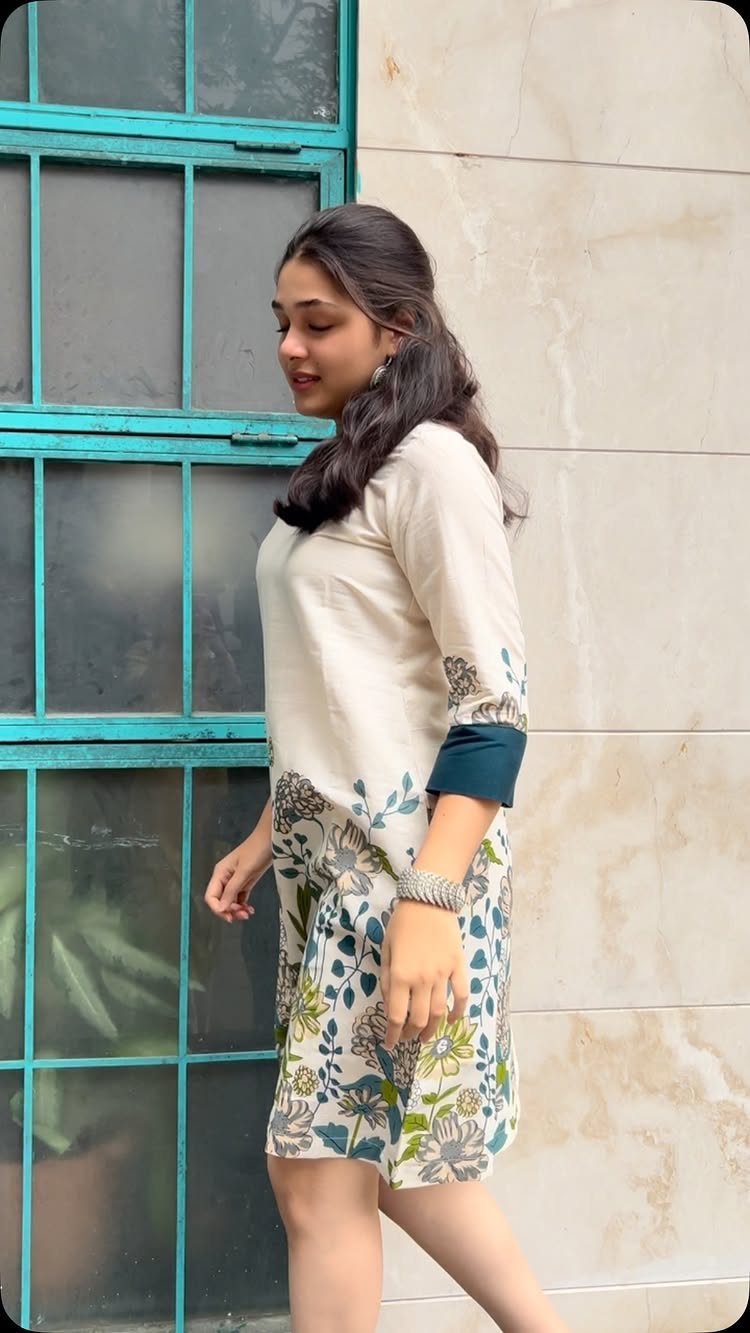
I pack one for beach vacations and city trips alike: it works as a cover-up, a dinner outfit with earrings, or a travel day layer that does not wrinkle into uselessness.
A floral print and three-quarter sleeve give it enough detail to read as intentional without adding structure. Flat sandals or ankle boots both work; the shape does the rest.
11. Boho Midi Dress
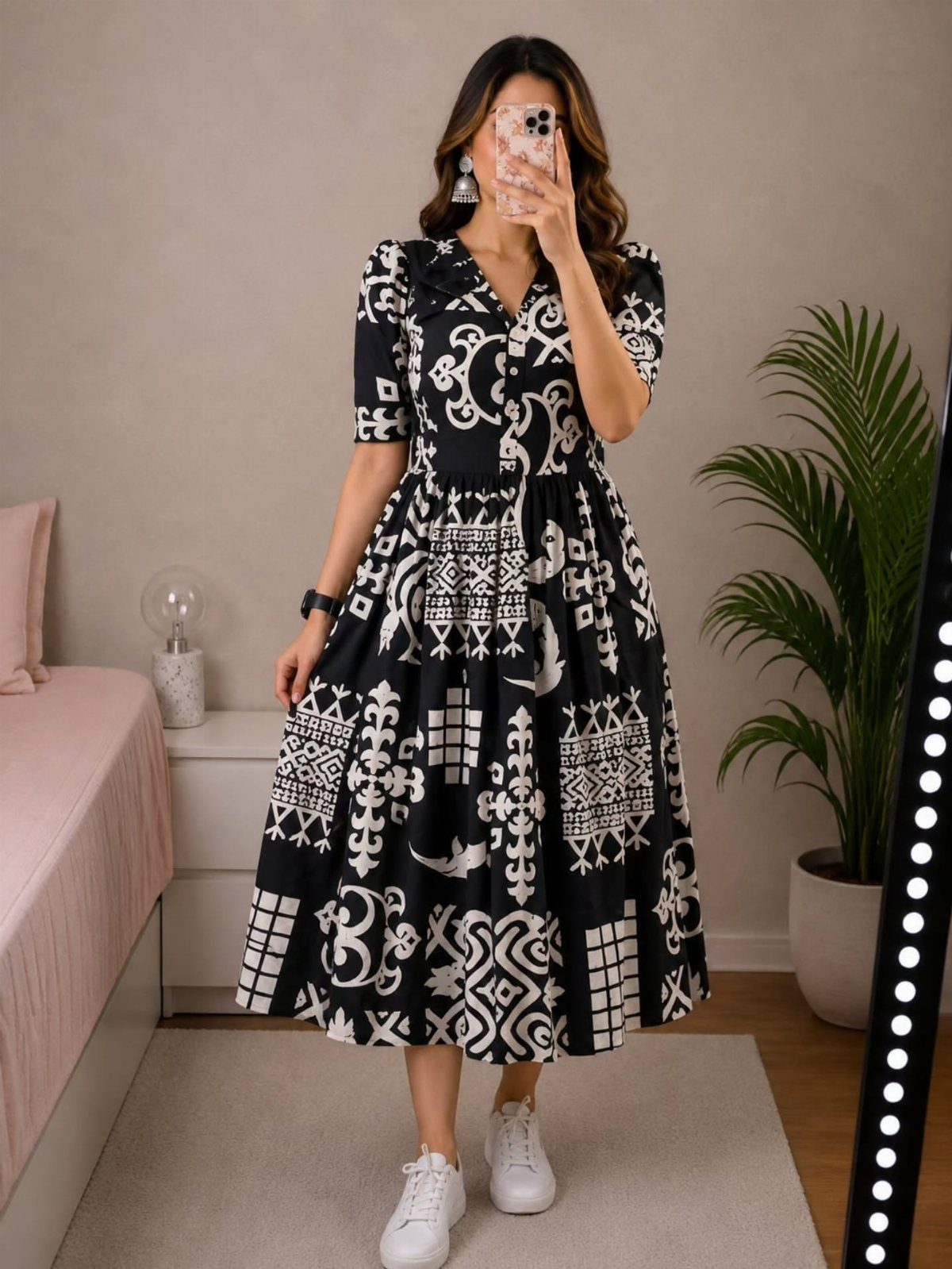
A boho midi dress patterns a flowy cut with something graphic or floral, and the combination reads as effort in a way solid colors sometimes do not. The length hits mid-calf, and the volume moves when you walk.
I keep accessories minimal when the print is busy; the dress is doing the work. White sneakers ground the look for everyday wear.
For a festival or market day, layered necklaces and a floppy hat fit the mood, though that is not my usual approach. The cut can tent over a larger chest, so I check the bodice fit before buying.
12. Animal Print Dress
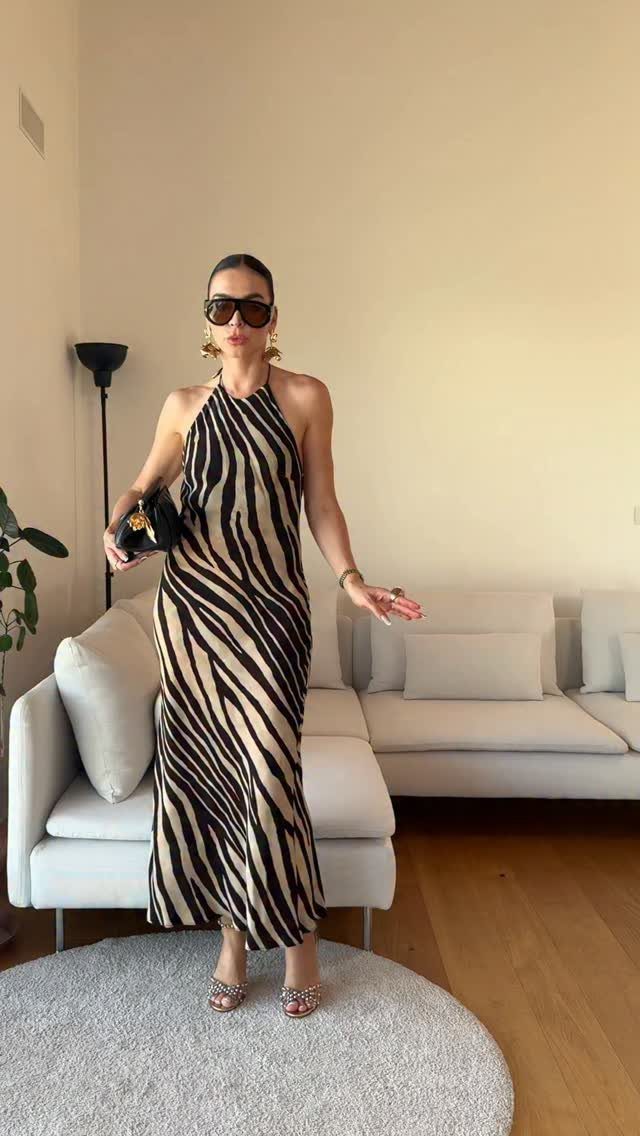
An animal print dress makes the pattern the entire statement, which means the rest of the outfit stays simple. Zebra, leopard, or snake each read differently: zebra draws the eye vertically, leopard reads classic, snake feels newer.
I pair mine with solid-colored shoes and large earrings; the print is already talking loudly.
A halter neckline works for evening with heels and a clutch, or the same dress works daytime with flat sandals and a denim jacket over it.
The print knows no season, though I reach for mine more in fall and winter when the palette feels right.
Styling Tips for Casual Dresses
A thin belt pulled around a shift, tunic, or smock takes about 5 seconds and suddenly there is a waist.
Sneakers and flat sandals keep the look relaxed; heeled sandals or ankle boots push it toward smart-casual. A smaller bag or fitted sandals works better than oversized pieces.
Choosing Dresses for Body Types
Pear shapes do well in A-line and fit-and-flare cuts that highlight the waist while skimming over wider hips.
Apple shapes do better with wrap or empire waist styles that bring attention to the bust and build definition at the waist; anything that clings to the midsection fights the whole effort.
Hourglass figures carry bodycon and wrap dresses best, with belts to highlight the natural proportion.
Rectangle or athletic builds gain dimension from tiered dresses, ruched details, peplum hems, or belted styles that manufacture a waistline. Inverted triangle shapes balance broader shoulders with V-necklines and volume below the waist.
Boat necklines on pear shapes draw the eye upward toward the shoulders. Shoulder seams matter on every build: they should sit at the actual shoulder, not slide down the arm.
Best Fabrics for Casual Dresses
Cotton breathes, softens with washing, and handles everyday wear without fuss.
Linen cools on its own and carries a relaxed texture that looks like a choice, not like you gave up. Rayon and viscose fall and move well, though they wrinkle easily and you will need to accept that.
Chambray gives the look of denim with less weight, suited to summer days. Jersey knit stretches and recovers for bodycon cuts and casual shapes that need to move with you.
Silk, satin, and lace shift a dress toward evening; jersey and stretch fabrics keep it in daytime territory. The shoulder seam should land where it belongs and the waist should feel easy, not strained.
The beauty of casual summer dresses for women lies in their versatility.
Frequently Asked Questions
What are the different types of casual attire?
A casual dress is built for actual living: soft fabric, easy cut, nothing that needs a special underlayer to keep its line.
The range runs from T-shirt and denim dresses for grocery runs, to wrap dresses you can wear to a client lunch, to sundresses and kaftans when the heat hits.
What are the names of different style dresses?
The main casual dress styles include wrap, midi, kaftan, bodycon, knit, cami, sundress, denim, smock, tunic, boho midi, and animal print dresses.
Each has a distinct cut and purpose: the wrap adjusts at the waist, the midi hits mid-calf for versatility, the kaftan flows loose for heat, and the bodycon hugs close in stretch fabric.
Everyday dress shapes worth knowing include the shirt-dress, shift dress, slip dress, and T-shirt dress.
How do I style a casual dress for different occasions?
Let your accessories carry the dress where it needs to go. Shape a loose smock or tunic in seconds by cinching a thin belt at your natural waist.
Layering shifts the whole feel: throw on a denim jacket or open cardigan for the weekend, a structured blazer for a casual office, tights and boots when it turns cold.
What are the most popular types of casual dresses today?
The most widely worn casual dresses right now include midi dresses, wrap dresses, sundresses, shirt dresses, and slip or cami dresses.
Midi length owns the category right now because it handles picnics, casual offices, and dinner without asking you to change a thing.
Wrap dresses stay popular for their adjustable waist, sundresses for hot-weather ease, and knit dresses for the stretch that moves with you through a full day. Maxi and mini lengths hold their ground as steady favorites too.