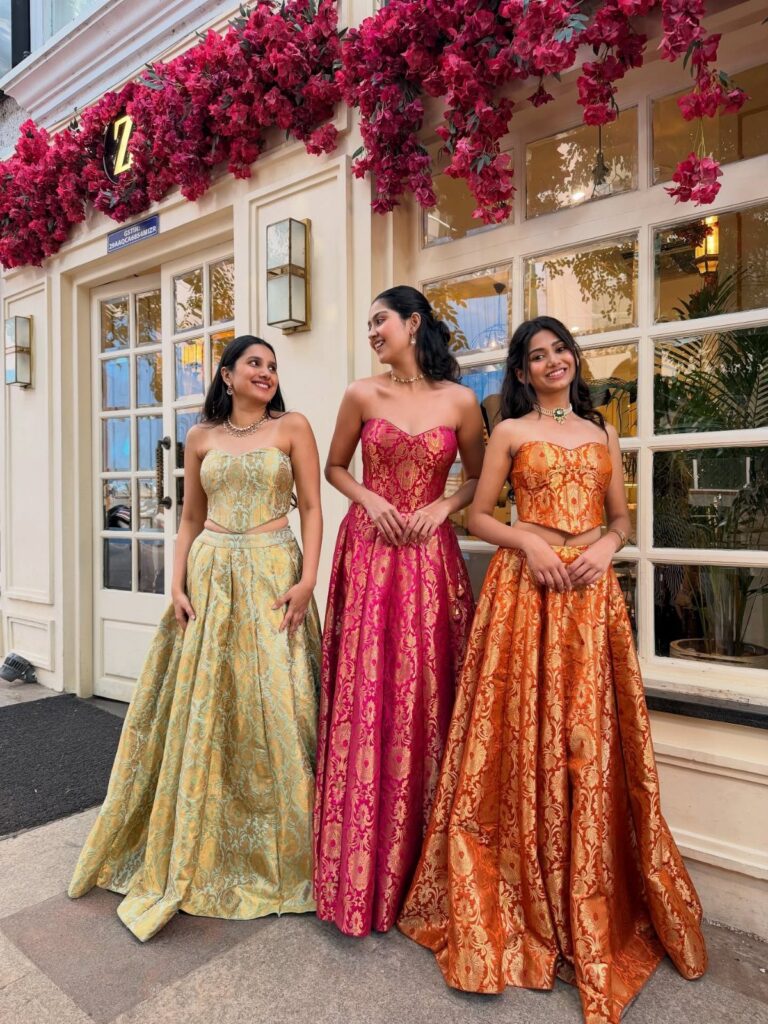
These 20 ideas run from a cotton kurta and palazzo set you can wear to the market to a brocade jumpsuit with beaded waist detailing for a wedding, and the single thing that sorts one from the other is how much structure the event demands.
1. Indo-Western Outfits
An Indo-Western outfit starts with one clear choice: Indian fabric or cut paired with a Western silhouette you already know how to wear.
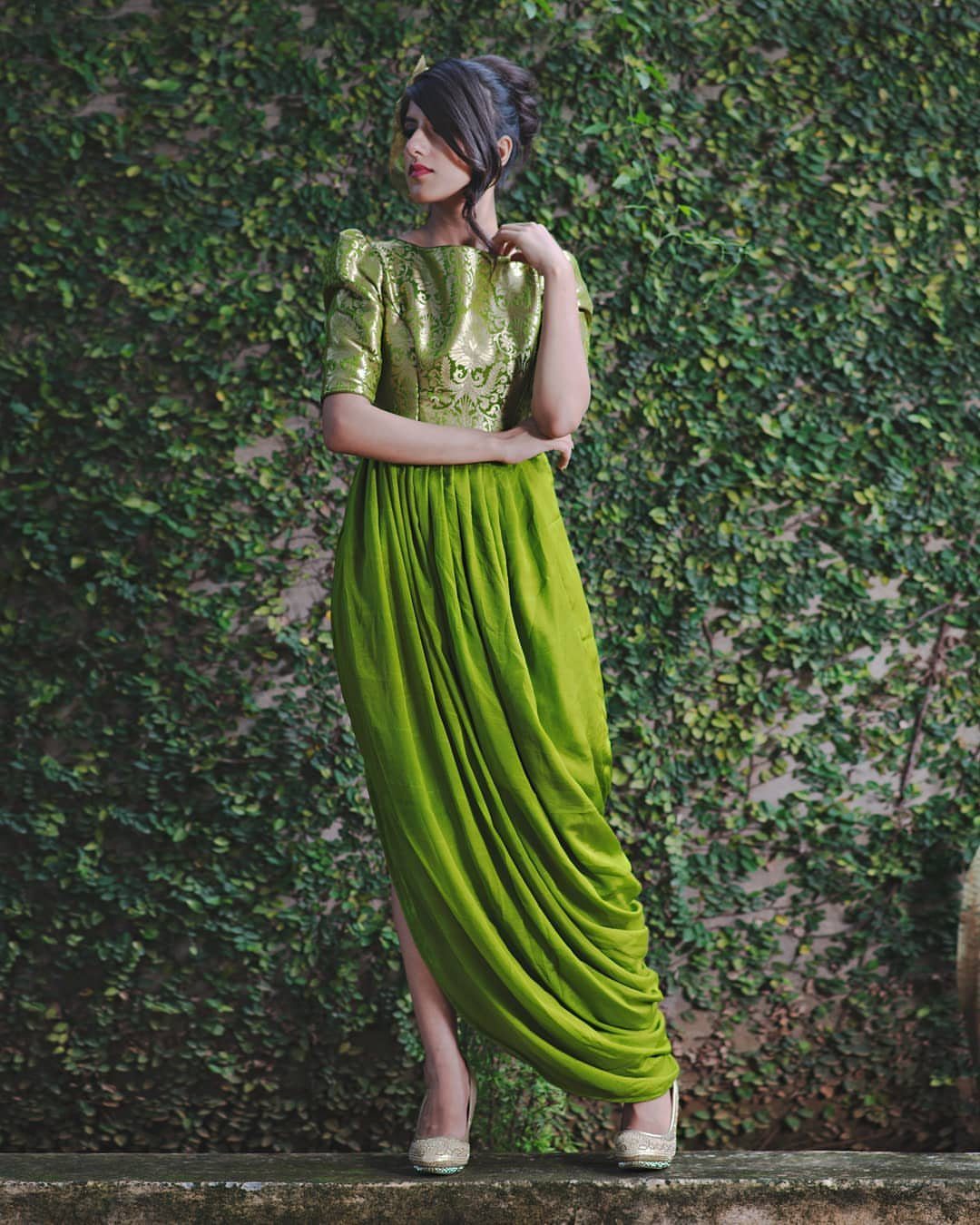
A lime-green brocade bodice against draped fabric that moves like a gown gives the lehenga silhouette a completely different feel.
I look for pieces where the fusion feels intentional, not accidental. A crop top with palazzo pants works because the proportions are familiar; an embellished jacket over a plain dress lets you control how traditional the read is.
The pink ombre set I keep returning to pairs sheer floral embroidery with wide-leg trousers that fit like workwear.
For me, the balance tilts wrong when both halves shout equally. Pick one: either the textile carries the Indian reference, or the cut does.
2. Wide-leg Trousers
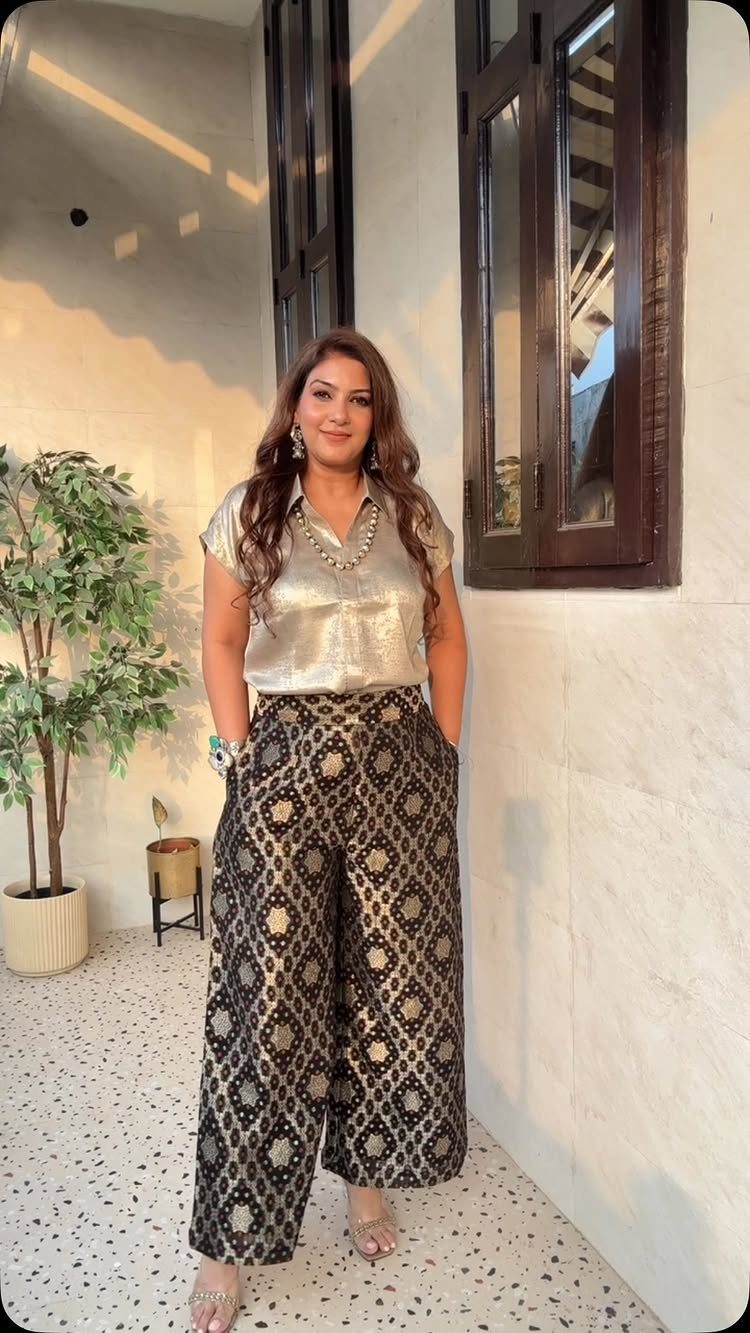
Wide-leg trousers in brocade or silk read as evening wear without the restriction of a full skirt. A metallic gold blouse keeps the line clean and lets wide-leg pants carry the decorative weight.
I pair these with fitted tops, never loose, or the silhouette loses its anchor.
Cotton versions exist and work for daytime, though they wrinkle faster than the silk or polyester blends most retailers stock. A mid-rise cut is more forgiving than high-waist styles for tucking in tunics or shorter tops.
Check the inseam before ordering. These need to skim the shoe, not hover above it.
3. Embroidered Tops
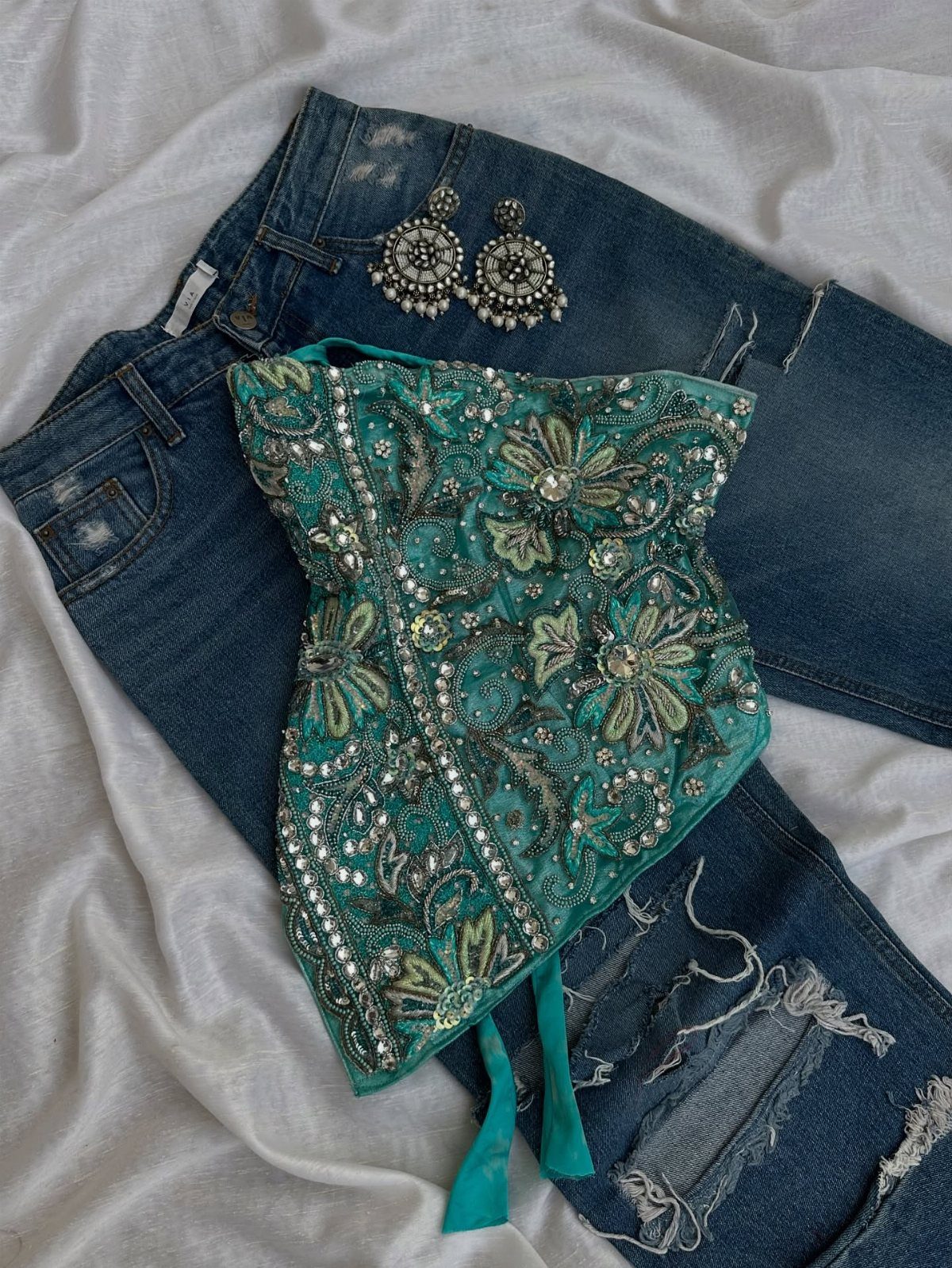
Embroidered tops let you wear Indian craft with jeans you already own.
I have seen this done 3 ways: a cropped length with high-waist trousers, a tunic cut that skims the hip, or a fitted blouse tucked in.
The crop version, like the pink one with wide-leg ombre pants, needs the right underlayer or the gap shows.
The light blue silk sleeveless top with gold embroidery works because the matching trousers carry the same weight; alone, it would fight with most bottoms.
For daily wear, I choose geometric over floral embroidery. It ages slower and pairs with more.
4. Maxi Skirts
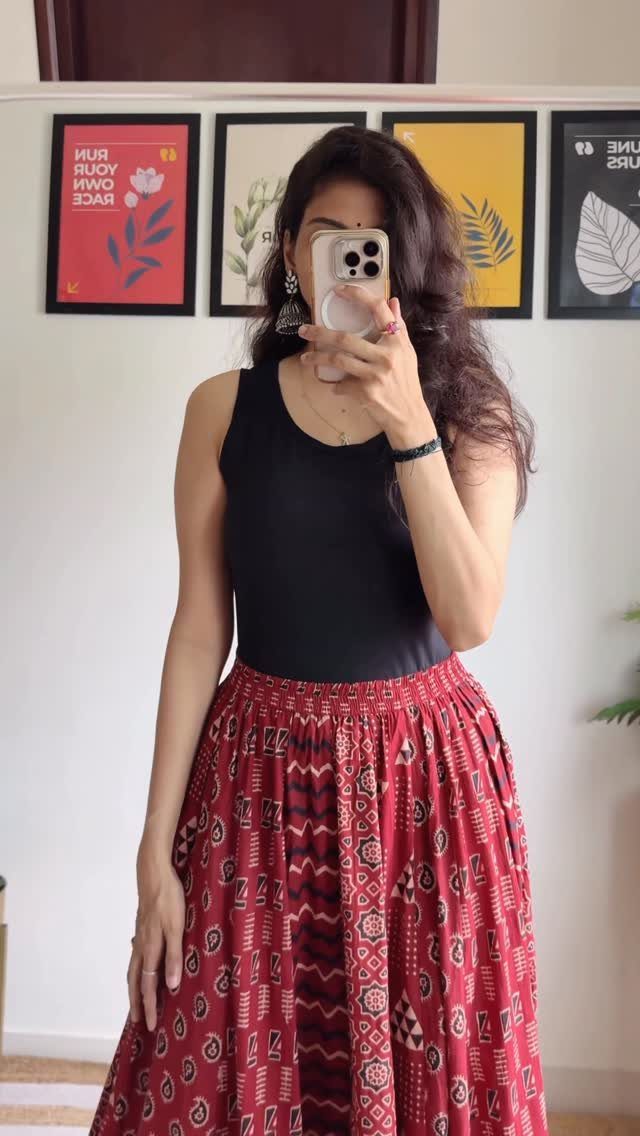
A maxi skirt gives you the movement of a lehenga with none of the tailoring.
A red patterned maxi skirt with a black tank is what I reach for when I need to look dressed up but want to sit on the floor comfortably.
Volume is the variable to control. The lime green silk version with floral embroidery stands away from the body; the gold silk lehenga-style skirt flows closer.
I choose the fuller cut for outdoor events where the fabric catches air, the slimmer for indoor spaces where I am moving between chairs and tables.
The waistband matters more than the print. A flat front with side closure sits smoother under a fitted top than the gathered tie-waist most traditional versions use.
5. Jumpsuits
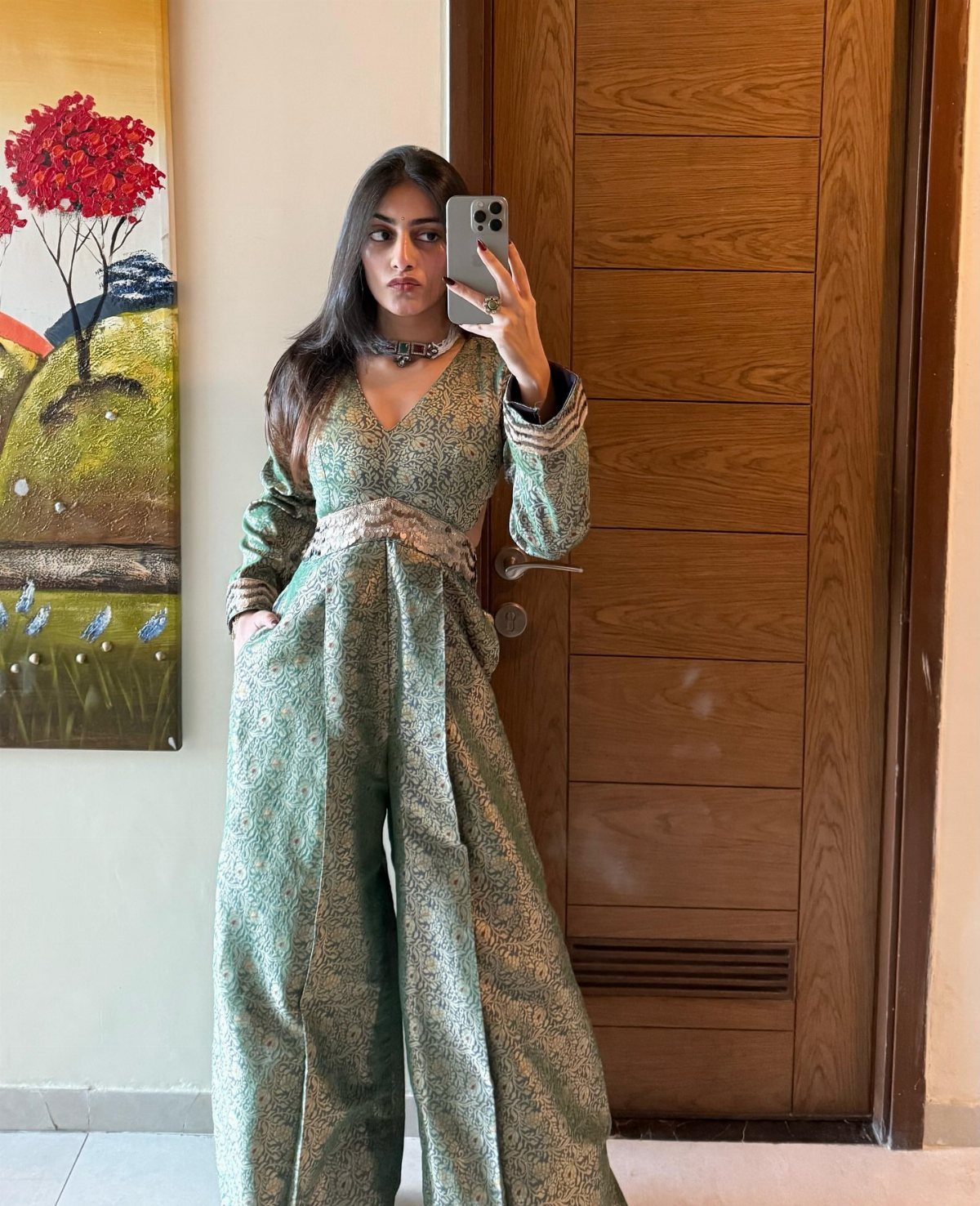
A brocade jumpsuit solves the coordination problem entirely. Wide legs and embellished trim mean no separate top or bottom decision; you step in and adjust jewelry.
I have seen this cut in 2 weights: the metallic gold brocade with beaded waist detailing, which reads as formal, and the mint green tie-dye chiffon with side cutouts, which works for summer evenings.
The heavier fabric holds structure for weddings; the lighter one wrinkles and recovers, but the spaghetti straps limit what undergarments you can wear.
My preference runs to the brocade. The waist definition is built in, and the flared leg balances the fitted bodice without my having to calculate proportions.
6. Saree Drapes
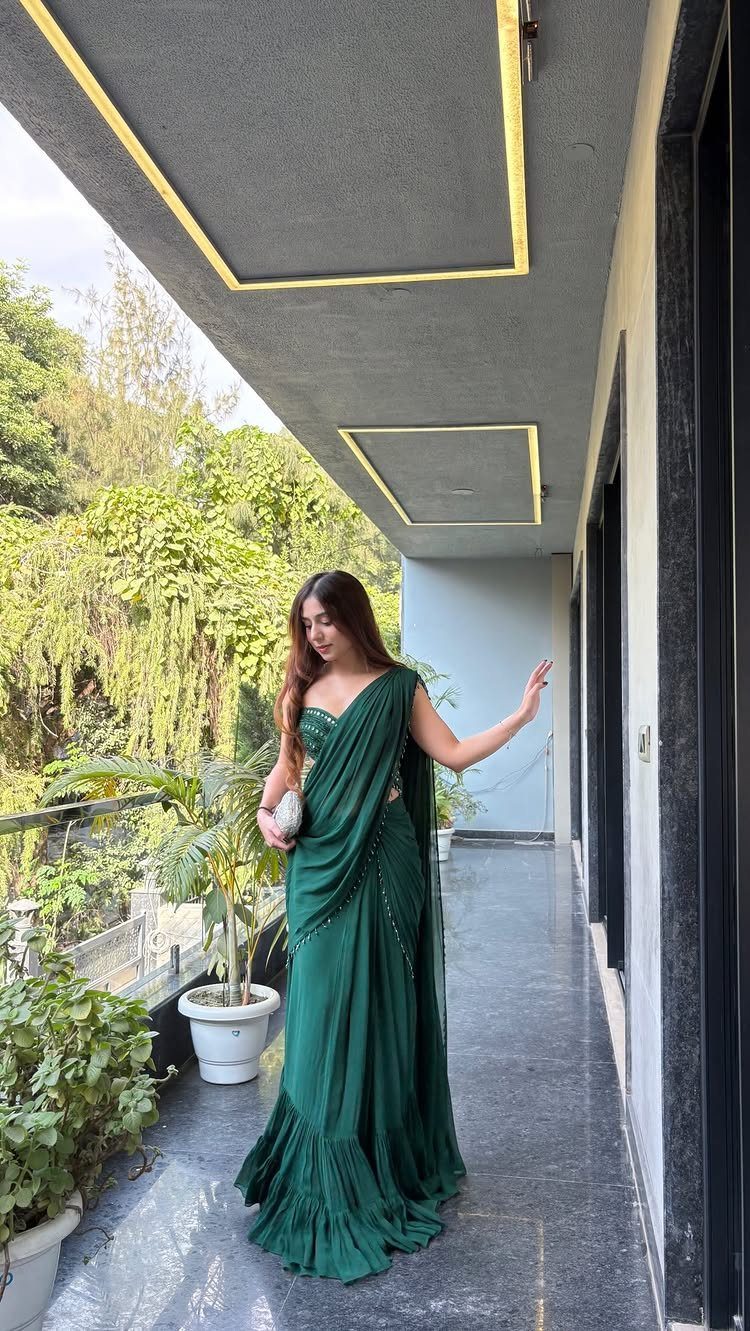
Modern saree draping is about removing the skill barrier. Pre-structured ruffles hold their shape after you wrap and pin, so the folds stay where placed.
I still learn from watching the traditional drape, but for events where I need to move, the pre-set pleat or the sheer lace blouse with a flowing chiffon saree wins.
The maroon silk with gold zari borders keeps the ceremonial weight, paired with a gold choker that sits at the collarbone rather than hanging.
The blouse is where I put my attention.
A brown embroidered sheer version turns the saree into evening wear; a simple sleeveless cut keeps it daytime. Buy the saree with the blouse unstitched, or have it adjusted; the off-the-rack fit at the armhole is usually wrong.
7. Layered Outfits
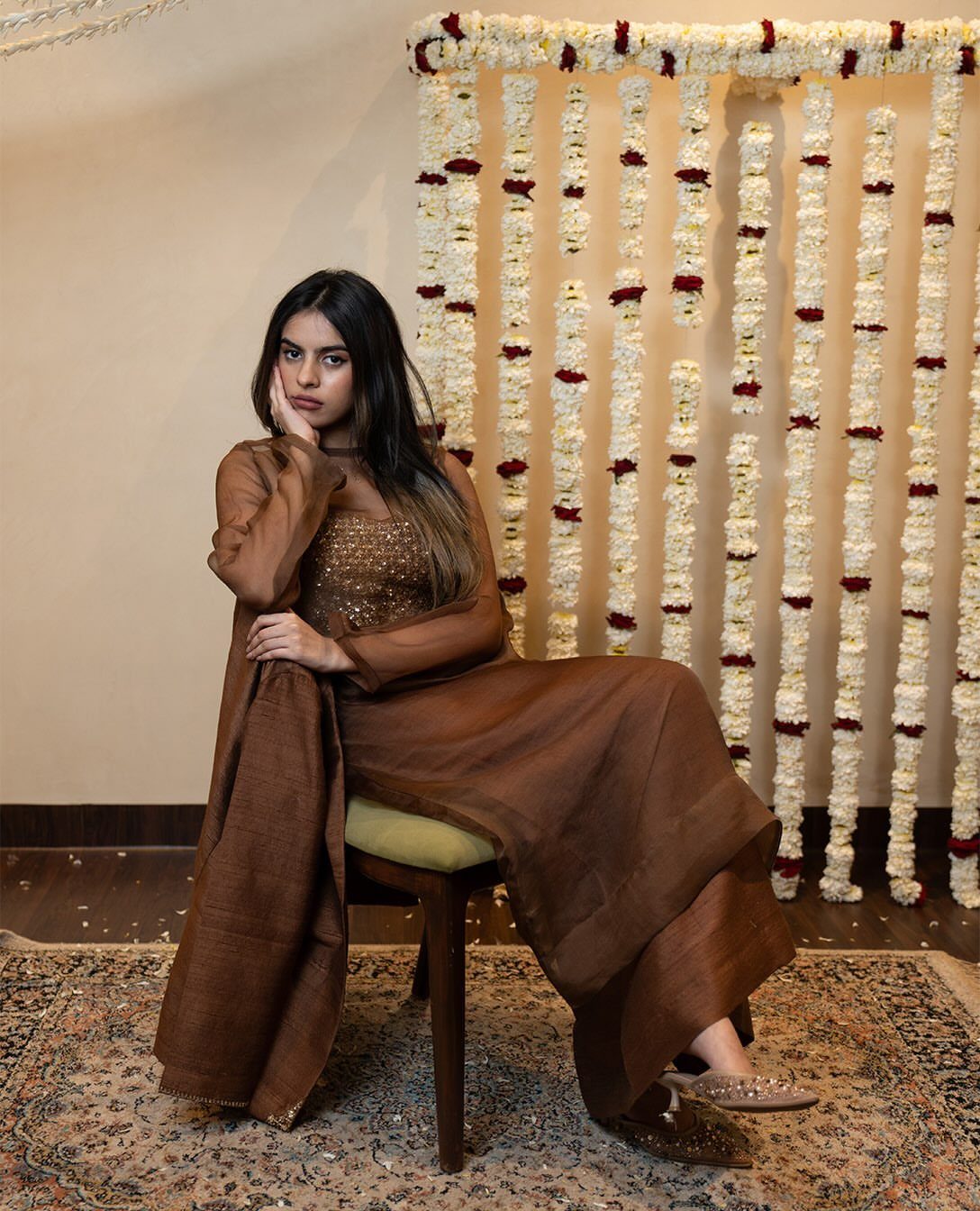
Layers add depth without asking you to commit to a single heavy piece. A sheer shrug over a sequined top and flowing skirt lets you adjust coverage as the evening moves from drinks to dinner.
I look for contrast in weight: a solid underlayer with a transparent overlayer, or a fitted base with something that floats.
The brown sequined top with sheer overlay works because the eye reads the sequins through the chiffon rather than seeing 2 competing surfaces.
Long shrugs need a belt or defined waist underneath, or the silhouette turns shapeless. Capes, which sit on the shoulders alone, keep more structure.
8. Capes
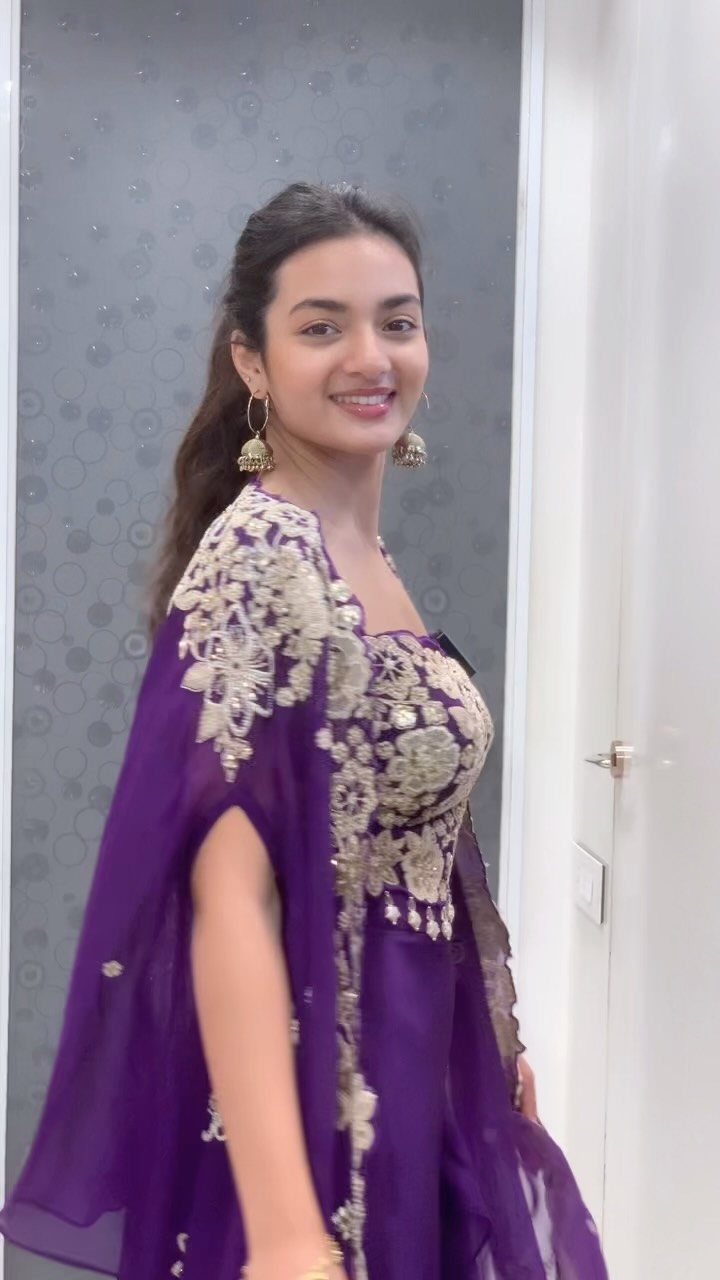
A cape turns a simple top-and-trouser set into occasion wear without changing the pieces underneath. Let the cape carry the ornament and keep the bustier clean; that way the eye reads one layer at a time.
2 approaches work here. A floor-length sheer cape in floral embroidery, like the pink ombre version, creates a continuous line from shoulder to hem that reads as a gown when you move.
A shorter capelet, hitting at the elbow or hip, frames the face and torso while leaving the arms free for eating, dancing, or holding a drink.
The sheer versions need planning. The embroidery placement matters more than the print; dense work at the shoulder and hem anchors the eye, while scattered motifs look accidental.
9. Tunic Sets
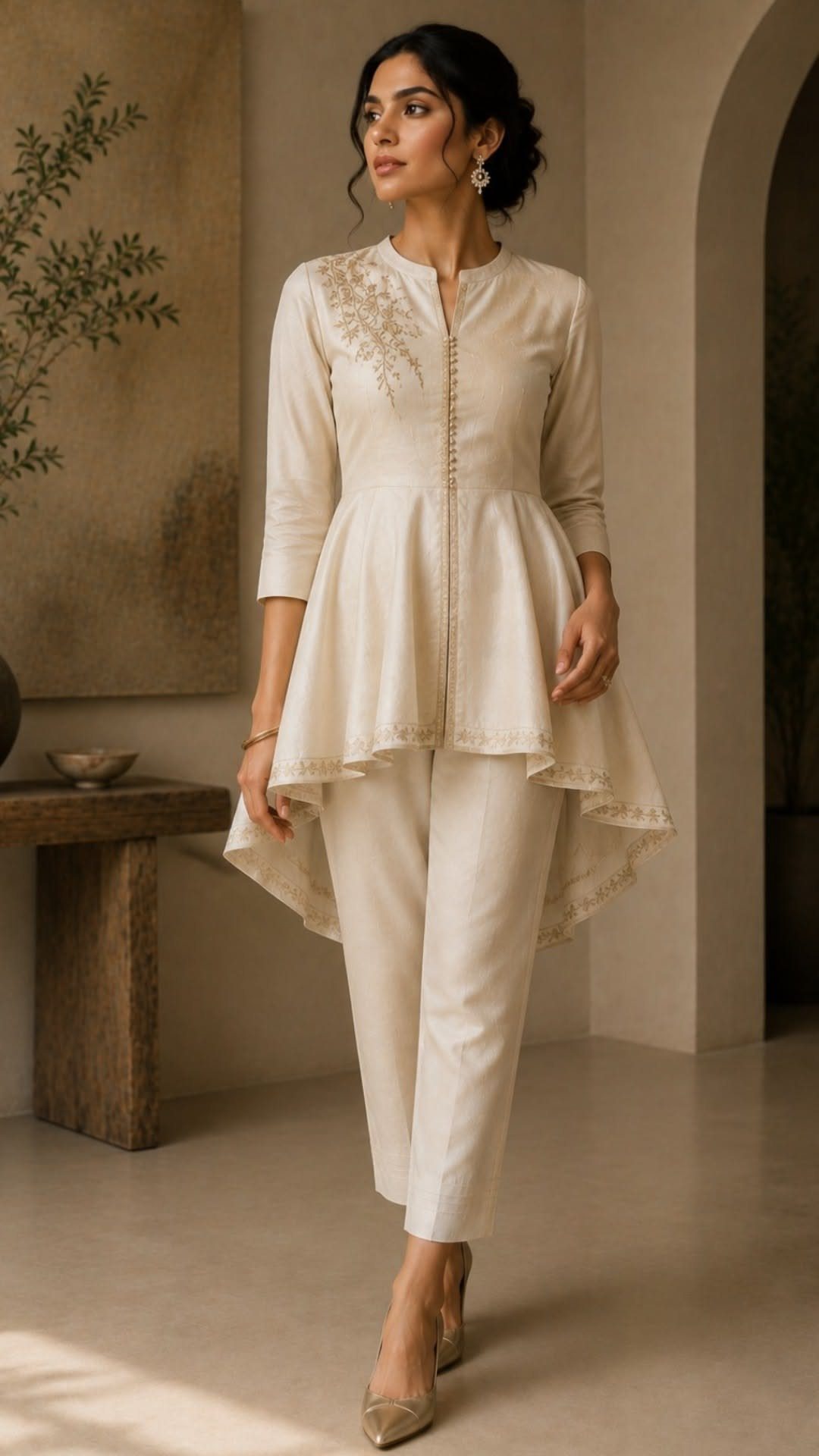
A matched tunic and trousers removes the morning decision of what goes with what. The cream high-low peplum tunic with slim trousers keeps the silhouette modern; the peplum adds volume where a straight tunic would read as a uniform.
For everyday wear, I prefer cotton or linen in a sage floral print with white wide-leg trousers.
The set still looks intentional, but the fabric breathes and the print hides wear. Embroidered versions in silk or crepe step up to dinner or a small festival without needing jewelry.
Check the tunic length against your hip.
A high-low hem, longer at the back, covers the seat if you are wearing this to work or travel; a straight hem at mid-thigh needs the trousers to sit at the natural waist or the proportions split wrong.
10. Chiffon Outfits
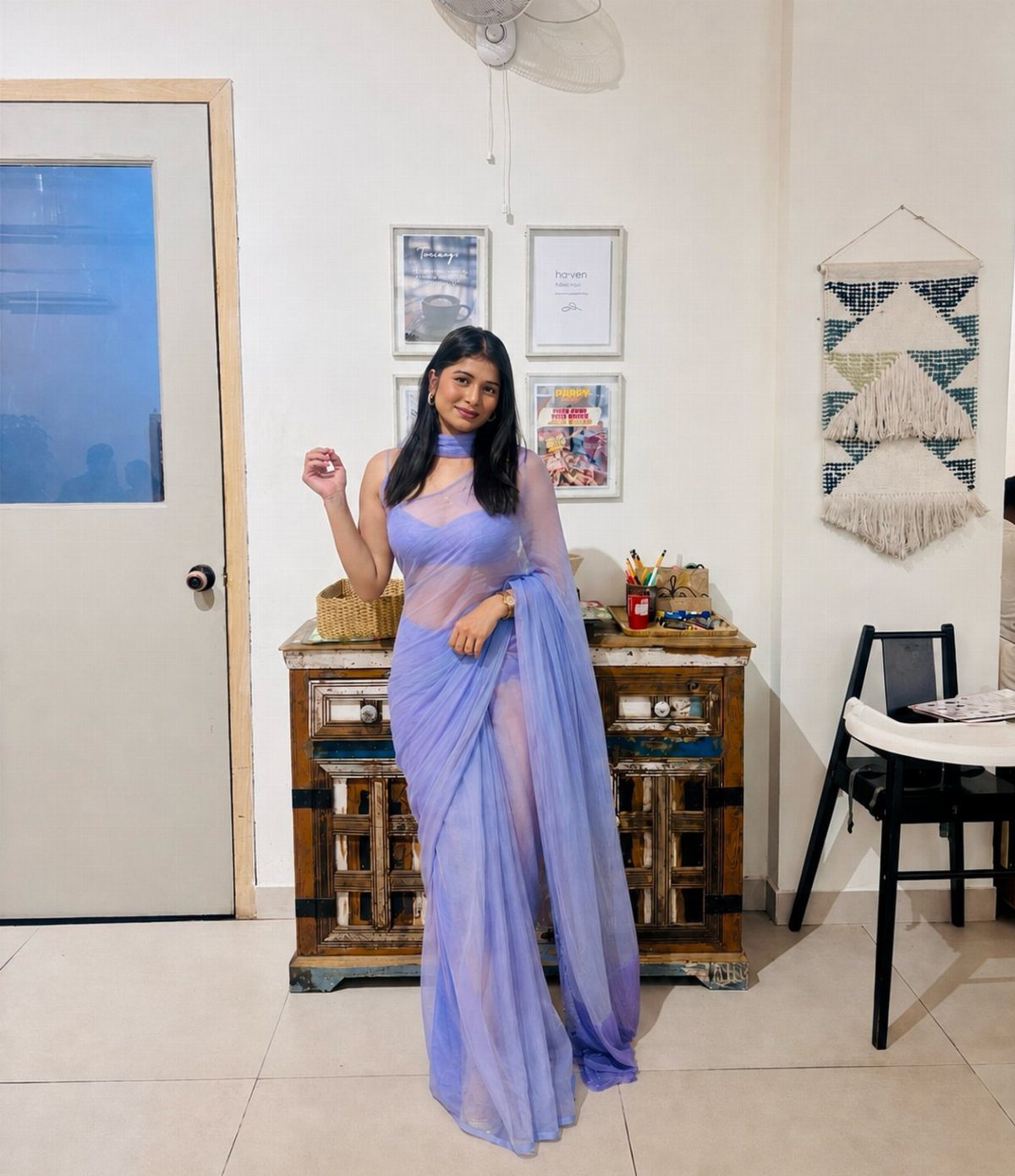
Chiffon works for heat and for movement, 2 things that rarely come together in heavier Indian fabrics. The lavender saree with a bustier top shows the fabric at its best: sheer enough to layer, substantial enough to drape without clinging.
I choose chiffon when the event runs long and the venue lacks air conditioning. It wrinkles less than cotton silk and recovers faster than organza.
The brown lace blouse with a matching chiffon saree uses sequin embellishment to give the fabric weight where it needs it; without that, chiffon can look limp under indoor lighting.
The fabric flows, which is the point, but flowing fabric without structure can read as a nightgown rather than evening wear.
11. Mermaid Skirts and Fitted Tops
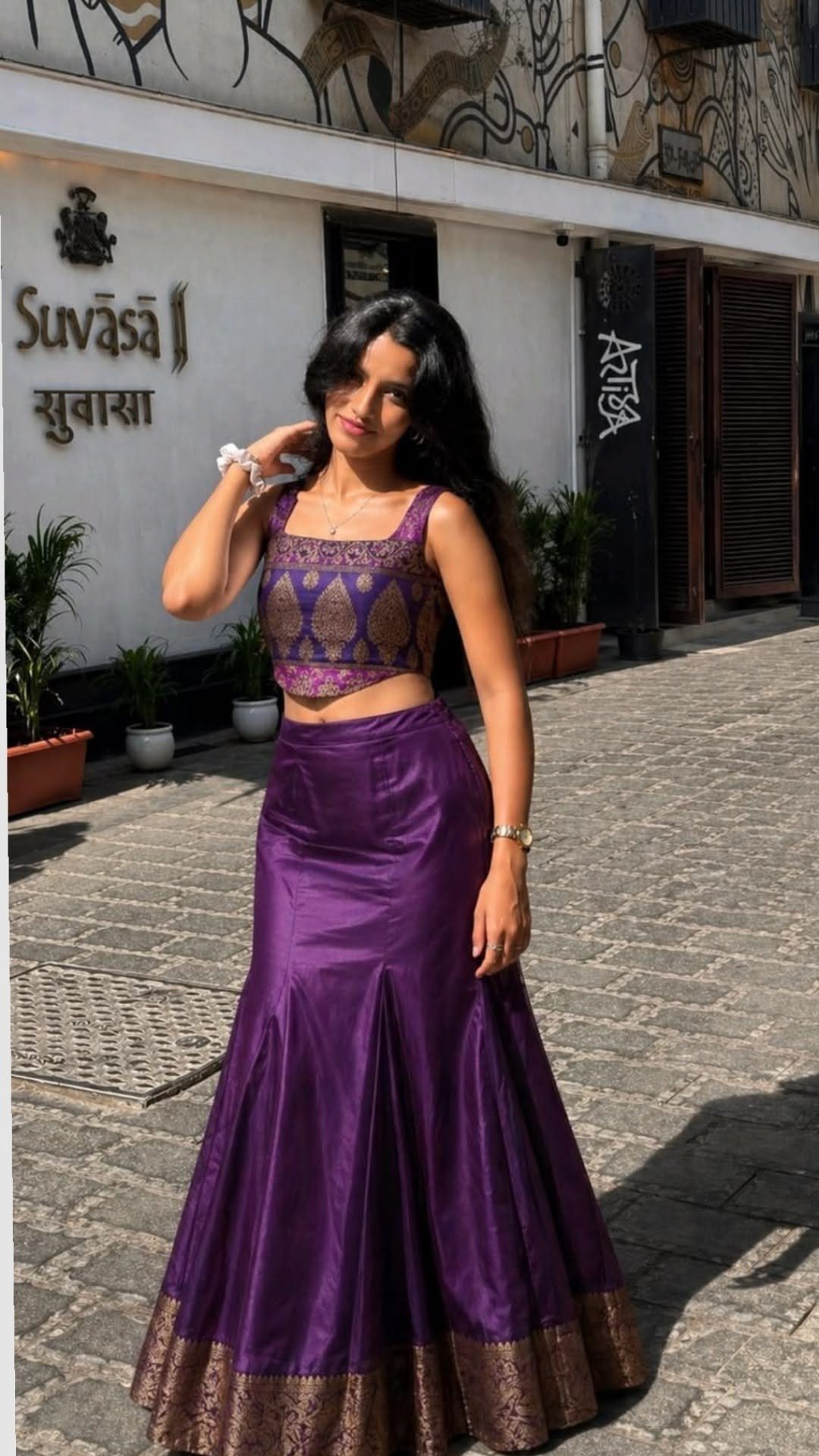
A mermaid skirt flares below the knee, which gives you the walk of a lehenga with a narrower path through crowds.
The purple patterned crop top and matching skirt sits at the natural waist; the flare starts high enough to allow normal steps but low enough to keep the hip fitted.
This cut demands a fitted top. A loose or tunic-length upper piece fights the waist definition that makes the silhouette work.
Silk with embroidery reads evening; plainer fabrics work for day. The fitted top carries the ornament or the skirt does, rarely both.
The skirt needs length to the ankle or the proportion stalls. A mermaid cut at mid-calf cuts the leg at its widest point.
12. Casual Kurtas and Palazzo Pants
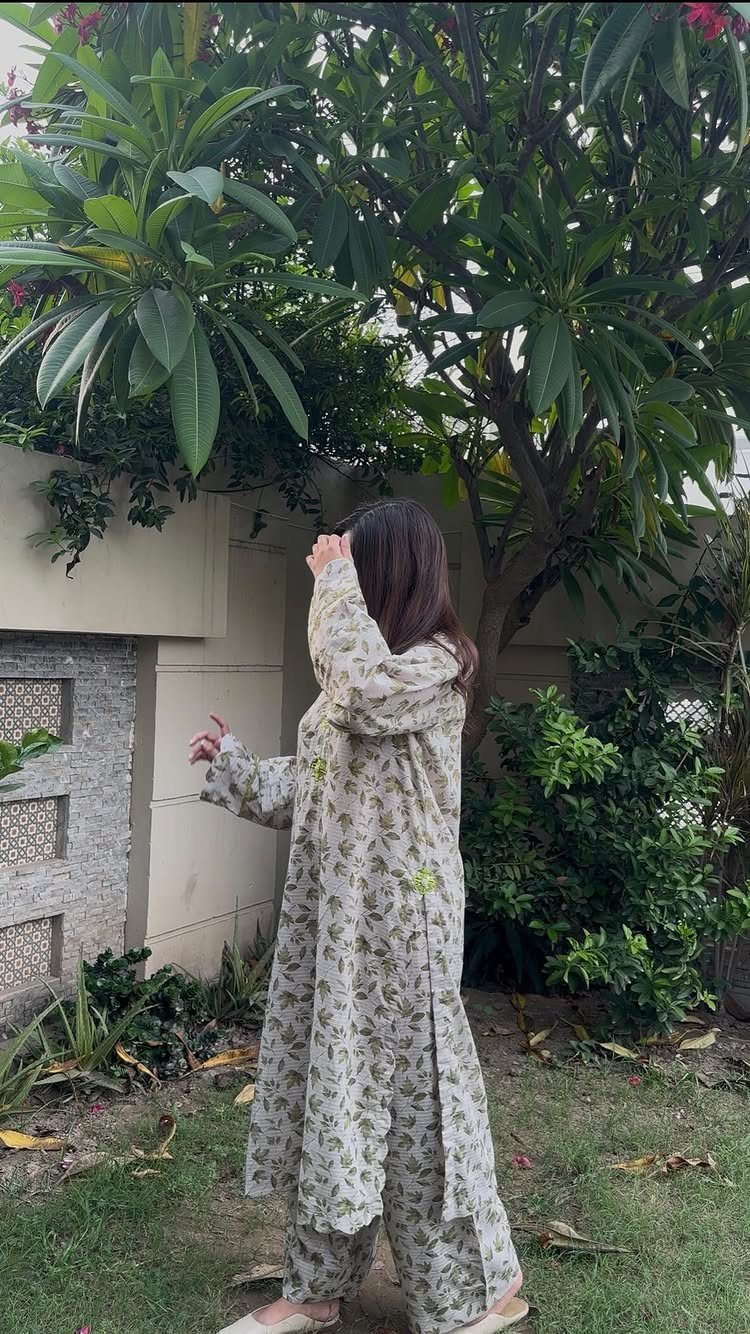
A long kurta with palazzo pants is the most forgiving entry point into Indian dressing if you are used to tunics and wide-leg trousers from Western brands.
The floral print kurta with side slits and white cotton palazzos moves like a dress but keeps you covered for family gatherings or temple visits.
Cotton palazzos wrinkle; I accept this and choose prints that hide it. The cream halter peplum top with matching flared palazzos shows a dressier version, with embroidered borders that lift the set into evening territory.
For daily wear, I check 2 things: whether the kurta has pockets, and whether the palazzo waist is elastic or drawstring. A fitted waistband in cotton cuts in after lunch; elastic or a tie lets you adjust.
13. Statement Jewelry
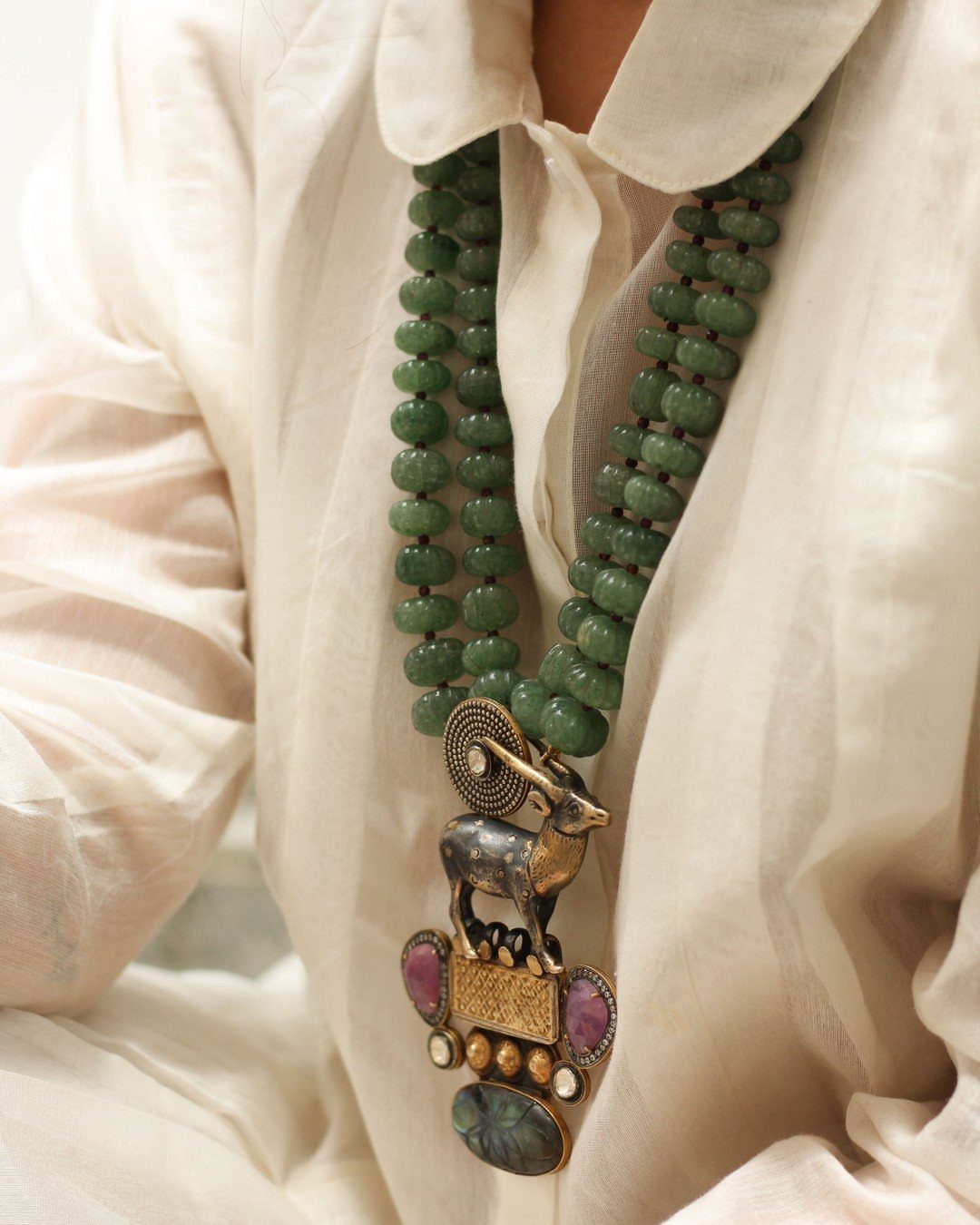
Statement jewelry lets a simple shirt carry the occasion.
I add one large piece rather than several small ones. A single necklace at the collarbone, or chandelier earrings that move when you turn your head, does more than a matched set that competes for attention.
The deep maroon peplum top with gold embroidery needs nothing extra; the same top in plain silk comes alive with a gold choker and matching potli bag.
A chunky Indian necklace pairs with Western separates and does not look like you are waiting for a wedding to start.
14. Outfits with Uneven Hemlines
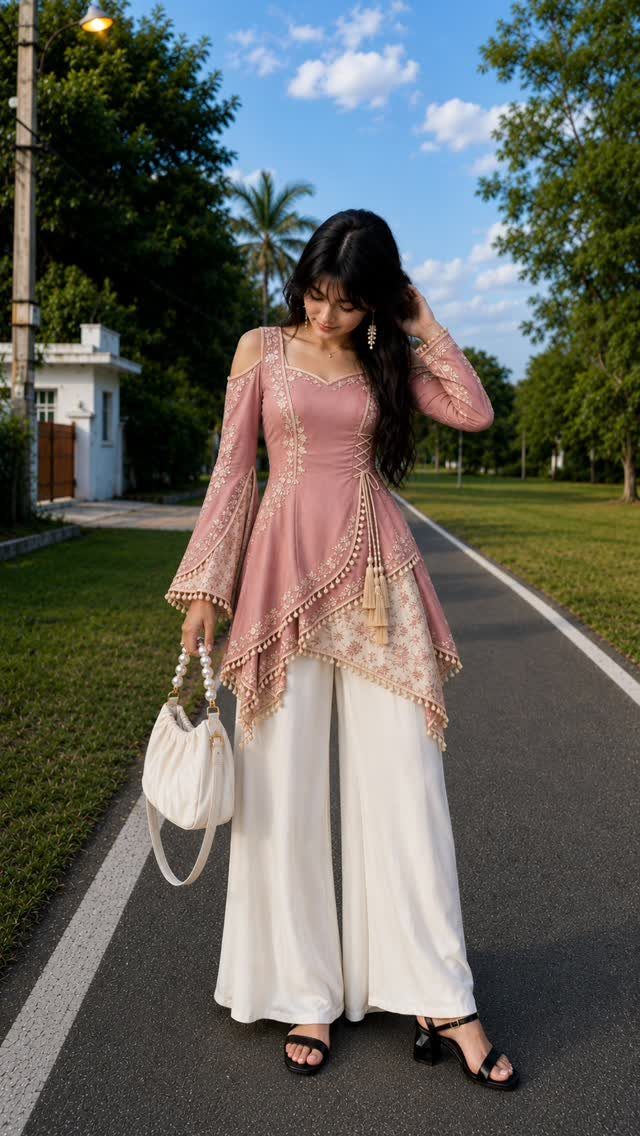
An uneven hemline adds movement without adding fabric. The dusty pink tunic, shorter at the front and longer behind, keeps the leg line open while covering the seat.
I check 2 things before buying: whether the shortest point still clears my hip comfortably when I reach or bend, and whether the asymmetry is cut or merely draped.
A cut hem holds its shape through washing; a draped one needs adjusting every time I stand up.
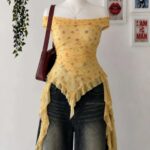
The yellow cold-shoulder tunic with tassel lace shows the cut version, with the hemline built into the pattern rather than created by a tie or belt.
Pair with trousers that sit at the natural waist. The high-low line draws the eye to where the fabric ends; low-rise bottoms split that attention.
15. Layered Skirts
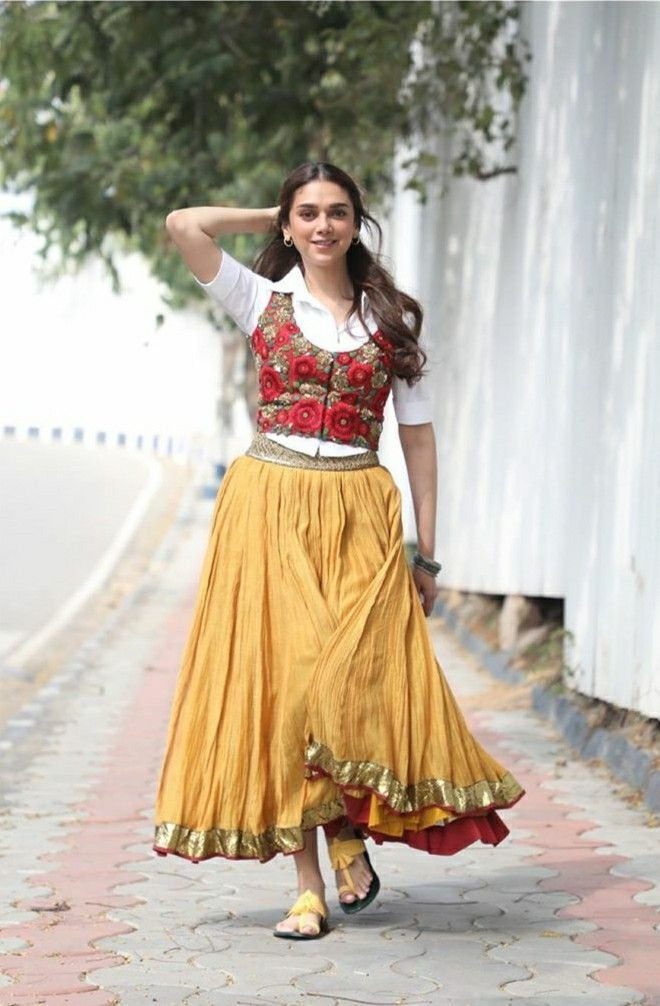
Layered skirts give you the volume of a lehenga with less weight per tier. The yellow and red flared version moves as separate planes of fabric, each catching light differently.
A fitted, simple top keeps the silhouette clean when the skirt carries the detail. A white collared shirt under a red embroidered vest anchors the eye at the torso; the skirt does the rest.
For a cleaner read, I choose 2 tiers in related colors rather than many in competing prints. The waistband must sit flat; gathered tiers start at different heights and a bulky closure shows through.
16. Pre-draped Sarees
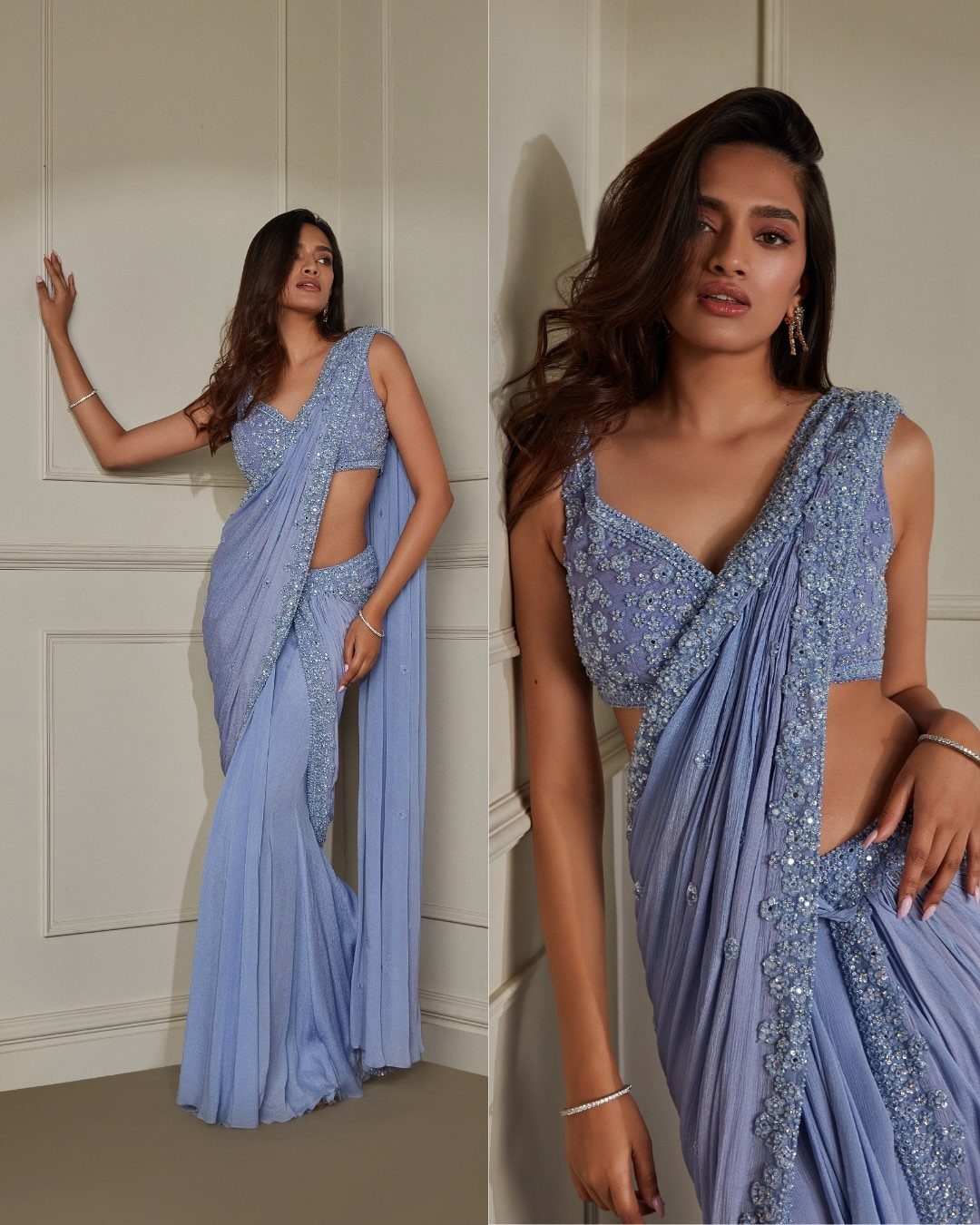
A pre-draped saree removes the folding and pinning that used to eat up my morning. The lavender-blue sequined version arrives ready to step into, the pallu placed and the waist secured.
I look for where the pre-drape hides its structure.
The cream organza with yellow floral prints uses a slim inner tie that does not show through the sheer fabric; a bulky hook or zipper at the side seam ruins the line.
Check whether the blouse is included and cut to your length. A sleeveless cream silk blouse, matching the saree exactly, saves a separate search but rarely fits off the rack.
17. Flared Trousers
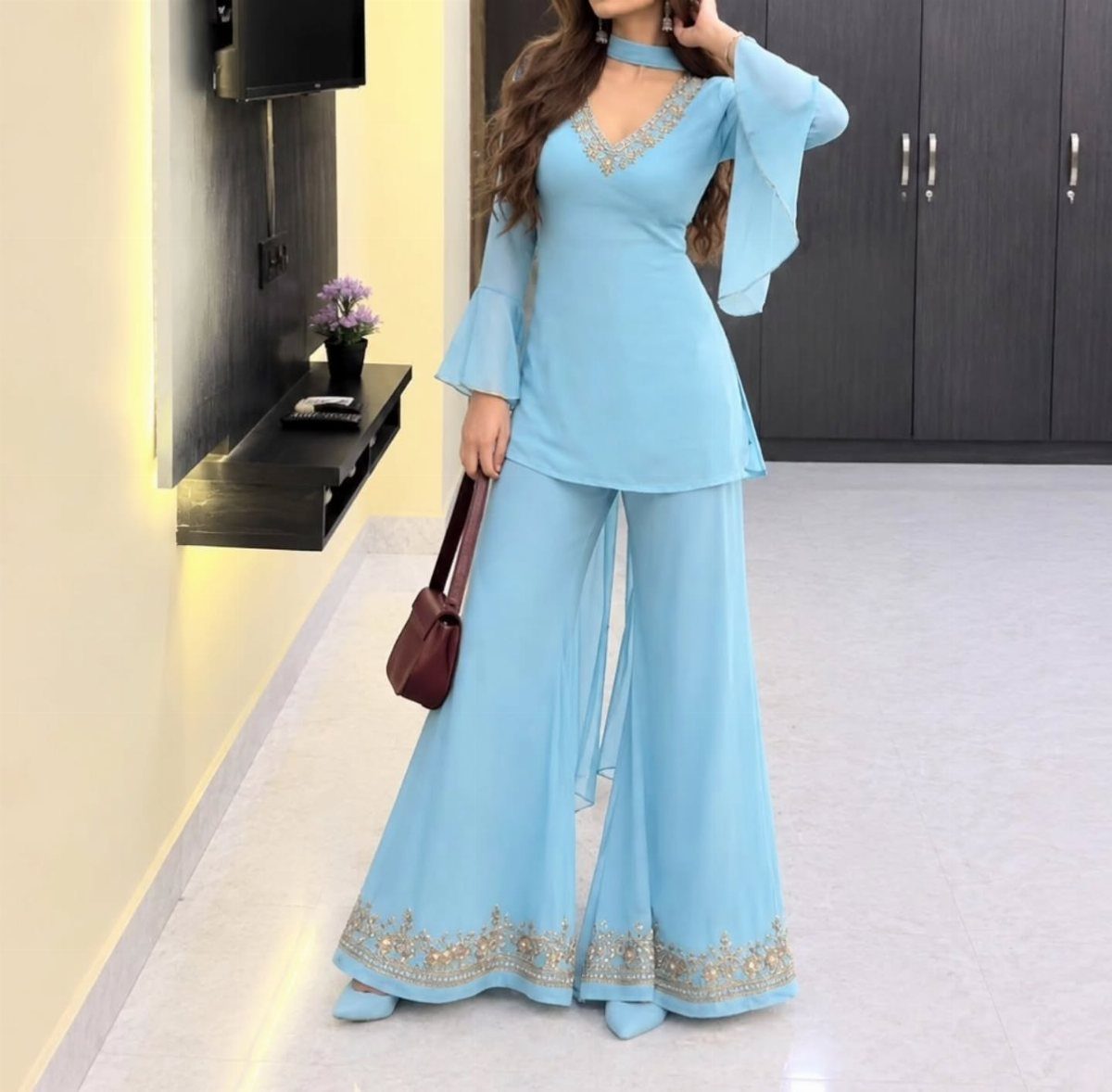
Flared trousers widen from the knee down, which gives a long leg line and room for heavy embroidery at the hem. The light blue tunic with gold-worked flares shows the balance: fitted through the thigh, then release.
I pair these with a tunic that ends at the hip or tuck in a shorter top. A long loose kurta over flares creates a column with no definition; the eye needs a narrowing point to notice the widening below.
The retro reference works best when the top is modern and clean, not competing with the trouser shape.
Cotton flares hold the line for daytime; silk or brocade versions need lining to keep the flare crisp rather than collapsing.
18. Belted Outfits
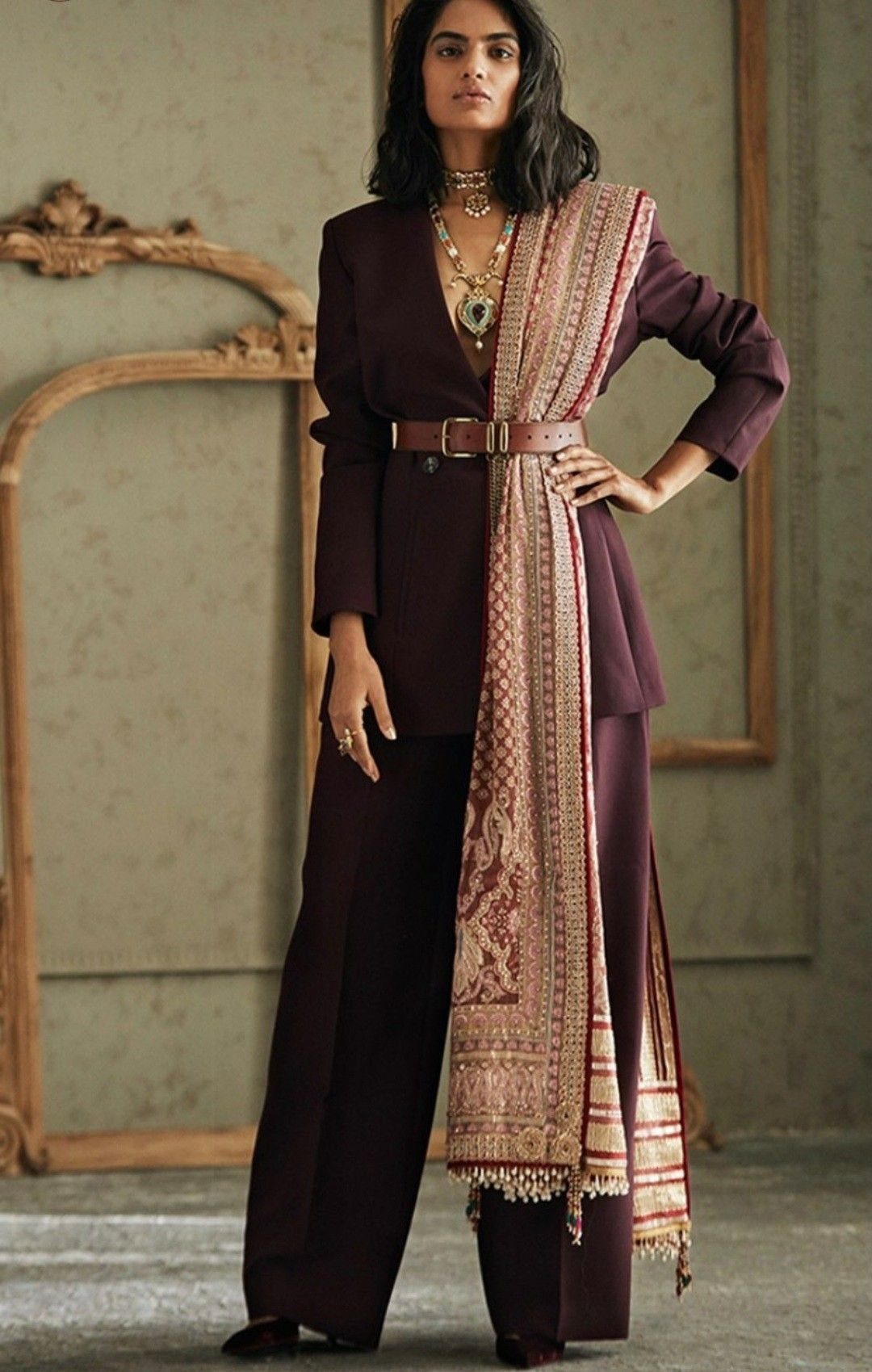
A belt turns a loose tunic or dupatta into a shaped silhouette.
The plum pantsuit with brown leather belt and patterned shawl shows the technique: the blazer and trousers are straight, the dupatta floats, and the belt gathers both at the waist.
I choose the belt in a material that contrasts with the outfit.
Leather against silk, or a metal chain against cotton, creates the punctuation mark; matching fabric on fabric disappears. The deep maroon peplum with gold embroidery and wide-leg palazzos does not need this, but the same pieces in plain crepe would.
Position matters.
At the natural waist, the belt lengthens the leg; at the hip, it shortens the torso. I adjust by an inch or two depending on whether I am wearing heels.
19. Chic Ethnic Dresses
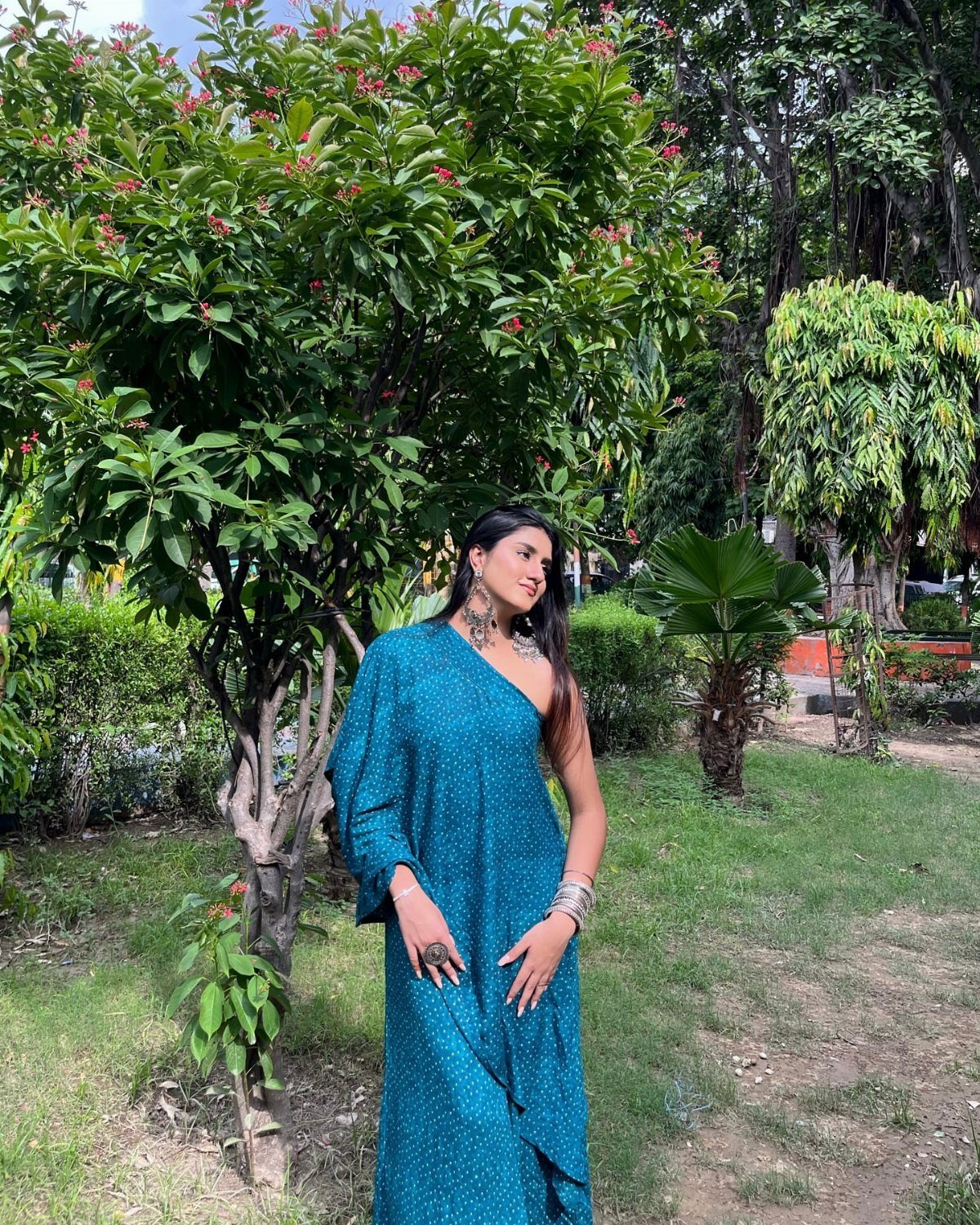
A one-shoulder cut in teal silk with a scattered print reads modern because the shoulder line is asymmetrical, not because the fabric is new.
The silver earrings and stacked bangles carry the ethnic weight; the dress itself could sit in any resort collection.
I look for this balance when I need one piece for a day that turns into evening.
A cowl neck in navy with silver embroidery at the bodice, worn over a cream flared skirt with matching border, keeps the same logic: the cut is contemporary, the ornament traditional.
The sleeveless shape matters more than the fabric weight; brocade in bright pink with gold weave reads heavier than the print suggests, and needs a simple shoe to ground it.
Check whether the lining is attached. A separate microfiber inner shifts and bunches after any length of sitting.
20. Comfortable Cotton Modern Indian Outfits
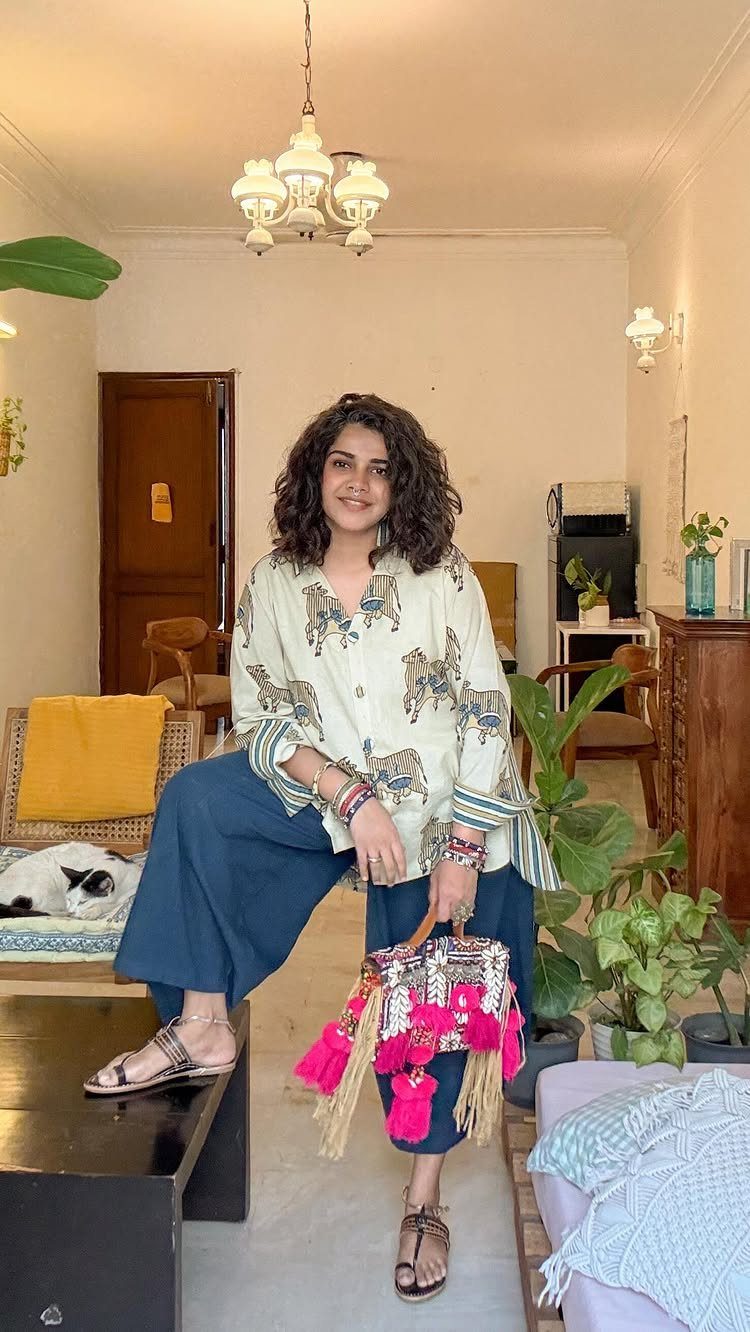
Cotton breathes, wrinkles, and forgives a budget that cannot stretch to silk. The printed tunic with cropped palazzos in dark blue sits at the right length for sandals, not dragging on pavement.
I choose this for travel or a Saturday that starts at the market and ends at a family lunch. The print carries the interest, the cut stays plain: that is the whole formula.
A dupatta adds formality but can be left off. Without it, the outfit reads as a tunic set; with it, the same pieces satisfy a host who expects covered shoulders.
The dupatta weight matters more than the print; a heavy cotton border pulls the thin fabric out of shape, so I check the hem finish before buying.
Flat shoes keep the look grounded. A heel with wide palazzos shortens the leg line unless the trouser is cut to break exactly at the ankle bone.
Current Trends in Indian Wear
Current Indian wear keeps moving toward pieces that work outside ceremony.
The teal cotton tunic with white neckline embroidery and straight white trousers is what I would point to: embroidery at the collar and sleeves only, clean lines everywhere else, tan sandals finishing it rather than heels.
That is the direction I see most often now.
The maroon silk straight kurta with wide-leg trousers and gold embroidery shows the same impulse dressed up. The cut is still simple; the silk and the gold do the festive work without extra layers.
Styling Tips for Modern Outfits
One piece of jewelry is usually enough.
Footwear should match the trouser weight. Wide-leg brocade or silk trousers need a heel or structured flat to keep the hemline correct; cotton palazzos work with sandals you already own.
Occasions for Modern Indian Attire
Weddings are where I pull out the weight: brocade jumpsuits with beaded waists, or cream silk trousers under a draped V-neck top with gold borders worked in.
The metallic gold waist belt on that set keeps the shape defined through long events.
Family gatherings and temple visits need less structure.
Frequently Asked Questions
What is modern Indian attire?
Modern Indian attire pairs Indian fabric or craft with a Western silhouette you already know how to wear.
Think brocade wide-leg trousers with a fitted top, an embroidered jacket over a plain dress, or a pre-draped saree that removes the folding and pinning.
The balance works best when one element carries the Indian reference, either the textile or the cut, not both shouting at once.
What to wear in India right now?
Wide-leg trousers, embroidered tops with jeans, and maxi skirts that give you lehenga movement without the tailoring are the easiest entry points.