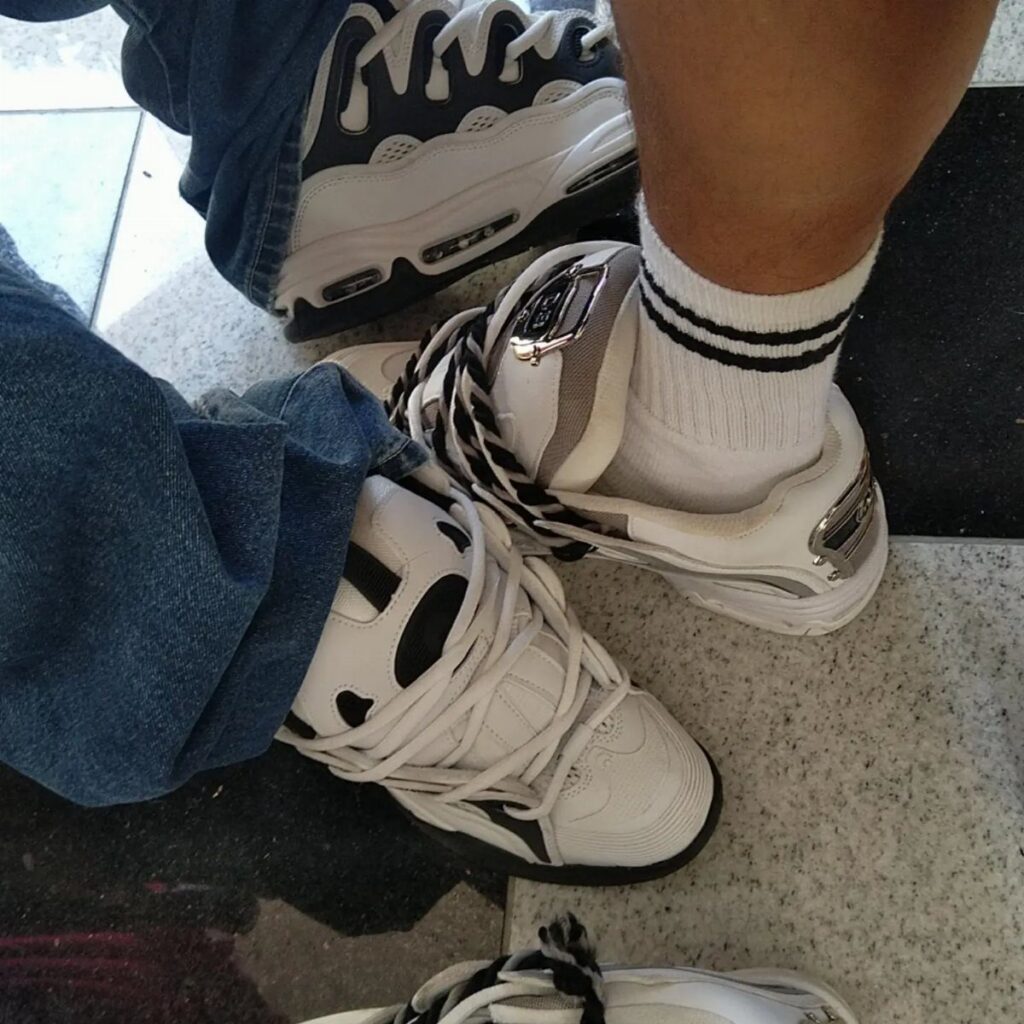
These trends range from a single Claire’s bangle stack to a full holographic suit, and the right one depends on whether you want to test the mood with an accessory or build a whole outfit around the era’s silhouette.
1. Chunky Sneakers
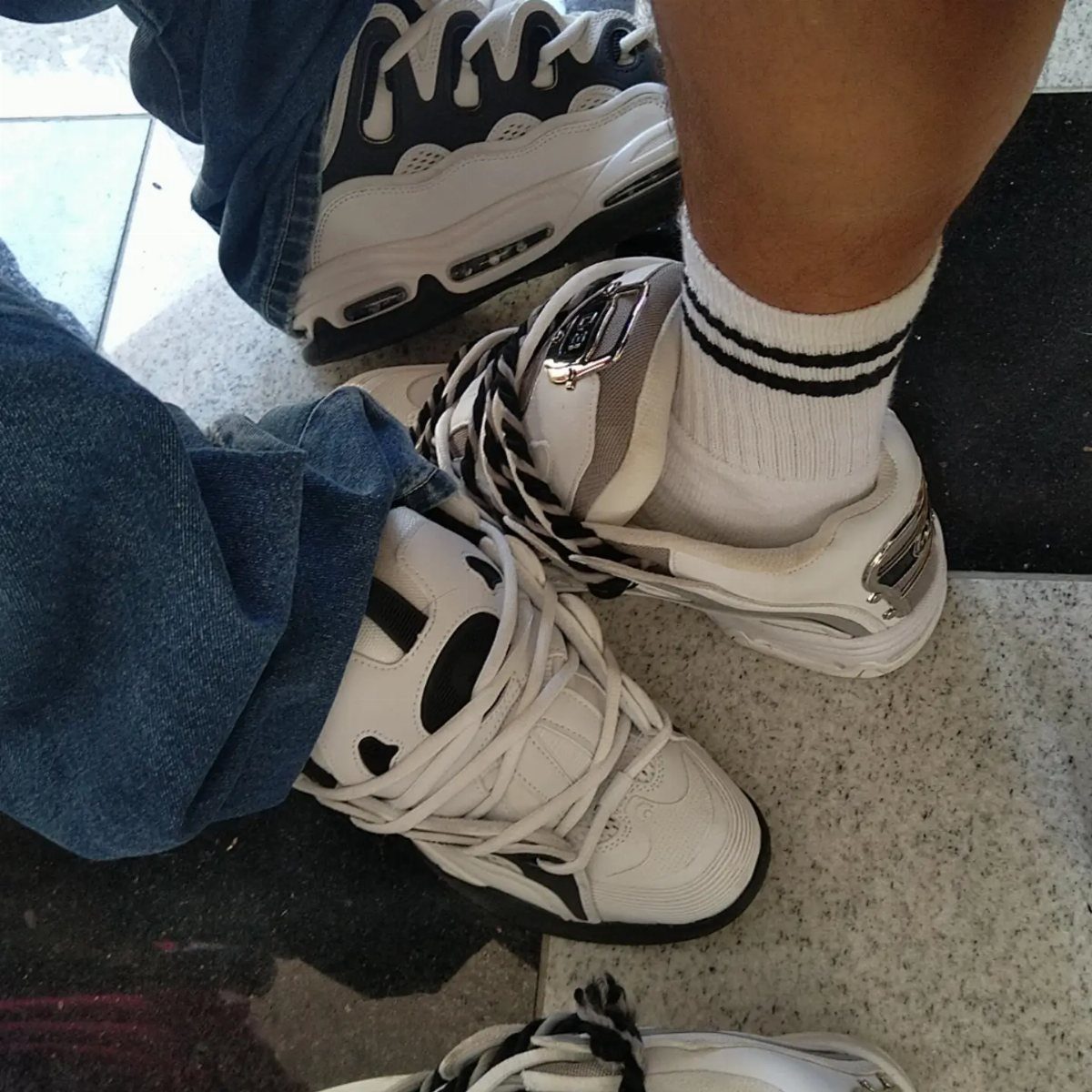
The Y2K sneaker was built like a small spaceship: thick foam midsole, puffy upper, laces fat enough to grab without looking. White with black panels stayed the standard because it matched every wash of denim.
What made them wearable season after season was the comfort. The platform sole did the work of a heel without the pitch, so you could walk a city block or stand at a show.
Pair them with baggy jeans that break over the tongue, or let them peek from boot-cut hems.
Color came later in the era, but the neutral base let you wear them into outfits that already had enough going on. If you own one retro sneaker, this is the shape that reads as period without looking like costume.
2. Butterfly Clips
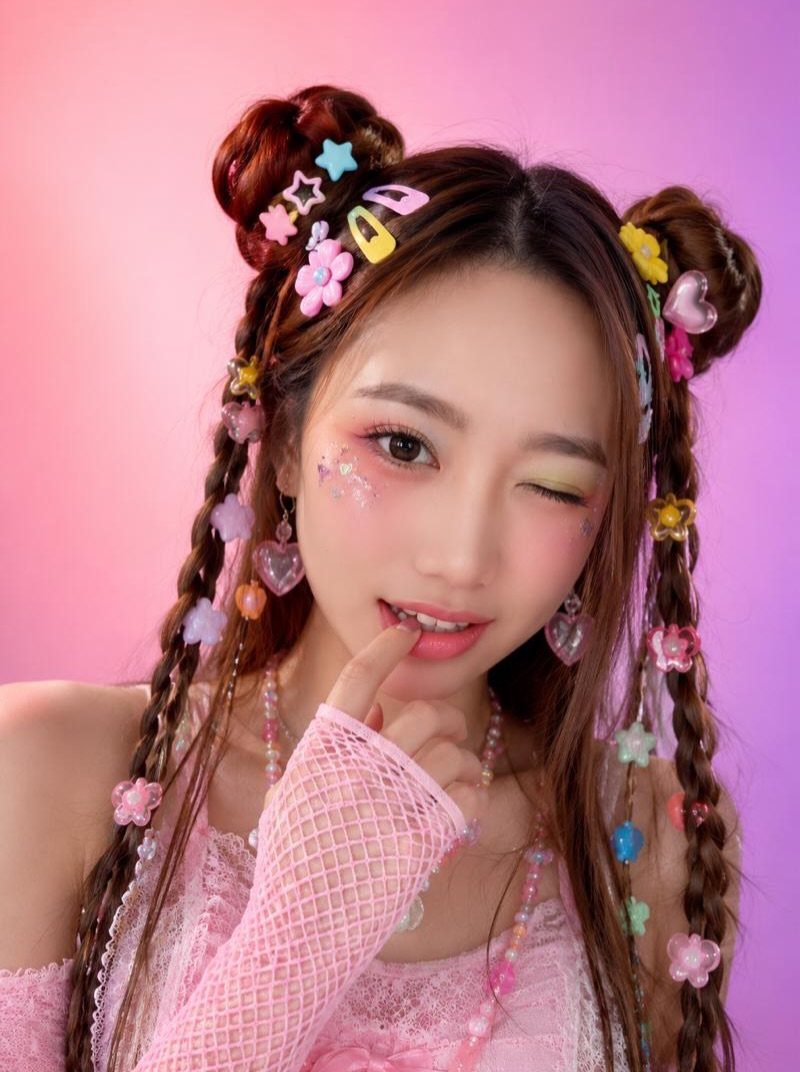
Butterfly clips let you section hair without committing to a full style. The plastic grips came in every tint of pastel and neon, clustered at braids and buns where they catch light.
For daily wear now, I would use two or three at the temple rather than the full crown.
They hold fine hair that slips from elastic, and they do the work of a barrette without the formality. These read against a plain tee just as clearly.
Jelly bracelets from the same accessory family stack on the same wrist.
The rule from the era was more is more, but one color repeated beats a rainbow jumble. Start with clips and a single bracelet if you are testing the mood.
3. Velour Tracksuits
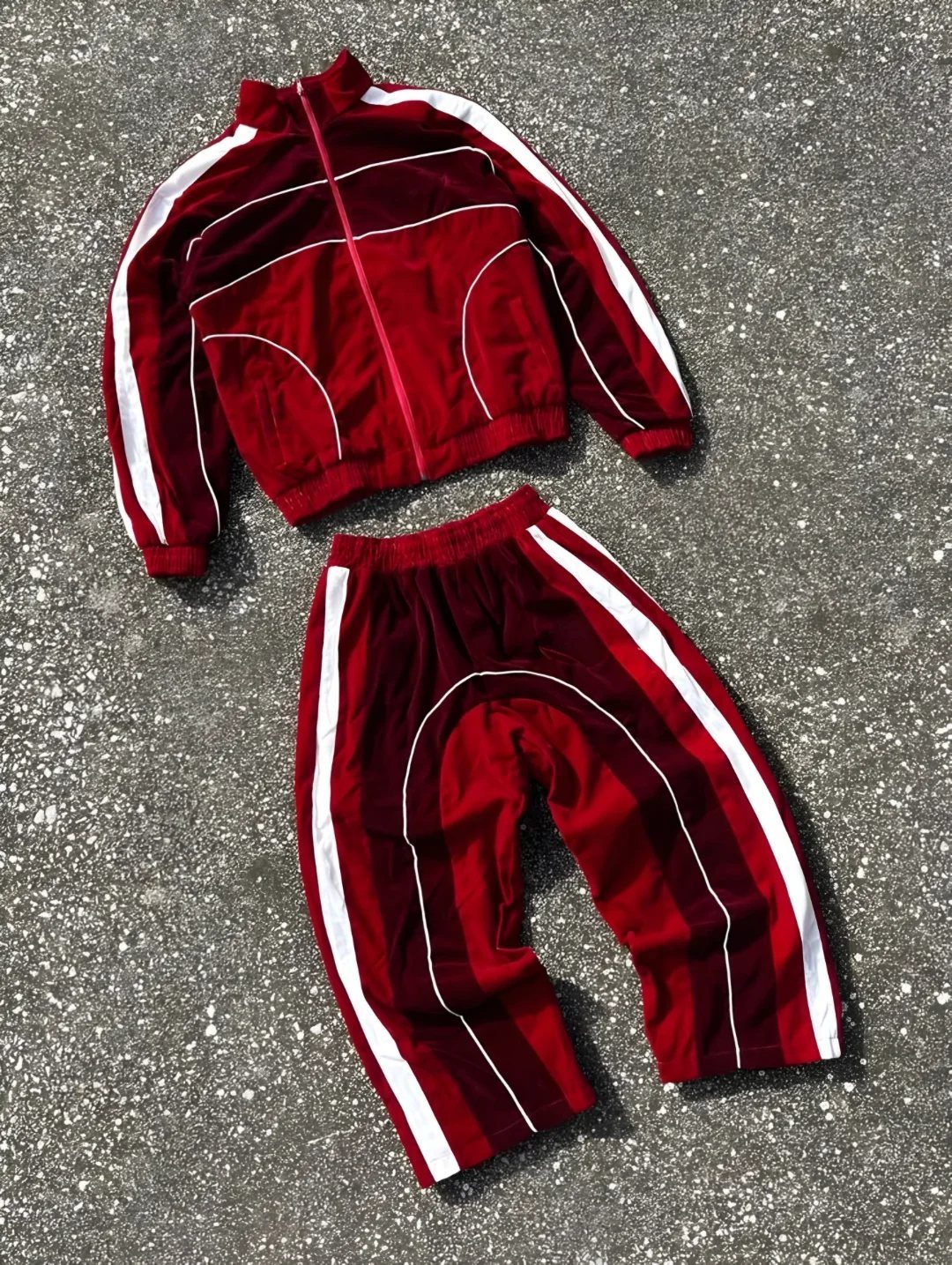
Juicy Couture made the velour tracksuit unavoidable, but the form works without the logo. Burgundy with white taping, zip-front jacket and wide leg, the kind of uniform you could fly in or recover from a flight in.
The fabric has a nap that photographs softer than fleece and reads richer than sweatshirt cotton. It wrinkles less than expected, which mattered when these were worn to airports and coffee runs alike.
I would not wear the full matching set now unless the color is this restrained. Break it with a white tank under the jacket, or swap the bottoms for jeans and keep the top as a casual blazer.
The velour jacket alone bridges gaps in a travel wardrobe; the pants are harder to separate without looking like you lost the top.
4. Joggers and Fitted Tanks
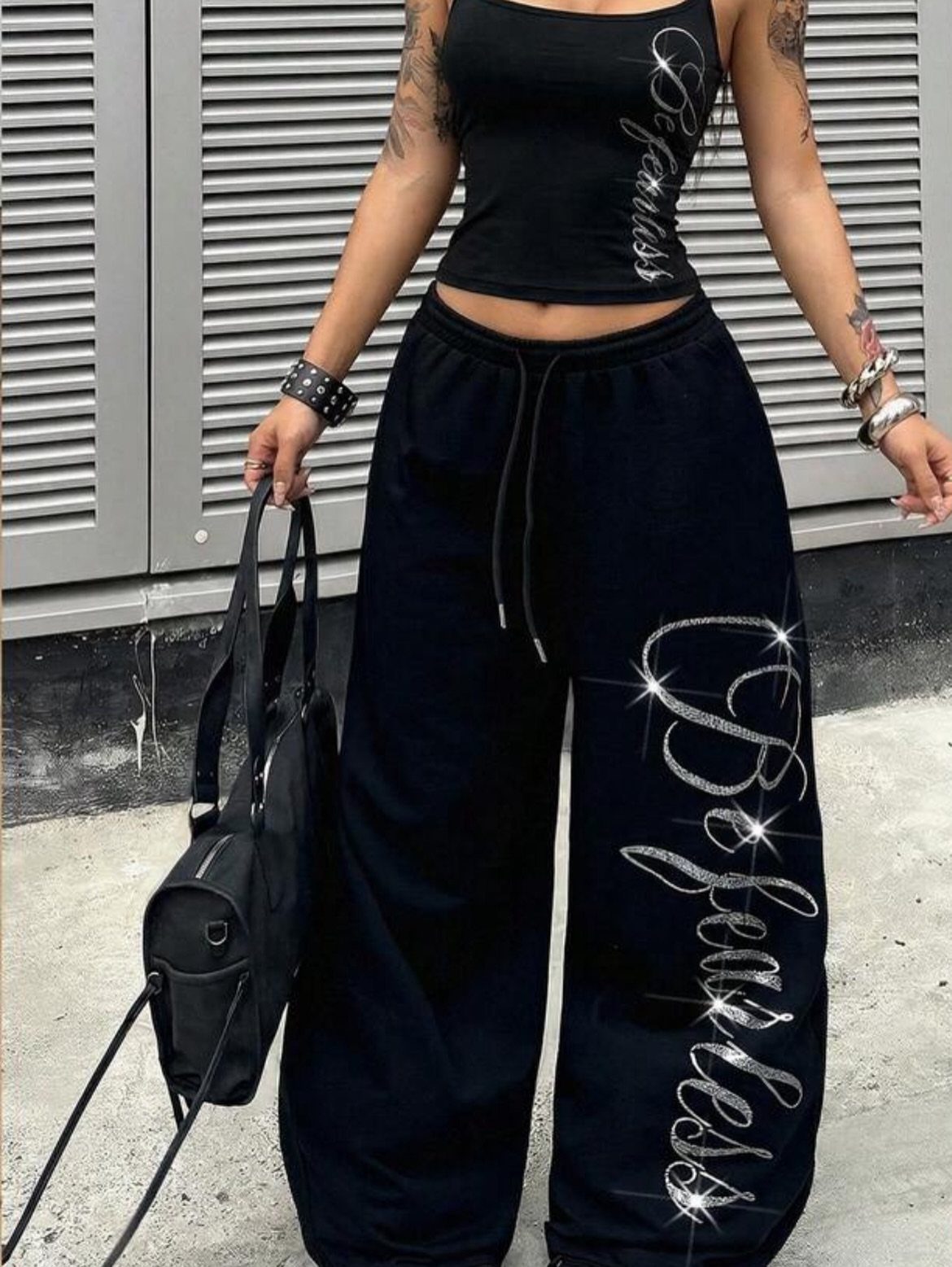
A fitted tank and baggy jogger is the Y2K answer to the suit separates principle: one piece holds close, the other floats.
Rhinestone lettering is optional. The shape is what carries.
This works for bodies that narrow at the waist, since the tank defines that line and the jogger drops from it.
The low waistband sits at the hip, not the natural waist, so the proportion reads long-torsoed. If you are short-waisted, a higher-rise jogger with the same tank changes the era but keeps the logic.
The tank should be ribbed or cotton with some grip, not drapey.
A loose tank loses the structure that makes this look intentional. Add the chunky sneaker from entry 1 and you have a full uniform.
5. Crop Tops and Baby Shirts
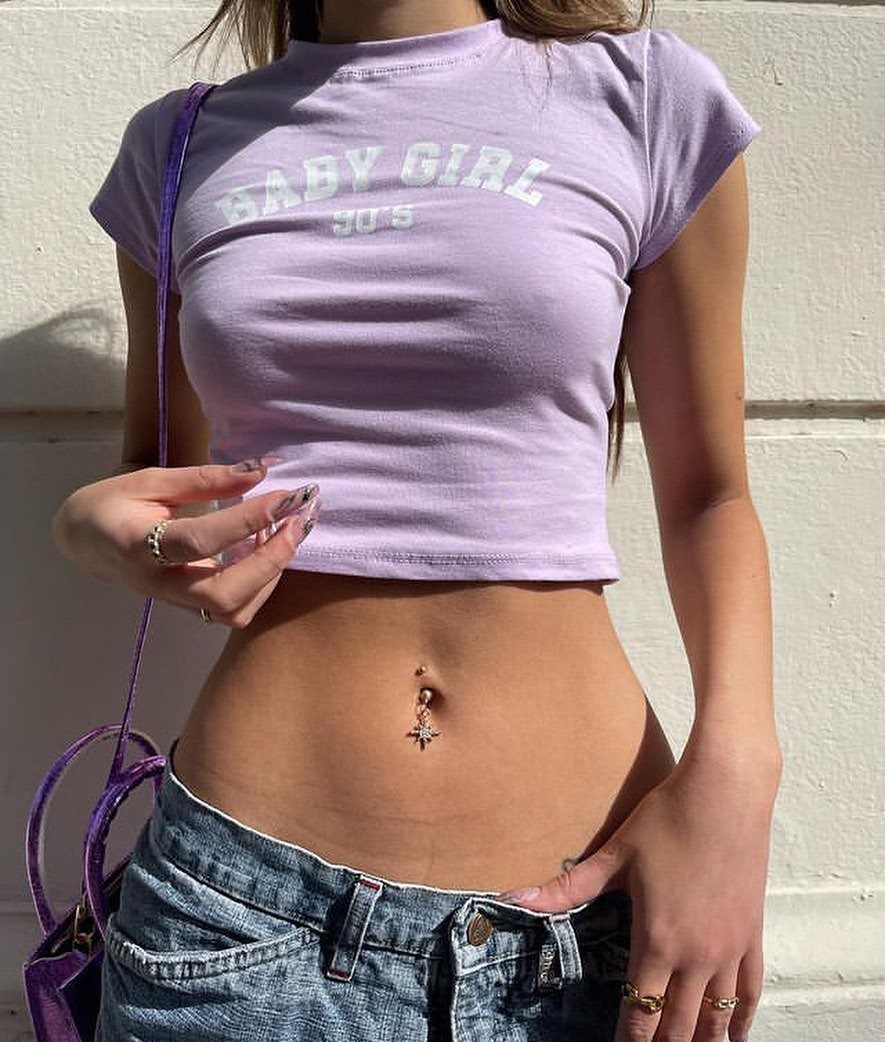
The baby tee is shorter than a standard crop, hitting just below the bust. Low-rise jeans sit below the navel, exposing the strip of midriff that the 2000s made unavoidable.
This pairing demands a specific body confidence or a willingness to ignore its demands.
Straight-leg jeans keep the proportion from looking too club-specific. A belly ring, visible here, was the period punctuation; remove it and the look softens toward casual.
For modern wear, I would raise the waist to mid-rise and keep the tee length.
The spirit survives without the full exposure. The baby tee works tucked into high-waisted denim too, but that is a different reference point entirely.
6. Chokers
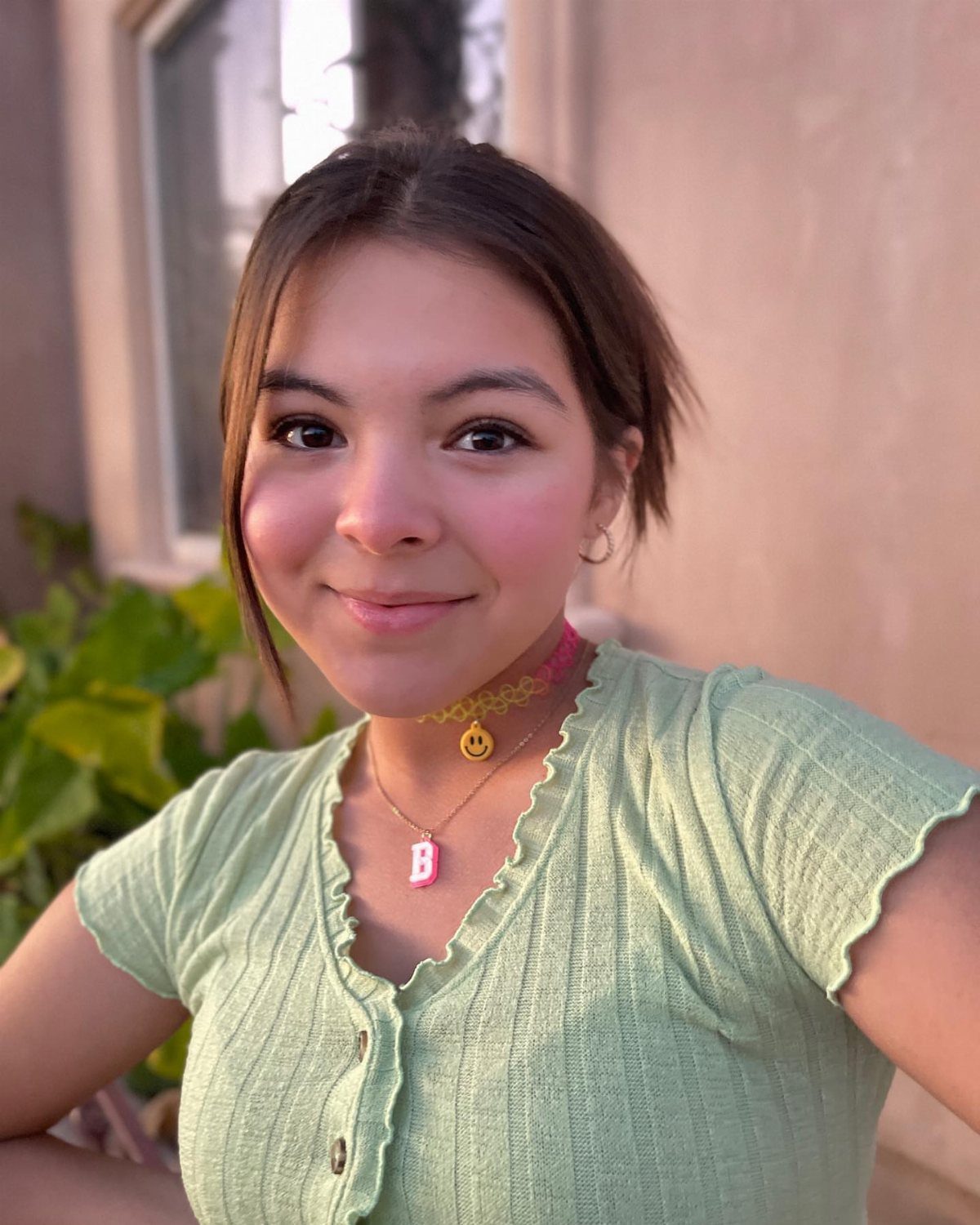
A choker sits at the throat, not the collarbone; the stretch tattoo band is the Y2K entry point, a colorful stretch with a charm dangling at center.
The pink beaded letter pendant layered beneath it shows how the era stacked, choker as base, longer chain as accent.
Velvet bands and chain links are the other period options.
Velvet reads softer, more prom; chain reads harder, more club. The tattoo band is the most casual and the most forgiving of neck size, since it stretches.
Layering works when the lengths sit at clearly different drops. 2 chokers at similar heights tangle and compete.
Small charms work without dictating the outfit’s mood; larger pendants become the whole statement. For daily wear now, I would keep the charm tiny or skip it.
7. Slogan T-Shirts
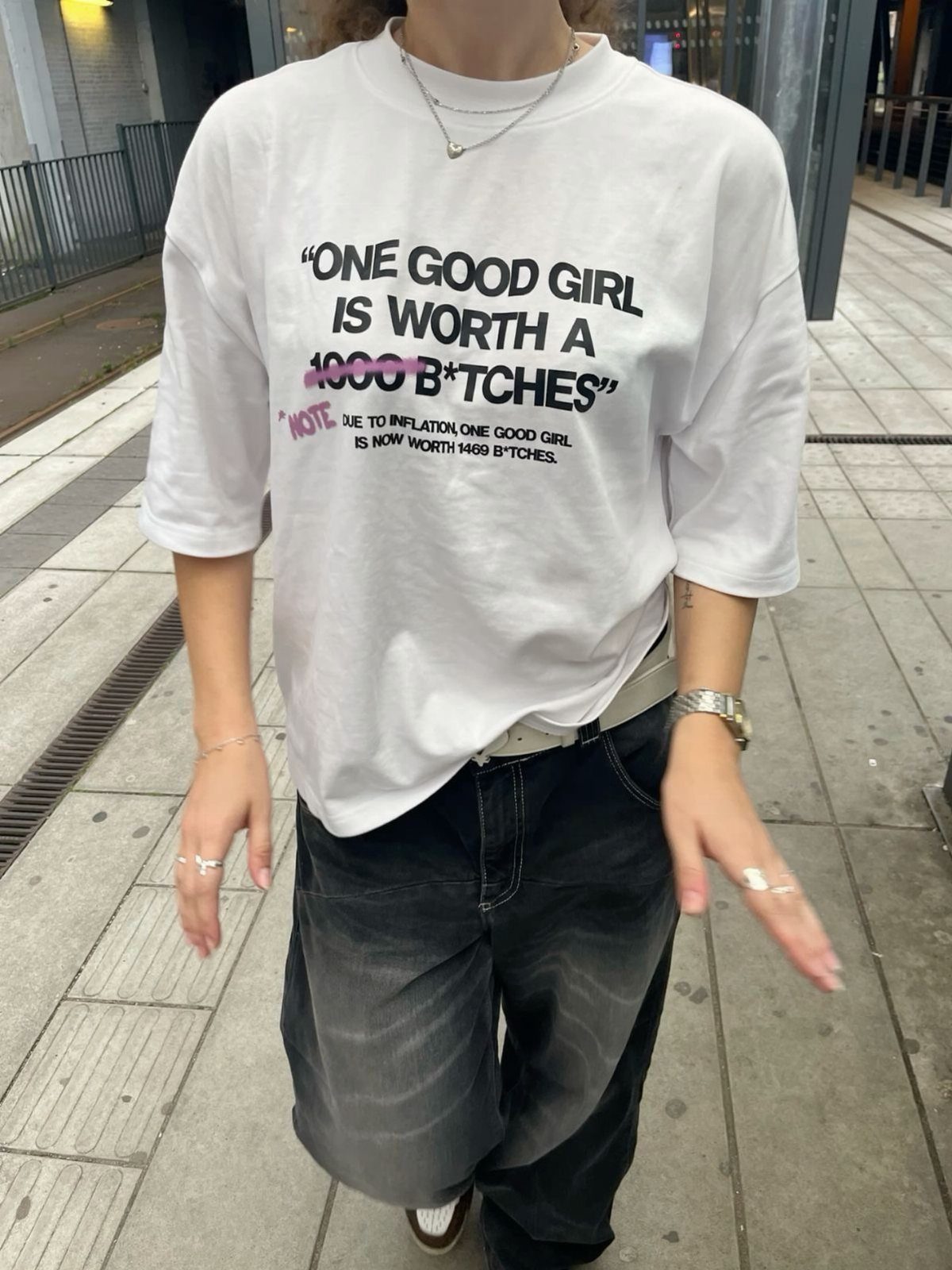
The Y2K slogan tee said something loud in plain black letters on white cotton: a band name, a brag, a joke you needed the reference to get.
The oversized cut dropped past the hip, meant to float over low-rise denim rather than tuck.
This version works now because the baggy shape has come back independent of the era.
The text is the variable; the silhouette is the constant. A phrase that dates itself too specifically reads costume, but a clean font on a worn-in tee passes as current.
For daily wear, I would pick the shirt for the cut and let the slogan be secondary. A smaller chest print or single word carries the same shape without the shout.
8. Rhinestone Embellishments
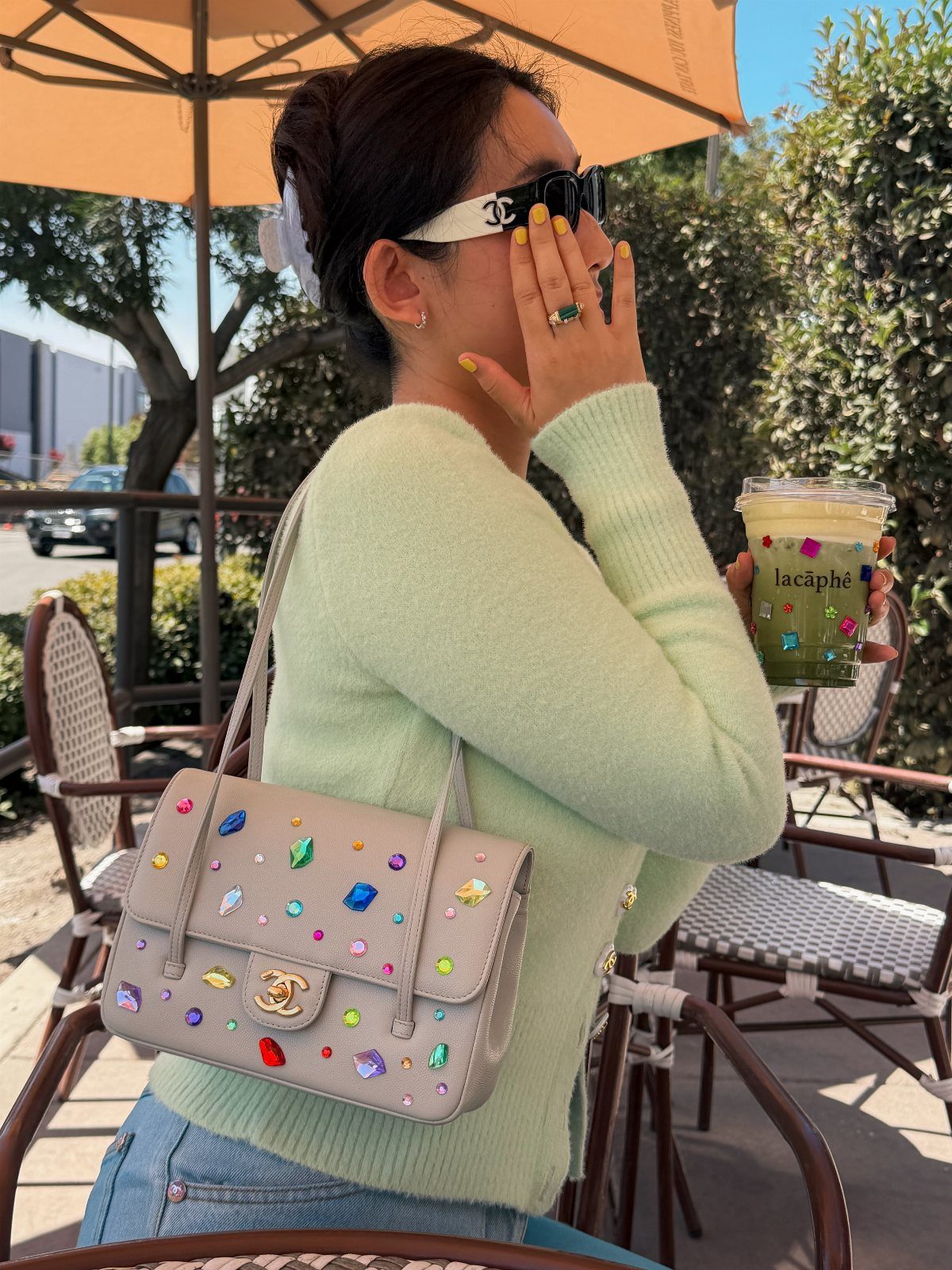
A rhinestone is the Y2K answer to embroidery: faster, flashier, catching light from a moving car. Colored stones across a flap read as pattern from a distance, detail up close.
This level of embellishment works on an accessory because you set it down. A full rhinestone garment demands the whole evening; a bag or a belt studded with them upgrades jeans and a tee without the commitment.
The mint cardigan and logo sunglasses nearby show the era’s habit of mixing one loud piece with quieter ones.
For modern wear, I would keep stones to one item and let the rest of the outfit recede.
The jacket or the bag, not both. Colored stones keep the look from reading as formal; clear rhinestones edge toward pageant, colored ones toward street.
9. Studded Belt with Denim
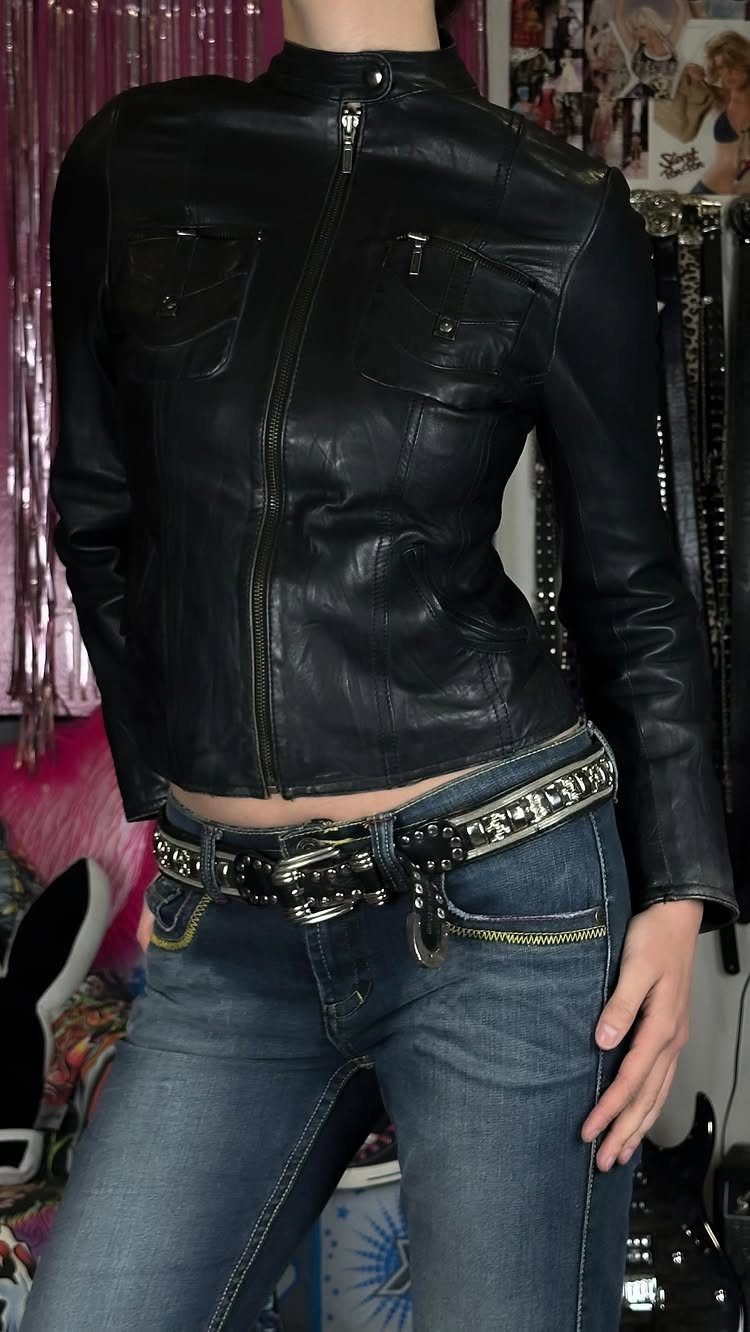
A wide, black, metal-heavy studded belt sits at the low waist of blue denim with a cropped leather jacket above. This three-piece combination was the uniform of the era’s harder edge: moto rather than pop.
The belt does the work of jewelry at the waist, drawing the eye to the low rise rather than the hip itself.
The studs are flat, not pointed, which matters for leaning against car doors or café chairs. A pointed stud reads punk; a flat dome reads club.
The leather jacket and studded belt together lock the reference too tightly; one or the other leaves room for the rest of the outfit to move.
10. Chunky Colorful Bangles
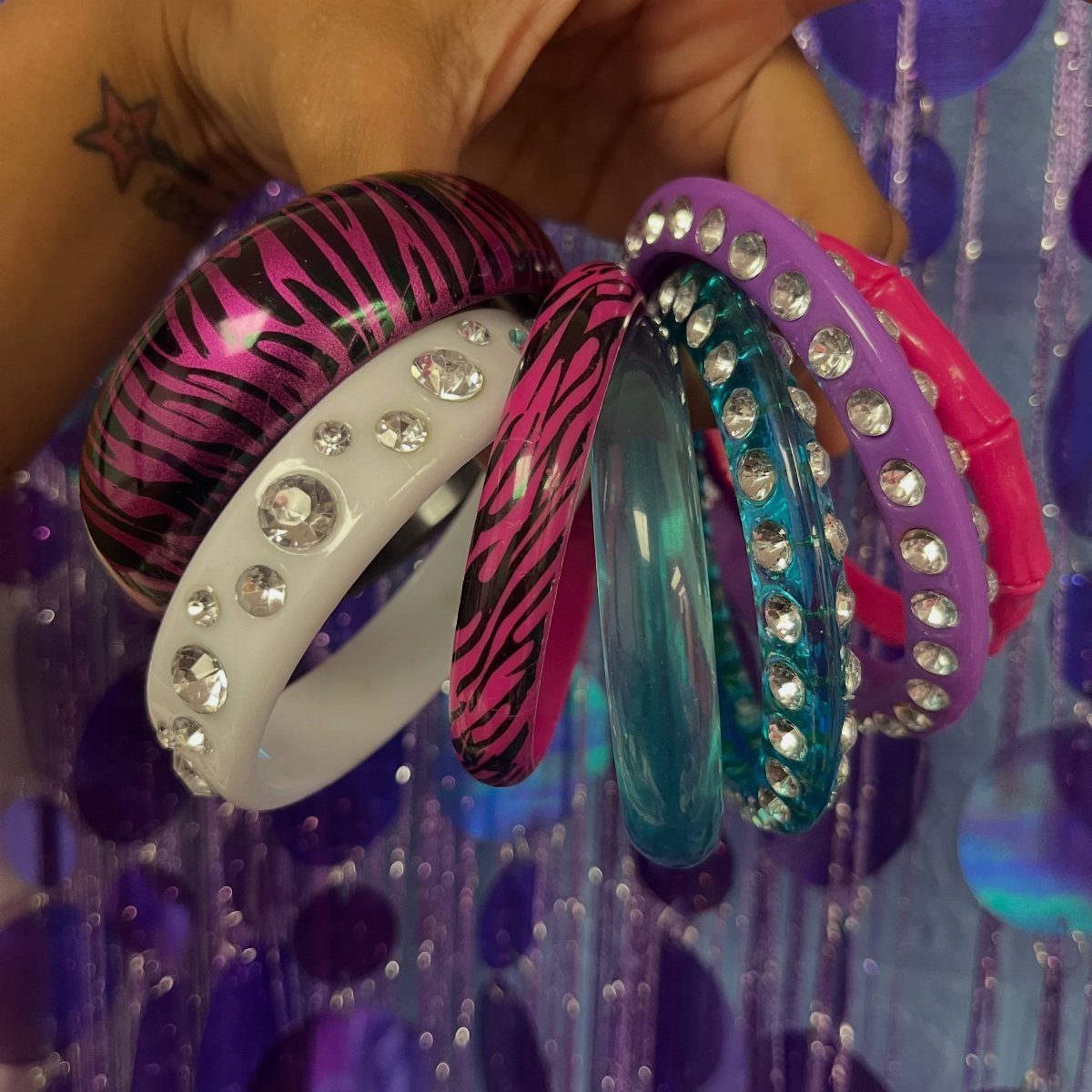
Thick plastic bangles in zebra print and rhinestone, stacked until they clack: the arm party of the era, bought by the armful at Claire’s and Icing. Pink animal print beside clear glitter, sized to slide or squeeze.
The weight is the first check.
Ten bangles on one wrist fatigue the arm by noon; five is noise enough. The second check is the sound, plastic knocking on desks and doorframes, acceptable or not depending on your day.
For modern wear, I would pick one color story from the stack and wear three at most. The full arm reads as found object; the edited stack reads as choice.
11. Halter Neck Tops
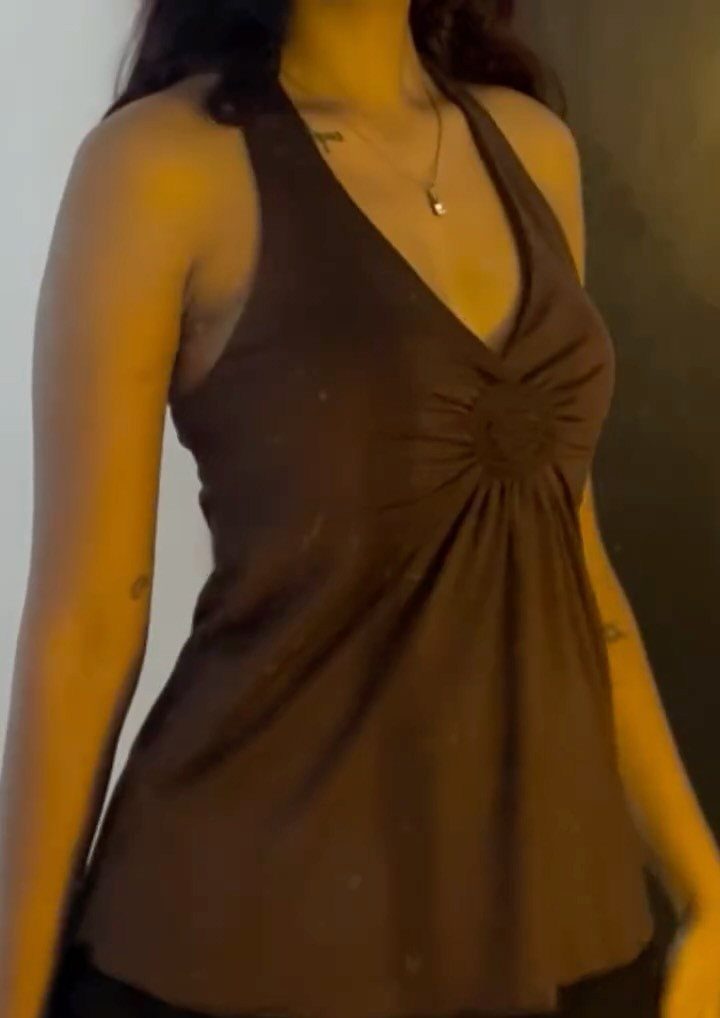
A halter ties at the neck and leaves the shoulder bare, the back open to the blade. Gathering at center front, ruched into a circle, breaks the flat plane of the chest.
This cut suits shoulders that carry width well, since the eye travels to the collarbone and the arm’s outer line.
The neck tie needs a strapless bra or none, which is a decision before the top is even bought. The ruched detail adds volume where the bust is slight; on a fuller chest, it reads as extra bulk.
For modern wear, I would pair this with wide-leg trousers rather than the era’s low-rise flares. The halter’s vertical line needs balance below, and a fuller leg keeps the silhouette from feeling too exposed.
12. Iridescent Holographic Tailoring
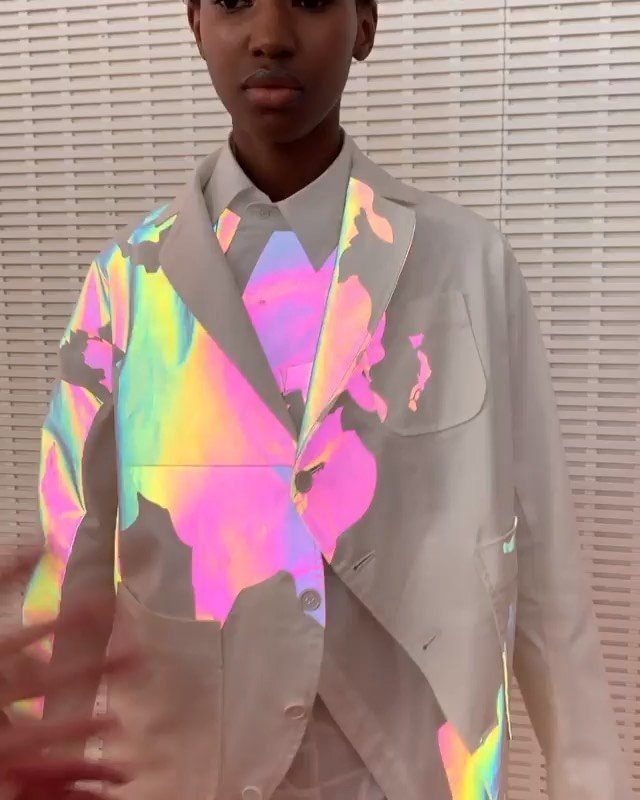
Iridescent panels on a white suit catch light and throw it back in shifting color, the fabric equivalent of a CD surface. Holographic patches laid into tailoring, like a jacket and vest, read differently than the same effect on clubwear.
This is the Y2K future aesthetic made literal, the millennium’s promise of technology worn on the body. The white base keeps it from full space suit; the patches are event-scale, not daily.
A full holographic garment is a statement you cannot take back; a single stripe or pocket flap nods to the era without the full commitment.
The material is stiff and warm, so this is a night piece, not a day one.
13. Zebra Bucket Hat and Fur
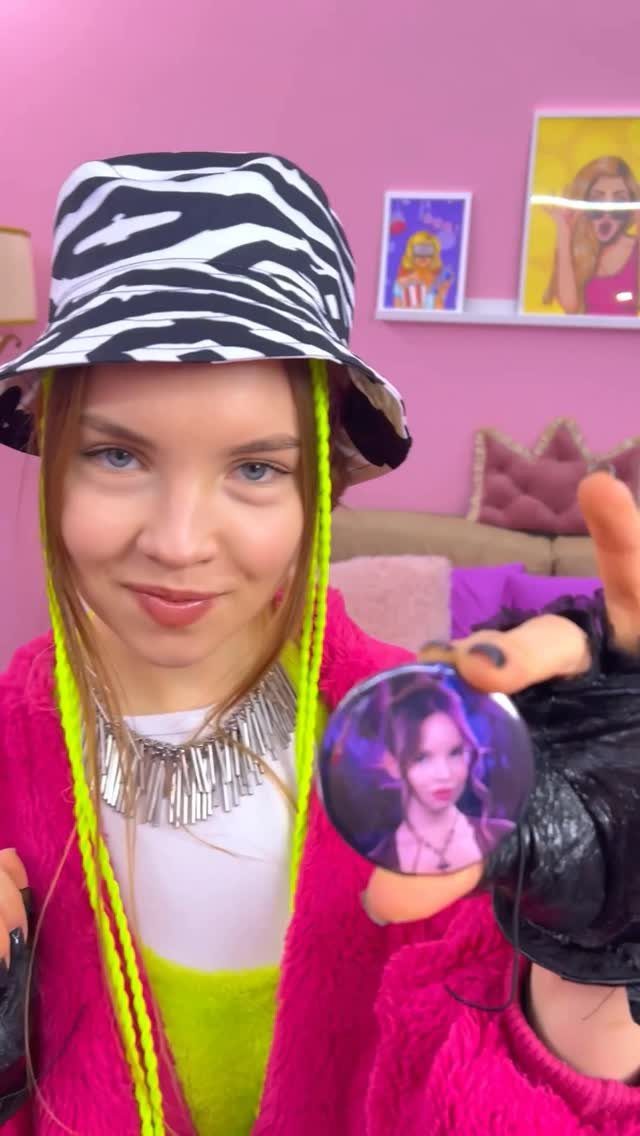
The zebra bucket hat reads louder than a solid color because the print moves with you, turning the head into the outfit’s focal point. A fuzzy jacket in hot pink keeps the texture clash deliberate: smooth stripes against raised pile.
This pairing works for someone who already owns neutral outerwear and wants one piece that shifts the whole mood. The bucket hat brim is short, so it shades less than a baseball cap; the trade is style for function.
For modern wear, I would pick the hat or the jacket, not both together.
The zebra print alone upgrades a black puffer and jeans; the pink fur alone does the same work over a white tee. A single chain keeps the look from reading as costume, though the era loved layering necklaces.
14. Low-Rise Denim Jeans
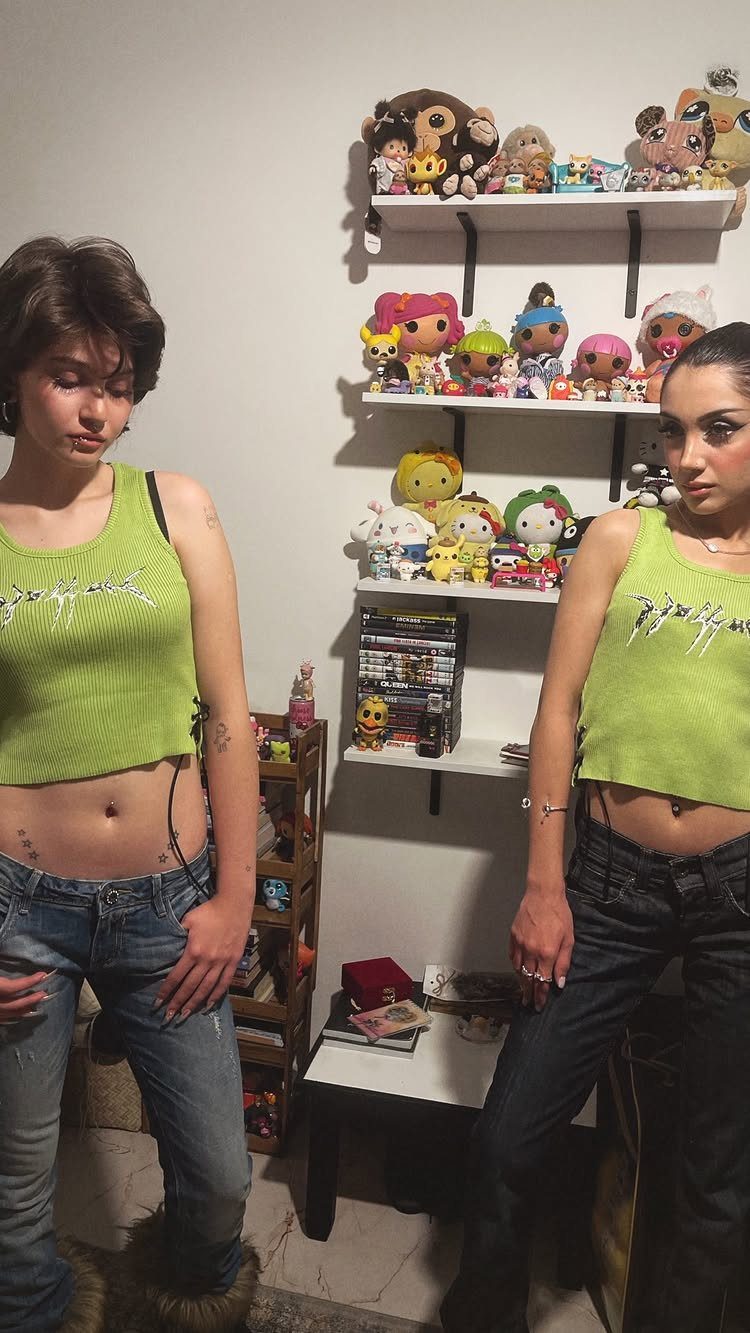
Low-rise jeans sit well below the navel, the waistband resting on the hip bone where a belt would ride.
The lime green tanks above them are cropped to meet the denim, not to float above it; the gap is minimal, the color doing the work the bare midriff once did.
This rise demands a specific hip shape to stay put without a belt.
Narrow hips and a longer torso carry it more easily; curvier hips tend to push the band down through the day. A flared or baggy leg balances the low waist better than the skinny cuts that closed the era.
For modern wear, I would try the baggy low-rise with a fitted tank tucked or a baby tee untucked.
The cropped tank stays truest to the period but exposes more than most days require. A fitted blouse, as one note suggests, raises the formality without changing the rise; that is the version I would wear first.
How to Style Y2K Fashion
A single Y2K piece needs modern ground to stand on.
The chunky sneaker from the list works because current denim already carries its weight; the butterfly clip reads as irony against a plain black tee rather than costume against a full coordinated set.
One statement per outfit is the practical limit. The zebra bucket hat or the pink fur jacket, not both.
A halter top with wide-leg trousers from a current label keeps the shape without the era’s low-rise cut. This is how the reference survives without the full period commitment.
Proportion is where the era’s logic still holds. Reverse both to fitted or both to loose and the silhouette collapses into something accidental.
As for Y2K’s absorption into the upper echelons of fashion, it’s perhaps little surprise that Marc Jacobs—one of the industry’s most reliable bellwethers—was among the first to embrace it.
— Vogue
Celebrity Influence
Britney Spears and Paris Hilton did not invent the velour tracksuit or the rhinestone accessory, but they broadcast both at a scale that made them unavoidable.
Before feeds and algorithms, MTV played the same video hourly and supermarket magazines printed the same paparazzi shot weekly; repetition did what targeting now attempts.
Aaliyah moved the same era in a different direction, her baggy pants and cropped tops reaching viewers who found the pop-star version unrelatable. The list’s jogger and fitted tank entry carries that lineage more than the Hilton one.
Television spread it further. The OC aired what the music videos implied: how these pieces looked in daylight, at school, in a kitchen.
On the red carpet, Y2K read as a full velour tracksuit; what people actually wore broke it up with something simple, like a white tank underneath.
Nostalgia and Modernity
The 20-year cycle is not a law but a pattern, and the early 2000s have arrived at their turn.
What drives this particular revival is the specificity of the source material: Y2K fashion was built for photography, every piece designed to catch flash and hold color under cheap printing. It translates naturally to screens.
TikTok and Instagram accelerate what television once slowed. A butterfly clip styling video reaches its audience in hours rather than weeks; the feedback loop between seeing and buying and posting collapses to days.
This is why the trend feels louder than its actual adoption: the documentation outpaces the wearing.
For those who lived it the first time, the return carries the particular discomfort of hearing your own adolescence described as historical.
For those discovering it, the era’s optimism reads as novelty against more recent decades of restraint. Both audiences want the same pieces for different reasons; resale prices reflect the doubled demand.
Sustainability Concerns
Fast fashion’s reproduction of Y2K shapes raises the same problem as its reproduction of any shape: the garment is made to be worn briefly and discarded, which is not how the original pieces were built.
The era’s velour tracksuits and rhinestone embellishments were expensive at purchase; their survival in thrift stores testifies to construction that outlasted the trend.
Secondhand shopping is the practical response. Thrift stores in most US cities carry authentic Y2K pieces at prices below contemporary reproductions, and the hunt is narrower now that the reference points are current again.
The list’s studded belt, the chunky bangles, the tattoo choker: these were mass-produced once and resurface constantly.
The environmental cost is not unique to this revival.
What distinguishes Y2K is the speed of the copy, the way a TikTok-viral shape appears in polyester within the month. Waiting for the thrifted version slows that cycle without requiring a rejection of the aesthetic itself.
Frequently Asked Questions
What is Y2K fashion?
Y2K fashion covers the clothing styles from roughly 1997 to 2005, built around the turn of the millennium.
The look mixes shiny fabrics, low-rise silhouettes, and bold accessories with a futuristic optimism about technology and the digital world. It was designed for photography and screens, which is partly why it translates so naturally to social media today.
Is Y2K still trending in 2026?
The documentation still outpaces the actual wearing. TikTok and Instagram amplify the look beyond how many people actually wear it, since a styling video hits feeds in hours and the gap between watching and purchasing has shrunk to days.
The doubled demand from 2 audiences, those reliving it and those discovering it, keeps resale prices up.
Why is Gen Z so obsessed with Y2K?
For Gen Z, the era reads as retro novelty rather than lived memory.
The fast cultural change of the 2000s, driven by September 11, the war on terror, and rapid technology shifts like the iPod, created a period that now feels distant enough to mine for style.
The aesthetic’s deliberate fun, its sparkle and loud color, reads as relief after years of restraint in more recent decades.