The 9 dresses below run from a one-shoulder cut you could wear to dinner to a full organza gown built for black-tie galas, and the fabric is what decides which one belongs to your calendar.
Chiffon moves like water for outdoor summer weddings; velvet in burgundy drinks light and gives it back slowly for winter formals.
1. Floor-length Red Gown
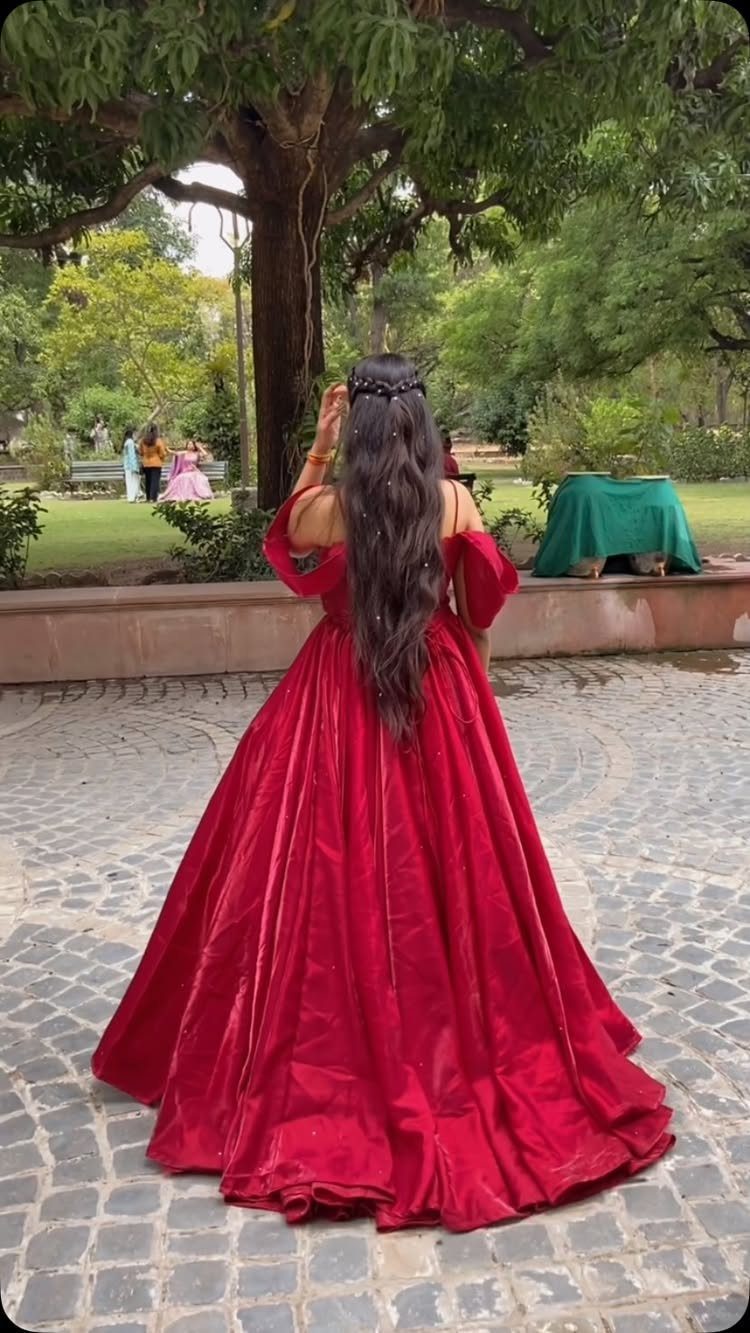
A floor-length red gown carries the room before you speak. The fitted bodice keeps the shape controlled, while the skirt moves enough to register on camera and in memory.
Satin holds the color at full saturation under event lighting; velvet drinks light and gives it back slowly, which reads as depth rather than flash.
Off-the-shoulder straps need the exact right underpinnings, so budget for a fitting or plan to wear your own tested strapless base underneath.
I have seen this work for black-tie weddings, charity galas, and anywhere the invitation says "formal" without specifying era.
2. Red Satin A-line Dress
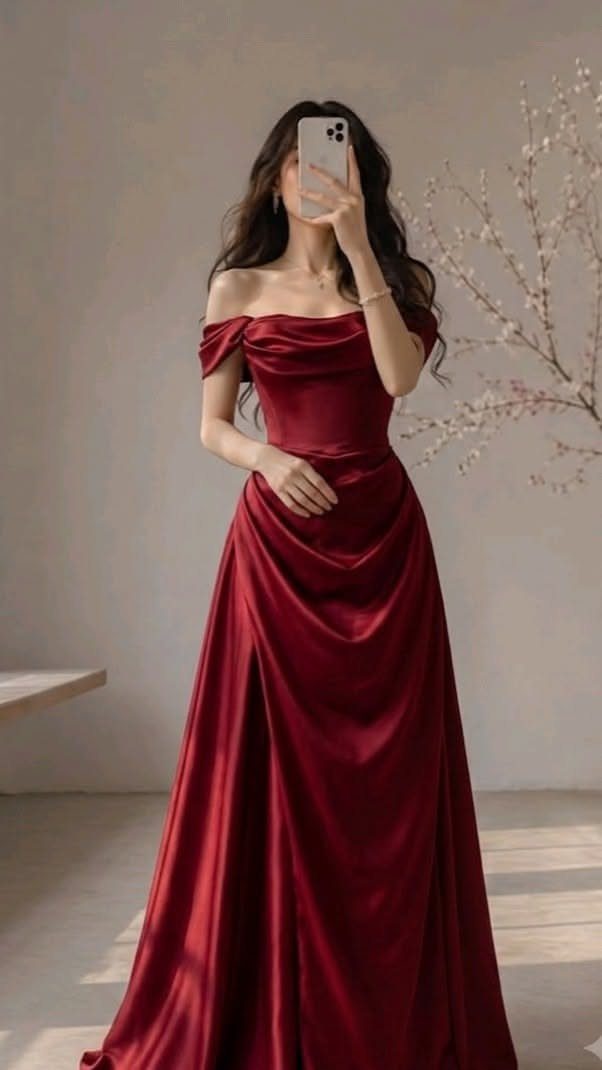
Satin A-line dresses solve the problem of wanting drama without the body-con negotiation. The fitted bodice defines the waist, then the skirt does the work of presence from the hips down.
Off-the-shoulder versions need a good tailor to keep the neckline from sliding; the weight of satin helps, but only if the construction is right.
I would wear this with a single piece of jewelry, a gold cuff or drop earrings, and let the fabric handle the rest. Black strappy sandals ground the look without competing.
3. Burgundy Velvet Gown
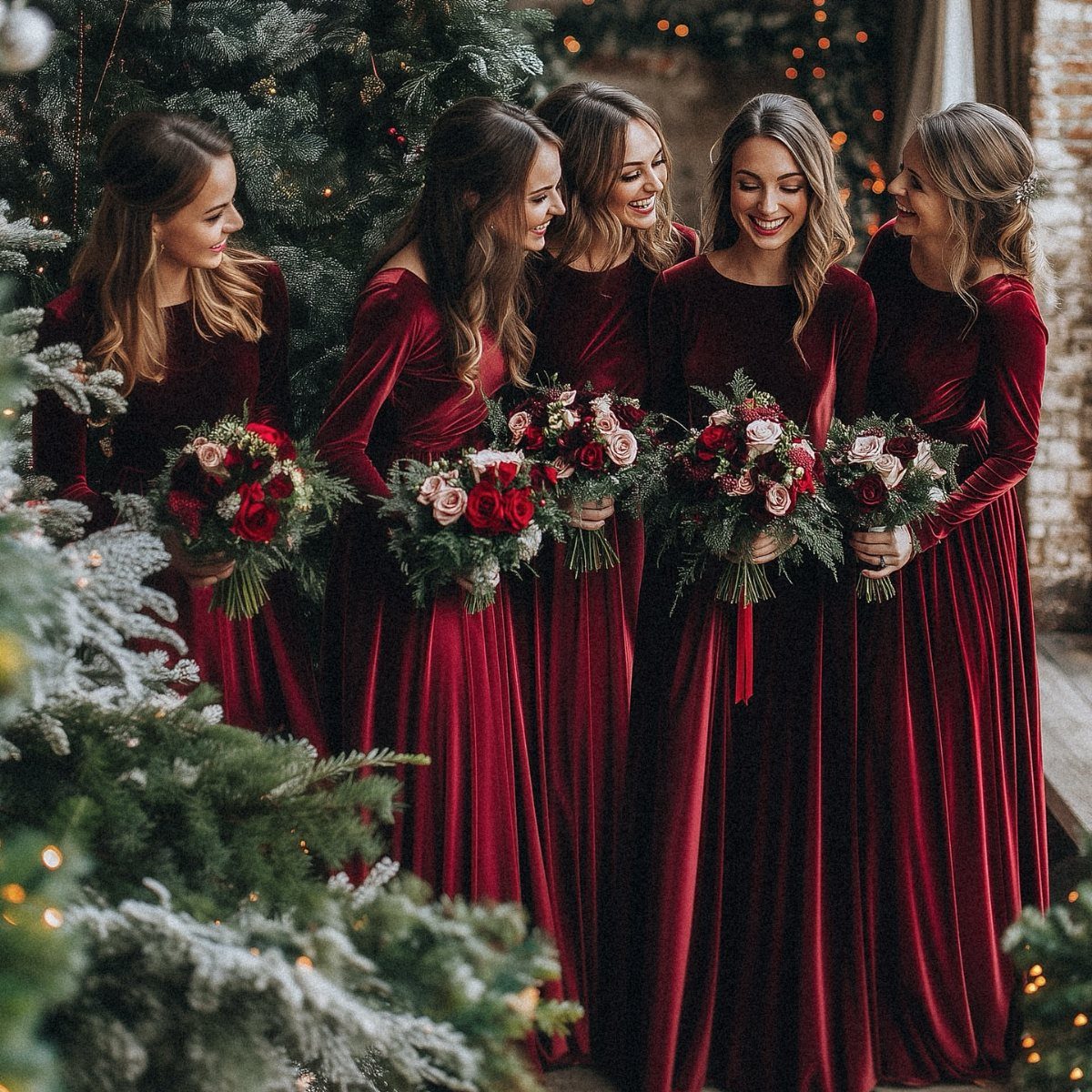
Velvet in burgundy reads richer than true red, and the fabric’s natural pile forgives more than satin or crepe will.
Long sleeves make this wearable from October through March without a coat strategy. The V-neckline is the common cut; if you are broader across the shoulders, look for a portrait or square neck instead to balance the vertical line.
I have noticed velvet photographs slightly darker than it appears in person, so check a test shot if this is for a documented event. Bridesmaid duties, winter formals, and holiday parties are where this lives.
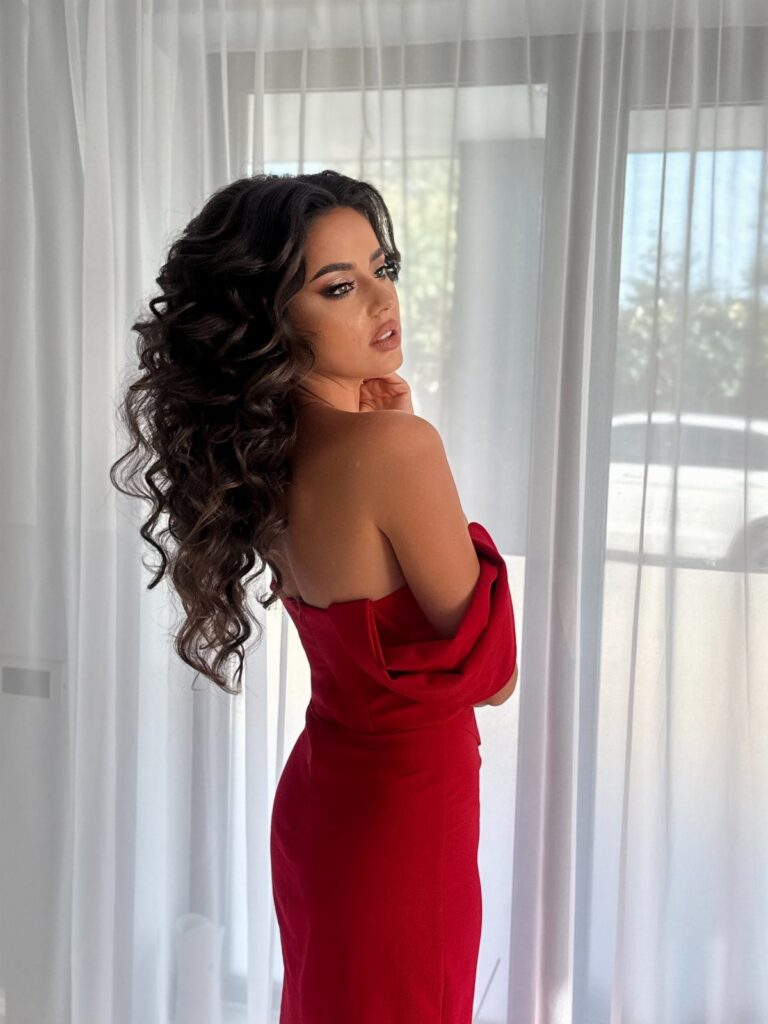
4. One-shoulder Red Dress
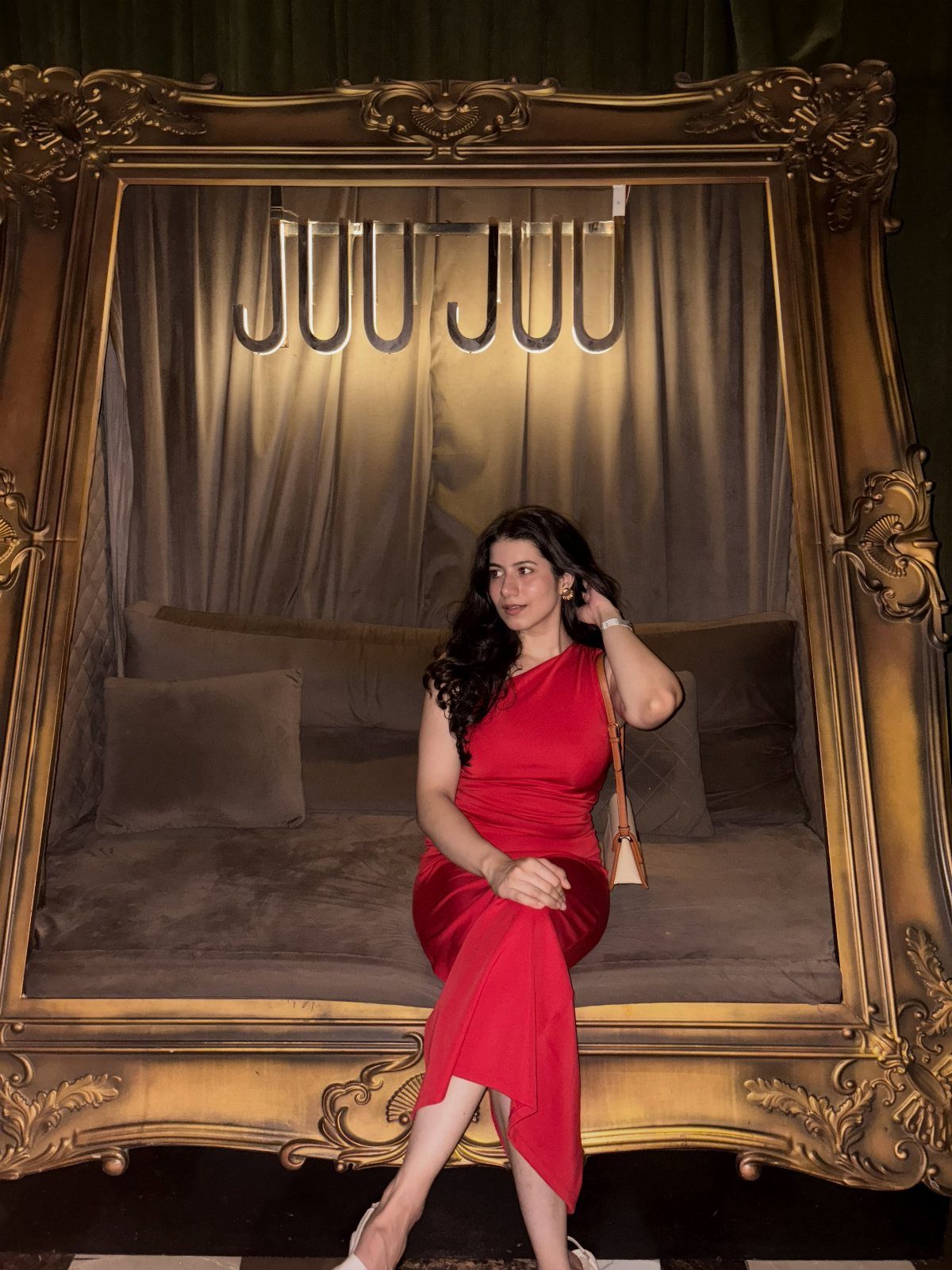
One-shoulder construction is asymmetry done with confidence. The single strap draws the eye up and across, which elongates the neck in a way both straps together rarely manage.
Draped fabric on the bare side keeps the look from feeling incomplete; stiff fabric here would read as missing rather than chosen.
A gold cuff sits well on the arm with the strap, and a small clutch in a metallic keeps the gesture clean. I would avoid a necklace entirely and let the neckline be the jewelry.
5. Red Lace Dress
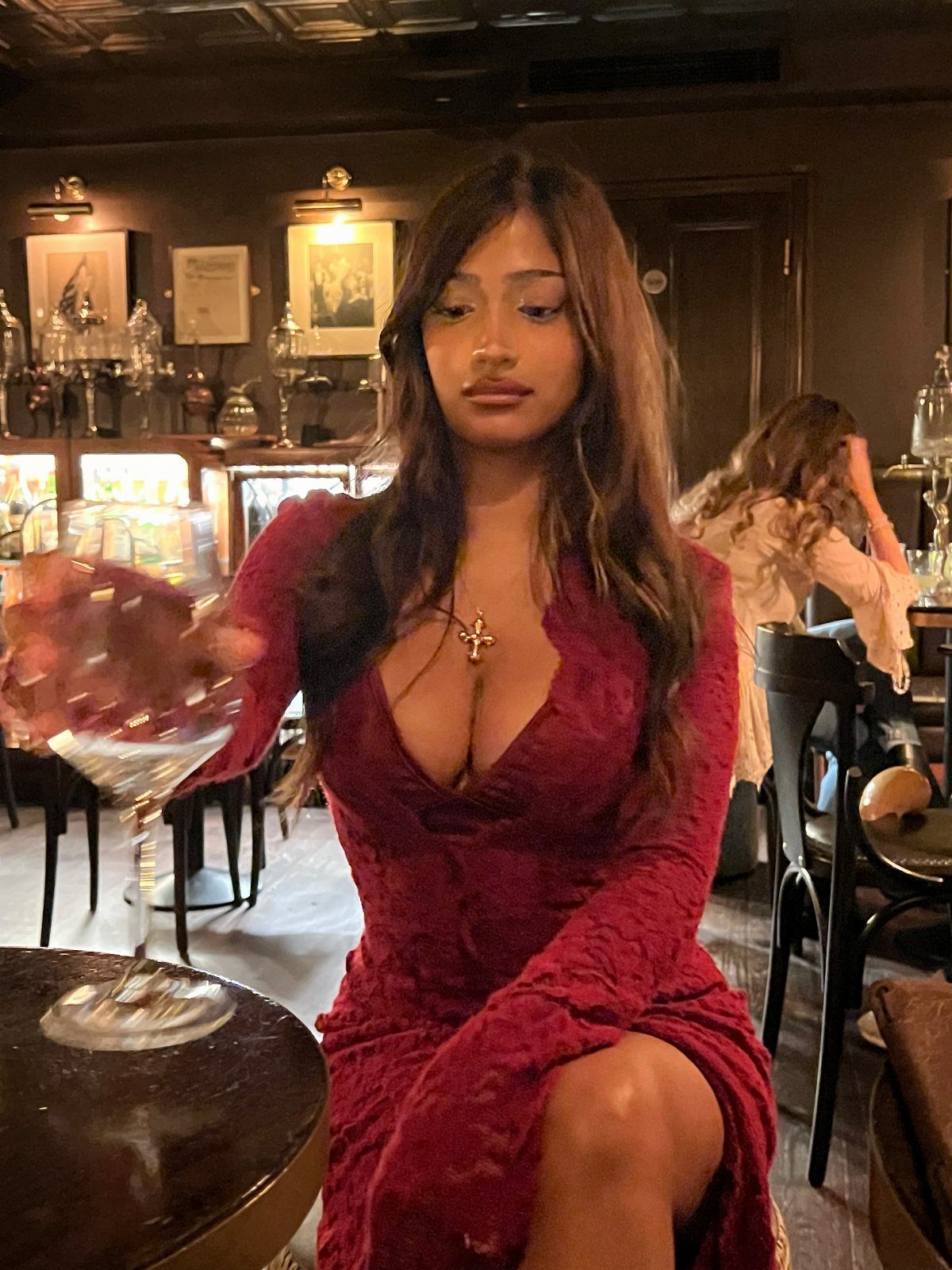
Red lace operates on texture first, color second. Floral embroidery adds dimension that reads as luxury at conversational distance, and the fitted silhouette keeps it from going costume.
Long sleeves balance the sheerness of the fabric; if you find a sleeveless version, plan for a cover-up in air-conditioned rooms.
I have worn lace to weddings where I wanted to look dressed without upstaging, and to dinners where the lighting was low enough that the texture mattered more than the exact shade.
A black clutch and red strappy heels finish it without overthinking.
6. Red Crepe Dress
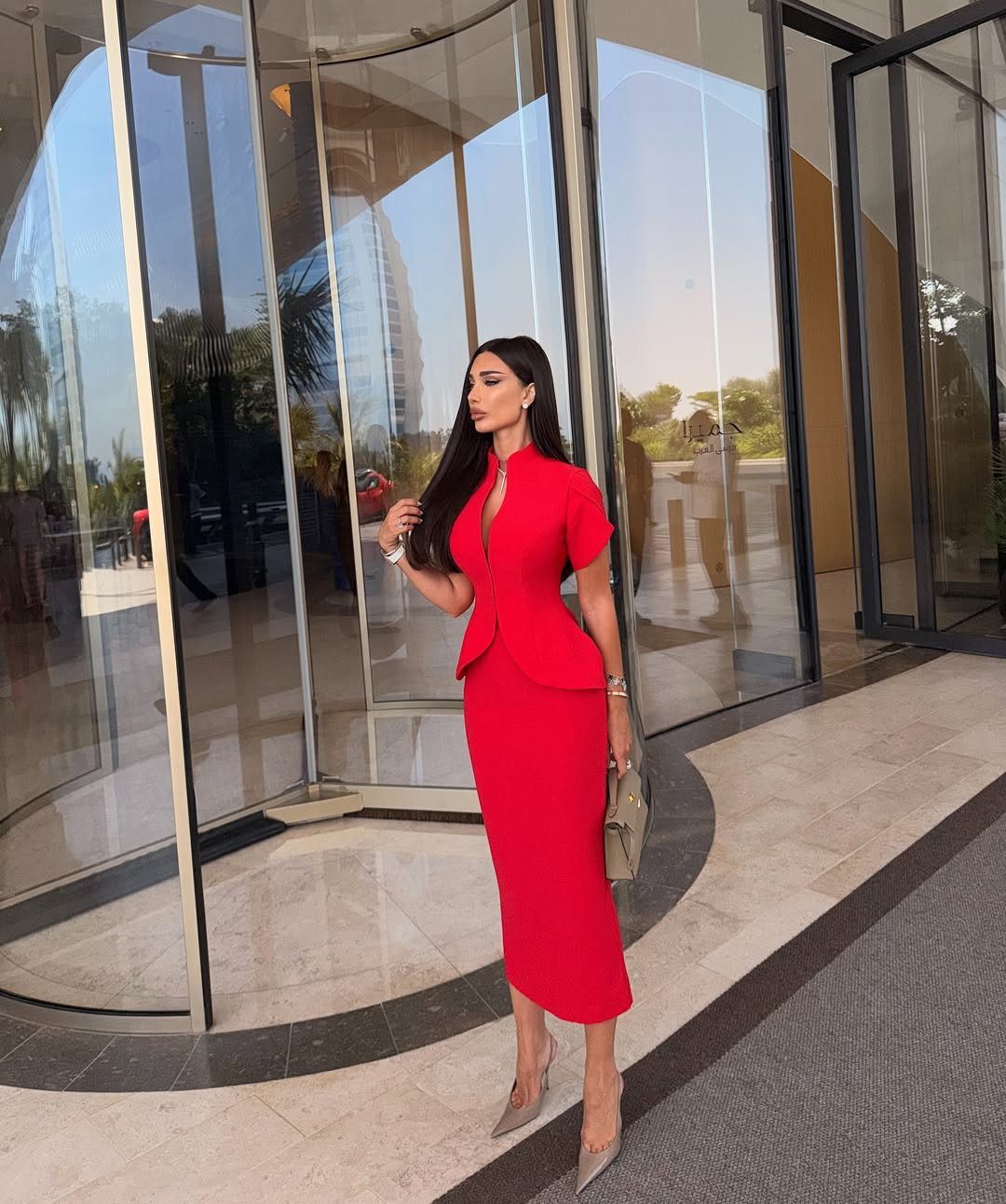
Crepe holds a pressed shape and resists wrinkles, which makes it the right choice when you will be seated, then standing, then photographed. The peplum detail visible here adds structure at the waist that reads as tailoring rather than embellishment.
Asymmetrical necklines in crepe need to sit exactly; if the shoulder line is off by even half an inch, the whole dress looks borrowed.
I would take this to a tailor to anchor the peplum seam at my natural waist, not where the pattern assumes it lives. Short sleeves keep this workable for daytime formals and office-adjacent events where bare shoulders would need explanation.
7. Red Chiffon Dress
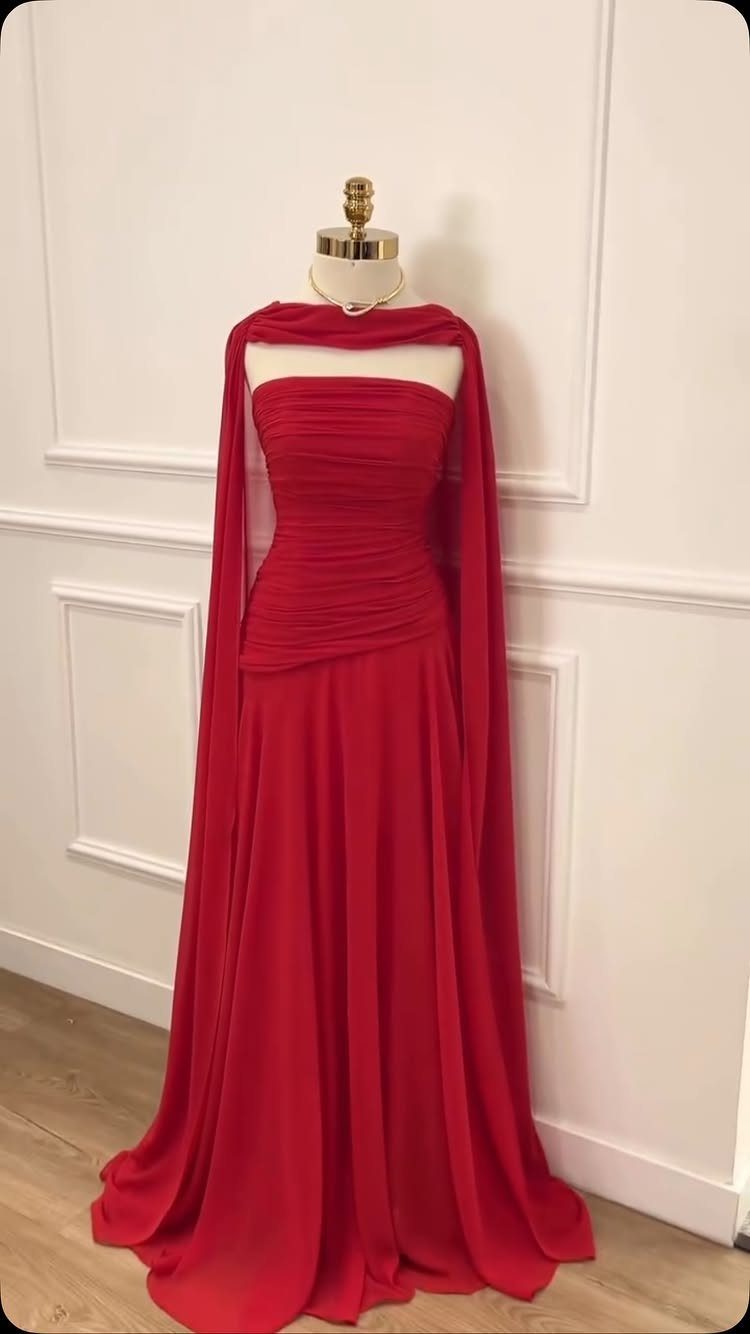
Chiffon moves like water and weighs almost nothing, which makes it the right red for outdoor summer formals where heat is the enemy.
Ruching on a strapless bodice keeps it in place without constant tugging; a halter choker variation works better on narrower shoulders, though you lose some comfort for that vertical line.
The straight strapless bodice common in these cuts needs skin-tone underpinnings, not a standard strapless bra whose band might show.
Pleated skirts in chiffon need length to develop their rhythm; a high-low hem is the shortcut, but the full floor-length reads as the investment it is.
I would wear this to garden weddings, rooftop parties, and anywhere the event starts in daylight and runs past sunset.
8. Red Organza Gown
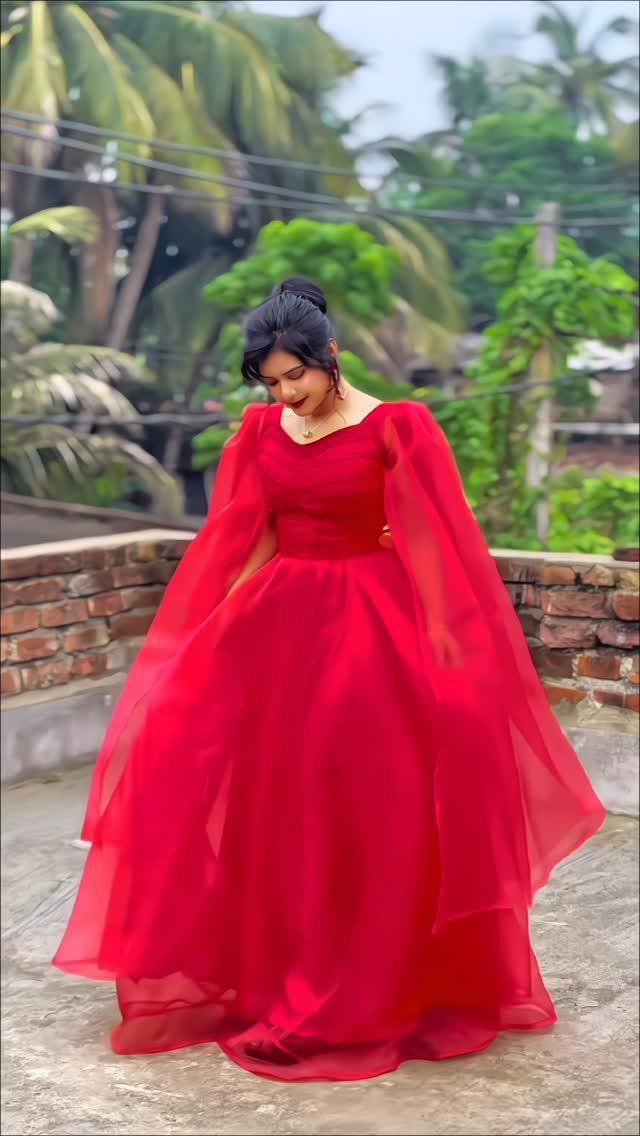
Organza is architecture you can wear. Layered ruffles give sheer volume without a crinoline, so the skirt holds its shape while the weight stays manageable.
Cape sleeves in organza give coverage without the heat trap of lined fabric; they also catch wind outdoors, so plan your entrance accordingly.
The structured bodice is doing serious work here. Without it, the skirt’s volume would swallow the figure entirely.
This shape works at proms, formal galas, and weddings where the dress code reads "black tie encouraged" and you plan to show up for it. Gold drop earrings are enough jewelry; the dress is already the conversation.
9. Red Mermaid Dress
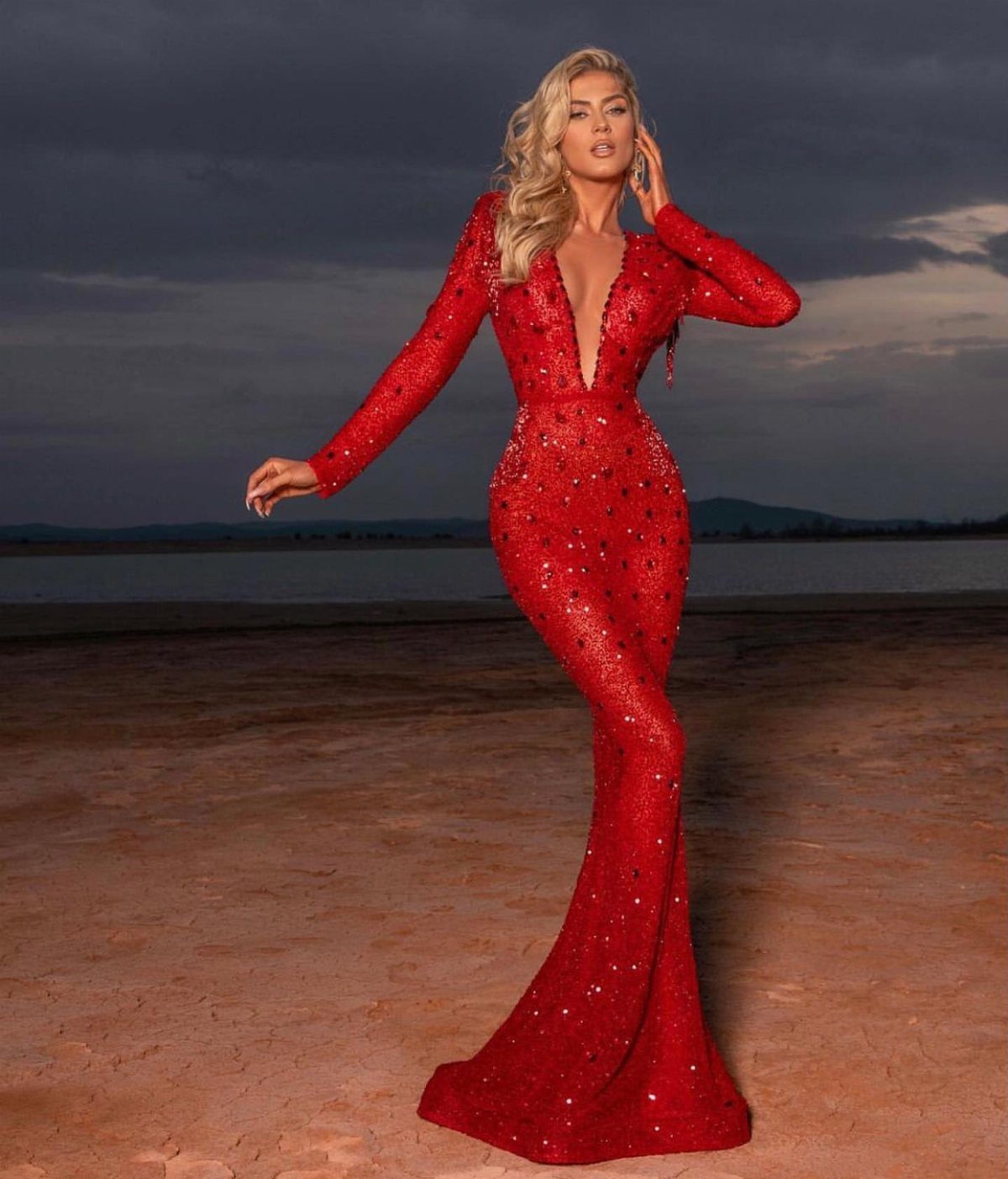
The mermaid silhouette is the most demanding fit in formalwear, and the most rewarding when it is right.
Sequined crepe follows the body from shoulder to knee, then flares sharply; that flare needs to hit exactly at the knee, not above or below, or the proportion falls apart.
A plunging neckline leans into the drama of the shape, and long sleeves balance the exposure below.
This cut suits an hourglass or pear shape directly; if you are straighter through the hips, the fit will need taking in at the waist and letting out below, which not every seam allowance allows.
I would check that before buying. The sequins here catch low light beautifully; for daytime, unadorned crepe in the same shape is the quieter choice.
Occasions for Wearing Red Dresses
A red dress at a wedding walks a line: you want to look dressed, not like you are claiming the day.
Charity galas are simpler; the room expects someone to wear the color fully, and a floor-length gown answers that without apology.
Date nights are lower stakes but not lower standards; a one-shoulder cut or draped satin reads as intention rather than convenience.
The only occasion I would skip is a daytime event with no transition to evening; red at noon in a garden can feel like a category error unless the fabric is chiffon and the cut is loose enough to read as resort rather than runway.
Styling Tips for Red Dresses
Neutral accessories are not a default; they are a decision to let the dress carry the weight.
Gold or silver jewelry both work against red, but I would choose one metal and stay there; a gold cuff on the one-shoulder arm makes sense because the bare side invites it, while a necklace where the neckline is already the feature does not.
Opera gloves in a matching burgundy extend the line of a mermaid or fitted gown, though they need an occasion formal enough to justify the gesture.
Opaque black tights under a red mini shift the register toward winter and toward city; they also let you wear a heavier shoe without the proportions going wrong.
The rule I follow: one bold element per outfit, and when the dress is red, that element is already chosen.
Choosing the Right Shade of Red
Burgundy and wine reds read cooler than true red, and that temperature matters against skin.
I have noticed velvet in burgundy photographs darker than it appears in person, which can push it toward near-black under indoor lighting; if your tone is already cool and muted, this deepens rather than flatters.
Brighter reds, the ones that hold their saturation, tend to warm up the wearer; this is the direction I would go if my coloring runs golden or olive.
The test I use is daylight near a window, not store lighting, because red shifts dramatically across sources.
If you are between two shades, the deeper one is usually safer for evening and the brighter one for day; the exception is chiffon, where the sheerness lightens any hue and lets you go darker without heaviness.
Accessorizing Red Dresses
A small clutch in cream against burgundy works because the contrast is quiet, not because it matches nothing else in the outfit.
I would rather carry a clutch that picks up a secondary color already present, or go fully neutral, than introduce a third strong hue.
Simple earrings keep the focus at the face without drawing a frame around it; teardrop shapes in gold echo the vertical line of a V-neck or one-shoulder cut.
Velvet bows as accents, tied to a clutch or shoe, read as deliberate in winter and precious in summer; I would save them for October through March.
The matching set, burgundy clutch and burgundy heels with the burgundy gown, is a choice that requires confidence in the exact shade match; a half-tone off and it looks like you tried and missed.
When in doubt, black is the safer coordination and often the sharper one.
Frequently Asked Questions
Is a red dress classy?
Yes, when the cut and fabric match the occasion. Satin and velvet in controlled silhouettes read as formal without flash, while chiffon and organza carry the same intention at summer events.
What does a woman wearing a red dress symbolize?
The color signals intention and presence, not costume. Red at a charity gala answers an expectation that someone will wear it fully, while at a wedding it walks a line between looking dressed and claiming the day.
What is the red dress rule?
One bold element per outfit, and when the dress is red, that element is already chosen.
Everything else stays neutral or quietly complementary: one metal for jewelry, black or cream for the clutch, and no third strong hue introduced. The rule keeps the dress from becoming a fight between competing statements.