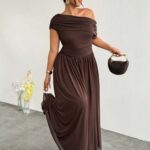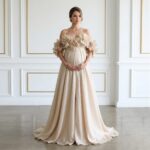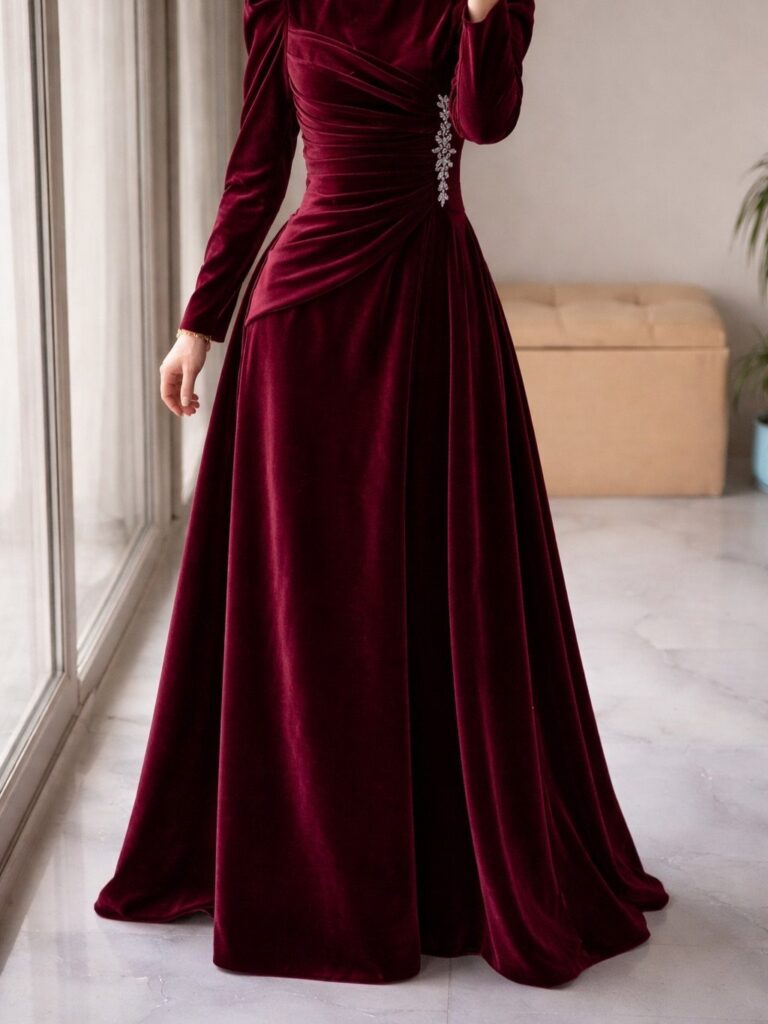
The 9 styles below run from a short velvet cut you can move in to a dramatic ball gown that needs its own doorway strategy.
Your event’s dress code and the room you will actually stand in are what narrow the list to one. Velvet in burgundy, for instance, darkens under fluorescent overheads in ways the store mirror will not show you.
1. Velvet Fancy Dress
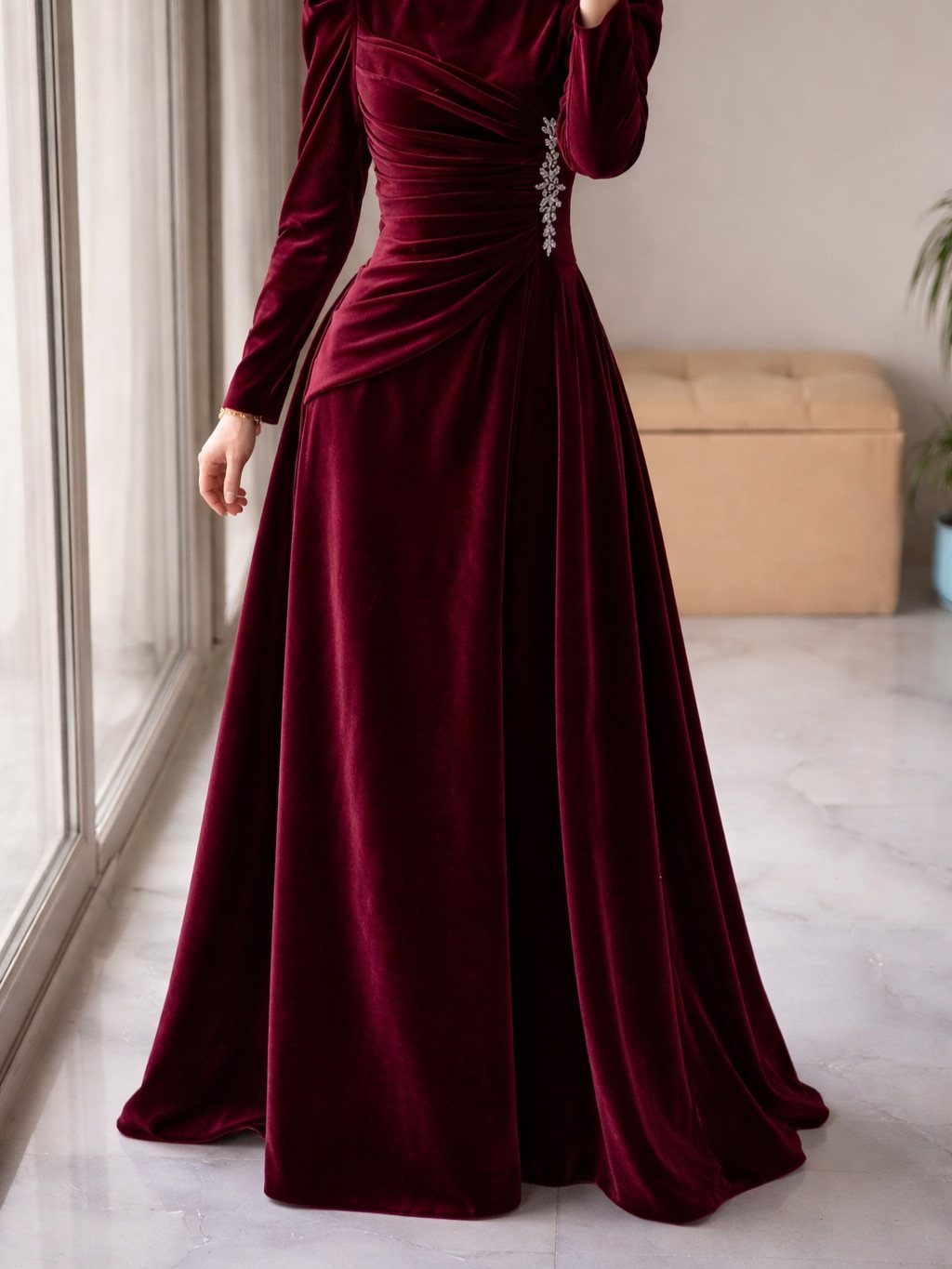
Velvet carries weight in a way other evening fabrics do not, and that density is what you feel first.
A gathered waist keeps velvet from hanging straight down; the fabric’s natural drape can add bulk where you don’t want it. Deep burgundy works for indoor events with real lighting, though under fluorescent overheads it reads darker than intended.
2. Short Fancy Dresses
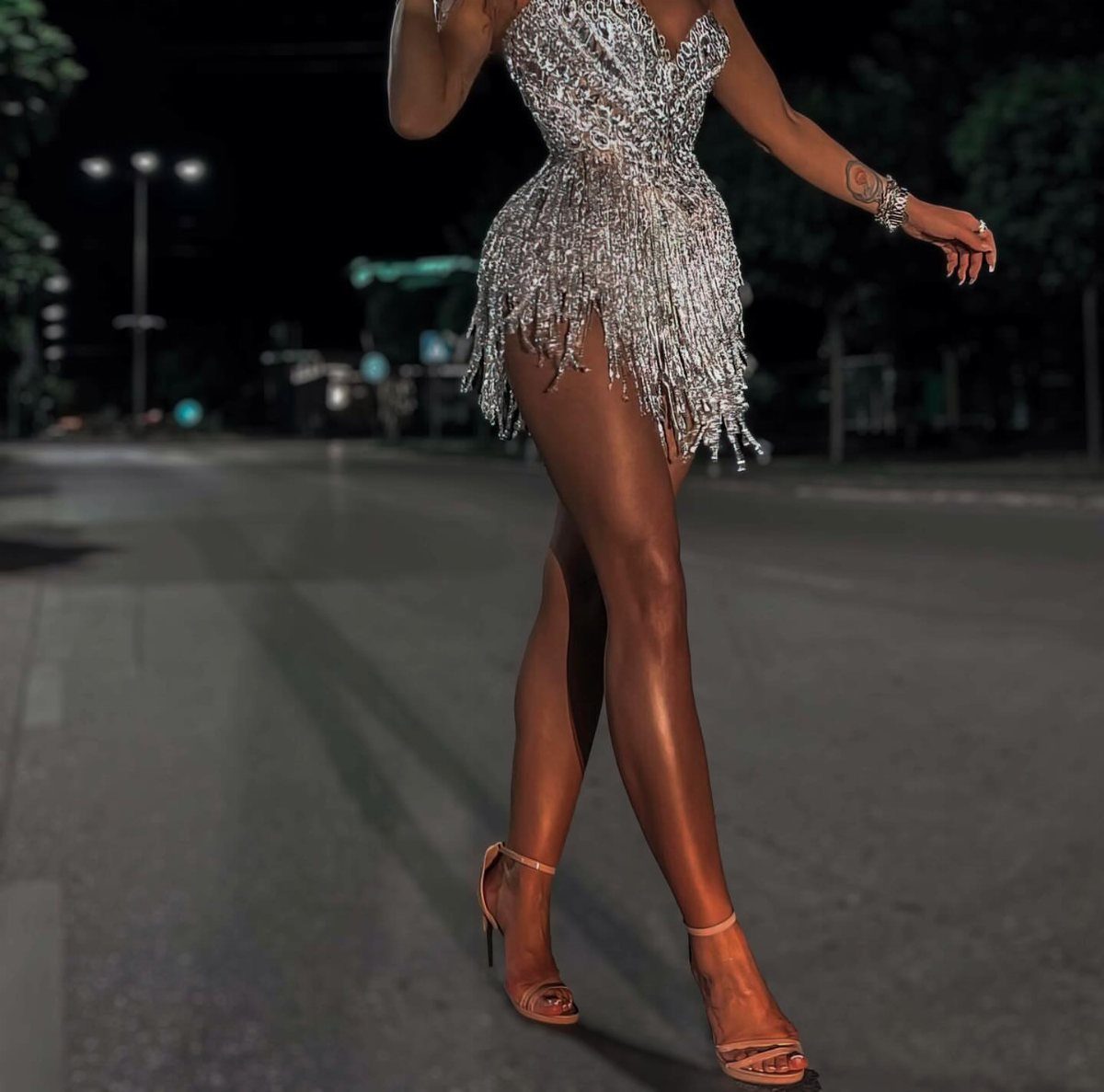
The hemline sits high enough that your shoes become part of the outfit, not an afterthought; nude heels lengthen the leg without competing for attention.
For events where you will stand more than sit, short styles stay comfortable longer than gowns.
If the invitation reads "cocktail attire" without further guidance, this length is the safer bet. One-shoulder or off-shoulder cuts add structure to simpler fabrics when sequins feel like too much.
3. Embroidered Fancy Dresses
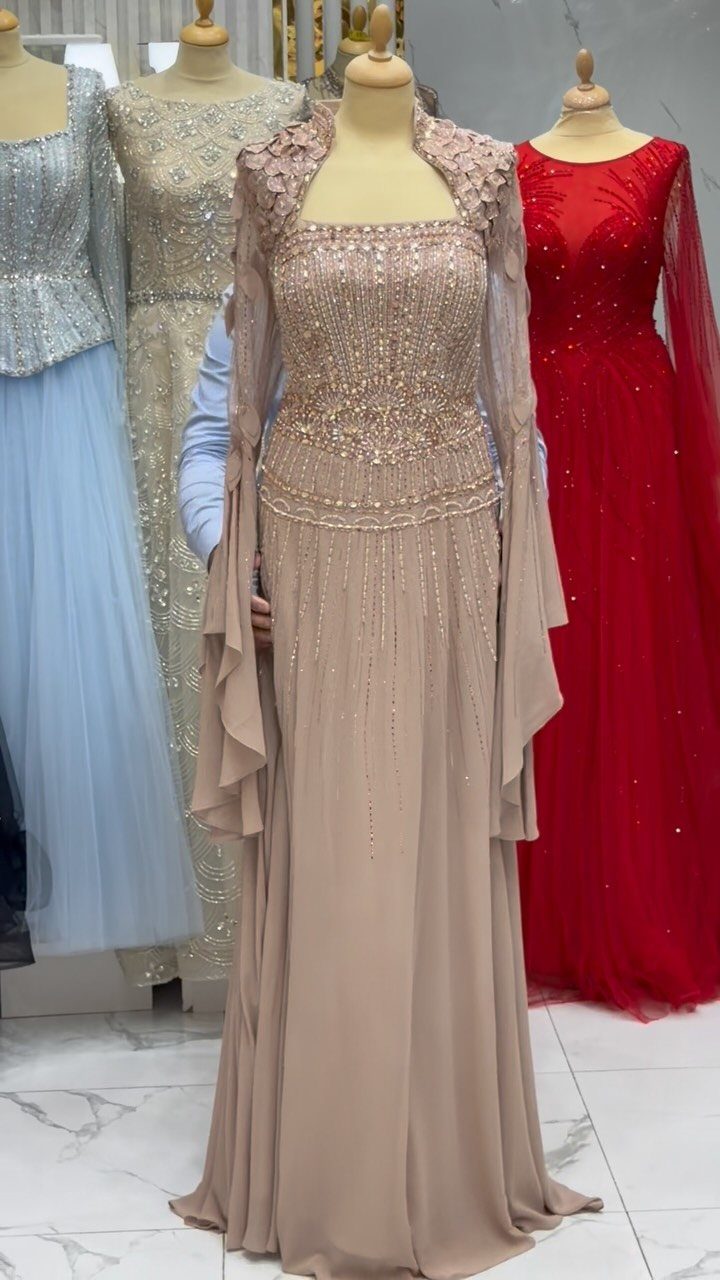
Heavy beadwork and embroidery raise the labor cost more than the material cost, which is why these dresses photograph like investment pieces and feel like them in person.
Cape sleeves keep embroidery concentrated across the shoulders and back, where a guest at a seated dinner actually sees it.
Traditional embroidery techniques mixed with modern silhouettes work for events where 2 dress codes overlap, a reception that starts in a church and ends in a hotel ballroom, for instance.
Stone or beadwork adds ounces you will feel by hour three; try the seated test before buying.
4. Formal Fancy Dresses
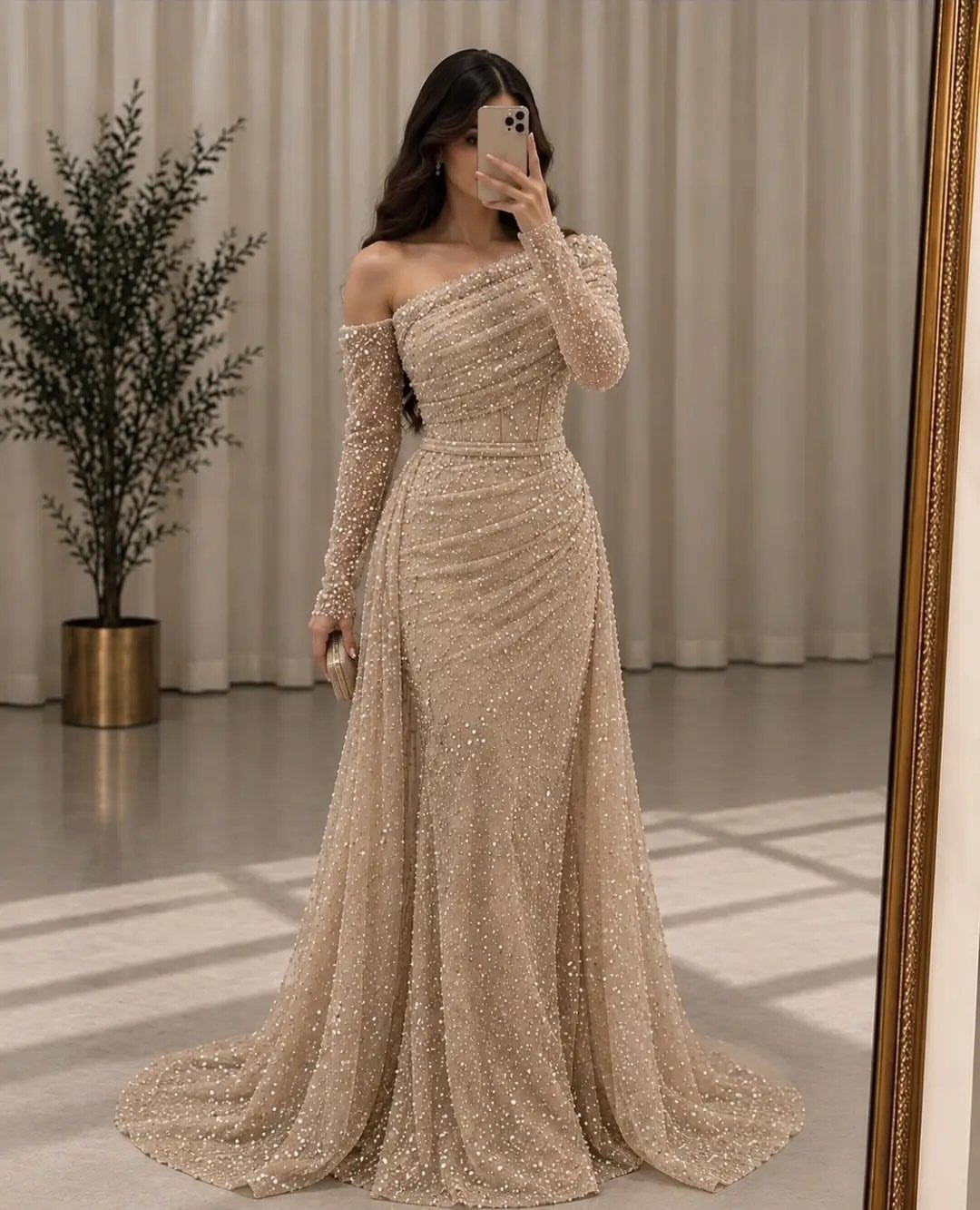
Office-appropriate formalwear lives in a narrow band: too plain reads disrespectful, too ornate reads oblivious. Champagne beading stays on the right side of formal when the color stays soft and the embellishment stays dense rather than scattered.
Long sleeves and an off-the-shoulder neckline meet most corporate event dress codes without requiring a wrap or jacket you will later misplace.
Black, navy, or beige ground the look; minimal embroidery means the dress does not announce itself before you do. For a dinner where you are representing your employer, this restraint is the point.
5. Charmeuse Silk
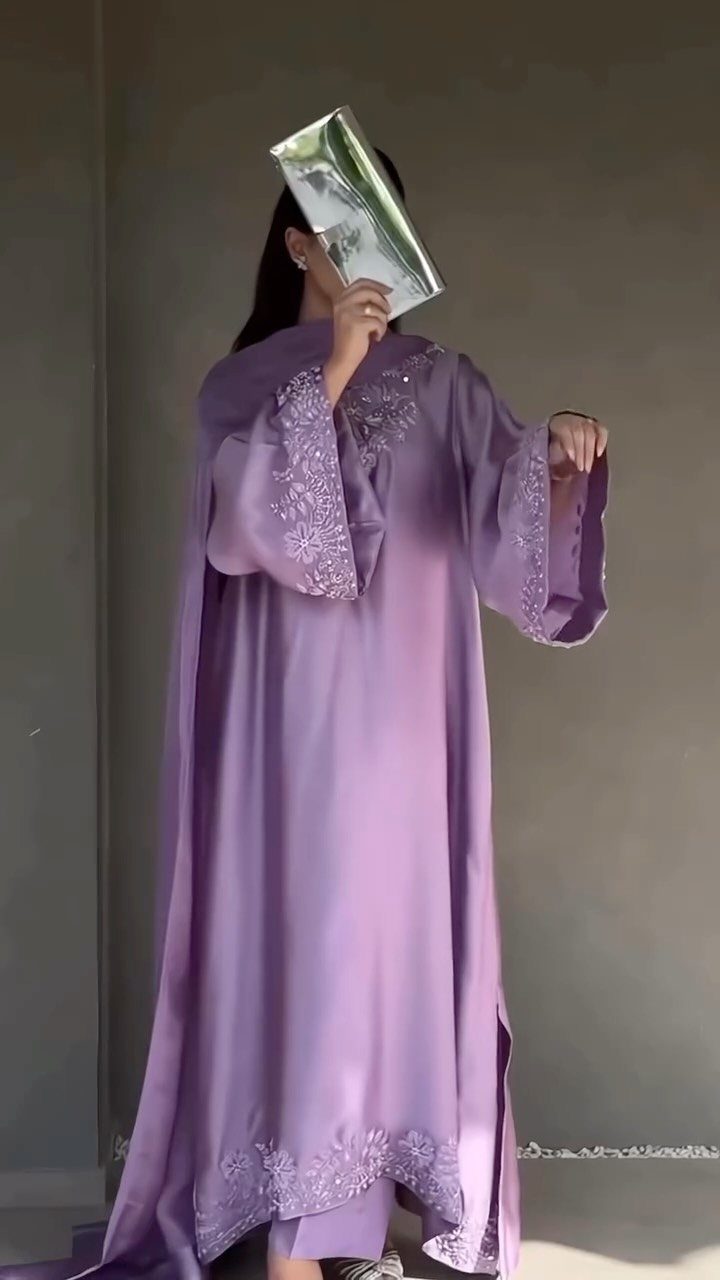
Charmeuse silk drapes because it is thin, and that thinness is what you are managing. The fabric’s glossy face reflects light from every angle, which flatters in candlelight and can read as glare under direct flash photography.
A long charmeuse gown needs lining at minimum; embroidery at cuffs and hem gives the eye somewhere to rest.
For cocktail length, charmeuse works without the same structural demands; for floor length, the skirt requires careful underpinnings or it pools around the ankles and creases.
The draping quality means fit at the bust and waist matters more than with heavier fabrics.
6. Tulle Mermaid Dress
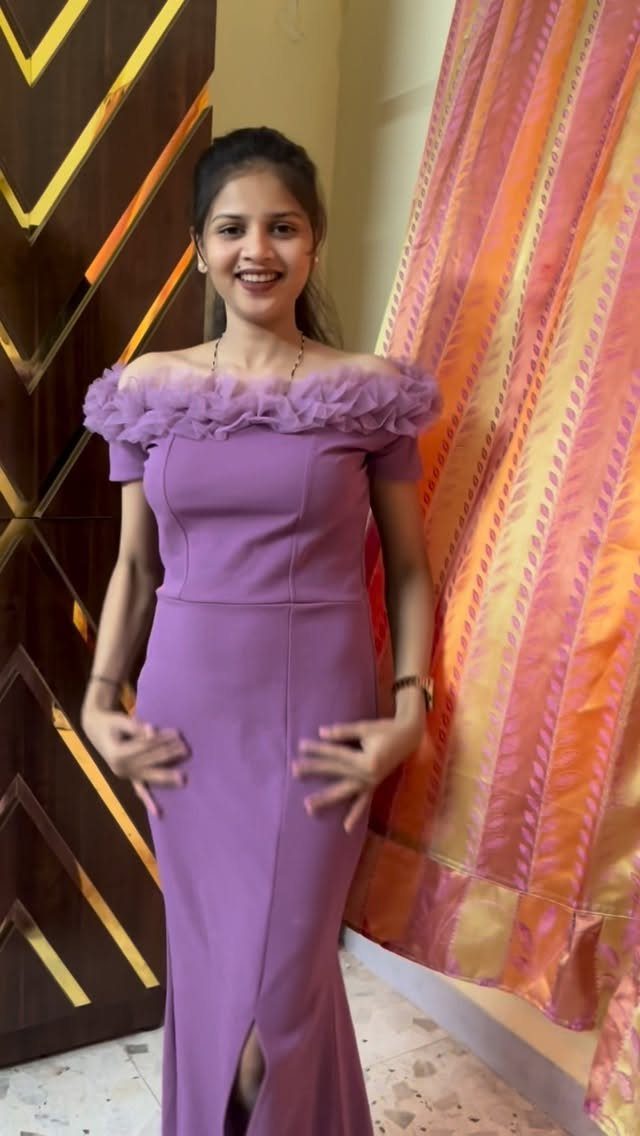
The mermaid silhouette fitted through the hips and flaring below the knee is demanding in any fabric; in tulle it becomes a shape you commit to for the entire event.
A ruffled neckline adds volume where the mermaid silhouette is narrowest, balancing proportions without requiring jewelry at the collarbone.
Tulle’s stiffness holds the flare out, which looks dramatic in photos and brushes against chairs, other guests, and door frames in reality.
Before choosing this style, check the event’s seating and aisle widths; a dress that needs its own territory does not suit a crowded banquet.
7. Flowing Satin Gown
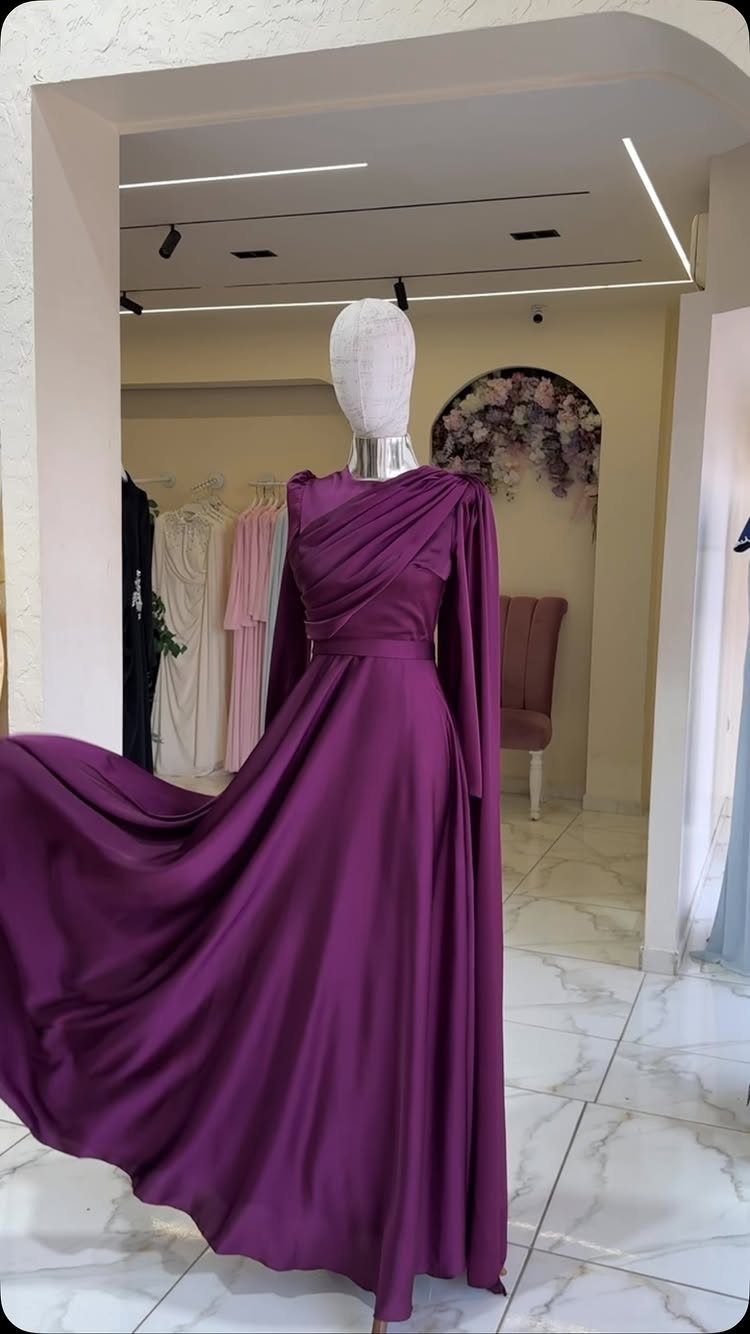
Satin’s glossy face catches light across every fold, which is the point of wearing it and the problem to solve.
A flowing cut needs weight at the hem or the skirt rides up with every step; look for a slight train or weighted lining when you try it on.
Purple reads richer in satin than in matte fabrics, though it shifts toward navy under dim bulbs. For a gown this fluid, fit at the bust is the only place structure lives; everywhere else, the fabric does the work.
8. Dramatic Ball Gown
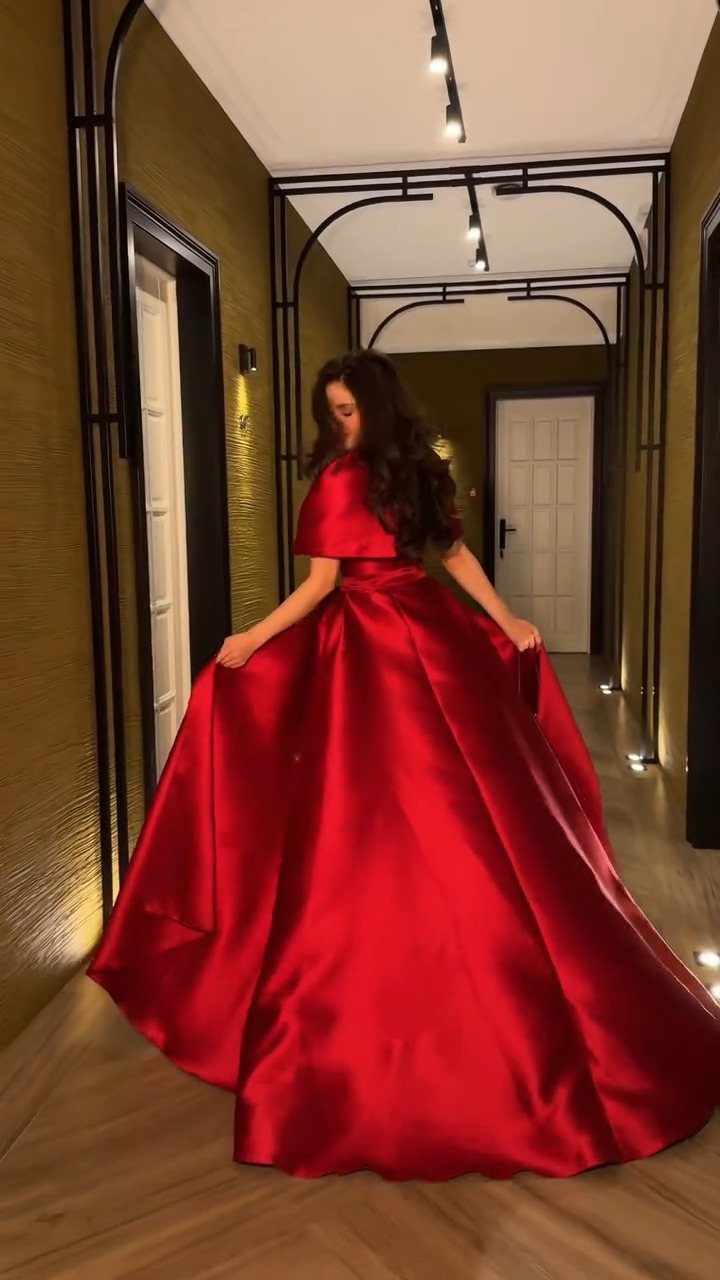
A full skirt this wide redefines your footprint; doorways, stairs, and car seats become active considerations, not afterthoughts.
The volume lives in layers, usually a built-in petticoat or horsehair braid at the hem, which means the dress weighs more than it looks.
Red satin holds its color under ballroom chandeliers where paler shades wash out. If the event includes dancing, practice the turn before committing; a gown this wide needs clearance other guests may not give you.
9. Layered Sheer Jacket Gown
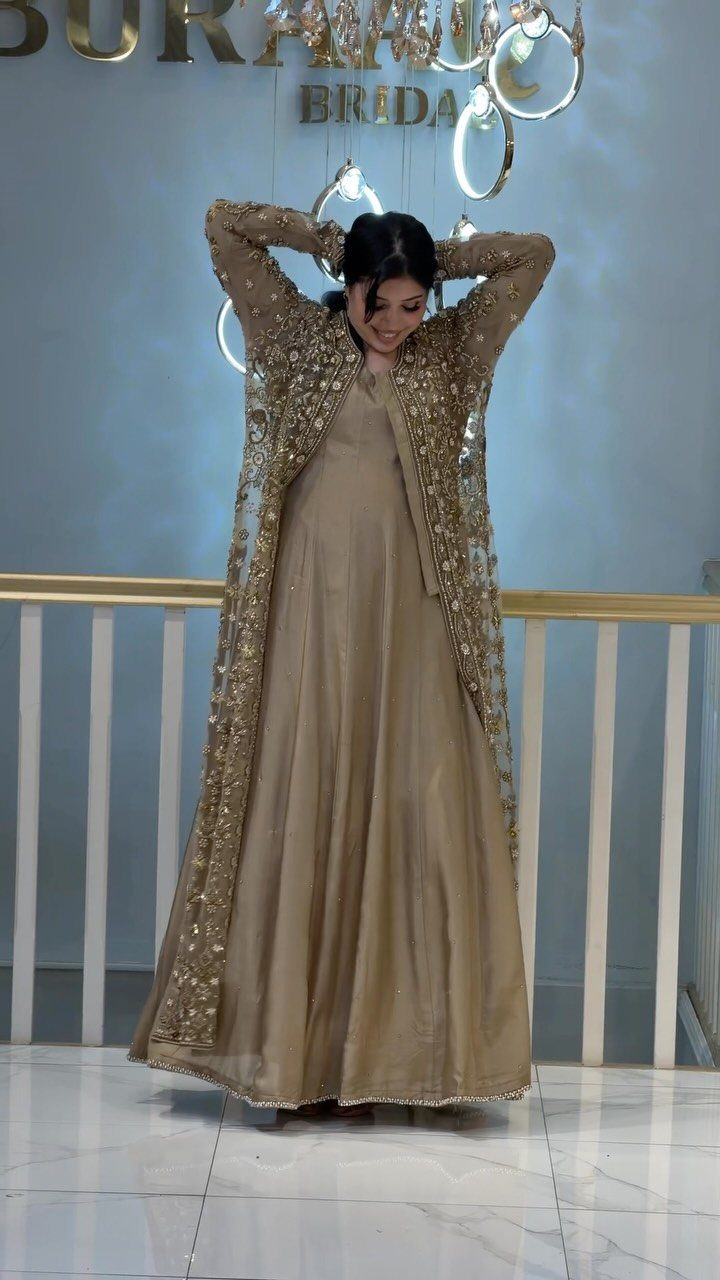
The jacket does the ornament so the gown underneath stays clean, which matters when you remove it later.
Sheer embroidery over a matching base reads as one garment from a distance and two pieces up close; gold thread keeps both layers in the same tone family.
A long jacket adds warmth in over-air-conditioned ballrooms without the formality of a wrap you clutch and lose. Check that the jacket’s hem clears the gown’s; uneven layering photographs poorly from behind.
Choosing the Right Fabric
Fabric weight decides how a dress behaves on your body and in a room. Chiffon and georgette move with air currents; they need lining or they read as lingerie under direct light.
Silk charmeuse, already covered above, sits at the thin end of this scale. For winter events, the density of velvet or a heavy satin traps heat that sheer layers release.
Summer formality calls for the opposite: georgette or light chiffon lets you stay in the dress through the dessert course. The wrong fabric for the season means you leave early or you stop enjoying yourself; neither serves the occasion.
How to Choose the Perfect Fancy Dress
The invitation’s wording is your first filter, not a suggestion. "Black tie" means floor length or very near it; "cocktail attire" gives you the short dress option already listed above.
Your body shape matters most where structure meets fabric: a gathered waist in velvet, a fitted bust in charmeuse, a mermaid flare that actually starts at your knee rather than mid-thigh.
Color works backward from the lighting you will stand in, not the mirror you bought it under.
Burgundy darkens, purple shifts toward navy, red holds. Comfort is the seated test, the standing test, and the stair test; try all three in the store.
Accessories finish what the dress starts: a sheer jacket gown needs no necklace, a one-shoulder cut needs no competing bracelet. Let the dress’s busiest point stay alone.
Benefits of Wearing Dresses
A dress that fits the occasion removes the second-guessing that separates you from the room. You arrive already dressed; no layering decision mid-event, no jacket to retrieve from coat check.
The single garment carries the whole statement, which is why formal events still use them. For special occasions, this completeness photographs better than separates, and photographs are most of what remains afterward.
The range of prices and cuts means the formality is adjustable; the confidence comes from the match between dress and setting, not the price tag.
Your fashion sense shows in that match: a beaded cape sleeve at a seated dinner, a weighted satin hem where you will move. The memory of wearing it well outlasts the event.
Latest Trends in Fancy Outfits
Current fancy dress styling runs toward less ornament, not more. Minimal embroidery means the labor shows in placement and density rather than coverage; a few inches of heavy beadwork at the neckline replaces scatterings across the whole bodice.
Pastel colors have moved in where jewel tones dominated, though they still demand the right light.
Layered gowns, already detailed above, now include the sheer jacket as integrated design rather than afterthought. Belts at the waist, sometimes matching and sometimes contrasting, break the long line that used to run uninterrupted.
What ties these together is the shift toward wearing the dress rather than presenting it: comfort with style, as the current phrasing goes, though the comfort is still relative to the occasion.
Frequently Asked Questions
What are the different types of fancy dress attire?
Velvet, short cocktail cuts, embroidered styles with cape sleeves, formal office-ready gowns, charmeuse silk, tulle mermaid shapes, flowing satin, dramatic ball gowns, and layered sheer jacket gowns each fill a different slot in a dressed-up wardrobe.
Each type serves a different event structure: short dresses work for standing events, floor-length for black tie, and formal with covered shoulders for corporate settings.
What are fancy dresses used for?
A fancy dress is the tool you reach for when one piece has to do all the talking: weddings, galas, holiday parties, and any night where the invitation came with a dress code.
A formal dress that works at the office party follows the same code as the venue; get that pairing right and the outfit sticks in people’s minds longer than the caterer’s name.
Are fancy dresses comfortable to wear?
Comfort depends on fabric weight, fit at key points, and the event’s physical demands.
What is the difference between fancy dresses and luxury dresses?
A fancy dress is priced for the guest list at your cousin’s wedding; a luxury dress is priced for a red carpet loan and usually carries a label that signals status before you speak.
The dress that wins is the one that fits the room, not the receipt; I have seen a $200 fancy dress land perfectly at a charity dinner while a $2,000 luxury piece read as trying too hard at the same table.
How often should fancy outfits be dry-cleaned?
Dry-clean only when the dress looks or smells like it needs it; sweat, spilled wine, or ground-in dirt are the triggers, not the calendar.
Heavy beadwork and dense embroidery drive up cleaning bills and sometimes demand a specialist who knows how to secure loose threads; lighter fabrics with minimal trim are easier to maintain and cheaper to refresh.