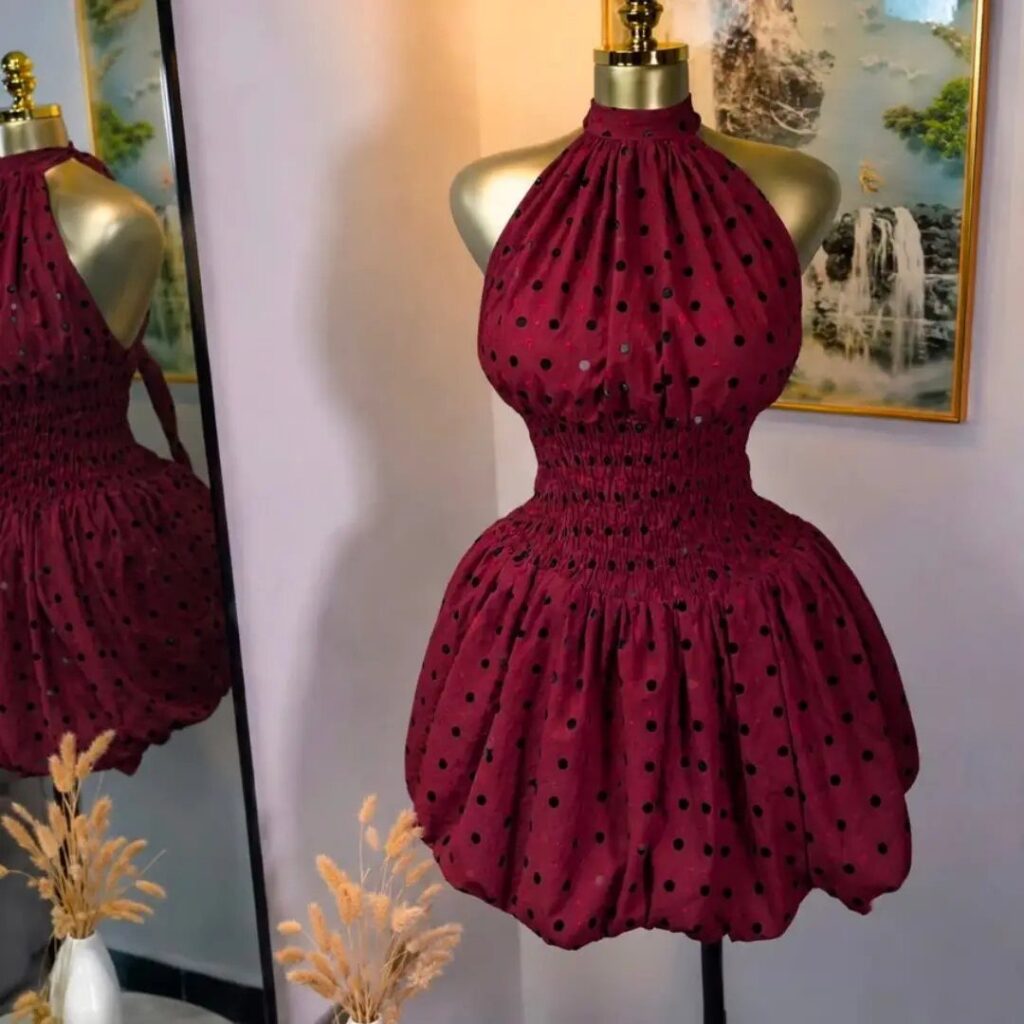
The 10 dress styles ahead run from a halter neckline held by a single cord to a ball gown with enough satin to pool on the floor when you stand still.
What separates one from the next is where you will spend your time: standing and mingling favors a backless halter or a glitter bodice, while a seated dinner calls for satin or a structured ball gown instead.
1. Halter Neckline Dresses
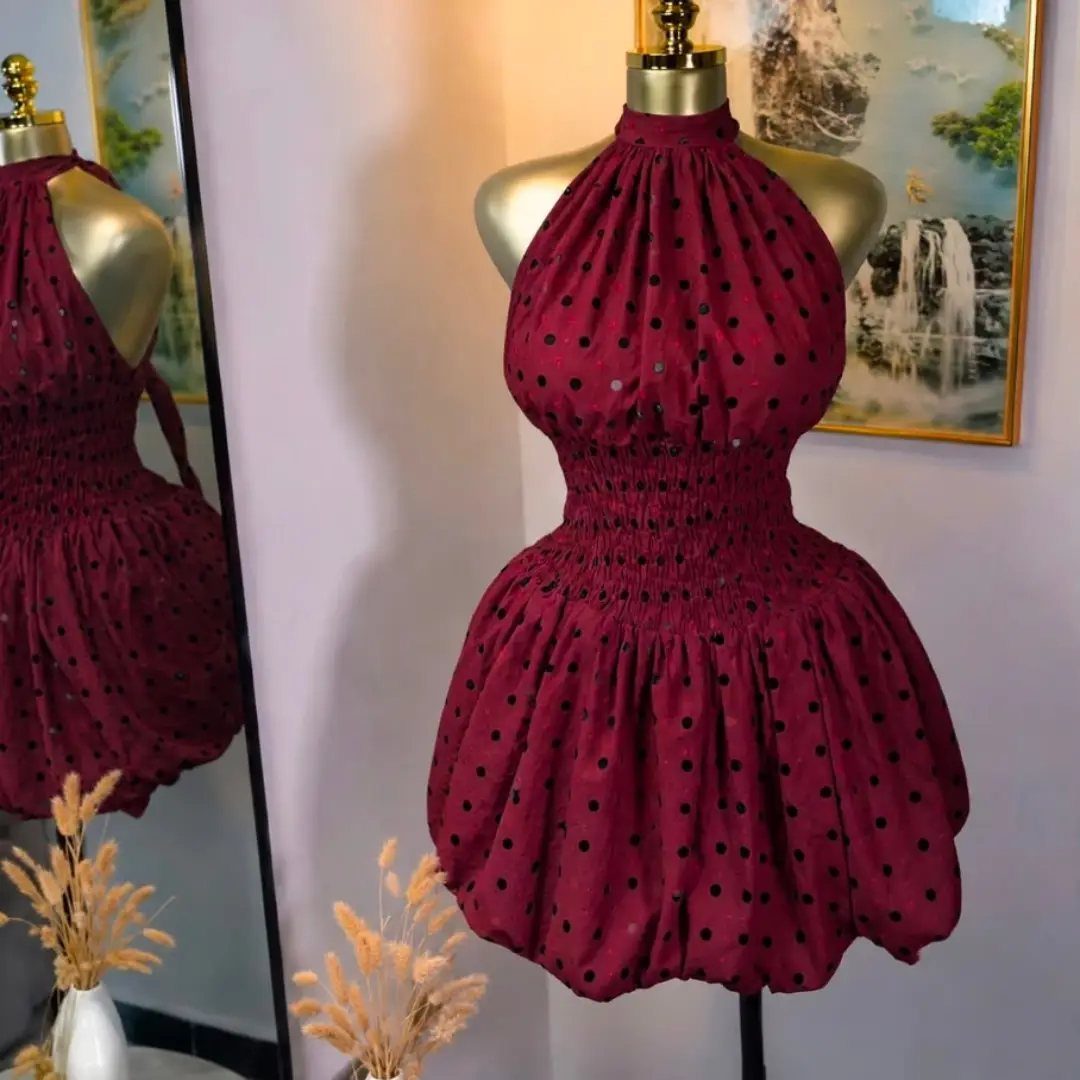
A halter neckline loops around the back of your neck and leaves your shoulders bare, which draws the eye straight to your collarbone.
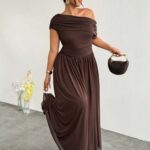
A smocked waist handles fit by stretching where you need it and staying snug where you do not. Before you try one, check where the waist hits on your torso.
A smocked band sitting too high can bunch; too low and it loses the shape. The bubble hem adds volume at the bottom, so this particular cut suits someone who wants movement without a full skirt.
2. Satin Dresses
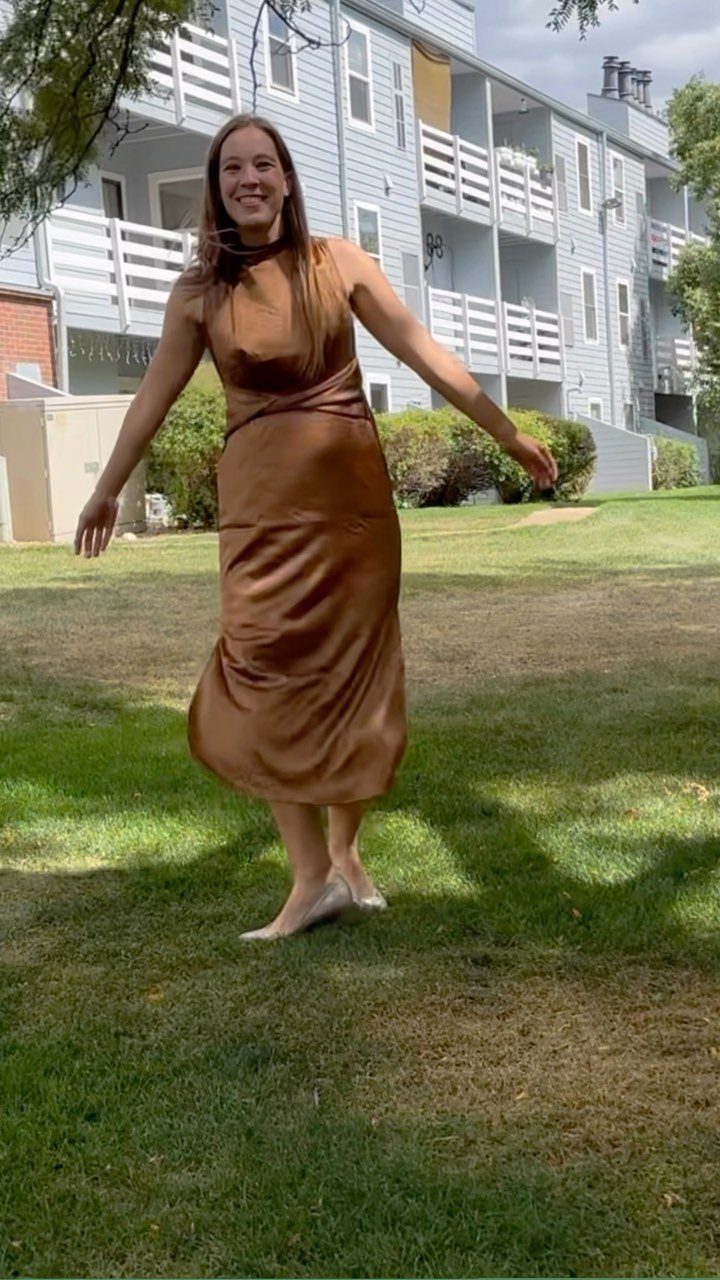
Satin catches light differently than almost any other dress fabric, sliding from matte to shine as you move.
That shifting surface makes it a natural choice for evening events where you will be photographed, but the same quality can read as too formal under fluorescent office lights.
A bronze satin midi sits right in the middle: knee-length or just below, sleeveless, simple enough for a daytime wedding and polished enough for a cocktail reception.
I would look for a weight of satin that drapes rather than stands away from the body. Lighter satins can cling to every line; heavier ones hold their shape and skim instead.
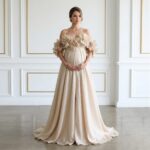
For a traditional wedding, a full-length satin gown in ivory or champagne reads classic; for modern settings, a knee-length style in a deeper tone feels current without trying too hard.
3. Flutter Sleeve Dresses
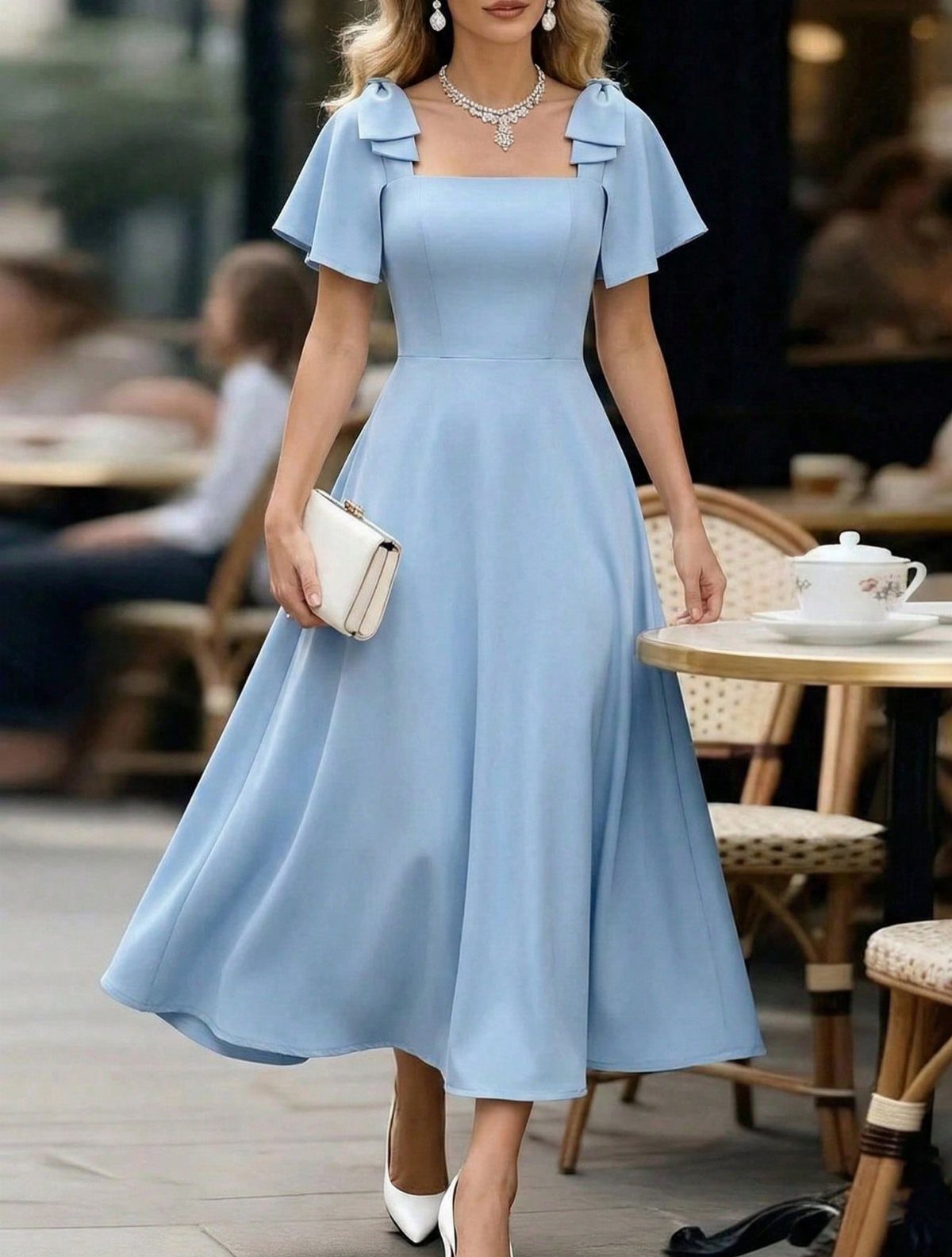
Flutter sleeves are narrow strips of fabric cut on the bias so they lift and fall with any movement of your arms.
That slight motion gives a dress life without the structure of a fitted sleeve, which is why the style turns up so often at outdoor spring and summer weddings.
I would pair this with a heel that has some height; the romantic lines can go too sweet with a flat shoe.
If your shoulders are broader, a flutter sleeve that starts closer to the neck, as this one does, draws the eye inward rather than widening the silhouette further.
4. Ball Gowns
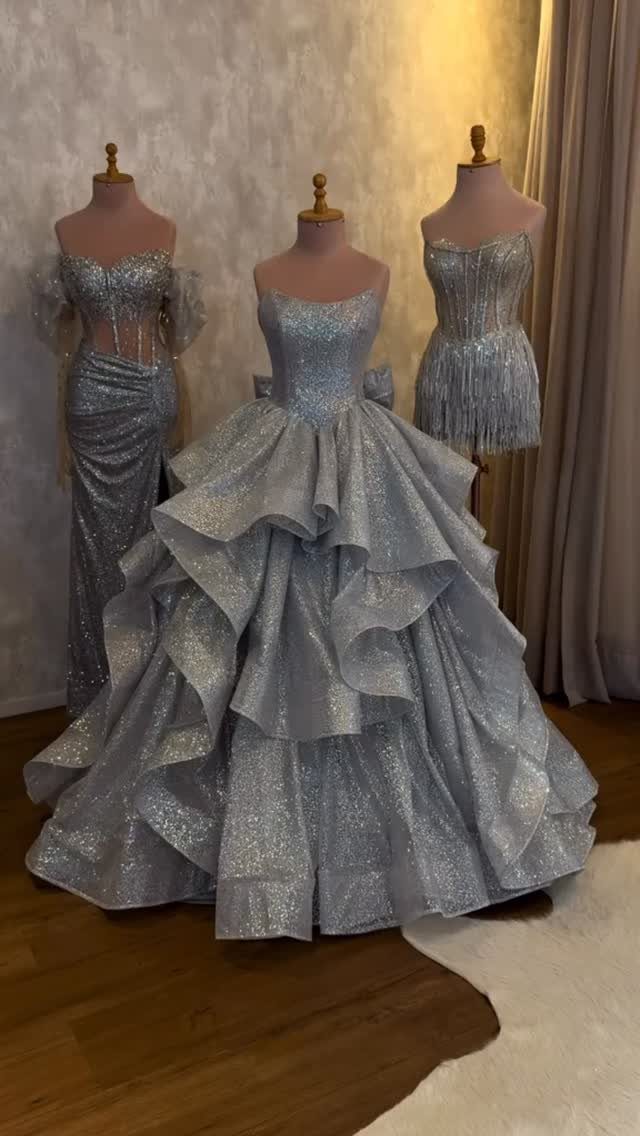
A ball gown builds its drama from the waist down, with a fitted bodice holding you in while layers of tulle or organza push the skirt outward.
A tiered silver ball gown sits at the formal end of the spectrum, the kind of dress that owns the room before you speak.
That volume demands space: a crowded party with narrow seats between tables will have you gathering fabric all night. I would wear this shape when the event has a real dance floor, a grand entrance, or photographs that matter.
The structure suits almost every body type because the waist is the single defined point and everything else flows from there.
Intricate beading or sequins, like the sparkle visible here, add weight; try the dress on and sit down before you commit, since heavy embellishment across the hips can change how the skirt moves when you walk.
5. Backless Dresses
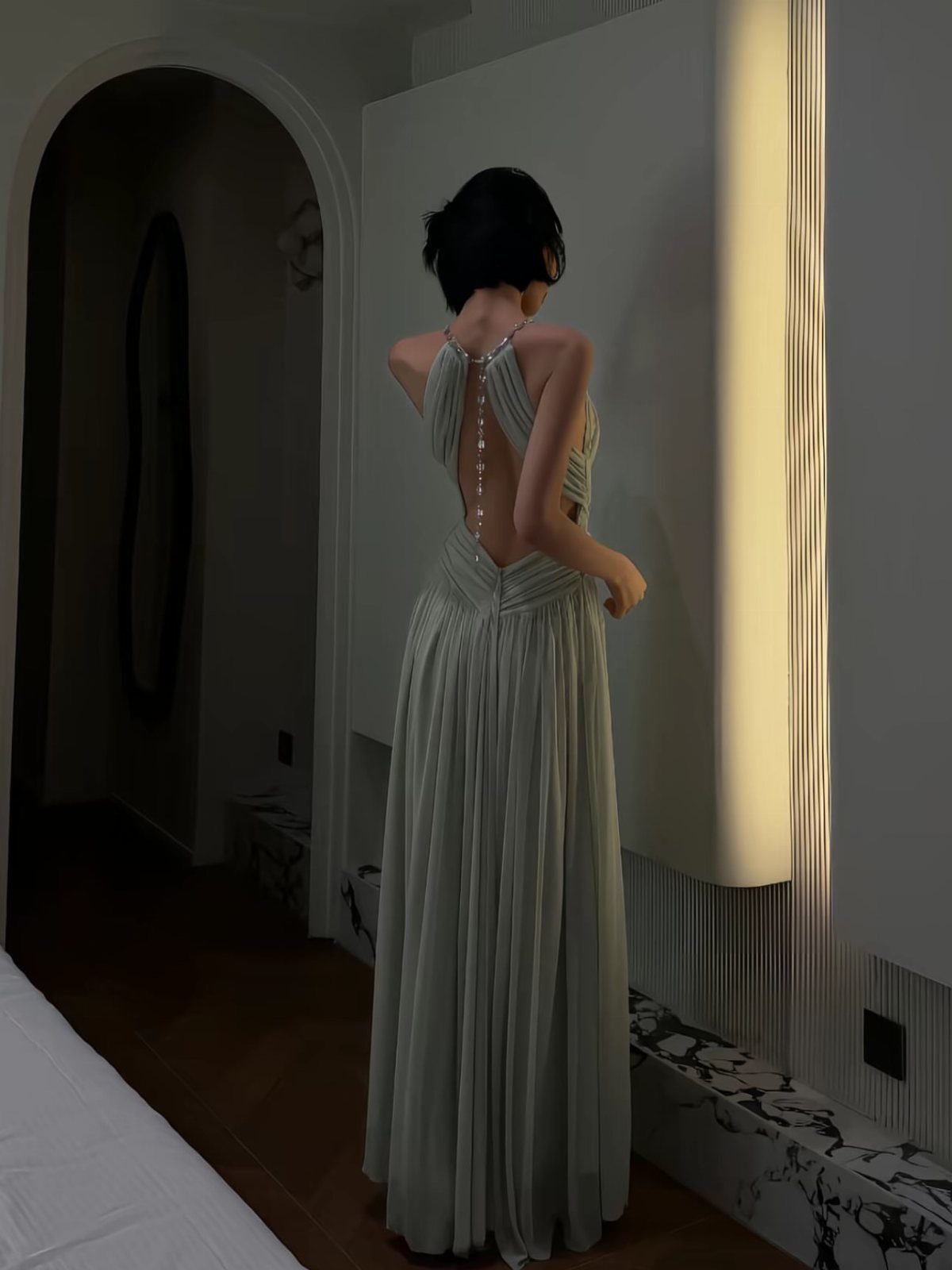
An open back turns a dress into 2 outfits: the front reads elegant and appropriate, the back reveals itself only as you move away.
A halter neckline solves the support problem in a backless gown; the neck carries the weight so the back can fall away almost to the waist.
That structure works if you are comfortable with a higher neckline in front, since the trade is built in.
I would add the pearl strand detail visible here, or something like it, because a bare back can look unfinished where the fabric ends.
For comfort, check that the waist seam sits firmly; without a back to anchor it, the whole dress rides on that one horizontal line.
A backless cut suits a formal evening where you will stand and mingle more than sit, since chair backs and car seats press against the open area and can leave marks on silk or satin.
6. Bold Color Dresses
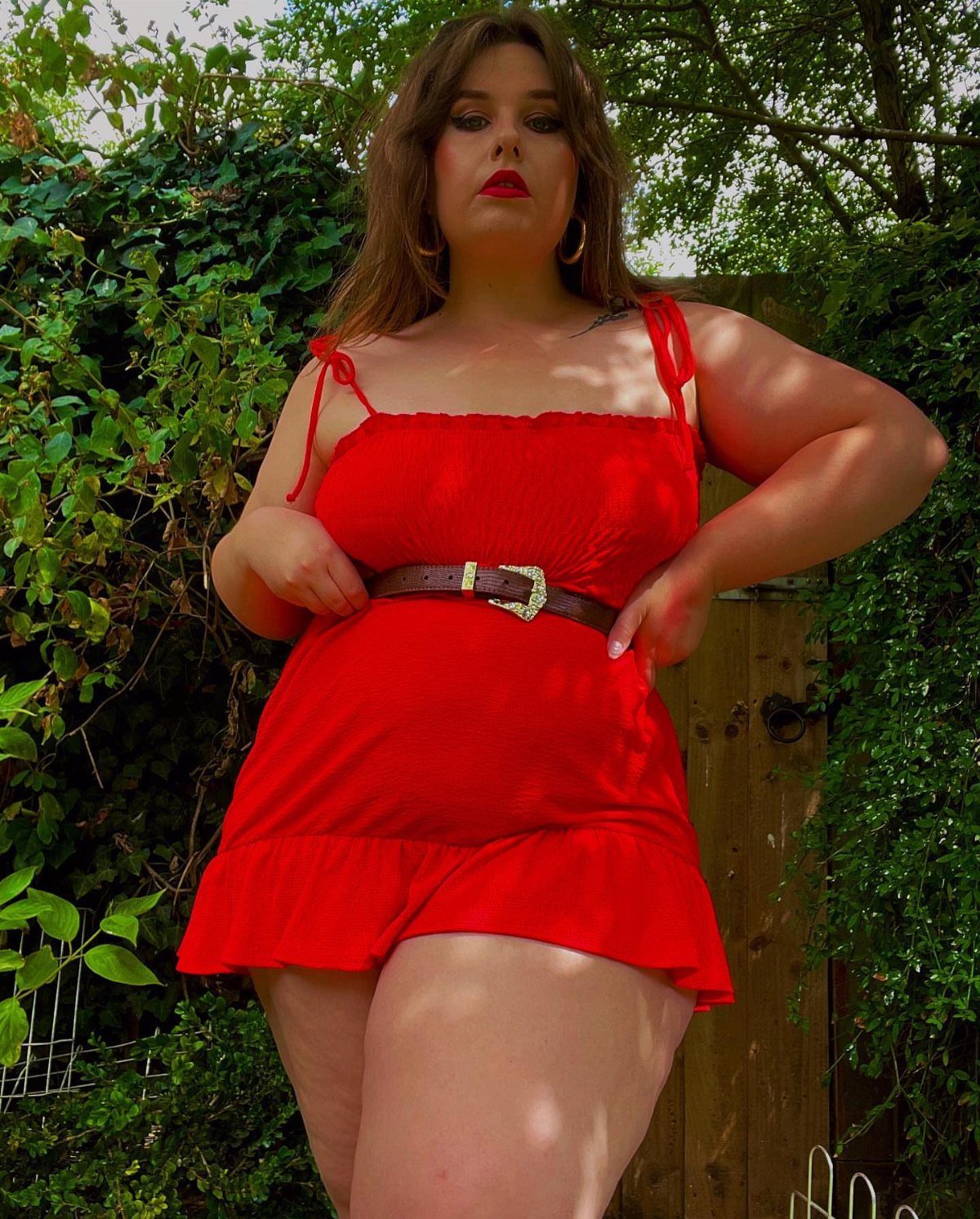
A single saturated color does the work of an entire accessory pile.
A red mini needs only a thin brown belt and gold hoops to feel complete; anything more would compete. I reach for this approach when I want to look deliberate without planning a full outfit around a print or texture.
Red, hot pink, and royal blue read clearly from across a room, which makes them practical for events where you are meeting people or being photographed. In plus sizes, bold color does the talking, so the cut should stay simple.
A cinched waist and clean skirt line let the hue do its job. I would avoid bold color in fussy silhouettes; the eye has too many places to land.
For spring and summer events, these shades feel natural; for fall and winter, deeper versions like emerald or burgundy carry the same impact in richer light.
7. Embellished Dresses
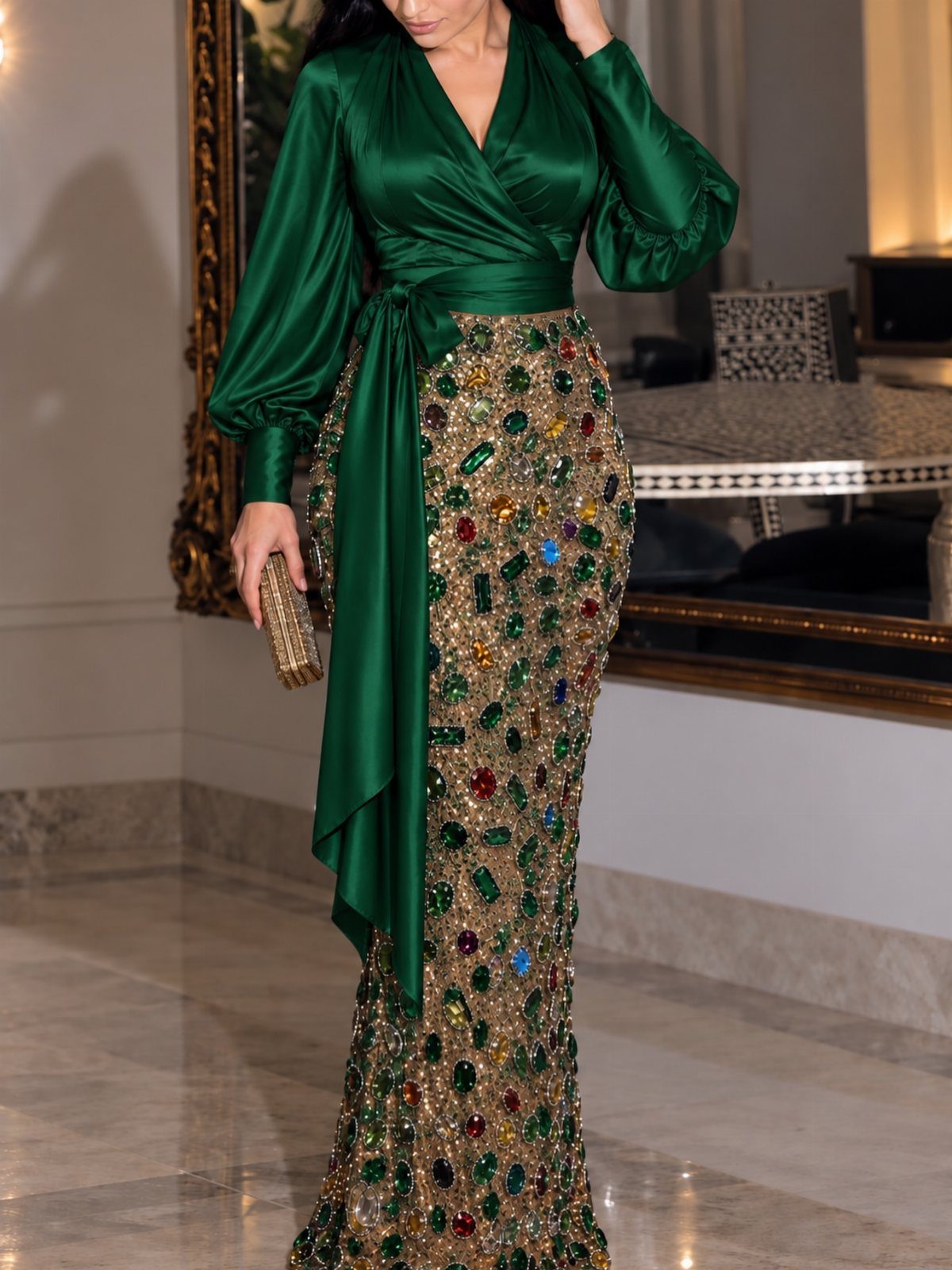
An emerald satin bodice paired with a skirt thick with colored gems and sequins turns the lower half of the dress into the entire statement.
This particular split, heavy embellishment below and clean fabric above, keeps the neckline workable for jewelry and keeps you from competing with your own dress.
Texture matters as much as sparkle.
Bows, ruffles, or beadwork each read differently: bows go romantic, beadwork reads formal, ruffles sit somewhere between. I would choose one texture and let it carry the piece rather than layering several.
Intricate work adds real weight; a fully embellished skirt pulls at the waist seam, so the closure needs to be secure and the lining smooth against your skin.
For a wedding guest, this level of detail answers the dress code on its own. One small clutch and you are done.
8. Glitter Dresses
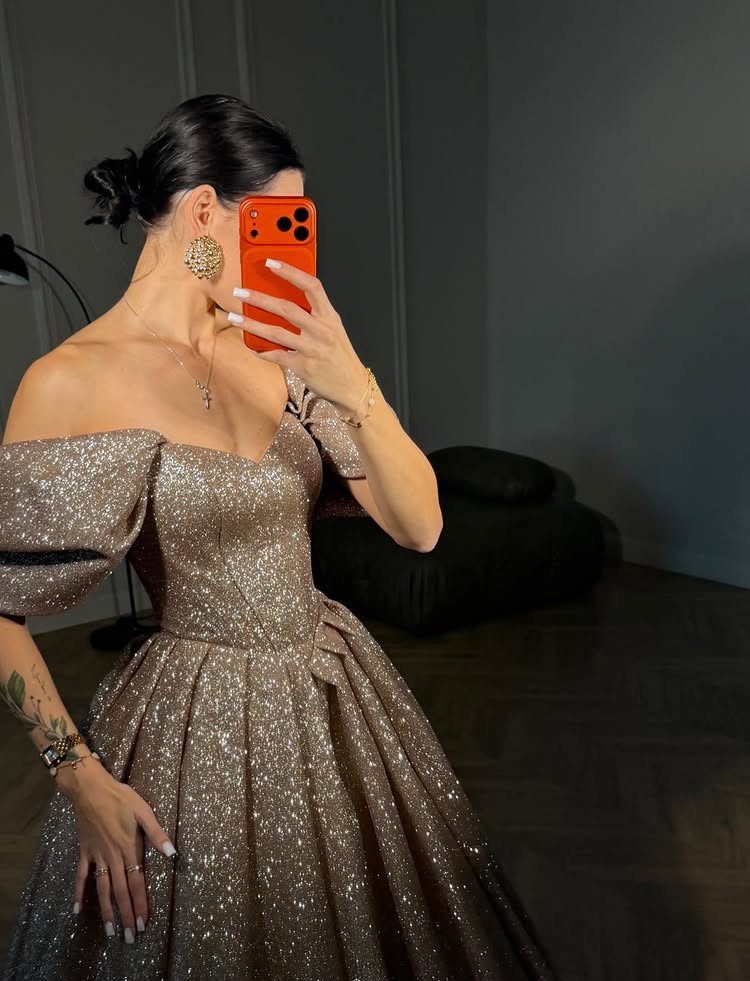
Glitter fabric catches light from every angle, which makes it the choice when you want to be seen across a crowded room.
Off-the-shoulder necklines give you another stretch of skin to catch the light, though you will spend the night tugging the sleeves back into place if the elastic is loose.
The champagne tone in this gown softens the effect; silver or gold would read harder under the same lights. I would check the backing before buying.
Cheap glitter sheds onto chairs, into cars, onto anyone you brush against. Better construction knits the reflective pieces into the weave so they stay put.
This is a dress for standing, dancing, making an entrance. Sitting for a long dinner, the texture can itch or overheat.
For a prom or a gala where you move between spaces, it works. For a seated awards dinner, I would choose satin instead.
9. Mermaid Dress with Matching Bolero
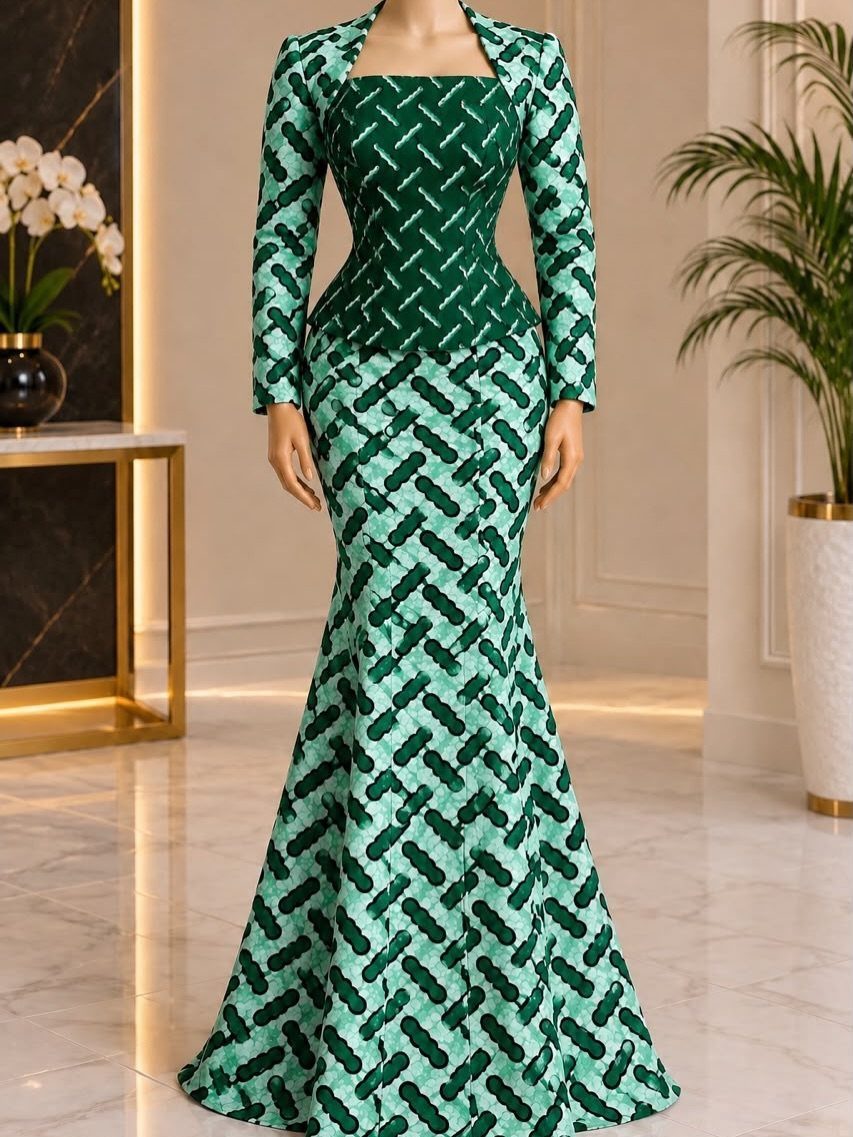
A mermaid skirt flares from the knee, and the matching cropped bolero carries the same green geometric pattern across your shoulders.
That coordination saves the work of finding a jacket that does not clash, though the bolero’s short length means it covers only the upper arms and leaves the waist defined.
The pattern here is large-scale and angular, which suits a taller frame; small, dense repeats would read busier on the same shape. Before ordering, check where the flare starts on your body.
The flare on a mermaid dress needs to hit at the right spot: high enough that you can still take normal steps, low enough that the shape reads as dramatic rather than just fitted.
The bolero should sit at your natural waist, not ride up or gap.
This pairing works for events where you need arm coverage for part of the evening and want to lose it later without changing the whole look.
10. Patterned Long-Sleeved Maxi Dress
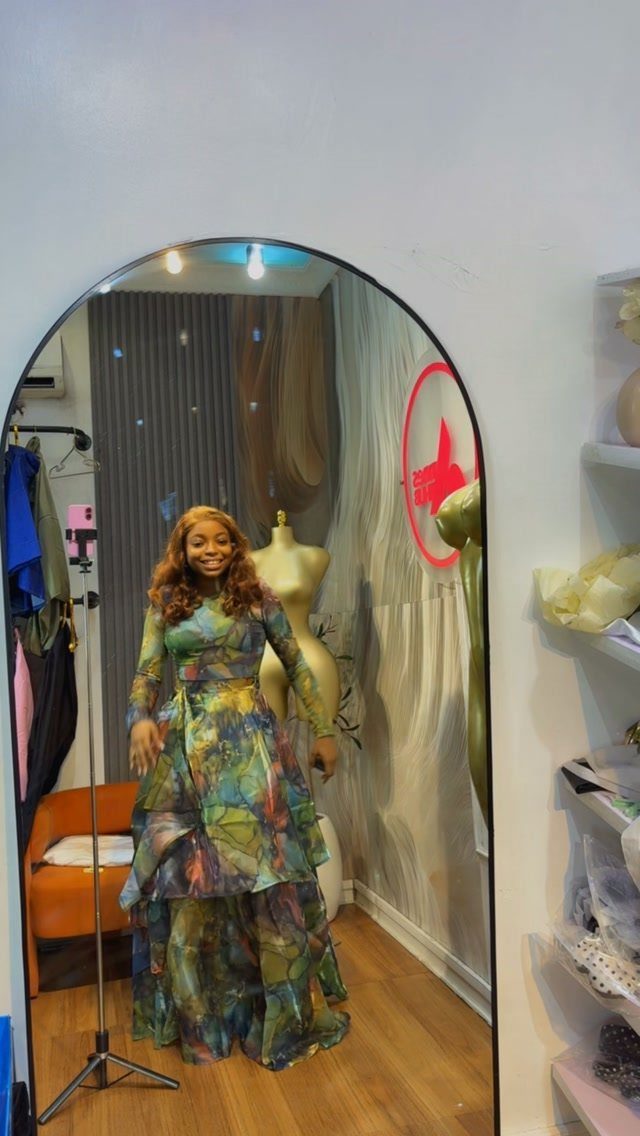
A maxi dress with long sleeves and a full skirt gives you coverage everywhere and movement everywhere else.
The pattern here is bright, dense, and varied; that kind of print hides creases and the odd spill, which makes it practical for all-day events.
The volume in the skirt demands attention to proportion.
A pattern this busy on top and bottom works because the waist is defined; without that seam, the shape would overwhelm. I would add a belt if the waist sits loose, since the eye needs a stopping point.
For a spring wedding or a daytime party, this reads dressed-up without the formality of a gown.
The long sleeves handle air conditioning or evening chill without a wrap. Check the sleeve length against your wrist; too short looks accidental, too long will need constant pushing up.
Choosing the Right Dress
A dress that looks right on the hanger can fall apart in motion.
Before I commit to a dress, I put on the shoes I plan to wear with it, hold my bag, and take a flash photo standing in the darkest corner of the room.
Bold colors read louder under flash; a shade too close to my hair color makes my head disappear into the dress in pictures.
In stores, I ask them to pin the back and take a mirror photo so I can see how it actually sits. I order early enough to get alterations done if the length or waist needs taking in.
Movement matters more than silhouette.
A bodice that slips needs boning or better straps. Sequins itch at the edges; softer sparkle or added lining fixes it.
For bust support, I look for built-in cups or a corset bodice. Confidence shows when comfort is handled first.
Current Trends in Dresses
Strapless styles are losing ground to sleeved dresses, and the shift is visible across every category from casual to formal.
Flutter sleeves add life to a spring wedding guest outfit. Even ball gowns and backless evening styles now include arm coverage more often than not.
This is not a modesty trend.
Sleeves simply expand when and where a dress works. A long-sleeved patterned maxi moves from daytime party to evening without a layer change.
A mermaid dress with a matching bolero gives you coverage for the ceremony and freedom for dancing later. The practical win is real.
Frequently Asked Questions
What are the names of different style dresses?
Halter necklines, satin, flutter sleeve, ball gowns, backless cuts, bold color, embellished details, glitter, mermaid with matching bolero, and patterned long-sleeved maxi dresses each sit somewhere on the spectrum from casual to formal.
Each name describes a specific cut, fabric, or detail that changes how the dress wears and where it works.
A halter loops around the neck and bares the shoulders; a mermaid flares from the knee; a ball gown pushes volume outward from a fitted waist.
What are some basic types of dresses?
Basic types covered include the ball gown, which builds drama from the waist down with a fitted bodice and full skirt, and the satin midi, a knee-length or just-below style that works across multiple occasions.
A bold color dress in a single saturated shade does the work of accessories with minimal additions. Flutter sleeves and halter necklines keep showing up as foundational cuts that shift up or down in formality depending on fabric and length.