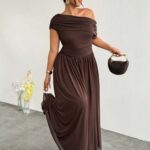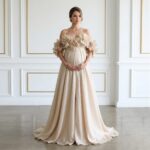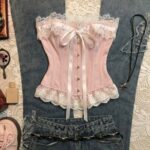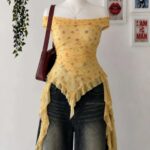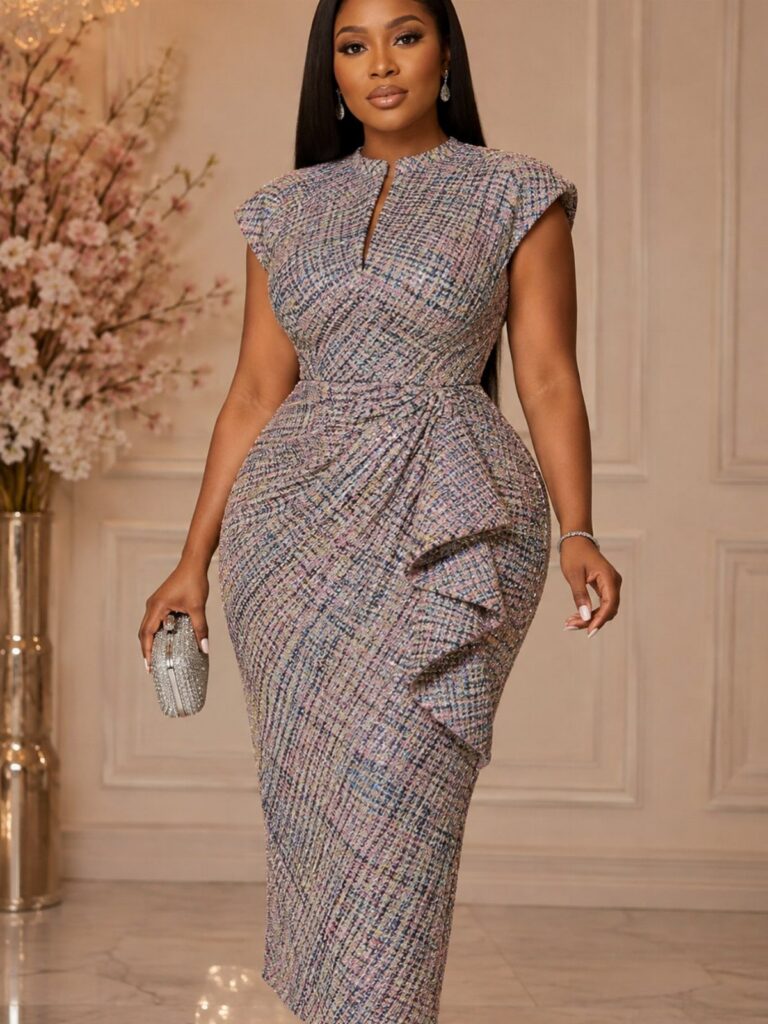
The 30 dresses below range from a cotton shift that costs little more than a T-shirt to a ball gown that requires rented space just to turn around in.
The right dress for any of those situations is in the list below, from the A-line that handles a packed schedule to the cocktail dress that answers an invitation with no dress code attached.
The A-line is where I send anyone rebuilding a wardrobe piece by piece; the O-line balloon dress ranks low for the same person, because standing out matters more than sitting comfortably.
1. A-Line Dress
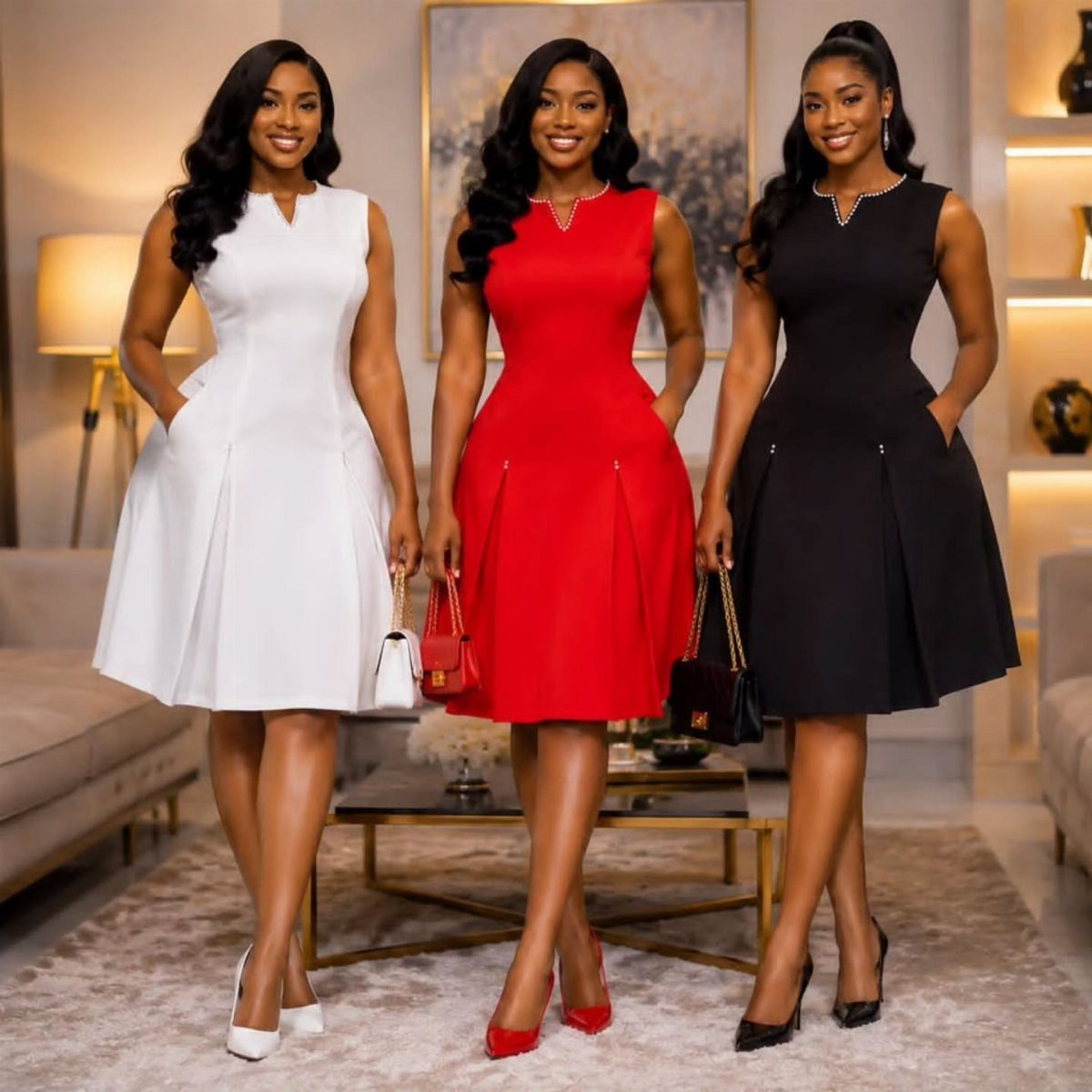
An A-line dress starts fitted through the shoulders and bodice, then widens gradually toward the hem in the shape of a capital A. That structure defines the waist without clinging at the hips, which makes it one of the more forgiving silhouettes to buy online without trying on first.
I reach for this cut when I need one dress to carry from a morning meeting through lunch without looking either too casual or too dressed up.
Solid colors keep it understated; a small pattern works if the scale stays modest enough not to fight the line.
For work, I pair mine with a structured flat or a low heel. For semi-formal occasions, the same dress with different shoes and a change of jewelry usually suffices.
This is the style I recommend first to anyone rebuilding a wardrobe piece by piece.
2. Maxi Dress
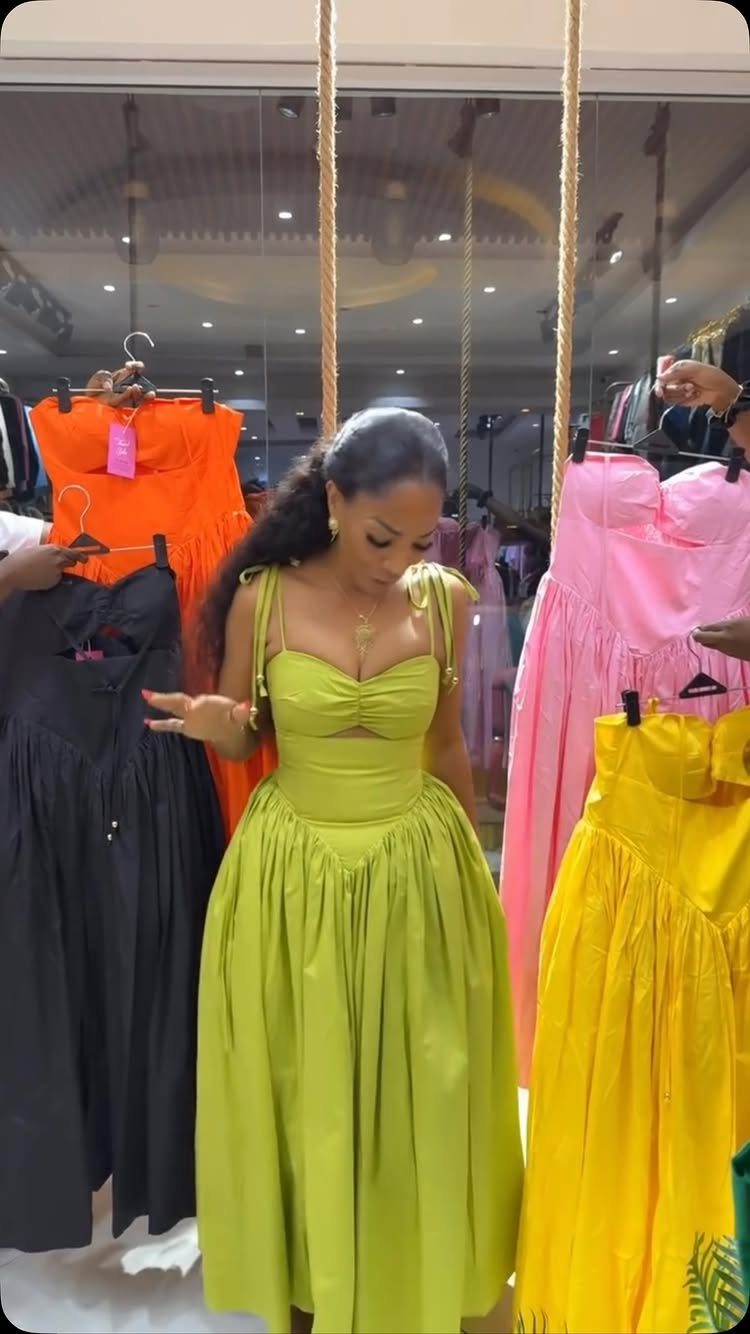
A maxi dress hits at the ankle or drags to the floor, depending on the cut and your height. The length is what defines it; everything else varies.
I like them best in cotton, jersey, or linen for actual summer wear, since a long skirt in synthetic fabric becomes its own sauna by mid-afternoon. For daytime, a simpler bodice and flat espadrille keep the proportions practical.
The comfort is genuine: one piece, no waistband, full coverage. Pack one for vacation and you have a dinner outfit that required zero planning.
3. Bodycon Dress
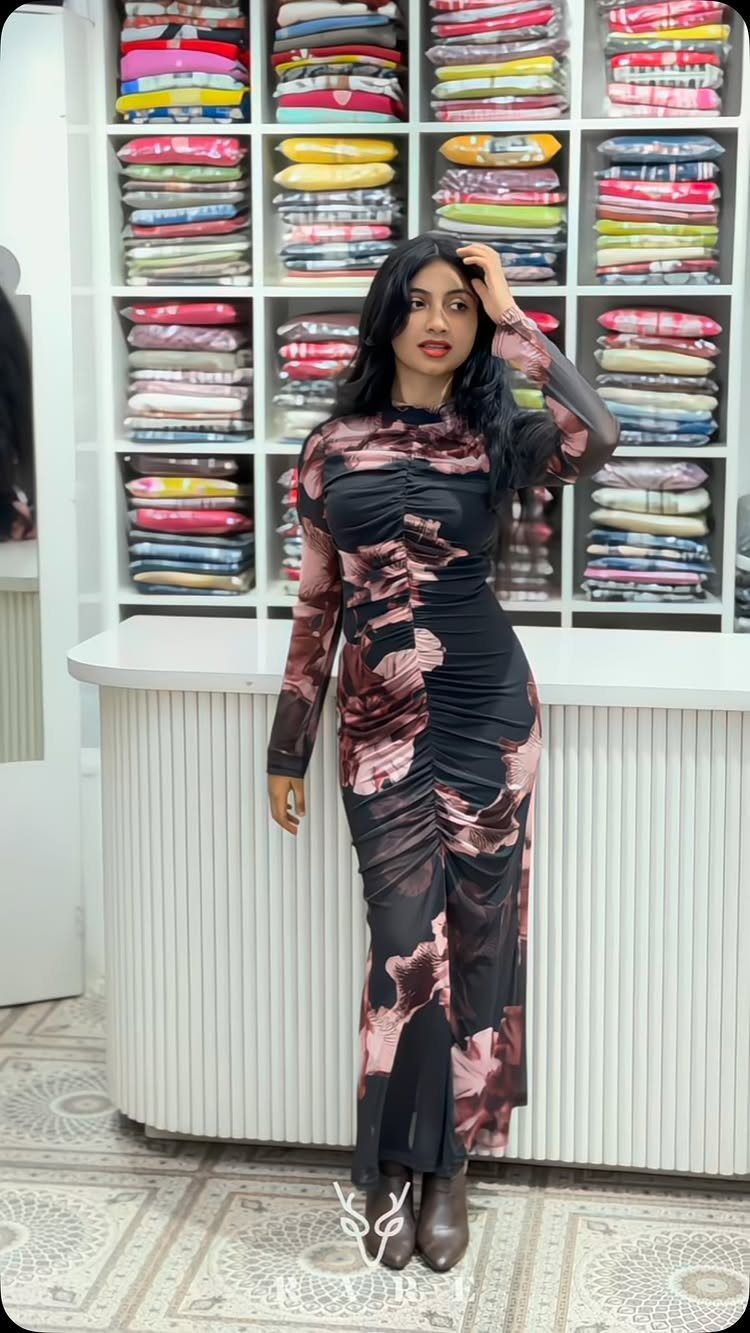
Bodycon is short for "body-conscious," a term that traveled through Japanese fashion magazines in the 1980s and came back as "body confidence." The dress does not pretend otherwise: it is tight, stretchy, and unapologetic about tracing every curve.
I find the style works better in ruched or paneled versions than in smooth single-layer fabric that shows every line of undergarment and lunch.
A long sleeve helps balance a maxi length; without it, the look can feel more exposed than intended.
If you want to wear one but hesitate at the stomach, a high-waisted seam or strategic ruching there helps more than sizing up, which just wrinkles at the knees.
Save this for evenings where the lighting is dim and the seating is standing room or bar height.
4. Wrap Dress
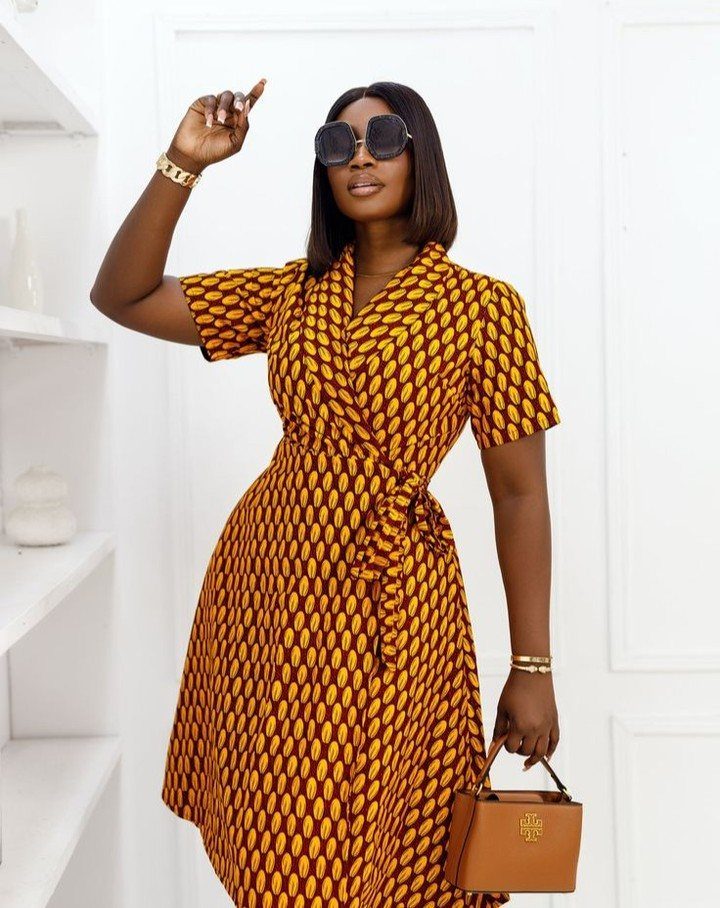
Diane von Furstenberg built her brand on this cut, and it persists because it solves problems: weight fluctuation, long torso, short torso, the need to look professional in the morning and presentable at night without changing.
The V-neck flatters most; the waist tie creates shape where there is none and accommodates where there is more. I wear mine with sandals and a denim jacket for casual days, or alone with a low heel for the office.
A busy pattern stays controlled because the wrap structure breaks it across the body rather than letting it run uninterrupted.
5. Shift Dress
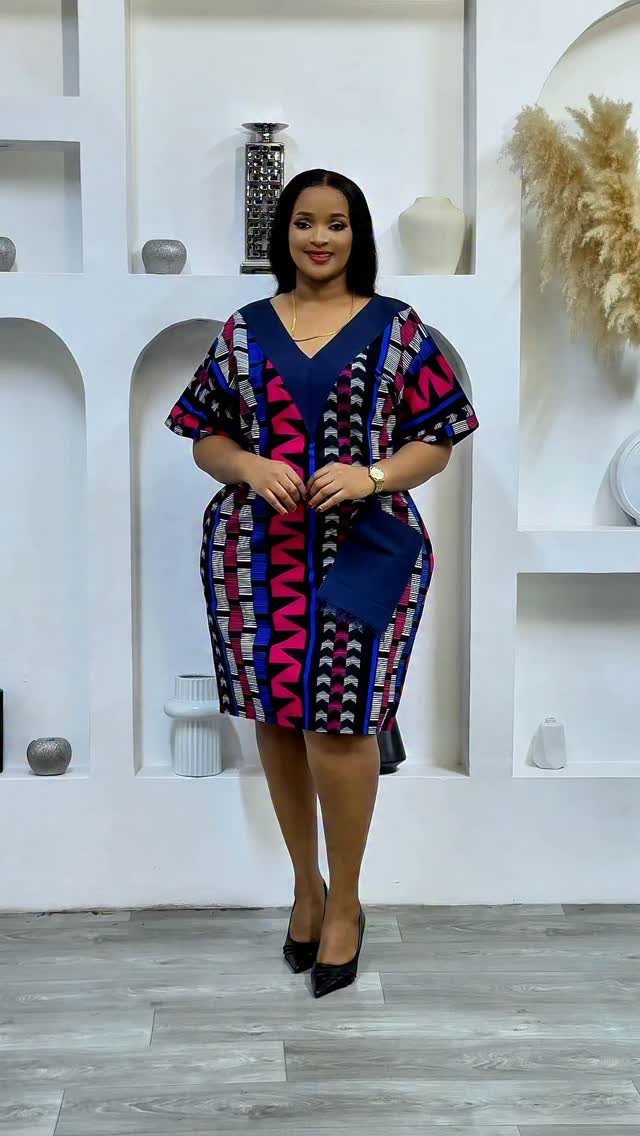
A shift dress hangs straight from the shoulders with no waist seam and no intention of hugging anything. The 1920s made it famous precisely because it refused the hourglass expectation of the time.
I own two for July and August when even the thought of a waistband feels aggressive. The cut works best in a fabric with some body; too drapey and it becomes a tent, too stiff and it boxes.
The length that keeps a shift from looking like a sack is right at the knee. For the office, I add a thin belt; for heat, I leave it alone and wear a flat sandal.
This is the dress to pack for a city day when you will walk miles and sit on subway seats of unknown cleanliness.
6. Peplum Dress
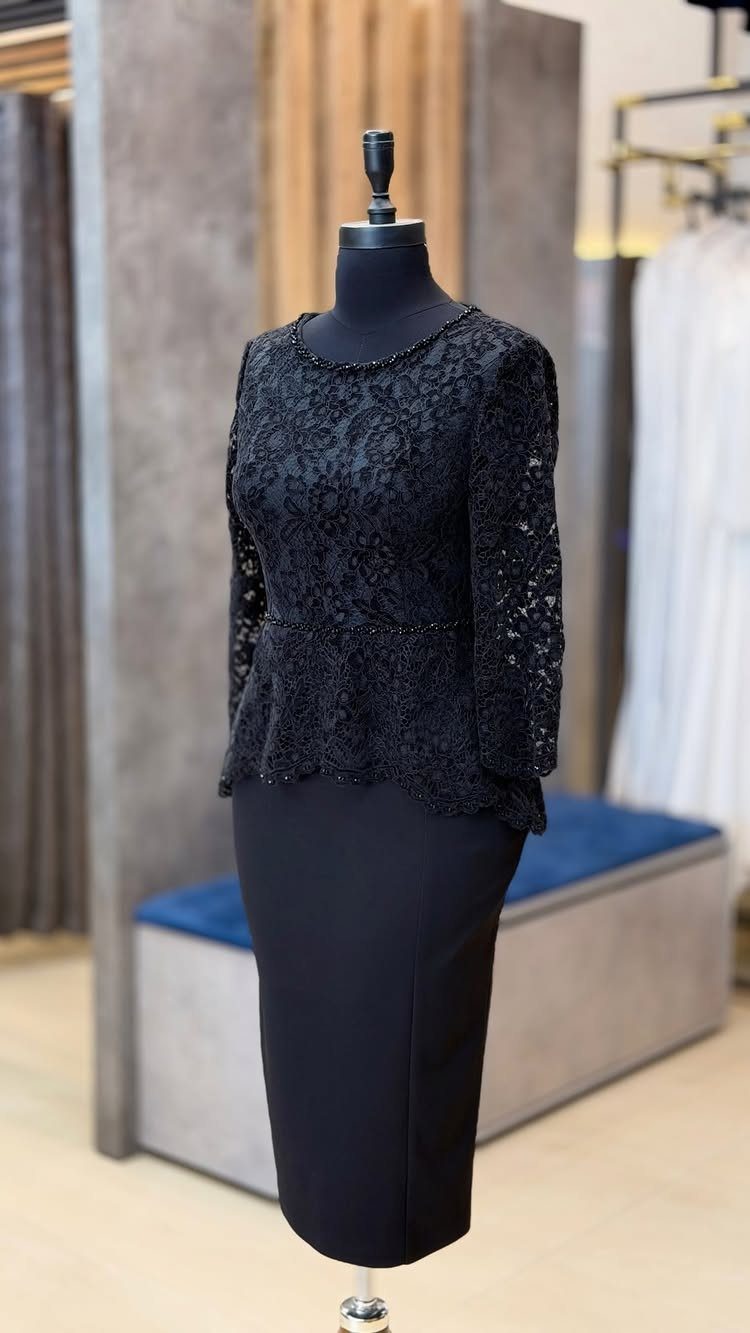
A peplum dress flares at the waist with an extra ruffle or panel, usually over a fitted skirt below. The effect is deliberately hourglass, even if your body is not.
The classic construction puts the flare over a straight pencil skirt. I have seen this cut work well on rectangle and inverted-triangle shapes, where the added volume at the hip balances broader shoulders or creates curves where they are minimal.
It is less successful, in my observation, if you are already carrying weight at the stomach; the flare draws attention there rather than minimizing.
For evening events or office functions where you want to read feminine rather than minimal, this is a reliable choice. Pointed-toe heels and one simple bracelet finish it; the dress already carries enough detail.
7. Slip Dress
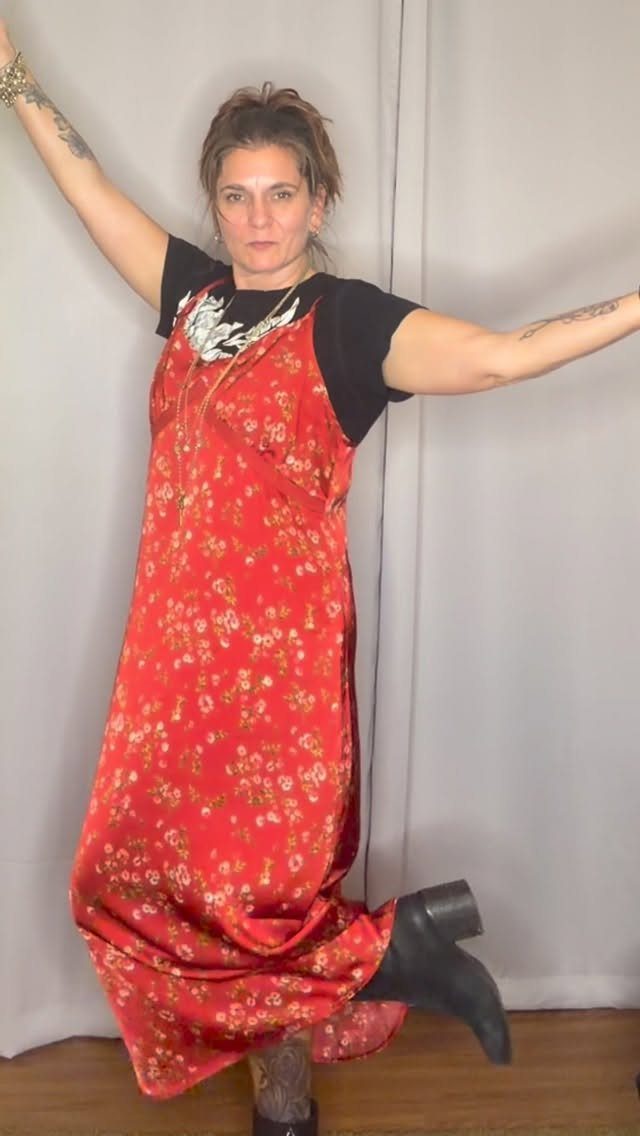
A slip dress is a nightgown built for public life: thin spaghetti straps, bias-cut fabric that skims rather than hugs, and a neckline that sits low enough to read as intentional.
Silk or satin are the traditional materials; polyester versions exist but catch light wrong and static-cling to tights.
I wear mine in daylight only with a layer underneath or over it. Layer a black T-shirt under a floral slip to solve the underwear-as-outerwear question without killing the mood.
For evening, a leather jacket adds structure where the dress has none. The ’90s made this uniform; it still works because the contrast of hard and soft reads as thought-out rather than accidental.
The challenge is undergarments. Seamless everything, or the dress becomes a broadcast of what lies beneath.
8. O-Line/Balloon Dress
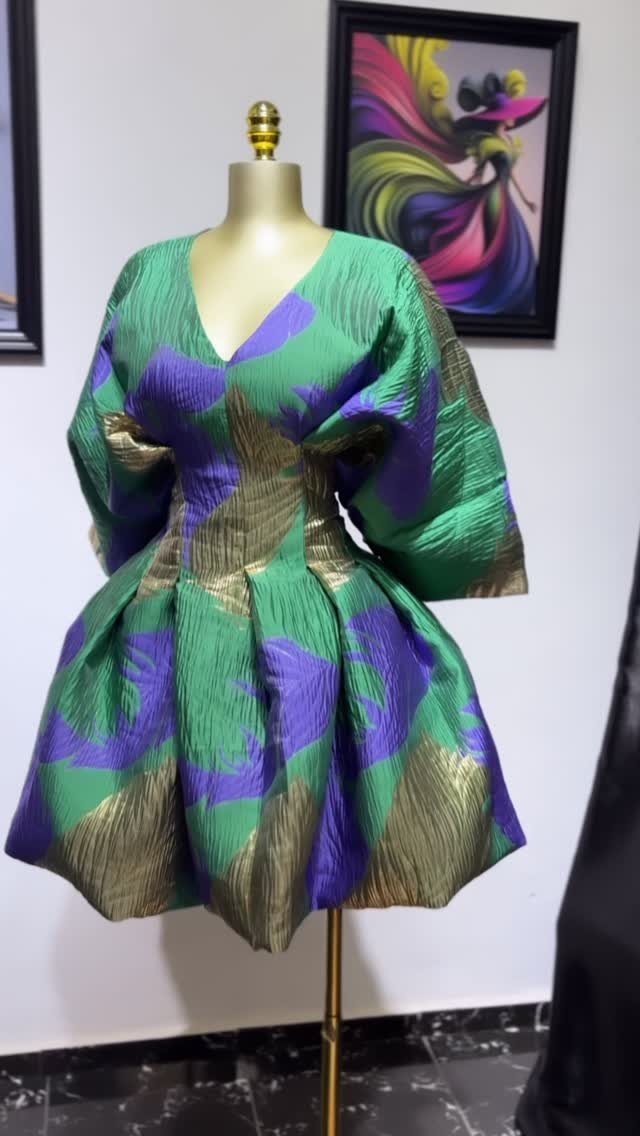
An O-line dress bubbles outward at the waist and hips, creating a silhouette closer to a sphere than to any natural body shape. The volume is the point; the dress makes a statement by refusing to follow curves.
Bold fabric works here because the cut itself is the statement; the volume carries the weight without looking heavy. A solid color keeps the shape from becoming costume; a busy pattern fights the balloon effect and usually loses.
I would not wear this to an event where I need to navigate tight seating or carry a drink through a crowd; the width demands space.
This is a fashion-forward choice, not a practical one. For the reader building a wardrobe of pieces that work across occasions, this ranks low on the priority list.
It suits moments when the dress itself is the entertainment: a gallery opening, a themed party, a night where standing out matters more than sitting comfortably.
9. Sheath Dress
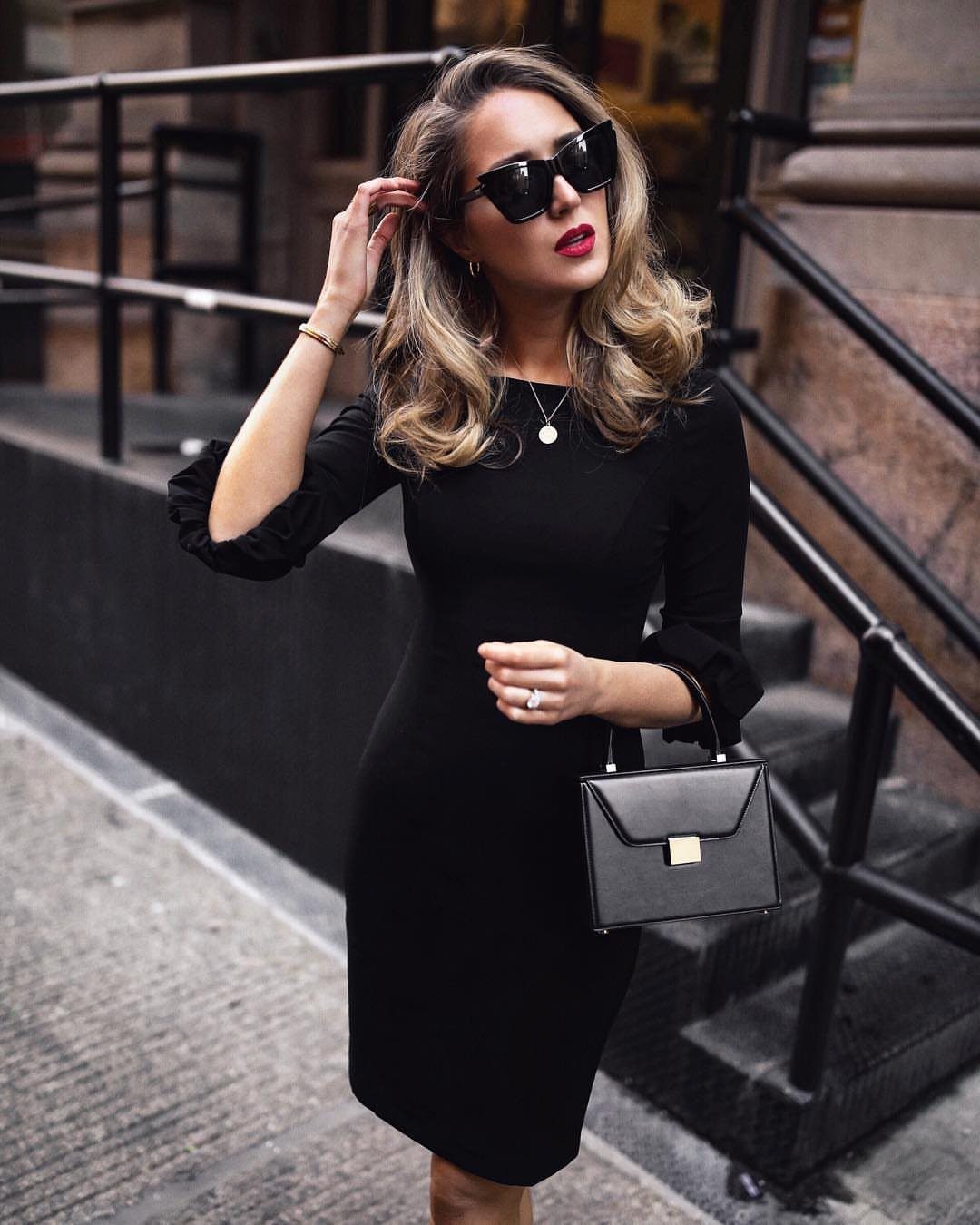
A sheath dress follows the body in a straight line from shoulder to knee, with no flare and no excess fabric to hide behind.
The cut demands precision in fit; a half-inch too tight and it pulls across the hips, too loose and it sacks at the waist.
The classic expression is knee-length, short sleeves, nothing decorative to distract from the line.
Jackie Kennedy built her public image on this dress, and it remains the standard for professional settings where competence reads as style. I add a blazer for meetings, pearl earrings for occasions that require more polish than a suit allows.
The sheath works best on a body with relatively even proportions; a pronounced difference between waist and hip measurements makes fit difficult without tailoring. Switch the shoes and the same dress works for the office or dinner out.
10. Cocktail Dress
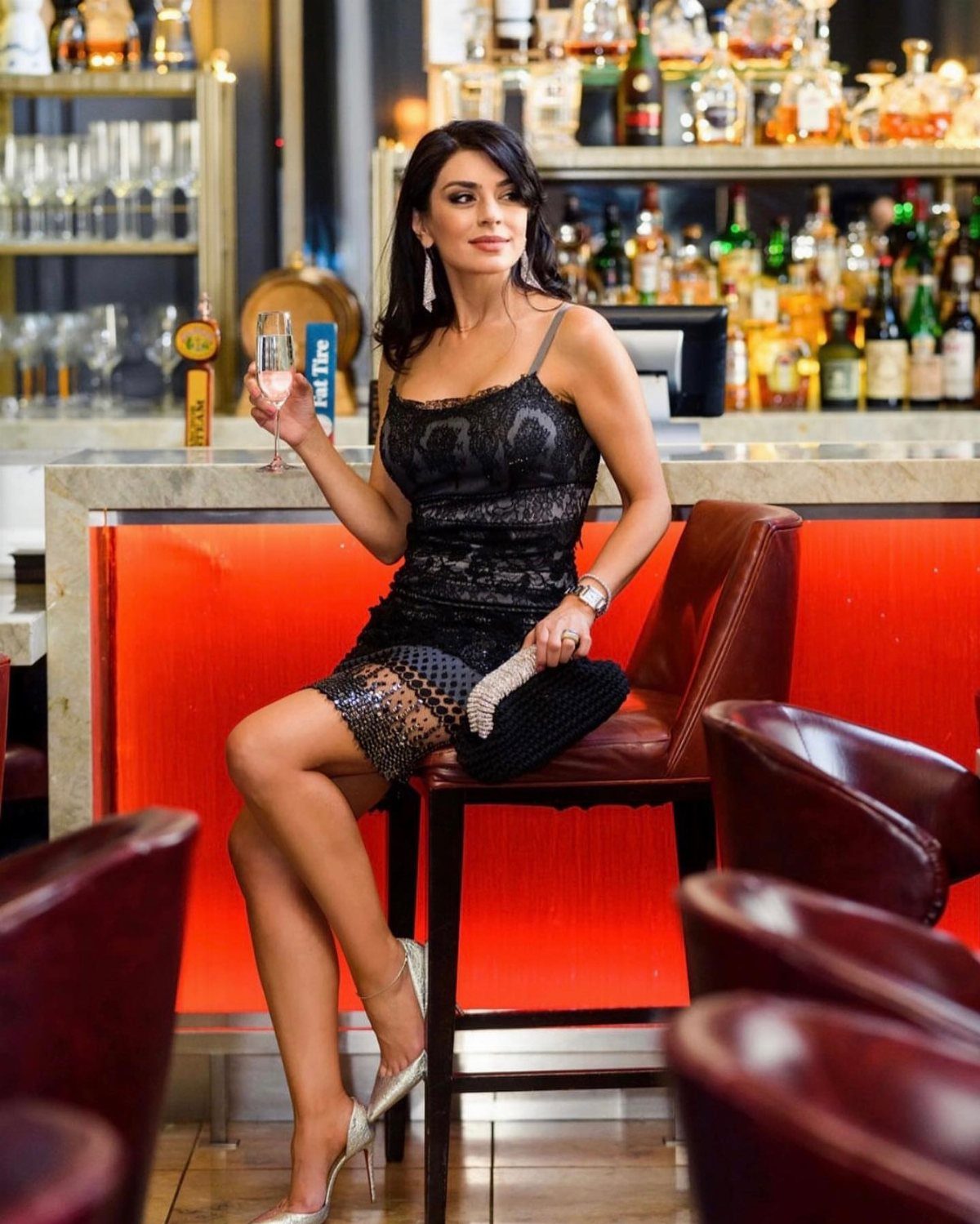
A cocktail dress is defined by its job: dressy enough for a party, restrained enough that you can hold a glass and move through a room without the dress becoming the event.
Hemlines run from mini to midi; the length matters less than the elevation of the fabric and finish.
Black lace hits the right register for almost any cocktail invitation. Lace, satin, or a dense crepe with some structure all signal intention; cotton or jersey read as day dresses even in dark colors.
I look for a neckline that stays put when I lean forward to set down a plate, and a skirt length that covers me when I sit on a low chair.
This is the dress to own for the invitation that says "cocktail attire" and nothing else. One well-made version in black carries through multiple seasons; add color only when the calendar is already full of occasions to wear it.
11. Off-the-Shoulder Dress
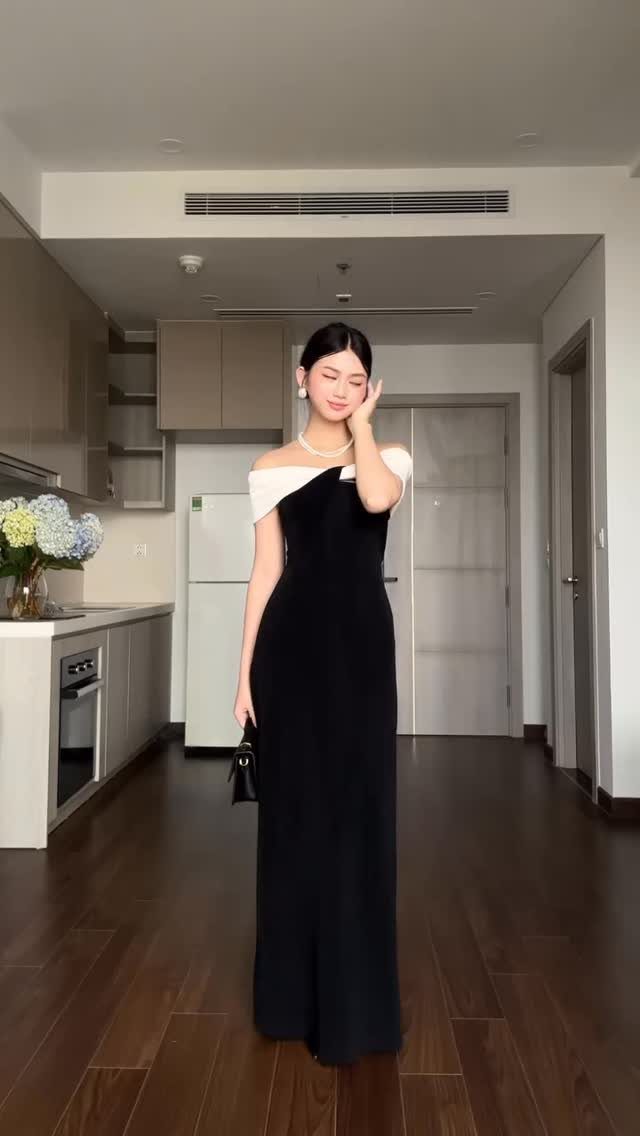
An off-the-shoulder dress sits with its neckline below the shoulder joint, held by structure or elastic rather than straps.
The exposure is specific: collarbone, shoulders, the line of the neck, while the arms remain covered to however far the sleeve extends.
This cut works at full length when the fabric has enough weight to hold the shape.
I find the style most useful in summer, when the bare shoulder reads as cooling rather than provocative, and when I have a necklace or earrings worth framing.
An elastic neckline allows some adjustment; a rigid construction stays where it is placed and risks slipping with movement.
A wide-brimmed hat and bold necklace pair well, as the open neckline leaves room for both.
The shape suits pear and hourglass figures particularly, since the horizontal line at the shoulder balances wider hips. For beach outings or casual summer evenings, this is an easy choice.
12. Halter Dress
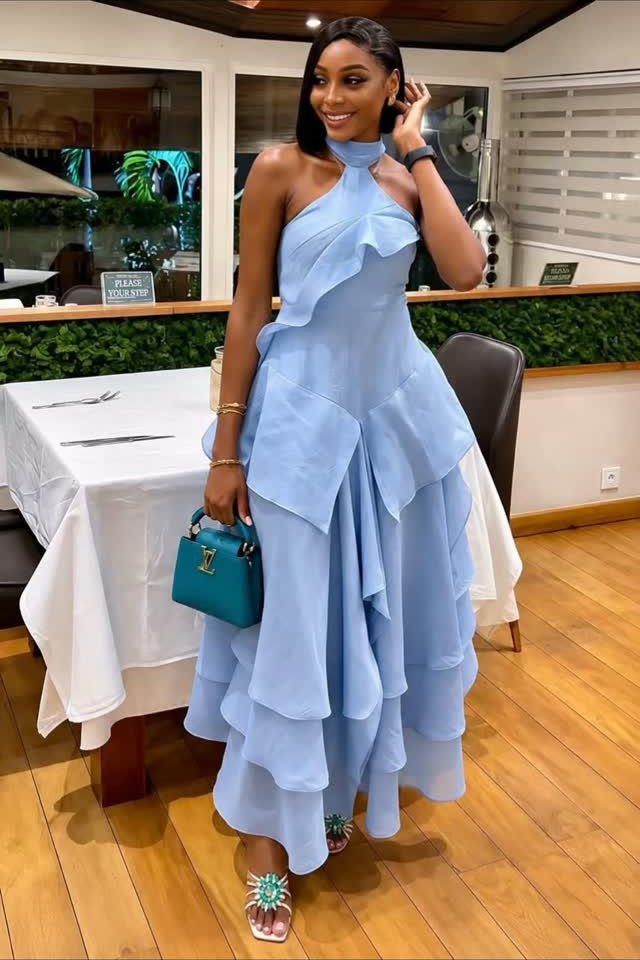
A halter dress sends its straps around the neck, leaving the shoulders and upper back exposed. Support comes from above, not from the sides, which changes how the dress hangs and what body it suits.
A tiered version in light blue wears as a casual summer piece: flat sandals, a small bag, nothing competing for attention.
The halter can also run dressy in a sleek crepe or satin with a floor-length skirt; the difference is in fabric and cut, not in the neck itself.
I like this style when I want the freedom of a sleeveless dress without the constant adjustment of straps sliding down.
The neck strap puts pressure on the back of the neck after a few hours; this is not a dress for a long day of standing.
It showcases toned shoulders and a defined upper back, and it reads as confident on a body comfortable with that exposure. For daytime parties or casual dinners, a tiered cotton halter is a practical starting point.
13. Sweater Dress
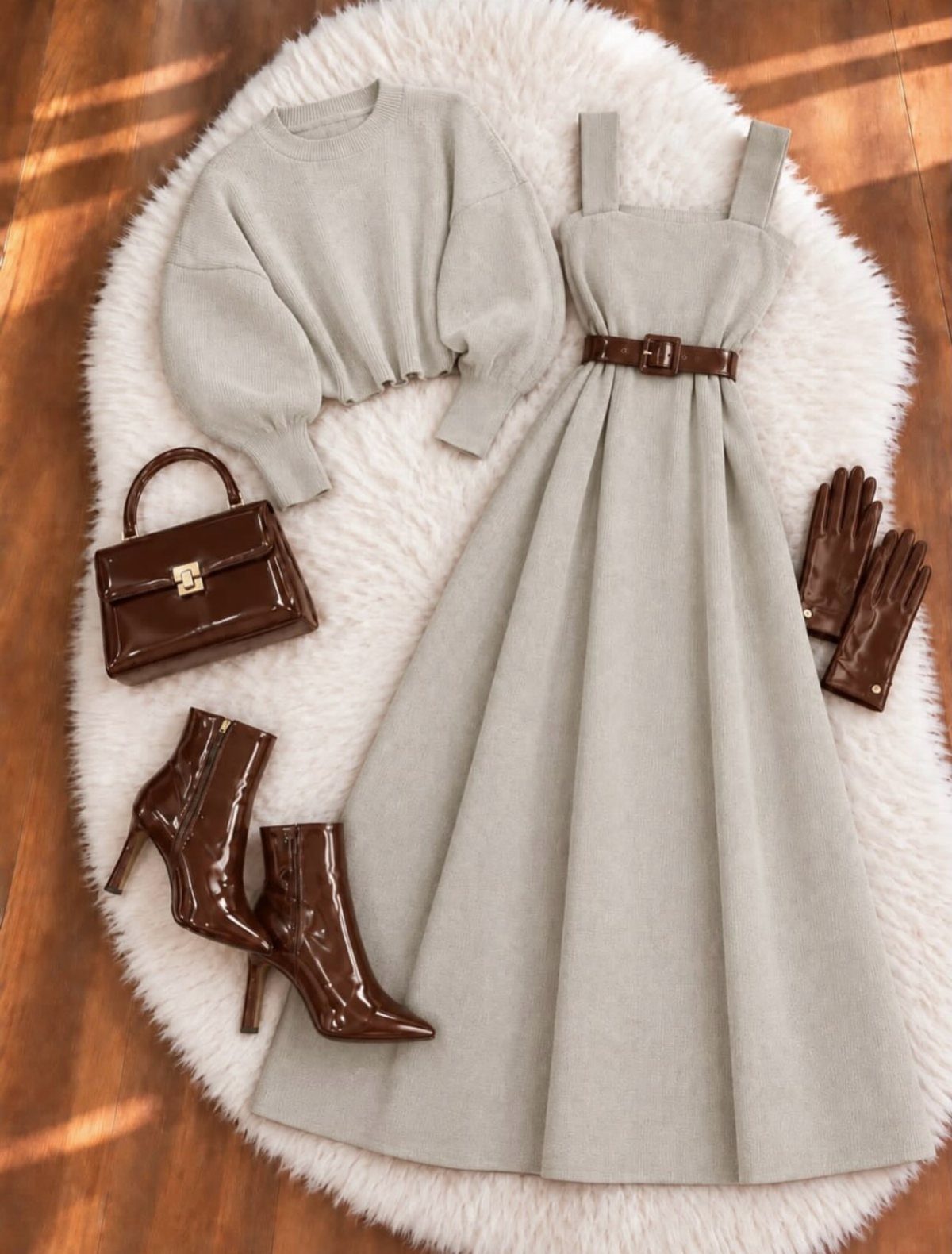
A sweater dress is simply a dress cut from knit fabric, the same material as your heavier cardigans, usually landing at or below the knee. The stretch makes it forgiving; the texture makes it read as intentional rather than lazy.
I reach for mine when the mornings turn cold and I need one piece that covers without layering sweater over shirt over cami over tank.
A thin belt at the waist keeps the shape from going completely rectangular; tights and heeled boots finish the look for a coffee date or a holiday gathering.
A scarf or beanie adds warmth without demanding a coat before you are ready.
The knit fabric pills with washing; hand wash or dry clean if you want it to survive more than 2 seasons.
14. Blazer Dress
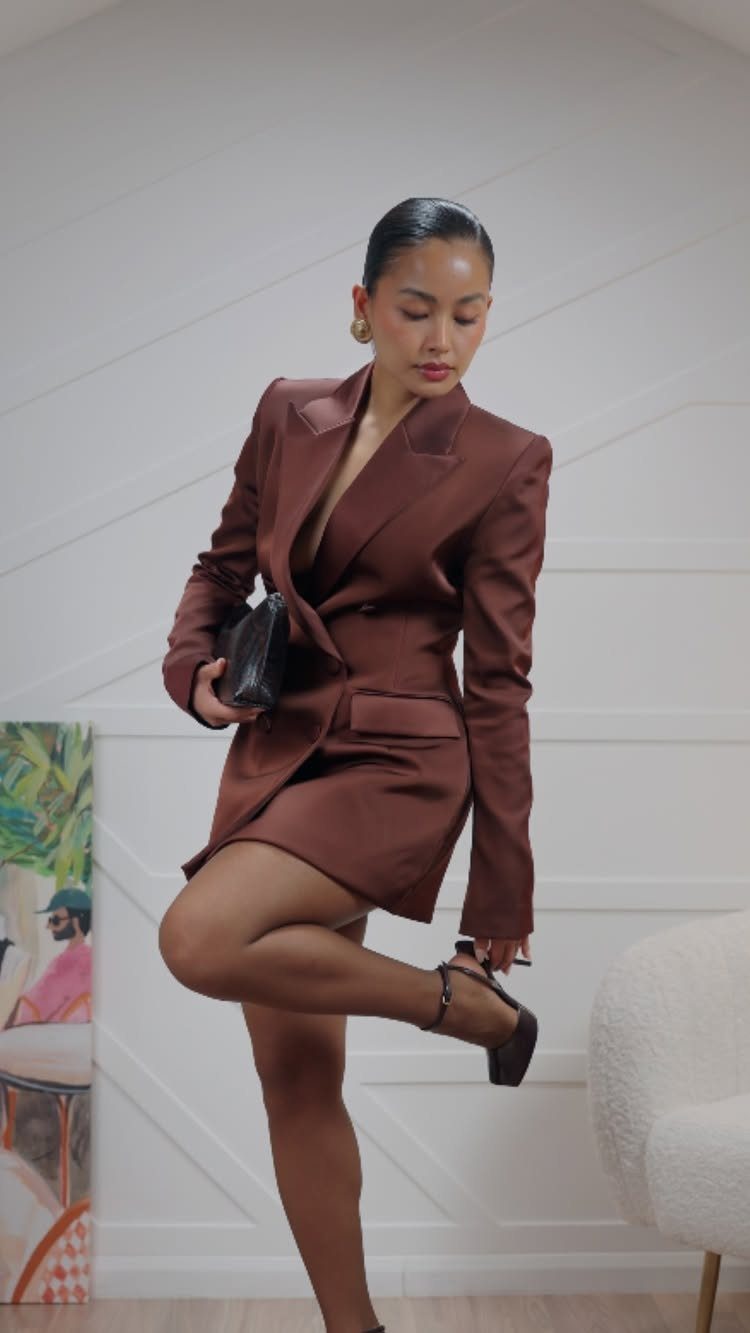
A blazer dress takes the tailored jacket and extends it to mini or midi length, worn alone with the buttons closed.
The collar, the structured shoulders, and the fitted waist all come from menswear; the bare legs underneath make it a dress.
I like this best in a heavy satin or dense crepe that holds the shape through a full day. Pumps and a simple necklace are enough; the dress already carries the detail of lapels and buttons.
It works for professional settings where a suit reads as trying too hard and a dress reads as too soft. The hourglass and rectangle shapes carry it most naturally, though a defined waist helps the apple and pear shapes too.
Check the button placement before you buy; too high and it becomes a tunic over pants you did not bring.
15. Kimono Dress
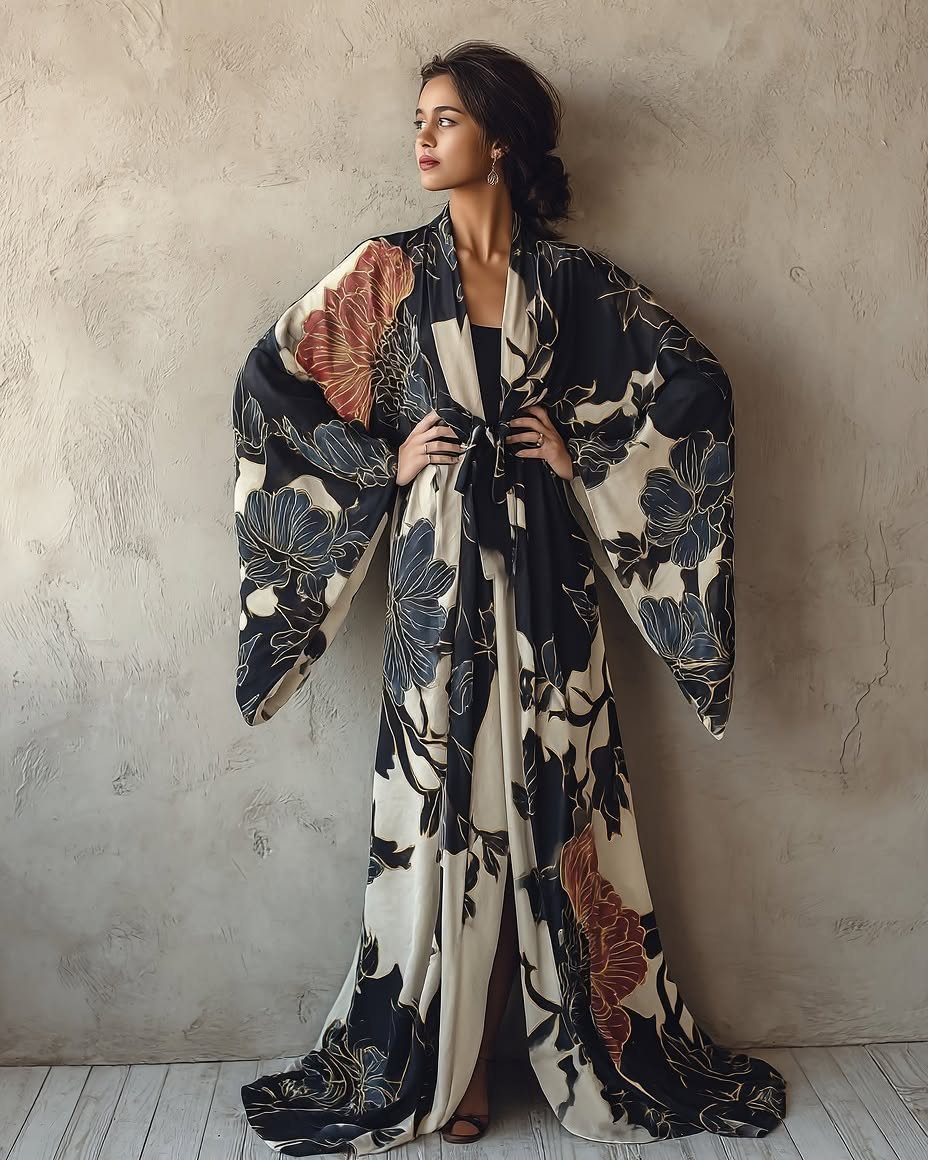
A kimono dress borrows the wide sleeves and wrap closure of traditional Japanese dress, usually in a length that brushes the ankle. The waist tie creates shape without demanding a fitted cut underneath.
I find this forgiving across body shapes because the wrap adjusts and the wide sleeves balance almost any proportion.
The underlayer is essential; the wrap can gape when you sit or reach. A solid black slip beneath a printed kimono keeps the look grounded.
This is a vacation piece for me, or a summer evening when I want coverage without weight. Flat sandals keep it casual; a low heel pushes it toward dinner.
16. Ball Gown
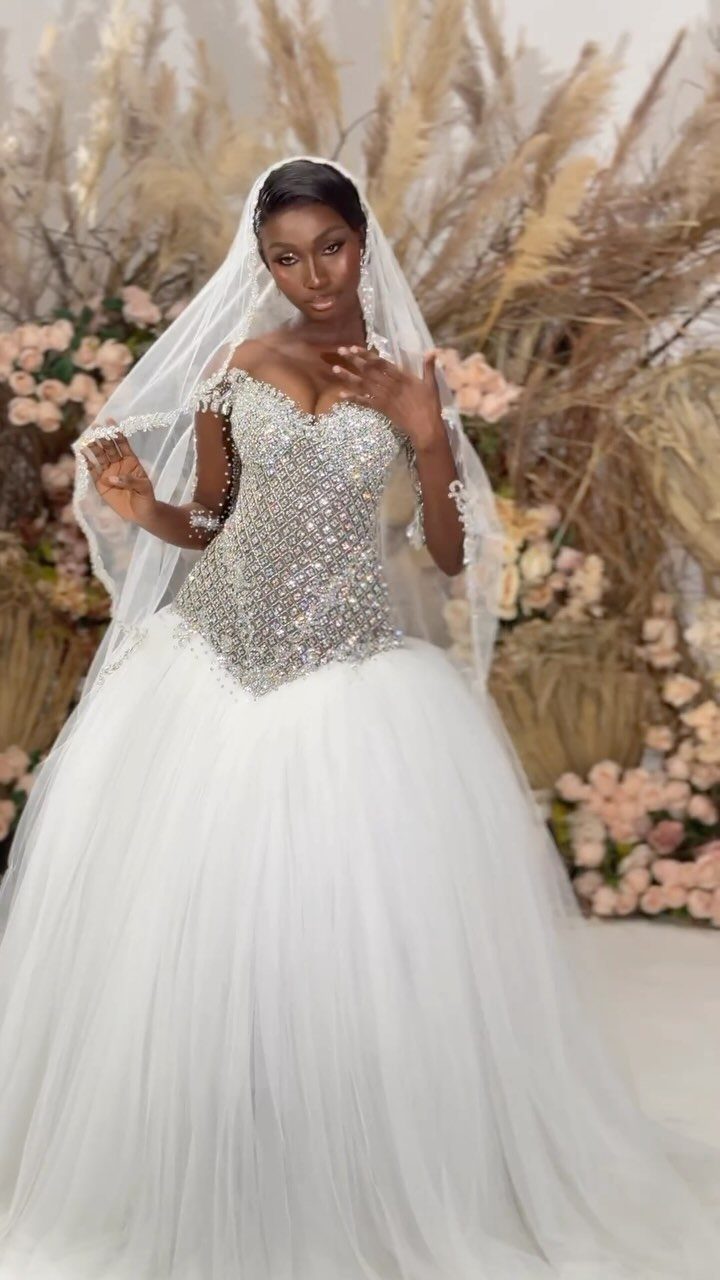
A ball gown pairs a fitted bodice with a full, floor-length skirt wide enough to require space when you turn. The shape emerged in the 1800s and still signals the highest level of formal dress.
Crystal work and tulle layers push this shape to its most ornate extreme; the same rules of proportion work in plain satin or matte crepe for a dinner where you want to arrive with presence.
Heels or hidden flats both work, though the skirt hides the latter entirely. Drop earrings draw attention upward, where the neckline and your face sit above the volume.
A ball gown is the right choice for galas, proms, and weddings where the invitation specifies formal or white tie. Own one only if your calendar actually contains these events; otherwise, rent.
17. Square-Neck Dress
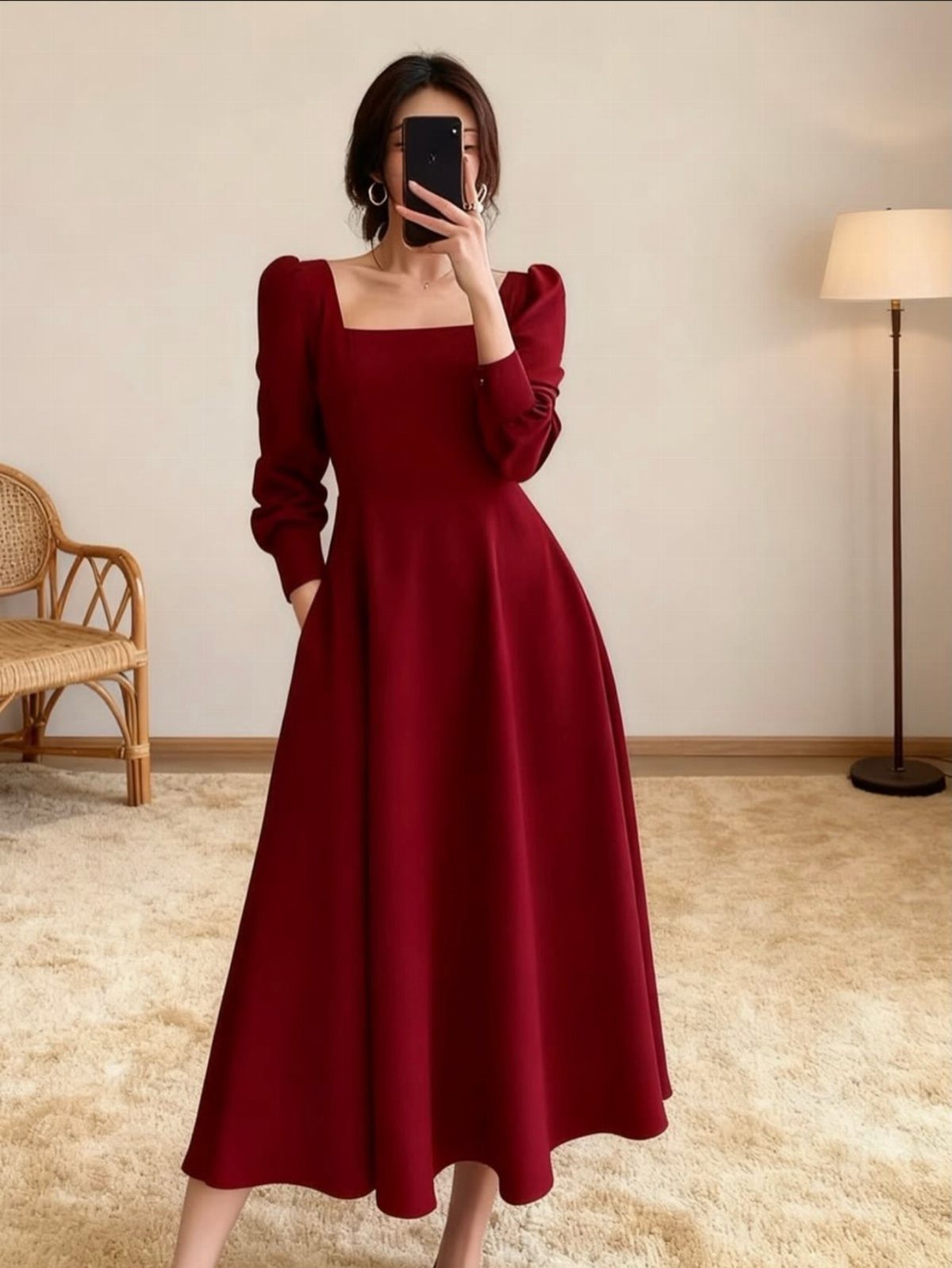
A square-neck dress frames the collarbone and upper chest with a straight horizontal line and 2 vertical drops, exposing more skin than a crew neck but with a geometric severity that keeps it from reading as sweet.
The maroon long-sleeved version in the mirror selfie shows the neckline at its most useful: it stays put, it flatters the decolletage without plunging, and it gives a foundation for a necklace that follows the same straight line.
I find this neck particularly good on broader shoulders; the horizontal line visually narrows them. The A-line skirt in the visible example adds ease through the hips, making the combination workable for several body types.
Check the corner points when you try it on; too wide and the straps slip, too narrow and the effect becomes municipal rather than striking.
18. Floral Dresses
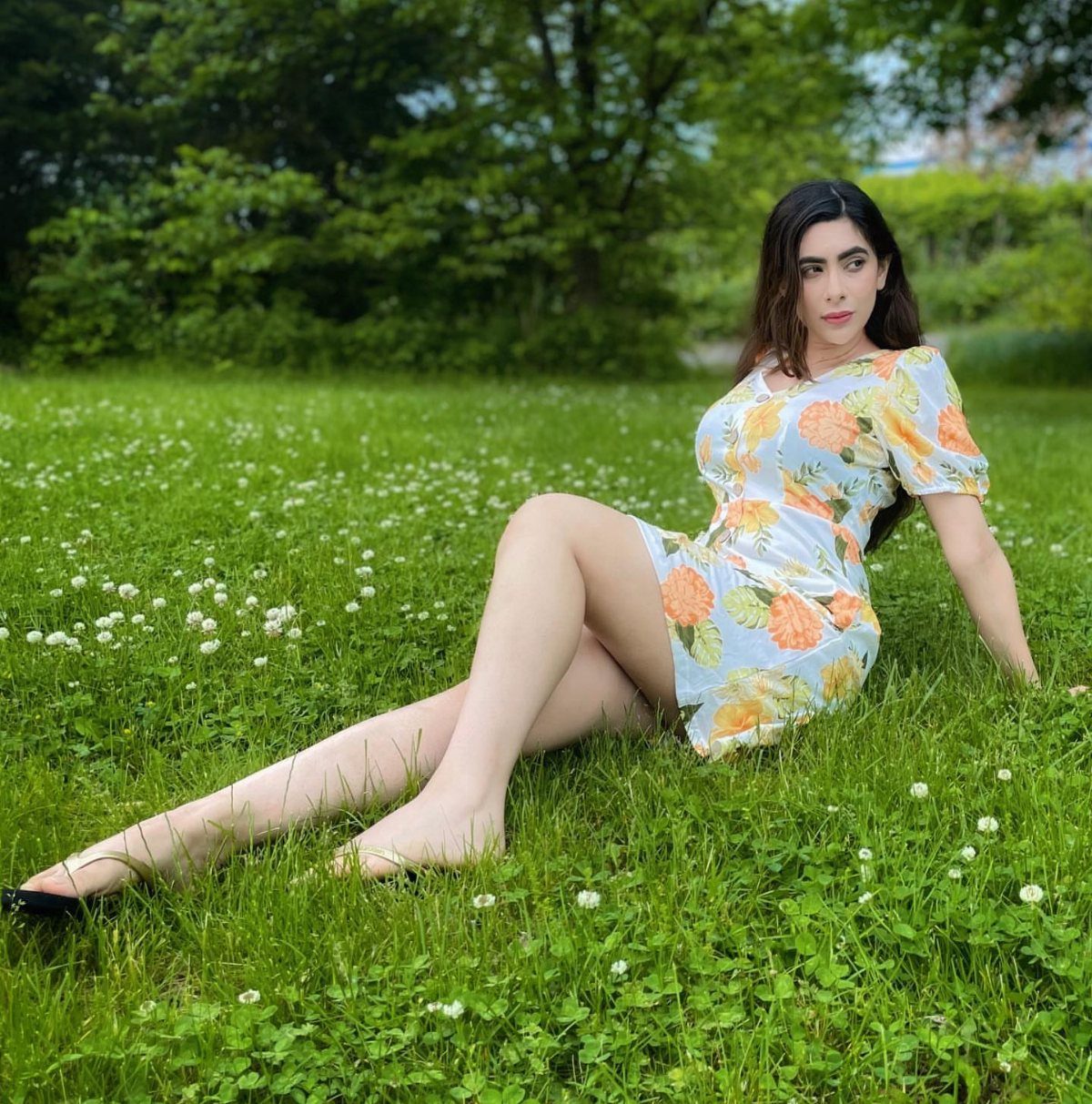
A floral dress is any cut or length that carries a flower print, and the print does more work than the shape.
Small florals read as subtle, easy for daytime and the office; large florals make the statement themselves and need a simple cut to support them.
I choose based on scale: small print for a brunch where I want to blend, large print for a vacation where I want to be remembered.
The season matters less than the ground color; dark backgrounds work year-round, light grounds read as spring and summer.
Before buying, hold the fabric up and imagine it wrinkled after sitting. Some floral prints look tired when the dress is not fresh.
19. High-Low Dress
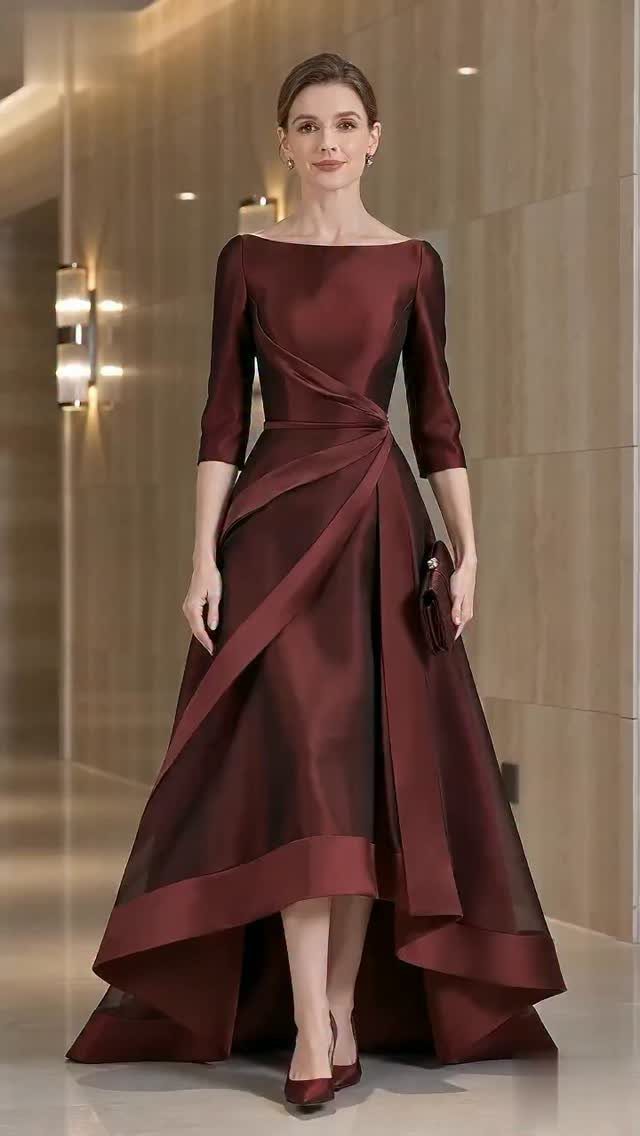
A high-low dress carries a hem that rises in front, often above the knee, and drops lower behind, sometimes to the ankle.
The visible burgundy satin version shows the shape at its most formal: the front exposes the legs for movement and display, the back supplies the ceremony of a train without the tripping hazard.
The cut suits events where you will both stand receiving guests and sit through a dinner, as the front clears the chair while the back maintains presence.
I would check the back length against the heels I plan to wear; too long and the hem drags, too short and the drama collapses.
For a practical choice, a satin or silk in a deep color reads evening; cotton or chambray versions work for daytime parties where the shape itself is the statement.
20. Denim Dress
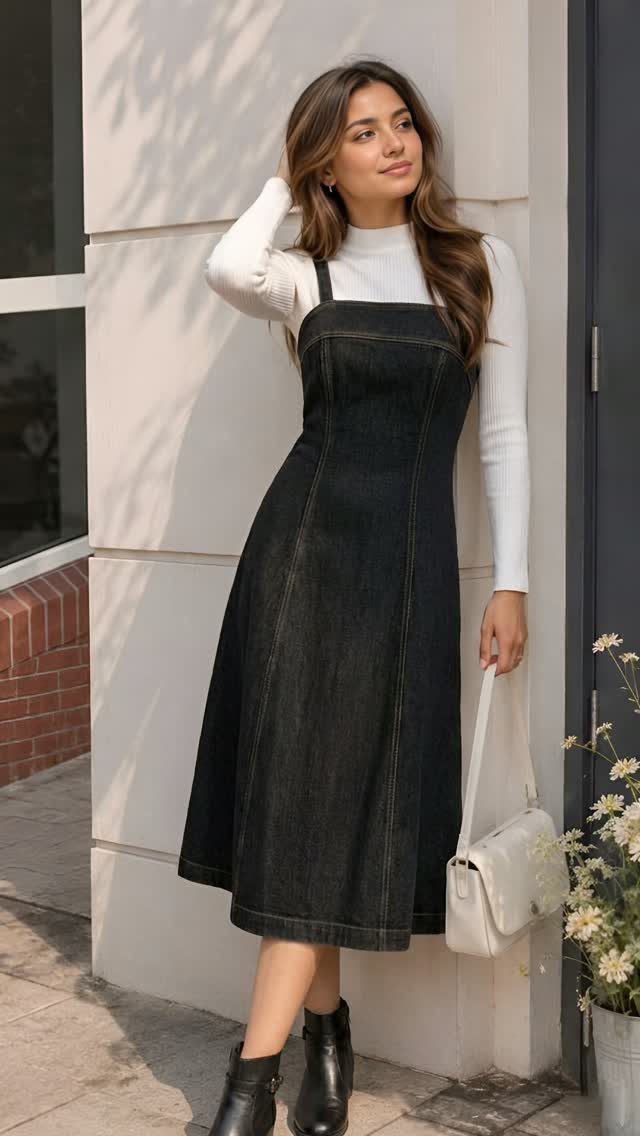
A denim dress is simply a dress cut from the same fabric as your jeans, carrying all of denim’s associations into a single piece.
The visible version layers a dark wash pinafore over a white long-sleeve shirt, which is one reliable way to wear it through cooler months.
The fabric’s weight and casual history make this a shape that resists dressing up; heels or booties push it toward evening, sneakers keep it grounded in weekend errands.
I find the dark wash more versatile than light, and less likely to read as borrowed from a teenager.
Check the seam placement before buying; denim bulk adds pounds where the seams sit, and princess seams or darts matter more than in a flowy fabric. A belt breaks the rectangle when the cut runs straight.
21. Structured Dress
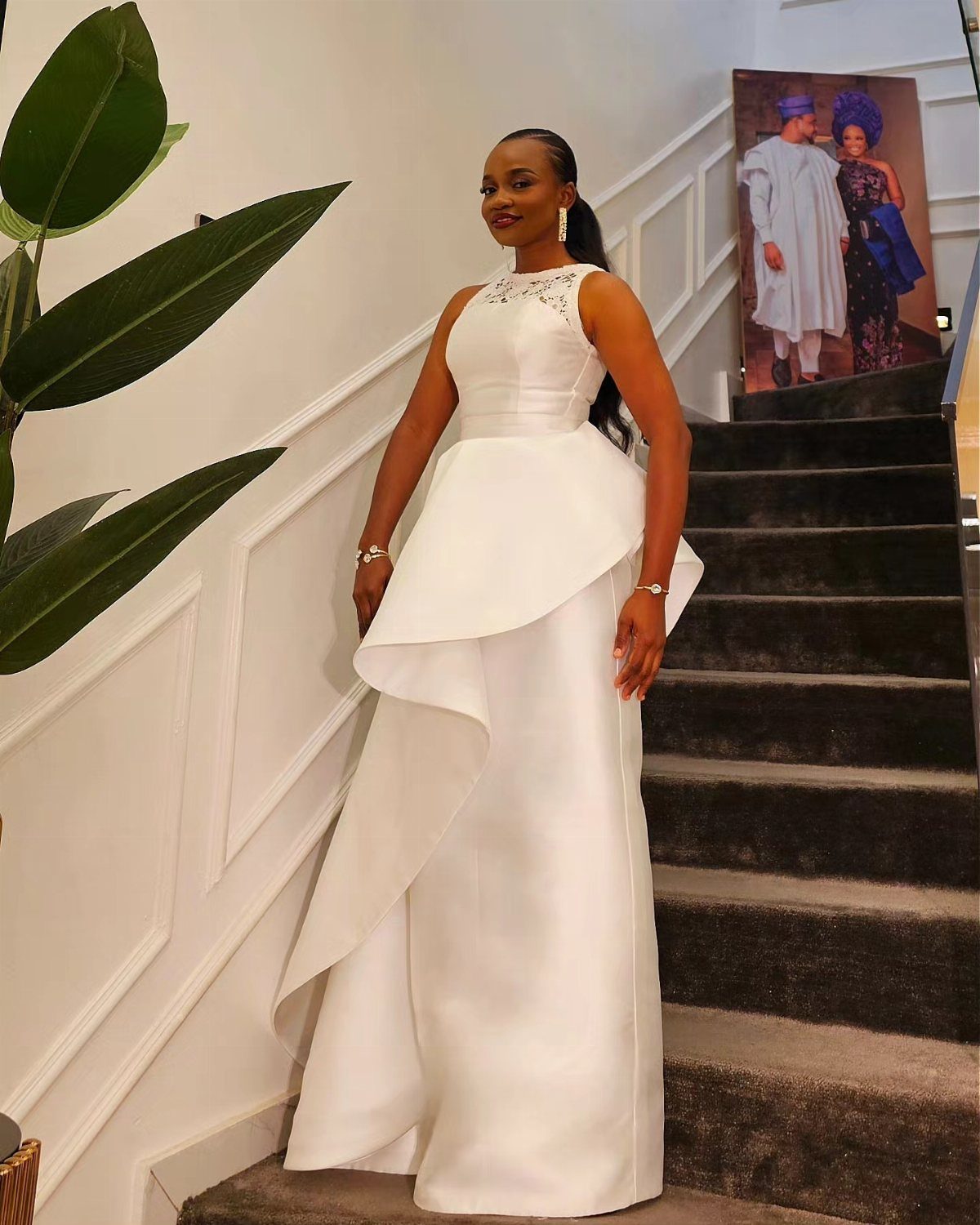
A structured dress holds its shape through fabric weight and internal construction rather than following the body’s contours.
The visible white gown shows the architecture at full expression: the sculpted peplum layers stand away from the body, creating silhouette through engineering rather than drape.
Boning, interfacing, and heavy satins or brocades do the work; the dress becomes a garment you step into rather than pull on. This is the right choice when the occasion demands presence and the body underneath needs no softening.
The trade is movement. A structured dress sits, stands, and turns; it does not slump into a chair or pack small for travel.
I would budget for tailoring, as the fit must be precise where the fabric does not forgive. Formal occasions and photography are where this investment pays.
22. Bubble Dress
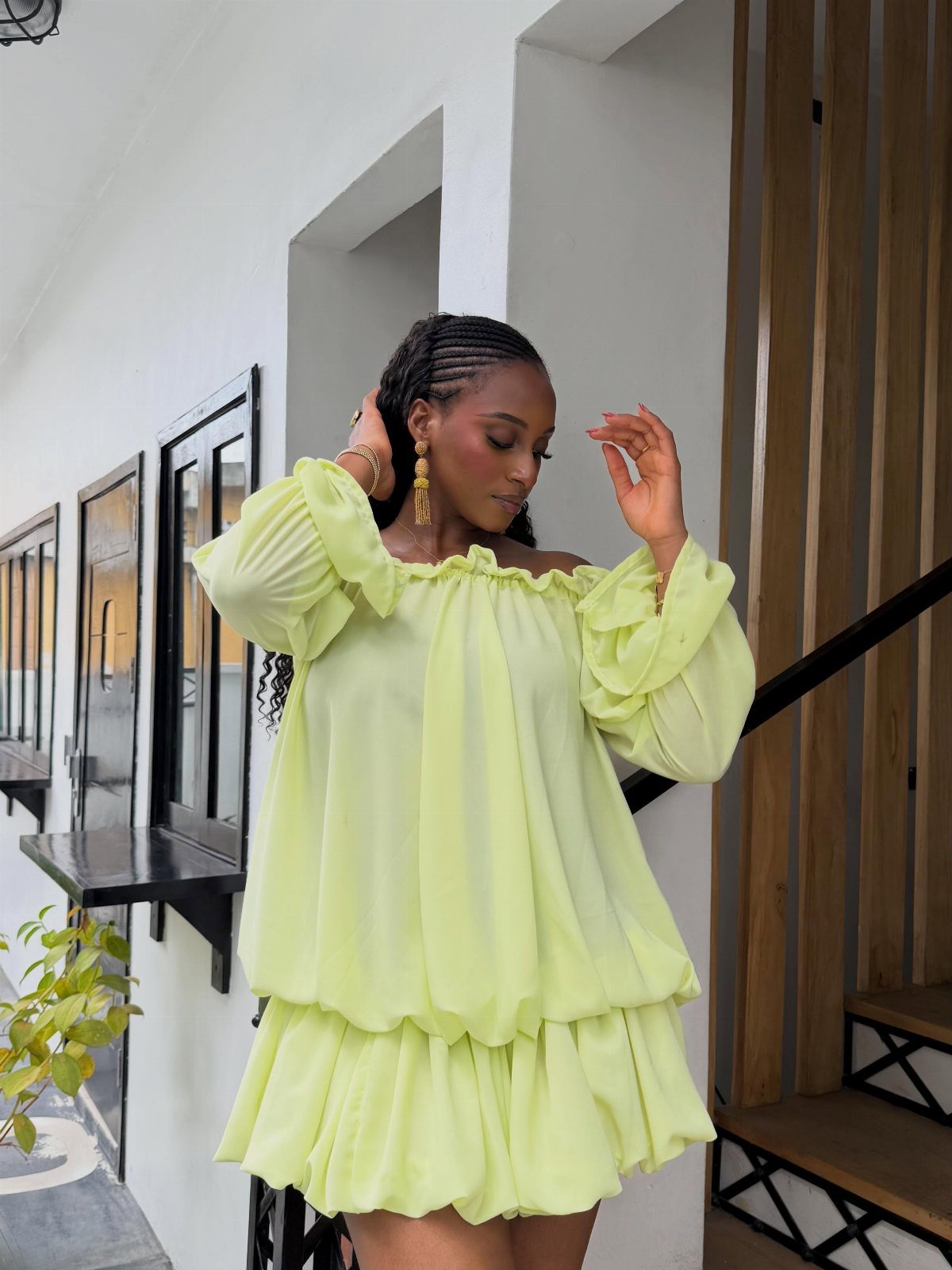
A bubble dress gathers its hem into a band or lining so the skirt balloons outward, creating a rounded volume that hovers rather than hangs.
The visible yellow mini shows the effect at its most playful: the hem puffs like a lampshade, the legs emerge from underneath.
The shape adds youth and movement to a simple cut.
I find it most useful for occasions where I want to read as approachable rather than severe: daytime parties, brunches, events where the dress can carry the interest without jewelry competing.
The hem length matters; too short and the bubble reads as costume, too long and the volume becomes cumbersome.
A hem that hits mid-thigh or just at the knee keeps the volume from overwhelming your frame. The tucked construction uses extra fabric; check that the lining does not ride up with the outer skirt.
23. Chevron Dress
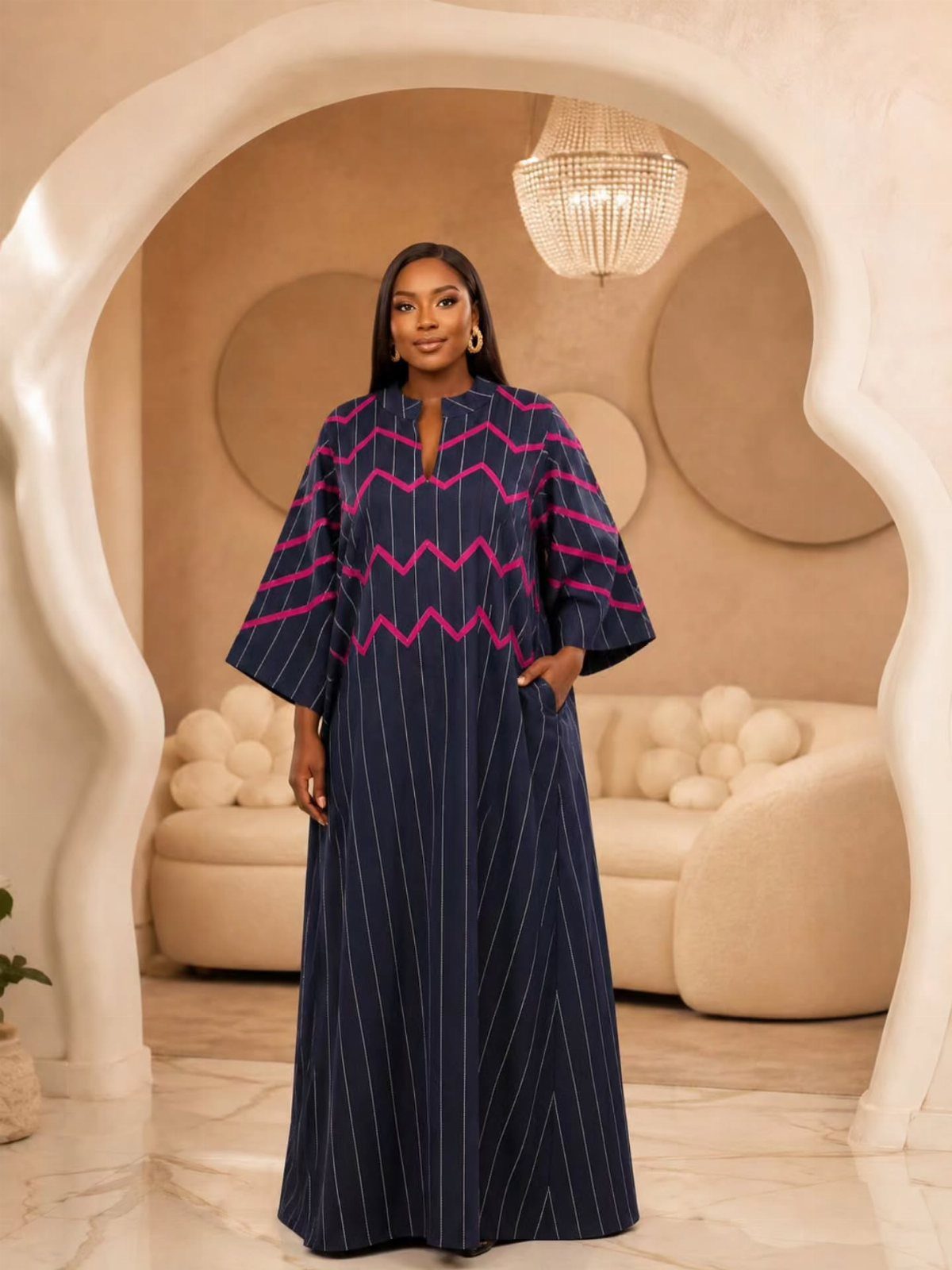
A chevron dress carries a zig-zag pattern, the peaks and valleys running across or down the garment.
The visible navy maxi shows the pattern at large scale: bright pink chevrons across the bodice, vertical white stripes below, the geometry doing the work of shaping and decoration together.
These prints dominated the early 2010s, which means they now read as familiar rather than cutting edge.
I would wear the pattern for casual summer events where the reference feels nostalgic rather than dated, or choose a smaller scale chevron in neutral colors for a safer ground.
The direction matters.
Horizontal zig-zags widen; vertical or diagonal placements flatter more bodies. Check that the pattern matches at the seams, as a misaligned chevron cheapens the whole dress.
24. Smock Dress
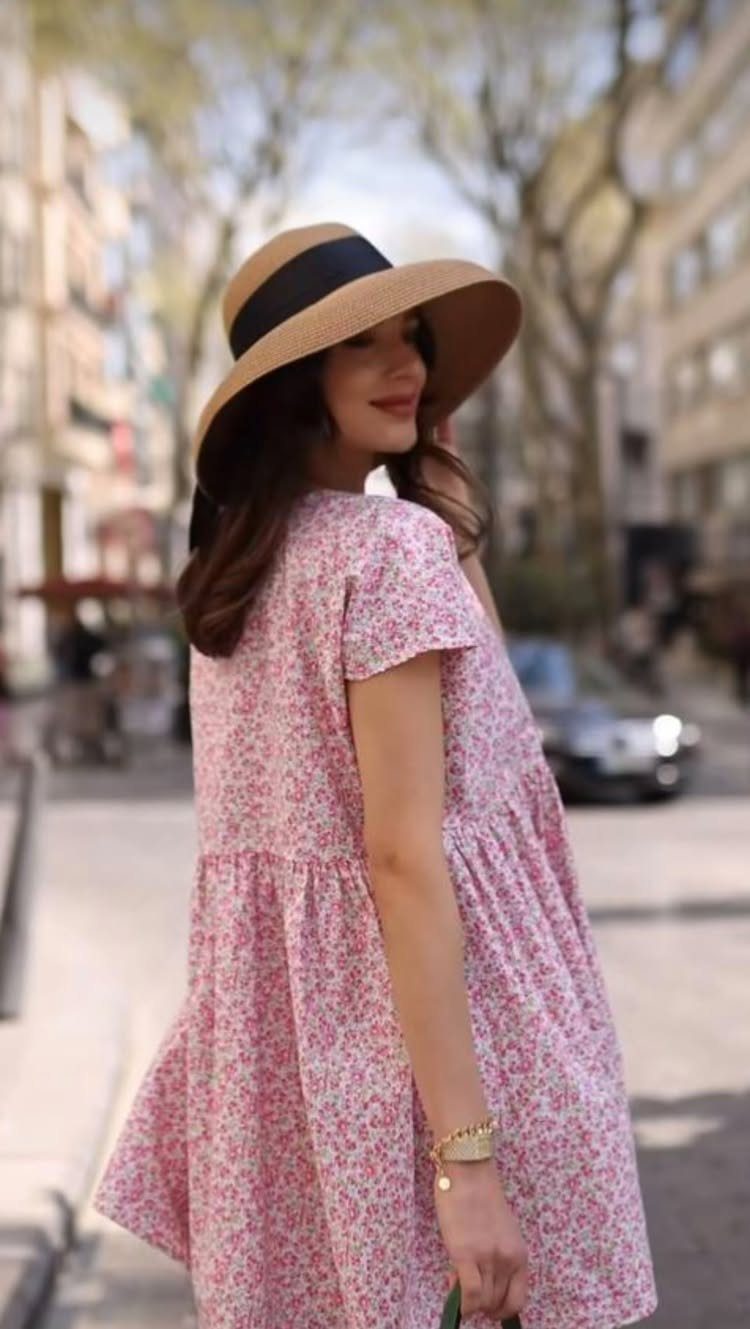
A smock dress gathers fabric through pleats or tucks at the chest, then releases into a loose, tent-like shape that does not touch the body below.
The visible pink floral version, worn with a straw hat, shows the style in its natural habitat: a city street on a warm day, movement and air the priority.
The cut flatters across body types because it does not emphasize any single point. I reach for mine when I want to forget about my clothes entirely: long flights, outdoor markets, days when comfort outweighs all other considerations.
Breathable cotton or linen keeps the shape from becoming a sauna. Sandals or sneakers complete the look; a belt contradicts the purpose.
25. Pinafore Dress
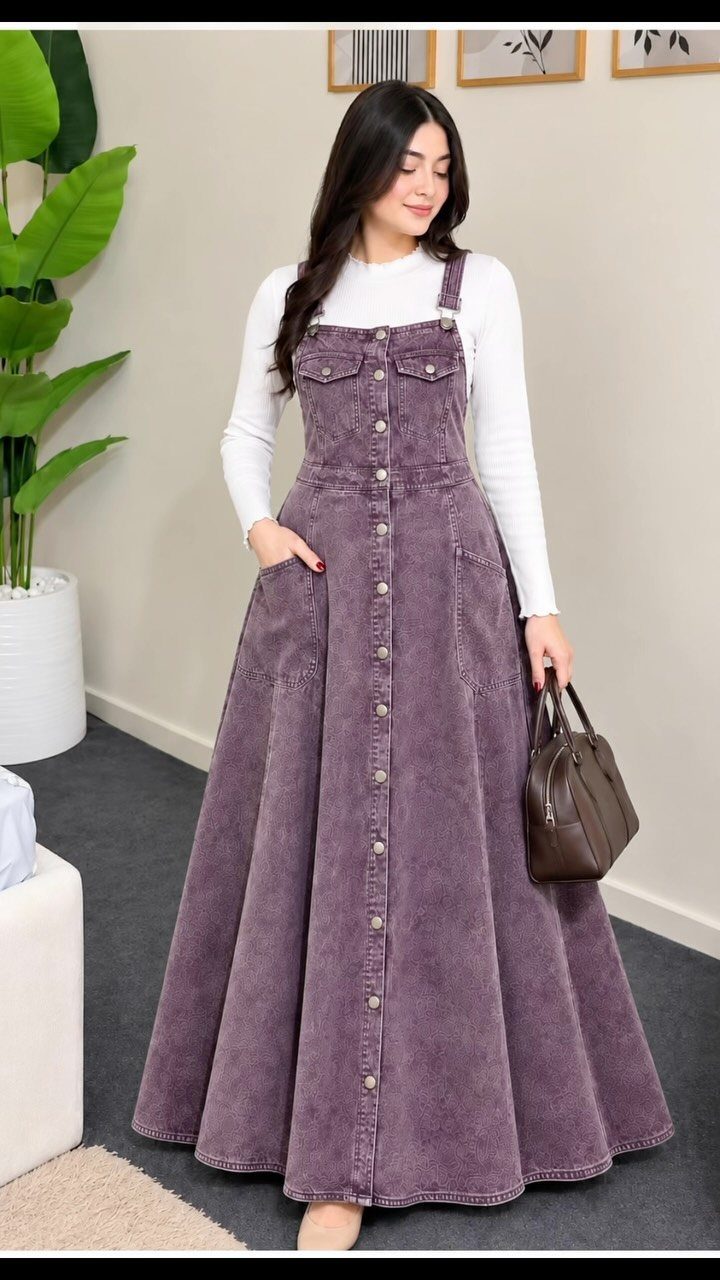
A pinafore dress hangs from wide shoulder straps over a bib front, worn layered rather than alone. The visible purple denim version runs long to the ankle, buttoned through the front with patch pockets that add utility to the shape.
A thin turtleneck carries this into fall, a short-sleeve tee into spring, and a white long-sleeve handles the in-between days. The cut flatters apple, pear, and hourglass shapes because the bib draws the eye up and the skirt releases below.
Check the strap width before buying; too narrow and the dress shifts, too wide and the bib overwhelms a smaller frame.
26. Cut-Out Dress
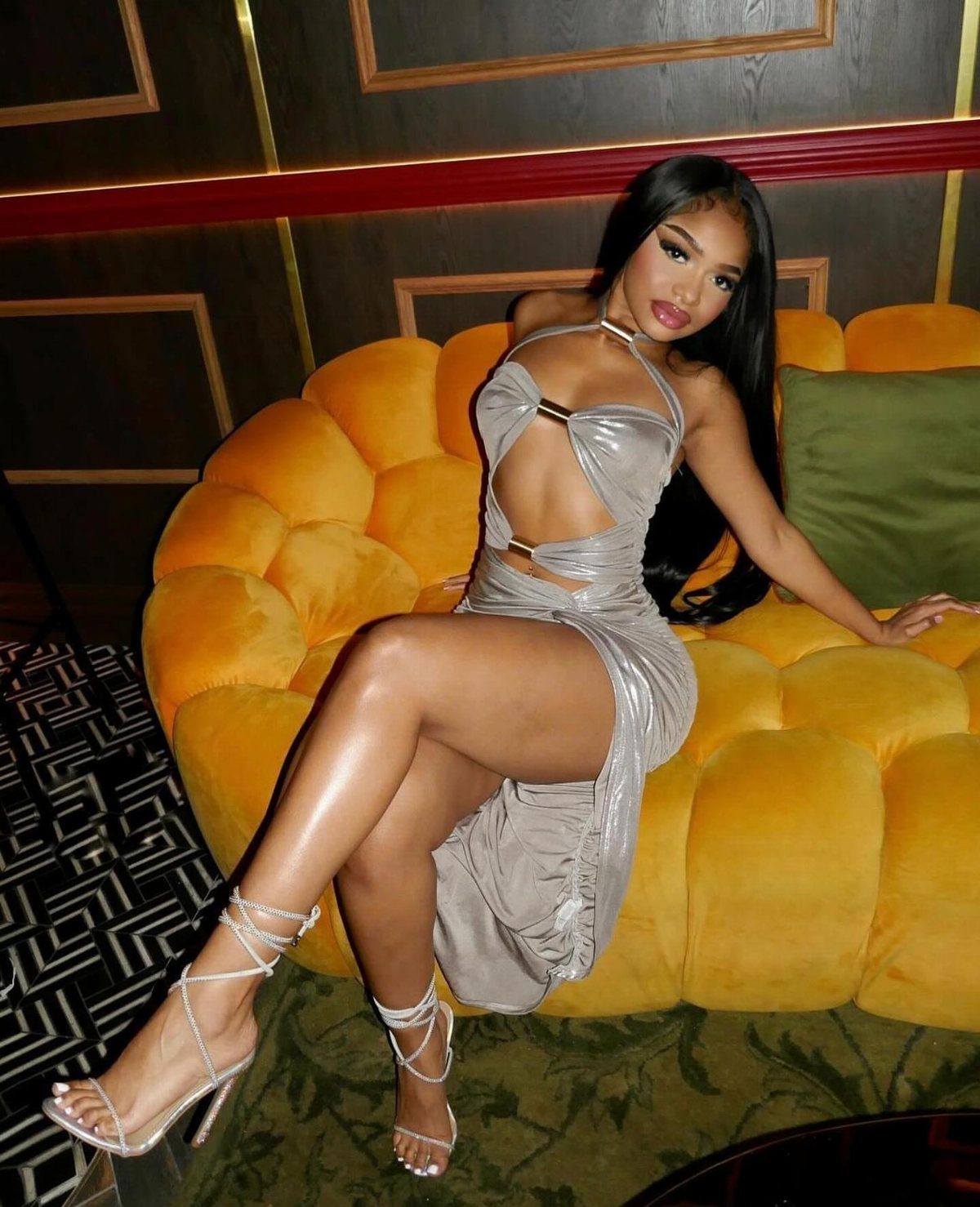
A cut-out dress removes sections of fabric at the waist, back, or sides, turning negative space into the design itself.
The silver metallic version shows the effect at its most dramatic: the halter neck and midriff cut-outs create a frame for skin rather than coverage of it.
This is a party piece, full stop.
I would keep jewelry minimal where the cut-outs sit; a chain at the waist competes with a waist cut-out and the eye does not know where to rest. Strappy heels extend the lines the cut-outs create.
Check the cut-out placement against your own proportions in a mirror, not on the model. What reads as alluring at one torso length can sit awkwardly at another.
27. Cape Dress
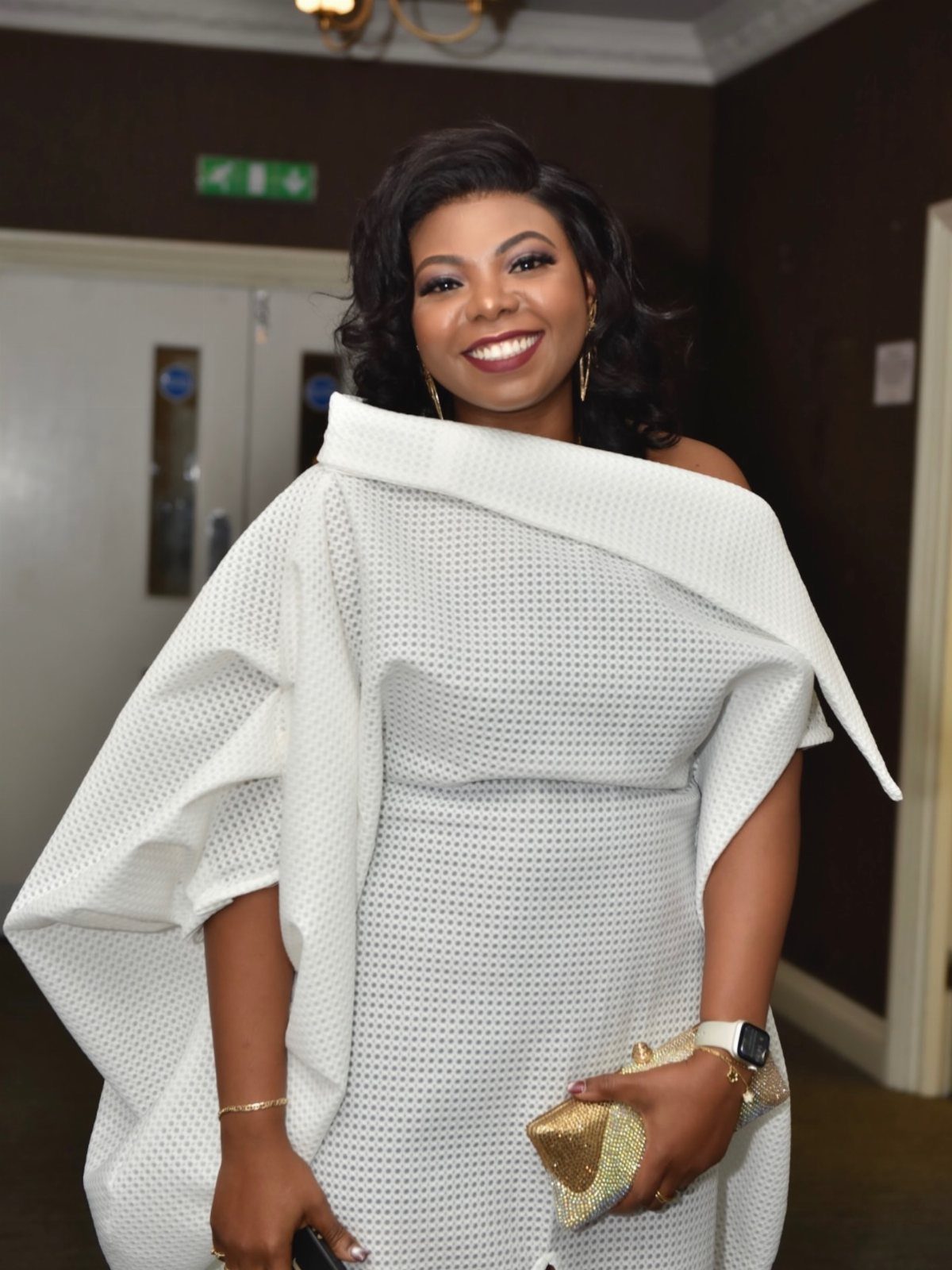
A cape dress attaches a flowing panel at the shoulders or neckline so the fabric moves behind you like a train that never drags. The white textured version carries the cape at one shoulder, asymmetric and architectural.
The drama is built in, which means accessories should do less.
I would choose a clutch in a quiet metallic and earrings that catch light without swinging; the cape itself supplies movement enough. This shape works for formal occasions where you want to arrive with presence but not volume.
The shoulder construction matters more than usual.
A cape anchored at the neck restricts arm movement; one attached at the shoulder line lets you reach and gesture. Check this before you commit to a full evening.
28. Flapper Dress
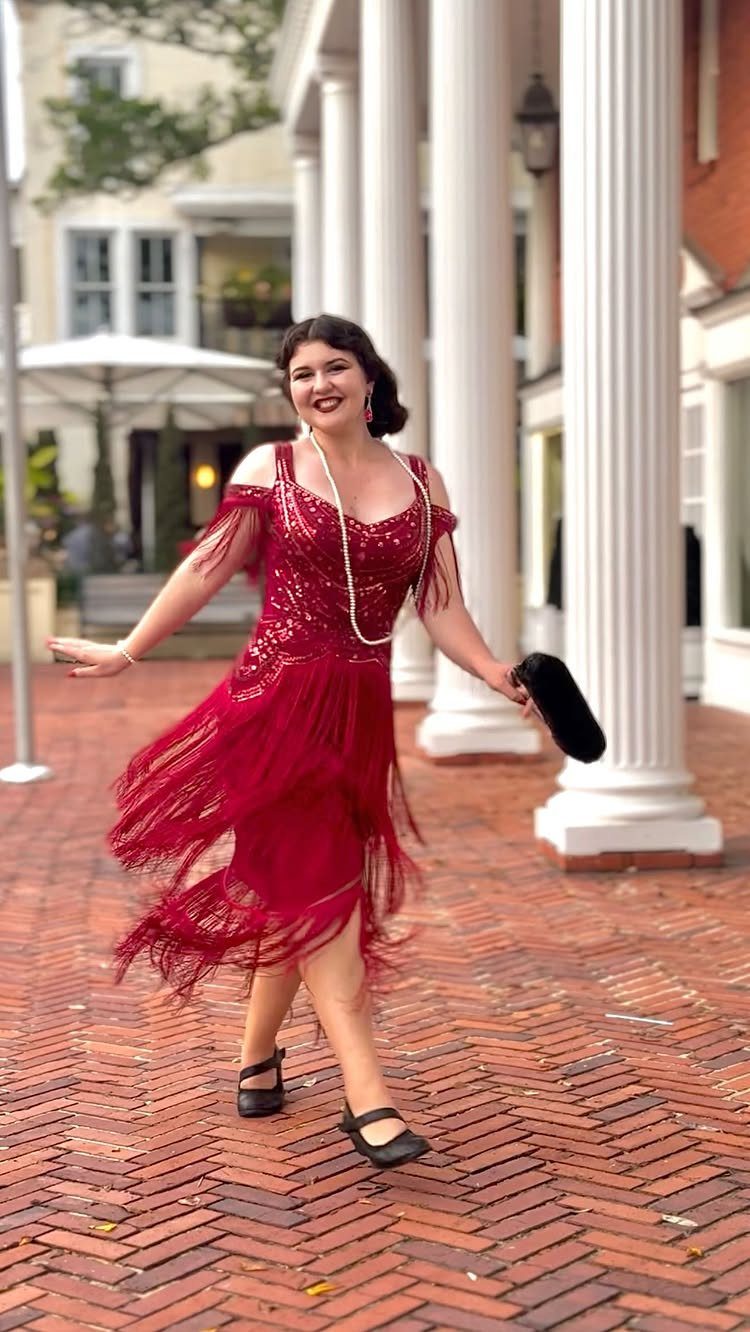
A flapper dress revives the 1920s silhouette: dropped waist, loose through the hips, and weighted with fringe that shimmers when you move. The red sequined version shows the style at full theatrical expression, tiered fringe catching light with every step.
This is a costume piece for most calendars, and I would own it only if themed parties or dance events actually appear in mine.
The loose fit suits no specific body concern; the fringe supplies all the interest, so the shape underneath stays simple. Mary Janes and a long strand of pearls complete the reference without overplaying it.
For a modern wear, choose a single tier of fringe at the hem rather than full coverage; the nod reads without the full commitment.
29. Babydoll Dress
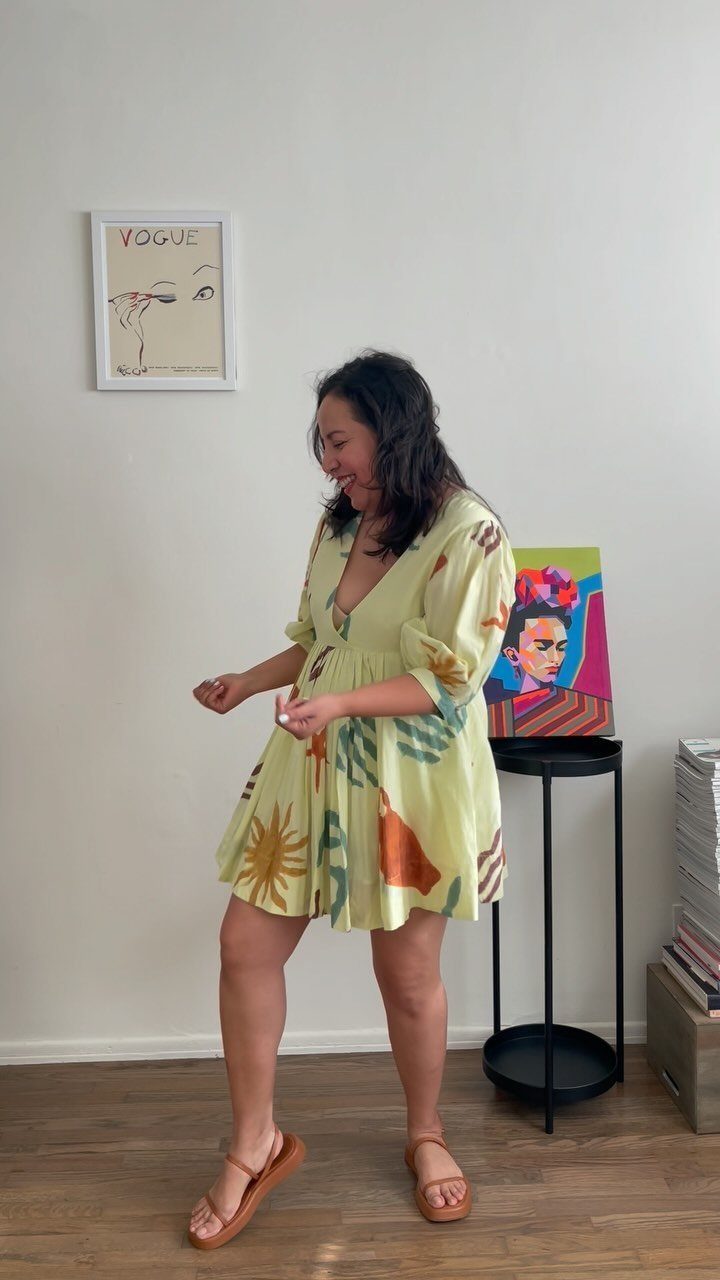
The pale yellow patterned version shows the ease of the cut: nothing fitted, nothing forced, legs and air underneath.
I find this most useful in heat, when any cling becomes unwelcome. The empire waist flatters apple, pear, rectangle, and inverted triangle shapes because it creates a high focal point and skims everything below.
Flat sandals keep it casual; platform heels push it toward evening in a way that reads deliberate rather than accidental.
The length demands a check from behind. A babydoll that covers adequately in front can rise too high in back; the mirror test is essential.
30. Asymmetrical Dress
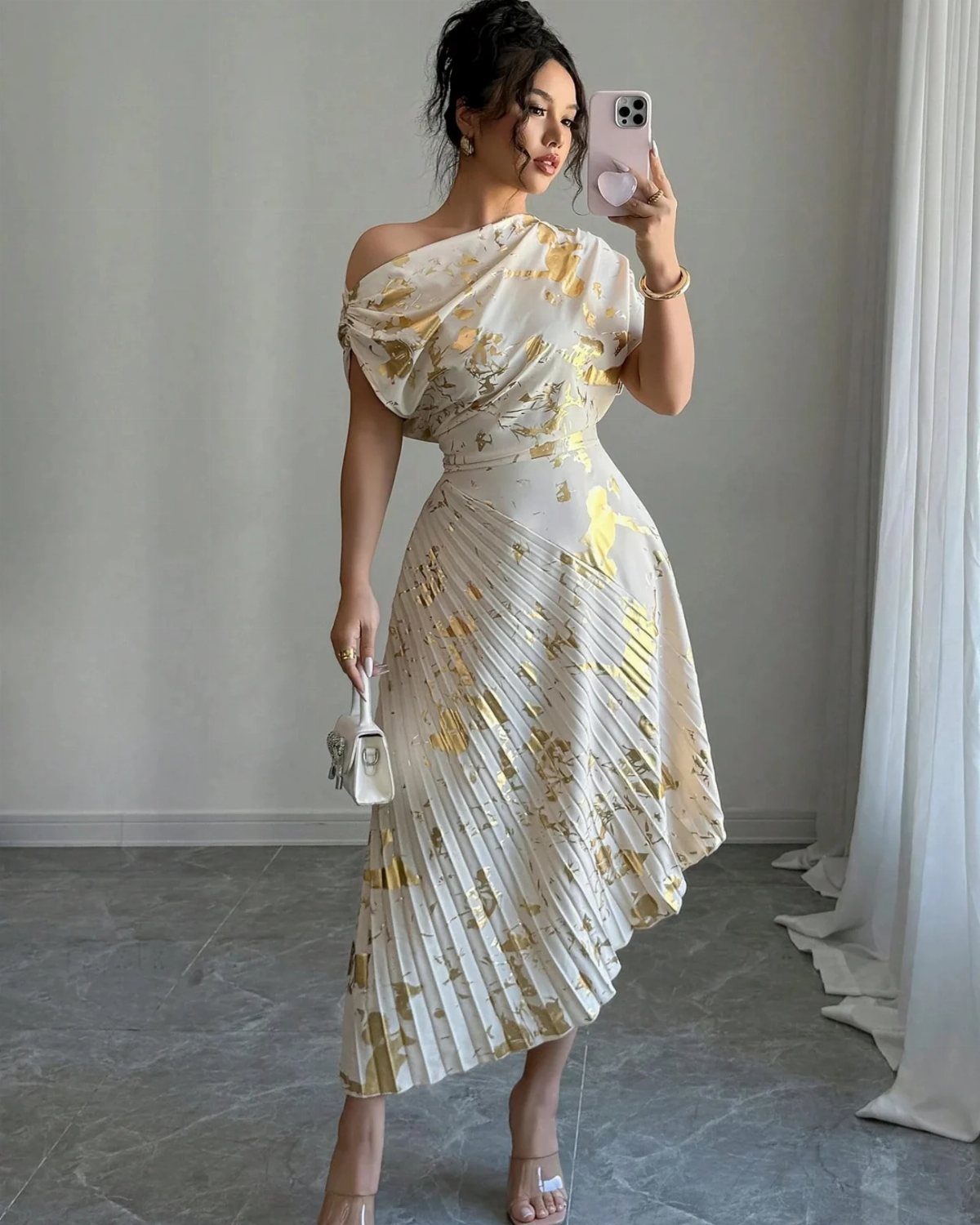
An asymmetrical dress breaks the even hemline, slanting it across the body or dropping it to a point. The white and gold printed version carries pleated fabric that falls to an uneven line, the pattern itself following the irregular shape.
The diagonal draws the eye across rather than up and down, which I find useful when I want to add visual interest without adding volume.
This cut suits inverted triangle, pear, rectangle, and hourglass shapes; the uneven line creates its own structure where the body does not. Ballerina flats or sandals ground the look without competing.
Check the shortest point of the hem against your comfort for sitting and bending; an asymmetrical dress that feels dramatic standing can feel exposed in motion.
Choosing the Right Dress
The best dress is not about rules.
An A-line or wrap dress pulls the fabric inward at the narrowest part of your torso if you want more shape there.
A shift dress hangs straight from shoulder to hem and feels less structured if that is what you prefer.
For the office I reach for a sheath dress or a structured midi; the clean line reads pulled-together without trying too hard.
Before I buy a dress I ask where I will actually wear it.
Is the fabric right for the weather? Can I style it in more than one way?
Styling Tips for Dresses
A few small changes can make one dress work for several occasions.
A structured bag and small earrings are my office formula; it signals attention without shouting.
A blazer or light jacket over the same dress stretches it into October.
Dress Fabrics and Comfort
My best summer dresses are the ones I can throw on and forget: light enough to not stick, cut loose enough to catch a breeze.
Sundresses are generally made for time in the sun. This lighter dress style usually fits closer through the chest and flares below the waist, often in cotton or linen that lets air through.
Occasions for Different Dresses
When women shop for dresses, they often search by need rather than by style name. Dressing for the occasion first saves you from standing in front of your closet with nothing that works.
Dresses can be categorized for casual, work, formal, and party settings, influencing style choices. Boots with a dress and a cardigan thrown over is my uniform once fall hits.
Knowing the right names, body shape terms, and dress types to type into a search bar cuts the noise and gets you closer to something you will actually wear.