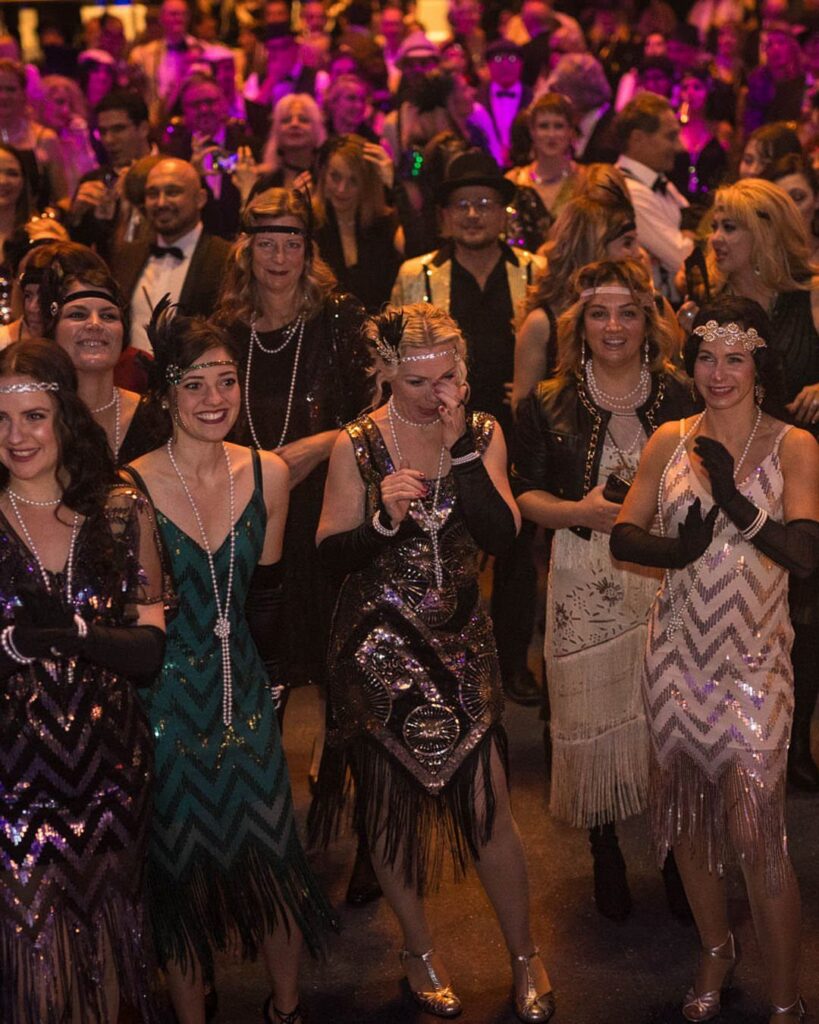
The ideas below range from a beaded headband to a fully beaded floor-length gown, and the weight of that gown matters if you plan to stand through the night.
What separates one choice from another is body movement: whether you will sit, mingle, or dance the Charleston.
The fringe on a proper dress is individual knotted strands, not cut strips sewn as a border, and that detail alone determines whether the dress lasts the night or tangles by the second song.
1. Beaded Headbands
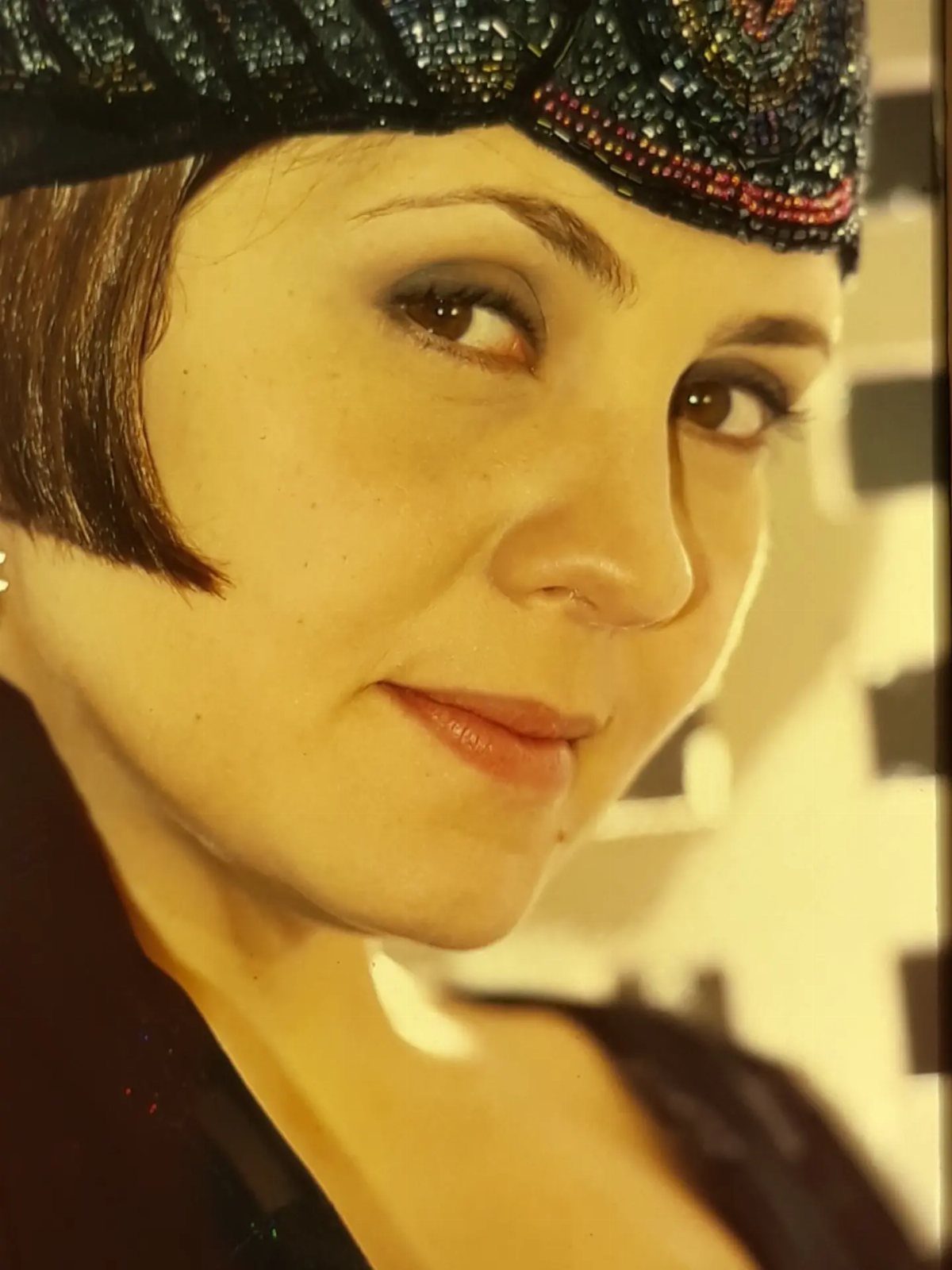
A beaded headband worn low across the forehead turns any short haircut into something that reads Jazz Age from across the room.
The ones that work best for themed events are heavy enough to stay put through dancing, with thread-backed beadwork rather than glued.
I look for black, silver, or gold bases with geometric patterns rather than floral, since they pair with more dress colors.
For placement, the band should sit low across the forehead, not up on the crown where a modern headband rests.
If your hair is longer, pin it up to expose the band fully; the look depends on that visible line of beads against skin. Feather accents work for parties but read costume, so I skip them for anything semi-formal.
2. T-strap Heels
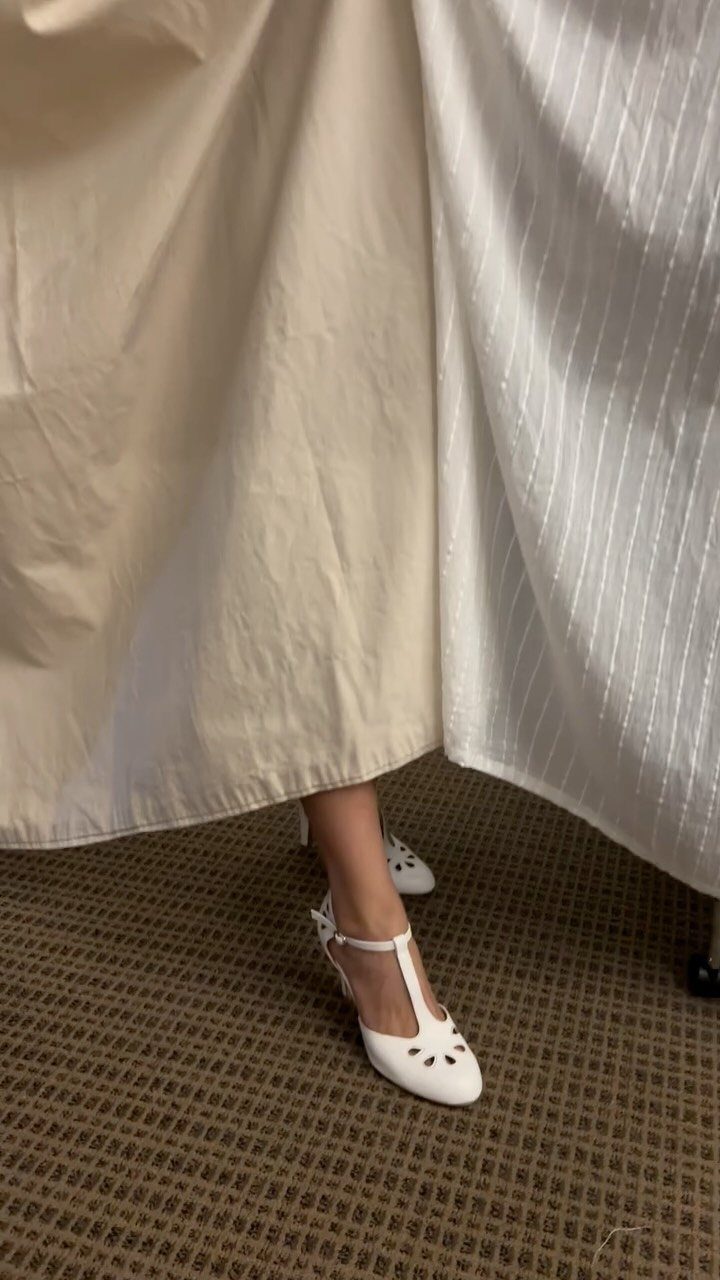
The T-strap kept a dancing shoe secure before elastic was common, and the shape still reads as vintage because no other decade used it so consistently.
For a 1920s event, a mid-height heel in leather or satin feels right; the very high stiletto versions sold as "flapper" today are a later invention and look wrong next to authentic drop-waist proportions.
White, cream, black, and metallic gold or silver all appear in period photographs. I find the lighter colors especially useful because they lengthen the leg under the shorter hemlines typical of the era.
For actual dancing, a strap that buckles snugly at the ankle matters more than heel height; the original T-strap was functional, not decorative.
White vintage-style T-strap heels carry the look, and for anyone avoiding height, a flat version with the same cutout pattern works, though it loses some of the period line.
3. Cloche Hats
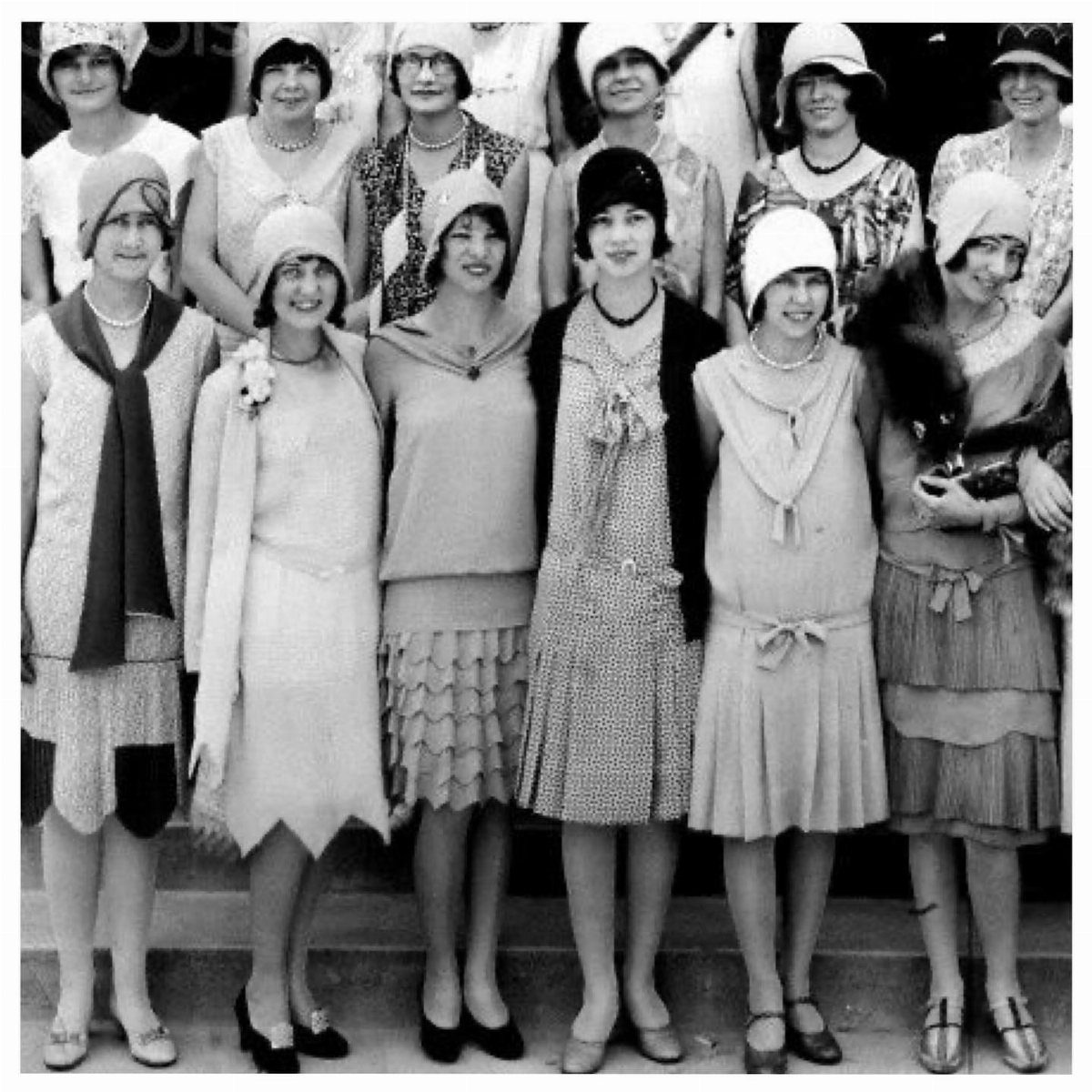
The cloche sat low, almost to the eyebrows, and that close fit is what makes it recognizable.
Modern reproductions often sit too high or too far back; I check that the crown hugs the head and the brim turns down slightly at the face.
Ribbons, small silk flowers, or simple brooch pins were the usual decorations, placed to one side rather than centered.
For hair, the style was designed to work with the era’s short cuts. With longer hair today, I tuck it smoothly under rather than piling it up, which destroys the hat’s intended silhouette.
The 1926 Modes Paris plate shows a floral afternoon dress with matching cloche in a way that still looks wearable; the formal white version with fur stole and pearls is more event-specific.
A true felt cloche in black or deep tone costs more than a costume version but holds its shape for years.
4. Fringe Dresses
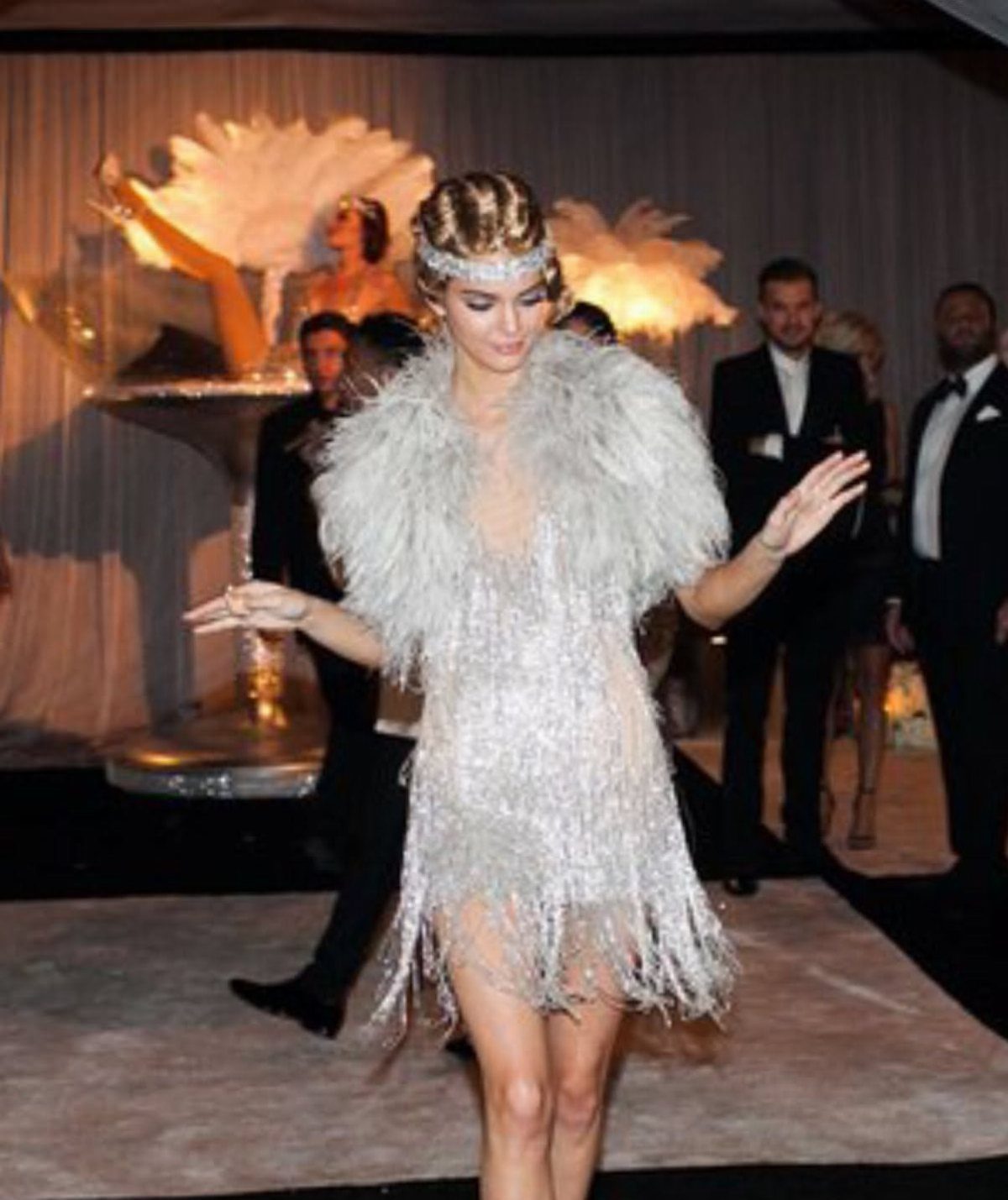
Fringe moves when you move, which made it perfect for the Charleston and still makes it the first thing people picture from 1920s fashion.
The quality difference is in how the fringe is attached: individual knotted strands swing better and last longer than cut strips sewn as a border.
I look for three or more tiers on a dress that hits near the knee; longer fringe on a longer skirt reads go-go or disco instead.
Silver and black dominate the reproduction market, but gold, red, and teal all appear in period illustrations.
For a party where you will actually dance, the weight matters: heavy bead-fringe tires your shoulders, while lighter silk or rayon fringe keeps moving all night.
The sequined versions photograph better but the plain beaded ones feel more authentic to wear.
5. Long Pearl Necklaces
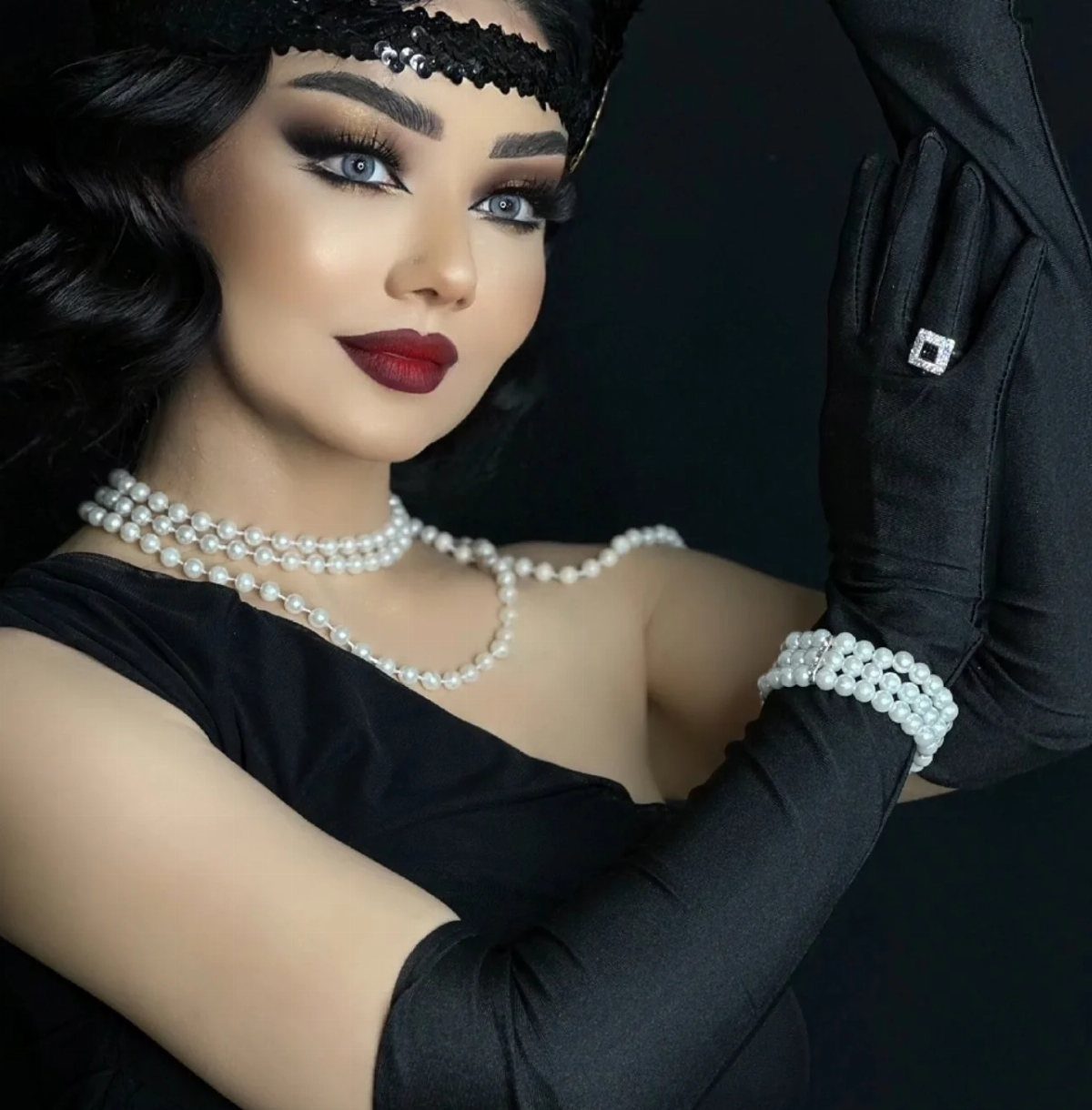
A single long strand, or several layered, was the simplest way to add 1920s polish to a plain dress.
The key length is long enough to loop or knot rather than wear as a choker; hold both ends and let the strand fall to mid-thigh before you buy.
I use glass or high-quality faux pearls; real ones at that length are an investment and the look is about quantity and drape, not authenticity of material.
For styling, I double the strand and let one loop hang longer, or knot it at mid-chest the way the era’s illustrations show.
With a sleeveless or low-backed dress, this draws the eye vertically and fills the space that modern jewelry often leaves bare. The bracelets should match in scale, several stacked rather than one statement piece.
Black dresses with pearls are the classic combination, but cream or champagne silk looks softer and less theatrical for daytime events.
6. Flapper Dresses
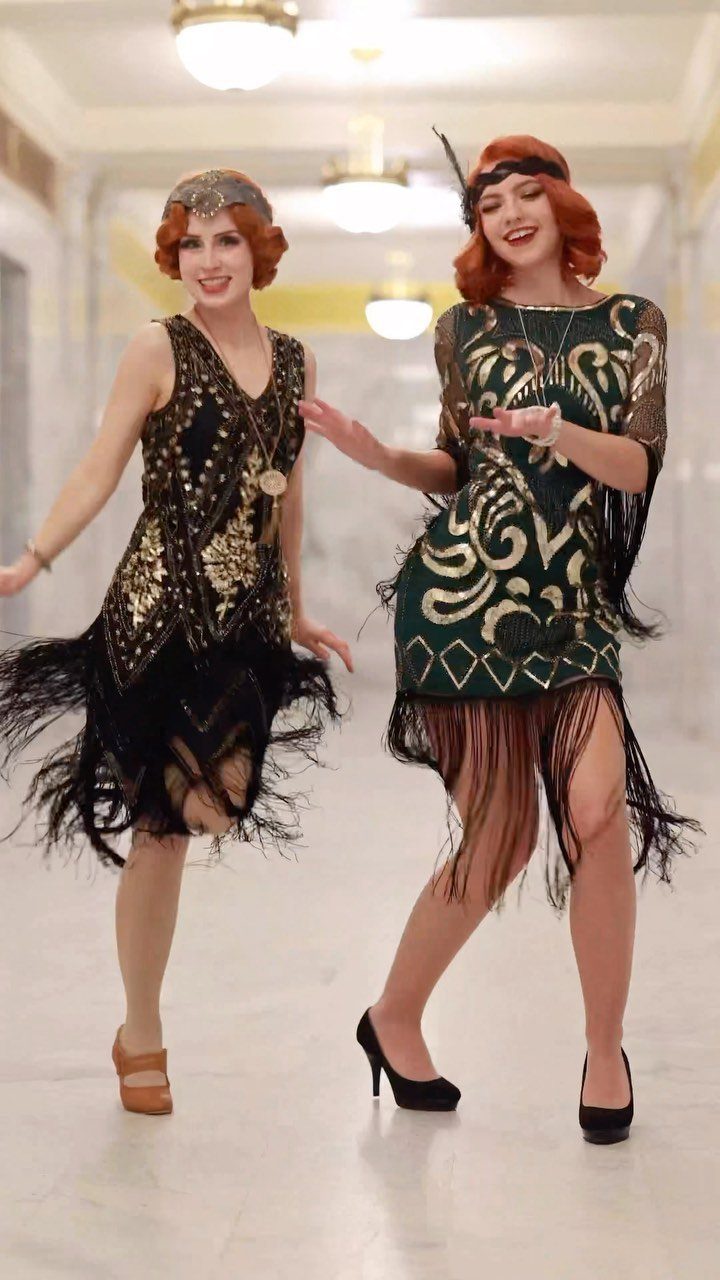
The flapper dress is defined by its straight, drop-waist silhouette rather than by fringe or beads; a plain silk shift in the right cut reads 1920s even without decoration.
The waistline hits at the hip, not the natural waist, which is the detail most modern reproductions get wrong. I check this first, because a fitted waist destroys the period look more obviously than any fabric choice.
For materials, beaded mesh over a slip, silk chiffon, and satin all appear in surviving examples.
A subtle color combination works for evening; an illusion neckline with cap sleeves gives coverage without bulk. For anyone who finds all-over fringe too expected, a beaded top with wide-leg trousers is a documented alternative from the later 1920s.
Sleeveless is standard, but the slight cap sleeve or a long sheer sleeve both appear and suit more arm shapes.
7. Men’s Suits
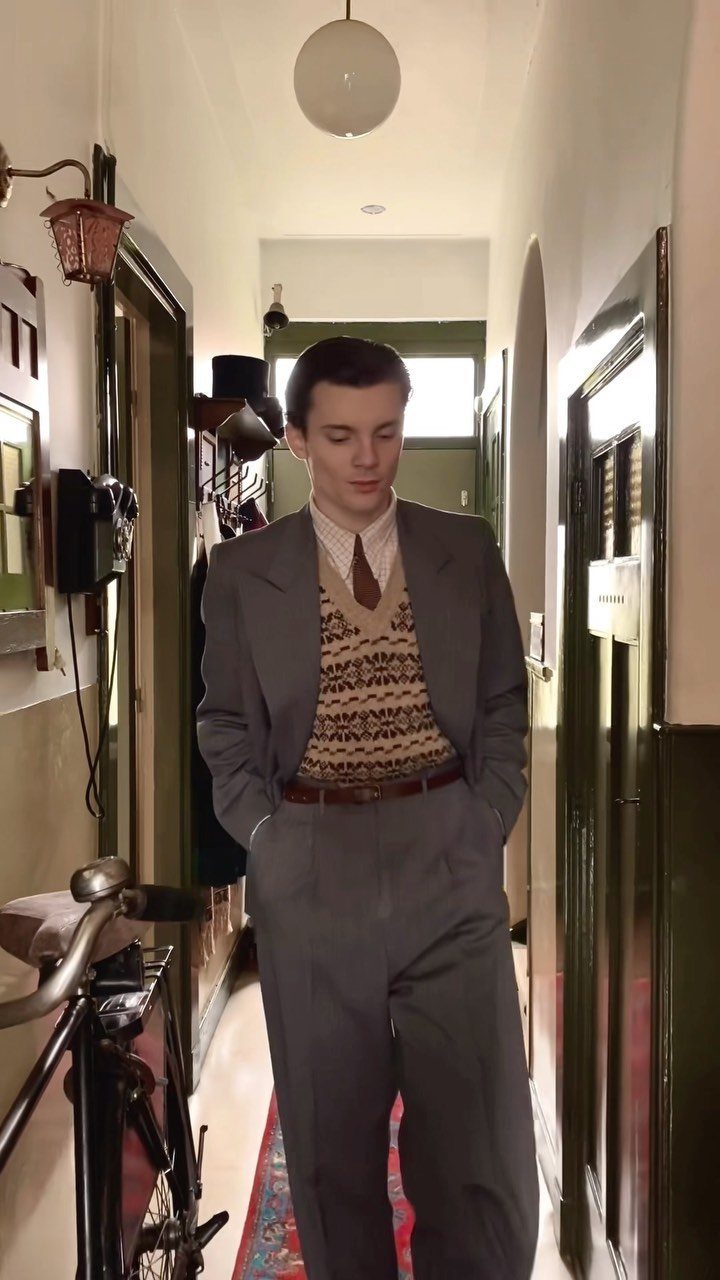
A three-piece suit in wool, with the waistcoat visible under the jacket, is the foundation of 1920s men’s dress.
Trousers sit high at the natural waist and fall straight, often with a slight break at the shoe; a wide leg is period-correct, not the slim cut that came later.
I look for grey, navy, or brown in tweed or plain weave, with a patterned tie against a white collar.
The fedora completes the silhouette but the vest does most of the work for a themed event; without it, the suit reads as modern business wear.
A pocket watch chain, not a wristwatch, is the detail that separates a costume from a look.
8. Faux Fur Stoles
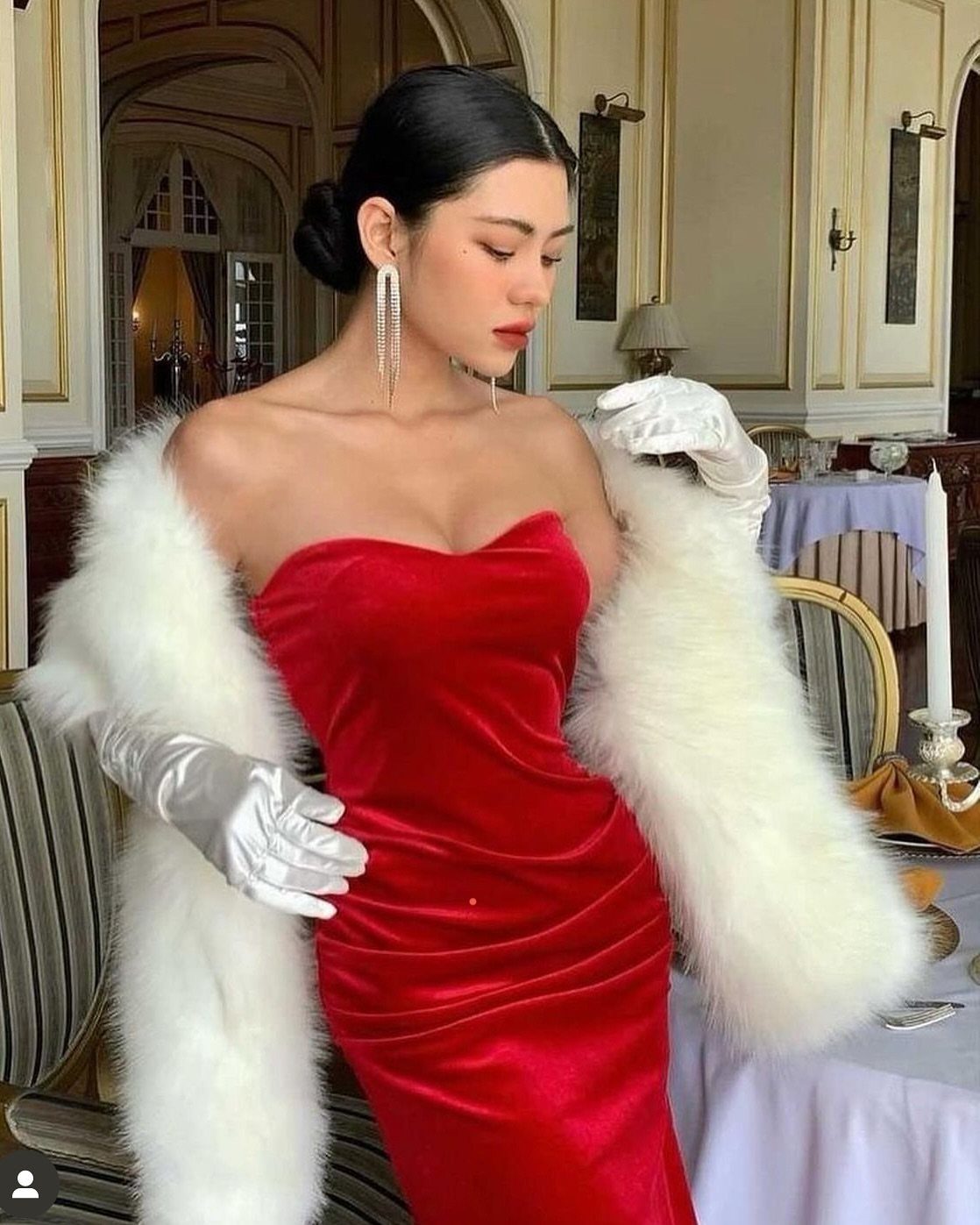
A faux fur stole draped over the shoulders adds the layer of luxury that evening dress in the 1920s expected, even indoors.
A white or cream stole works across dress colors; I find neutral tones more versatile than dark fur, since they do not compete with beadwork or metallic fabrics.
Let it sit on the upper arms rather than wrapping at the neck; visible texture against bare shoulders and a sleeveless gown is what reads from across the room.
The length should hit near the elbow, not trail to the waist, or it obscures the dress silhouette. For warmth at an outdoor arrival, it functions; for the look alone, it reads Gatsby-era even in a heated room.
9. Dark Smoky Eyes and Bold Lips
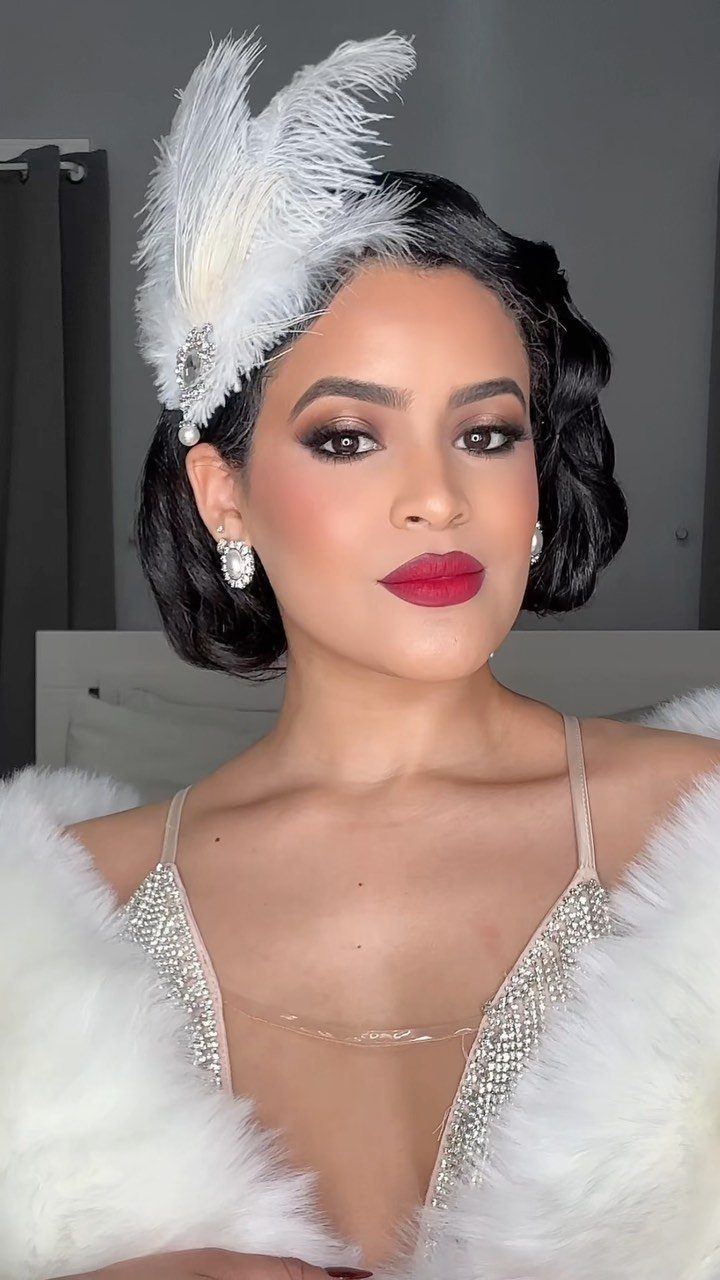
The face was about drama at the eyes and a definite mouth, with the rest kept matte and quiet.
I start with a dark eyeshadow, grey or charcoal rather than black, blended up to the socket line but not beyond; the heavy liner sits at the lash line and extends slightly at the outer corner.
A defined brow, thin and arched, frames the look without competing.
For the lip, a deep red or berry matte, applied with a brush for a clean edge, balances the eye without matching its intensity.
Rosy blush on the apple of the cheek keeps the face from reading as mask-like. This makeup suits evening events where the lighting is low; in daylight, I soften the eye by half.
10. Geometric Patterns
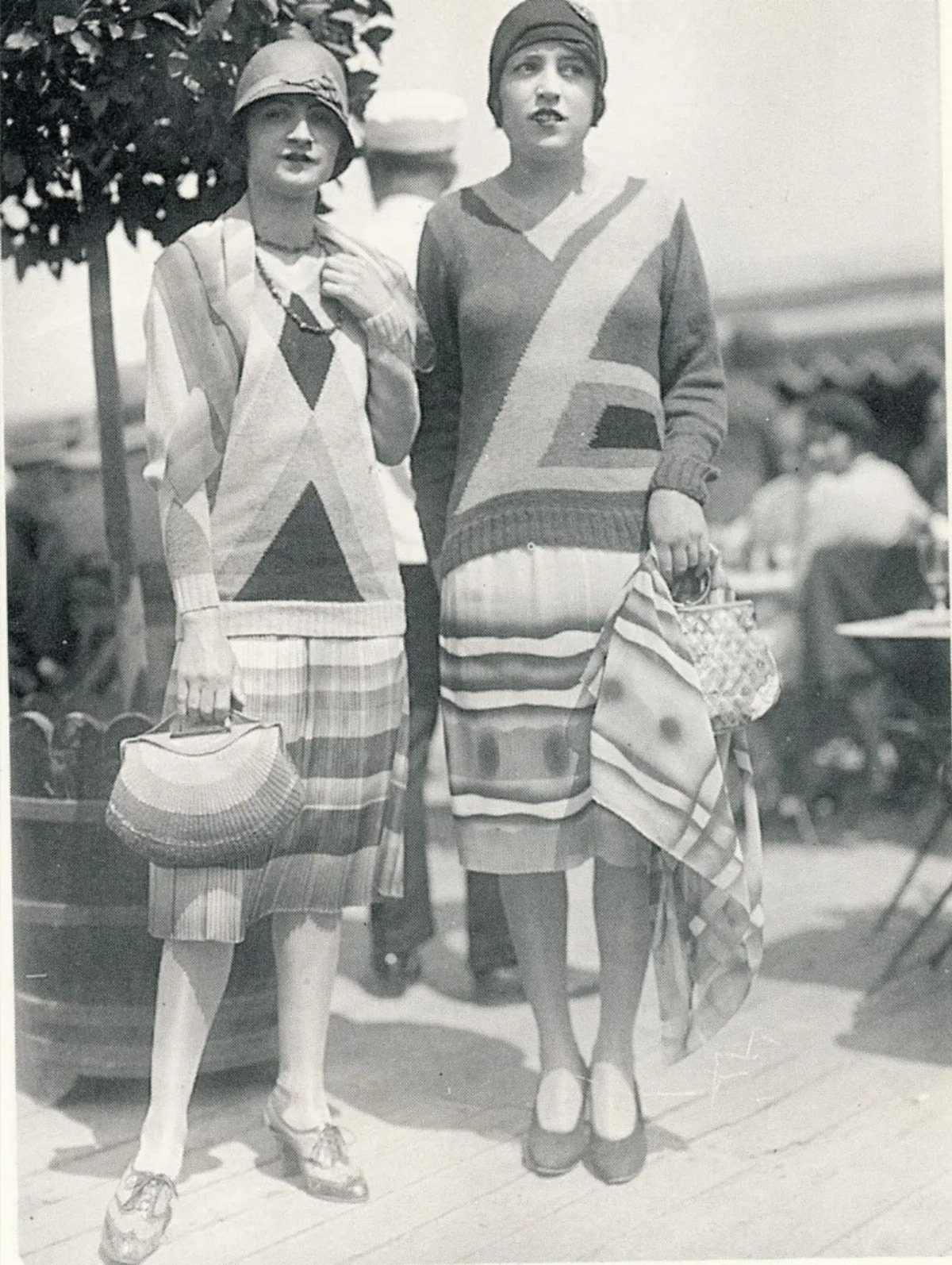
Art Deco translated into fabric as zigzags, chevrons, and sunburst shapes, often in high contrast against the dress ground. Knit sweaters show this at its everyday scale; for evening, the same motifs appear in sequins or beading on silk.
I look for patterns that run vertically or diagonally, since the drop-waist dress has little shaping to break up a static horizontal.
For accessories, a geometric clutch or headband carries the theme without requiring a full patterned dress.
The colors in period examples range from gold and black to teal and red; I find a single bold pattern piece against solid separates easier to wear than an all-over design.
A striped skirt grounds the look in something you might already own.
11. Satin Gloves
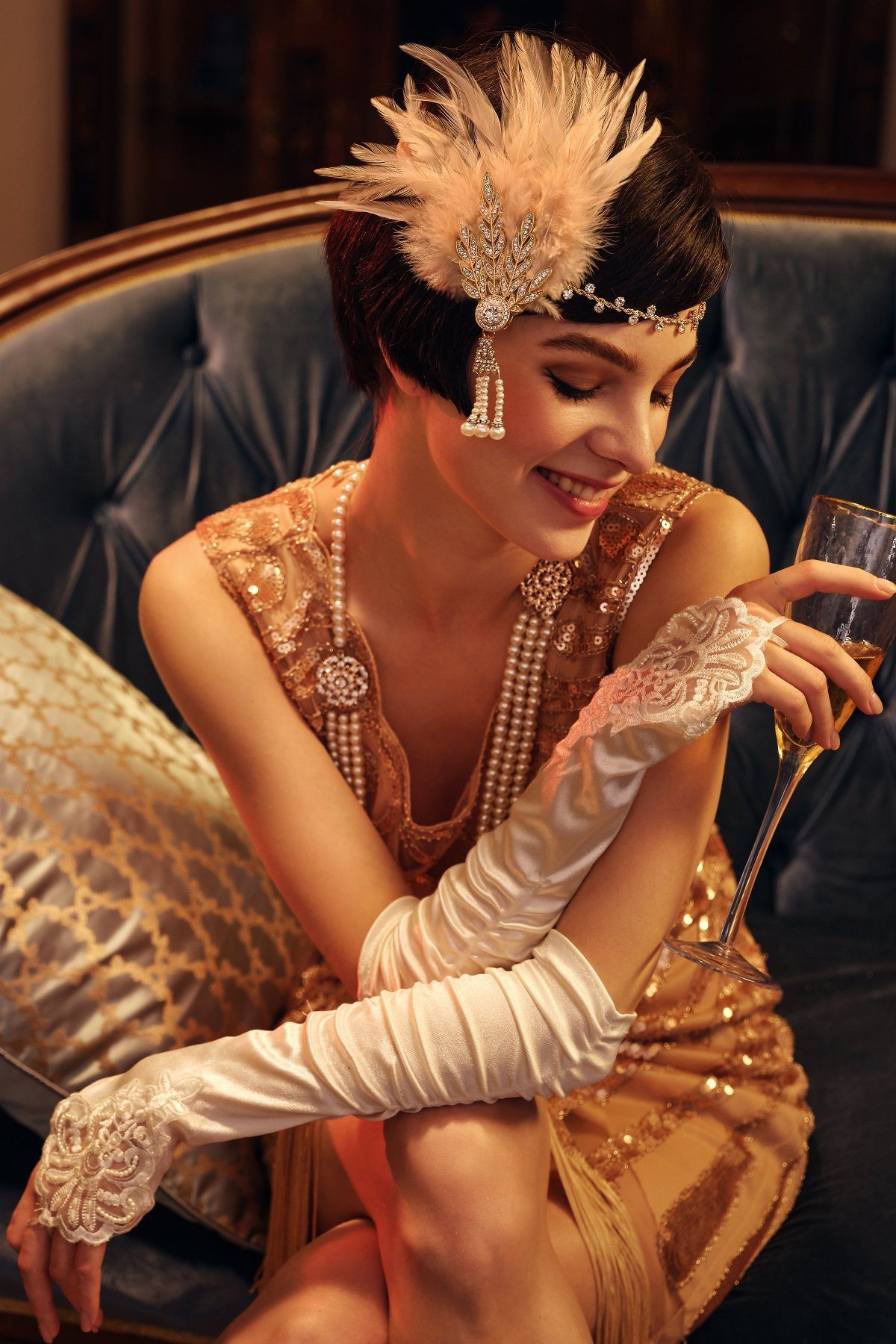
Long gloves in satin, reaching past the elbow to the opera length, finish a formal 1920s look the way no bracelet stack can.
Cream is the classic choice; white or black both work, but cream softens the transition between arm and dress on pale or medium skin. I check that the satin has enough body to stay up without constant tugging.
For fit, the glove should be snug through the forearm with slight ease at the upper arm, or it bags and looks costume.
They are worn throughout an event, not carried; removing them to eat is acceptable, but the gesture is part of the period manner.
For a dress with cap sleeves or straps, they provide the coverage that makes a bare-shouldered gown feel complete.
12. Finger Waves
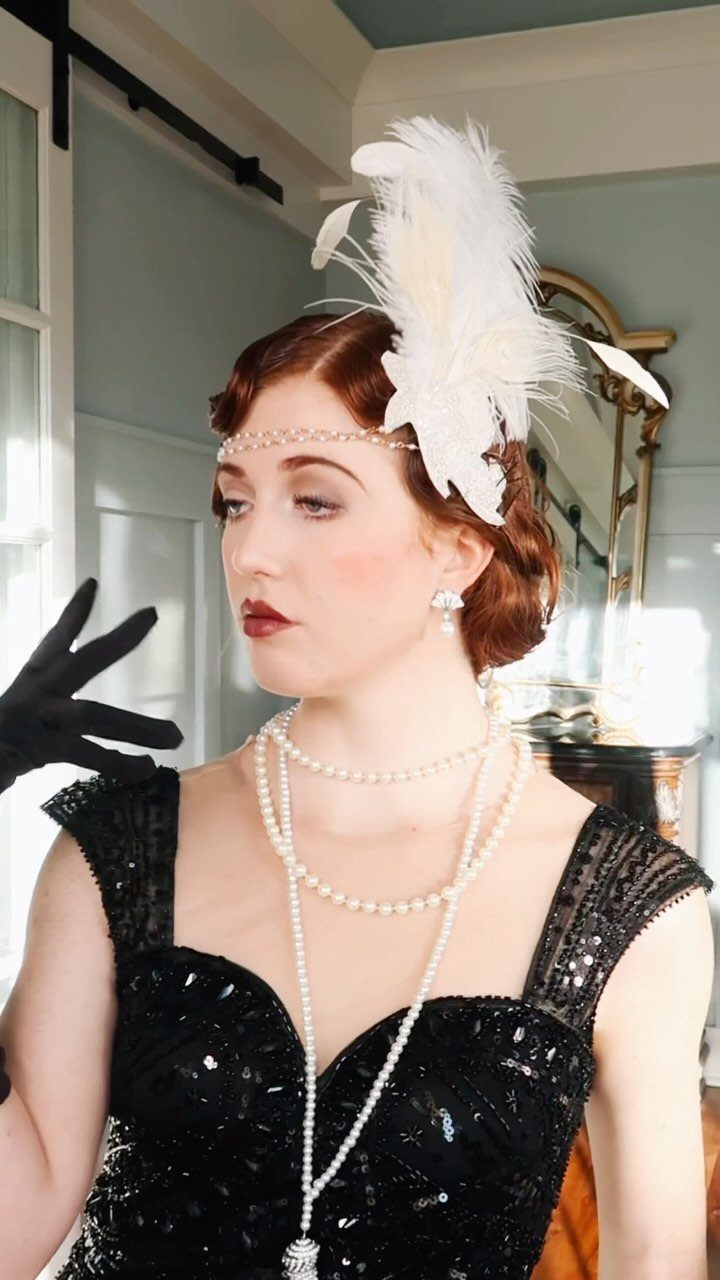
Finger waves are sculpted ridges pressed into short or medium hair, close to the head, with a comb and setting lotion rather than heat.
The look depends on precision; waves sit in regular rows from the hairline back, not random curls.
I find this style holds best on hair that is damp-set and dried under a net, which takes time but lasts through an evening.
For longer hair, the front section can be waved and pinned while the rest is tucked under or gathered low; the visible portion does the period work.
A decorative band or brooch at one side, as sometimes shown, adds interest without requiring more length.
This style suits anyone willing to work with product and patience; the result reads as effortful in a way that loose waves do not.
13. Lace Dresses
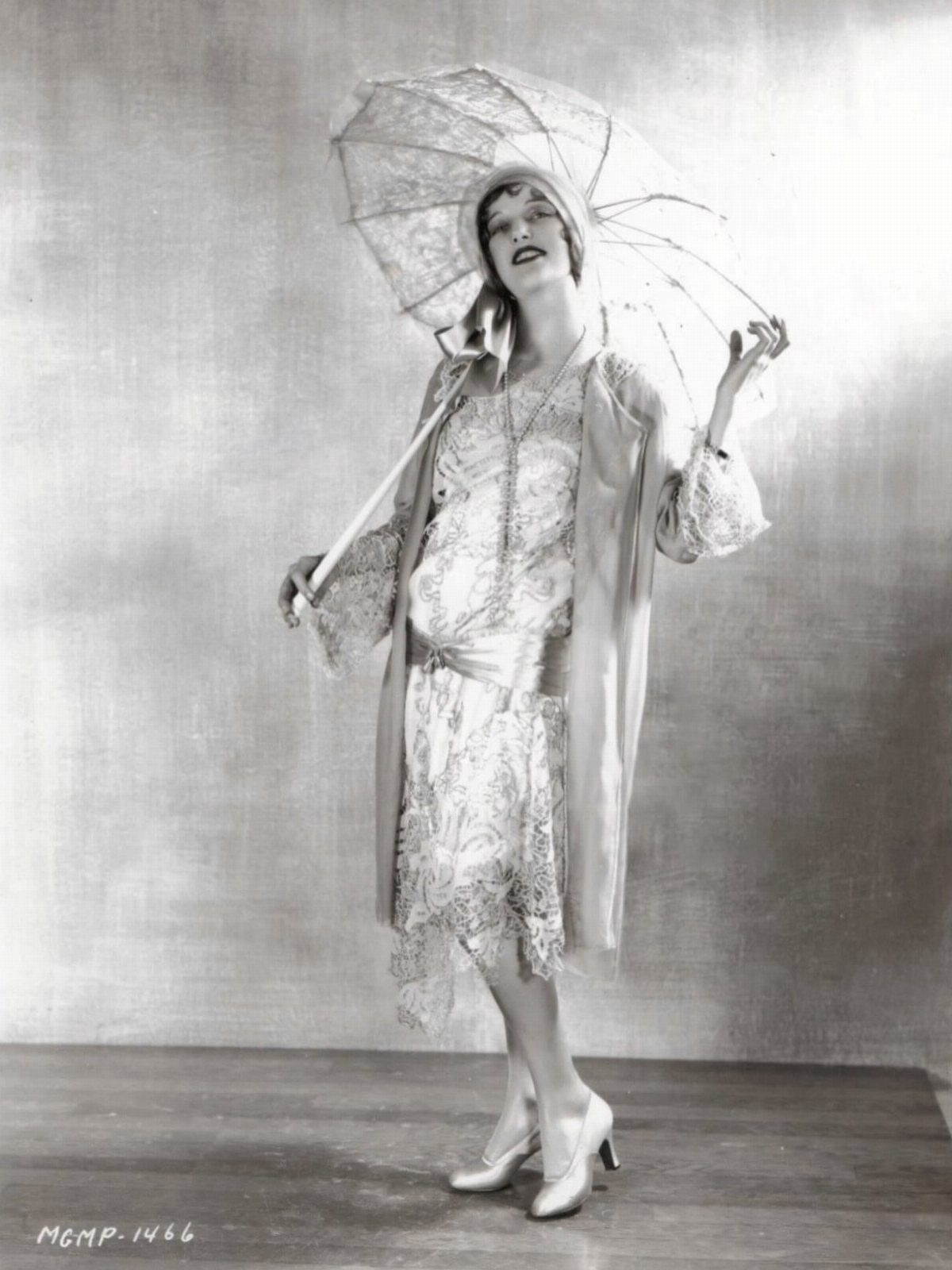
Lace in the 1920s carried the weight of handwork in an era before synthetic netting, and a dress in cotton or silk lace still reads as deliberate rather than casual.
The period examples I look at use lace as the whole dress or as an overlay on a solid slip, never as trim alone; a cream or white ground with the pattern providing the visual interest suits daytime events where beads would feel excessive.
A cloche and parasol in matching lace pulls the whole look together without trying too hard. For modern wear, a lace dress with a simple satin slip underneath needs no other decoration; the texture does the work.
Black lace exists in period illustrations but reads more evening or theatrical than the soft tones worn for garden parties.
A headband in satin or a small pinned flower keeps the line clean at the face.
14. Decorative Parasols
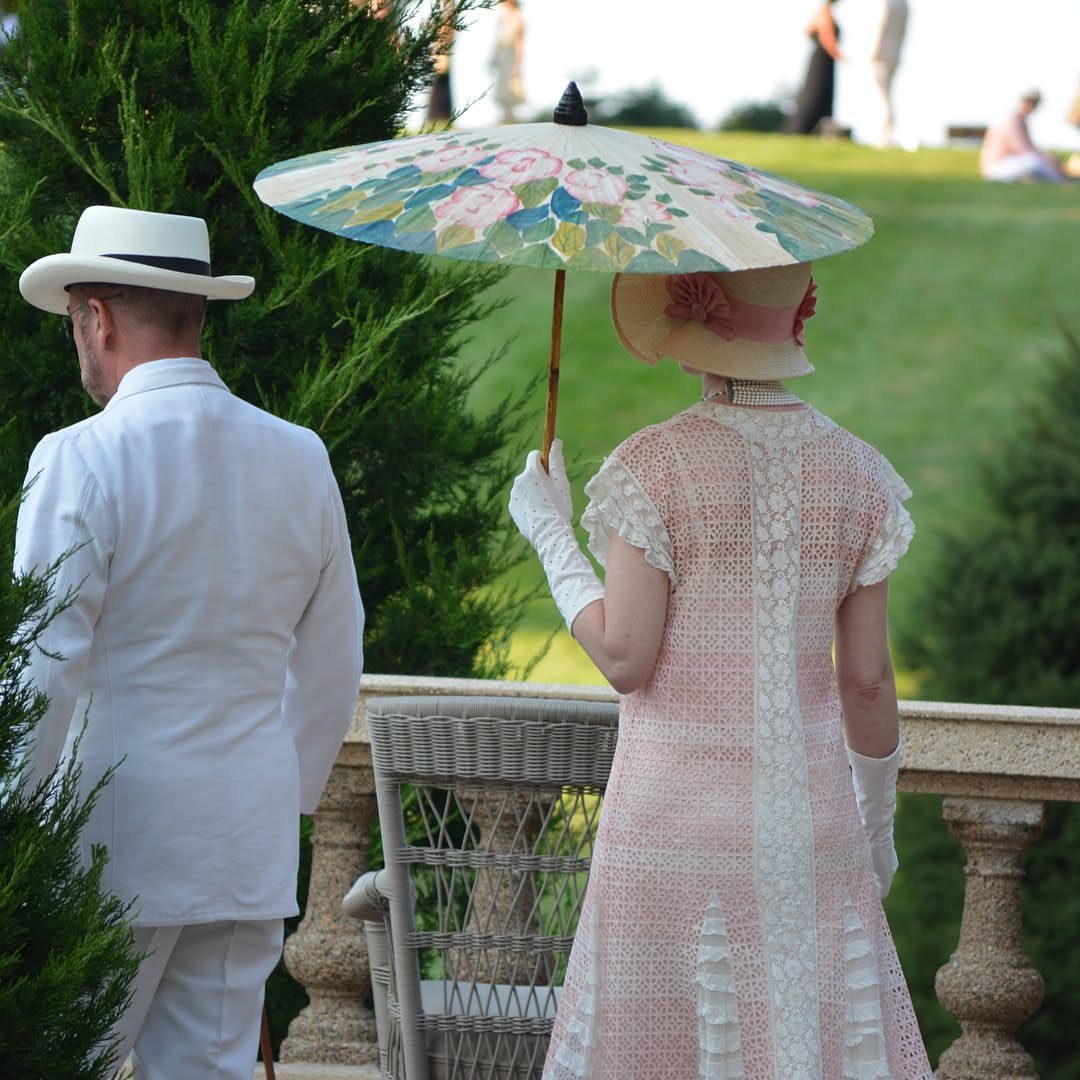
The parasol was a woman’s portable shade before sunglasses and SPF, and carrying one announced leisure rather than utility.
A painted or printed canopy on a slender handle, held rather than opened overhead, functioned as a moving accent in a photograph or arrival scene.
I find this the easiest entry point for anyone intimidated by full costume; a vintage-style dress plus parasol reads themed without requiring specific shoes or jewelry.
For choosing one, the canopy should be light enough to carry through an event and the stick long enough to rest on the shoulder without crowding the face.
Floral patterns or hand-painted scenes match the garden-party mood; plain cream or black silk suits more formal occasions. The mechanism matters less than the silhouette: modern folding umbrellas lose the straight, slim line that makes the accessory read as period.
At an outdoor event, it still blocks sun; indoors, it props beside a chair and completes the tableau.
15. Beaded and Sequined Evening Gowns
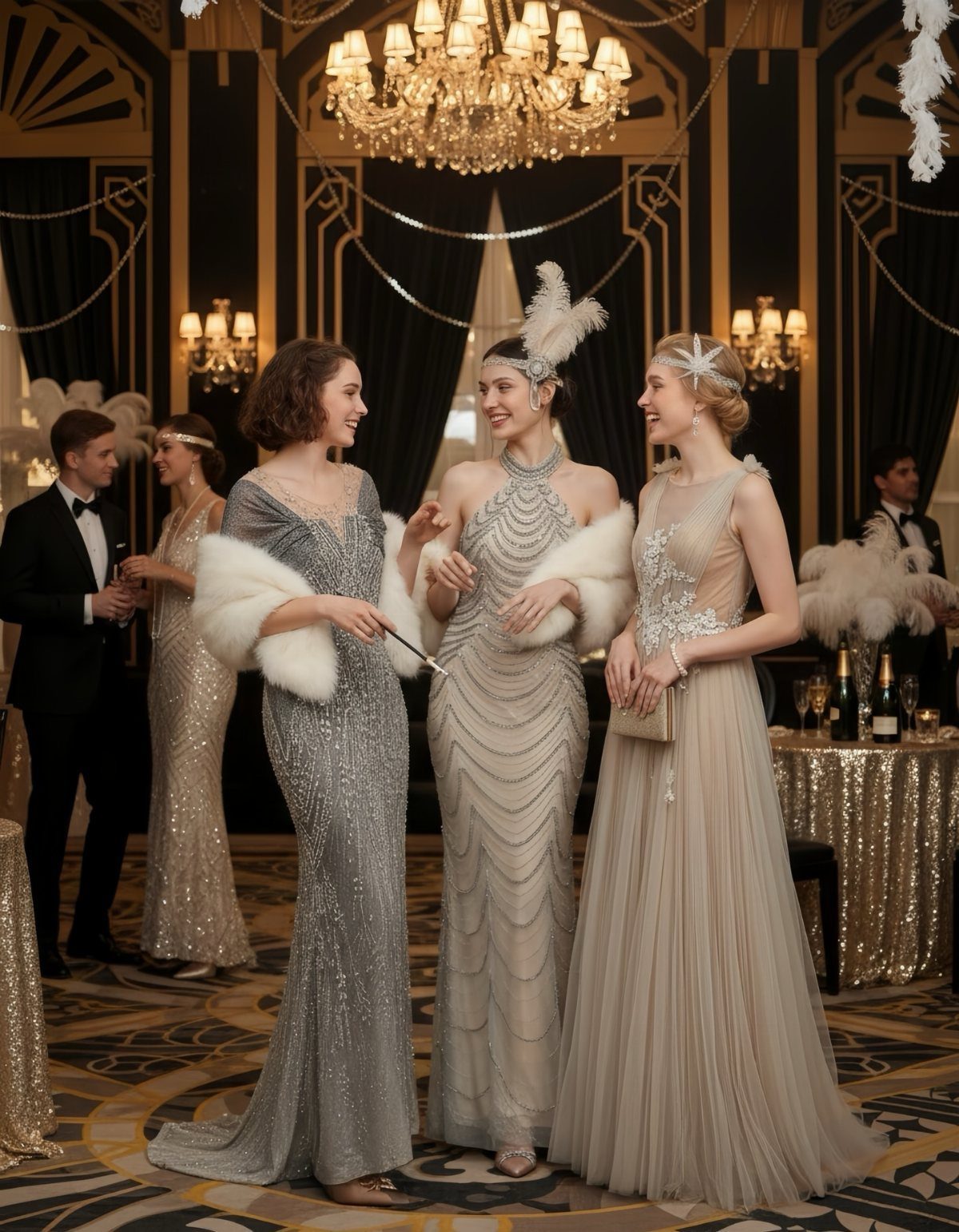
Beading and sequins on a floor-length gown catch light differently than the shorter flapper dress, and the effect is opulent rather than playful.
The construction I look for has the decoration following the fabric’s drape rather than fighting it; heavy beadwork on stiff mesh stands away from the body, while silk or satin with scattered sequins moves with the wearer.
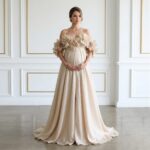
For a ball or wedding, the champagne and white tones in surviving examples feel softer than the silver and black marketed for costume parties.
Long gloves and a fur or faux fur stole frame the gown without competing; the headband or bandeau sits as a small accent at the hairline.
The time investment is in the dressing rather than the garment itself: this look needs the full set or it reads incomplete.
For anyone who finds all-over sequins too loud, a beaded bodice with plain skirt divides the attention and photographs well.
The weight of a fully beaded gown is substantial; I account for that in shoe choice and in how long I plan to stand.
16. Floor Length Satin Gowns
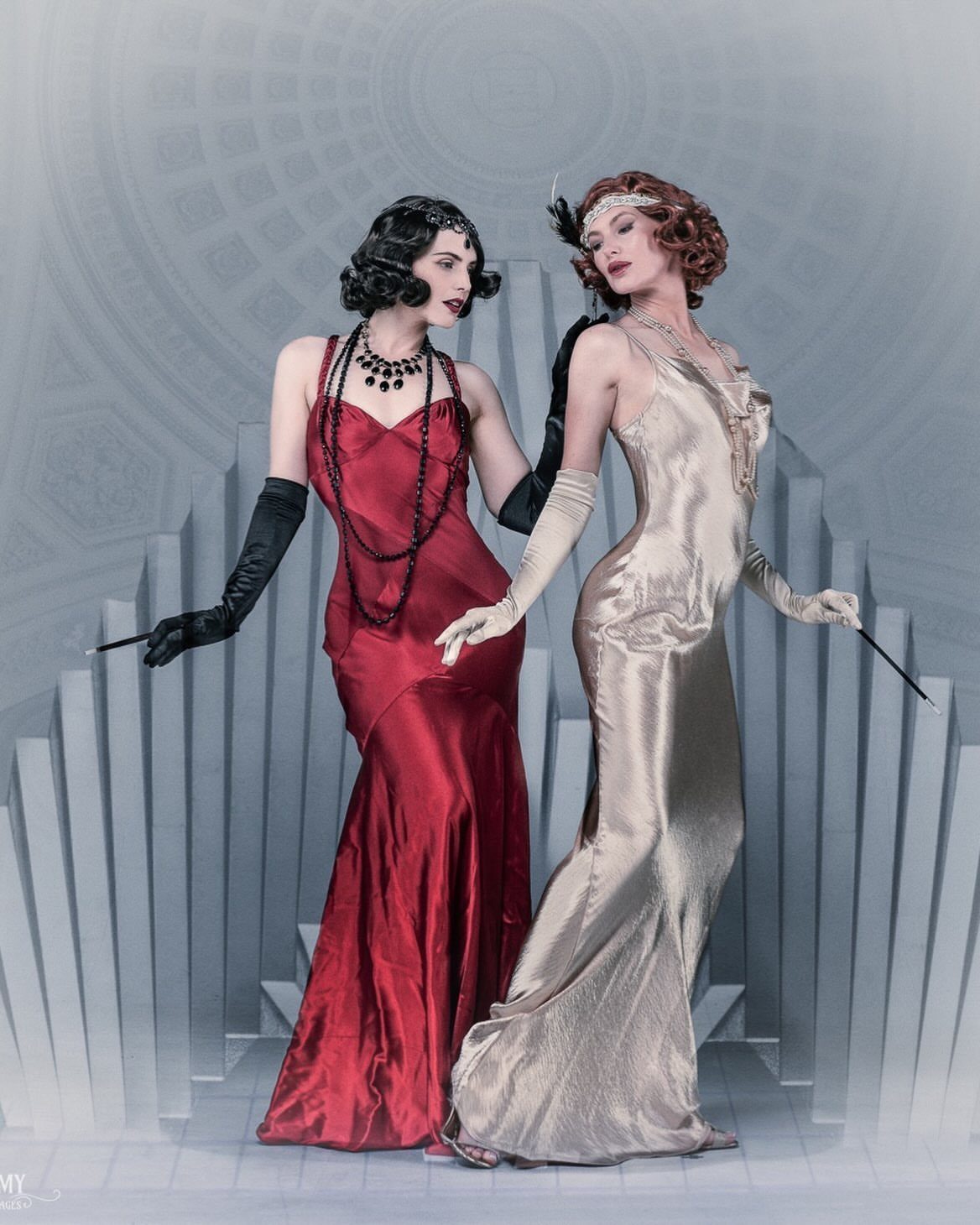
Satin in floor length carries liquid movement that shorter or busier fabrics cannot match, and it was used for the most formal evening events when beading would have been too specific or too heavy.
A bias cut or soft draping lets satin skim rather than structure; a defined waist here would read as wrong decade.
Kimono sleeves or simple straps keep the line vertical, and the color range in period examples runs from champagne and dusty rose to the deeper tones that photography of the time often rendered as near-black.
The accessories do the period work: long gloves past the elbow, a cigarette holder as prop, a headband with simple detail.
I find this the most forgiving silhouette for varied body types because the fabric flows rather than clings, though the length requires a heel to keep the hem from dragging.
For a modern event, a satin gown in a muted tone with vintage jewelry reads elegant before it reads costume; the cigarette holder, if used, signals the theme without requiring explanation.
A matching satin tie or sash at the hip, as in some period negligee styles, adds interest without breaking the long line.
Gatsby-themed Party Outfits
A Gatsby party invitation usually means a specific kind of evening: seated dinner, dancing, and lighting dim enough for sequins to matter.
A peach-sequined slip dress with pearls and satin gloves works because it keeps the jewelry minimal against heavy fabric; the same pearls with a beaded shift would read as too much texture fighting for attention.
For a reception where guests stand and mingle more than dance, the black fringed and sequined sleeveless dress with fishnet stockings holds up better; the fringe moves even in conversation, not just under ballroom lights.
The chunky silver necklace and bracelet set shown in those same results is a departure from period practice, where one long strand or several matched pearls did the work.
I would swap it for the single opera-length strand or skip neck jewelry entirely if the dress neckline is already beaded.
1920s Fashion for Men
The three-piece suit with fedora and pocket watch chain is the standard image, but the vest is what separates a costume from something that reads as intentional.
A newsboy cap substitutes for the fedora at more casual events, though it shifts the reference from Gatsby toward working-class 1920s depictions.
Walking canes appear in some assembled outfits; they were carried as fashion accessories by men who did not need them, which is a choice that reads differently now.
Pinstripe suiting is common in reproductions, but the solid greys, navies, and browns in tweed or plain weave appear more consistently in period photographs and survive better across different lighting conditions at events.
The white collar against a patterned tie is the detail that photographs cleanly; a colored or patterned shirt loses the contrast that made the look register in black-and-white film and still registers in person.
Makeup Trends
The finger waves or tight curls that frame the face in period beauty images are structural, not incidental; they hold the wave pattern close to the head so the dramatic eye and lip have a controlled backdrop.
For a last-minute Halloween version, the depth of the eye can be reduced by half and still read as period from conversational distance; the defined brow and matte lip do more of the recognition work than the shadow intensity.
Accessorizing 1920s Outfits
The cloche with large fabric flowers and the white cloche with dark fur stole in the reference images show two different approaches: one decorative and colourful, the other relying on tone contrast.
Bright clothing and short hair are accurate to the era but specific to daytime and summer events; for evening, the darker stole against lighter hat and dress is more transferable.
A parasol as moving accent, held rather than opened, functions as a fourth accessory alongside hat, stole, and pearls without adding weight at the neck or ears.
A beaded silk shift with light stockings is the foundation that lets the accessories do the variation; without that plain ground, the hat and stole compete.
For anyone building from pieces already owned, a plain drop-waist dress in cream or black with the long pearl strand and one other accessory hits the note without requiring full assembly.
Frequently Asked Questions
What do you wear to a roaring 20s party?
A classic flapper dress in black, gold, or silver with a beaded headband, long pearls, and T-strap heels is the standard starting point.
For a formal seated dinner where sequins will catch dim light, a peach or champagne beaded gown with satin gloves reads more Gatsby glamour than costume.
How to make an outfit look 1920s?
The drop-waist silhouette is the single detail that does most of the period work; a straight dress with the waistline at the hip reads 1920s even in plain fabric without beads or fringe.
For hair, finger waves pressed close to the head with a comb and setting lotion take time but read as effortful in a way loose curls do not.