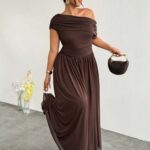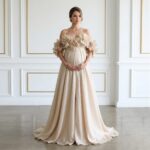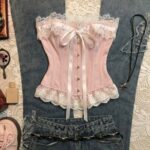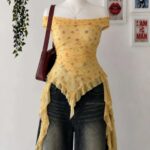
Skirt shapes range from the architectural bubble to the plain straight line, and the deciding factor is what your day demands: coverage and movement, or a narrow silhouette that stays still while you move.
The circle skirt alone can swallow more fabric than a straight cut in the same material, and that volume is the trade you make for the way it fans out when you spin.
1. A-line Skirt
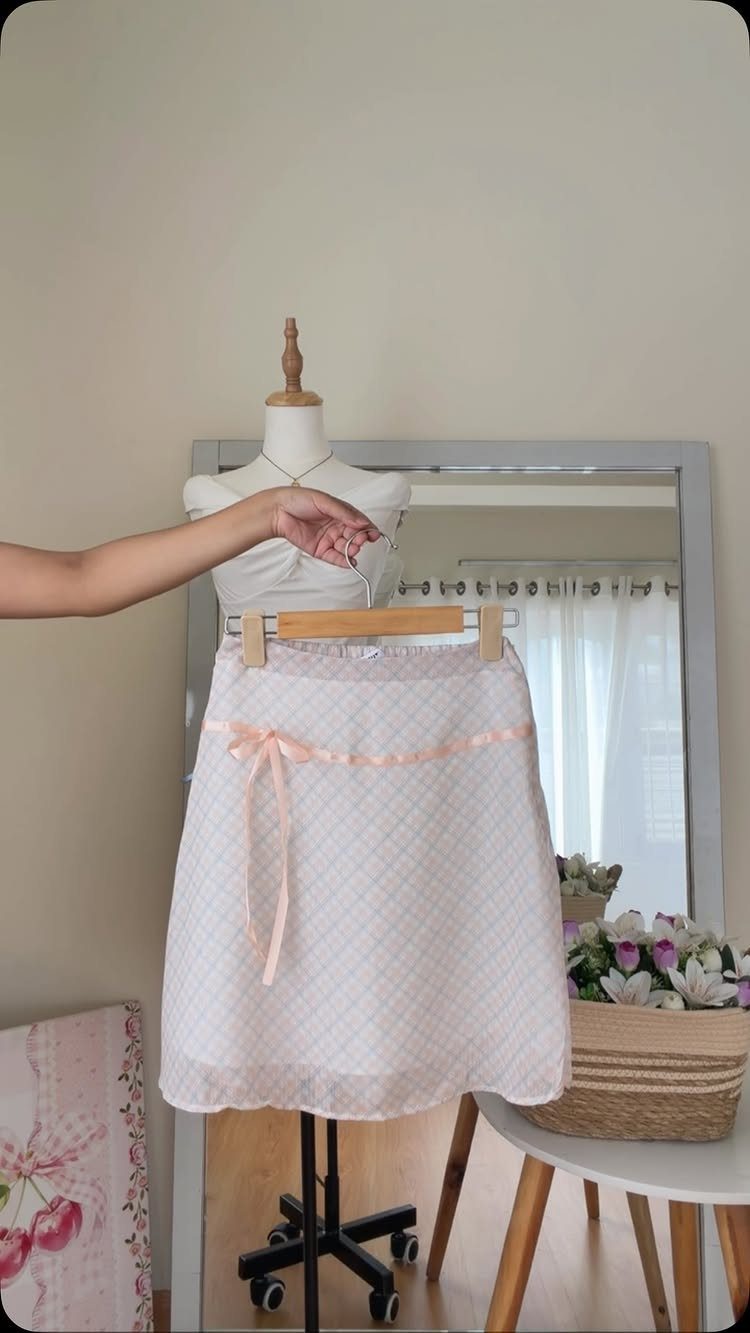
The A-line gets its name from the shape it makes: fitted at the waist, then widening gradually to the hem.
That geometry is why it works across so many bodies; the flare skims past hips and thighs rather than clinging to them.
I reach for mine in plaid or solid neutral and always pair it with something fitted on top. A tucked-in sweater or slim tee keeps the waist defined, the detail this cut is built around.
For length, mini reads casual and young, midi balances the silhouette for wider hips, and maxi goes dramatic without adding bulk. Heels help, especially below the knee, though flats work fine on taller frames.
2. Pleated Skirt
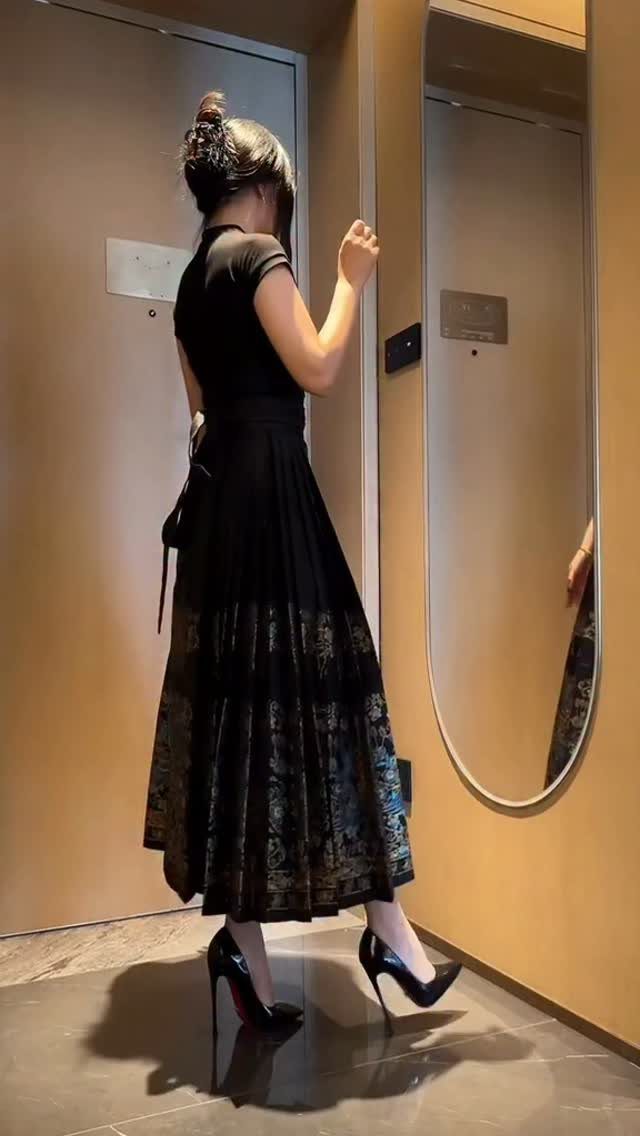
Pleats turn flat fabric into something that moves on its own. Knife pleats stack tight and sharp; box pleats open wider and hold their structure better through a day of sitting and standing.
The vertical lines do what stripes do for the upper body, drawing the eye up and down rather than across.
That is the slimming effect, and it runs from hip to hem no matter your height. Taller women or anyone who prefers to cover the calf should go longer; petite frames look proportionate in shorter lengths.
I keep the top simple and fitted so the skirt stays the event. For work I choose matte crepe or wool, and save the metallic or printed versions for occasions where I want the skirt to do the talking.
3. Pencil Skirt
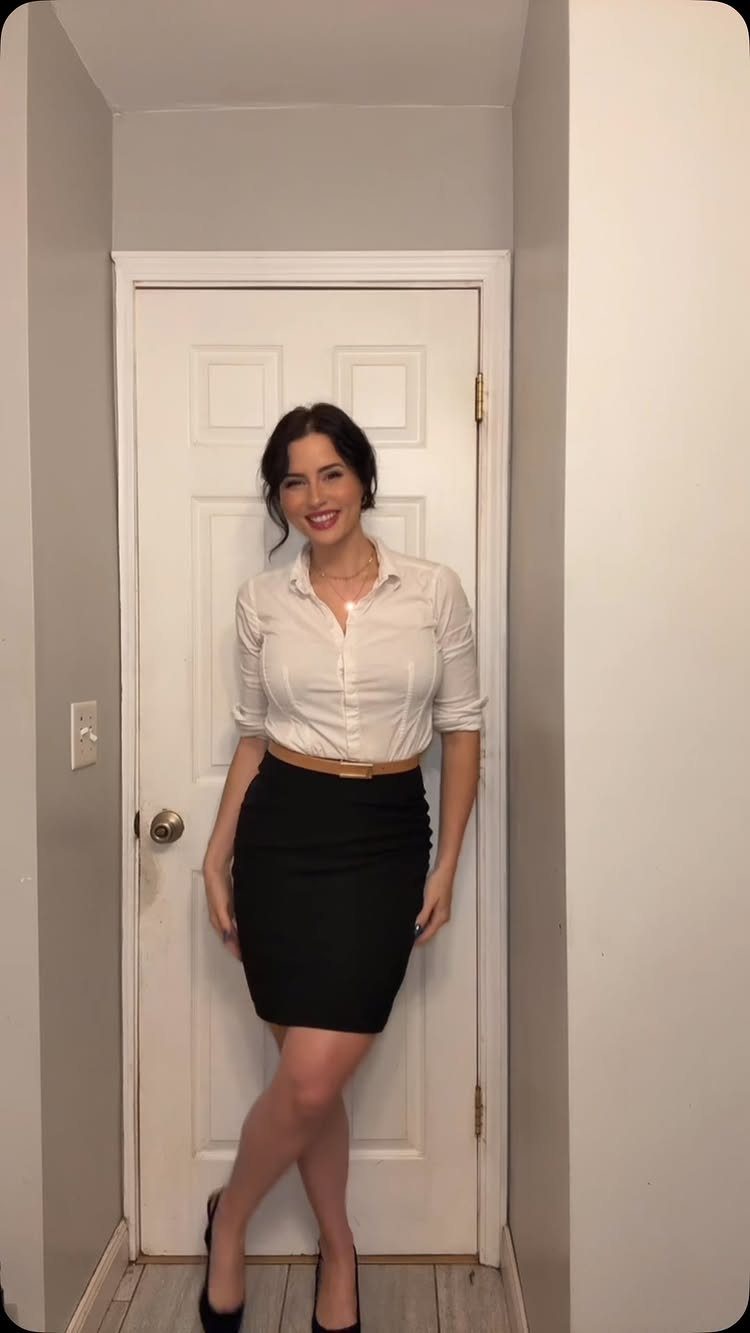
A pencil skirt hugs the body from waist to knee in one straight line, no flare, no extra volume.
The fit is the statement, which means fabric with stretch matters; a woven cotton with no give will ride up with every step.
This is the skirt I grab when I need to look assembled fast.
A white button-down and black pencil skirt with pointed heels is the combination that never fails for meetings, though I have worn the same skirt with a loose tee and ankle boots on weekends and liked it just as much.
The cut favors curves but does not require them; what it requires is confidence in a close fit and the right underlayer so the line stays smooth.
Pattern or color adds interest if your office allows it, though I own more black than I should admit.
4. Midi Skirt
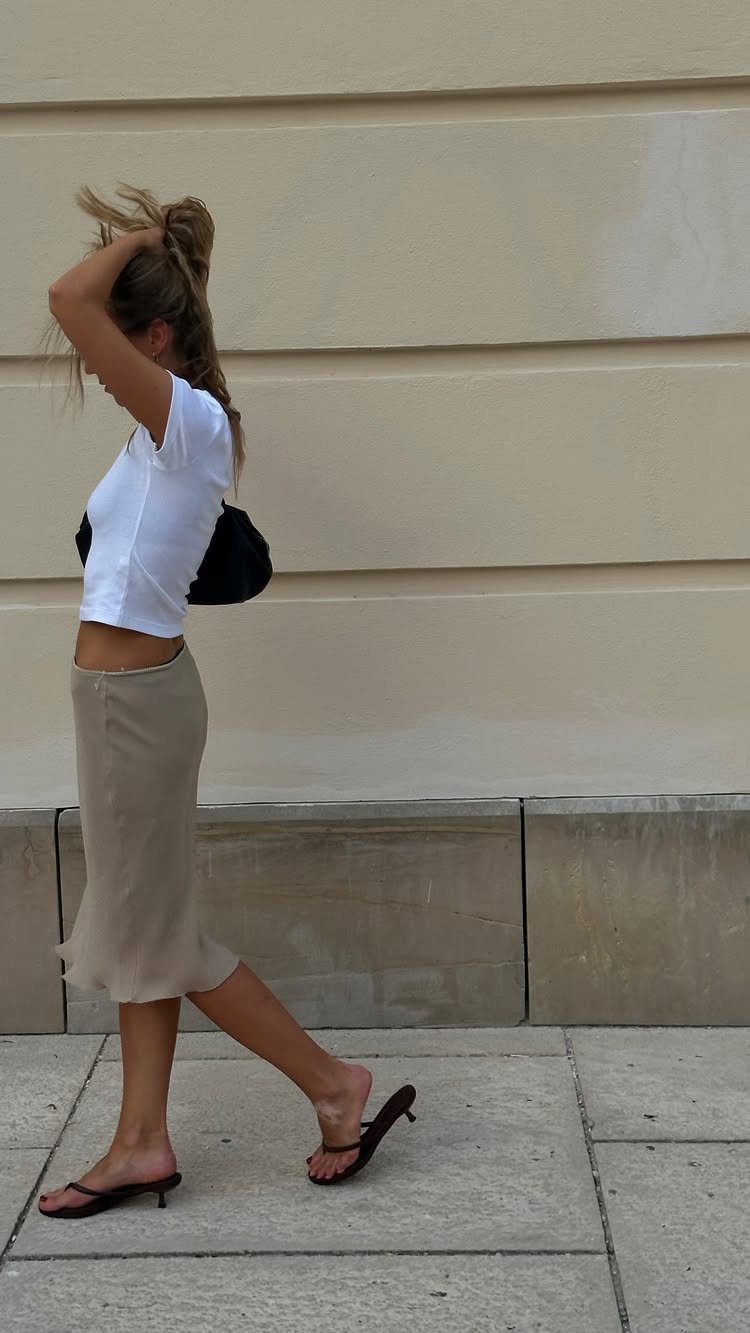
Midi length lands anywhere from just below the knee to mid-calf, a wide zone that changes how the skirt behaves. Higher on the leg reads more active and younger; lower gets more formal and more demanding about footwear.
The length shortens the leg visually, which is the trade you make for coverage and that particular mid-century mood.
I am not tall, so I wear mine with heels, usually a low sandal or kitten heel that does not fight the skirt’s calm energy.
Satin or silk in a neutral goes to dinner; cotton or denim with sneakers works for daytime.
The contrast is the trick that keeps it from looking costumey. Audrey Hepburn comparisons are inevitable with a tucked blouse and pearls, though I prefer a plain white tee and let the length be the reference.
5. Wrap Skirt
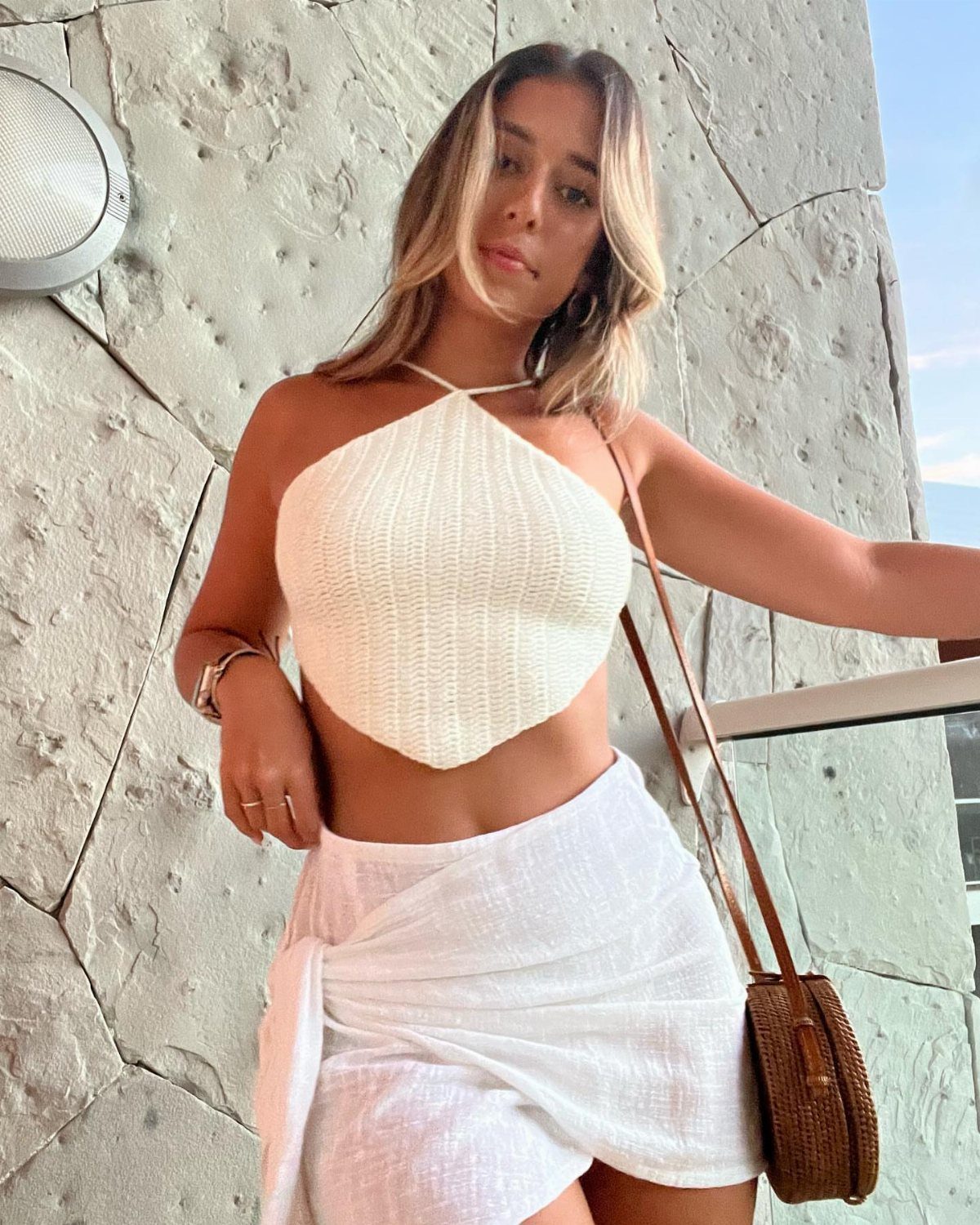
A wrap skirt crosses over itself and ties at the waist, which means the fit adjusts to you rather than the other way around. That is rare in bottoms and worth noticing.
The overlap usually creates an asymmetrical hem, higher on one side, which adds movement and a little flirt without going short all around. I find this shape forgiving on wide hips; the fabric drapes loose rather than pulling across.
For smaller frames, the same drape adds curve where there is less. Buying too tight undoes the wrap; if it pulls flat, the soft folds disappear and the skirt loses its easy drape.
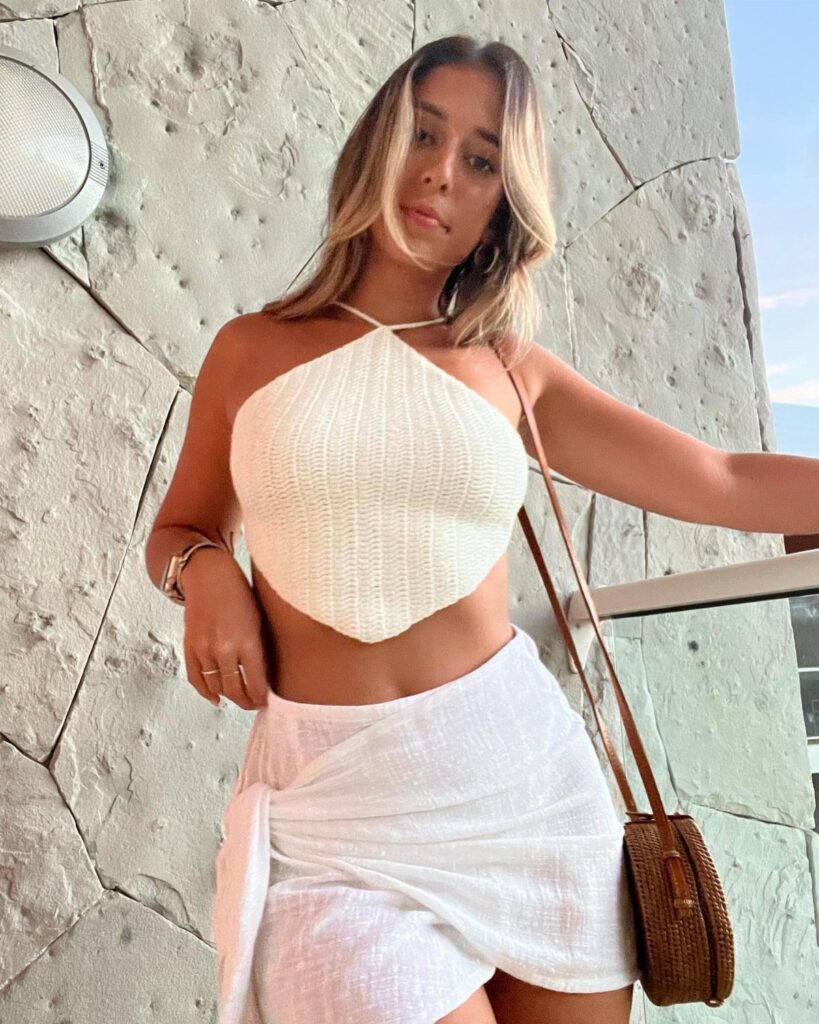
I have worn wrap skirts to beach dinners and to casual Fridays, always with something simple on top so the tie and the hemline stay central.
A woven bag and sandals complete the vacation version; swap in leather and a heel for evening.
6. Circle Skirt
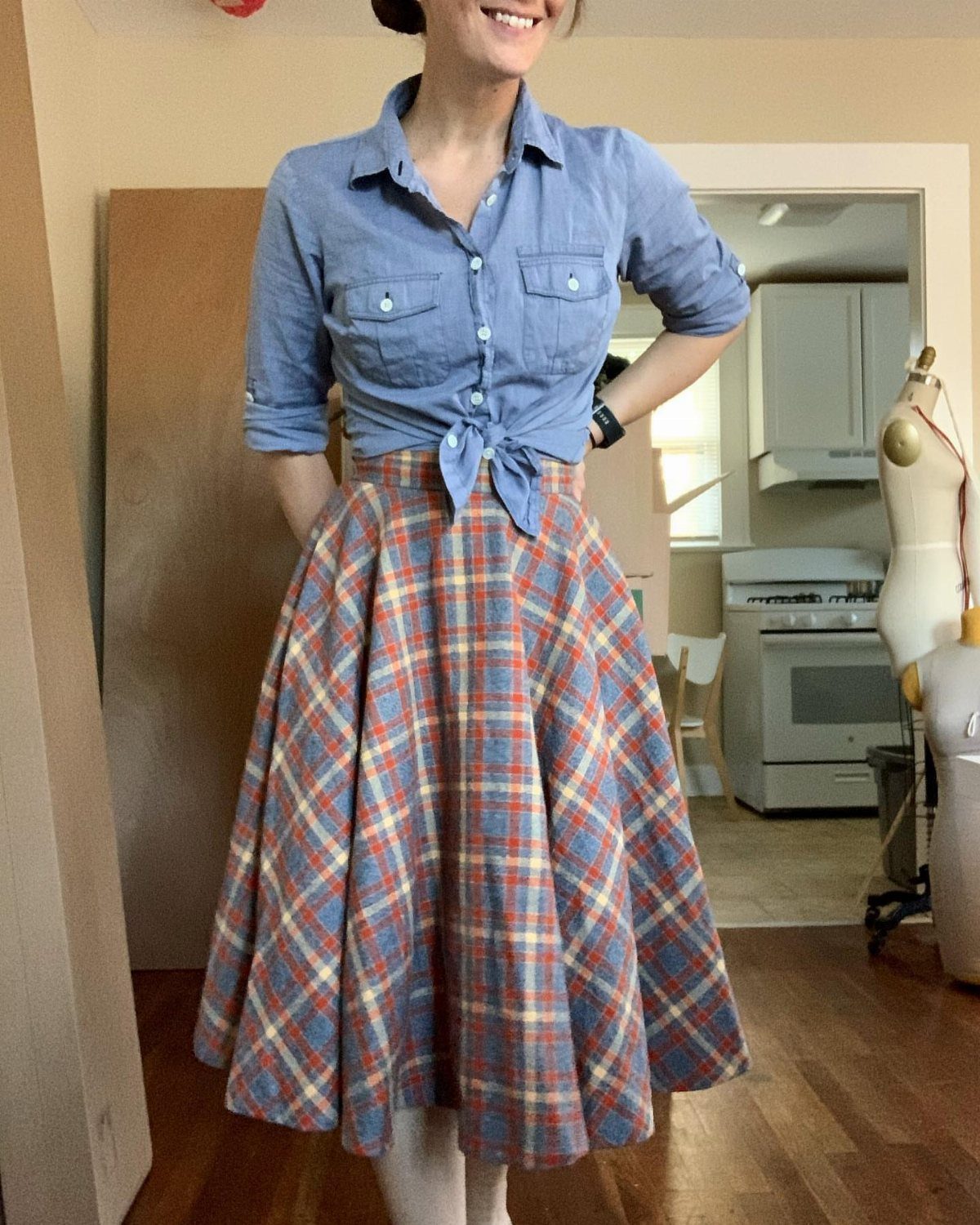
Cut a full circle from fabric, put a waist hole in the center, and you get a skirt that fans out like a saucer when you spin. The circle skirt is that simple in construction and that dramatic in result.
The fullness hides legs and hips completely, the same solution designers reached for when body concerns ran just as high as they do now.
It also builds curves where they are missing; the volume at the hem creates shape by contrast with a fitted waist.
I balance that volume with a slim top, tucked in to keep the waist visible, or a cropped jacket that ends right at the belt line.
Denim or plaid reads daytime; a solid in taffeta or organza goes to events where you want to move and be watched moving.
The hem takes fabric, often more than you expect, so cost runs higher than a straight skirt in the same material.
7. Asymmetrical Skirt
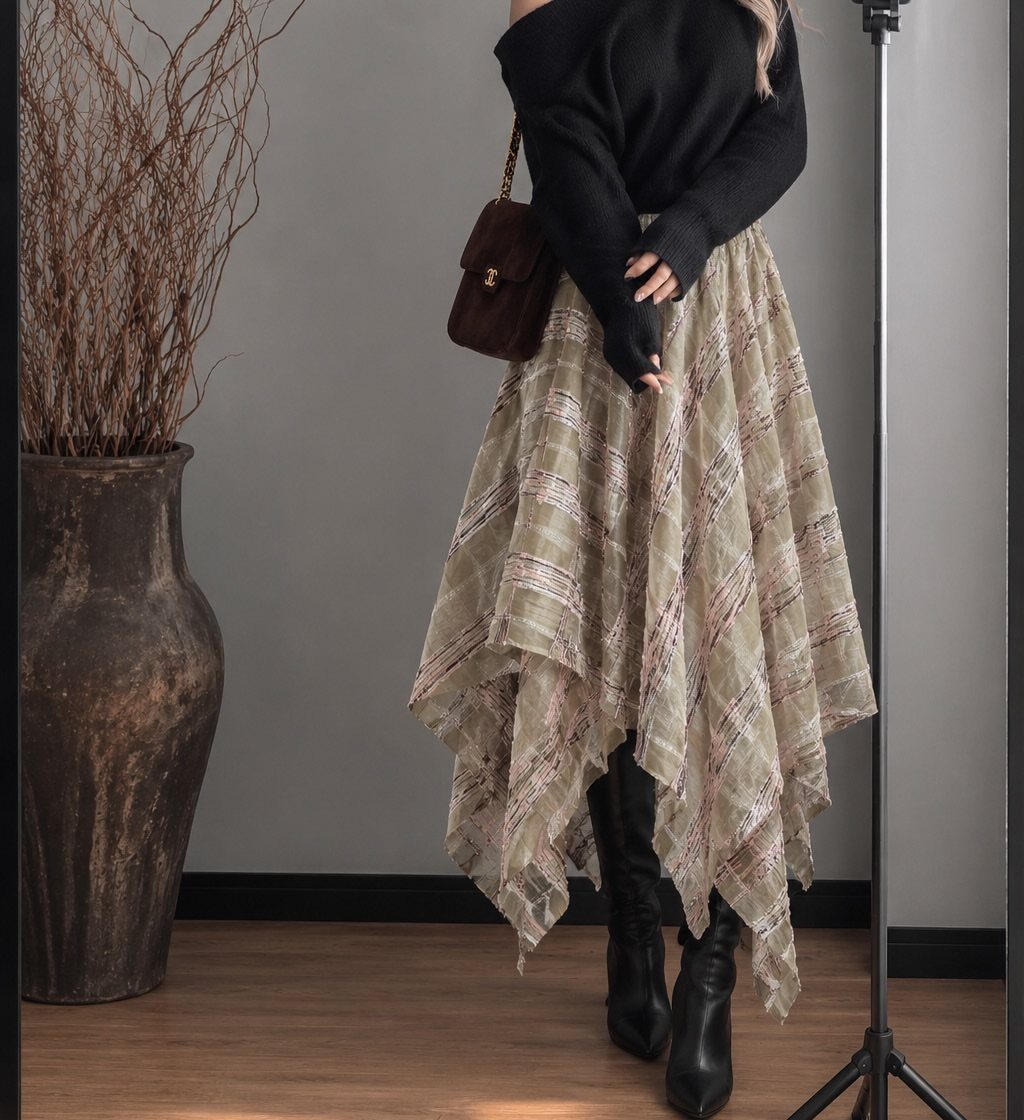
An asymmetrical skirt carries one hemline longer than the other, or dips low in back while rising in front.
That uneven edge catches the eye without demanding it, the way a handkerchief hem does in plaid or a single diagonal slash does in solid crepe.
The shape flatters because the fabric falls in soft folds rather than cutting straight across the leg.
I keep the top minimal; the skirt already supplies the interest, and a busy print above fights the line. Heels add height under midi lengths, especially for shorter frames, though ankle boots work if the hem clears them.
I would wear this to a creative office or out to drinks, places where a little deliberate imbalance reads as confidence rather than mistake.
8. Bubble Skirt
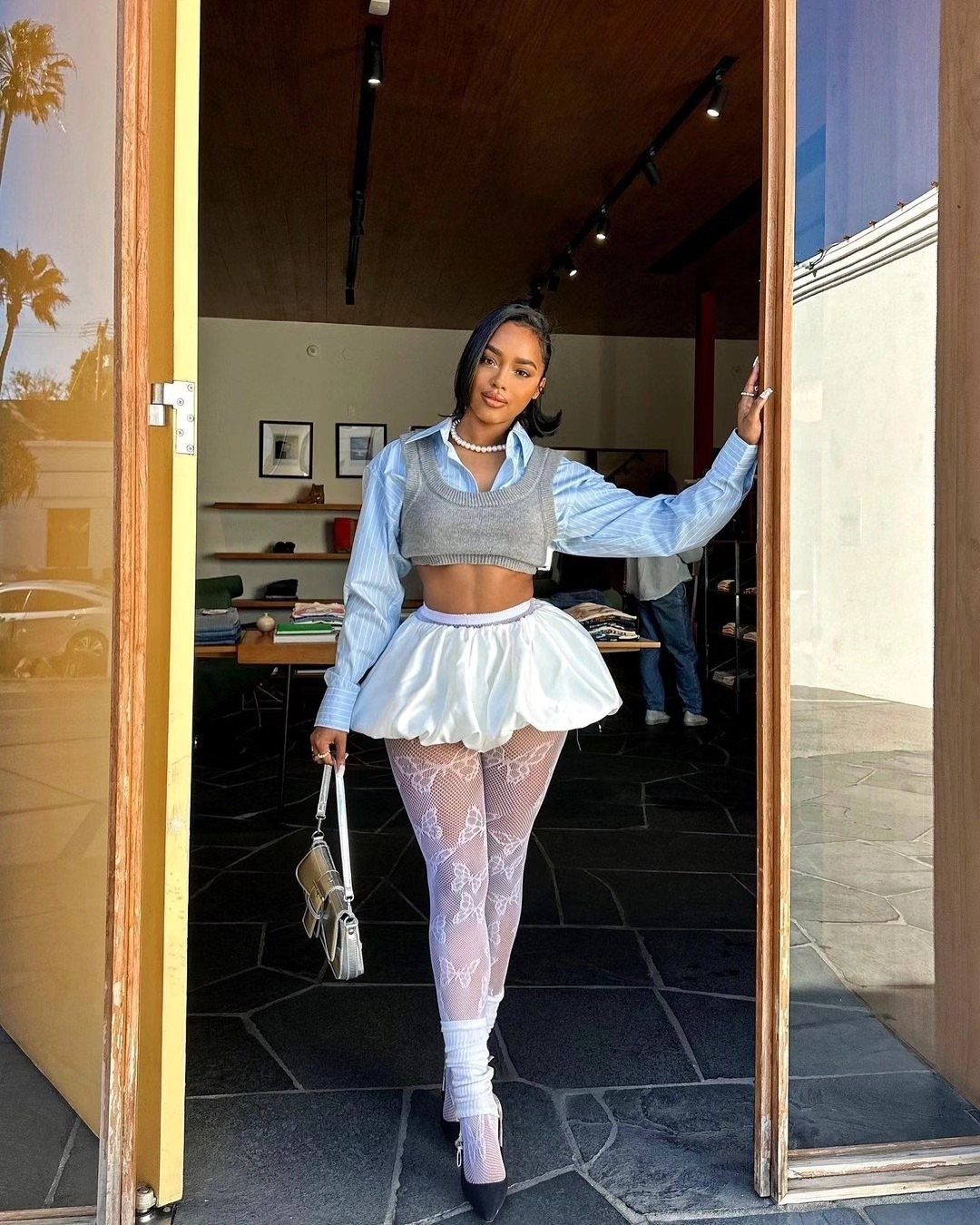
A bubble skirt traps volume between 2 layers: a longer outer shell gathered inward at the hem to a shorter lining beneath, creating a rounded, inflated silhouette.
The effect is architectural, almost balloon-like, and it moves differently than pleats or gathers alone.
This shape demands a fitted top; anything loose turns the whole figure into a column. I would choose a cropped sweater or slim tee tucked tight, the waist the one place this skirt stays narrow.
Length matters more here than with most skirts. The bubble effect needs leg below it to balance the bulk, so mini to low-midi is the practical range; longer versions require too much fabric and restrict walking.
For occasions, I think party or statement event rather than daily wear. The construction uses more yardage than a straight skirt, so cost runs higher in quality fabric.
9. Godet Skirt
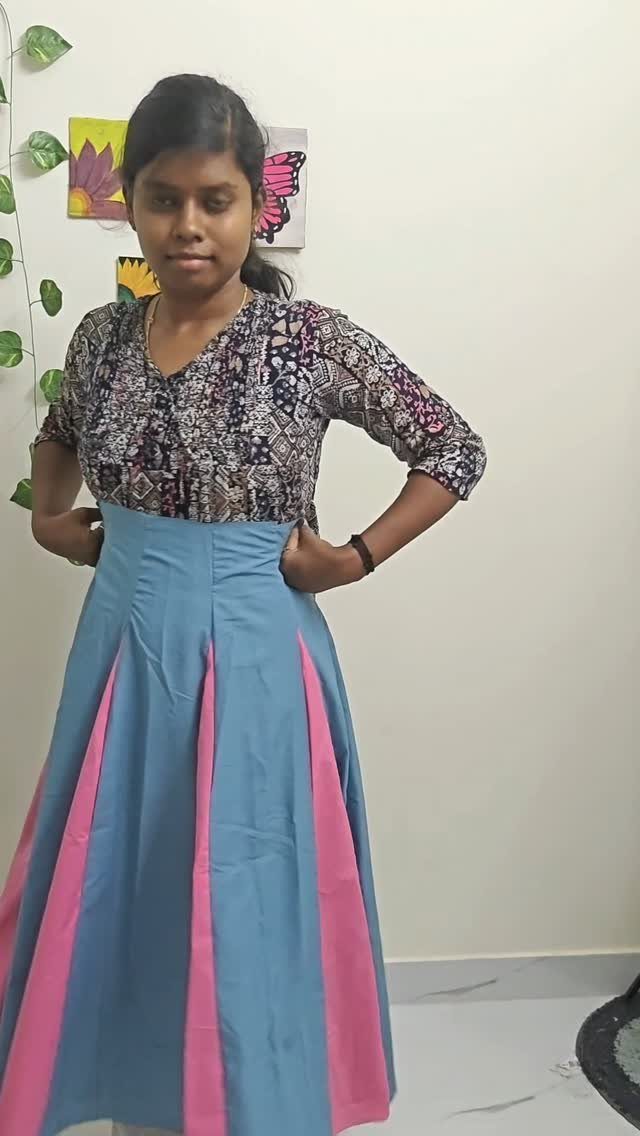
Godets are triangular wedges of fabric set into the hem of an otherwise fitted skirt, letting it flare only where movement happens.
The hips stay close, the swing begins at mid-thigh or knee, a controlled release of fullness that walks better than it stands still.
I pair mine with something tucked or cropped; a long sweater layered on top hides the waist and defeats the cut’s whole point.
A turtleneck or slim blouse works, the line from shoulder to hip kept continuous so the godets read as surprise rather than bulk.
Heeled shoes extend the leg and suit the feminine energy, though I have worn flat boots with a midi version and liked the contrast.
Self-fabric inserts keep the look quiet, while a contrast, like pink against blue, turns the godet into the main event. Either way, this is the skirt for walking into a room and having the hem follow 2 beats behind.
10. Ruffle Skirt
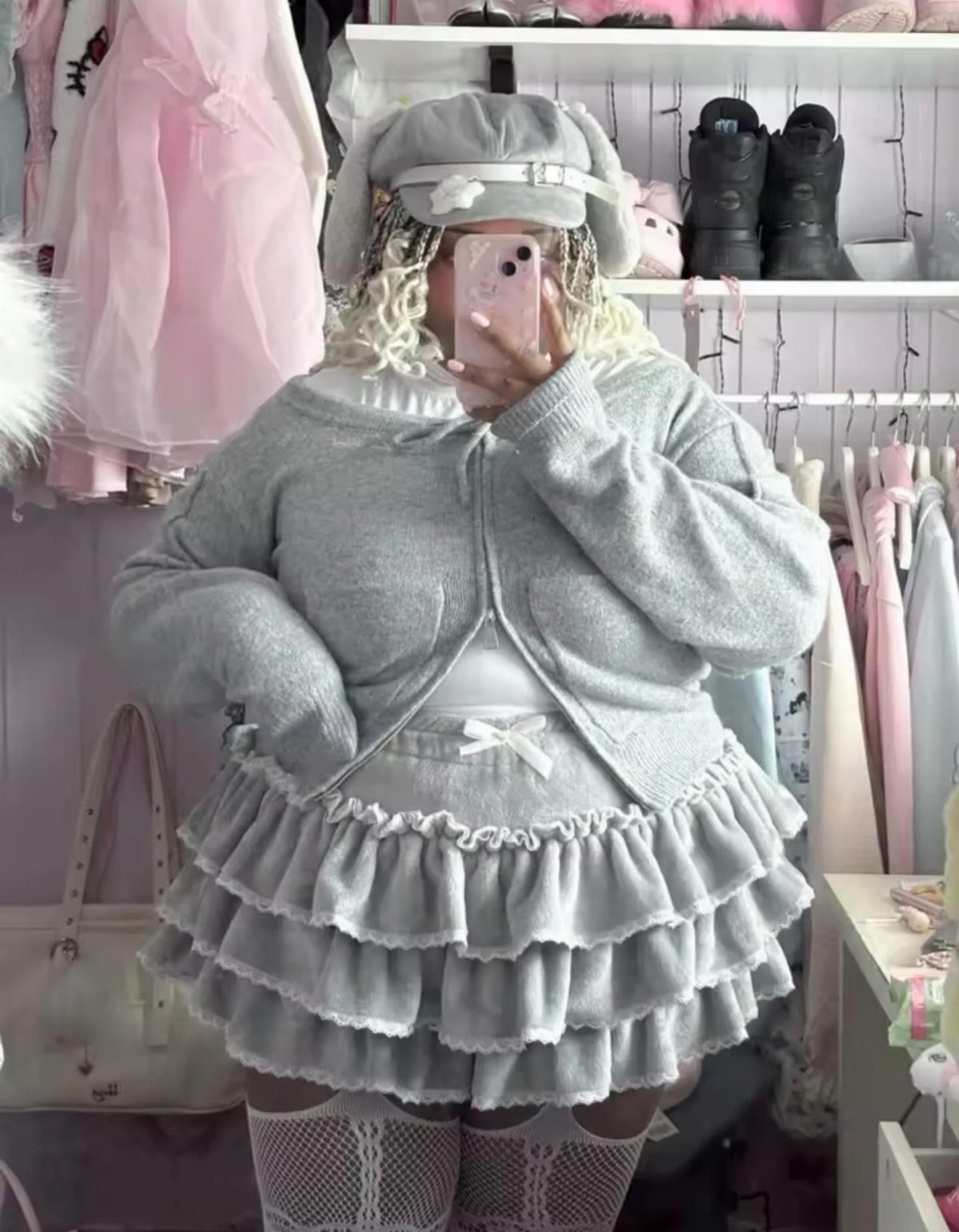
Ruffles add gathered strips along the hem, the side, or tiered from waist to bottom, each layer catching air and light differently. The effect is romantic, slightly theatrical, and hard to wear to a conservative office.
I save mine for occasions where a little excess is welcome: showers, garden parties, dates where the setting is informal enough for the skirt to be the event.
The volume needs balancing; a streamlined top, fitted through the shoulders and waist, keeps the silhouette from becoming costume.
Spaghetti straps or a slim cardigan work, dropped shoulders and oversized sweats do not. Tiered ruffles in soft cotton read daytime and bohemian; a single ruffle at the hem in silk or taffeta goes to evening.
The more tiers, the more fabric, the more the skirt weighs. I check that the waistband can carry it without sagging.
11. Cargo Skirt
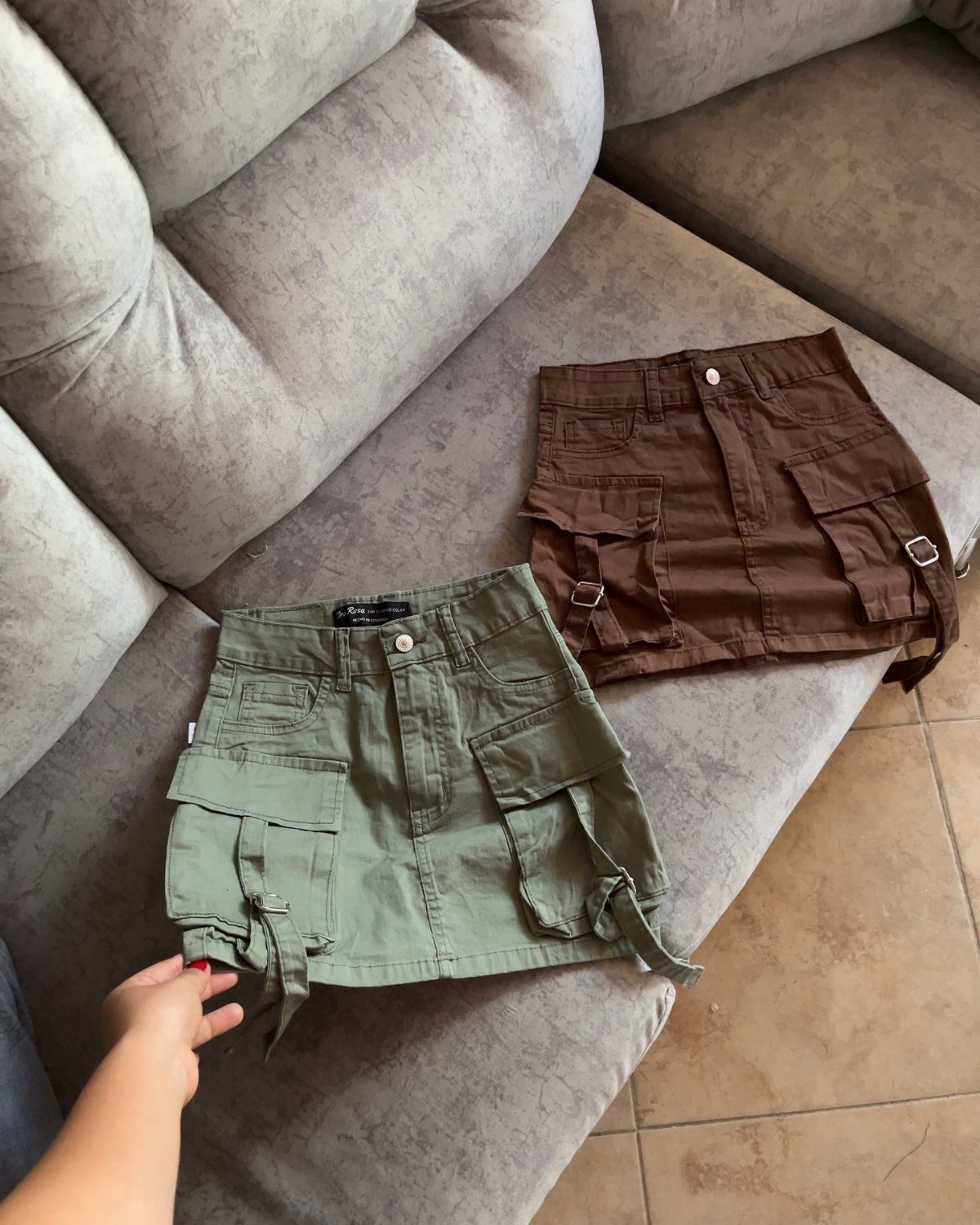
Large patch pockets, usually with flaps, define the cargo skirt, a piece borrowed from military utility and turned casual. The hardware matters: snaps, zippers, drawstrings at the hem, details that signal workwear origin.
I treat this as strictly off-duty. A plain tee and sneakers is the combination that respects what the skirt is; trying to dress it up with heels and a silk blouse creates confusion rather than contrast.
The fabric is typically cotton twill or denim, hard-wearing and washable, the belt often self-fabric and functional rather than decorative. Length runs mini to midi, though I see mini most often and think it suits the youthful, active mood.
Pockets that actually hold a phone are the point, so I check depth and closure before buying. This is the skirt for errands, travel, any day when hands-free matters and looking polished does not.
12. Tiered Skirt
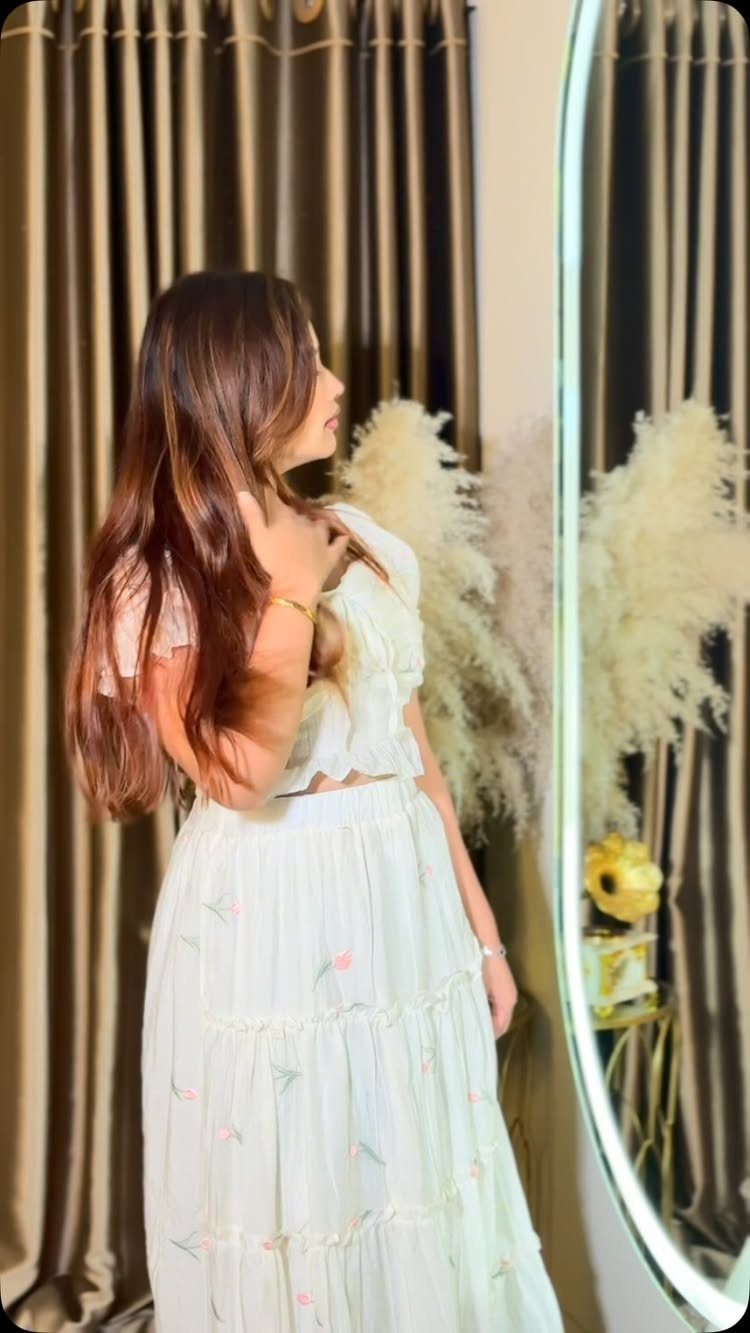
The layers create texture and movement, a rippling effect that reads bohemian in soft cotton and can turn structured in stiffer fabric.
I think of this as vacation dressing: beach walks, music festivals, Saturday mornings when ease matters more than edge.
Each tier adds fullness, so the silhouette widens toward the bottom; a fitted top keeps the proportions clean, and I avoid anything that adds bulk at my own waist.
Maxi length is common and suits the flowing intent, though I have seen cropped versions that read more modern and less folk-inspired.
Multiple seams mean multiple chances for fraying; I look for clean finishes where the tiers join, especially on budget tiered skirts.
For a contemporary take, a tiered skirt in structured poplin or lightweight denim with a simple tank and sandals updates the hippie reference without losing the comfort.
13. High-Slit Skirt
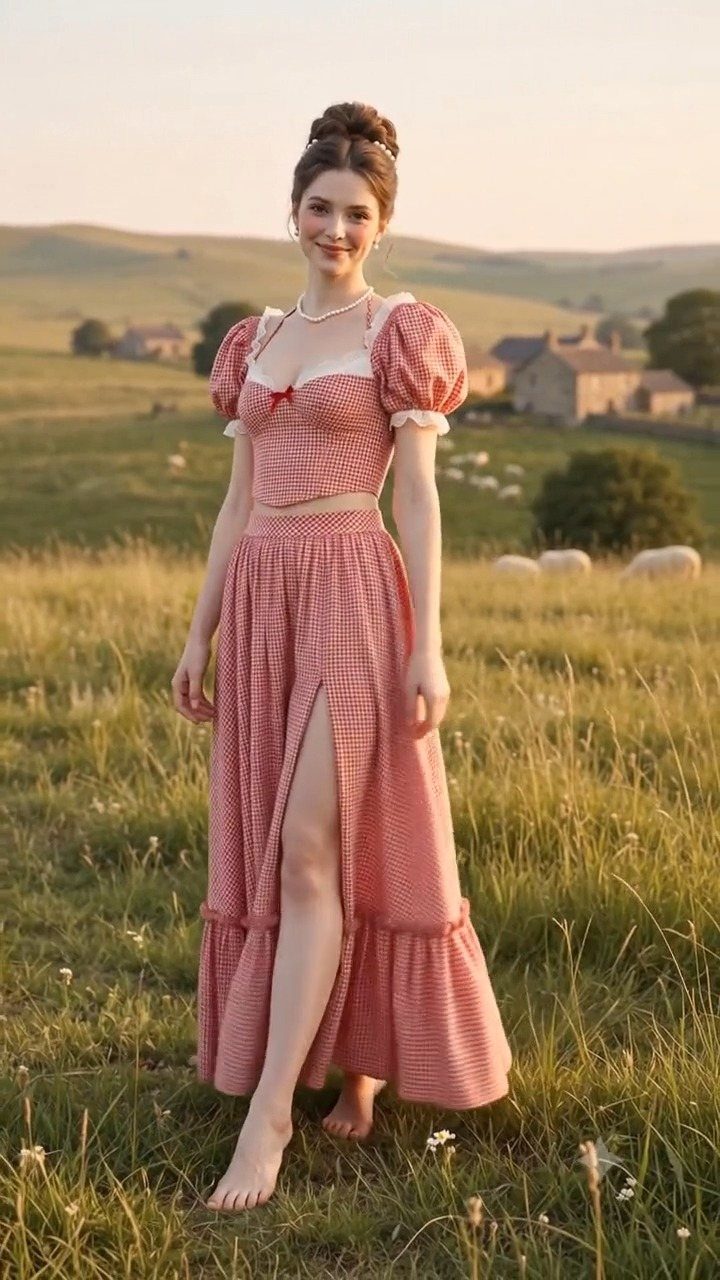
A high-slit skirt opens the fabric from hem upward, one leg visible with each stride, the rest of the skirt moving like a standard column or A-line.
The cut solves the problem of long skirts that trap the legs and shorten the step.
I think of this as evening wear first, though a midi length in cotton or linen with a front slit works for daytime if the opening stops mid-thigh.
The allure is built in, so the top stays simple: a fitted tank, a tucked tee, nothing competing.
Sitting reveals more than standing; I check slit placement while seated before buying. A higher waist lengthens the leg line and keeps the opening anchored.
14. Mermaid Skirt
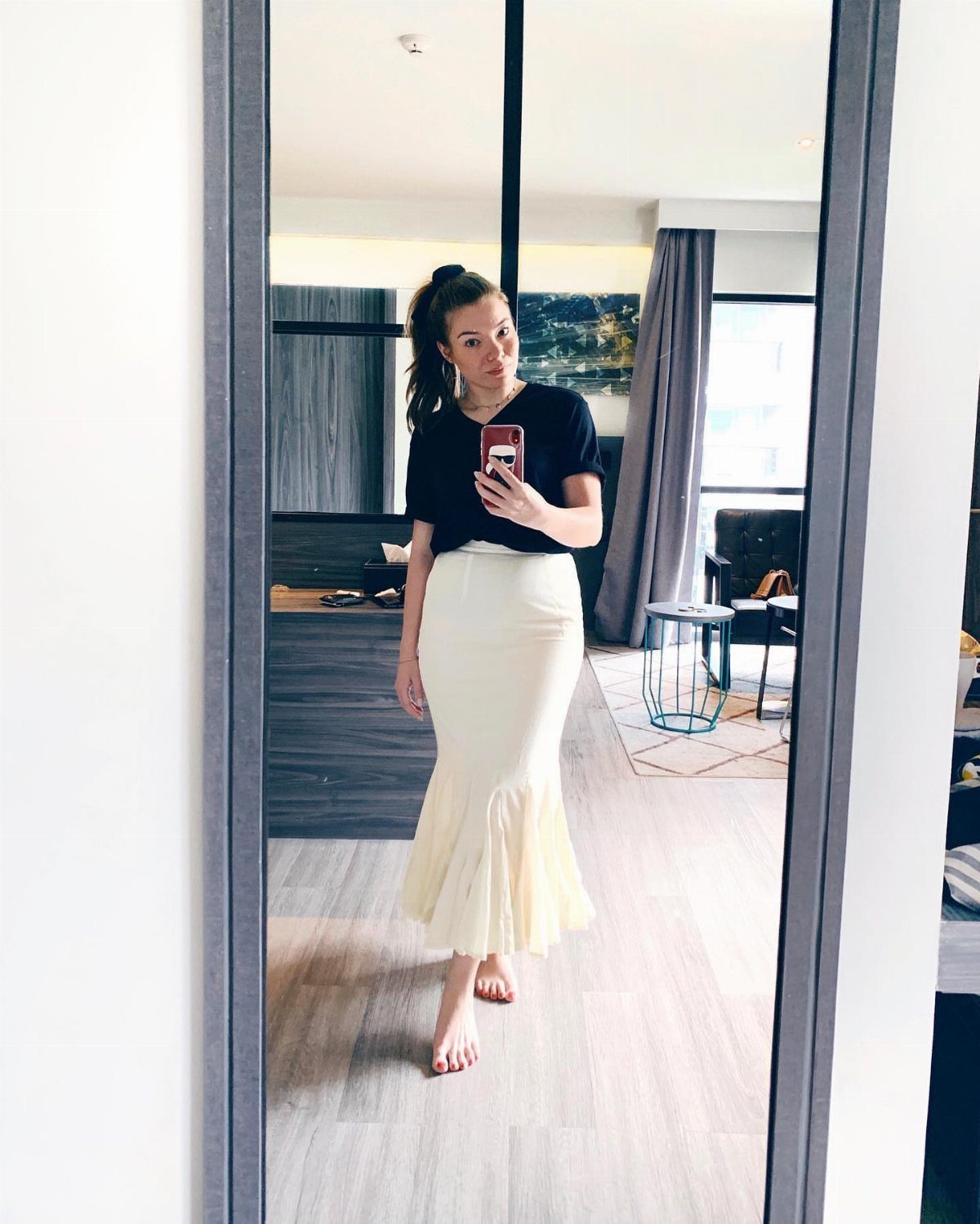
The mermaid skirt fits close from waist through hip and thigh, then flares at or below the knee into a shaped hem that recalls a fish tail.
The construction is demanding; the fit must be exact through the fitted section or the whole silhouette collapses.
A knit top tones the formality down to creative-office level, which is where I wear mine most often.
I would wear it to a wedding, a gala, an evening where entrance matters, paired with something minimal on top since the skirt supplies all the drama.
The flare restricts walking; the step is shorter, the hem heavier, often with interfacing or layers to hold the shape.
A knit top tones the formality down to creative-office level; silk or a structured blouse pushes it back up. Curves read as curves here, not hidden, which is the point of choosing this shape.
15. Straight Skirt
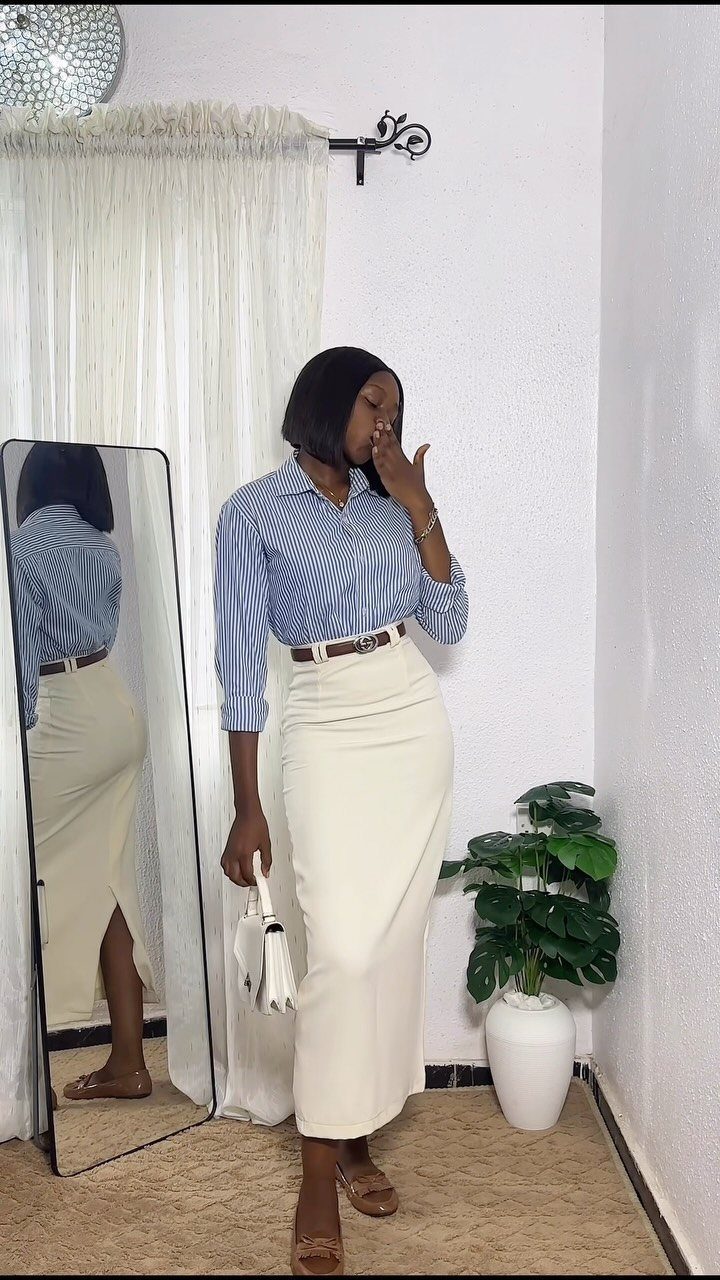
A straight skirt falls from waist to hem in one unbroken vertical, no flare, no taper, the line as clean as architecture.
It is the base block from which other skirts are drafted, and worn on its own it reads as intentional restraint.
This is the skirt I reach for when I need to look competent without effort.
A button-down tucked in, a belt to mark the waist, pointed pumps: the combination works for offices, interviews, any setting where attention should go to what I say.
The minimalism leaves nowhere for fit errors to hide; I check that the waistband sits flat and the hem falls true, no pulling across the hips.
Cotton or wool in a solid extends the wardrobe; a stripe or check adds interest without breaking the line. The length can run mini to maxi; I find midi most useful, the coverage professional, the proportions easy.
16. Draped Skirt
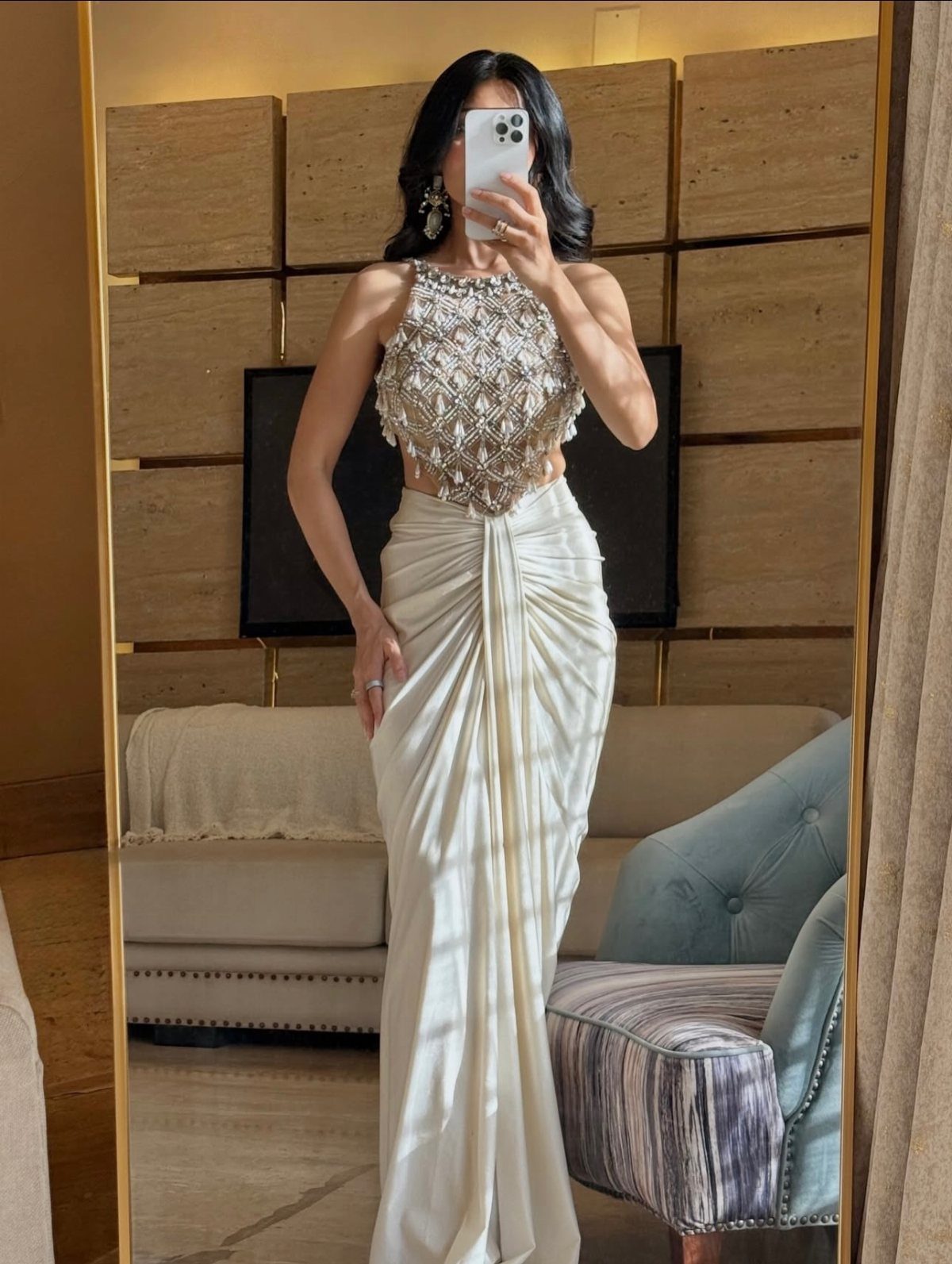
A draped skirt gathers fullness to one side, the fabric folded and pinned or seamed so the drape becomes the structure.
The sarong version wraps a rectangle of cloth around the body and secures it, the drape created by the overlap rather than built in.
The effect flatters because the gathered fabric breaks the straight line of hip and thigh, adding dimension where a flat skirt would show every contour.
I see this most often in evening wear, the drape in silk or chiffon catching light as the body moves.
The halter crop top keeps the waist visible, which the drape needs; a long top would bury the gathering and turn the skirt into an ordinary column.
For a daytime version, a jersey wrap in a solid color with a fitted tee gives the same movement without the formality.
The fabric must be fluid; stiff cotton or denim will not fall into soft folds and the effect becomes bulk instead of grace.
Styling Tips
Fitted tops are the reliable partner for almost every skirt shape. I add a belt when the top and skirt share a color; the break at the waist prevents the whole figure from flattening into one block.
A mid-rise feels easier for long days; low-rise I skip entirely, since it lengthens the torso and I am not tall.
For softer shapes like the bubble or tiered styles, a cropped cardigan hits at the right point without adding bulk through the middle. Pointed flats or kitten heels finish the look without competing for attention.
Choosing the Right Skirt
Body shape and occasion matter more than trend.
A skirt that flares from the waist skims wider hips; a straight or pencil cut works when you want the line to stay narrow. The event decides the rest.
I think about the rise first, since that determines comfort through a day of sitting and standing. The fabric follows; denim and cotton twill read daytime, silk and satin after dark.
I try the skirt on and move in it, not just pose. The best choice is the one that feels right in motion, not just in the mirror.
Fabric Choices
Fabric changes what a skirt does.
Satin, silk, and viscose move differently, catching light and following the body, which suits draped and asymmetrical shapes. Jersey and knit cling close, the choice for pencil skirts worn without a tucked top.
Tulle and organza add volume; they build the fullness in a circle or bubble skirt that would collapse in anything heavier.
Linen relaxes into creases, warm-weather wear that looks intentional only if the cut is simple. Chiffon and satin are the expected choices for formal occasions, though tulle dressed down with sneakers carries a contradiction I have come to like.
Occasion Suitability
The setting decides the skirt more than the skirt decides the setting. A pencil or straight cut in wool or structured cotton reads office; the same shapes in leather or sequin go to evening.
I wear flared or shorter lengths for casual days, paired down with a tee and sneakers or up with a blouse and sandals.
Maxi length carries formality automatically, though a tiered cotton version works for beach walks. Fitted styles with structure through the waist command attention in professional rooms; volume and movement suit parties and vacations where the eye should travel.
I think about what I will be doing, standing or sitting, walking or still, and choose the skirt that behaves right for that motion.
Frequently Asked Questions
What are the different types of skirts?
The main types include A-line, pleated, pencil, midi, wrap, circle, asymmetrical, bubble, godet, ruffle, cargo, tiered, high-slit, mermaid, straight, and draped skirts.
Each is built around a specific cut or construction detail that changes how it moves and what body it flatters. A-line widens from the waist, pencil hugs straight down, and circle skirts fan from a central waist point.
What are 50s skirts called?
The circle skirt is the silhouette most tied to mid-century dressing, cut as a full round of fabric that fans out when the wearer moves.
Poodle skirts were a specific decorated version of this shape. The midi length with a tucked blouse and ballet flats also recalls the era, though the circle skirt’s volume is the signature.
What type of skirt is best for my body type?
A-line, wrap, and circle skirts skim past wider hips by flaring from the waist rather than clinging. Pencil and straight cuts work when you want to keep a narrow line or highlight curves already there.
For straighter frames, bubble, tiered, and circle styles add volume that builds shape by contrast. Petite frames should watch overall volume and choose lengths that do not cut across the widest part of the calf.
How do I style a midi skirt?
Pair a midi with heels to counter the length’s tendency to shorten the leg visually; a low sandal or kitten heel suits the skirt’s calm energy without fighting it.
Tuck in the top or choose cropped lengths to keep the waist defined.