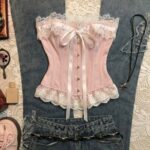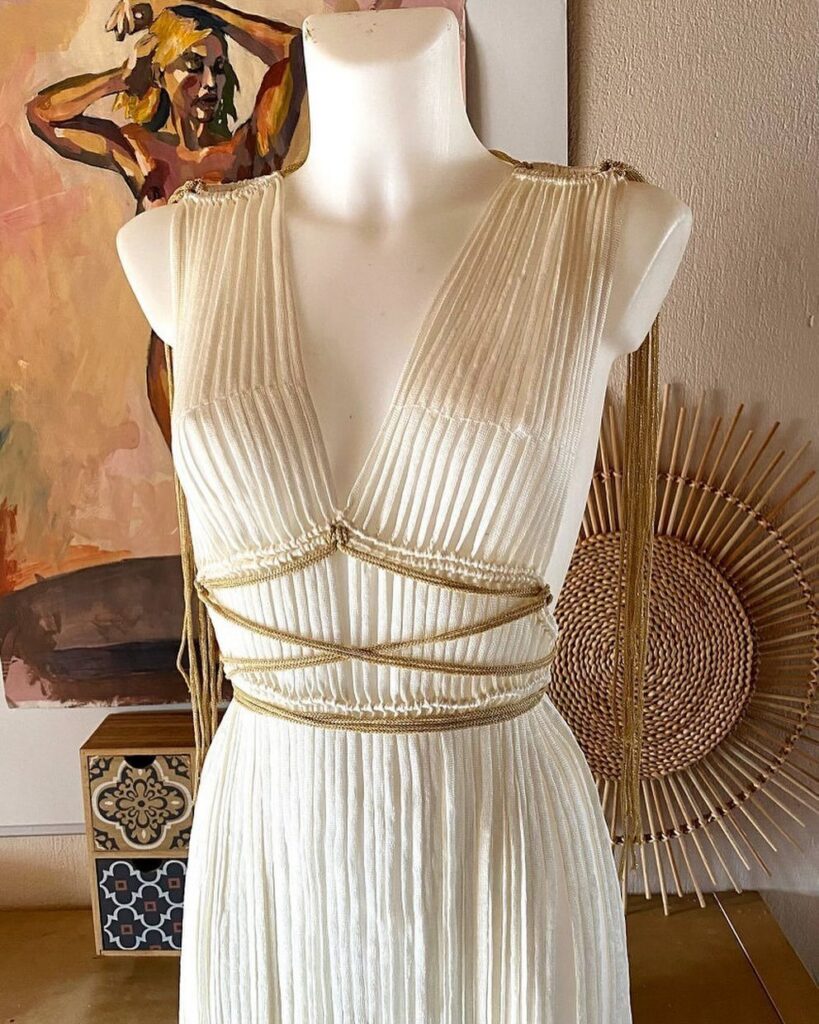
The bodices below move from soft Grecian pleating with no boning at all to a fully built corset with internal structure; which one works depends on where you carry your weight and how much shaping your frame actually needs.
A ruched bodice gathers fabric into soft folds that break up the midsection, while a corset uses vertical seams and boning to shape the torso; the list below covers both, plus Grecian pleating, square necklines, strapless sweetheart cuts, and beaded styles.
1. Corset Bodice
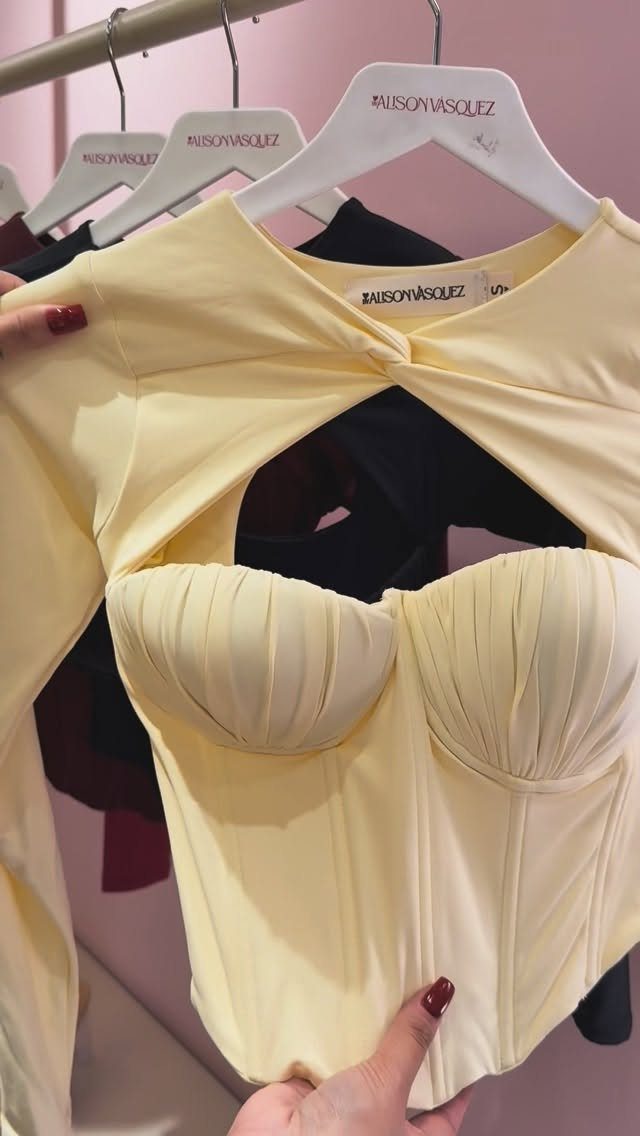
A corset bodice shapes the torso with vertical seams and internal boning that sculpt rather than squeeze.
I look for lace-up backs when I want to adjust the fit through the day, though zippers work fine for a fixed waist measurement.
The structure supports the bust without straps and defines the waistline, which makes it a strong choice for hourglass and rectangle shapes that want to create curves.
If you are fuller in the midsection, the seams can emphasize rather than smooth; in that case I would try a ruched bodice instead. The modern versions move with you, not against you.
2. Ruched Bodice
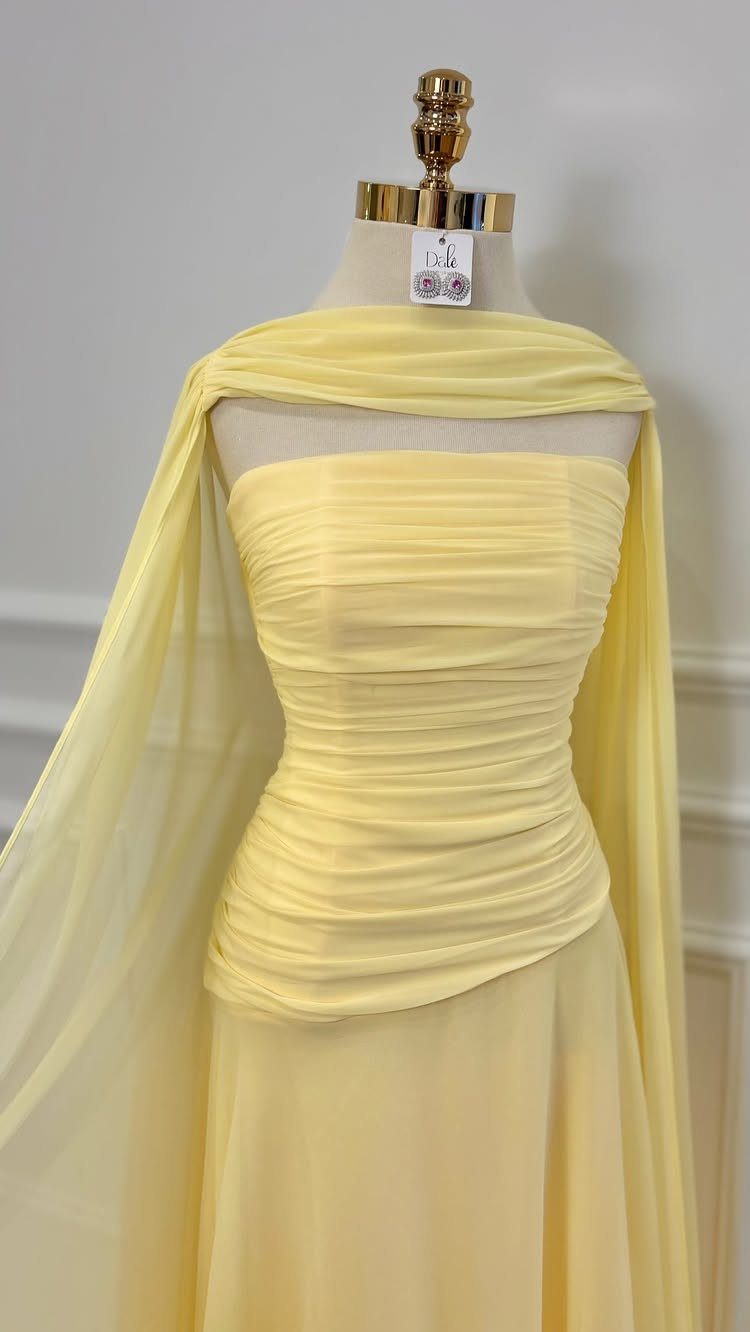
Ruched bodices gather fabric into soft, even folds that add texture across the torso.
That puckering breaks up a flat surface, which I find useful when I want to draw attention away from the midsection or add dimension to a simpler gown.
The technique works on strapless, one-shoulder, or sleeved styles without changing the basic construction.
For a formal event, I would check that the gathers lie flat when I sit; poorly anchored ruching can bunch or shift. Chiffon and silk georgette hold the drape best, while stiffer fabrics fight the effect.
3. Grecian Style Pleated Bodice
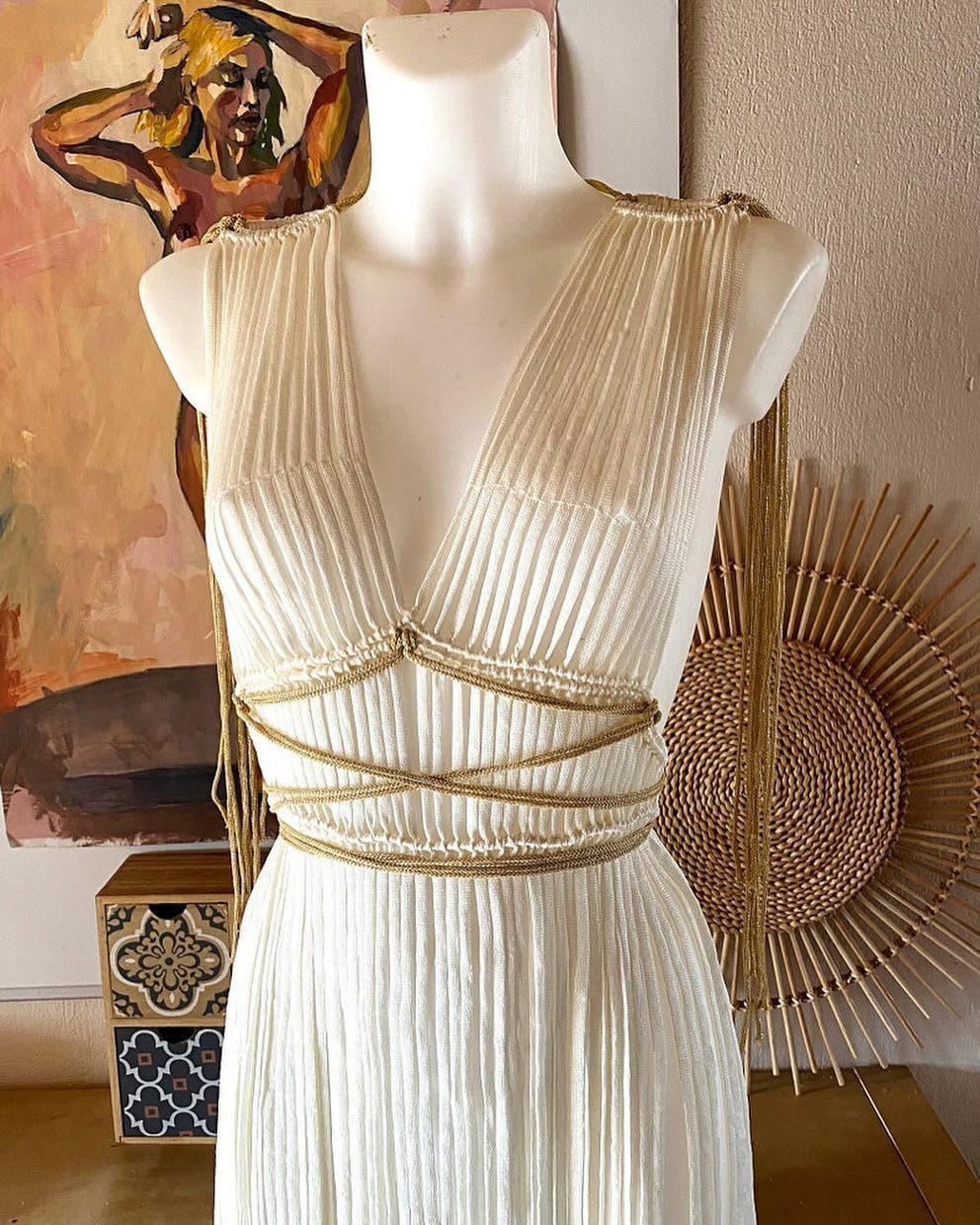
Grecian pleating runs vertically from a deep V neckline, creating a soft column that moves with the body.
The pleats add structure without seams, which gives a looser fit through the bust than a corset or princess style. Chiffon and silk are the usual choices here, since both fabrics fall in soft folds that move rather than cling.
The deep V works best with a longer neck or an updo that keeps the line clean; a heavy necklace would compete with the neckline and the gold cord accents that typically finish this style.
Check that the pleats are pressed and stitched to hold their line through the night.
4. Square Neck Bodice with Puff Sleeves
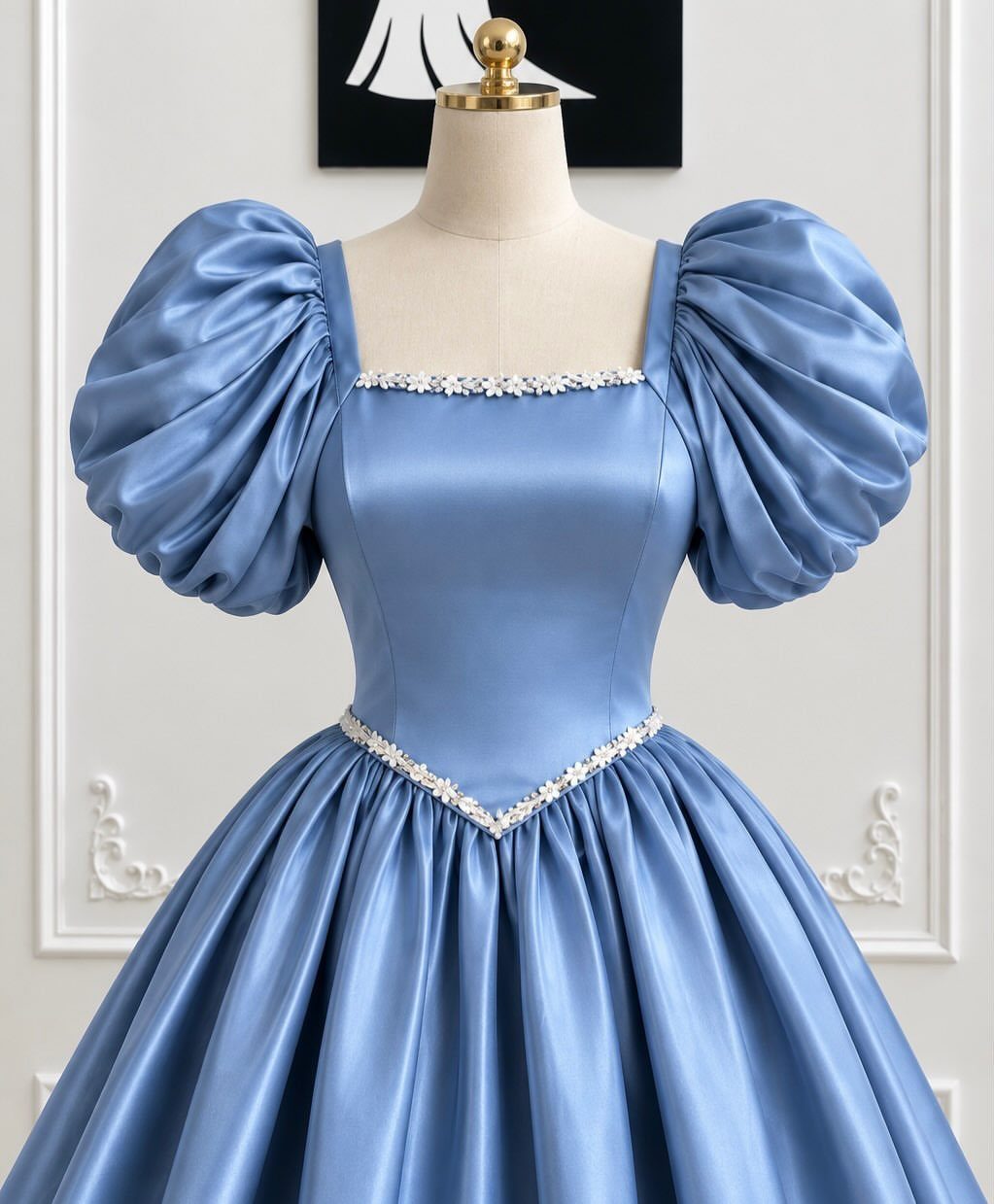
A square neck bodice frames the collarbone with a straight horizontal edge, and puff sleeves balance the shoulder width against it.
The combination reads as structured and slightly historical, which I like for garden events or daytime formals where a strapless style would feel too bare.
A basque waist that dips to a point lengthens the torso visually, and satin holds that shaped line cleanly.
Before ordering, I would measure my shoulder width against the sleeve volume; very narrow shoulders can look overwhelmed by exaggerated puff, and very broad ones may find the square neck plus full sleeve adds too much horizontal line.
5. Strapless Sweetheart Bodice
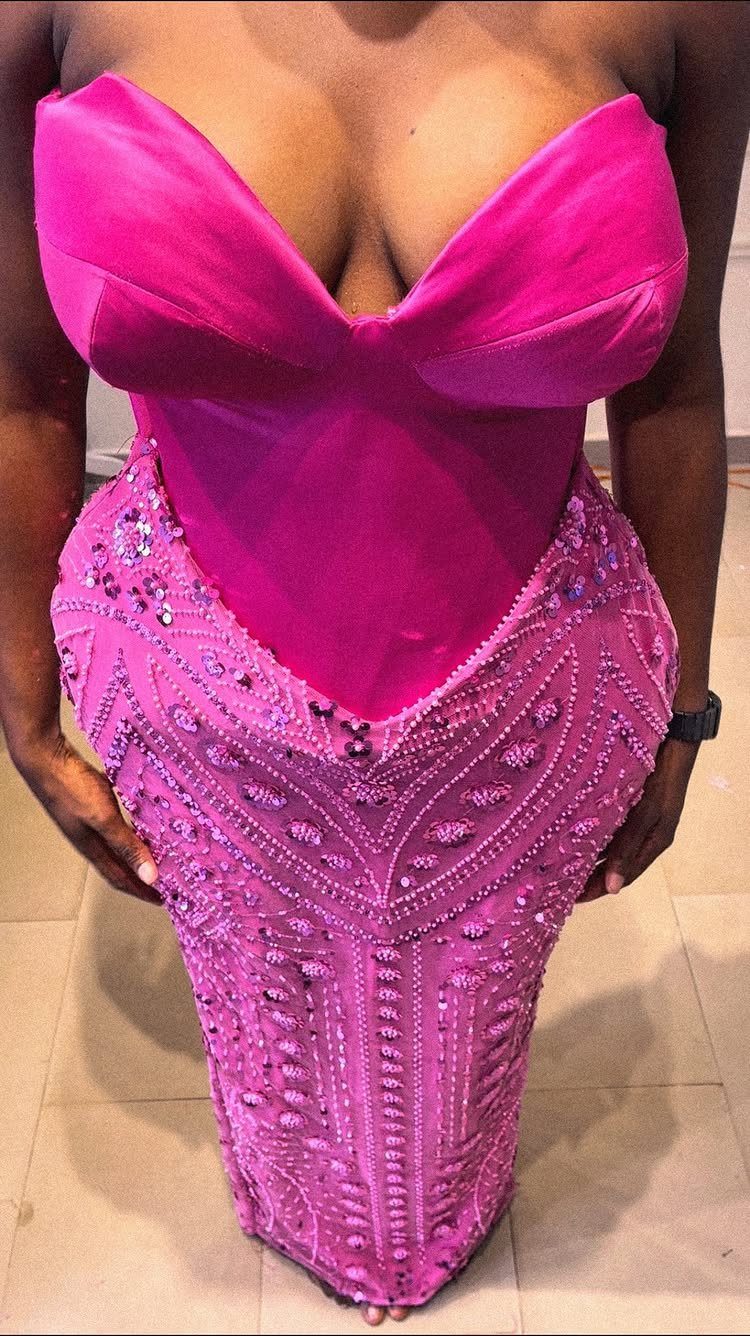
A strapless sweetheart bodice curves in 2 arcs at the bust, softer than a straight-across neckline and more forgiving on a smaller chest than a severe V. The strapless cut leaves the neck and shoulders open, which I find elongating when I wear my hair up.
The support must come from the bodice itself; boning and a snug fit at the upper ribcage keep it from sliding.
For frames under 5’4", this bodice works best in a single color from top to bottom, since a contrasting skirt would cut the vertical line in half. I would avoid voluminous ball skirts with this bodice on a petite frame.
6. Embellished Beaded Bodice
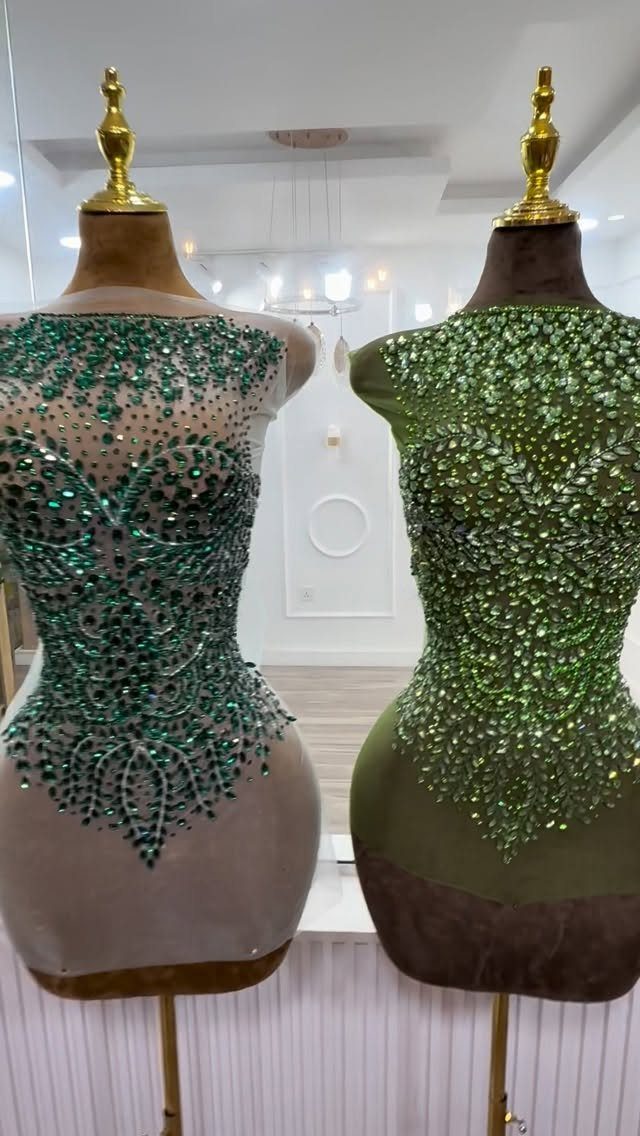
A beaded bodice carries its ornament dense across the surface, so the fabric underneath becomes almost secondary.
I would check the total weight against the skirt; a heavy bodice needs a skirt with enough volume or structure to anchor it, or the dress reads top-heavy.
For sizing, the embellishment often removes stretch, so I order to my largest measurement and plan minimal alterations. The beading catches light dramatically, which suits evening events over daytime.
Choosing the Right Bodice
The best bodice for your dress depends on your personal style, body proportions, and the occasion. Structure and support suit some women; others prefer softness through draping, ruching, or overlays.
A surplice cut or a small keyhole opening draws the eye without piling on volume. The bodice sets the tone for the whole dress; every other choice follows from it.
Your venue and season matter more than most guides admit.
A heavy beaded bodice in July heat can feel like armor by the cocktail hour; a barely-there Grecian pleat in a drafty stone church leaves you clutching a wrap all night.
The only test that counts is whether you can stand through the ceremony, sit through dinner, and dance without tugging at your waistline in half the pictures.
Bodice Construction
Bodices draw on all kinds of fabric, and boning inside gives them the backbone to hold their shape.
Silk, velvet, wool, linen, whatever faces outward, it all layers over a tougher lining, usually cotton or canvas, that takes the real structural load.
Boning, sewn into channels, creates clean lines and prevents sagging. Flexible supports maintain the intended silhouette through hours of wear, which is why strapless gowns and formal ball gowns rely on them.
Before the late 1600s, the bodice itself was built stiff enough that a woman could skip a separate corset entirely.
Rigid stays only split off into their own garment near the end of that century, worn hidden under the bodice or gown.
Modern construction follows the same layered logic: the visible fabric does the looking, the hidden layers do the work.
Bodice Decorations
Bodices can be embellished with lace, beads, or other decorative elements to enhance their appearance.
Lace overlays, beading, and sequins each define the bodice so strongly that the dress is often named for them. A lace bodice wedding dress or beaded bodice gown tells a shopper exactly where the eye will land.
What the decoration does to the structure matters more than how it photographs.
Boning, draping, ruching, overlays, insets, the neckline, the sleeves, any trim you add, each one nudges the finished dress toward elegant, dramatic, or romantic.
Check that any applied detail lies flat when you sit; poorly anchored ornament shifts and catches light at the wrong moments.
Frequently Asked Questions
What are the different types of bodice types for dresses?
The main types include corset, ruched, Grecian pleated, square neck with puff sleeves, strapless sweetheart, and embellished beaded bodices.
Each uses different construction to shape or decorate the torso: corsets rely on boning and vertical seams, ruched styles gather fabric into folds, and beaded versions carry dense ornament that becomes the focal point.
Your body shape and the event’s formality narrow the choice more than trend does.
What is the difference between a bustier and a bodice?
A bodice is just the upper part of a dress, running from the waist up to the neckline. A bustier stands alone as its own garment, built with heavy structure to shape the torso without anything layered over it.
The bodice is part of the dress construction; the bustier functions like a corset and can be worn as lingerie or outerwear. In modern fashion the terms sometimes blur, but the distinction in purpose remains.
What is a Basque bodice?
A Basque bodice is a very tight-fitting style, essentially another name for a corset bodice, where vertical seams and internal boning maintain the body shape.
The waistline typically dips to a pointed finish below the natural waist, which visually lengthens the torso. Satin holds this shaped line cleanly, though the same structure can appear in other fabrics.