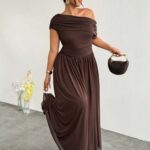
These 4 dresses range from off-shoulder A-line to bodycon, and the right one depends on where your own waist, shoulders, and hips fall in proportion.
A fit-and-flare in cotton sateen or ponte holds its shape through a curvy frame, while a peplum maxi adds volume at the hip for narrower figures that need balancing.
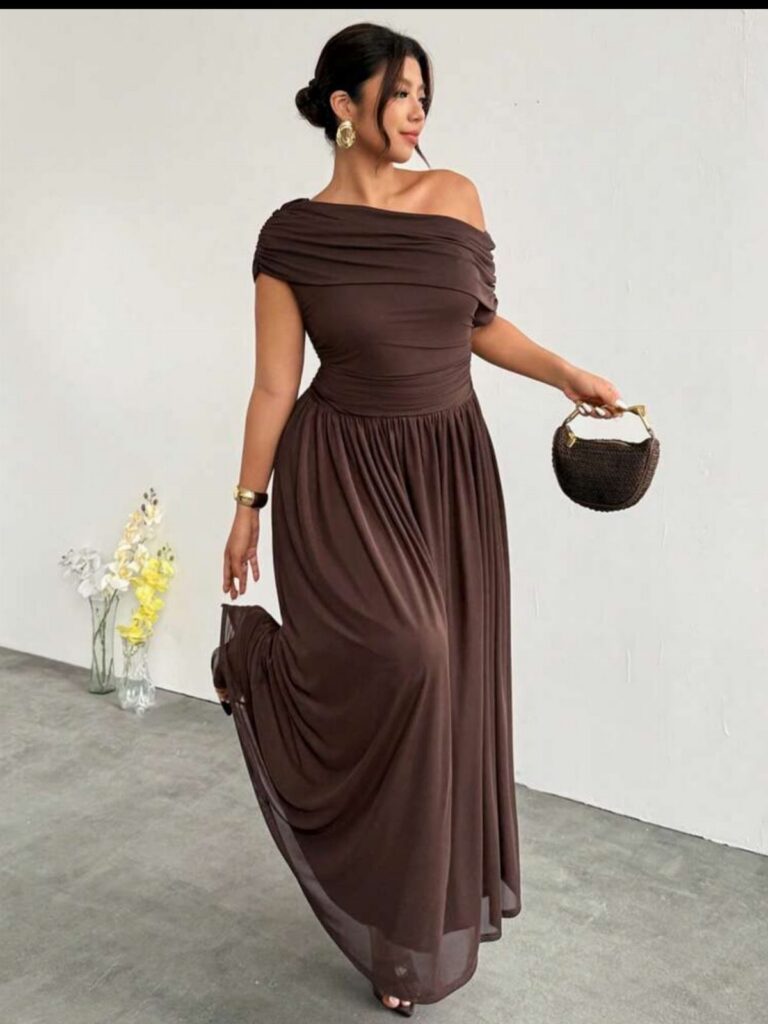
1. Off-Shoulder A-Line Dresses for Pear Body Shapes
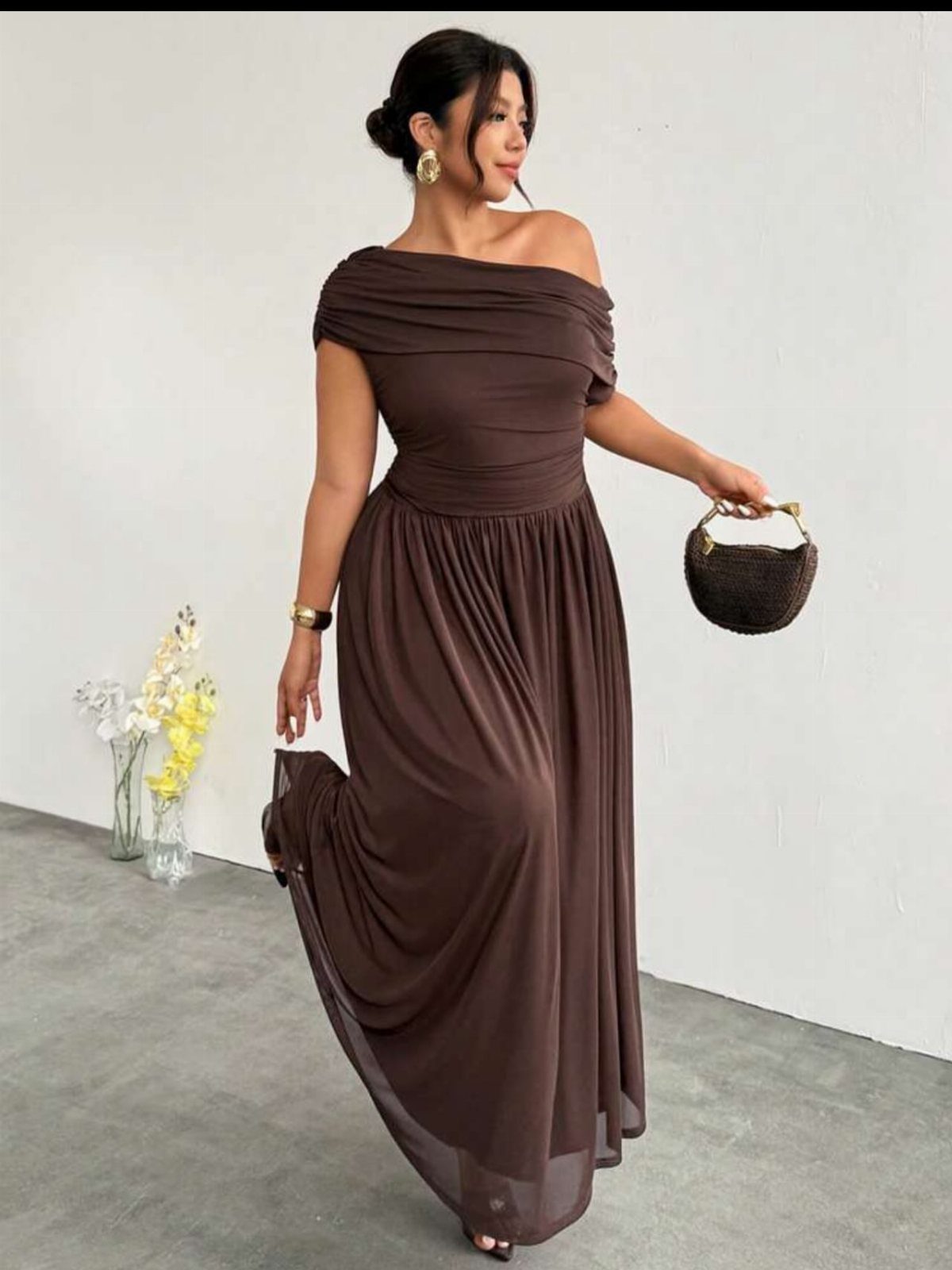
An off-shoulder neckline pulls the eye upward and across, which is exactly where a pear-shaped figure wants attention. The A-line skirt floats away from the hip rather than tracing it, so the lower half reads as length instead of width.
I look for a bodice that stays put without constant tugging; a lined band or light boning helps. The skirt should start its flare at the natural waist, not the hip, to keep the silhouette clean.
A darker shade below and a lighter or textured top half reinforces the balance, though a single color works if the fabric has enough body to hold the shape.
Avoid clingy knits through the hips; a crisp cotton, structured crepe, or light faille does the work for you. A bracelet-length sleeve or a bare shoulder both count as off-shoulder; choose based on what you actually wear out the door.
2. Fit-and-Flare Dresses for Curvy Body Shapes
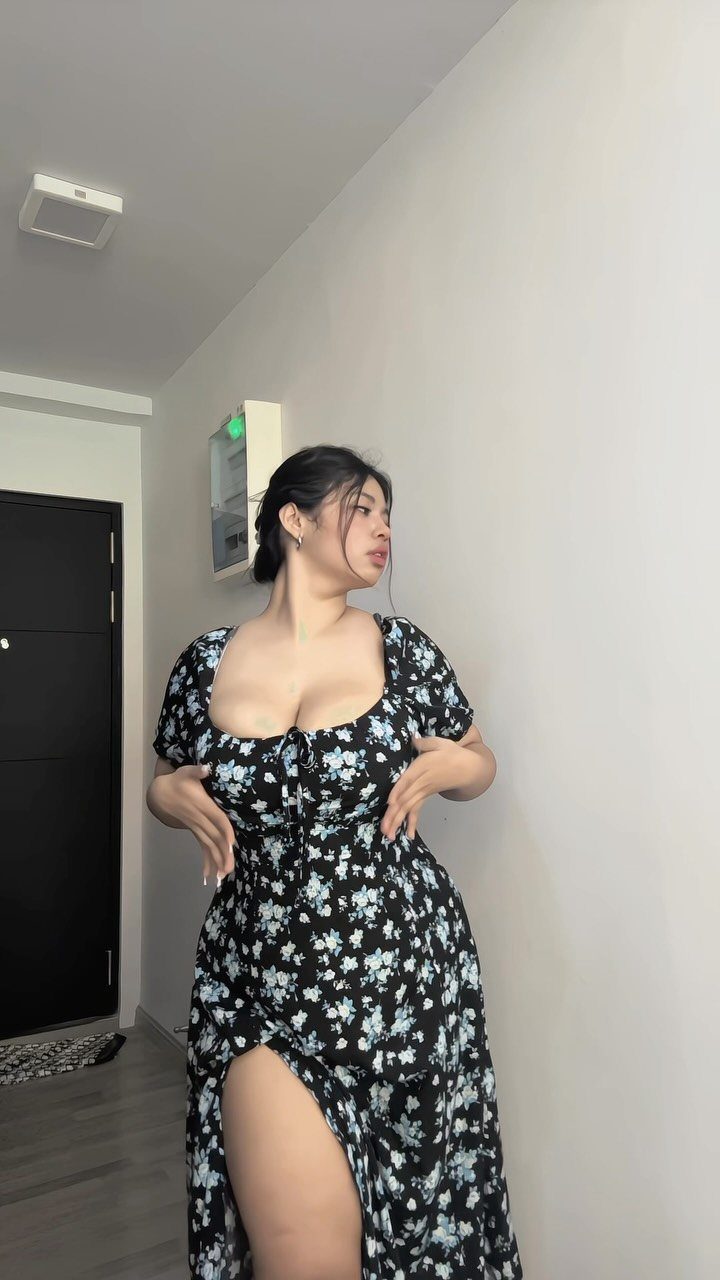
A fit-and-flare dress builds in its own waistline, which saves curvy figures from hunting for one. The bodice fits close enough to show shape, then the skirt releases without clinging to stomach or hip.
Structured fabric matters more here than in other silhouettes. A soft jersey will creep and settle; a cotton sateen, ponte, or lined crepe keeps the seam between fitted and flared exactly where you placed it.
Empire waists work as a variation if the seam sits on the ribs, not the bust, and the skirt still flares rather than hanging straight.
Prints can go anywhere, but a solid dark bodice with a lighter or busier skirt draws the eye to your upper curve and lets the lower half move.
A sweetheart neckline or soft V does the same job as the shape itself: it points to the waist you have, or the one the dress gives you.
3. Peplum Maxi Dresses for Balancing Silhouettes
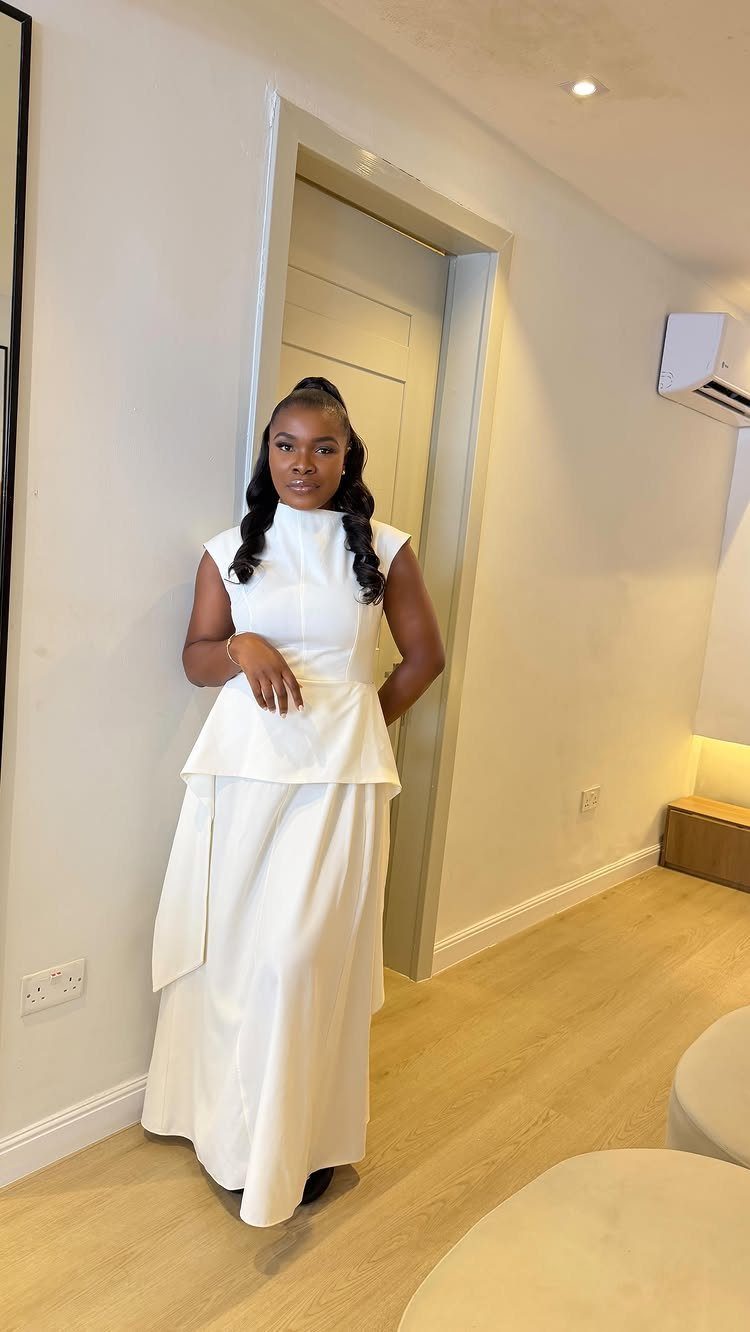
The peplum on this dress is the detail that does the balancing: a short, structured flare set at the waist that adds volume exactly where a narrower hip needs it.
The maxi length below keeps the line long, so the peplum reads as a moment of shape rather than bulk.
A high collar and sleeveless cut keep the shoulder line clean, which helps if yours are broad or angular. An asymmetrical peplum here is one option; a full all-around flare works too, though it can feel more office than evening.
Check that the peplum starts at your natural waist, not above or below, or the proportion shifts from balancing to widening.
This is a dress for events where you will stand and move; the peplum catches air and attention when you turn.
Seated for a long dinner, the flare can bunch at the table edge, so I save this shape for standing receptions or shorter sits.
4. Bodycon Dresses for Hourglass Shapes
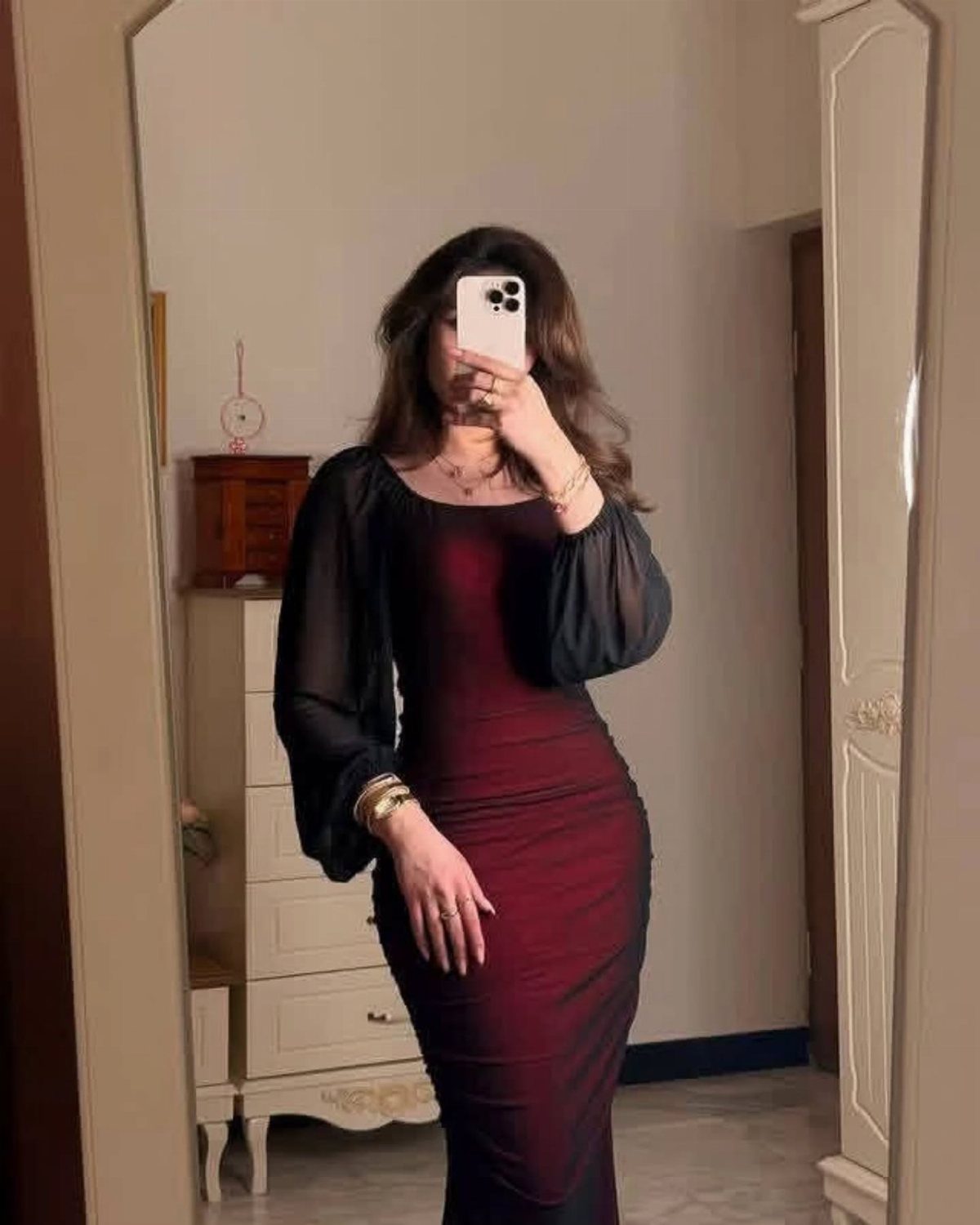
A bodycon dress assumes a waist that is already the narrowest point, which is why it reads as dramatic on an hourglass and simply tight on other shapes.
The ruching on this version is doing active work: it creates texture that bends light and forgives where a smooth knit would announce every line.
Sheer sleeves add coverage without weight, and the dark red against black keeps the palette narrow so the eye travels the length of the body.
I would check that the ruching gathers sit at the sides, not across the stomach, or the effect reverses.
This is a mirror-selfie dress for a reason: it looks best when the wearer is moving, turning, catching her own eye.
For an evening out, I add a shoe with some height to keep the silhouette from feeling compressed. A flat works only if the dress is midi, not maxi, and the fabric has enough weight to fall straight.
Choosing the Right Dress
Start by looking at your own proportions in a mirror, not at a label. Most of us land somewhere between the textbook shapes: a narrower waist than hips, shoulders that carry more width than the frame below, or the reverse.
The 3 points that matter are waist, shoulders, and hips, and reading your own ratio matters more than fitting a label. The dress that works is the one that routes the eye where you want it to go.
Trends come in shapes as well as colors.
A balloon sleeve or extreme shoulder pad can wreck balance on a frame it was not built for, no matter how current the runway made it look. I skip those pieces rather than force them to work.
Investment here means repetition: a dress you reach for six times a season beats twelve you try once. The more you match structure to your own lines, the faster you recognize the right piece on the rack.
Importance of Fit
Fit is the detail that moves a dress from hanging on you to working with you.
A bodice that gaps at the armhole, a waist seam that lands an inch high, a skirt that flares from the hip instead of the waist: each small mismatch undoes what the silhouette was designed to do.
I check 3 points in order: the shoulder seam sits on the bone, the waist seam sits at the narrowest point, and the skirt releases from the correct seam.
When those three line up, the neckline and length become easier choices.
Color follows fit, not the other way around.
A warm rust or mustard against golden skin, a jewel tone against cooler complexions: the right shade in a wrong cut still reads as off. Get the structure settled first, then test the color against your face in daylight.
Frequently Asked Questions
What dresses look best on body types?
A dress that works with your shape sends the eye where you want it, using seams and cuts that follow your own lines instead of fighting them.
A pear shape gains from an off-shoulder top half and an A-line skirt that flares from the waist, not the hip.
An hourglass can carry a bodycon dress because the waist is already the narrowest point, while a fit-and-flare builds in a waistline for curvier frames that need one defined.
What type of dress is most flattering for hiding a tummy?
Empire waists and fit-and-flare silhouettes both release below the midsection rather than clinging to it.
For an empire waist to actually skim the midsection, that seam has to land at the narrowest part of your ribs, and the skirt needs to move outward rather than fall like a column.
Fabric with some built-in body does the work here; jersey too soft will pool and cling, but cotton sateen or a lined crepe holds the shape you bought it for.