The ideas below run from a thrifted belt to tailoring that costs extra, with most sitting in the middle where a good pair of high-waisted jeans or a structured blazer does the work.
What picks one idea over another is whether your day calls for structure or ease: a peplum top for the meeting where you need shape, soft draping for the evening when you cannot face boning.
A tan leather belt against navy is the kind of waist definition that reads across a room, and that contrast is what makes a rectangle frame look curved rather than straight.
1. Belted Dresses
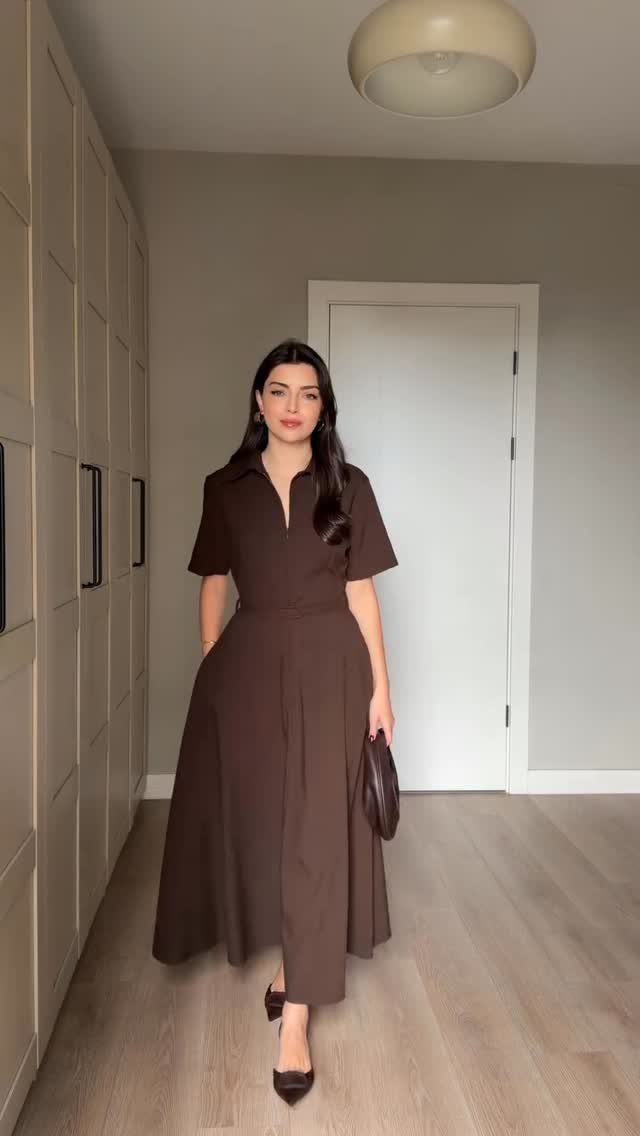
A belted dress does one job: it takes a straight line and bends it.
I look for belts that contrast with the dress color, since a matching belt disappears, but a tan leather strap against navy or a dark brown against cream reads as a waist from across the room.
A built-in belt keeps the line cleaner than an added one; look for dresses where the waist detail is part of the construction, not layered on top.
For rectangle shapes, this is the simplest way to create curves without adding bulk.
2. Peplum Tops
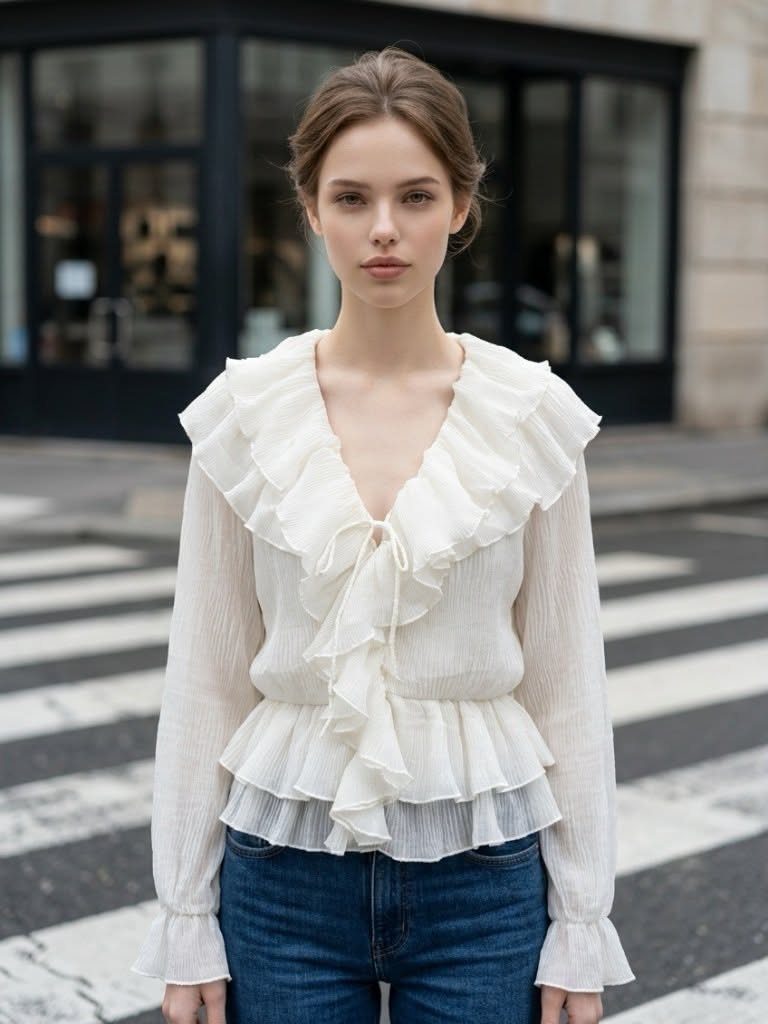
Peplum tops flare from the waist like a skirt in miniature, and that flare is what builds the silhouette rectangle shapes lack.
A ruffled peplum keeps the volume up top; pair it with plain jeans so the bottom half stays quiet.
I find peplum works best when the flare starts exactly at the waist, not below it; too low and you lose the curve you’re paying for. Sleeve length changes the balance.
Long sleeves keep a peplum from reading too party-dress; a sleeveless version with wide trousers works just as well if you prefer bare arms. The fabric matters: stiff holds the shape, soft draping defeats it.
3. High-waisted Jeans
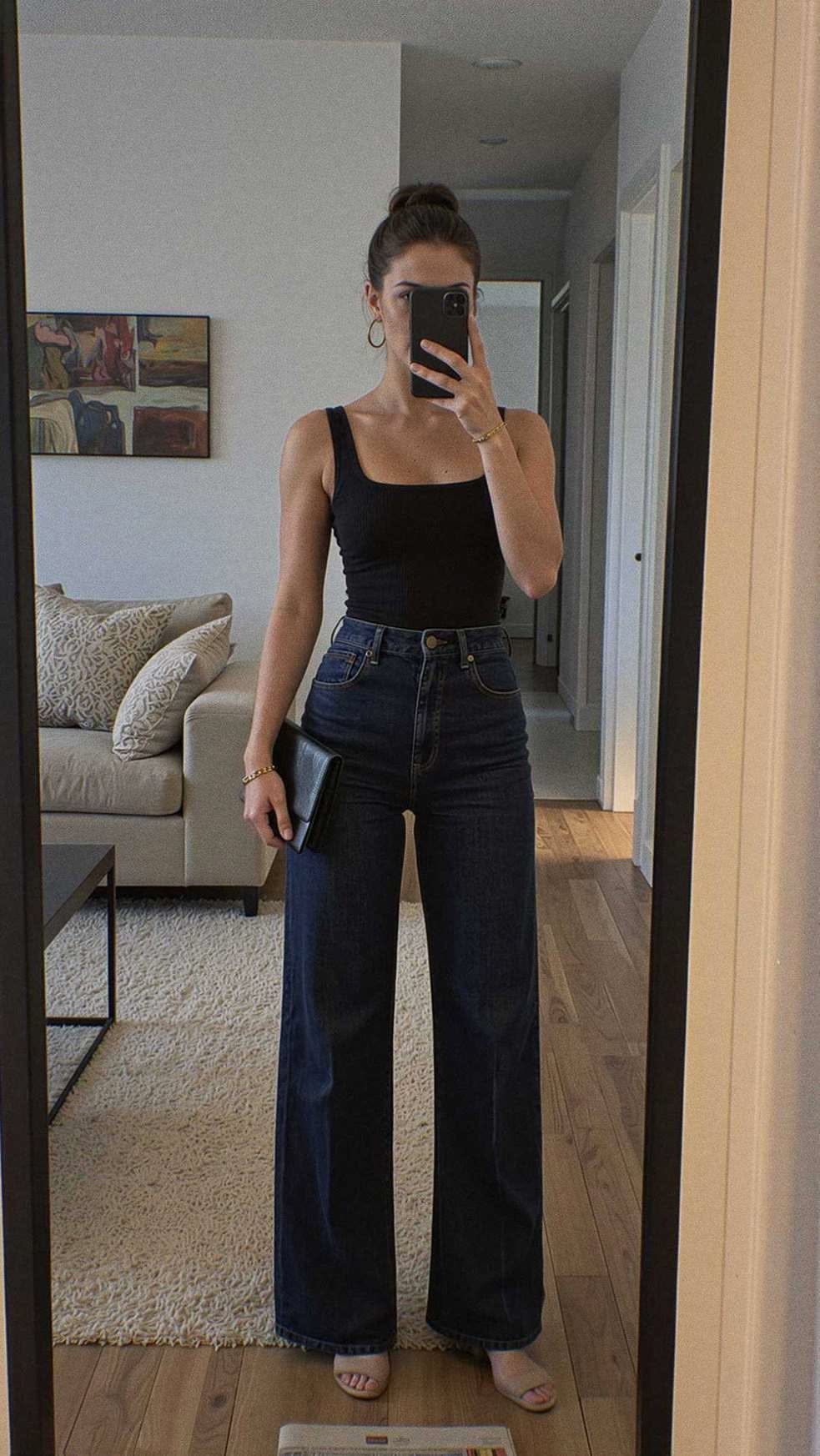
Jeans that sit above the belly button do what low-rise cannot: they mark a waistline. Dark high-waisted wide-legs with a simple black tank work because the waistband does the defining, not whatever you tuck in.
Fitted tanks, tucked blouses, and cropped sweaters all work with high-waisted jeans, but the waist has to stay visible no matter which you choose.
A top that covers the band throws away the advantage. For rectangle shapes, the combination of high waist and wide leg adds volume where hips would be, which balances shoulders and creates the suggestion of curves from the side.
4. Wrap Tops
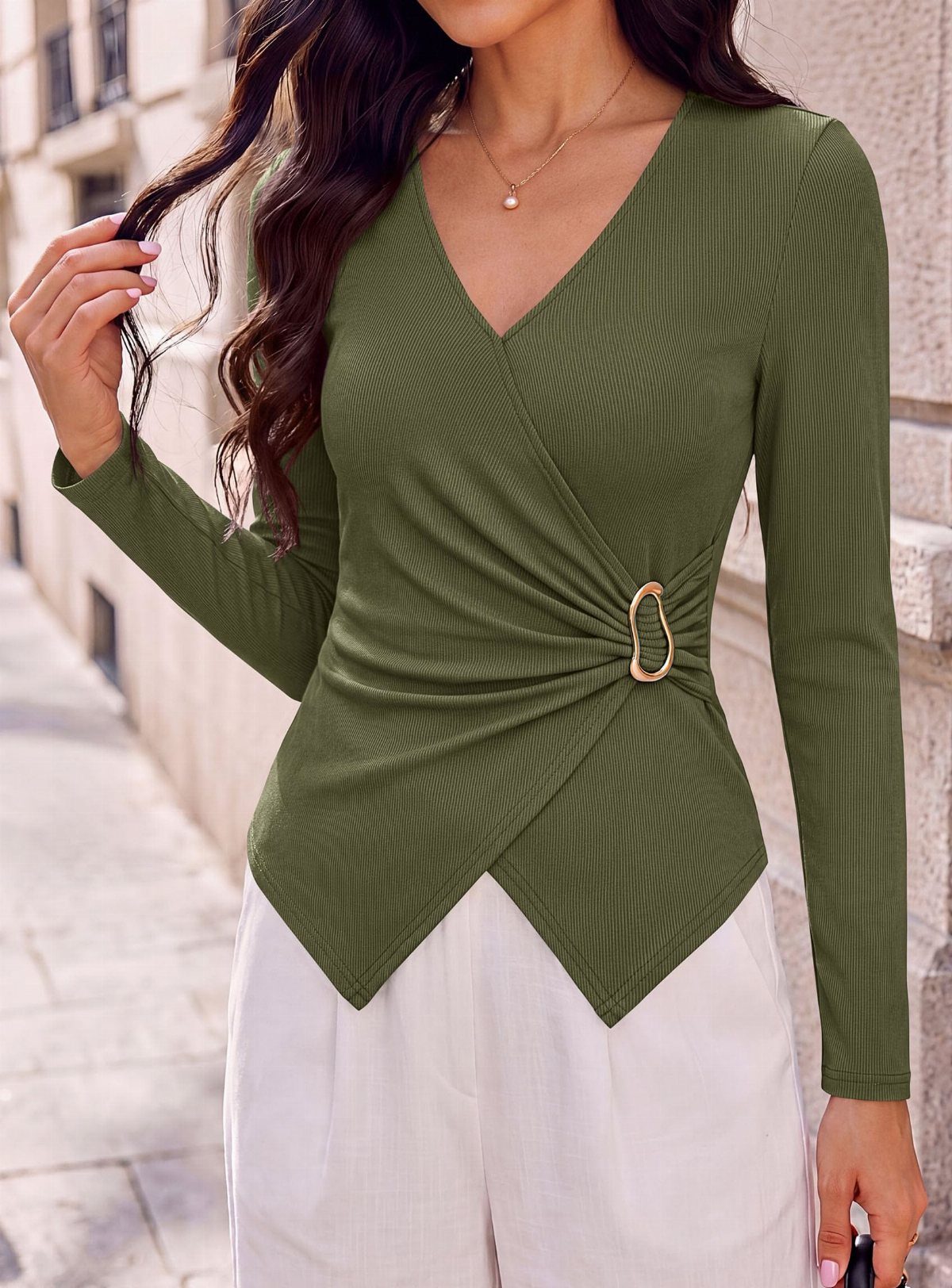
A wrap top crosses the body and anchors at the waist, usually with a tie or a ring detail.
A gold buckle at the midsection pulls ribbed fabric into a V that narrows the torso; the hardware does the shaping work.
I prefer long sleeves with wrap tops; the coverage keeps the neckline from feeling too bare for everyday wear. The ribbed knit here has stretch, which means the wrap stays put without constant adjusting.
Worn with white trousers, the contrast emphasizes the waist point. For rectangle shapes, the diagonal lines do what vertical seams cannot: they create shape through tension and drape.
5. Structured Blazers
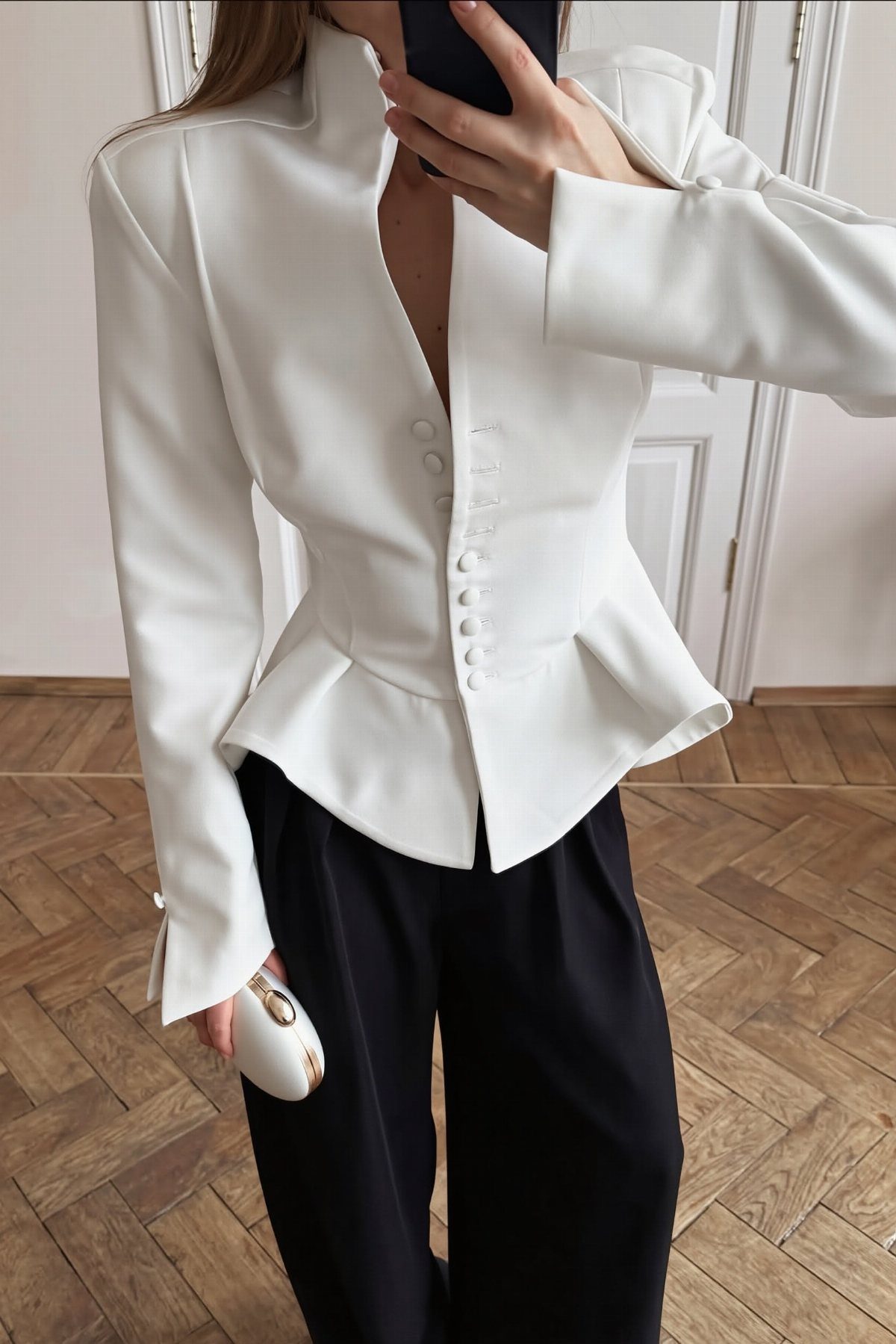
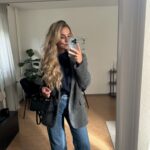
A structured blazer with padded shoulders and a nipped waist builds architecture on a rectangle frame.
Front buttons draw the eye to the narrowest point, and a flare below the buttons adds curve that a rectangle frame may not have on its own.
I layer these over fitted tanks or thin turtlenecks; anything bulky underneath kills the line.
The tailoring is the point, so I check that the shoulder seam sits exactly at the shoulder bone and the waist seam hits my actual waist. Off-the-rack rarely manages both, which is why this is the piece worth altering.
6. A-line Skirts
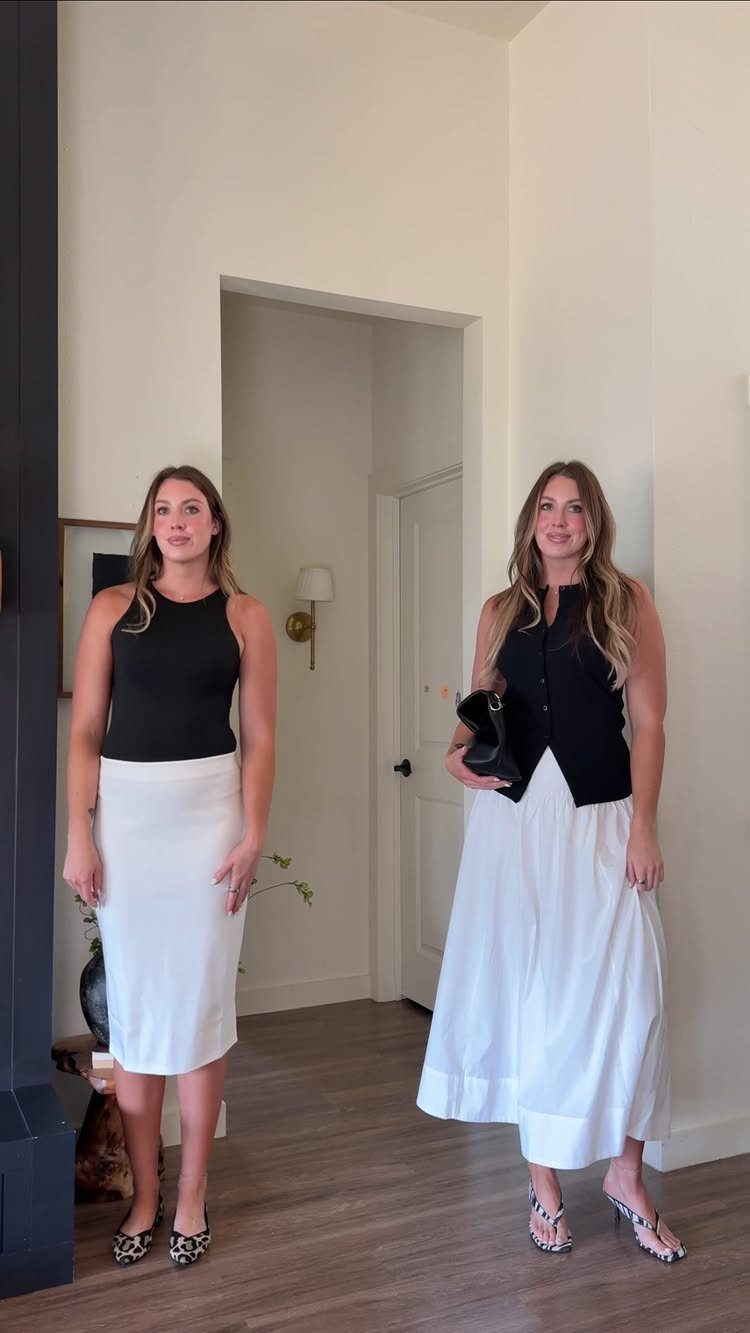
The side-by-side comparison makes the case without words: the pencil skirt follows the straight line down, while the A-line flares from the hip and creates a different silhouette entirely. For rectangle shapes, that flare is where the shape comes from.
An A-line skirt that sits at the natural waist and falls below the knee gives the eye enough length to register the widening shape. I wear A-line skirts with fitted tops, tucked in, so the waist stays the narrowest point.
The movement helps too; a stiff A-line holds its shape like architecture, but one with a little sway reads as more relaxed and still achieves the same balance.
7. Corset Tops
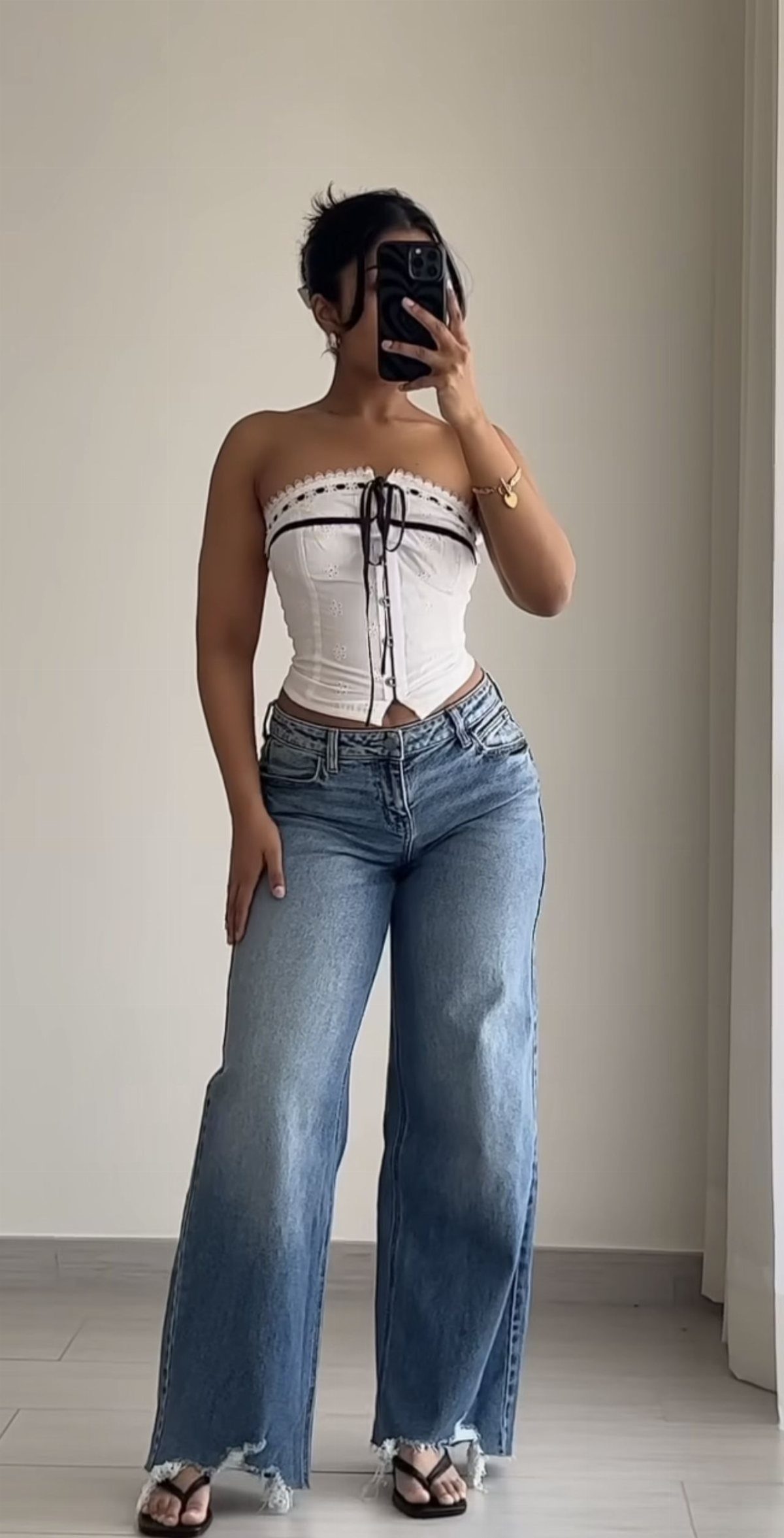
A corset top cinches the midsection and pushes volume upward, which is exactly the trade rectangle shapes need. The eyelet version here keeps it casual enough for daytime with wide-leg denim; the structure does the shaping without looking costume.
I look for boning that hits at the sides, not the front, since side boning narrows the waist more naturally.
Strapless works if the top grips well enough that you are not pulling it up all day; a version with thin straps is easier wear.
Pair it with something relaxed below, like the jeans here, or the rigidity reads as lingerie.
8. Ruffled Blouses
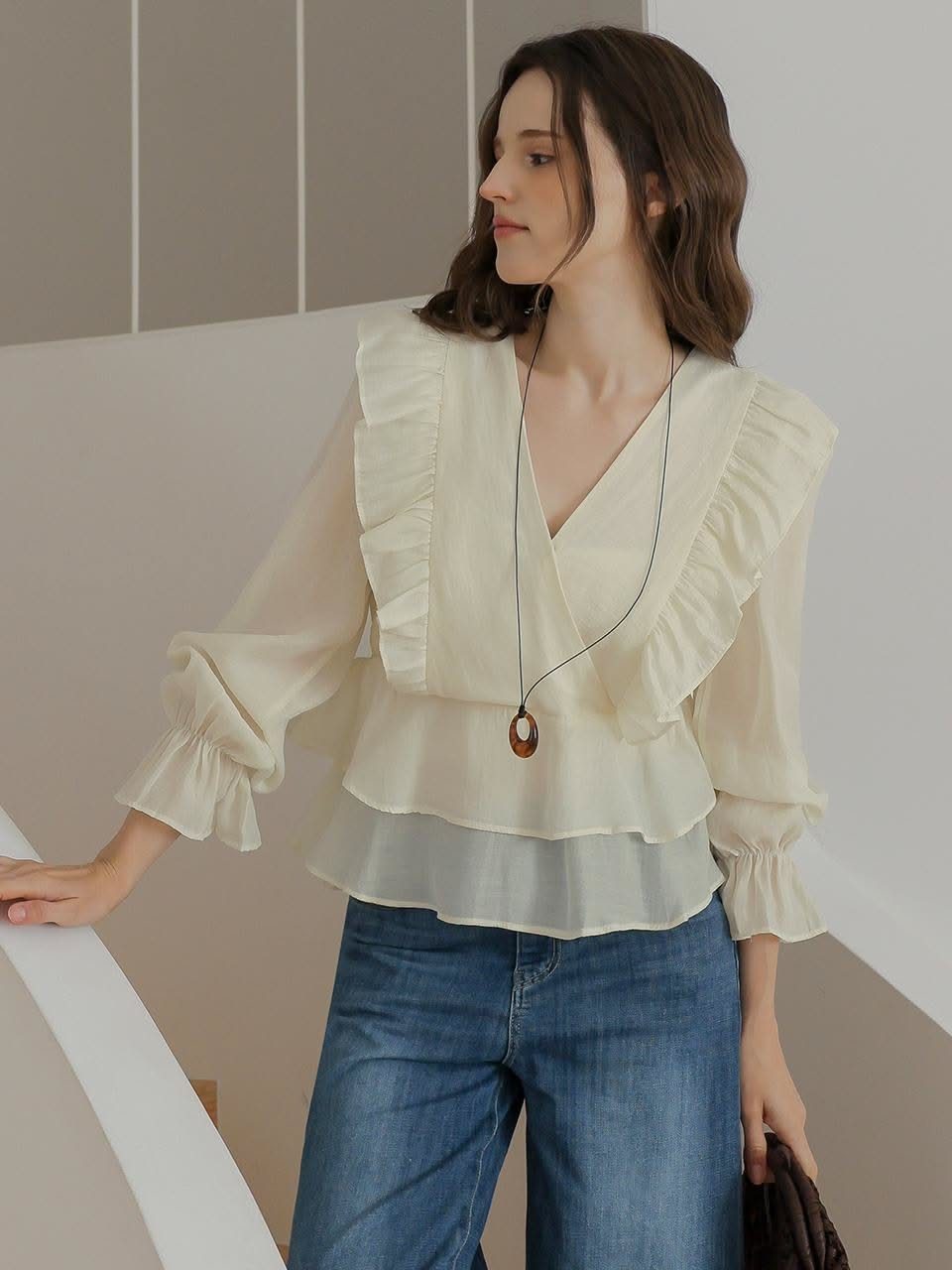
Ruffles add volume where rectangle frames tend toward flat planes, and they do it with movement rather than architecture.
The V-neck placement here matters: ruffles that start at the shoulder and run down the front build the bust line, while ruffles confined to the collar only frame the face.
I find large ruffles more useful than small ones for this body type; tiny ruffles read as trim, but these scale to a shape-building detail.
A pendant necklace breaks the vertical and keeps the eye moving, which helps. Tuck it into high-waisted jeans so the waist still registers as a point.
9. Wide-leg Trousers
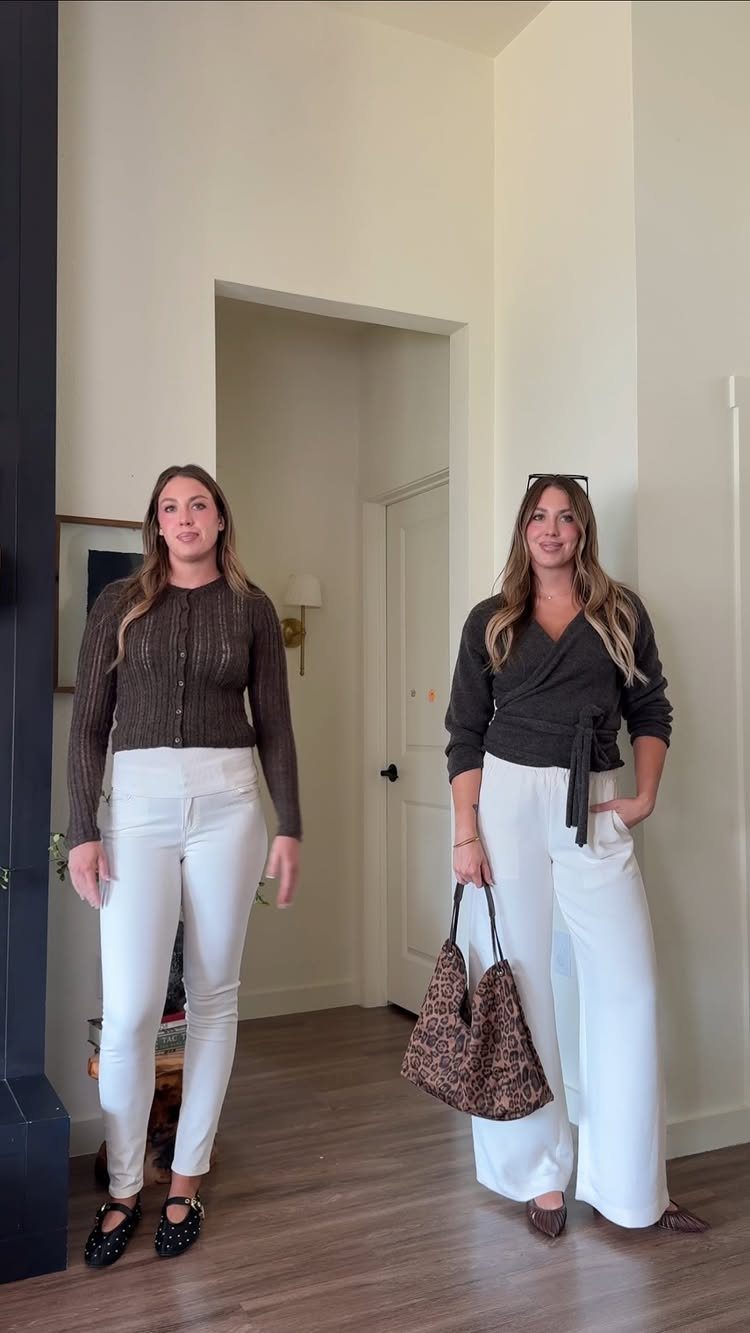
Wide-leg trousers in a heavier fabric hold a straight line from hip to hem, while a softer drape pools and widens; the cut you choose redraws your silhouette rather than following it.
Skinny trousers follow the straight line down; wide-legs start at the waist and flare, which builds the hip shape a rectangle frame does not have on its own.
I wear them with fitted tops, always tucked, since volume on top and bottom turns into a column.
A dark top against light trousers, or the reverse, emphasizes the width at the hem. The fabric needs enough weight to hold the line; limp wide-legs collapse into something closer to palazzo pants, which is a different effect.
10. Sweetheart Neckline Tops
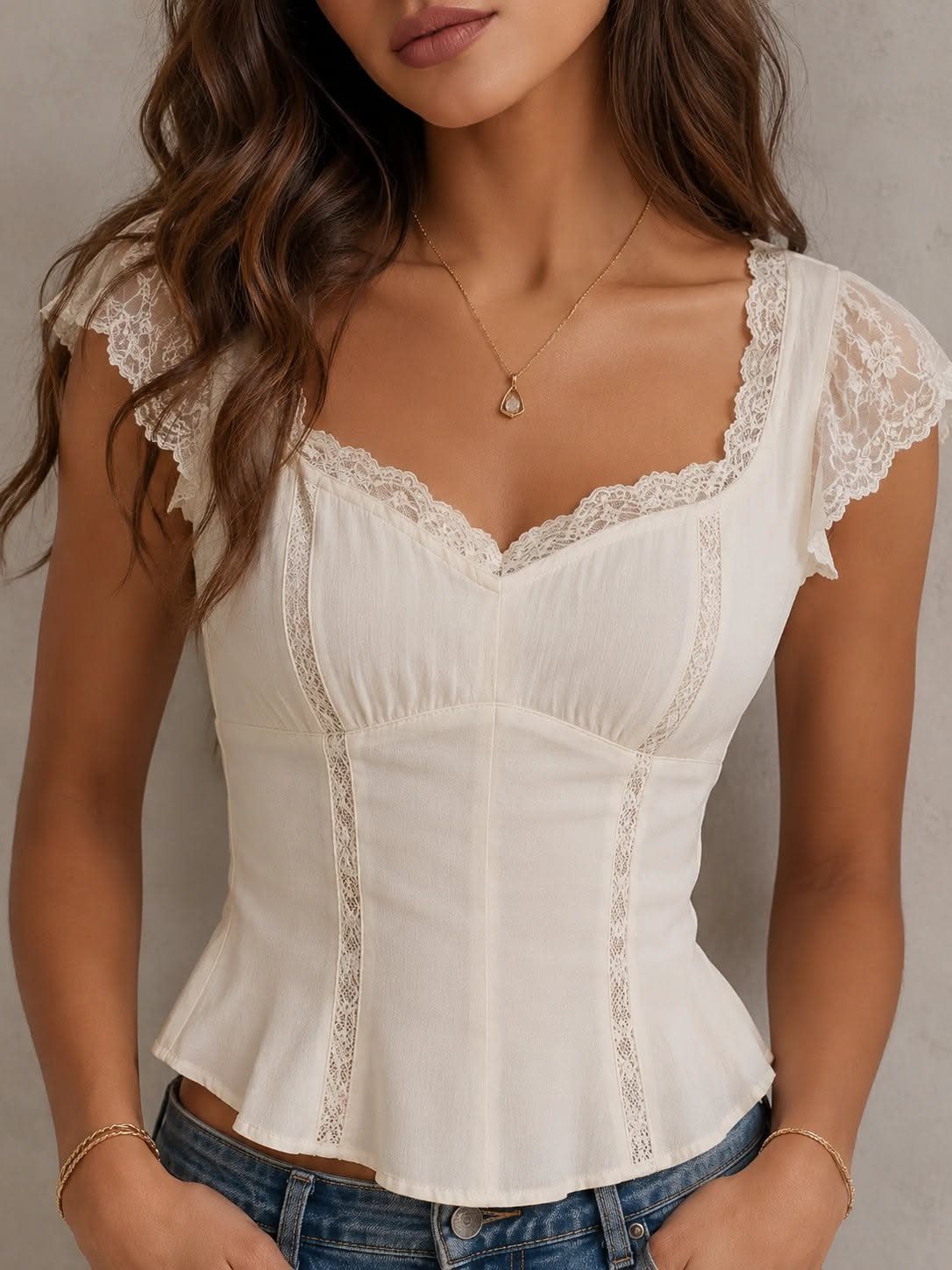
The heart-shaped curve does 2 things at once: it builds the bust line and softens shoulders that can look angular on a rectangle frame.
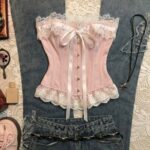
A corset construction underneath, like the one here, adds waist definition through structure rather than drape, which I find more reliable. Lace trim keeps it from reading too formal for everyday; wear it with plain denim and minimal jewelry.
The neckline works best when it sits close to the body; gapping ruins the curve. Check that the center point anchors between the bust, not below it, or the shape flattens.
11. Cowl Neck Tops
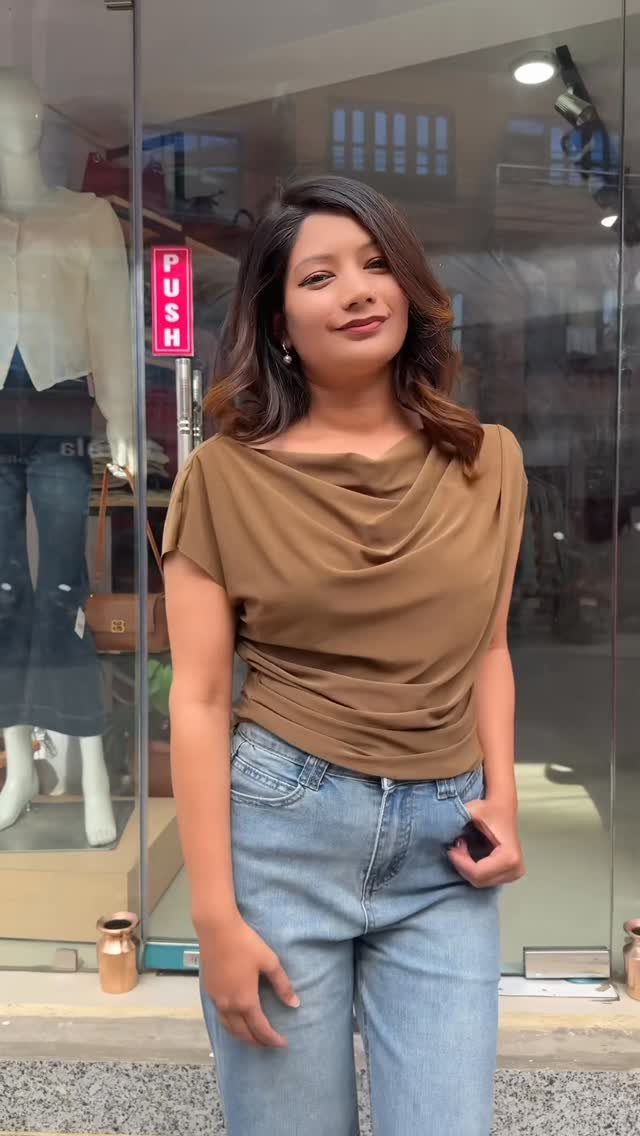
Draped fabric at the neckline adds volume to the upper body without the stiffness of ruffles or structure.
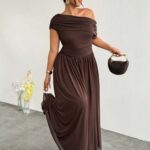
The brown version here falls in soft folds that catch light differently at each angle, which builds interest on a frame that can look flat in solid blocks of color.
I prefer cowl necks with some weight to the fabric; thin jersey collapses into a few sad wrinkles instead of folds.
The depth of the cowl changes the effect: a shallow drape is everyday wearable, while a deep one needs a camisole underneath and reads more evening. Jeans keep it grounded, as they do here.
12. Defined Waistlines
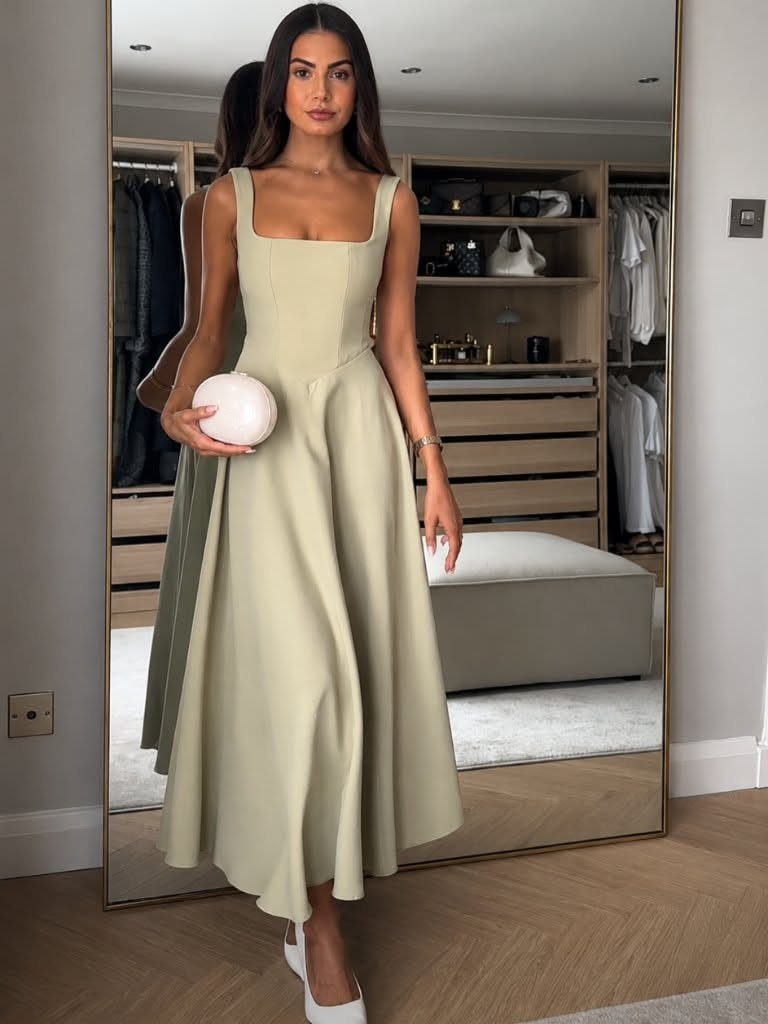
A waistline that is built into the garment, not added after, keeps the shape from looking like an afterthought.
Gathering or seaming at the waist creates constriction that the eye reads as curves, which is why a smocked puff-sleeve dress works on the same principle.
I check that the waist hit is my actual waist, not above or below; rectangle frames have little margin for error here. A square neckline adds shoulder breadth to balance whatever volume builds below the waist.
13. Color Blocking
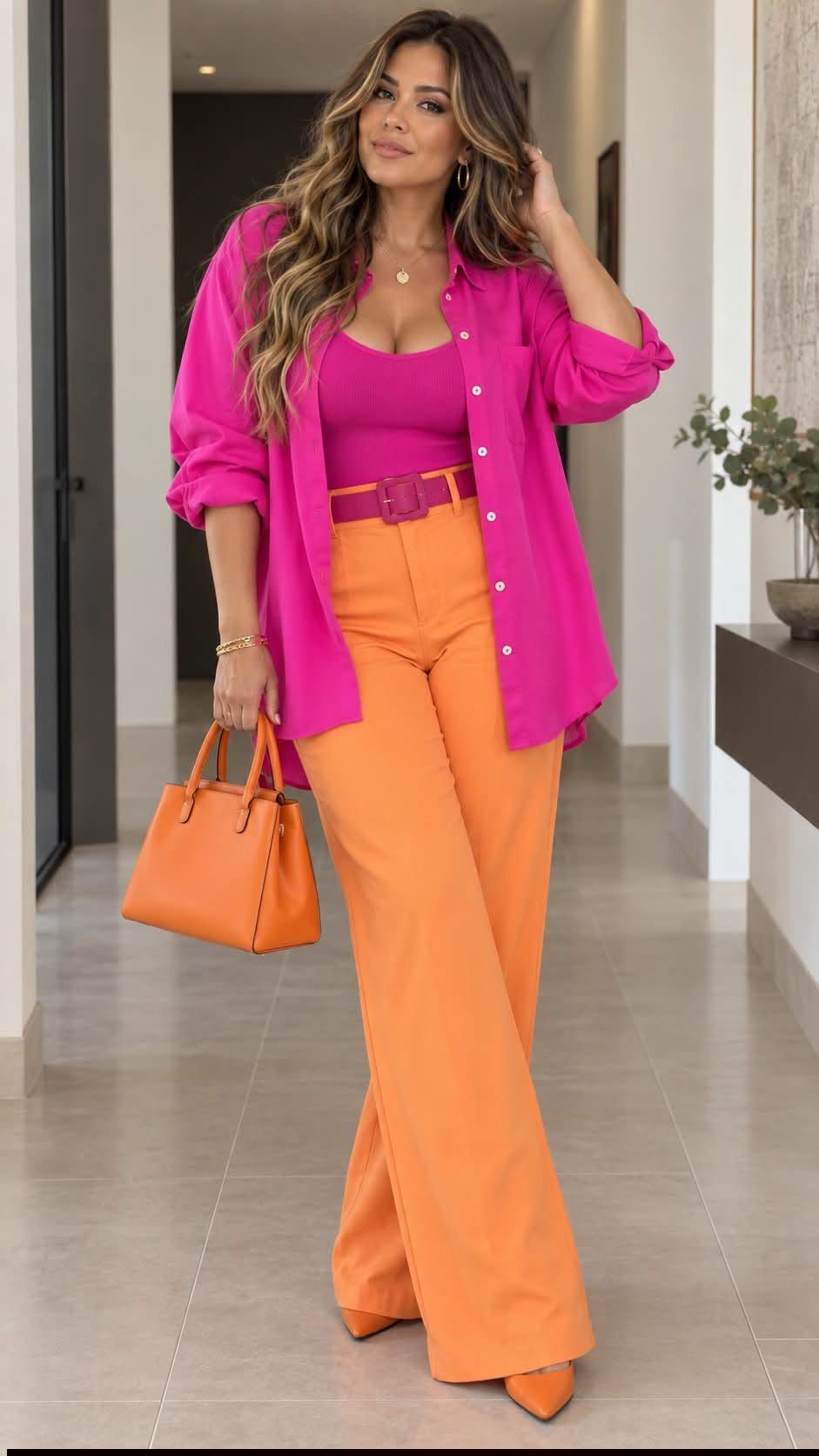
Color blocking breaks the body into zones, and where the break happens is where the eye reads a waist.
A hot pink top anchored by a matching belt, paired with tangerine trousers below, puts the color shift exactly at the midsection. The belt does not need to contrast; the color change does the work.
I keep the blocks large and clean. Small patches of color read as pattern, not architecture.
Two colors are enough; three risks carnival. A horizontal band of one color at the waist, framed by another above and below, draws the eye to the middle and breaks up the straight line.
14. Vertical Stripes
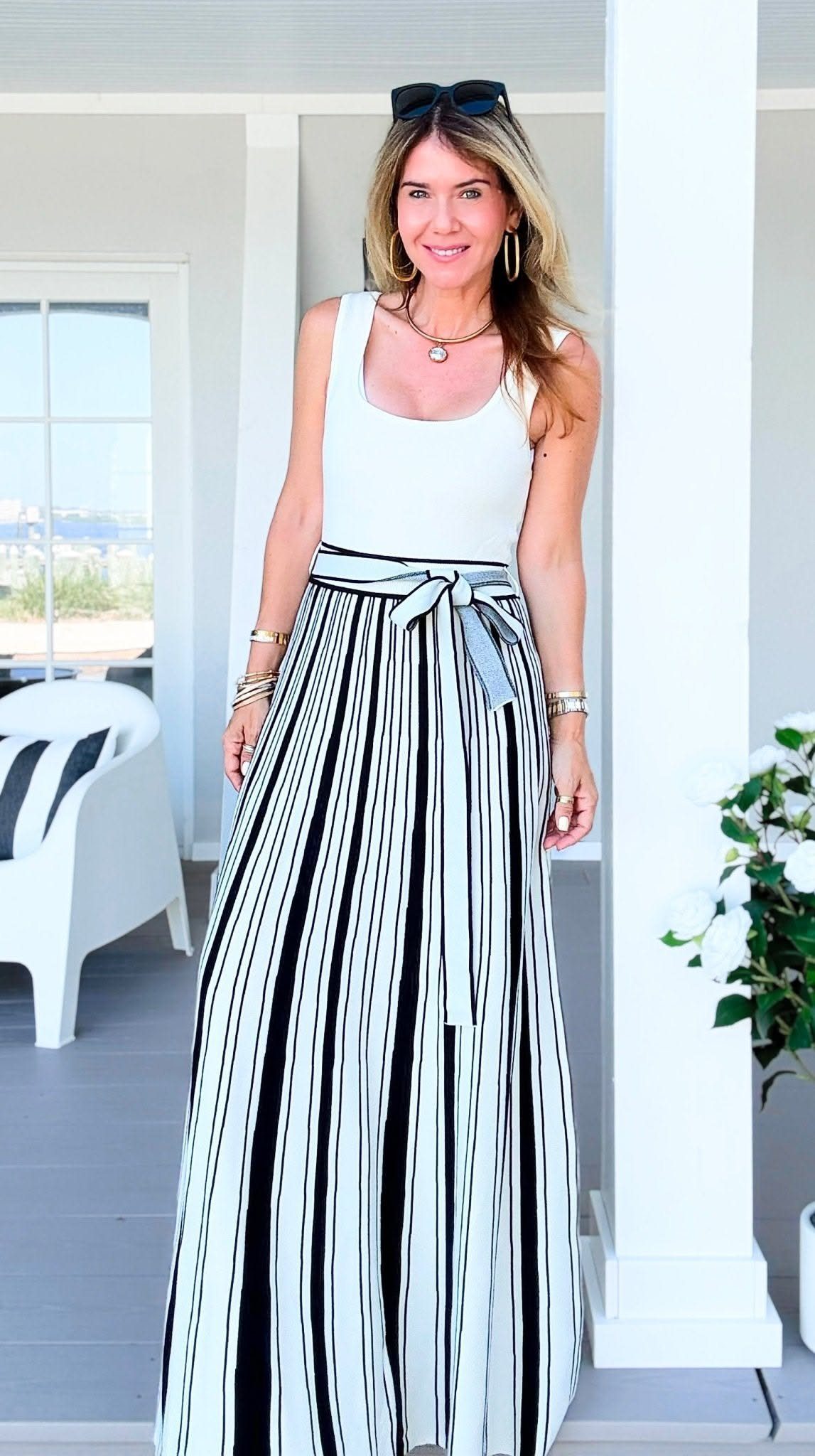
A black-and-white striped skirt running floor-length pulls the eye up and down, which lengthens what a rectangle frame holds straight. The tie belt interrupts the stripes at the waist, adding a curve that vertical lines alone cannot manage.
I pair vertical stripes with fitted, not bulky, tops.
A white scoop-neck tank keeps the upper body quiet so the stripes carry the shape. Horizontal stripes at the bust, as some guides suggest, add volume there; but vertical stripes on the lower half still do the elongating work.
Check that the stripe width stays moderate. Thin stripes blur into gray; thick ones turn the body into a barber pole.
15. Structured Dresses
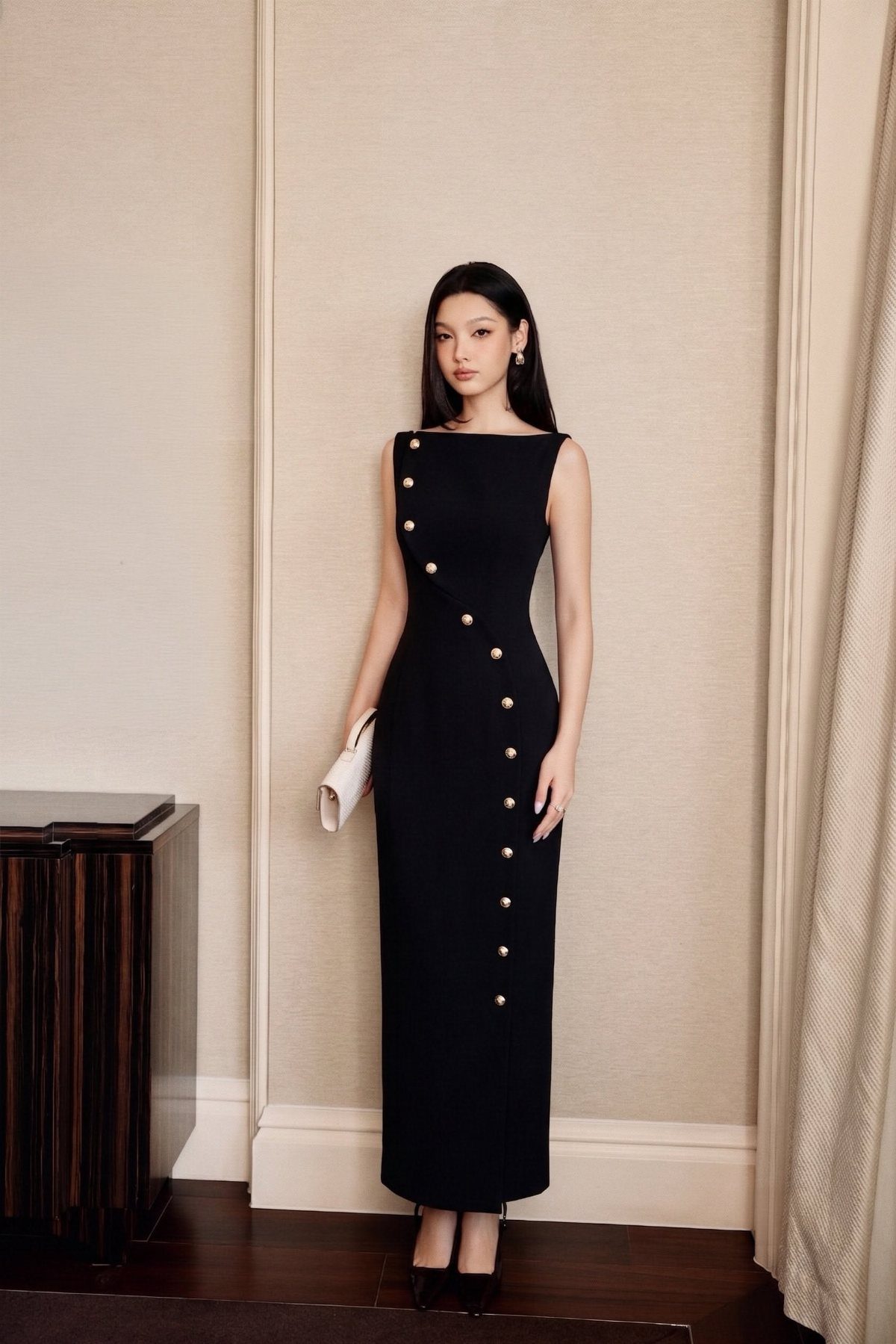
A sleeveless black dress with a single row of gold buttons marching asymmetrically down the front builds shape through seam and hardware, not through body curves.
The asymmetry keeps the eye moving, which softens the straight line a rectangle frame presents.
I look for structure in the fabric itself: cotton poplin, lightweight wool, or a bonded knit that holds its shape without boning. The buttons here sit off-center, but a centered row works if the tailoring nips at the waist.
A clutch in a light color, like the white one here, breaks the dark column and adds a horizontal point of interest at the hip.
16. Tailored Clothing
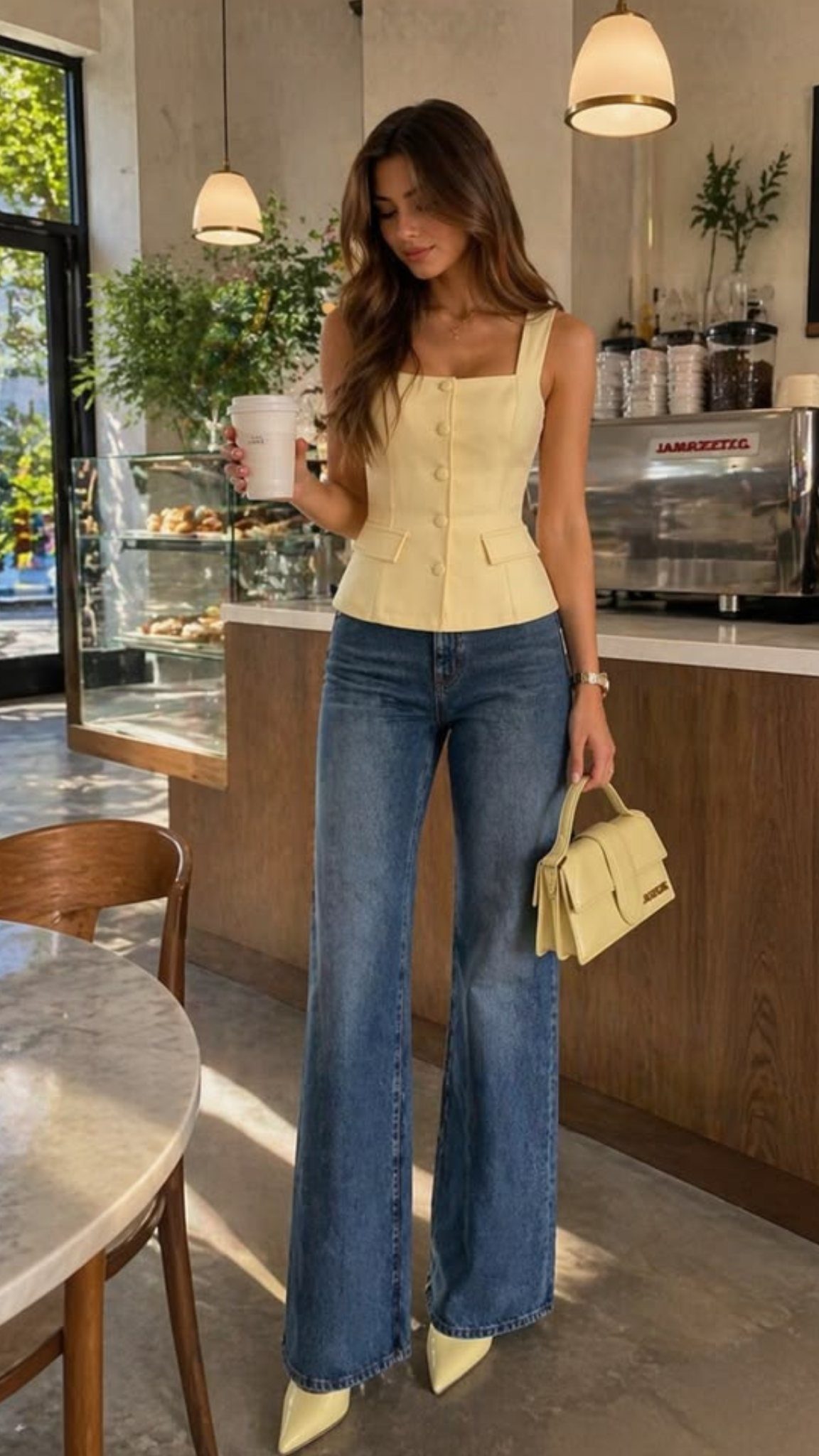
A pale yellow waistcoat cut close to the body with a nipped-in middle does what a loose top cannot: it traces the waist and creates curve through fit, not flare.
The corset construction here is tailoring, not lingerie; worn with wide-leg jeans, it reads as polished casual.
Off-the-rack vests often miss this; the alteration is worth it.
Pointed-toe heels extend the leg line below the wide trousers, which helps balance the horizontal volume. A structured bag in a neutral, like the white leather here, keeps the look from feeling too office-bound.
17. Casual Chic Looks
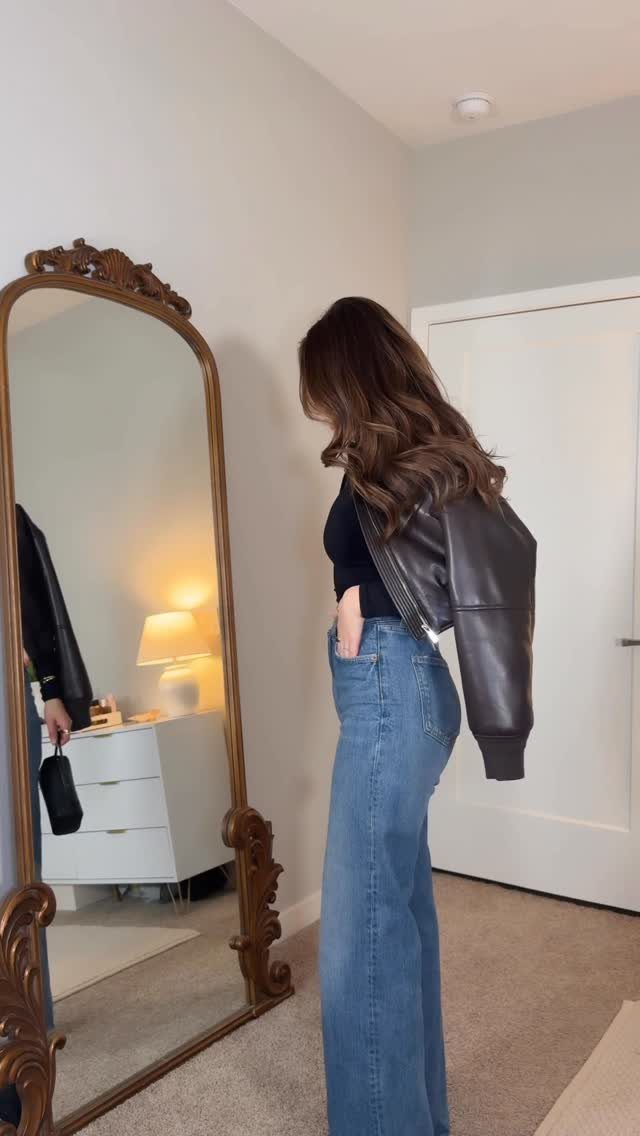
A black fitted top tucked into wide-leg jeans, with a brown leather bomber draped over the shoulder, hits the note between effort and ease.
The jacket adds structure without being worn; the top stays fitted so the waist does not disappear under layers.
I find this works for days when I need to look pulled together but cannot face full tailoring. The bomber’s weight and texture do the interest work; jewelry stays minimal.
For rectangle shapes, the fitted-against-loose proportion is the key move. Swap the bomber for a long cardigan and the same principle holds: something relaxed on top of something precise below, or the reverse, never volume both places.
18. Soft Draping
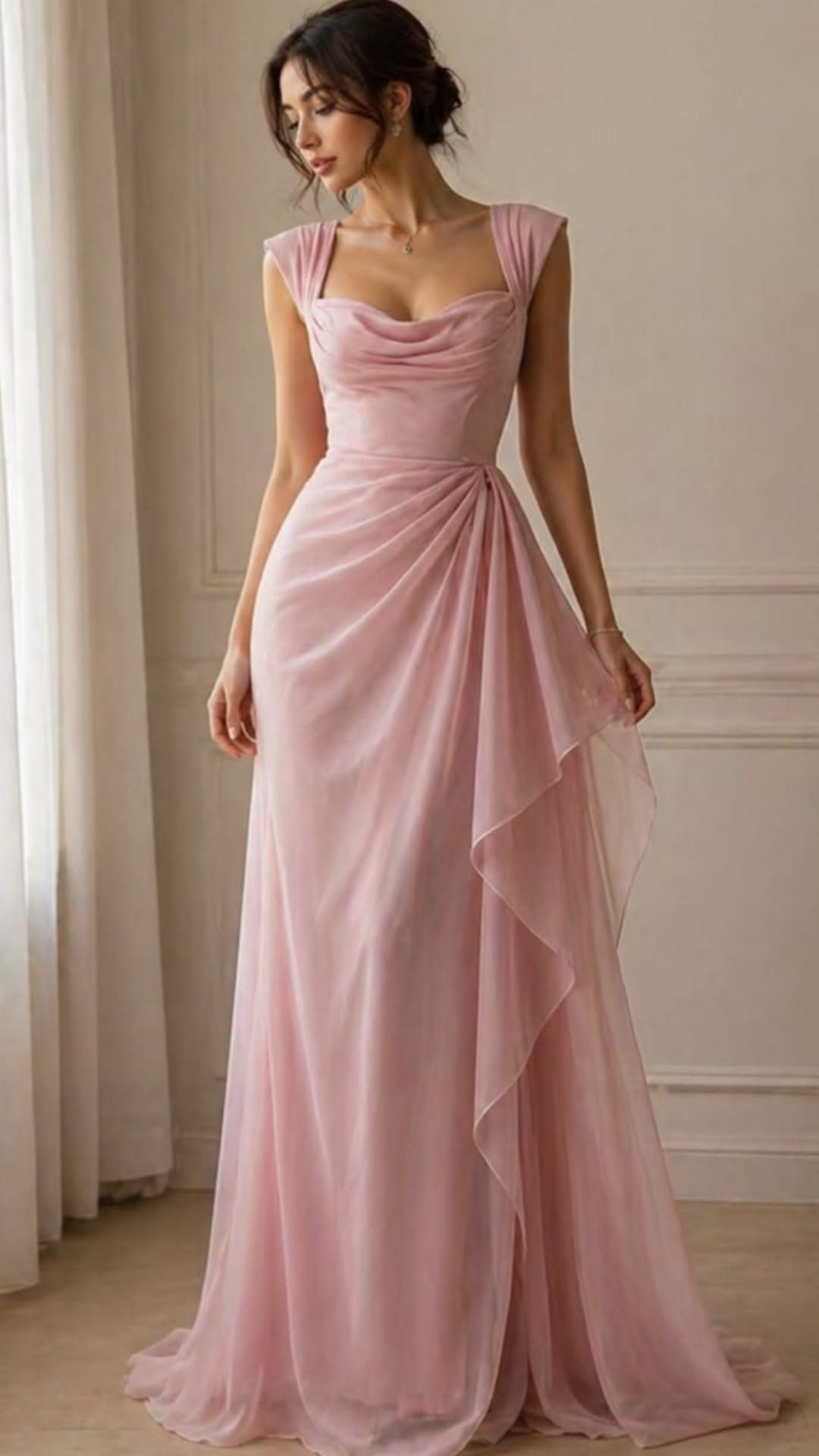
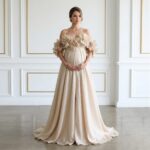
Soft folds of light pink fabric pool at the neckline and cascade down the skirt, building volume through drape rather than construction.
A cowl neck in a heavy satin or crepe does this reliably; the fabric’s own weight creates the folds.
I choose gowns like this when I need presence without stiffness. The draping adds bust and hip interest that a rectangle frame does not supply on its own.
A fit through the waist, even when soft, keeps the shape from becoming a tent. For evening, this is the alternative to boning and seaming: the fabric does the sculpting, and the body moves inside it.
Creating Curves
Creating curves on a rectangle frame is mostly about where the eye stops.
Waist definition is the first stop, but layering builds the rest of the route. A jacket that nips at the waist and flares below finishes the shape a belted dress starts.
Ruched fabric does this with gathers rather than seams; a ruched midi in a solid color pulls the cloth inward at the midsection and lets it relax over hip and bust, which reads as curve even where bone structure keeps the line straight.
Layered jackets add the same kind of volume shift: a shorter layer over a longer one breaks the vertical and builds horizontal interest at the points where the layers meet.
Solid colors keep the eye on the shape, not the pattern; busy prints split the attention and weaken the hourglass illusion.
Choosing Fabrics
Fabric choice for rectangle shapes runs between 2 mistakes: too stiff and you look like architecture, too clingy and every straight line shows.
Soft knits with some body, like a relaxed black knit top with curvy embellishments or horizontal stripes, add volume without clinging.
The stripe does the shaping work the fabric alone cannot. Wrap dresses work partly because the fabric crosses and grips, creating tension that holds shape through movement.
Accessorizing
A belt is the most direct accessory for a rectangle frame, but it has to earn its place. Statement jewelry draws the eye up, which helps when you want the bust line to carry more presence.
I keep jewelry minimal when the outfit already has structure; a corset top or peplum has enough points of interest without adding competing shine at the ears or neck.
Frequently Asked Questions
What clothes look best on a rectangle body?
Belted dresses, peplum tops, high-waisted jeans, wrap tops, and structured blazers all do the same job: they mark a waist where the body keeps a straight line.
A-line skirts and wide-leg trousers add volume at the hip to balance shoulders. The common thread is that each piece interrupts the vertical line with a horizontal point, whether through a belt, a flare, or a seam.
Built-in waist details outperform layered tricks; a matching belt vanishes against the body, while a contrast color or a peplum that starts right at the waist creates visible shape from a distance.
What not to wear for a rectangle body shape?
Boxy cuts that hang straight from shoulder to hem hide whatever waist exists, and clingy fabrics show every straight line without adding shape.
Volume on top and bottom together turns into a column, so I avoid pairing wide-leg trousers with anything bulky above. Skinny jeans with a loose top do the same in reverse.
The mistake I see most is treating a rectangle frame like it needs hiding rather than architecture; stiff fabrics make you look like a building, and limp ones collapse into nothing.
What is the hardest body shape to dress?
The rectangle body shape can be challenging because its straight lines give the eye nowhere to rest; there is no natural waist to follow and no hip curve to echo.
Every outfit has to build the silhouette from scratch rather than enhance what is already there.
I think of it as drafting rather than editing: a belted dress or a peplum top constructs a shape that other body types might carry without help.
The upside is that rectangles often have balanced shoulders and hips, so once the waist is defined, the rest falls into place more easily than with shapes that need disguising.
What is the rarest female body shape?
The rectangle body shape is actually the most common female body shape in anthropometric studies, not one of the rarest.
Most women fall closer to pear or hourglass measurements, where the waist measures noticeably less than the bust or hips. A true rectangle has shoulders, waist, and hips nearly equal, which is less common.
The rectangle body shape is considered one of the rarer female body shapes, though the exact ranking shifts depending on which study is cited and where the line is drawn between rectangle and the neighboring hourglass.