The ideas below run from butterfly clips you can grab at any drugstore to a backless satin gown that needs a stick-on bra and a confidence check.
What decides which one belongs in your closet is not nostalgia but your actual calendar: errands, travel, an evening out, or a job where a popped collar reads as rebellion rather than costume.
I would test the strap tension on that backless dress before committing to a night, and check that the platform sole is solid, not hollow, before leaving the house.
1. Mini Skirts

The pleated mini skirt in purple plaid hits at that exact spot where it reads as playful rather than costume.
I like mine with a tank or baby tee, though a hoodie works for errands and a sweater dresses it up without trying.
Any shoe goes: sneakers for day, boots when it cools off. The length is the whole point, so skip tights unless you actually need them for weather.
2. Cargo Pants
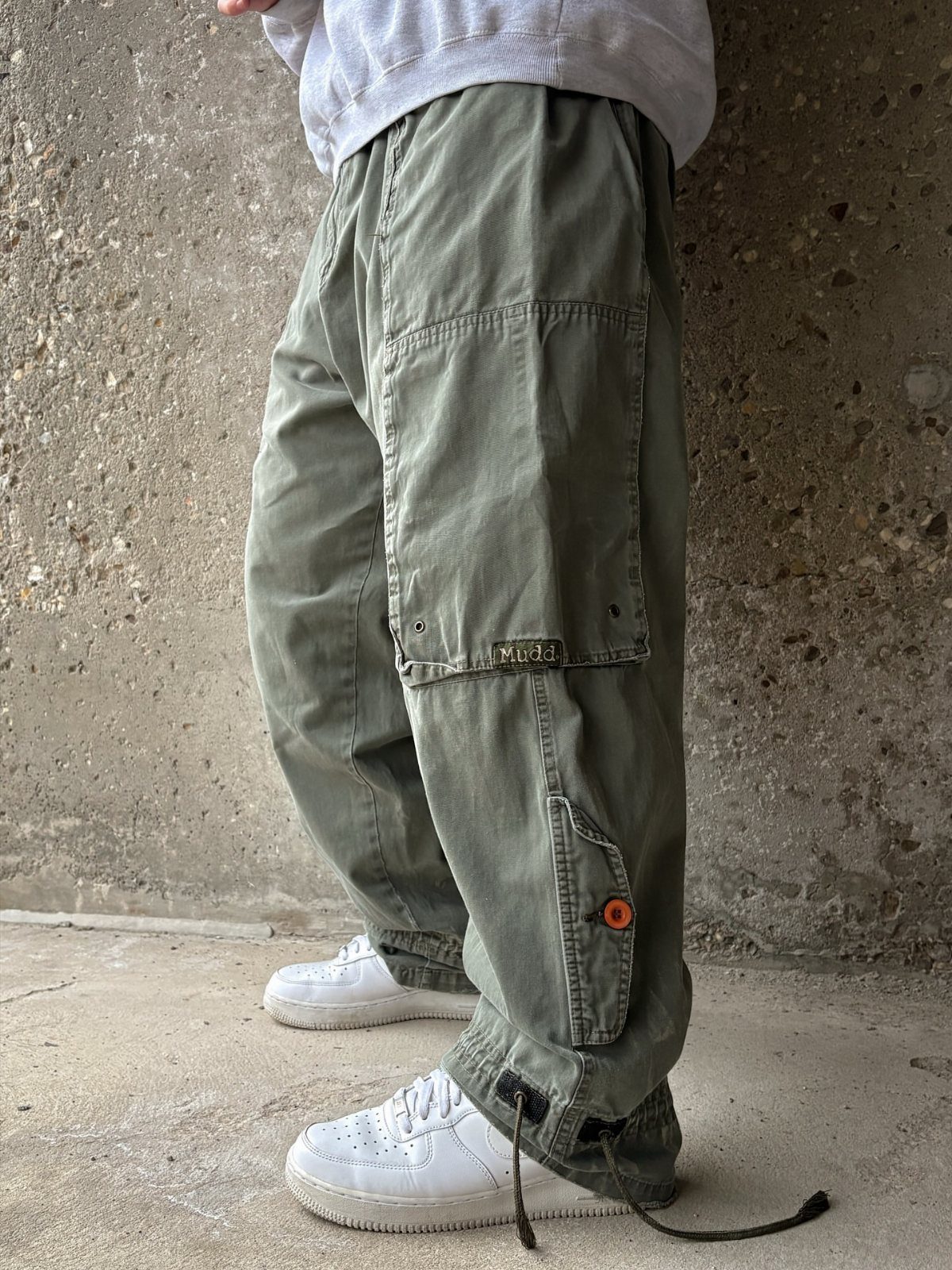
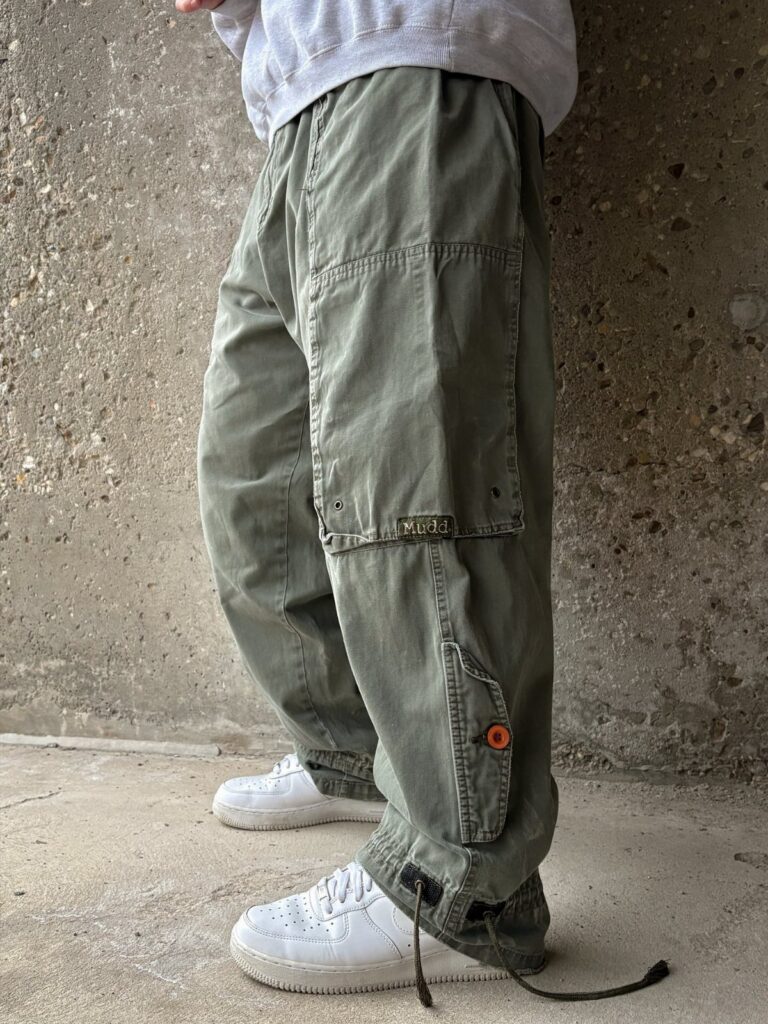
Baggy cargo pants with their side pockets and cinched hems read utilitarian in a way that still feels relaxed.
Sage green pairs back to almost any fitted top, which balances the volume on bottom. I wear mine with a baby tee or slim tank and white sneakers; the Mudd-era shape is forgiving if you are between sizes.
Skip the look if you need clean lines for a formal setting, but for weekend coffee or travel, the pockets earn their keep.
3. Velvet Juicy Couture Tracksuit
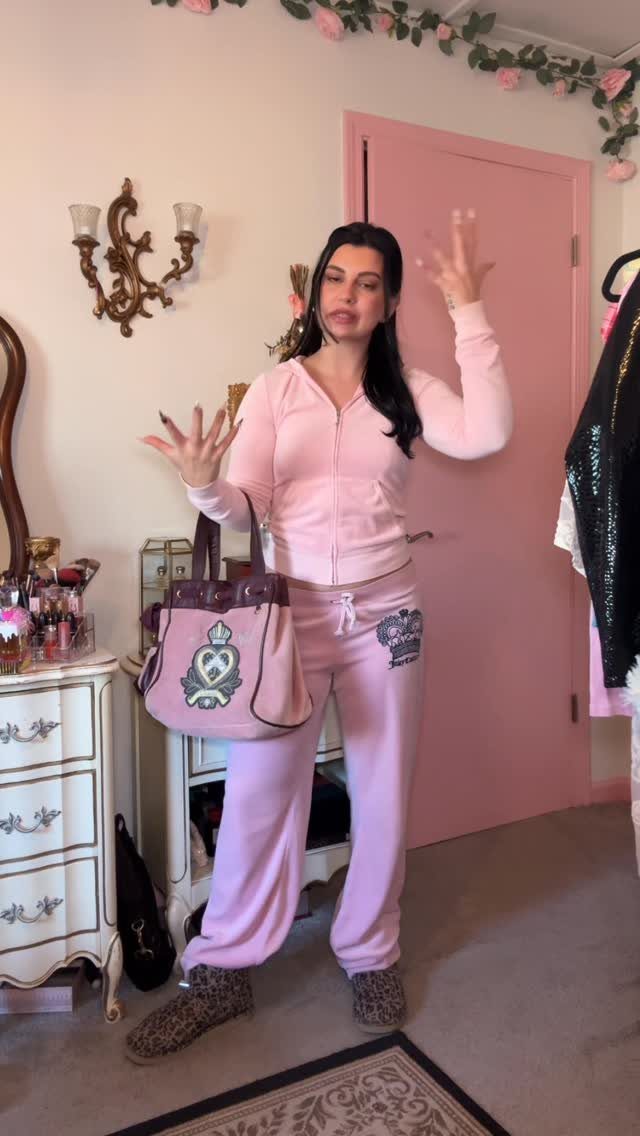
Paris Hilton made the pink velour Juicy Couture tracksuit famous in paparazzi shots, and the formula still holds: matching jacket and pants in a soft pile fabric, logo on the hip, tiny bag optional.
I would wear this for brunch or a flight, not the gym despite what the old marketing claimed.
The color matters; blush pink reads nostalgic, black or navy fades into any decade. If you find vintage, check the elastic at the cuffs before buying.
4. Flowy Dresses
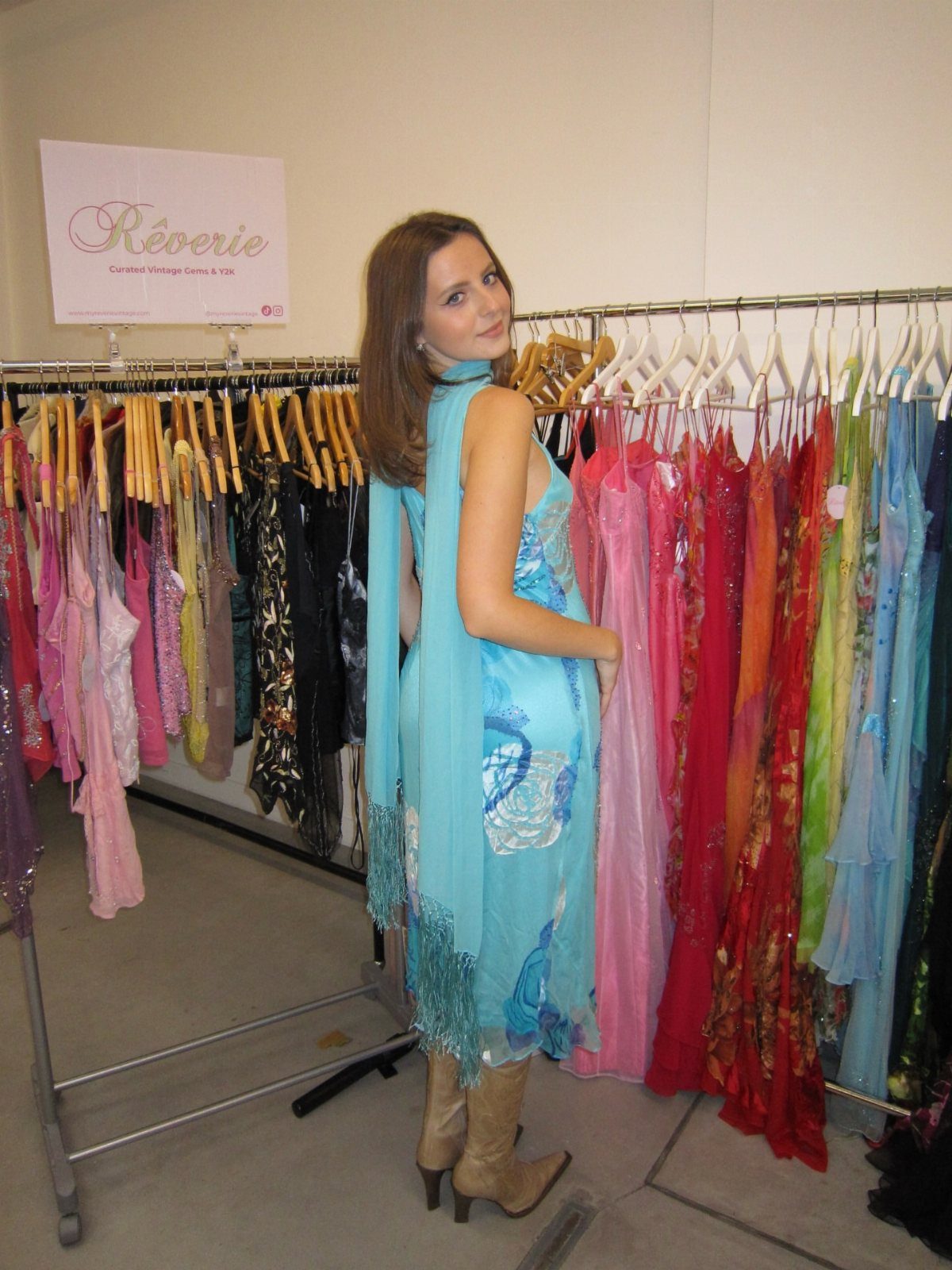
A slip dress in bright blue floral floats away from the body rather than clinging, which is what separates this era’s version from the slinky take of the decade before.
I add a matching scarf at the neck or bag, and tan boots ground it for fall.
The print can go paisley or ditzy floral; the key is the easy cut that skims rather than shapes. Layer a tee under if the neckline feels too bare for your day.
5. Denim Jackets and Jeans
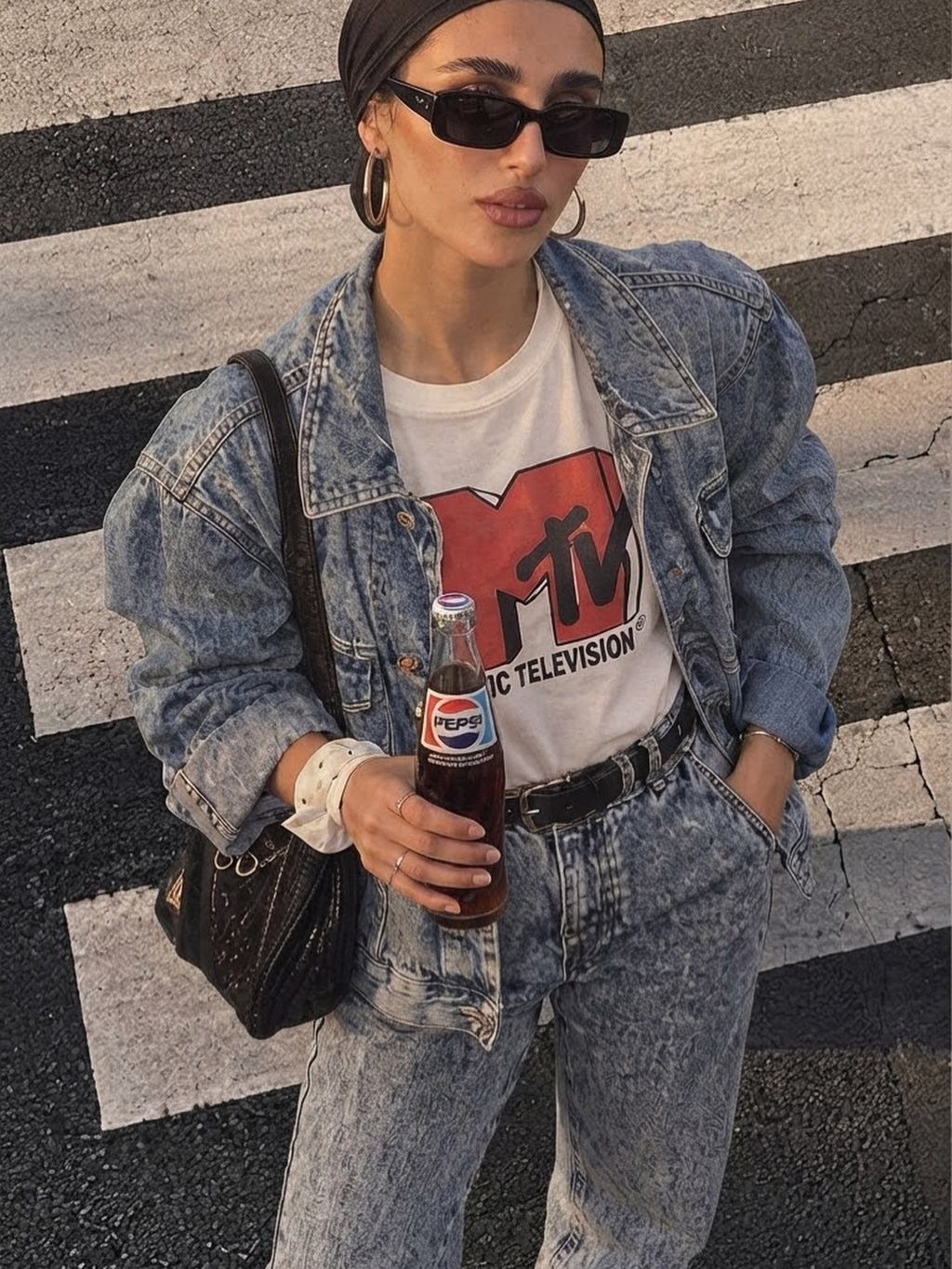
Acid-wash denim jacket and matching jeans create one continuous line of blue, which is the whole logic of the Canadian tuxedo Britney and Justin wore to that 2001 awards show.
I break mine with a graphic tee so it reads intentional, not accidental.
The wash should match between pieces; mismatched blues look like you grabbed what was clean. Distressing and embroidery were period details, but a clean rinse feels easier to wear now without the nostalgia hitting too hard.
6. Butterfly Clips
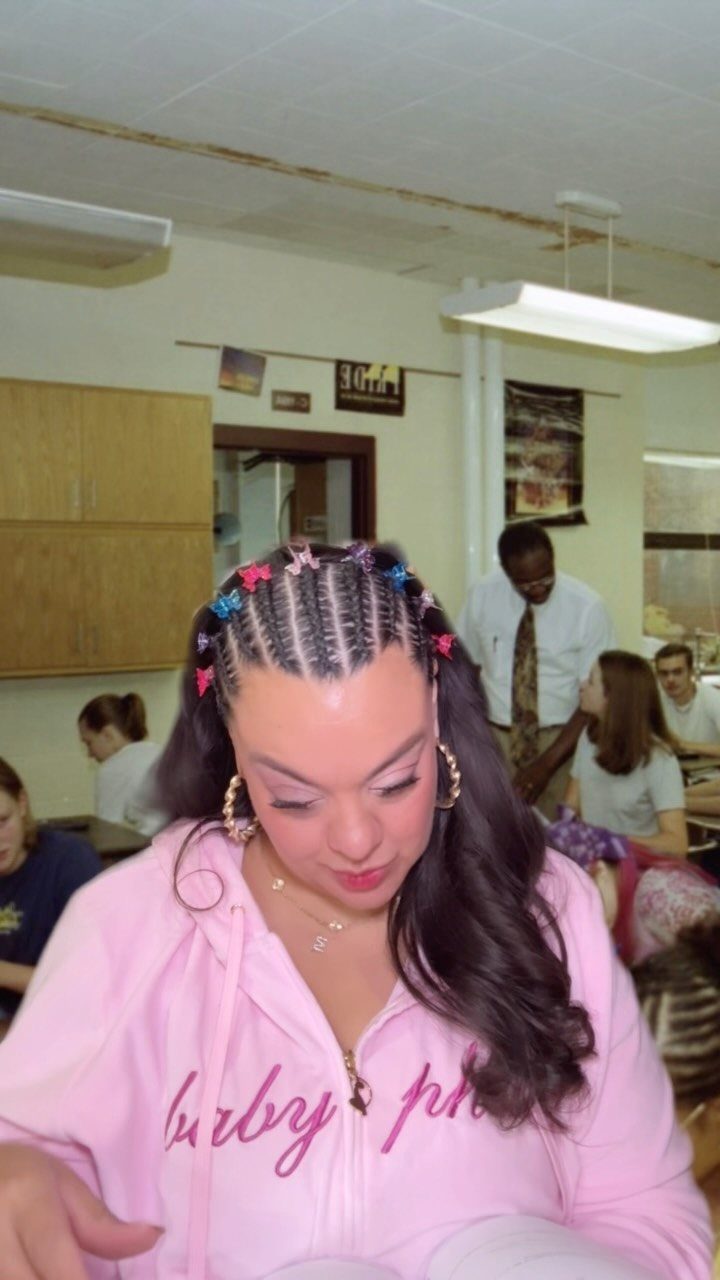
Butterfly clips in bright plastic turn a basic braid into something that reads as styled, not just contained. I space mine randomly down the length rather than in a row, which keeps it from looking too deliberate.
They work on any hair texture that holds a braid; the clips themselves are cheap enough to buy in a mixed pack and lose without regret.
I would skip them for a serious meeting, but for a casual Saturday they add color without committing to a full outfit change.
7. Platform Shoes
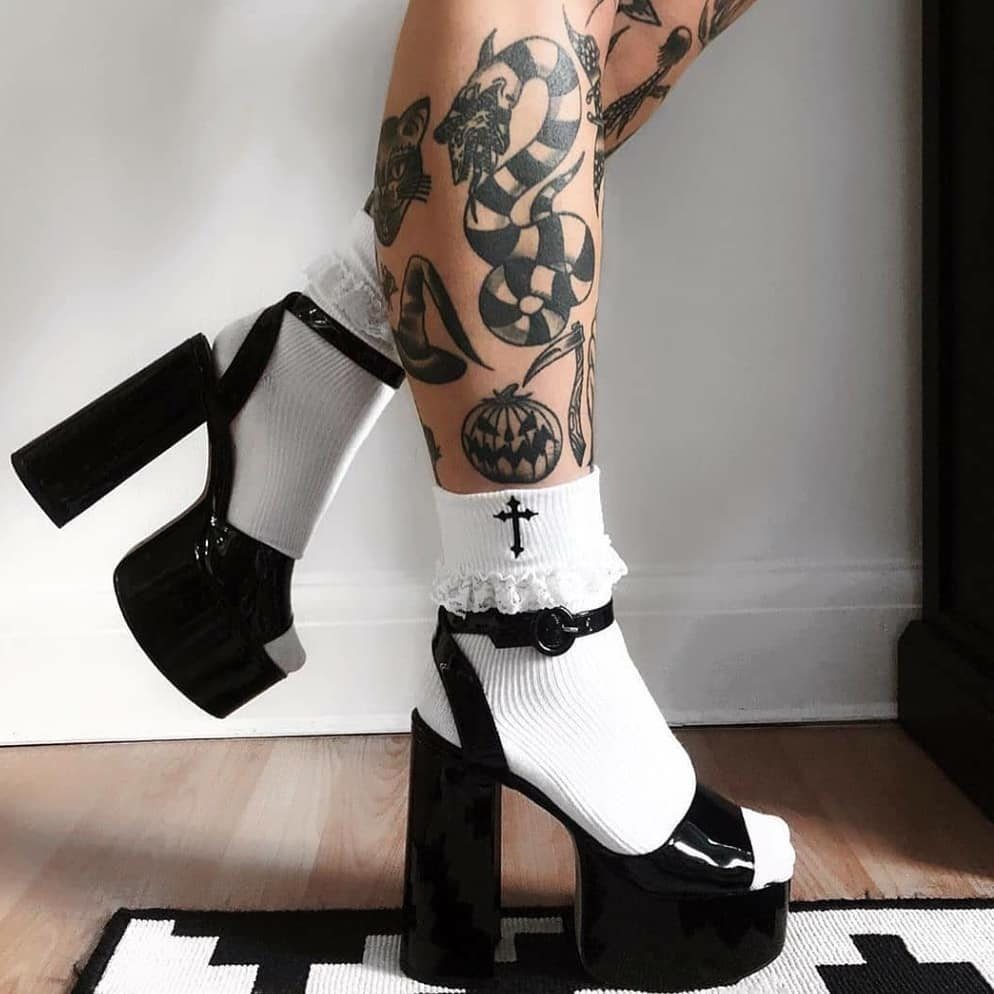
Thick soles on sandals or sneakers added height without the wobble of a stiletto. Patent leather in black stays current; ruffled socks underneath push the look toward costume, so I would wear mine with bare legs or a clean ankle.
The weight means these are not all-day walking shoes, but for an evening out they balance wide-leg pants or a long skirt. Check that the platform is solid, not hollow; a heavy shoe needs a real base.
8. Popped Collars Polo Shirts
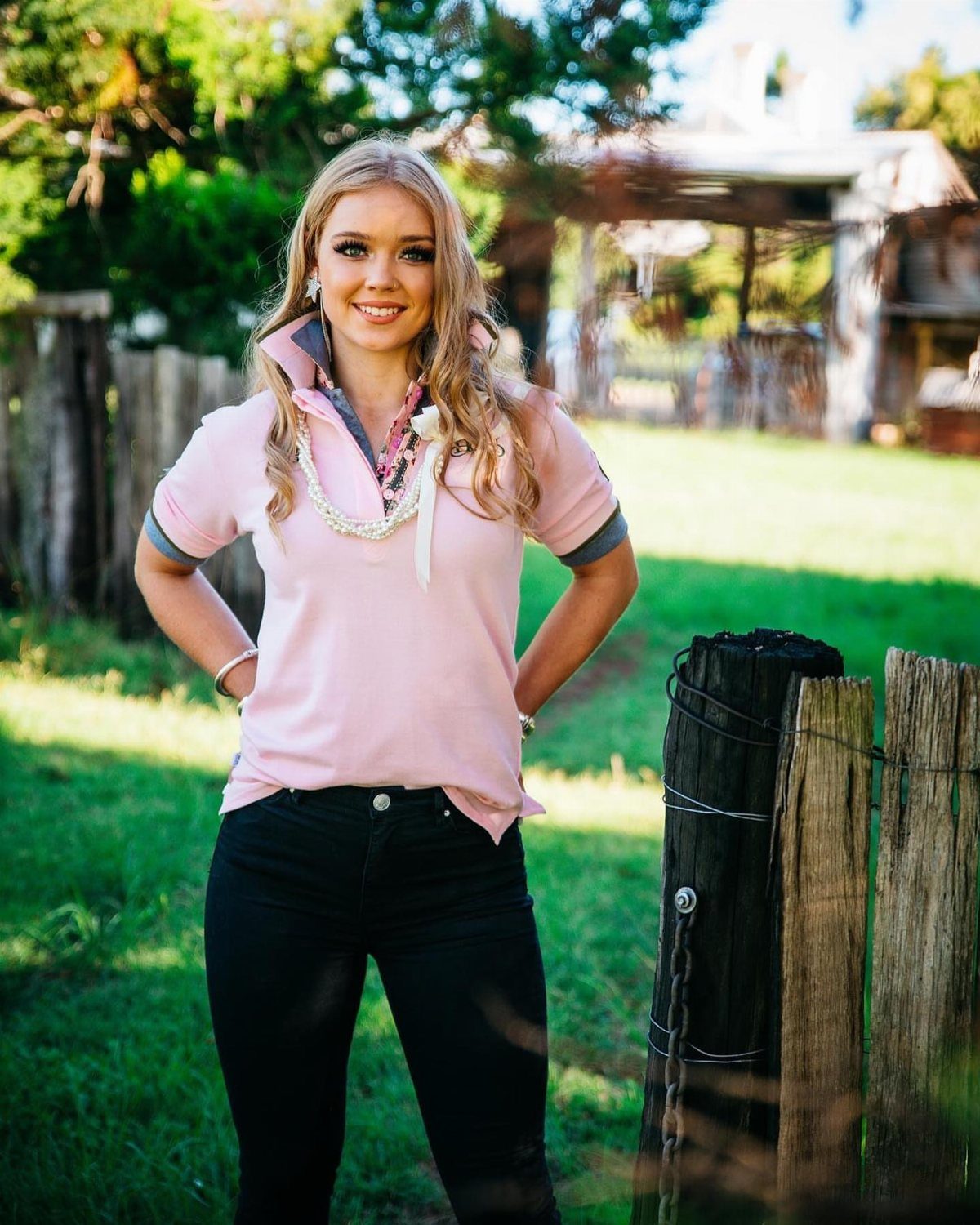
Turning the collar up on a polo shirt was a small rebellion against prep-school neatness. Pink or pastel reads softer than the aggressive versions from back then; I would leave one button open so the neck does not look strangled.
A pearl strand and dark pants dress the polo up enough for a casual office without losing the relaxed shape.
The collar itself is the statement, so skip loud logos underneath. Flatten it down if the room feels too formal; the look is easy to undo.
9. Low-Rise Jeans
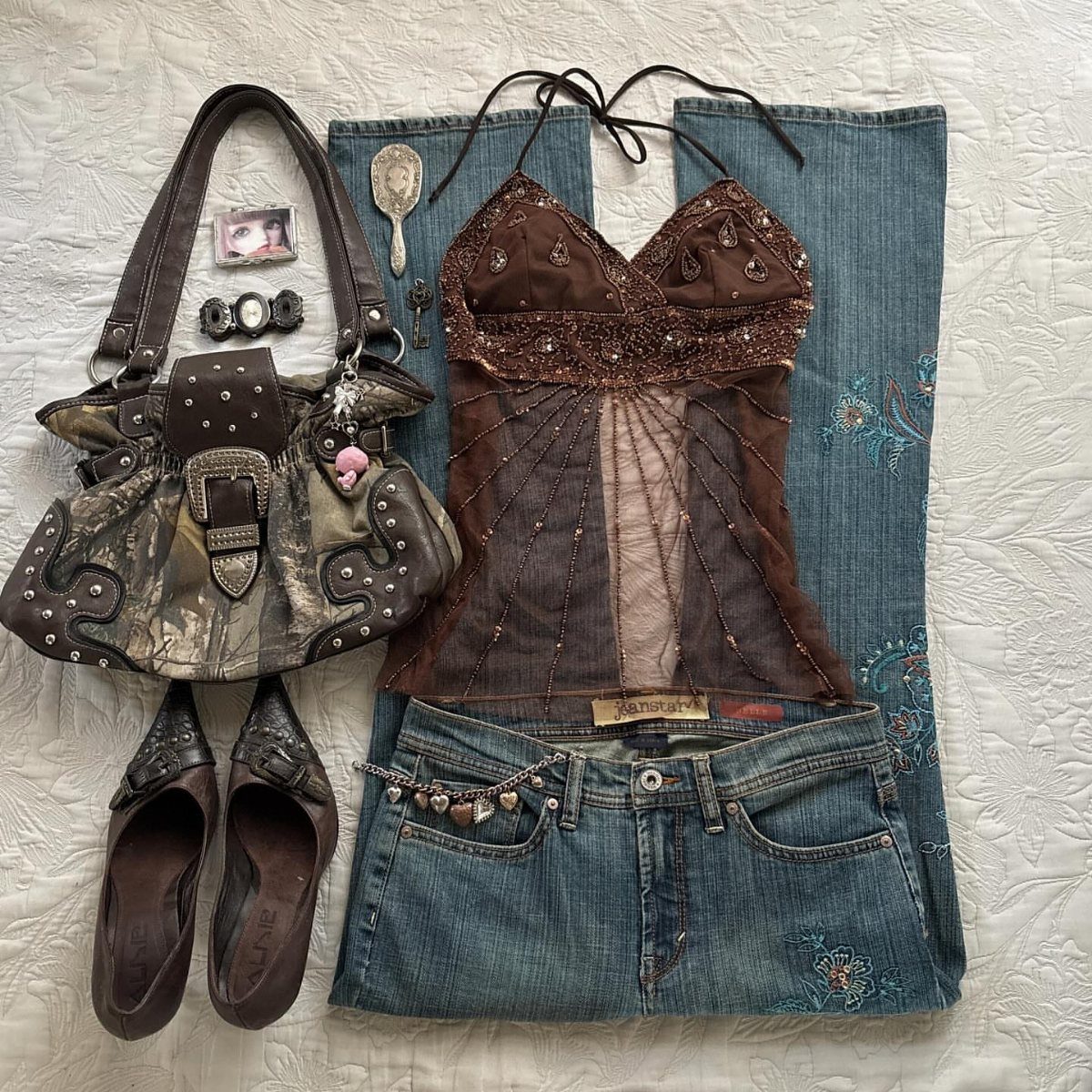
A waistband sitting below the navel defined denim from 2001 to 2008, often with distressing or embroidery that turned supermarket runs into red-carpet moments.
The flat lay shows beaded halter tops and camo bags as the natural companions; I would add a longer tank if I needed to bend or reach without worry.
The cut favors a hip-heavy shape over a long waist, and the rise matters more than the wash. Check that the back does not gap when you sit; low-rise forgives nothing in coverage.
10. Baby Tees
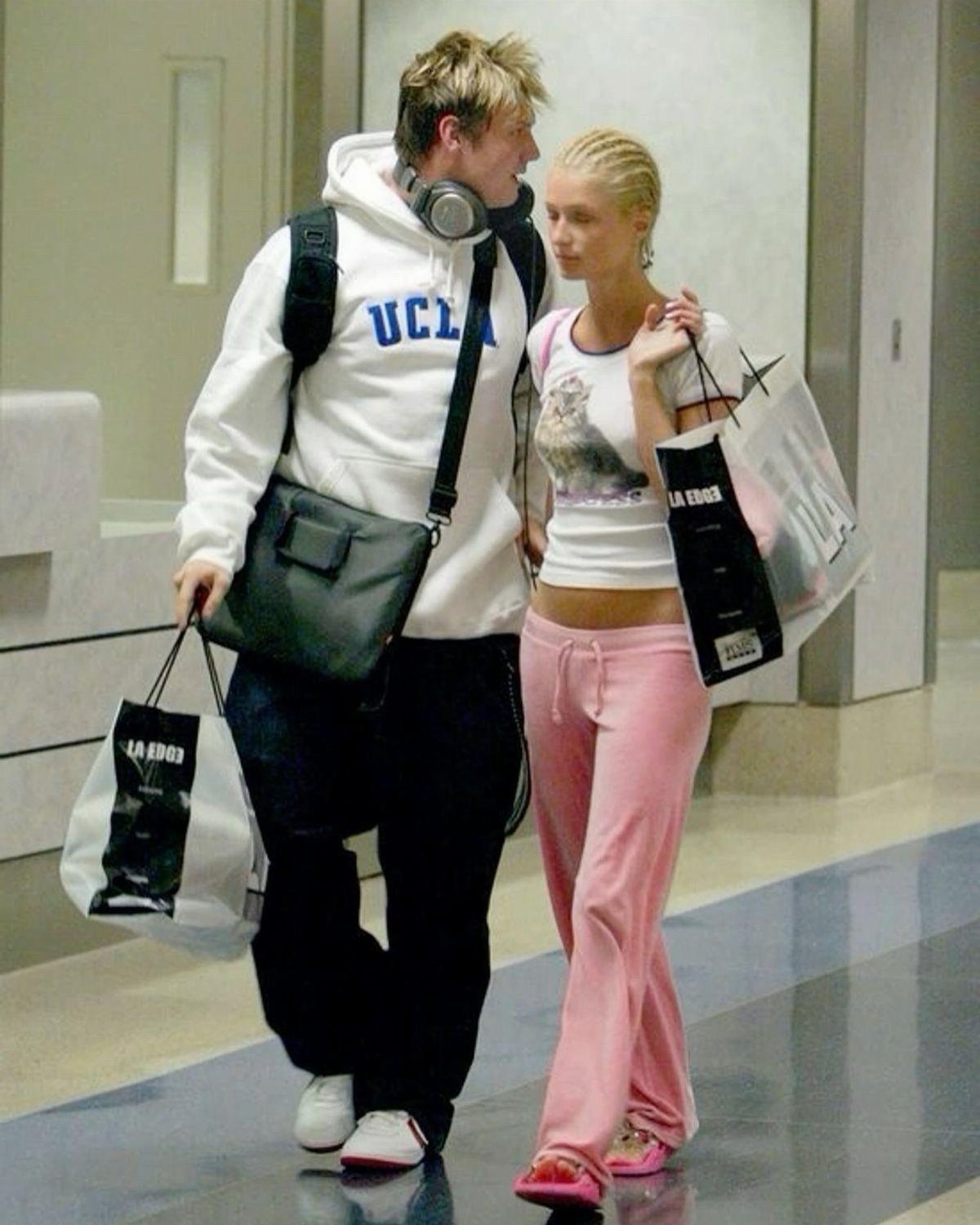
Cropped t-shirts with logos or slogans sat right at the waistband of low-rise jeans, leaving a strip of skin that the era treated as normal.
Pink sweatpants work as an alternative bottom for travel or errands when jeans feel too stiff.
The tee itself should hit at your natural waist, not higher; anything shorter reads as lingerie. Layer under a hoodie if the length feels exposed, or tuck into a high-rise skirt to fake the proportion without the bare midriff.
11. Tube Tops
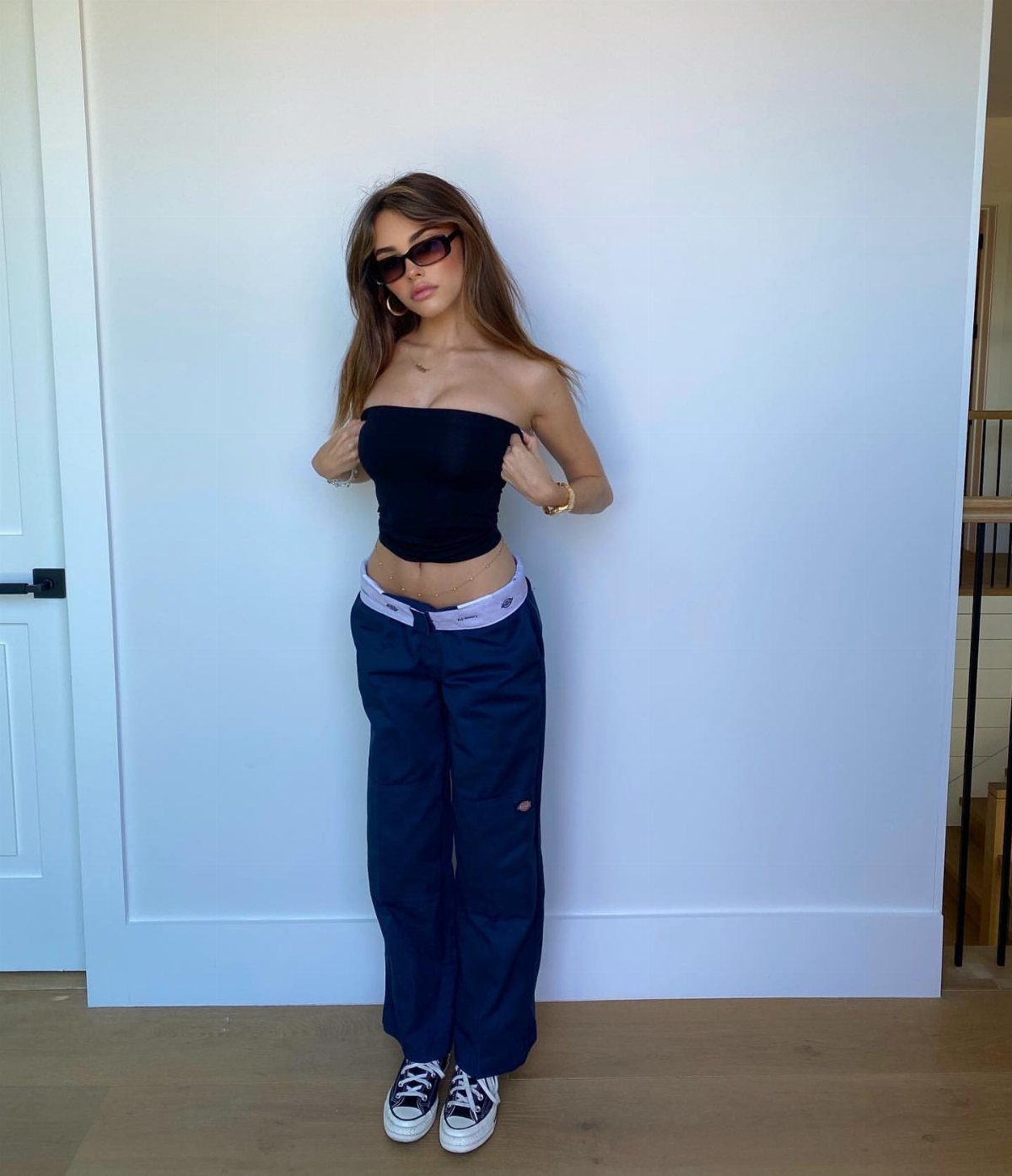
A strapless band of fabric stays up by tension alone, which means the fit is everything.
The photo pairs black with navy cargo pants and sneakers; I would swap the cargos for a flowy skirt if I needed to dress it up, following the Cameron Diaz route from back then.
The top works on any bottom that holds a waistband: jeans, capris, or a low-rise skirt. Check the elastic before buying; a tube top that slips is useless, and layering a tee underneath kills the line.
12. Graphic Tees

Bold prints on a basic t-shirt carried the message so the rest of the outfit stayed simple. The FedEx-parody style from 2004 works best as a single graphic on a solid ground; all-over print ages faster.
Low-rise jeans and a studded belt, like Anne Hathaway wore, ground it in the era, but the tee also works with a mini skirt and dainty necklace for a softer take.
The shirt does the talking, so keep jewelry minimal and let the print read clean from a few feet away.
13. Trucker Hats
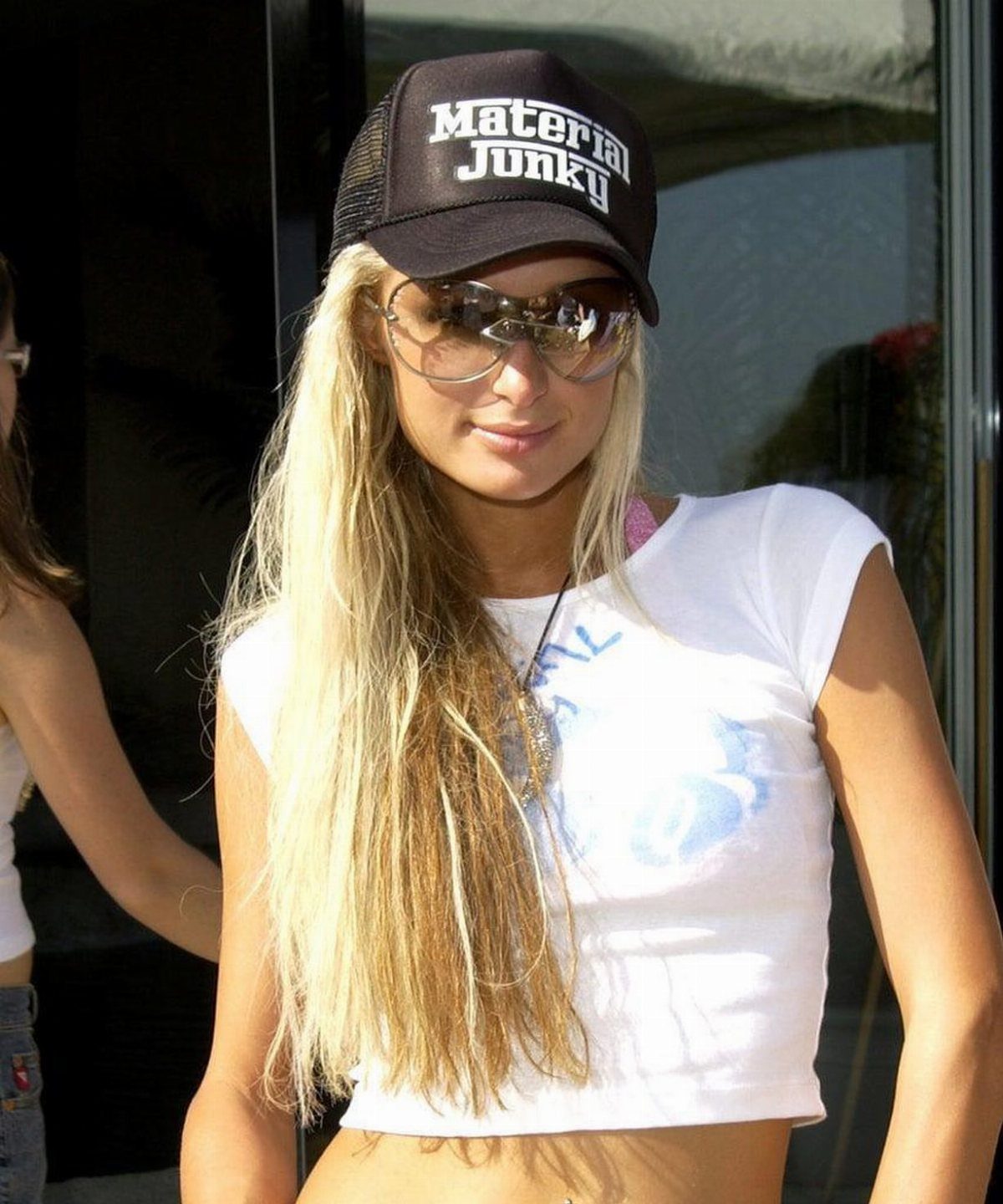
Mesh backs and foam fronts turned a workwear cap into the accessory of the moment once Ashton Kutcher wore Von Dutch and Paris Hilton followed with her own slogans.
The snapback closure matters more than the logo; a hat that sits too high looks like a costume, so I check where the crown lands before buying.
Black or neutral mesh fades into a modern outfit, while loud graphics read full throwback. I would wear mine with a baby tee and jeans for errands, not to anything where a brim feels too casual.
14. Faux Fur Trim Hoodies
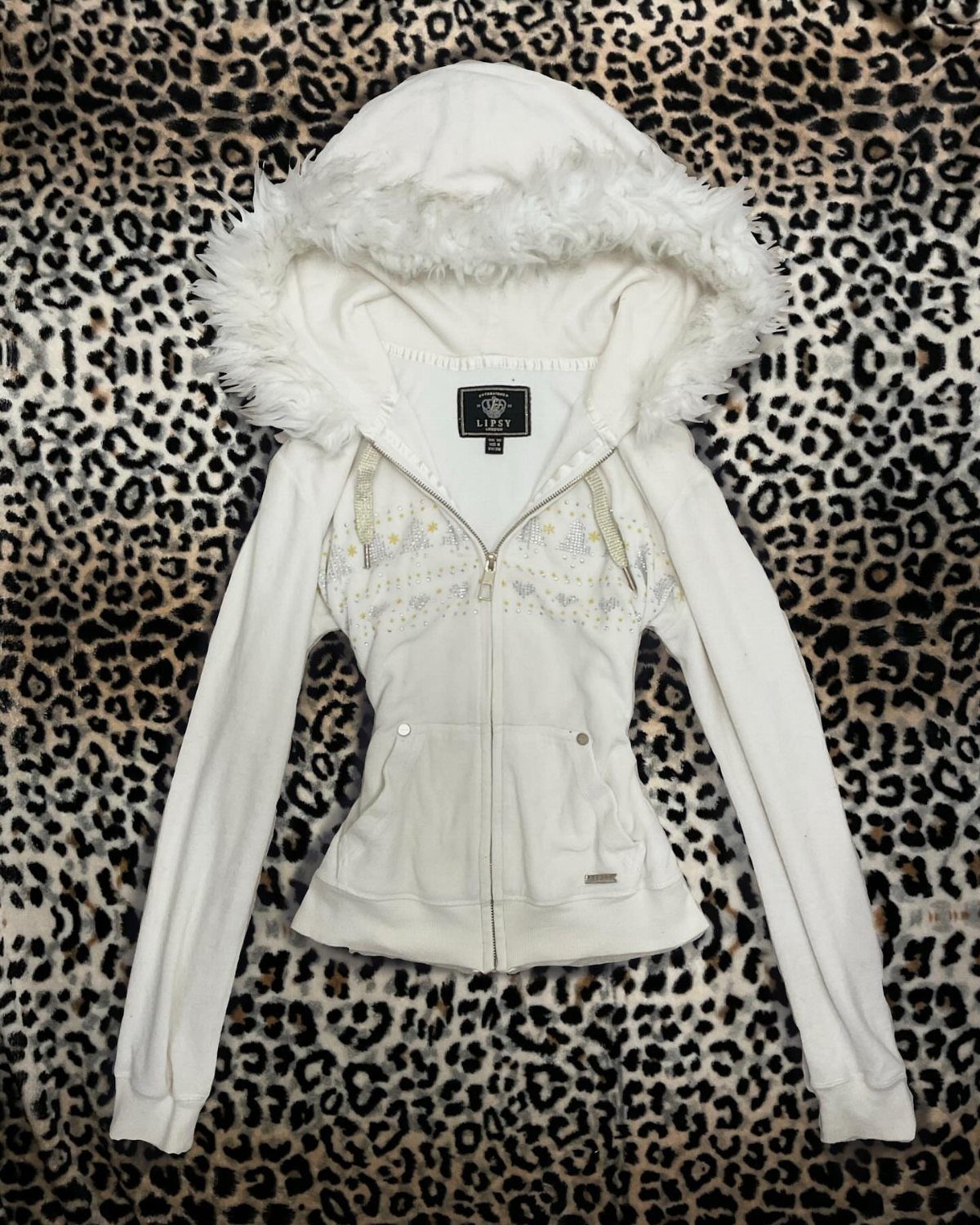
A zip-front hoodie with plush trim around the hood adds texture to an otherwise basic layer.
The rhinestone details on this Lipsy version push it toward evening, though I would treat it as loungewear or travel. Check that the fur is attached securely; cheap trim sheds and dates the piece faster than the cut does.
The leopard ground underneath the flat lay hints at how much print this era mixed, but I would wear mine with solid bottoms so one element carries the look.
15. Lace-Trim Slip Dress
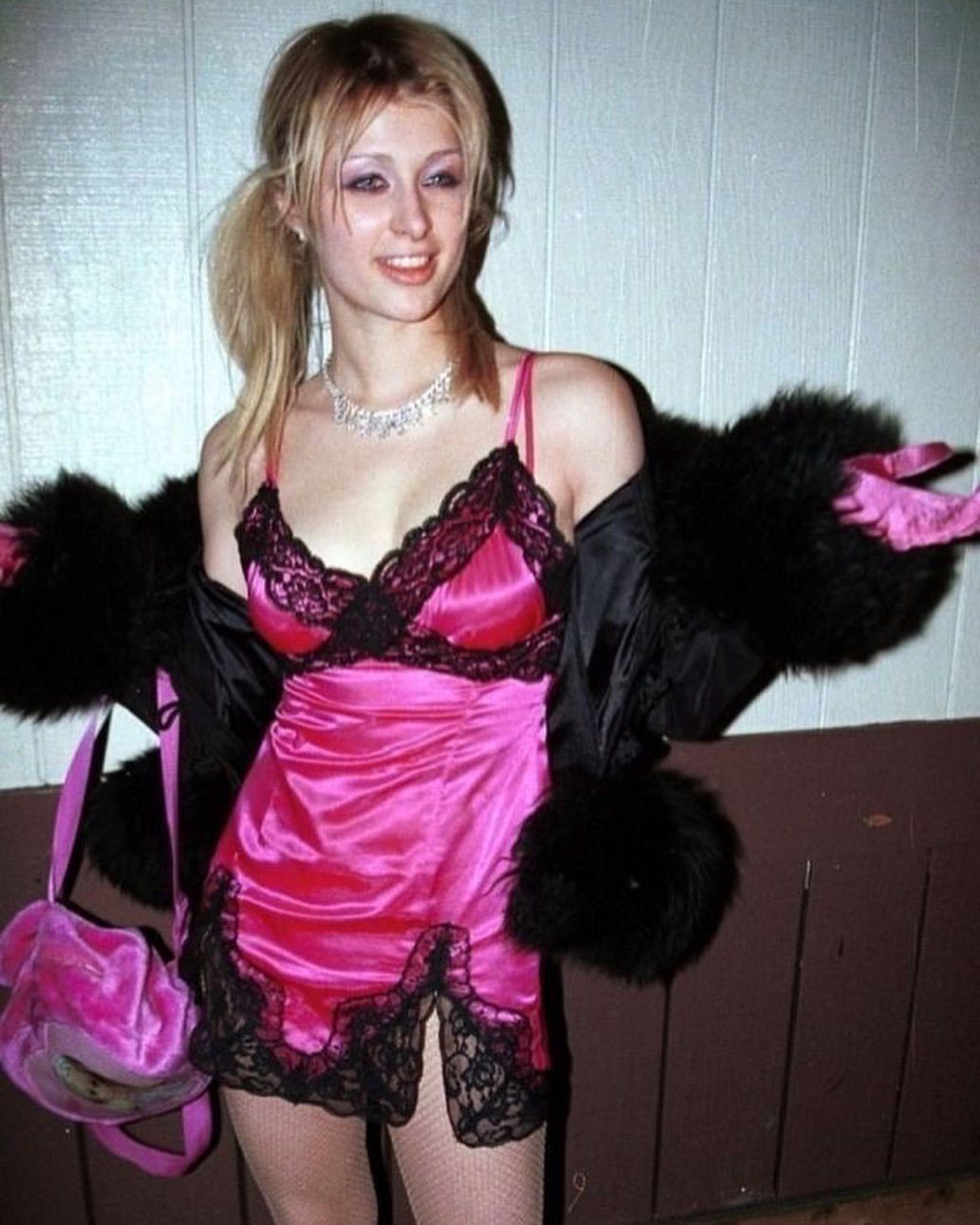
Hot pink satin with black lace trim walks a line between lingerie and outerwear that defined mid-2000s evening dressing. Paris Hilton layered hers under a fur-trimmed jacket, which I would copy for warmth and to break the sweetness.
The slip cut skims the body without clinging, forgiving where a bandage dress would not. I would check the length against my heels before an event; this era ran short, and a tug downward all night ruins the ease.
16. Backless Satin Dress
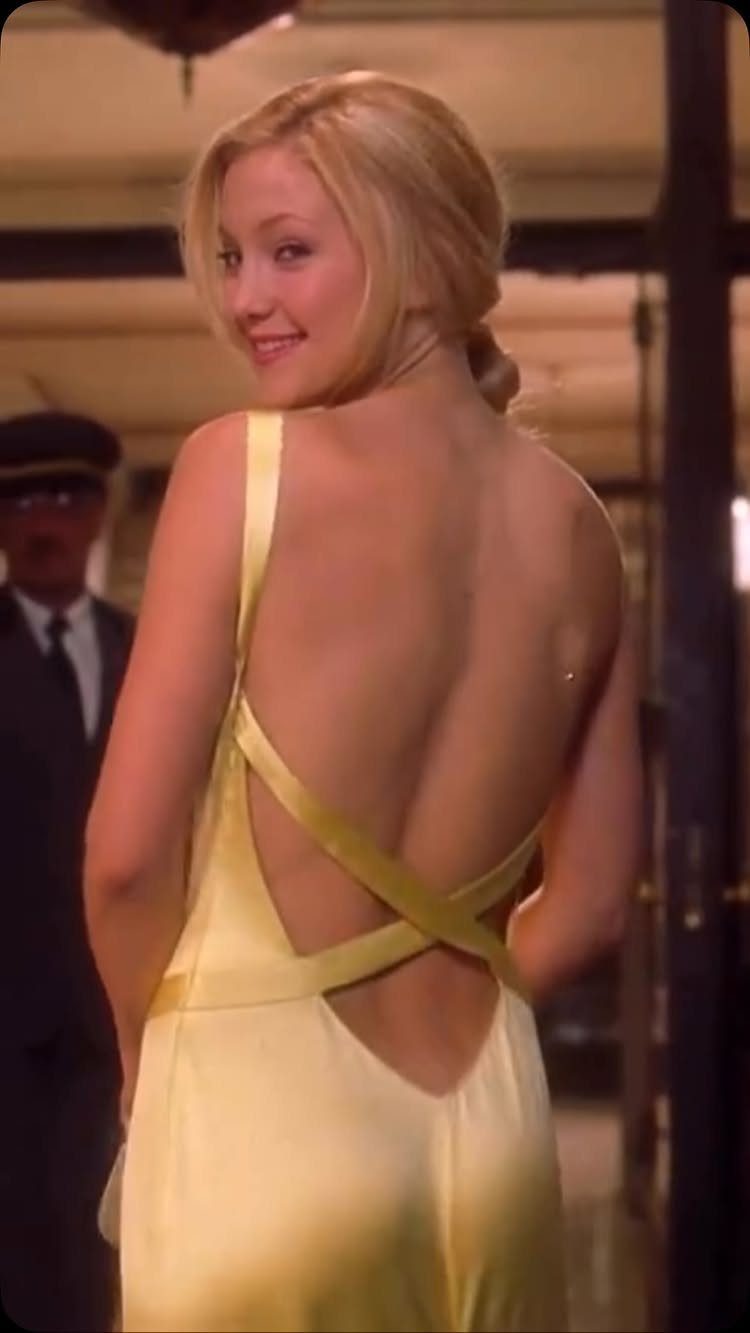
Crisscross straps hold a backless yellow gown together across the shoulders, leaving the spine bare for entrance and exit.
The satin catches light with every turn, so this is a statement choice for an occasion where a simple front reads as confidence rather than oversight.
I would test the strap tension before committing to an evening; too loose and the dress shifts, too tight and the line cuts. A stick-on bra works, or none at all, depending on the front cut.
17. Small Tinted Sunglasses
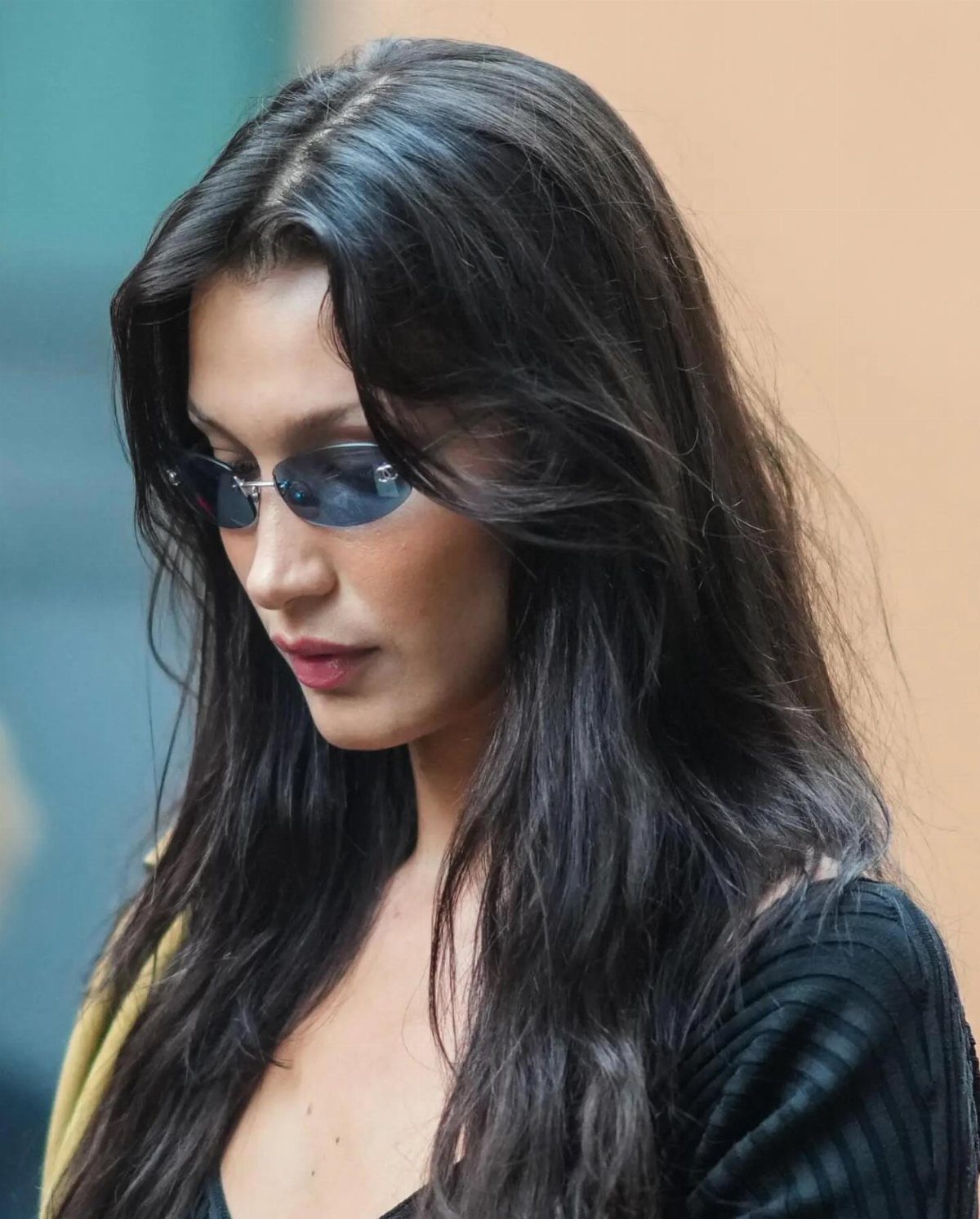
Oval lenses in pale blue tint shrink the face in a way that oversized aviators never did.
The Chanel logo on the temple is small enough to read as detail rather than billboard, though any quality frame in this shape carries the reference.
I would wear mine with a clean top and pulled-back hair so the glasses sit center stage; heavy eye makeup underneath competes. The tint cuts glare without full darkness, making these practical for overcast days that still need shade.
18. Matching Animal Print Sets
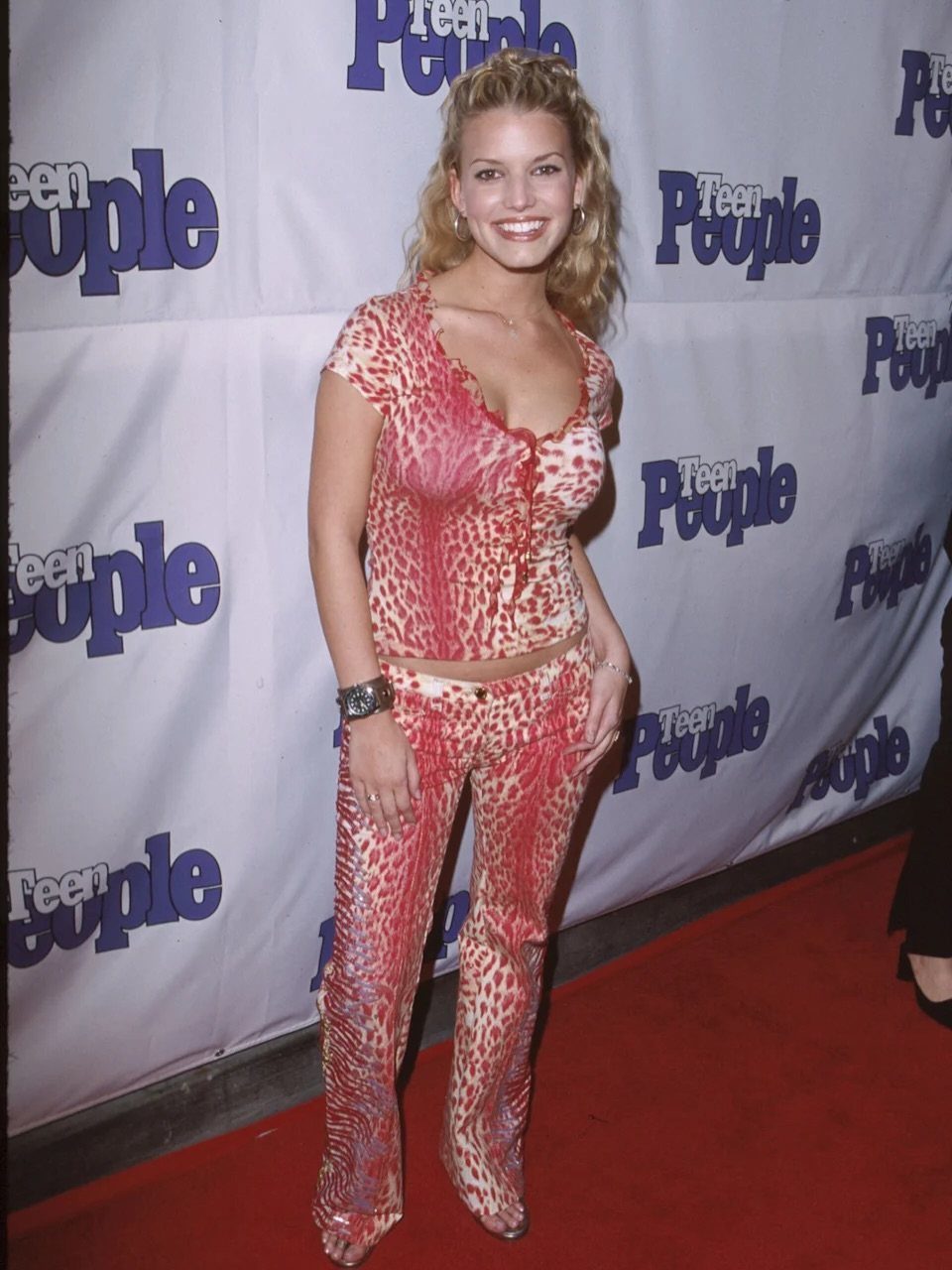
A short-sleeved top and flared trousers in matching red-and-cream print create one continuous pattern from neck to floor.
Jessica Simpson wore this to a Teen People event, and the logic still holds: the set does the work so jewelry stays minimal.
I would check that the flare starts above the knee, not at mid-calf, to keep the leg line long. The print scale matters; this version reads bold, not chaotic, because the white ground spaces the red shapes apart.
19. White Studded Belts
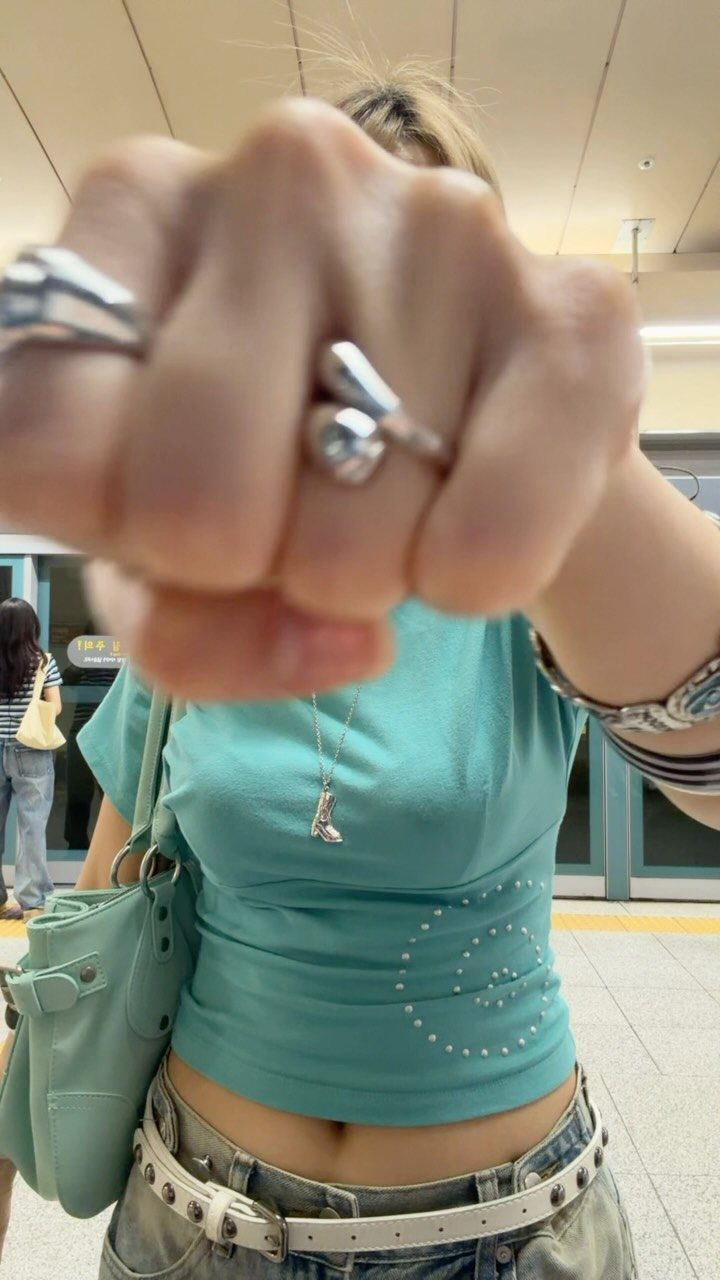
A white leather belt with metal studs turns low-rise jeans into a deliberate silhouette rather than a forgotten waistline.
The silver hardware against light denim catches light the way rhinestones did on fuller versions, but the narrower width keeps it wearable now. I would check that the studs sit flat; raised ones snag on knits and car upholstery.
The belt works best when it actually holds the jeans up, not just decorates them, so eyelet spacing matters more than logo. Chunky rings on the same hand repeat the metal without matching exactly.
20. Flared Denim Jeans
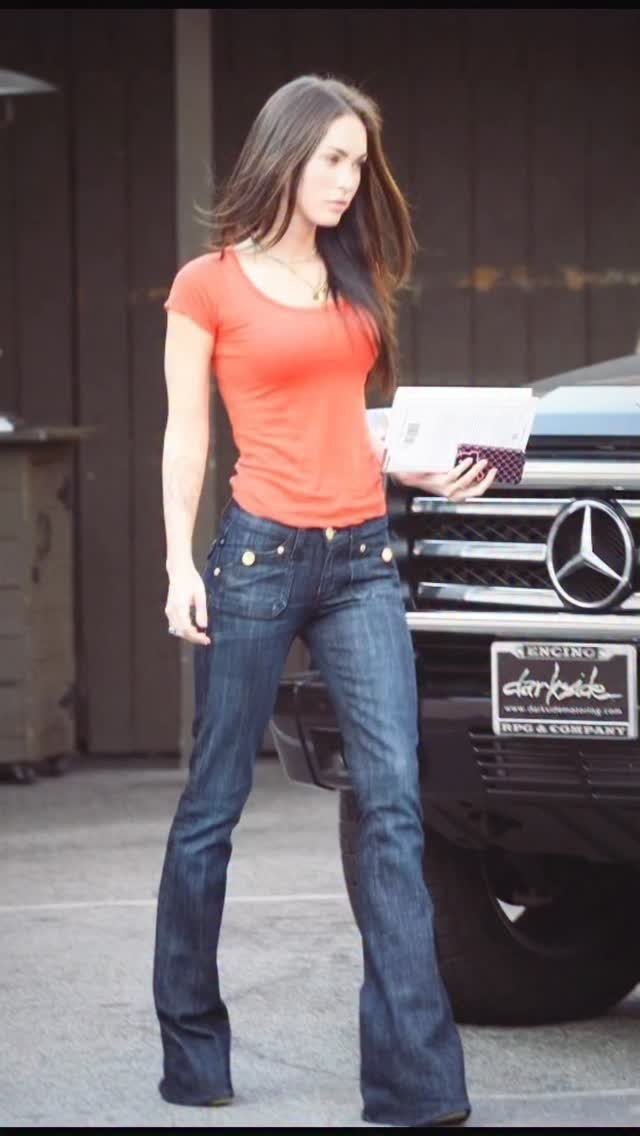
Dark wash denim with a flare starting above the knee lengthens a leg line the way bootcuts never quite did. Gold hardware at the waist adds a dressy note that reads as intentional, not leftover from earlier decades.
The rise here sits at the hip, which means a longer torso handles the proportion better than a short one. Check that the flare clears your heel; dragging denim frays in a season and trips you before that.
Celebrity Influence
Britney Spears and Paris Hilton did not just wear the trends; they broadcast them through every paparazzi shot and red carpet arrival.
Nicole Richie and Lauren Conrad on reality television made their daily outfits into something viewers could copy by the next weekend.
The effect was immediate: a star wore low-rise jeans on Tuesday, and by Friday the mall had sold out of the wash.
This was not the slow trickle of magazine editorial. It was a flood of repeated visual cues that turned specific silhouettes into uniform.
Media Impact
Music videos and teen movies gave the era its outfit formulas. Jennifer Lopez wore that green Versace dress to the 2000 Grammys, and the image drove so much search traffic that Google built its image search function around it.
That is how central fashion had become to media consumption. Television shows and films established repeatable combinations: the fitted top with low-rise jeans, the oversized sunglasses with a designer bag, the slip dress with a fur-trimmed jacket.
Each appearance taught viewers how to assemble the look. Reality television added the new element of watching someone choose an outfit for an ordinary day and receiving attention for it.
The lesson was that glamour could attach to errands, coffee runs, airport departures. Style was no longer reserved for occasions; it was a continuous performance.
Casual Glamour
The era’s real invention was dressing up without ever fully dressing up. Satin shirts with fitted blazers, pinstripes in unexpected fabrics, puff sleeves belted at the waist: these were office-adjacent pieces that read as effort without formality.
Denim blazers with embroidery or rhinestone detail turned up at dinners where a full suit would have felt wrong. The slip dress worked just as well in a lighter day fabric with a tee layered underneath for errands.
Hip-hop’s oversized silhouettes and bold branding ran parallel to this, particularly in youth culture, while bohemian touches like embroidered tunics or boho skirts mixed in for weekend wear.
The result was a wardrobe that could move between settings with only a shoe change, a flexibility that suited workplaces becoming more informal and social lives that blurred categories.
Fast Fashion Rise
H&M, Zara, and Forever 21 built their early 2000s expansion on the gap between runway speed and closet reality.
A paparazzi shot of a star in a new silhouette appeared on Monday; by Thursday the chain store had a version at 1/20 the price.
Target’s designer collaborations brought "luxury" labeling into ordinary wardrobes, though the construction and fabric were not the same.
The tradeoff was immediate: wardrobes turned over faster than ever, and the concept of wearing a single trend for a full season disappeared.
For the reader who now shops for quality over quantity, this is the habit to avoid. The era’s best pieces, the velvet tracksuits and well-cut cargos that lasted, were the exceptions that proved the rule.
Most of what filled those bags fell apart or dated within months, which is why the current Y2K revival relies so heavily on actual vintage rather than faithful reproduction.
Frequently Asked Questions
What did people wear in 2000?
Tube tops, low-rise jeans, and cargo pants were everywhere in 2000, along with metallic fabrics and visible logos that reflected the era’s futuristic optimism.
Reality television and pop music shaped these choices fast; a star wore something on Tuesday and stores had copies by Friday.
What to wear to a 90s-2000s party?
A pleated mini skirt with a baby tee and sneakers hits the mark without looking like costume, or try low-rise jeans with a graphic tee and a white studded belt.
Butterfly clips down a braid add color that looks intentional without feeling overdone. Keep one element nostalgic and the rest simple; full head-to-toe throwback tends to read as performance rather than outfit.
What were Y2K trends?
Y2K fashion centered on low-rise jeans, baby tees, metallic fabrics, and visible branding from Juicy Couture to Von Dutch.
The aesthetic drew from technology’s sleek surfaces, so shiny blacks, silver accents, and rhinestone details appeared on everything from concert tees to tracksuits. Reality television accelerated the cycle, turning papar shots into shopping instructions within days.