
The fourteen entries below run from a satin maxi to a corset dress with floral details, so the deciding factor is where you will stand and for how long.
Velvet and corset boning suit seated winter events; chiffon and high slits assume you will be moving, photographed, or both.
The red lace dress with sheer panels I describe has an off-the-shoulder neckline that frames the collarbone and demands hair up, minimal earrings, nothing more.
1. Red Satin Maxi Dress
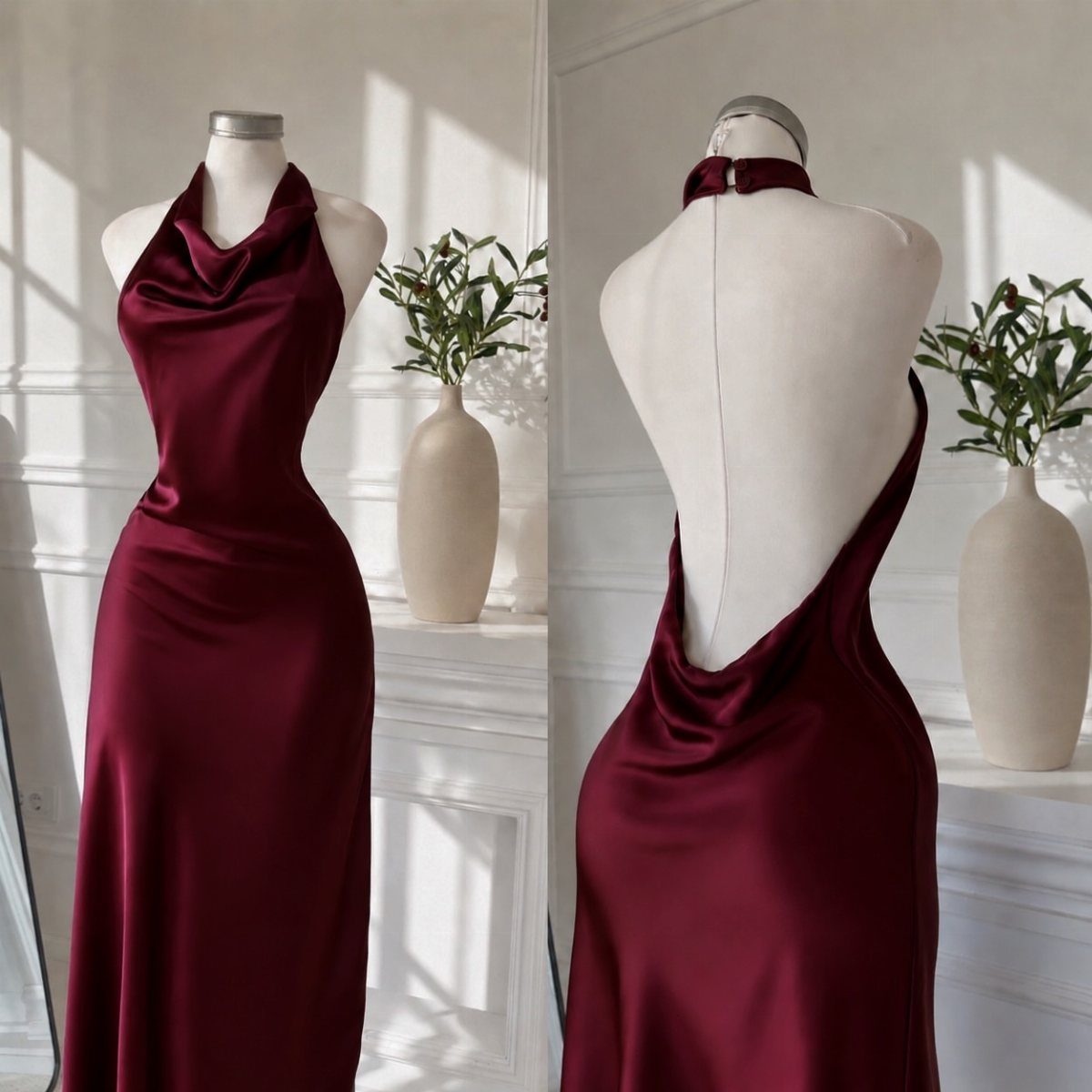
A dark red satin maxi with a plunging neckline and a slit up one leg looks dressed-up without feeling like you tried too hard. The length carries the room; the slit keeps it from looking like a costume.
Strappy sandals work best here, metallic or barely-there, since the dress already holds all the attention.
I would skip a necklace and let the neckline do that job, adding only earrings if the event calls for it. This is the dress you reach for when the occasion matters enough that you planned ahead for it.
2. Red Mini Dress
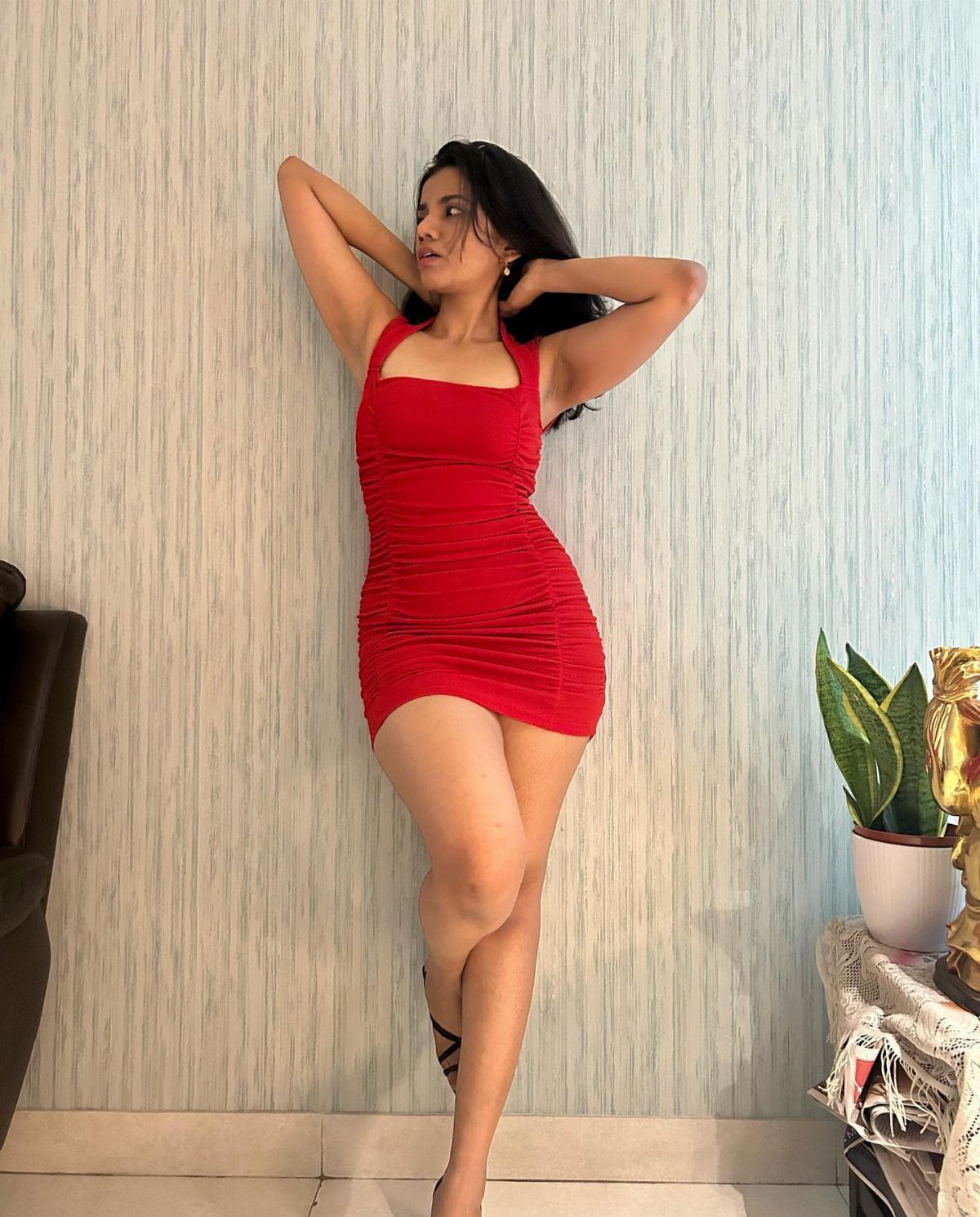
Short red dresses live in that useful space between casual Friday and a birthday dinner you forgot to plan for. The sleeveless cut with a ruffled hem, or the ruched bodycon version, both read as intentional rather than last-resort.
Heels lift either version into evening territory; flat sandals keep it daytime. I keep one red mini in my closet for exactly this reason: the color does the work, so the styling can stay simple.
Puff sleeves or off-the-shoulder necklines add structure if you want the dress to feel like more than a basic.
3. Red Velvet Dress
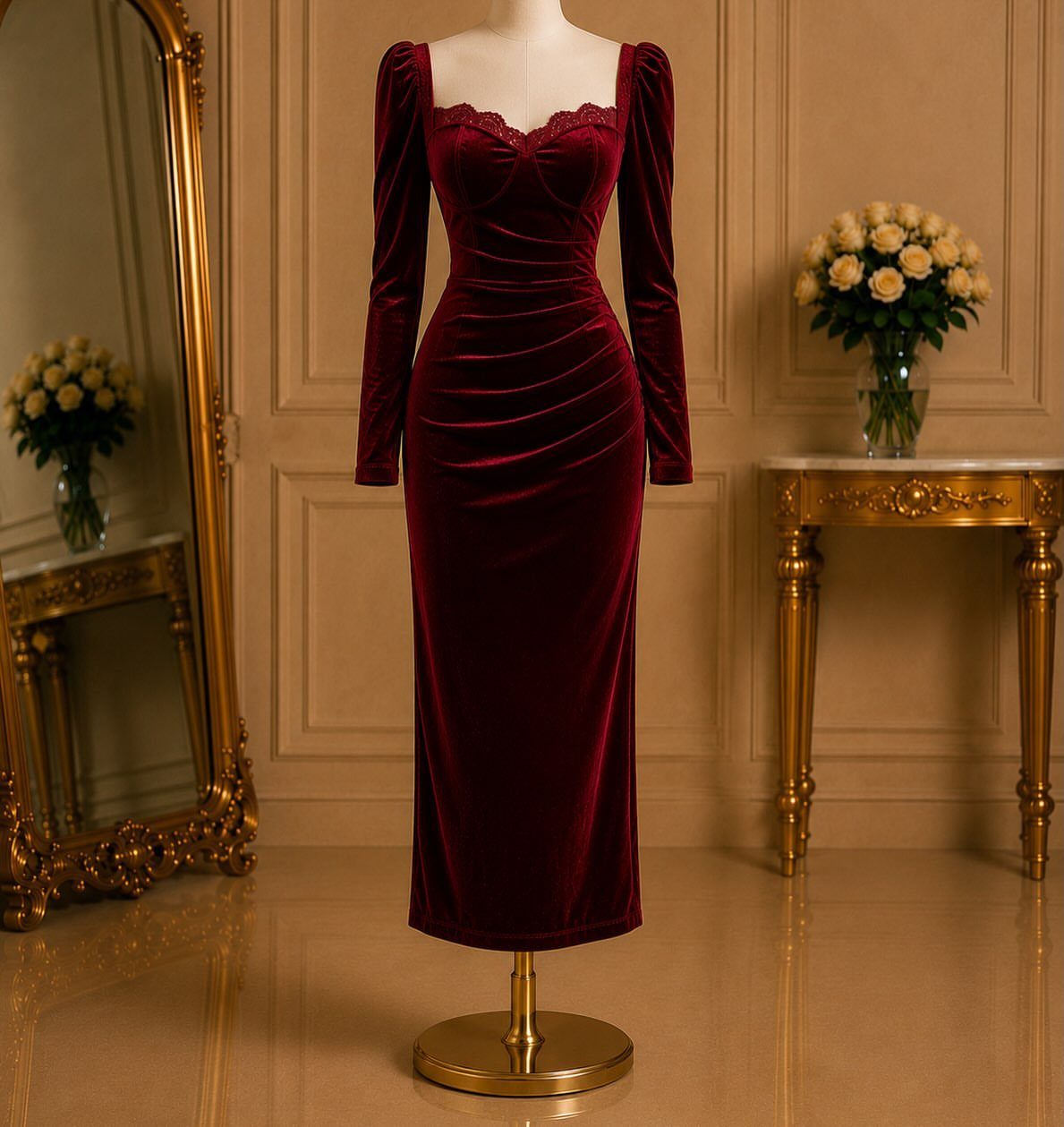
Velvet reads winter instantly, and a burgundy weight holds up better through a long evening than thinner fabrics that shift and cling. The sweetheart neckline or off-the-shoulder cut frames the collarbone; long sleeves keep the look balanced rather than bare.
I would add drop earrings and stop there, since the material itself is doing the heavy lifting.
The lace-trimmed version I have seen works for daytime events where a plain velvet might feel too evening, though both need the same care: hang immediately after wearing, and steam rather than iron.
4. Red Satin Bodycon Dress

Backless satin bodycon with spaghetti straps and a thigh slit is the dress for a rooftop or a city night where the photo matters as much as the event.
The fabric catches light; the cut keeps it from sliding into lingerie territory.
A black shoulder bag grounds the look, and I would carry one rather than clutch for exactly that reason. The one-shoulder ruffled version, if you prefer less bare back, trades some of the sleekness for movement.
Either way, this is not the dress for a seated dinner; the slit and the fit both assume you will be standing, moving, photographed.
5. Red Chiffon Dress
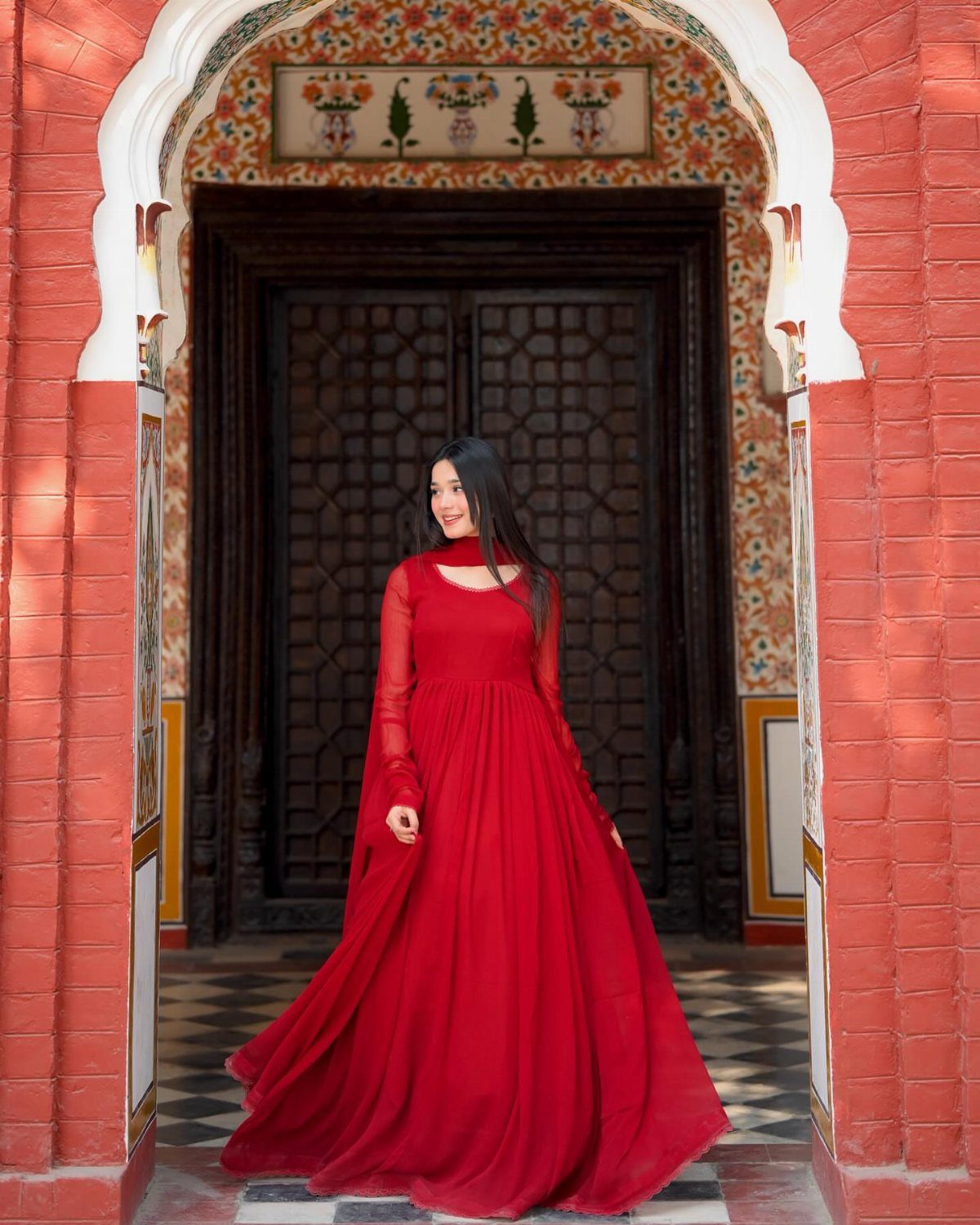
Chiffon moves differently than satin or velvet; it floats rather than clings, and that changes where it belongs.
A pleated skirt in this fabric, with a deep V, works for outdoor events or anywhere you need to walk across grass or uneven floors without the dress announcing every step.
The sheer scarf addition, matching the dress, is a detail I would borrow for a cooler evening rather than covering up with a coat.
Strappy sandals stay visible under the hem, which matters since the fabric is light enough that heavy shoes would throw the balance off entirely.
6. Red Lace Dress
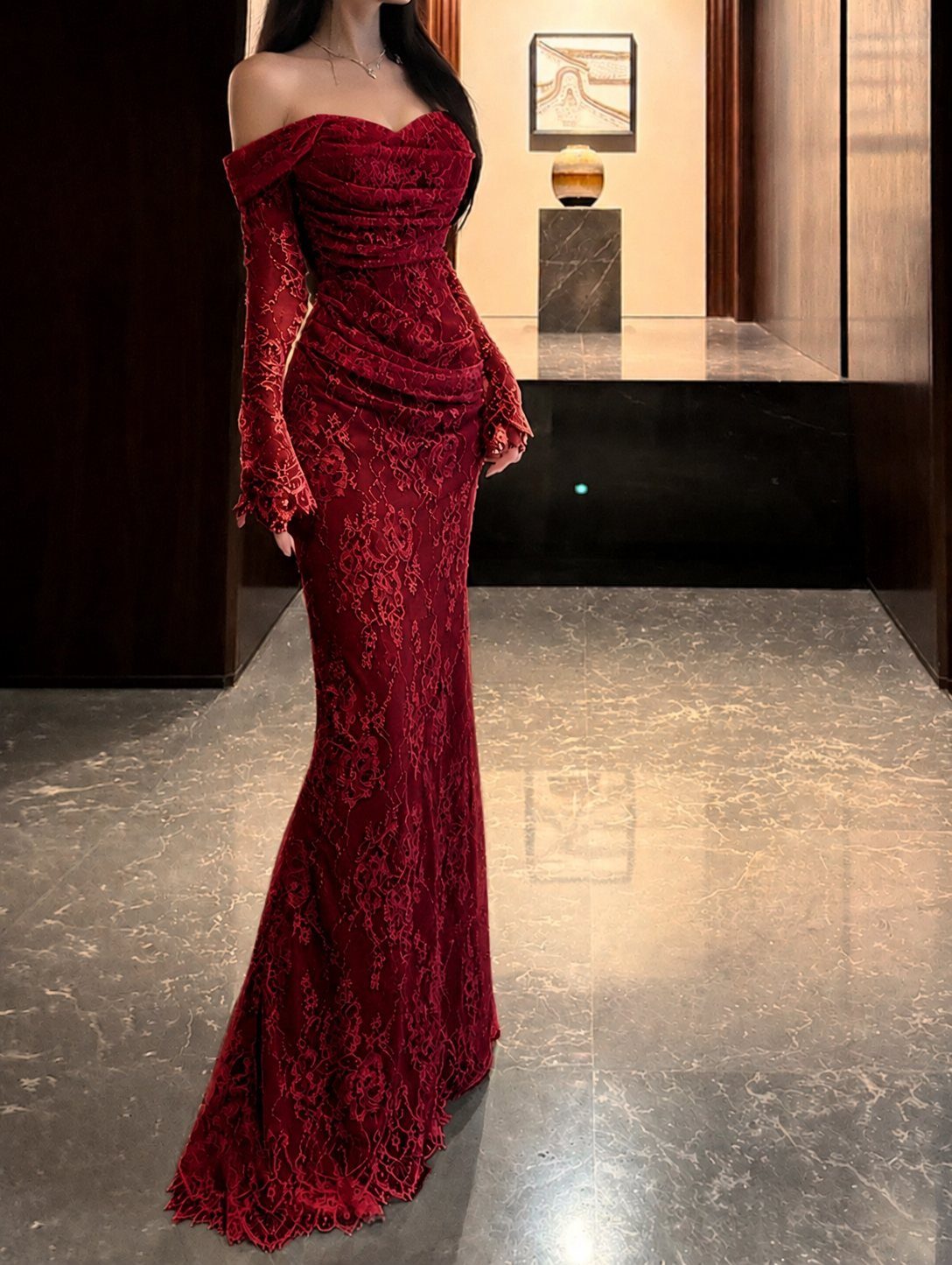
Off-the-shoulder lace in a floor length is the choice when the event has a dress code and you mean to meet it without arriving in something anyone could rent.
The sheer panels keep the all-over pattern from reading as too heavy or too vintage; the flowing skirt moves enough for dancing.
I would style this with simple earrings and hair up, since the neckline is the point.
The camisole version with lace trim, shorter and with a choker, is the same material in a completely different register: daytime, or an event where floor-length would feel like too much.
7. Red Off-the-shoulder Dress
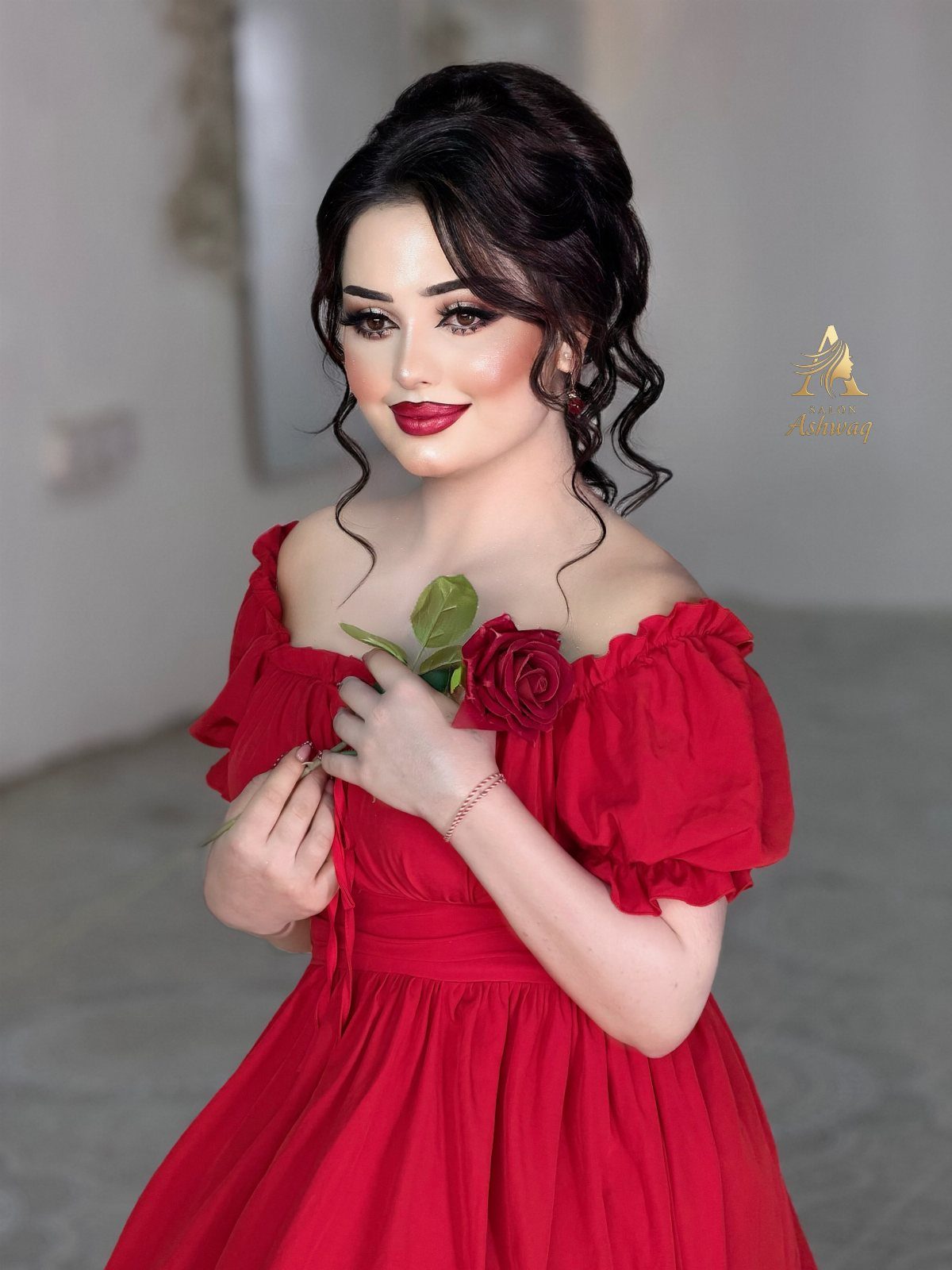
An off-the-shoulder cut in red draws the eye straight to the collarbone; an updo keeps that line clean and unbroken. Ruffles at the neckline soften the bare-shoulder moment without adding sleeves that would defeat the point.
The tie-back satin midi I have seen works for evening events where you want structure without straps.
For daytime, the velvet version with layered gold necklaces shifts the same neckline into something less formal. I would keep jewelry minimal if the dress already carries ruffles, and add it only when the neckline itself is plain.
8. Red Dress with Ruffles
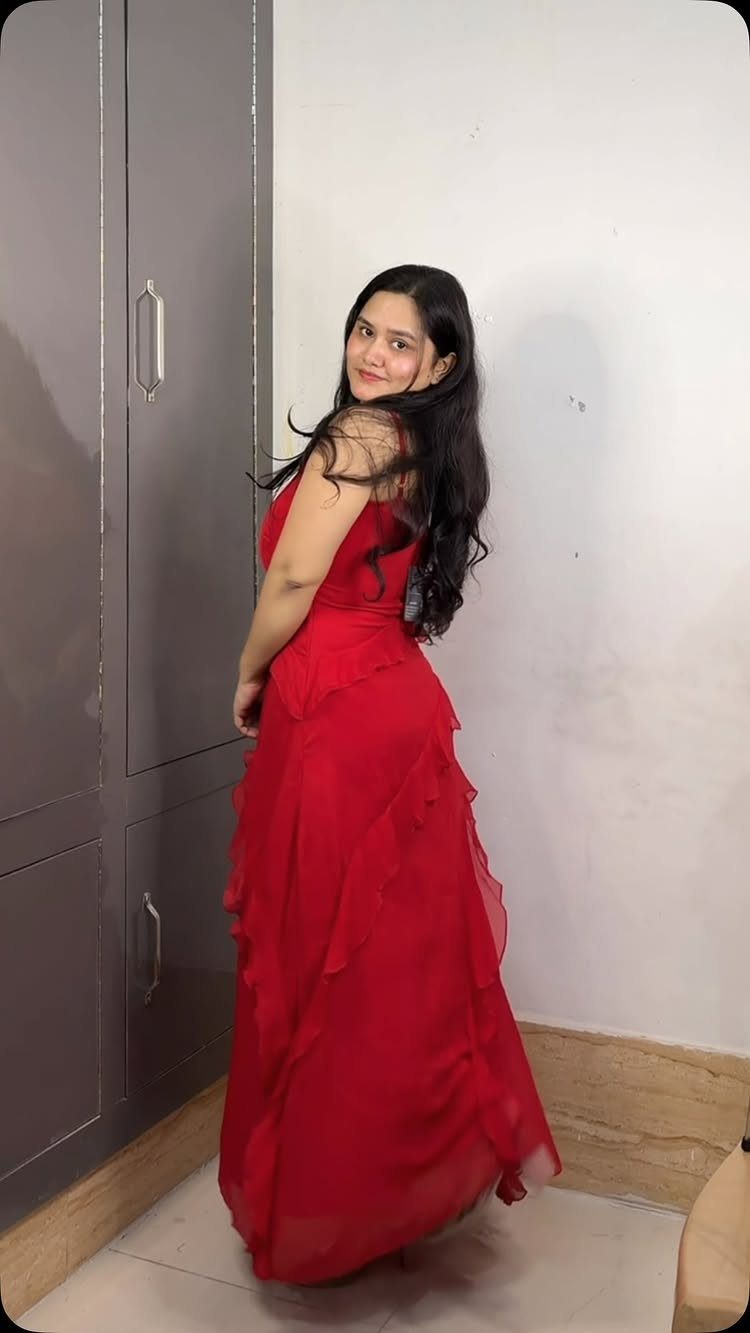
Ruffles add movement to red that the color alone does not provide, and that movement matters in photos.
A long skirt with ruffles from hip to hem walks better than it sits; a ruffled mini stays lively even when you are standing still.
The one-shoulder mini with a single large ruffle and bow detail trades all-over frill for one deliberate shape.
I prefer this when the event is crowded, since full ruffles catch on chairs and door handles. Statement earrings work with either; a necklace fights the neckline on both versions.
9. Red Dress with High Thigh Slit
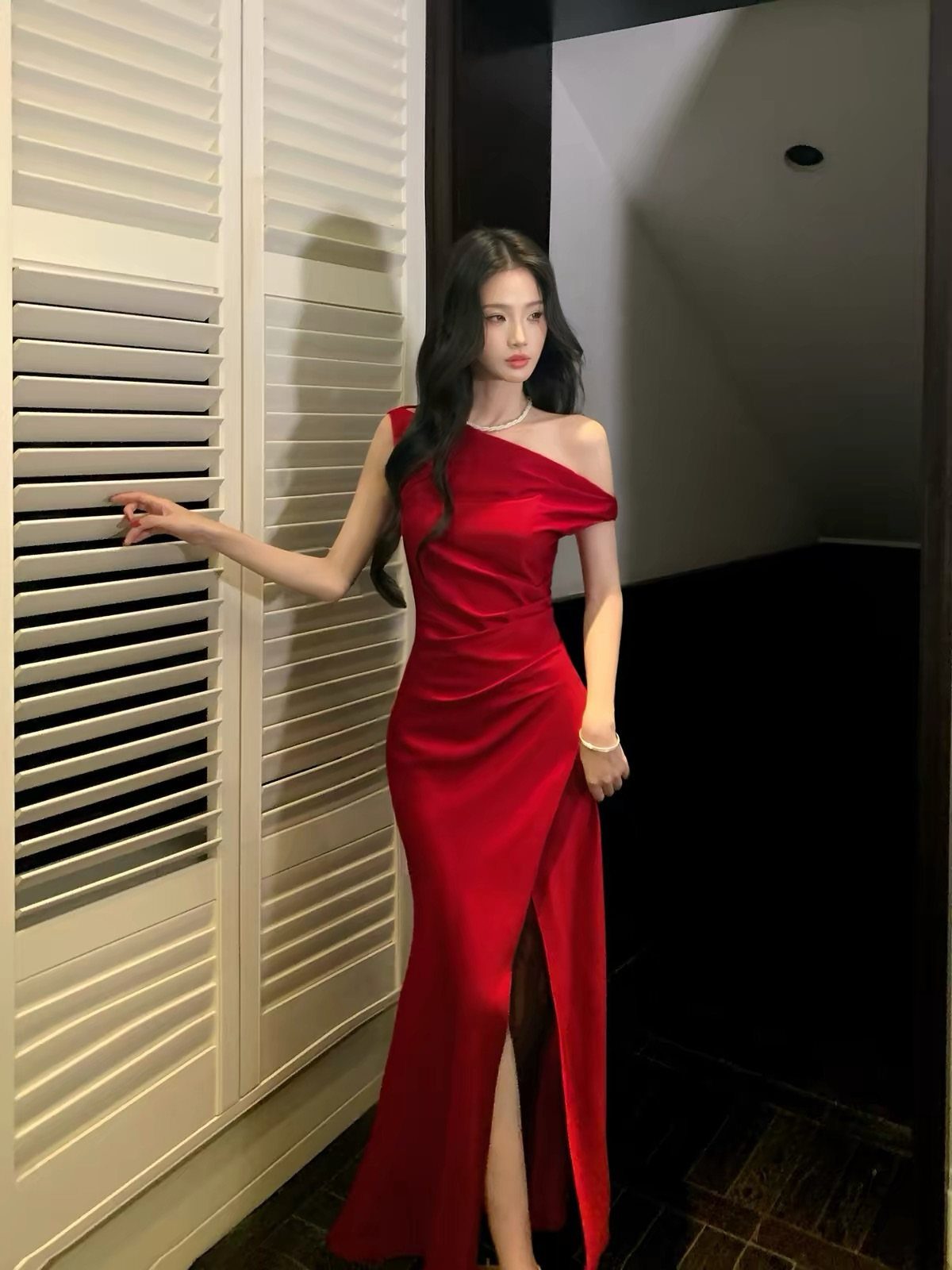
A thigh-high slit in red satin does 2 jobs: it lets you walk without the skirt pooling, and it breaks up a long block of color so the dress reads as shape, not just hue.
A one-shoulder cut adds a second diagonal line, which keeps a high thigh slit from looking like an afterthought.
Sheer panels or lace at the bodice lighten the top half so the slit does not carry all the visual weight.
Strappy sandals in red extend the leg line; anything ankle-strap cuts it. This is a standing dress, not a dinner dress; the slit sits wrong when you are seated at a table.
10. Red Satin Corset Dress
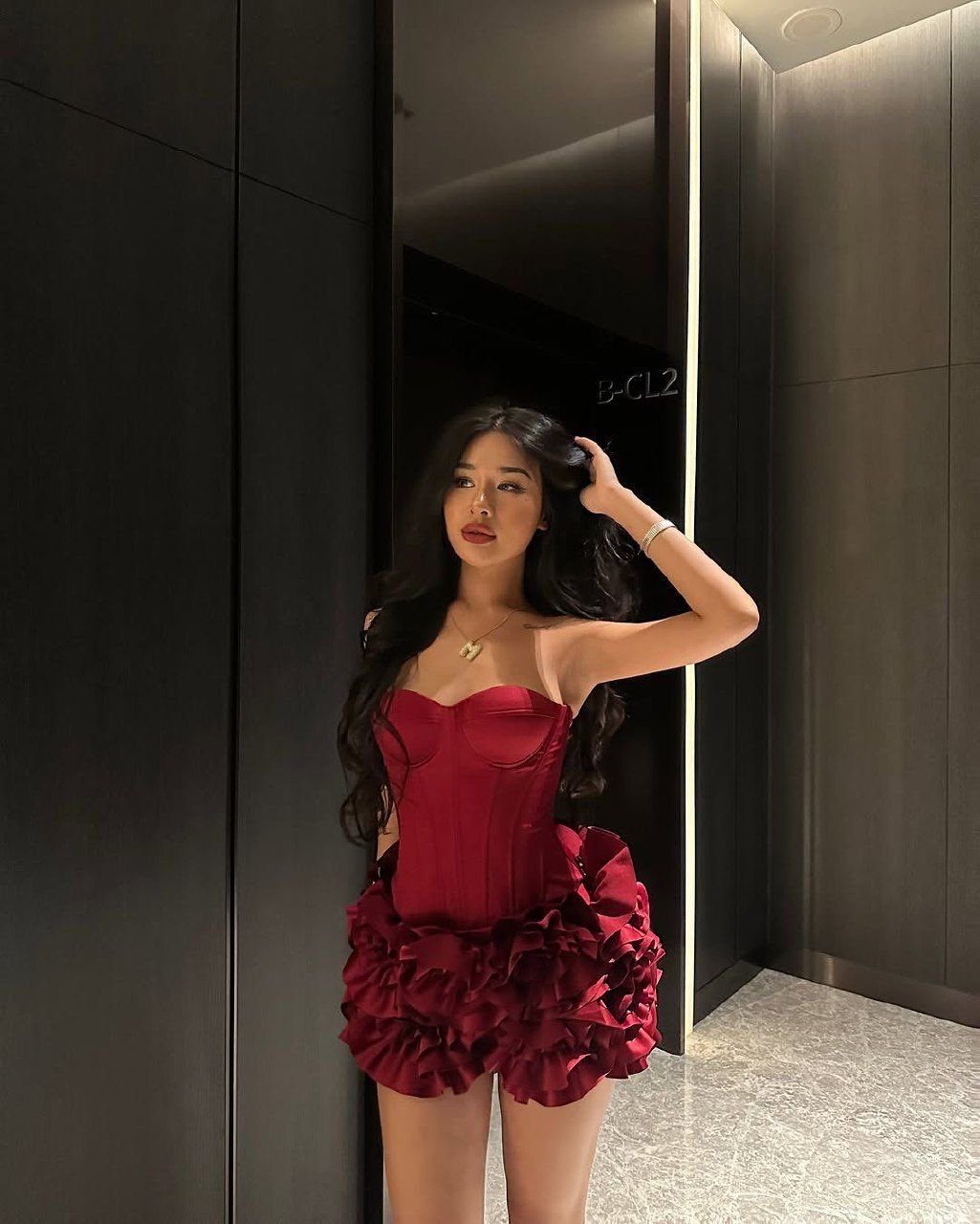
Corset boning in satin gives the waist actual architecture, not just the suggestion of it. A ruffled mini skirt plays against corset structure; without the ruffles, the dress reads as lingerie-inspired, which suits fewer occasions.
A longer bodycon satin version keeps the same waist emphasis but trades party-dress energy for something more restrained.
I would choose the mini for events where you will move, and the longer cut for ones where you will stand and talk. Both need a seamless underlayer; the boning will show every line beneath.
11. Red Dress with Floral Details
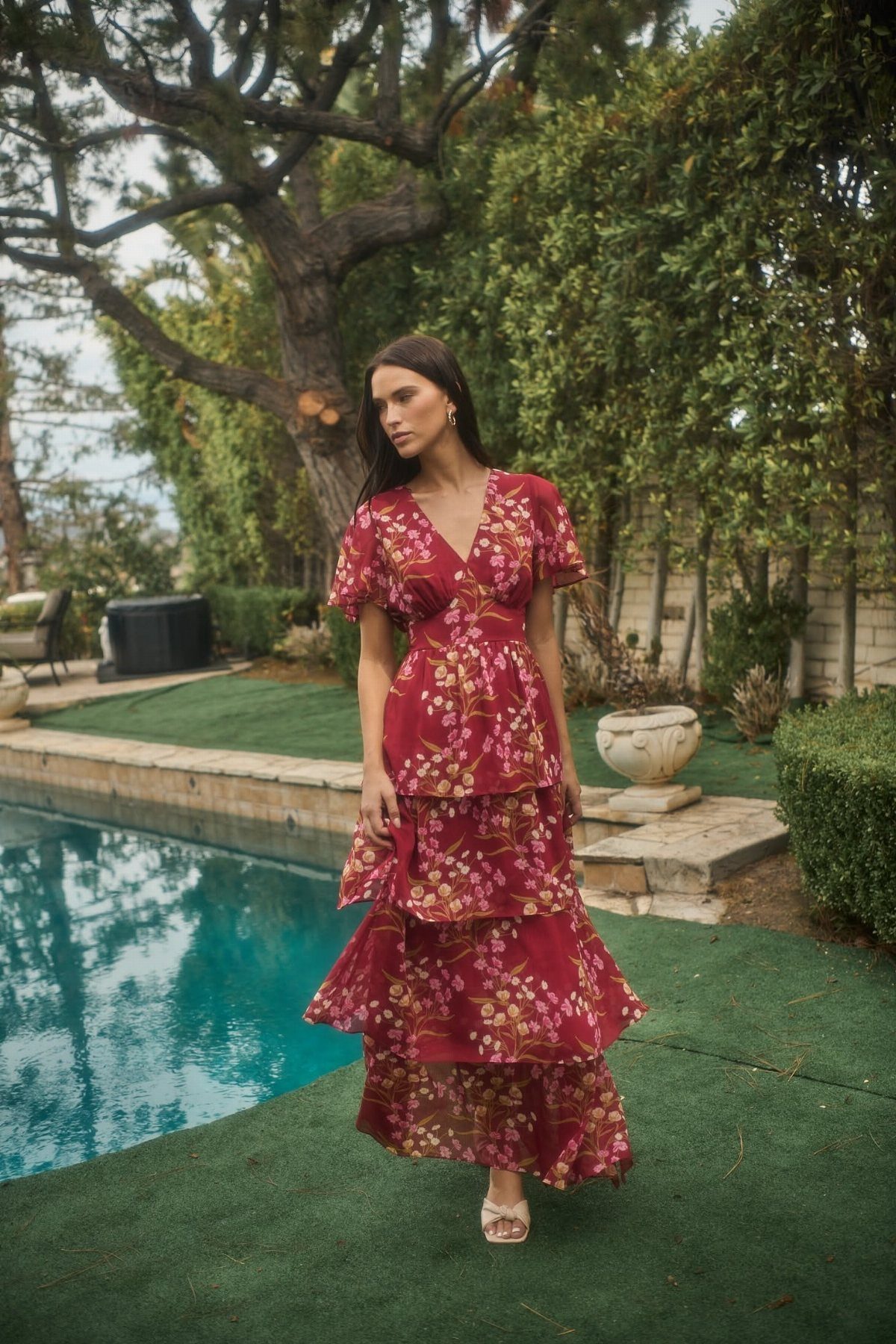
Floral print in red, rather than solid red, shifts the dress from statement to atmosphere; it photographs softer and reads friendlier at daytime events.
A tiered maxi with floral print belongs near water and greenery; the setting and the dress already match.
Large fabric roses or lace appliqué push further into wedding-guest territory than print alone.
I would check the invitation before choosing that level of embellishment. Flat sandals suit the tiered skirt; heels would catch in the hem.
Styling Tips for Red Dresses
Neutral accessories keep a red dress from reading as costume. Black is the obvious choice, and it works, but navy or camel can look more deliberate against a true red.
A black shoulder bag against a long red satin bodycon dress is one pairing that shows up often enough to call standard, and it holds because the bag sits away from the face where the color clash would matter more.
The occasion should narrow the style before you shop. A work holiday party and a rooftop birthday call for different reds, different lengths, different slits.
Satin reads evening; chiffon reads outdoor afternoon; velvet reads December through February and looks wrong in July. Match the fabric to the setting first, then the cut to your shape.
Occasions for Wearing Red Dresses
Weddings are the trickiest occasion for red. Some cultures treat red as celebratory and appropriate; others reserve it for the bride or read it as disruptive at a Christian ceremony.
I would check the invitation’s tone and the couple’s background before choosing red for a wedding guest dress.
Parties and formal gatherings are safer territory. A red dress signals that you made an effort, which hosts notice.
The degree of formality lives in the length and the fabric, not the color itself. Satin or velvet for evening events where others will be in dark colors; chiffon or floral print for daytime where the dress code is looser.
Accessorizing Red Dresses
Gold jewelry warms red; silver cools it. Neither is wrong, but the choice should match the undertone of the red itself.
A blue-red dress with gold earrings can look off in a way that the same earrings with an orange-red do not. I would hold the dress up to both metals in daylight before deciding.
Shoes finish the look, and they can undo it.