The right sleeve turns on what your day actually involves: reaching overhead, carrying a bag, or layering under a coat that will catch at the cuff.
These 16 types range from a barely-there cap that clears a jacket shoulder to a full angel sleeve that knocks over drinks at the table, with construction that runs from a simple set-in seam to a grown-on kimono cut that drops the shoulder line entirely.
A bishop sleeve in silk collapses into soft folds above the wrist; a feather-trimmed cuff moves on its own but needs dry cleaning and still has a limited life.
1. Puff Sleeves
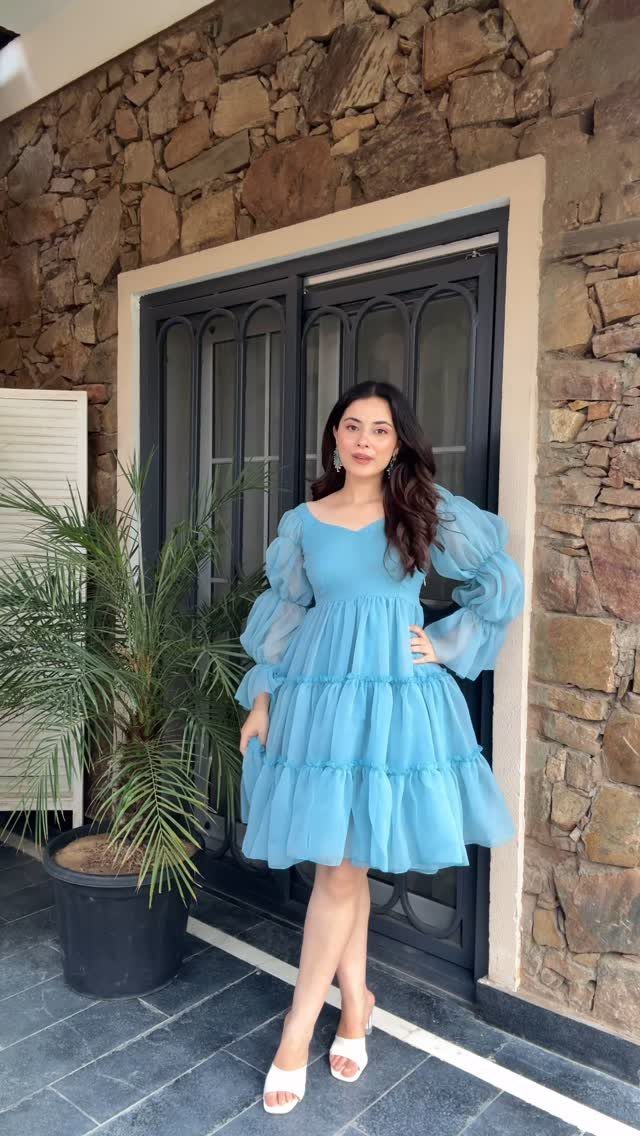
Gathered pleats at the armhole send these sleeves outward in a soft bulge that collapses back toward the arm, the kind of volume that reads romantic without needing a special occasion.
The density of those gathers decides how dramatic the puff becomes; a light hand gives a gentle rounding at the shoulder, while deeper pleating pushes toward costume territory.
Sheer fabrics keep the shape wearable for daytime, though sturdier cottons or poplins work for a more casual version.
I like a medium puff in a short sleeve for summer dresses; the proportions feel vintage without trying too hard.
For anyone sewing their own, the pattern is forgiving to adjust, and small changes to the gather depth let you calibrate exactly how much statement you want.
2. Bell Sleeves
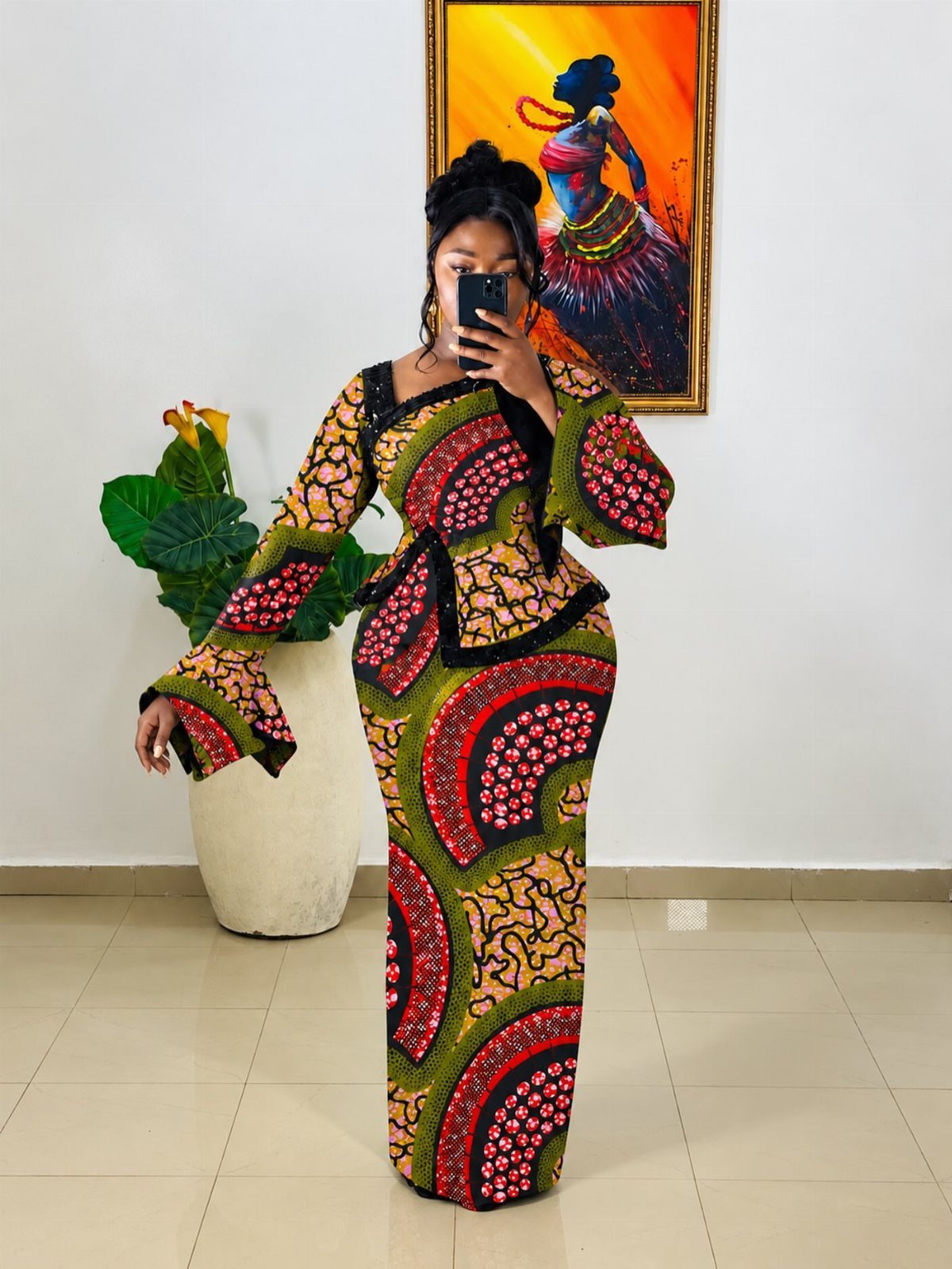
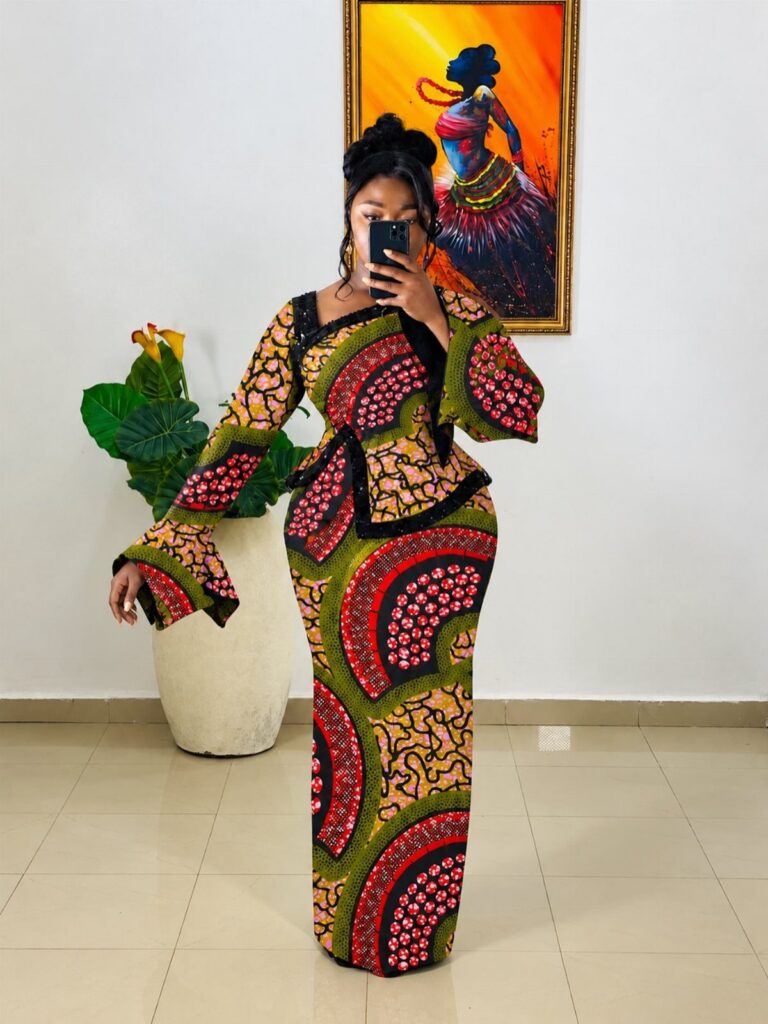
A continuous flare from below the elbow to the wrist gives this sleeve its name and its movement, the fabric widening in one unbroken piece rather than seamed.
A bold flare carries maximum drama, but the same shape works in subtler widths for everyday wear. Light fabrics float; heavier ones hold the shape like architecture.
I find bell sleeves easiest to wear when the rest of the dress stays fitted, the way this maxi does, so the volume has something to contrast against.
The flare can start anywhere from upper arm to just above the wrist; starting lower keeps the effect casual, higher reads more formal.
For anyone buying rather than making, check the wrist opening against your watch or bracelet, a wide bell can swallow accessories whole.
3. Cap Sleeves
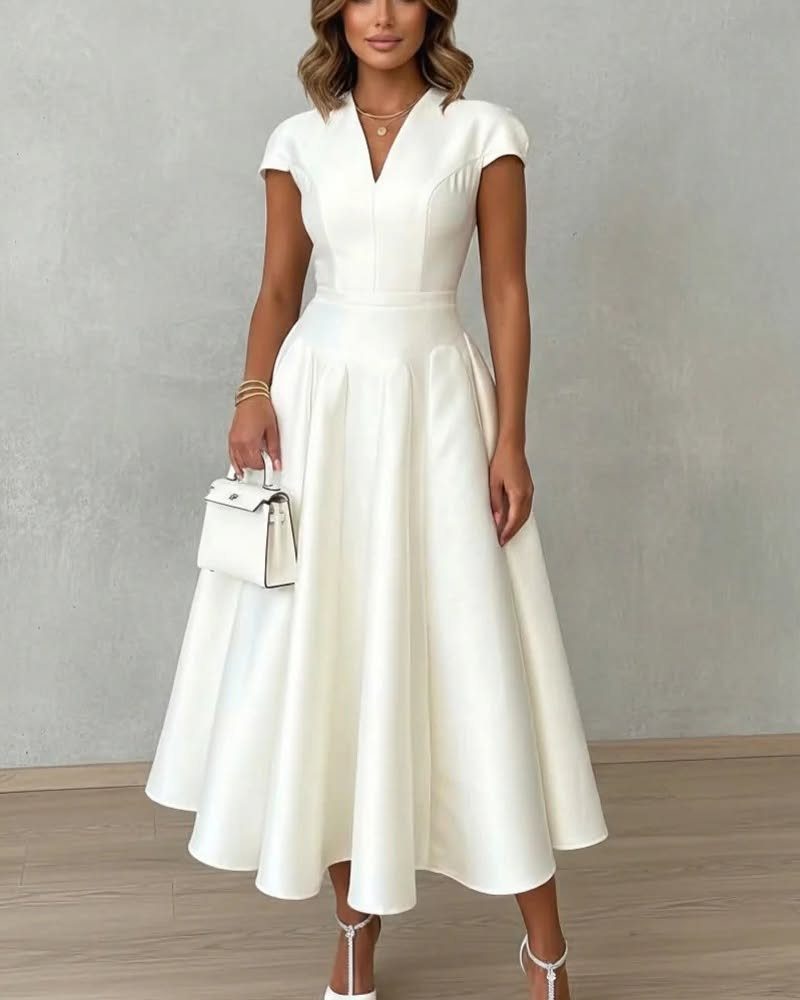
These barely extend past the shoulder line, covering just the cap of the arm and leaving the underarm free, which is why they layer so cleanly under jackets and cardigans.
The shape keeps a formal neckline looking neat rather than overbuilt, the sleeve doing its job without competing.
For warm weather, a cap sleeve hits the same note as sleeveless but with slightly more coverage for sun or office air conditioning.
When I am altering a pattern, I treat this as half a sleeve pattern piece, the grain and hang matter more than with a full sleeve because there is so little fabric to forgive errors.
Gathered or pleated versions add a touch of volume at the shoulder; flat ones read more modern and minimal.
4. Bishop Sleeves
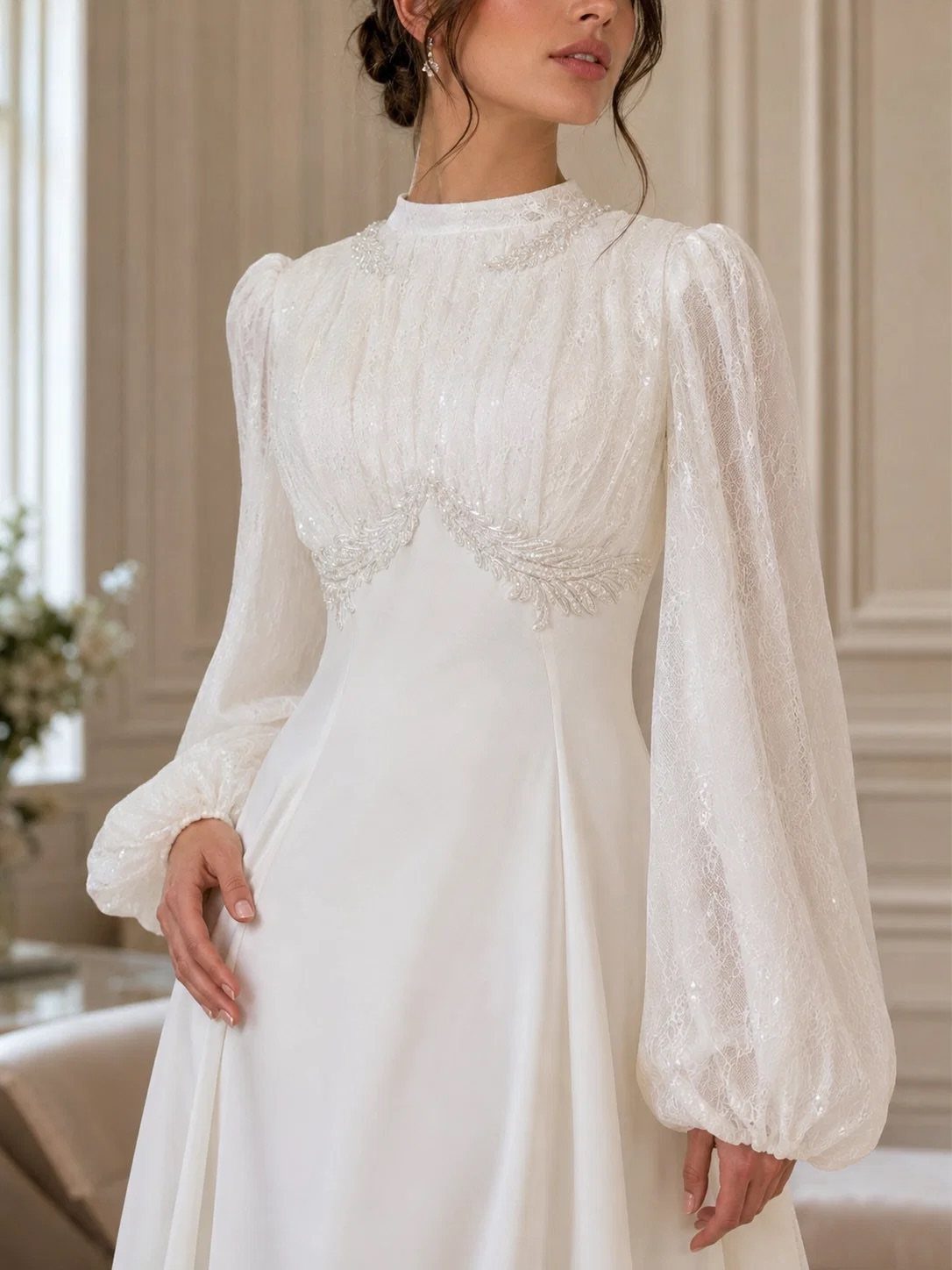
Volume balloons from shoulder to wrist, then gets reined in by a gathered cuff, the fabric collapsing into soft folds above the binding.
Sheer material lets the fullness read as mist rather than bulk, though opaque versions in silk or cotton work for evening blouses and cocktail dresses.
I think bishop sleeves suit almost everyone because the fullness disguises the arm line while the cuffed wrist still shows a bone, the one place most wrists look elegant.
Three-quarter length is easier to wear with bracelets; full length needs a cuff loose enough to push up.
For anyone choosing between this and a simple long sleeve, the trade is movement against bulk, bishop sleeves catch air and door handles alike.
5. Kimono Sleeves
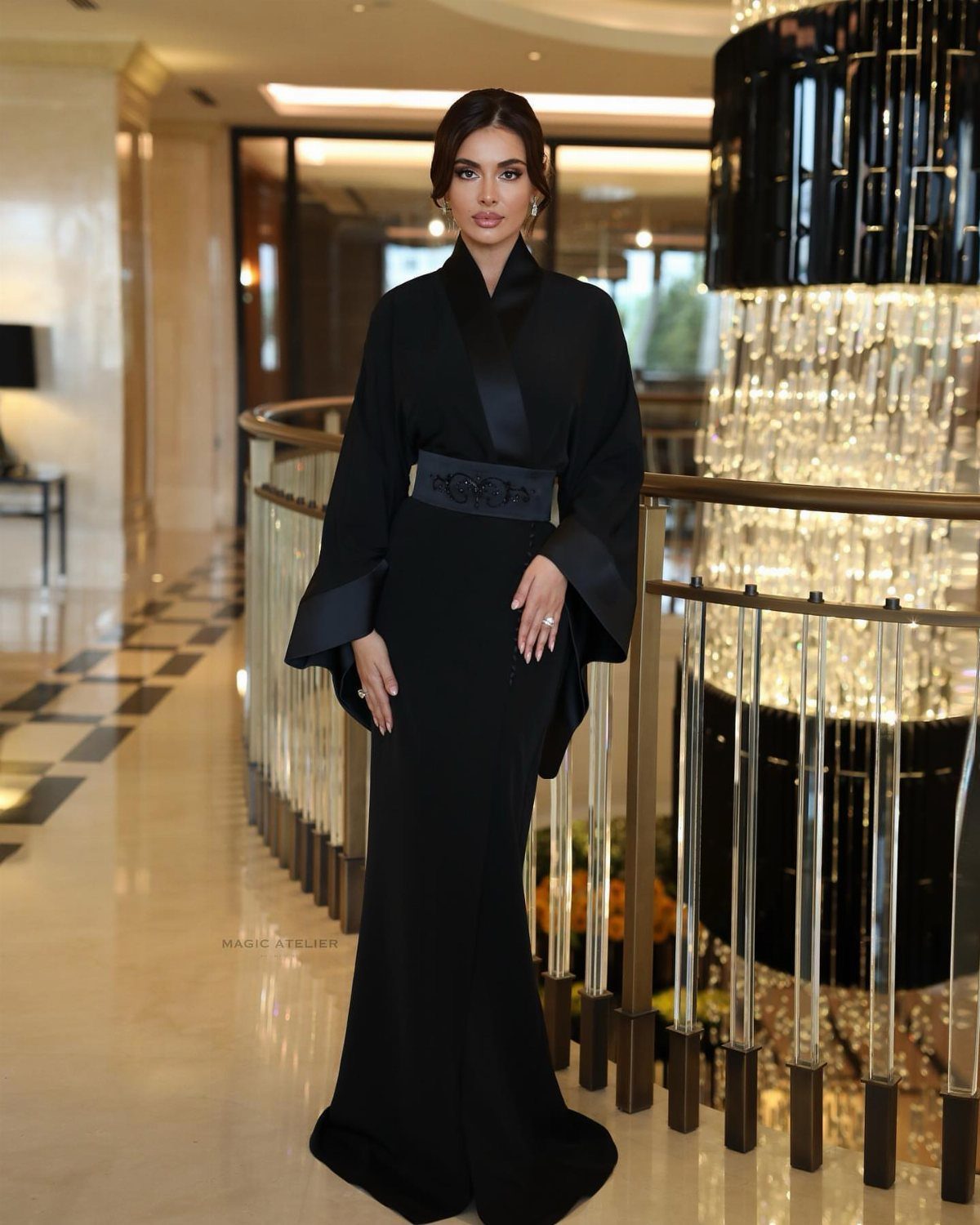
Cut as one with the bodice front and back, these sleeves exist only because the fabric extends outward from the shoulder line, no separate armhole seam needed.
The angular underarm forms a straight line rather than the curve of a set-in sleeve, which gives the whole garment its relaxed, T-shaped drape.
I have found kimono sleeves easiest in fabrics with some weight; light materials ride up and need constant adjusting at the underarm.
The grown-on construction means the shoulder seam moves toward the neckline, which changes how the garment sits on the body, plan for a slightly dropped shoulder line.
For a more fitted version, some patterns add a vertical seam from shoulder to underarm, though that trades the purity of the original shape for better movement.
6. Angel Sleeves
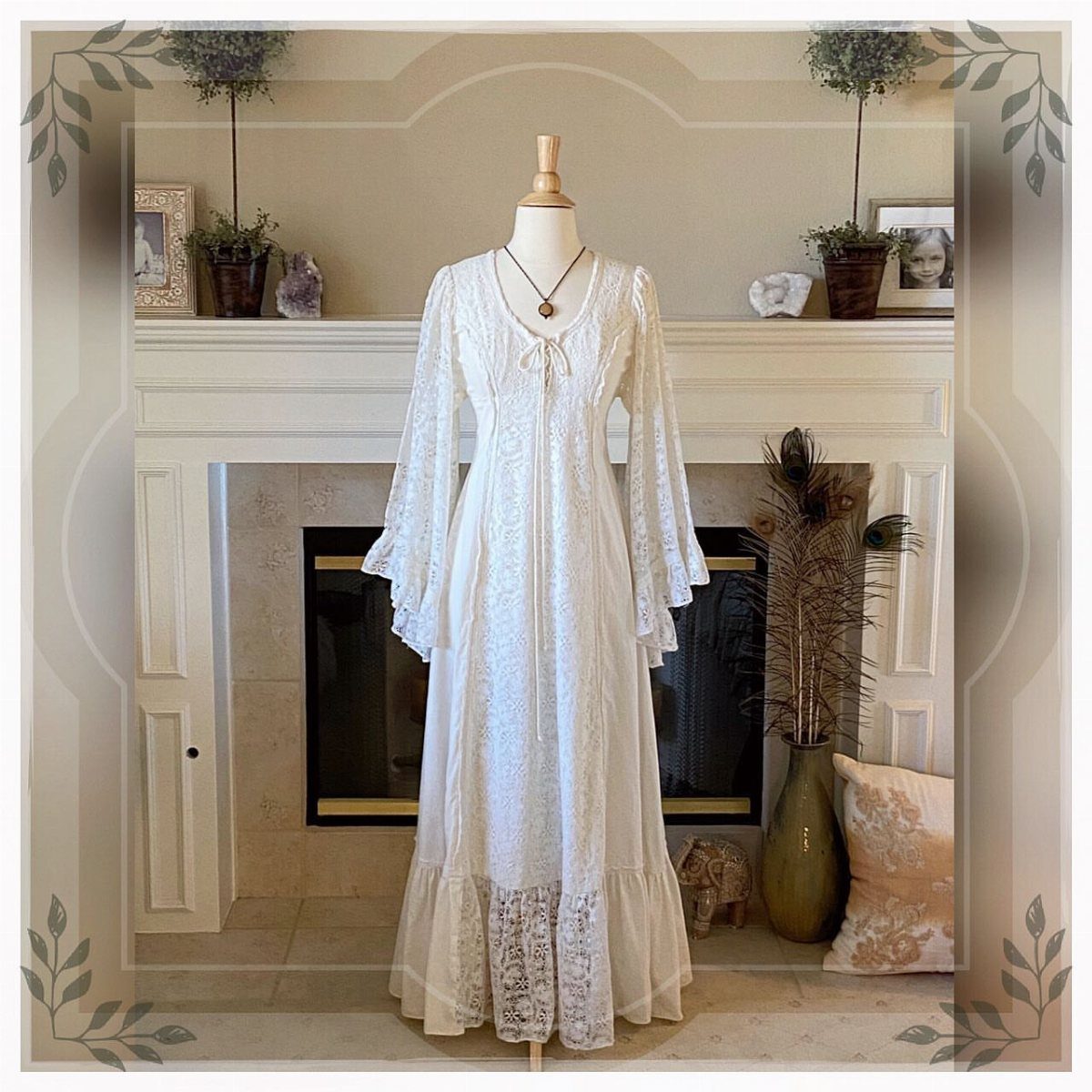
Every part of this sleeve stays wide and flowing, from shoulder to hem, with no point where it grips the arm, the fabric falling straight from the body like a wing.
The same construction in cotton or rayon becomes a summer cover-up, while heavier fabrics suit formal occasions.
I consider angel sleeves a commitment, the extra fabric catches breezes and knocks over drinks at tables. They read most naturally in maxi lengths where the sleeve volume balances the skirt; on a short dress the proportions can feel top-heavy.
For anyone drawn to the shape but wary of the drama, a slightly shorter length that ends at the elbow keeps the flow without the full costume effect.
7. Off-the-Shoulder Sleeves
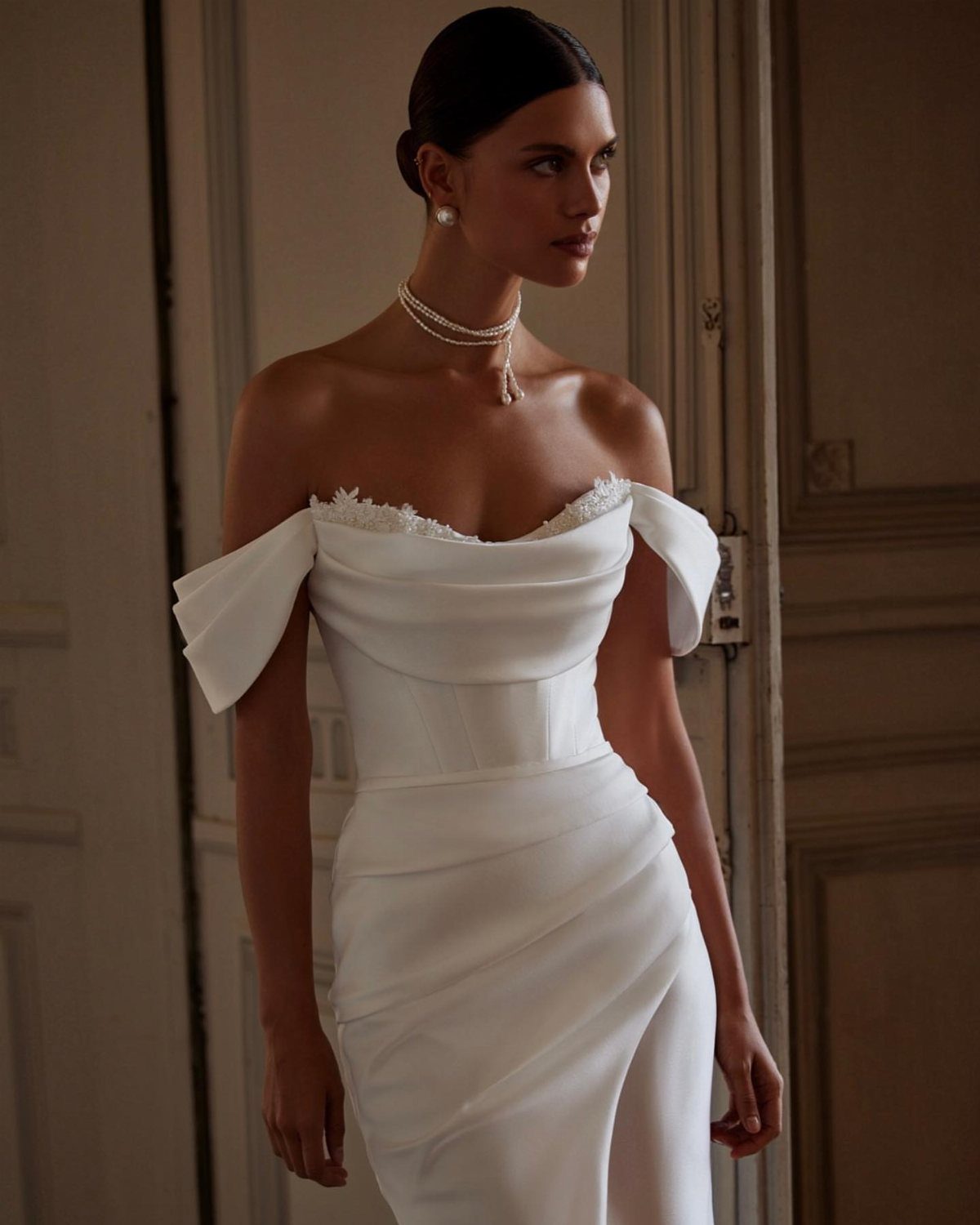
The neckline sits below the shoulder bone, the sleeve beginning where a strapless dress would end, held up by tension or a hidden band across the upper arm.
Off-the-shoulder placement frames the collarbone and leaves the neck open for a choker or short necklace.
I find this shape works best when the bodice stays fitted; any looseness and the whole dress slides south.
Check your arm circumference against the sleeve opening if you are buying online, too tight cuts circulation, too loose defeats the hold. For anyone between sizes, the version with a detachable sleeve lets you convert to strapless mid-event.
8. Dolman Sleeves
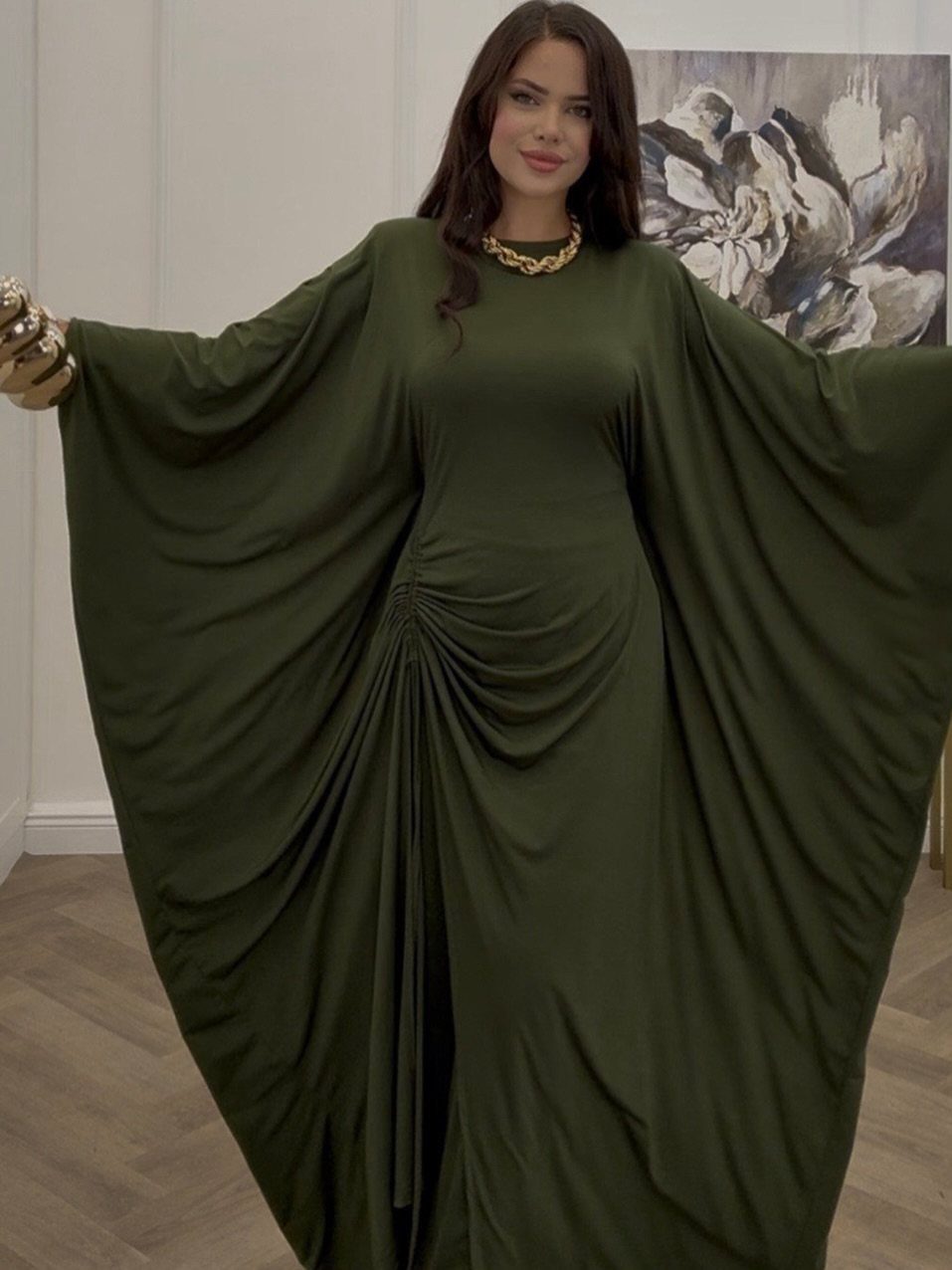
Deep folds of fabric drop from the shoulder line in a continuous sweep, narrowing only as they approach the wrist, the armhole extending almost to the waist in some cuts.
Dolman sleeves work best in maxi lengths where the sleeve and skirt share the same generous scale.
The grown-on construction means no shoulder seam sits at your natural joint; expect the whole garment to hang lower and plan your underlayer accordingly.
For movement, the vertical seam variation gives a cleaner line under the arm without losing the volume at the top.
9. Juliet Sleeves
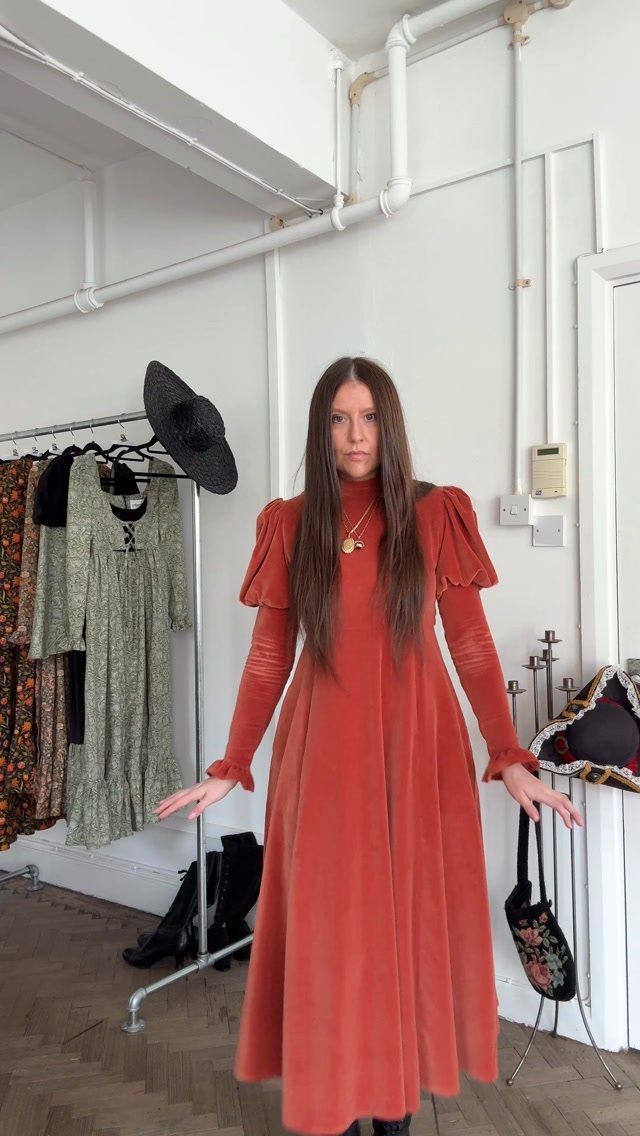
A gathered puff at the shoulder collapses into a fitted forearm, the change marked by a horizontal seam that creates a sudden shift from volume to line.
Velvet keeps the transition soft, the pile of the fabric blurring where fullness becomes fit.
This sleeve demands a fabric that compresses well at the top and stretches or shapes at the bottom; velvet, silk, and structured cotton all behave differently at that seam.
I see Juliet sleeves most often in bridal and formal wear, where the historical reference reads as romance rather than costume.
For a version closer to everyday, a shorter puff with a fitted three-quarter length keeps the silhouette without the full period effect.
10. Frill Sleeves

The effect ranges from a single soft frill to bold, stacked volume depending on how many tiers you add. The peplum at the waist echoes the sleeve, the whole garment built from the same language of gathered planes.
I like frill sleeves best when the ruffle follows the sleeve hem rather than crowning the shoulder; the movement stays at the arm where it belongs.
Check the placement against your widest point, a frill that hits at the bust line can add visual weight you did not plan.
For anyone sewing, the layers eat more fabric than they appear to; buy your yardage with the pattern envelope’s ruffle notation in mind.
11. Long Sleeves

A sleeve that runs to the wrist or past it, the simplest definition and the most common, though the execution varies endlessly. Long sleeves can gather into vertical ruching, the fabric controlled and textured rather than hanging straight.
Long sleeves in a fitted dress need attention at the wrist; a tight cuff traps the hand, a loose one swallows it.
I find ruched or shirred versions more forgiving across arm widths than a plain cut, the elasticity of the gathering adapts where a set measurement would not.
For outerwear or layering, the sleeve length must clear your coat cuff or bunch uncomfortably; check the combined measurement before you buy.
12. Cape Sleeves
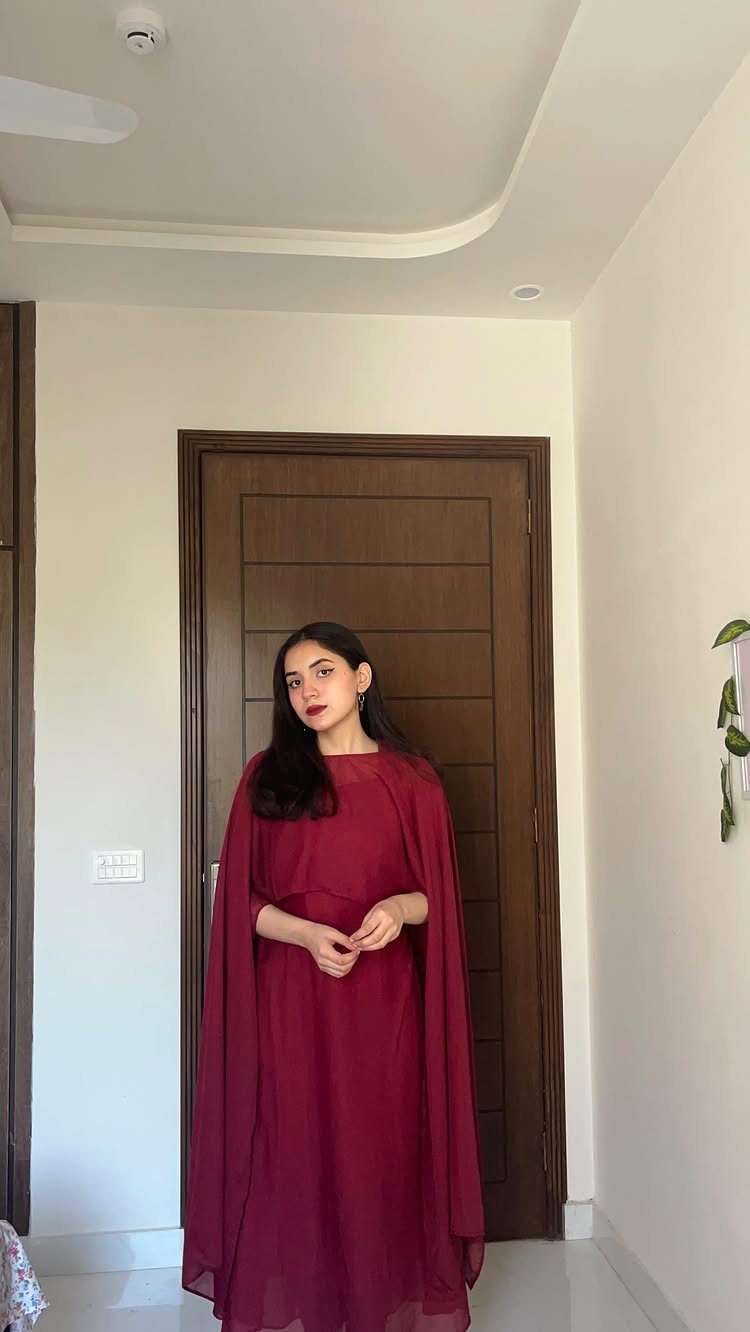
Fabric extends from the shoulder in a sweep that falls behind the arm like a small cape, sometimes attached only at the top, sometimes splitting at the front to let the arm move freely.
Cape sleeves read as continuous drape from the back when the arm opening stays subtle.
I consider this shape a way to add coverage without the heat of a full sleeve, the air moves under the cape where a long sleeve would seal it in.
The effect turns formal easily; in a casual fabric like washed silk or light wool, it stays wearable for dinner rather than gala.
For anyone concerned with the back view in photos, the cape sleeve delivers drama exactly where the camera catches it.
13. Sleeveless Dress Designs
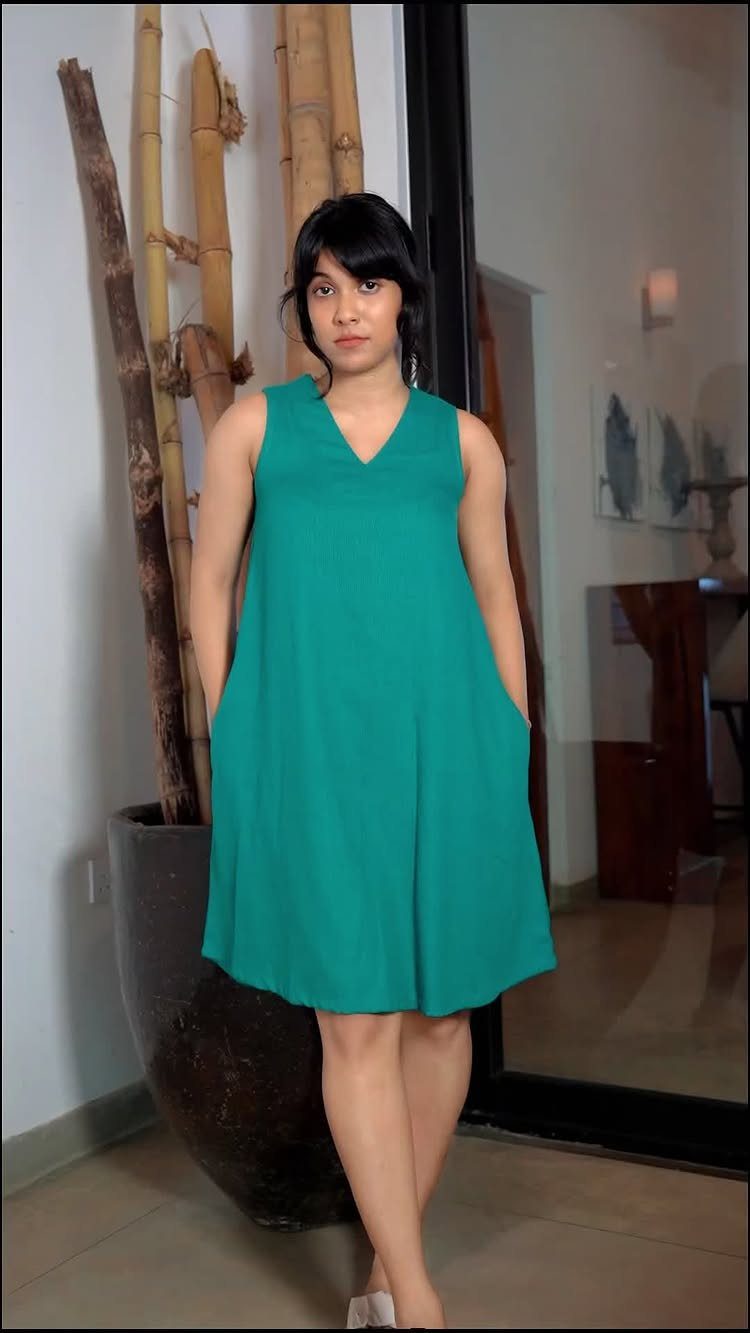
Sleeveless dress designs leave the arm fully open from shoulder to hem, the bodice carrying all the structure.
A higher armhole keeps the line clean for layering under a blazer; a lower one risks gaping and limits what you can wear beneath.
A knee-length cut with pockets makes this practical enough to wear alone in July or layered under a cardigan in October.
Before buying, check the shoulder seam placement: too wide and straps show, too narrow and movement pulls the whole bodice. I reach for sleeveless shapes when I want one dress to cover three seasons with a turtleneck swap.
14. Flutter Sleeves
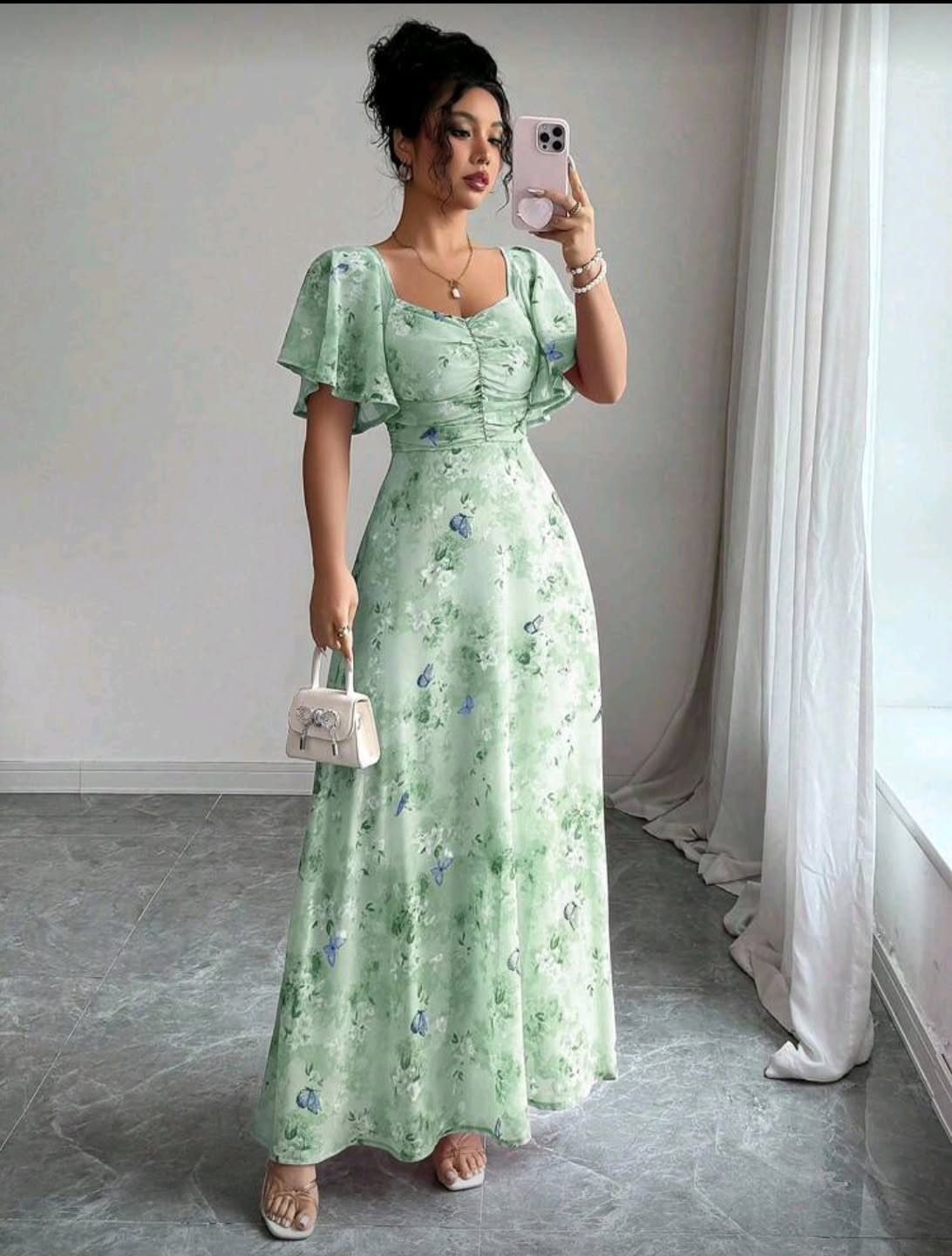
Flutter sleeves flare from the shoulder in soft, irregular waves, shorter than a butterfly sleeve but carrying the same sense of motion.
The sleeve follows the arm’s natural swing rather than holding its own shape, which keeps the look soft and unforced.
Summer weight fabrics like rayon or lightweight cotton let the flutter do its work; anything stiff fights the effect.
I find this sleeve most useful on dresses that need a touch of femininity without the commitment of a full puff or bell.
Layering a camisole underneath adds coverage if the armhole runs wide, though the flutter itself rarely tolerates a jacket over it.
15. One-Shoulder Statement Sleeve
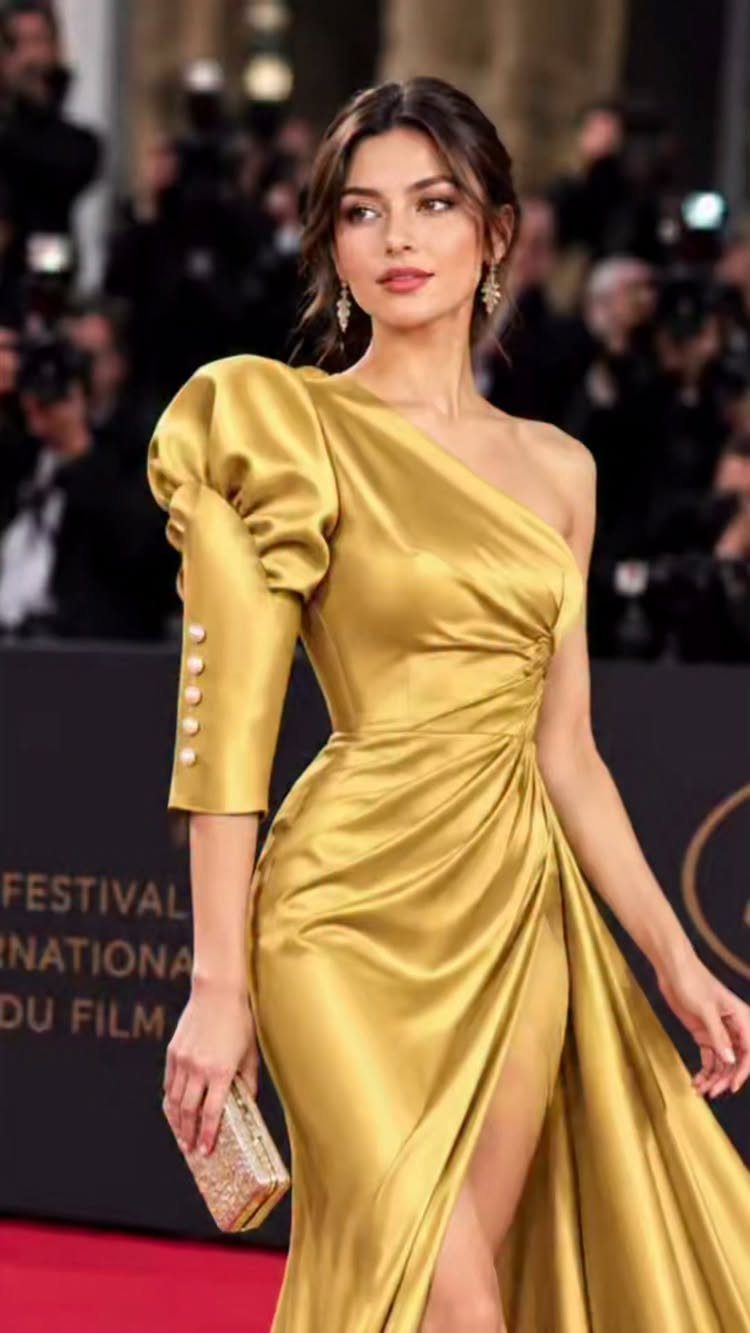
A single sleeve dominates one side of the bodice while the other stays bare, the asymmetry becoming the entire statement. A puffed three-quarter sleeve weighted by pearl details pushes the volume further, balanced against the clean diagonal of the neckline.
This shape demands a secure bodice; any looseness and the one-sided weight pulls the whole dress off-center. Check that the sleeve construction allows full range of motion, a tight armhole on the sleeved side turns elegant into awkward fast.
For anyone considering this for an event with photography, the single sleeve reads beautifully in profile but needs planning for poses where the bare shoulder faces the camera.
16. Feather-Trimmed Sleeves
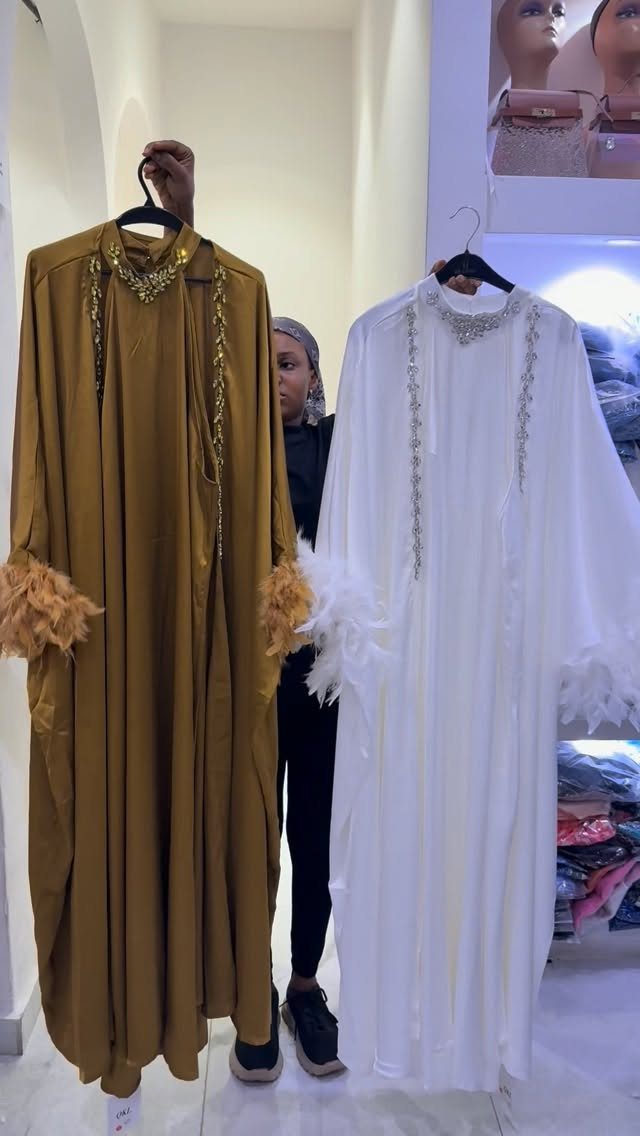
Feather trim at the sleeve cuff turns an ordinary long sleeve into something that moves on its own, each gesture sending the plumes swaying.
Keeping feathers concentrated at the wrist while the rest of the sleeve stays plain stops the trim from competing with itself.
This detail comes with maintenance: feathers tangle, flatten, and shed, dry cleaning is non-negotiable and even then the trim has a limited life.
I consider feathered cuffs a rental or occasion-buy rather than investment, the way you might approach a statement shoe.
For anyone wanting the effect without the upkeep, a dense fringe trim in silk or rayon mimics the movement at a fraction of the care.
Choosing the Right Sleeve
A sleeve choice starts with what your day actually involves.
Cap sleeves and sleeveless cuts layer cleanly under a blazer for offices that run cold; kimono and dolman cuts need room to move, so skip them if you will be reaching overhead or carrying bags on your shoulder.
Light rayon or cotton lets a bell or flutter sleeve do its work; a puff sleeve in stiff poplin holds its own structure but can feel like armor by 2 PM.
Volume at the shoulder widens a narrow frame; volume at the wrist can shorten the arm. Check your coat sleeve before buying any long cuff detail.
A bishop sleeve or feather trim that catches at your wrist will bunch under a winter jacket for the whole season. The best sleeve is the one you do not fight.
Sleeve Trends
Puff and bell sleeves have cycled back hard in recent seasons, enough that fast-fashion racks look almost uniform with them. I treat trend sleeves the way I treat any loud detail: one per outfit, and the rest stays quiet.
A puff sleeve in a solid color reads current; the same sleeve in a floral print with ruffled hem becomes costume fast.
Most "new" sleeve shapes are variations on the handful of classic silhouettes already in the list.
Designers recombine volume, length, and seam placement, but the building blocks have not changed. The sleeve that feels fresh this season will feel dated if the proportion is extreme.
I buy trend sleeves in fabrics I can live with long after the shape feels last-year: cotton, silk, good wool. Synthetics in a loud sleeve age badly in both directions.
Sewing Challenges
Set-in sleeves remain the standard beginner stumbling block. The sleeve cap carries extra length, called cap ease, that must be distributed and eased into the armhole so the seam lies smooth without puckers.
Gathering the ease evenly takes practice; rushing it gives the dreaded "elephant ear" at the shoulder.
Grown-on sleeves like kimono and dolman skip this entirely, which is why sewing teachers often assign them early. The trade is fit: without that shaped armhole, the garment hangs differently and the range of motion changes.
For anyone learning, I would start with a cap sleeve or a simple long sleeve before tackling a bishop cuff or a Juliet puff. The skills build; the complicated sleeves wait.
Historical Context
Leg-of-mutton sleeves, also called gigot, carried their volume at the upper arm and narrowed to the wrist, the inverse of a bishop sleeve.
Modern versions range from subtle to extreme. A restrained gigot in a structured wool can work for day; the same shape scaled up in taffeta becomes pure event dressing.
They belong to vintage and historical fashion, not to current runways, so I would not shop for one expecting to blend into a standard office.
The Juliet sleeve offers a shorter puff at the shoulder with a fitted forearm, a compromise that keeps the silhouette’s logic without the museum quality.
Frequently Asked Questions
What are the different types of shirt sleeves?
The main construction types are set-in, raglan, and grown-on sleeves like kimono or dolman.
A set-in sleeve joins the bodice along a curved armhole, which is why it follows the shoulder line so closely and looks the most fitted of the standard constructions.
Raglan sleeves use a diagonal seam running from neckline to underarm, which leaves more room to move.
Grown-on sleeves extend from the bodice itself with no separate armhole seam, giving a looser drape that works well in casual shirts and shirt-dresses.
What is the difference between Dolman and Raglan sleeves?
A dolman sleeve starts with a wide drape at the shoulder and narrows as it moves down the arm; the fabric is usually cut continuous with the bodice, so the seam falls lower on the arm rather than right at the joint.
On a raglan sleeve, the seam angles from the underarm straight to the collarbone, leaving that diagonal slash across the chest that you see on baseball shirts.
Raglan construction is common in sportswear because the seam placement frees up movement; dolman cuts tend to read more relaxed and flowing.
What are the different types of arm sleeves?
Sleeves vary by how they attach, how long they run, how much shape or volume they carry, and what details are added.
Attachment methods include set-in, raglan, and grown-on; lengths range from cap to wrist and beyond; shapes include straight, flared, gathered, or fitted through the forearm.
Decorative details can mean ruffles, feathers, slits, or cuffs that change how the sleeve moves and what it needs in care.